
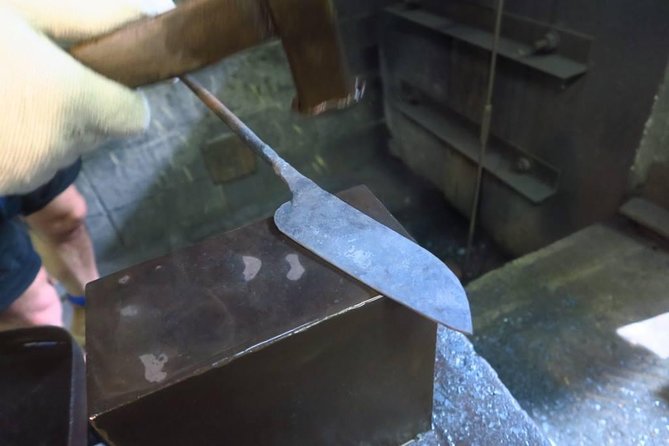
REVIEW · JAPANESE CRAFT AND CALLIGRAPHY WORKSHOPS
Make your own kitchen knife with a master blacksmith in Shimanto
Fire meets iron in Shimanto.
This is one of those rare classes where you do the work, with a master blacksmith guiding you step by step as you heat and forge steel. I also like that you end with something personal, the option to engrave your own message for a wedding, a name, or a memory. A fair warning though: the day involves smoke and hot-metal smell, so wear clothes you do not mind getting beat up.
You start in the Shimanto area near the river and then head to Workshop Kurogane, a hands-on setting that feels far from any city noise. You get what you need to participate, including work clothing and protective glasses, plus tools and raw materials. Just know food and drinks are not included, so plan ahead unless you enjoy your lunch hunt.
In This Review
- Key things you will notice right away
- Why Shimanto’s river country is a perfect match for knife-making
- Price and time: what you are paying for, and what you are not
- Plan your day around soot, heat, and the right lunch
- Meeting point at Workshop Kurogane, start your day on time
- First stop: Shimanto River, where the day sets its pace
- Workshop Kurogane: tatara iron energy and a true hands-on class
- What you do with the steel
- Safety is not an afterthought
- Getting hands-on without losing the craft: what “master guidance” actually means
- Choosing your product: knives, scissors, and tools you can actually keep
- Engraving your blade: turning craft into a keepsake
- Kachima Chinka Bridge and Iwama Chinka Bridge: why the day includes the pauses
- Language and group size: small feel, English support
- Who should book this workshop (and who might reconsider)
- Practical value checklist before you go
- Should you book the Shimanto knife-forging workshop?
- FAQ
- What is the duration of the knife-making workshop?
- What is included in the price?
- Is food provided during the workshop?
- Is hotel pickup and drop-off included?
- Where does the experience start and end?
- Is the workshop taught in English?
- Is it a private activity?
- Can I cancel for a full refund?
Key things you will notice right away
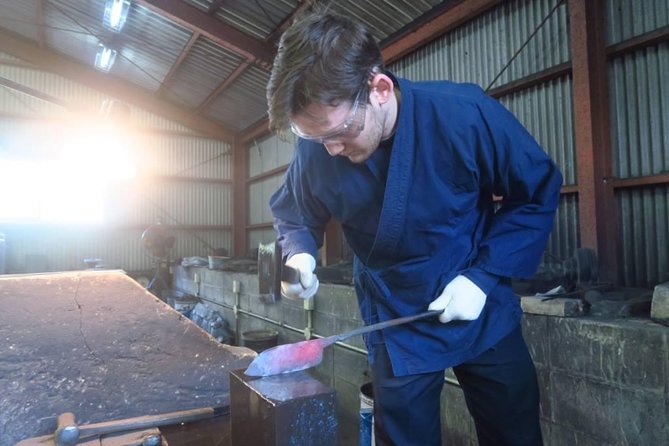
- Master-led forging: you work the steel with close coaching instead of passively watching
- Tatara iron atmosphere: the setting connects to traditional Japanese iron-making culture
- Safety gear is built in: work clothes and protective glasses come with the experience
- You make real tools: kitchen knives are the main focus, with options for scissors or other cutlery/tools
- Personal engraving: you can add text to commemorate your visit
- A private group feel: only your group participates, so questions do not get lost
Why Shimanto’s river country is a perfect match for knife-making
Shimanto, in Kochi Prefecture, has a way of slowing you down. You are not just attending a craft class, you are surrounded by the Shimanto River area, with mountains and river wilderness nearby. That matters because forging is physical, rhythmic, and a little dramatic, and the setting matches that energy.
The experience also gives you more than one moment to look up from the work. You visit the Shimanto River area first, then you head to the workshop grounds, and later you pause at Kachima Chinka Bridge and Iwama Chinka Bridge. Even if you are there for the blade, those breaks make the day feel like an actual trip, not a one-room activity.
If you like places where craft still feels grounded in place, this one makes sense.
Price and time: what you are paying for, and what you are not
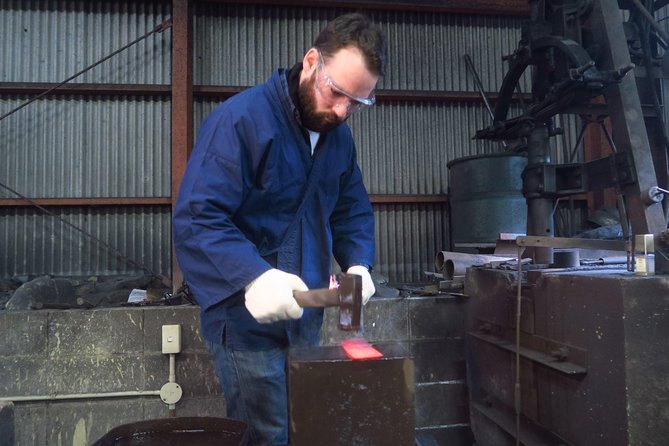
The price is $407.26 per person for about 8 hours. That is not pocket-change for a workshop, so I look at it as a materials plus instruction day, not a quick souvenir stop.
Here is the value logic that convinced me: your training experience is included, teaching is available in English, and you are provided with the equipment needed for the workshop. That covers work clothes, protective glasses, raw materials, and a tools set. In other words, you are paying for the full-making process with the right supplies, not just a demonstration.
What is not included is also clear. Food and drinks are on you, and hotel pickup and drop-off is not included as part of the base price. Transportation to and from attractions is also not part of the experience, though Shimanto City pickup may be available for an extra fee.
If you are the type who hates last-minute logistics, factor in how you will get to the meeting point and back. If you plan well, the day feels worth it.
Plan your day around soot, heat, and the right lunch
One of the most practical tips you will hear for this kind of forging day is about clothing. You will be working with fire and hot metal, and you should assume some smoke smell is part of the deal. I would wear something you do not mind getting smoked up, and ideally something that can handle a stray spot.
Food is not provided, so treat this like a full-day workshop. A smart approach is to grab lunch before you start, even from a convenience store. You will want steady energy because the work takes focus and physical effort. Also, because the class runs around 9:00 am and lasts roughly 8 hours, eating whenever you feel like it is not always realistic.
Safety equipment is included, which helps a lot: work clothes and protective glasses are provided. Still, if you have questions about what you will wear or what you might need for your comfort, ask early.
Meeting point at Workshop Kurogane, start your day on time
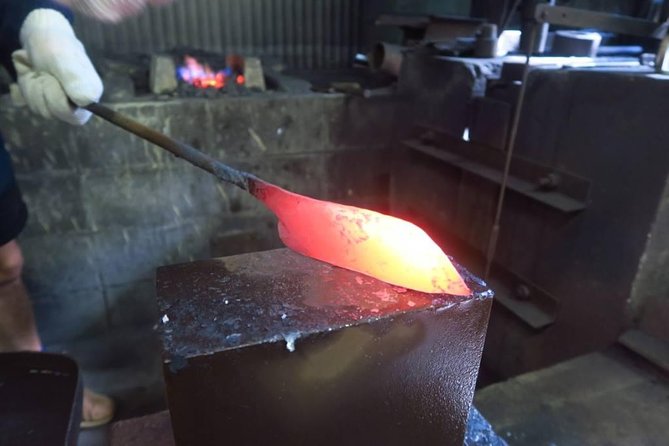
Your day begins at Workshop KUROGANE in Shimanto, Kochi Prefecture, at the address listed for the meeting point. The start time is 9:00 am, and the activity ends back at the same meeting point.
Because it is a private tour/activity, your timing matters more than on big group tours. Arriving ready lets you jump into the forging process sooner instead of sitting and waiting with everyone else.
If you are traveling from outside Shimanto, build in buffer time for getting to the workshop. The area is a bit isolated compared with Japan’s main tourist corridors, so road time can surprise you.
First stop: Shimanto River, where the day sets its pace
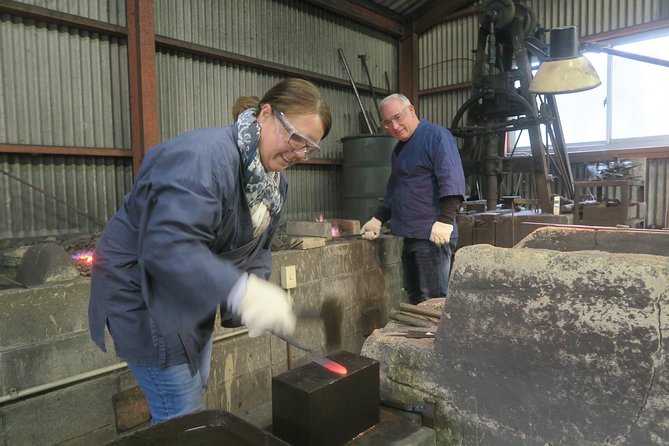
You begin with the Shimanto River area, which acts like a slow prelude. Even if you only get a short look, it gives you a sense of the region before your hands get busy. This is not just scenic filler. Forging feels more intentional when you understand you are in real river country, not a theme park.
I like this kind of start because it makes the workshop feel connected to the place. You are not only learning technique, you are stepping into the context where traditional metalwork culture made sense.
Workshop Kurogane: tatara iron energy and a true hands-on class
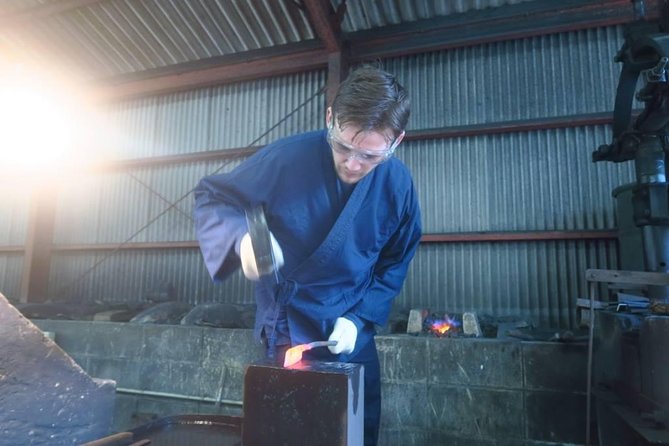
The main event is at Workshop Kurogane, where the focus is Japanese blacksmith cutlery production. The workshop experience is designed to show you how knives and tools come from steel through heat, hammering, and traditional methods.
The key ingredient here is that your instructor is a master blacksmith. Depending on the session, you may work with a sensei referred to as Hayashi-san or Nobuya-sensei. In either case, the theme is consistent: you get guidance that keeps you moving safely and correctly, while still letting you do the real work.
This workshop is also described as being in an area surrounded by woods. That matters for atmosphere. When you are forging in a workshop like this, it feels like you are part of a living craft space, not inside a showroom.
What you do with the steel
You heat steel in the flames and forge it using traditional Japanese techniques. You create cutlery such as kitchen knives, and the workshop also supports making scissors or other tools, depending on what you choose and what the instructor sets up for your group.
I like that you are not treated like a spectator. You work through the day actively, which means you leave with a finished piece you can keep and use, not just photos.
Safety is not an afterthought
All necessary safety equipment is provided. That includes work clothes and protective glasses, and the experience is built to support safe participation. This is especially important because you are dealing with fire and metal shaping.
If you have never forged before, do not worry. You are not thrown into chaos. The whole point is to teach you how to do it with the right precautions.
Getting hands-on without losing the craft: what “master guidance” actually means
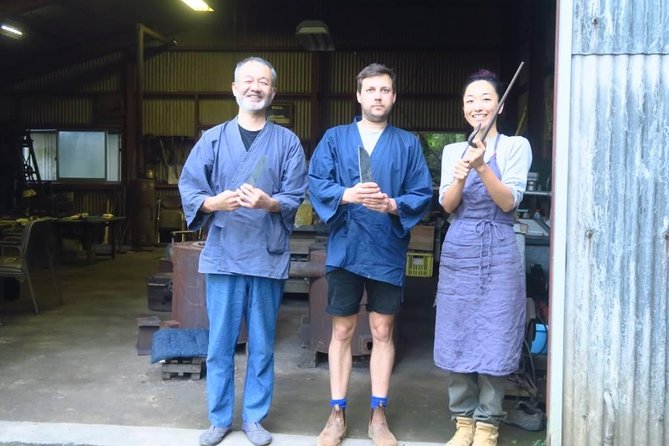
A master blacksmith does not just show you what to do once and disappear. In this kind of workshop, master guidance usually means you get corrections in real time, encouragement when you are struggling, and help with technique so your steel work stays on track.
You also learn by doing. Reviews highlight how much hands-on time you get while still ending with a beautiful finished product. That balance is the difference between a fun activity and a real learning experience.
If you like practical skills, this is a great fit. Even if you never plan to forge again, you will walk away with a new respect for how much work goes into a knife that feels effortless in your kitchen.
Choosing your product: knives, scissors, and tools you can actually keep
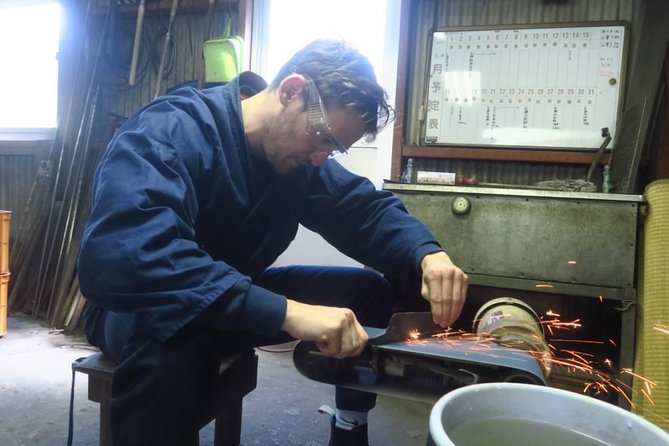
The workshop is centered on Japanese knife-making, but it is not limited to one object. You can forge cutlery like kitchen knives, and you also have a chance to forge scissors or other tools.
This flexibility helps if you are buying for someone else. A knife is the obvious gift, but scissors can be more distinctive, and a tools option might appeal if you are more into utility than kitchen prep.
The bigger point is that your experience is tied to a physical outcome you can take home. That is why the cost does not feel like you are paying for a pass. You are paying for materials, time, and the chance to make something real.
Engraving your blade: turning craft into a keepsake
One of the most meaningful parts of this experience is that you can engrave your knife or tools. The day includes opportunities to commemorate a wedding, remember your trip, or add a name or message.
I recommend thinking about your text before you arrive. Short, clear writing usually works best, and having a plan saves time when you are excited and tired at the end of the forging day.
This is also where the workshop becomes more personal than just technical learning. You end up with a knife that carries your story, not just your purchase.
Kachima Chinka Bridge and Iwama Chinka Bridge: why the day includes the pauses
Later in the experience, you stop at Kachima Chinka Bridge and Iwama Chinka Bridge. These are part of the day’s rhythm. They give you a chance to step out, look at the river and the surrounding area, and reset after hours of heat and focus.
I like these stops because they help you process what you made. When your hands are still smelling faintly like workshop smoke, it is oddly satisfying to look out at the calm geometry of bridges and think, I turned raw steel into something useful.
Also, they make the day feel more like a Shikoku outing than a single-purpose workshop.
Language and group size: small feel, English support
Teaching is provided in English, and the experience is designed so you can participate comfortably even if your Japanese is limited. That is a big deal for practical crafts where instructions matter.
The other comfort is privacy. Only your group participates, so you are not competing for attention. If you have questions, you can ask them without worrying about crowd flow.
Who should book this workshop (and who might reconsider)
This experience is ideal if you:
- want a hands-on craft day, where you actually forge
- enjoy Japanese traditional techniques and tool-making culture
- want a memorable keepsake you can use, not only display
- like small-group, direct instruction
- are okay spending the full day working around fire and protective gear
You might reconsider if:
- you are very sensitive to smoke smell and heat conditions, even with protective gear
- you do not like full-day activities without food included
- you hate any chance of clothing getting marked
For most people, the trade-off is worth it. The finished knife and engraving option give you a payoff that feels personal.
Practical value checklist before you go
Here is how I would judge whether this is a good fit for you in one minute:
- Do you want to make an actual kitchen knife or related tool, with guidance?
- Are you able to arrive at the meeting point around 9:00 am?
- Can you bring or buy lunch since food and drinks are not included?
- Are you comfortable wearing work clothes that can handle workshop smoke?
- Are you happy paying for instruction plus materials plus safety equipment, not just the experience talk?
If you say yes to most of that, you are likely to have a day you remember.
Should you book the Shimanto knife-forging workshop?
I think you should book if you want something real from Japan, a day where you learn through heat, hammering, and direct coaching, and you leave with a tool that feels like yours. The private format, English teaching, and included safety and materials make it practical, not just romantic.
If you are on the fence because the price feels high, treat it like you are buying a full-day workshop with a master blacksmith plus the supplies to make something. That is what you are paying for. And if you love the idea of engraving a message into the finished piece, that adds a personal layer that regular souvenirs cannot match.
Just plan your lunch, wear forgiving clothes, and be ready for a workshop day that is equal parts craft, sweat, and satisfaction.
FAQ
What is the duration of the knife-making workshop?
The workshop runs for about 8 hours.
What is included in the price?
The training experience, English teaching, and the equipment needed for the experience are included. That equipment includes work clothes, protective glasses, raw materials, and a tools set.
Is food provided during the workshop?
No. Food and drinks are not included.
Is hotel pickup and drop-off included?
No. Hotel pickup and drop-off from Shimanto City is available for an extra fee.
Where does the experience start and end?
It starts at Workshop KUROGANE in Shimanto, Kochi Prefecture, and ends back at the same meeting point.
Is the workshop taught in English?
Yes. Teaching in English is included.
Is it a private activity?
Yes. It is private, and only your group will participate.
Can I cancel for a full refund?
Yes, you can cancel up to 24 hours in advance for a full refund. If you cancel less than 24 hours before the start time, the amount you paid is not refunded.
Japanese Craft and Calligraphy Workshops, side by side.
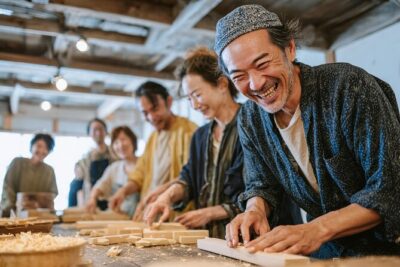 ★ 5.0Tokyo Shinjuku Chopsticks Making ClassFrom $201,763 reviews
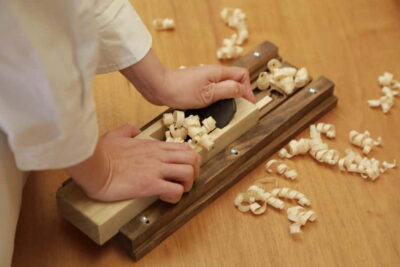 ★ 4.8Chopstick Making Workshop in GinzaFrom $251,366 reviews
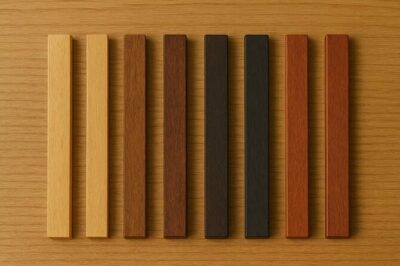 ★ 5.0Chopsticks Making Workshop in Gion with Engraving OptionFrom $15958 reviews
 ★ 4.8Tokyo Sumo Experience: Chanko & Mochi with a Former ProFrom $103567 reviews
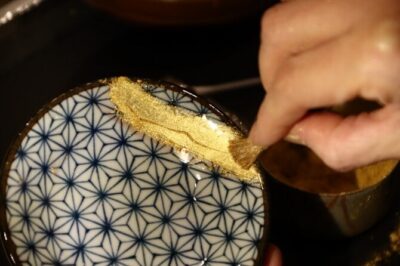 ★ 5.0Kintsugi Experience: Art of Golden Joinery in TokyoFrom $59467 reviews
 ★ 5.0Tokyo Chopstick Making Workshop with ArtisanFrom $26466 reviews
 ★ 4.9Matcha Making Experience with Mochi Sweets in AsakusaFrom $22388 reviews
 ★ 4.8Authentic knife making experience at a blacksmith in KyotoFrom $154350 reviews
Filed on these lists too