
REVIEW · SUMO WRESTLING EXPERIENCES
Tokyo Sumo Experience: Chanko & Mochi with a Former Pro
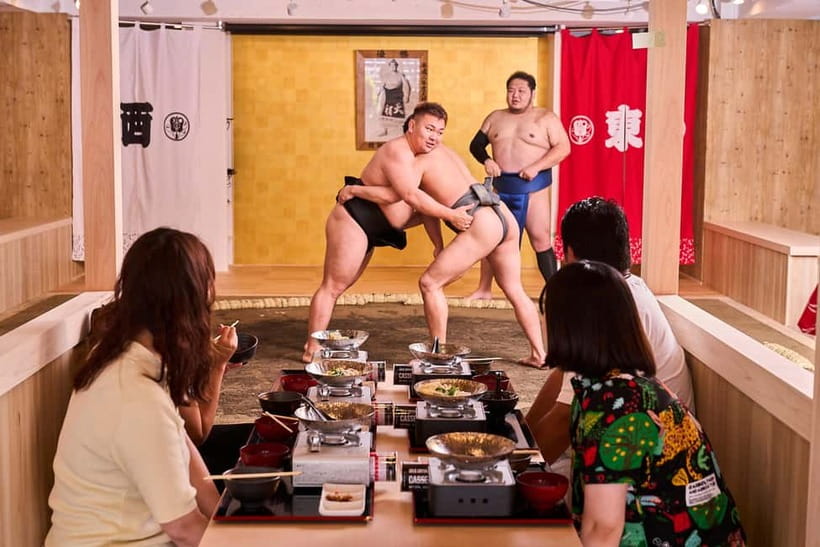
Sumo gets personal in Ryogoku. This is one of those Tokyo activities where you sit close to the dohyo and feel how powerful sumo really is, while the whole thing is kept fun and interactive, not stuffy. You get a front-row view, plus a meal that is part of the show.
I especially like the chanko nabe meal, because it comes with the kind of supervision you want when you’re eating something that’s usually tied to a stable’s daily routine. And I really appreciate that you do more than watch, you practice, you pound, and you get a chance to try sumo moves with the wrestlers.
One consideration: your seat is assigned by the venue, so if you’re traveling with kids and plan to hold them on your lap, you need to book the right seating type (standard seats can be risky for that).
In This Review
- Key highlights worth showing up for
- Ryogoku dohyo time: where sumo energy meets a two-hour format
- Chanko nabe: a hot pot meal that actually feels like sumo life
- Mochi pounding and making: the dessert workshop with real strength behind it
- Sumo practice and wrestling: learning basics, then trying for yourself
- Price and value: is $103 for two hours actually fair?
- Who this is best for, and who should think twice
- Should you book Tokyo Sumo Experience: Chanko and Mochi with a Former Pro?
- FAQ
- Where is the meeting point?
- How long is the experience?
- What food is included?
- Can I choose my seats?
- Is it safe to hold a child on your lap?
- Can you accommodate dietary restrictions like vegetarian, vegan, gluten-free, or halal?
Key highlights worth showing up for
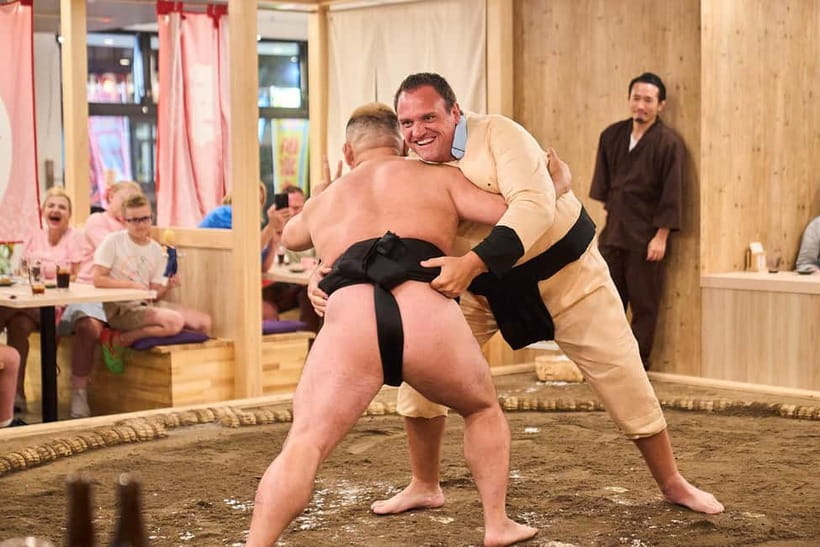
- Front-row dohyo seating keeps the action right in your face instead of across a hall
- Chanko nabe supervised by sumo wrestlers gives you the real stable-style flavor
- Mochi pounding and hands-on making turns dessert into a mini workshop
- Controlled sumo wrestling time lets you try techniques without it feeling like a demo only
- Interactive MC and wrestler participation means the room stays lively and laugh-friendly
Morning practice or an evening show. Both reviewed
- Tokyo: Sumo Show and Dining Experience
★ 4.8 · 2,742 reviews - the SUMO show
★ 5.0 · 1,960 reviews - Tokyo Shinjuku Sumo Show & Experience with Photo
★ 5.0 · 1,750 reviews - Tokyo: Sumo Show and Experience in Shinjuku
★ 4.8 · 1,001 reviews
Ryogoku dohyo time: where sumo energy meets a two-hour format
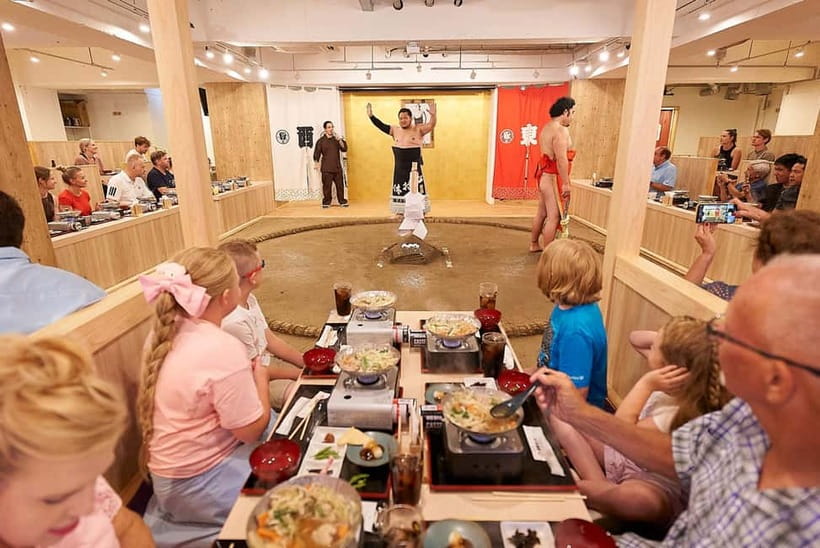
Ryogoku is the sumo heart of Tokyo. It’s the place you want if your goal is to feel the sport in context, not just watch matches on a screen. The vibe here is all about ritual, strength, and tradition, but this particular experience keeps the tone welcoming for different ages.
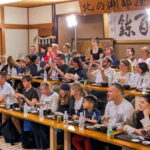
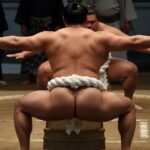
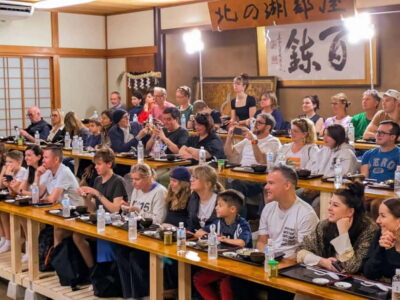
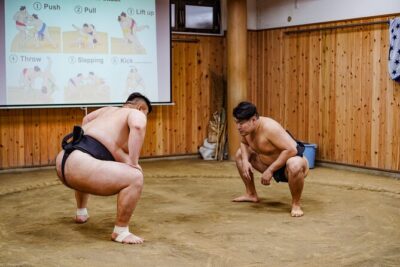
You’ll meet at a shop on the first floor, just a short walk from Ryogoku Station. Look for the big sumo wrestler sign and flags, and you’ll be there faster than you think. When you arrive, you’ll get settled into assigned seats around the dohyo, the sumo ring. This matters. Sitting close changes everything. You don’t just see big men in motion, you see footwork, balance, and the tension before contact.
The whole session is designed as an entertaining sumo experience, not the serious morning training style you may hear about elsewhere. That’s good news if you want something that feels like a show with participation, rather than an early-hours workout culture lesson.
Chanko nabe: a hot pot meal that actually feels like sumo life
The biggest built-in advantage here is that you don’t just snack before the show. You eat chanko nabe, a classic hot pot dish that sums up the sumo diet in one bowl. You’re not left to guess what makes it “sumo food.” It’s supervised by sumo wrestlers from an actual stable, so the flavor and approach are coming from people who live it.
Practically, this is a great match for the two-hour timing. Hot food warms you up, keeps your energy steady, and makes the event feel like a full cultural activity instead of a quick performance. A lot of people also note the food is more satisfying than expected, which makes the price feel more grounded.
One smart tip: wear comfortable clothes. You’ll be seated for a while, you may stand during participation parts, and you’ll want freedom in your shoulders and legs. Bring a camera too. You’ll have plenty of photo opportunities because the action is close and the wrestlers interact with the audience.
Diet notes if you need them:
- Vegetarian and vegan meals can be provided if you request in advance (at least two days).
- Gluten-free can also be provided with the same advance notice.
- Halal meals cannot be provided, but you are allowed to bring your own food.
If you’re choosing between this and another food plus show activity, this one has a real edge because the meal is tied to sumo culture, not just served alongside it.
Mochi pounding and making: the dessert workshop with real strength behind it
Then comes mochi, and it’s not treated like a simple sweet stop. You’ll watch a mochi pounding demonstration and learn about the traditional process. The show makes the technique feel physical, because it is. The pounding is loud, rhythmic, and surprisingly dramatic for something that ends up as a sticky little dessert.
After the demonstration, you get to participate in mochi pounding with the wrestlers. That hands-on moment is a big part of why this activity works for both kids and adults. It turns what would normally be a passive tasting into an active memory: you helped make it, and then you ate what you made.
What you should expect from this part:
- It’s interactive, so you’ll get instructions and be guided through what to do.
- You’ll get sweet mochi as dessert, right after the pounding.
If you’re traveling with allergy concerns, keep your eyes open. There can be a complimentary sour plum drink with the meal, and if you have an alcohol allergy, it’s worth asking beforehand whether that drink contains alcohol for your specific session.
Make something to take home. Other workshops
- Tokyo Shinjuku Chopsticks Making Class★ 5.0 · 1,763 reviews
- Chopstick Making Workshop in Ginza★ 4.8 · 1,366 reviews
- Tokyo Sumo Experience: Chanko & Mochi with a Former Pro★ 4.8 · 567 reviews
- Kintsugi Experience: Art of Golden Joinery in Tokyo★ 5.0 · 467 reviews
- Tokyo Chopstick Making Workshop with Artisan★ 5.0 · 466 reviews
Sumo practice and wrestling: learning basics, then trying for yourself
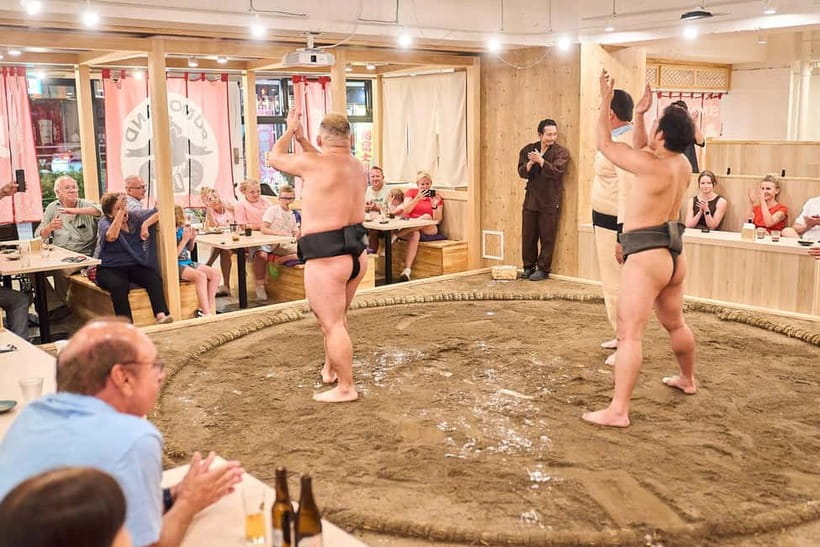
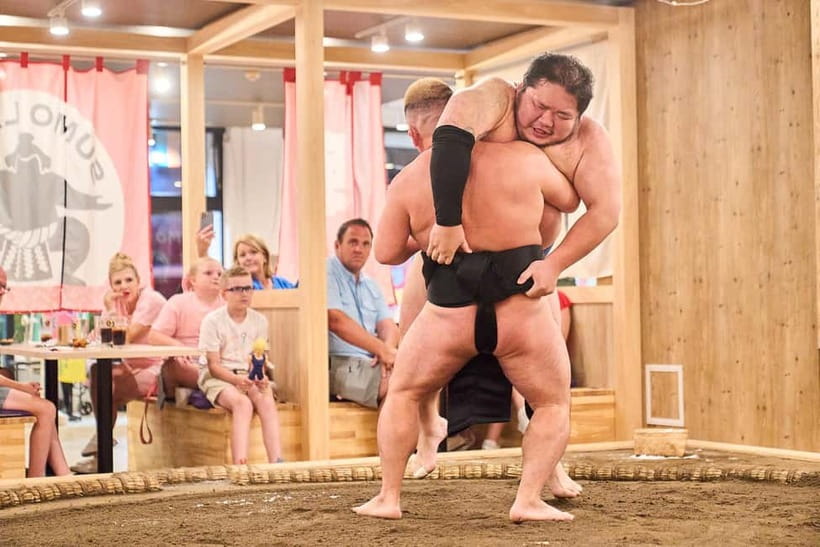
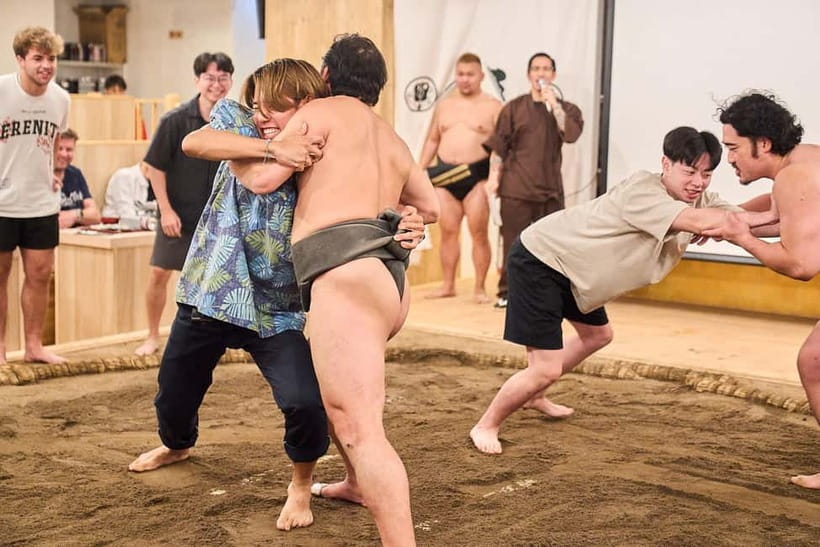
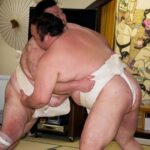
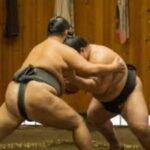
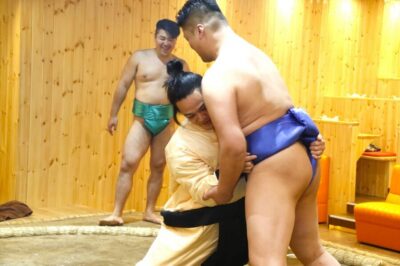
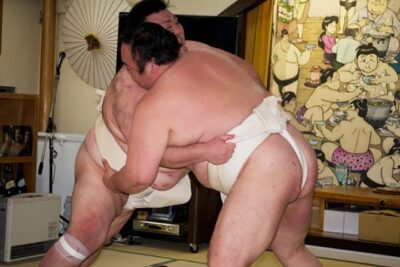
Watching sumo is one thing. Trying it is another. That’s the core of this experience. After you’ve eaten and done mochi, you’ll step into the energy around the dohyo and get hands-on time with sumo techniques and wrestling.
Here’s what makes this part valuable even if you know zero about sumo:
- You get coached in a way that fits a general audience, so it’s not just a lecture.
- It’s controlled. The goal is participation and fun, not injury risk.
- You’ll get a sense of how sumo uses balance, timing, and leverage, not just brute strength.
The format is designed for entertainment, so don’t expect the same kind of exacting seriousness you’d see in morning training tours. Expect laughs, encouragement, and a room that stays upbeat. Many people highlight that the MC and wrestlers keep the energy high and make sure people feel included, even if they’re nervous about “doing it wrong.”
Also, don’t underestimate the physical side. Even when it’s beginner-friendly, you’re moving in ways you don’t normally move. Comfortable clothes help here. And if you’re visiting with kids, this is a rare activity where they can take part in something tied to Japanese tradition while still being playful.
Price and value: is $103 for two hours actually fair?
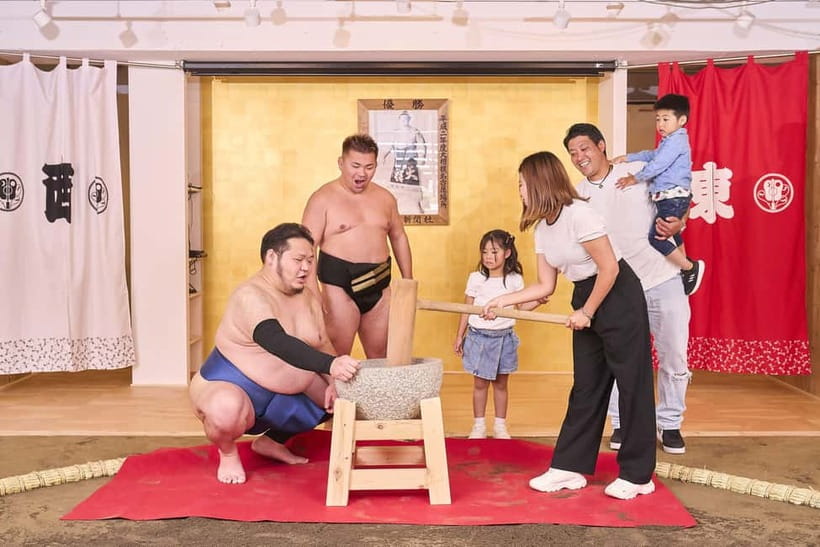
At $103 per person for about two hours, the price can look steep if you compare it to a museum or a simple street-food stop. But this is not a standard show. You’re paying for a bundle of experiences that normally cost time and money separately:
- A real sit-down meal (chanko nabe)
- Mochi making and pounding participation plus dessert
- Sumo wrestling participation plus technique time
- Close dohyo seating and instruction in English or Japanese
When I judge value, I focus on whether the experience gives you more than a photo. This one does. You interact with the wrestlers, you eat the food, and you take part in the mochi part. That turns the event into a “doing” experience, not just a “watching” experience.
One extra value angle: Ryogoku is easy to reach if you’re already doing Tokyo sights. You get sumo culture tied to a specific neighborhood, without needing a full day.
Who this is best for, and who should think twice
This is a strong fit if you:
- Want a hands-on cultural activity in Tokyo, not just a passive tour
- Like food-based experiences and want chanko nabe as the centerpiece
- Are traveling with kids or teens who will enjoy trying mochi and sumo moves
- Prefer a fun atmosphere over strict early-morning training style
It may not be the best fit if:
- You use a wheelchair, because it’s listed as not suitable for wheelchair users
- You strongly prefer choosing your own seats, because seating is assigned and you can’t request specific seat locations
- You’re bringing young children and need to hold them on your lap. Standard seats can be dangerous for that, but box seats are safer and allow lap holding (up to six people in the box seats)
In short: if you want interactive sumo with a meal and dessert, you’ll likely love it. If you want a quiet, choose-your-seat, fully accessible venue, you may feel constrained.
Should you book Tokyo Sumo Experience: Chanko and Mochi with a Former Pro?
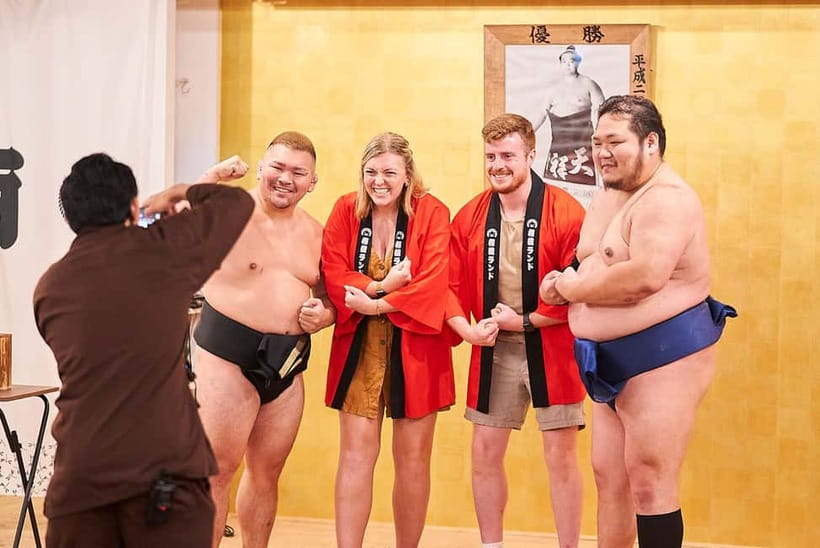
If you’re deciding, I’d book it when your travel schedule allows two hours and you want one Tokyo “wow” moment that combines culture with participation. This is the kind of activity that gives you something you can’t get just by walking around town: dohyo proximity, sumo-led food, and mochi making plus pounding.
I’d think twice if your top priority is accessibility or seat control, especially with kids. If you’re flexible and you’re good with assigned seating and a shared lively room, the value lands better than you’d expect.
If you do book, do two practical things right away:
- Request vegetarian/vegan or gluten-free options at least two days in advance if you need them.
- Plan your clothing for movement and bring a camera. You’ll want it.
FAQ
Where is the meeting point?
The meeting point is in a store on the first floor, just a short walk from Ryogoku Station. It’s marked by a large sumo wrestler sign and flags.
How long is the experience?
It lasts about 2 hours.
What food is included?
You’ll have chanko nabe, a hot pot meal, and you’ll also make mochi and enjoy sweet mochi as dessert.
Can I choose my seats?
No. Seat locations are assigned by the venue, and you can’t request a specific seat.
Is it safe to hold a child on your lap?
For standard seats, it is considered dangerous to sit while holding a child on your lap. Box seats are safer, and they allow seating up to six people, including the option to hold a child on your lap.
Can you accommodate dietary restrictions like vegetarian, vegan, gluten-free, or halal?
Vegetarian and vegan meals and gluten-free options can be provided if you notify the provider at least two days before. Halal meals cannot be provided, but you are allowed to bring your own food.
Made by Hand, and Yours to Keep

Practice Rooms and Show Nights
Newest Tokyo write-ups from the Loving Japan desk


Sumo Wrestling Experiences, side by side.
 ★ 4.8Sumo Show Experience with Chicken Hot Pot and a PhotoFrom $1036,678 reviews
 ★ 4.8Sumo Show and Dining ExperienceFrom $792,742 reviews
 ★ 5.0the SUMO showFrom $891,960 reviews
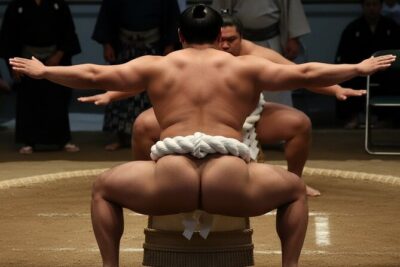 ★ 5.0Tokyo Shinjuku Sumo Show & Experience with PhotoFrom $791,750 reviews
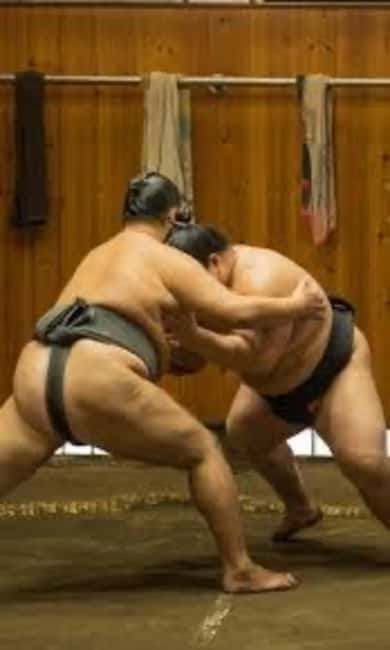 ★ 4.8Sumo Show and Experience in ShinjukuFrom $691,001 reviews
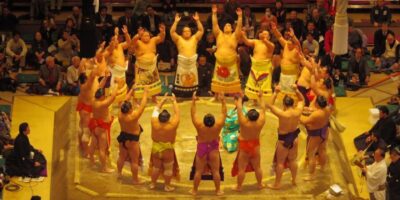 ★ 4.6Sumo Tournament Tour with Chair Seat TicketsFrom $141753 reviews
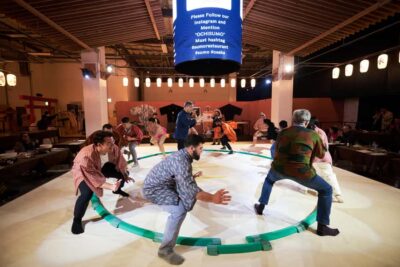 ★ 4.5Sumo Show & Experience w/ Optional Kimono & Hot PotFrom $77609 reviews
 ★ 5.0Authentic Sumo Experience in Tokyo: Enter the SanctuaryFrom $171603 reviews
Filed on these lists too