
REVIEW · GION, GEISHA AND MAIKO EXPERIENCES
Kyoto : Chopsticks Making Workshop in Gion with Engraving Option
A souvenir you actually make. In Gion, you shape your own pair of chopsticks from raw wood using a traditional kanna, and you can finish them with an optional engraving. The main thing to keep in mind is that wood options can be limited on the day, and the vibe can feel a bit like a small workshop assembly line.
I like that this is built for first-timers. The instructor teaches each step clearly and patiently, from rough shaping to smoothing and adding natural oil, so you end up with something you will feel proud to use.
You are in and out in about 1 hour, with a mobile ticket and a capped group size (up to 32). The workshop returns you to the meeting point, so it is easy to fit into a day of temples and noodle stops without overthinking your schedule.
In This Review
- Key things I’d plan around
- Why Gion chopstick craft beats another souvenir stop
- From raw wood to finished chopsticks: how the hour really works
- Wood choice in Kyoto: picking by color, grain, and scent
- The kanna lesson for beginners: what you will do, and what to ask
- Engraving your name: turning a workshop project into a keepsake
- Price and value in Kyoto chopstick workshops
- Getting to the meeting point in Gion, then getting your day back
- Who this workshop is best for
- The realistic trade-offs to know before you go
- Should you book the Kyoto chopsticks making workshop in Gion?
- FAQ
- How long is the chopsticks making workshop in Gion?
- Where does the workshop start?
- Do I need experience with woodworking?
- What will I actually do during the workshop?
- Can I choose the type of wood for my chopsticks?
- Is there an engraving option for the chopsticks?
- How much does it cost?
- Is there free cancellation?
Key things I’d plan around
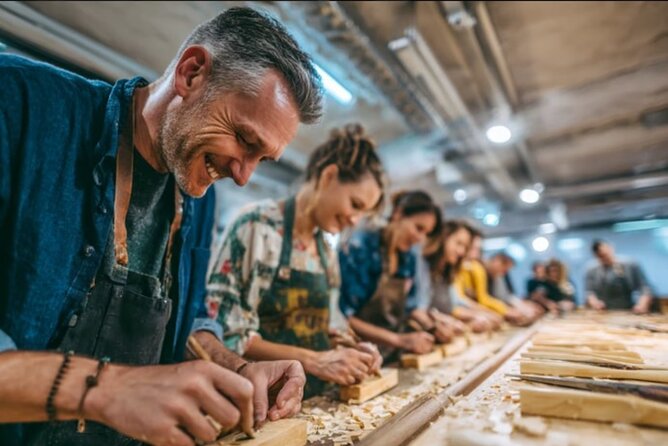
- Hands-on kanna carving: you shape real wood, not just watch.
- Beginner-friendly pace: instruction is tailored for people with zero woodworking experience.
- Wood choice changes the feel: color, grain, and natural scent vary by type.
- Natural oil finish: your chopsticks get a protective, comfortable surface.
- Engraving option: add your name in Japanese or your native language.
- Small group size: capped at 32 people, with English-speaking staff on hand.
Evening walks through the old quarters, compared
- Kyoto Geisha Walking Tour: Gion District & Hidden Gems
★ 4.7 · 3,273 reviews - Kyoto: Gion Magical Night Walking Tour with Geisha Trivia
★ 4.9 · 2,393 reviews - Kyoto: Gion Geisha District Walking Tour – Stories of Geisha
★ 4.7 · 2,187 reviews - Best of Kyoto: Gion, Geisha, Pagodas & Cobblestones
★ 4.9 · 2,058 reviews
Why Gion chopstick craft beats another souvenir stop
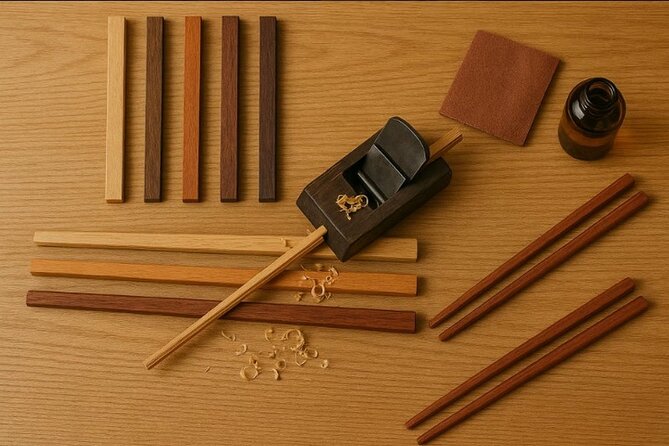
Gion is famous for photo-friendly streets and quick grab-and-go gifts. This workshop gives you something different. Instead of buying a thing that already exists, you make a tool you will use at home, right down to the edges you sand.
I especially like the tactile side. You use a traditional hand plane, the kind that makes you pay attention to how wood grain behaves. That hands-on focus is relaxing in a way you do not get from shopping, and it turns your souvenir into a story.
There is also real value in the structure. You do not need to bring skills. You just show up, pick from Japanese woods, follow instructions, and leave with finished chopsticks. Still, do not expect a highly private studio experience. The operation can feel a bit efficient, and sometimes not every advertised wood is available.
From raw wood to finished chopsticks: how the hour really works
This is a tight, mostly guided workshop, running about 1 hour. You start with wooden blanks and build your pair step-by-step. The order matters, because it moves you from rough shaping to a comfortable final finish.
First, you choose your wood type. Two wood options are included with no extra cost, and premium woods are offered as an optional upgrade if you want something more special. Picking wood is not just visual. The grain and natural aroma vary by type, and that affects how the carving feels in your hands.
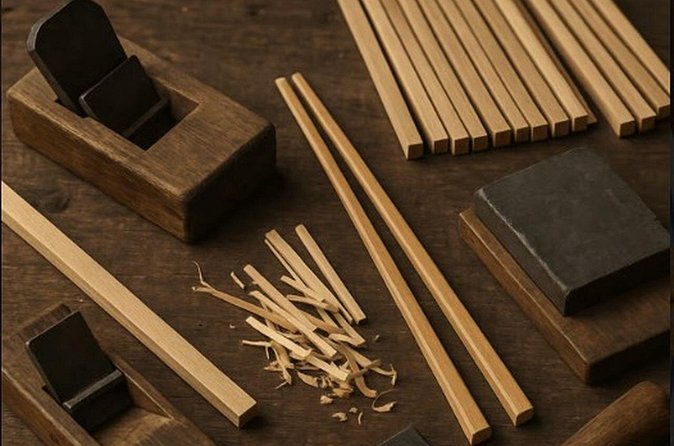
Next comes the main action: carving with a hand plane (kanna). The instructor shows you what to do, then you carve your chopsticks into shape. This is the part where you learn control. The wood grain gives feedback, and you will quickly see why craftsmen talk about following the grain.
After carving, you sand. Sanding is less dramatic than carving, but it is where comfort gets made. You smooth the surface and edges so the chopsticks feel nice to hold and do not snag.
Then you apply a coat of natural oil. That oil protects the wood and brings out the color and warmth. It is also why the final look feels more polished than many low-cost souvenirs.
Finally, if you choose the optional engraving, you add your name. You can engrave in Japanese or your native language, and it becomes a personal keepsake you can show people without needing extra explanation.
Wood choice in Kyoto: picking by color, grain, and scent
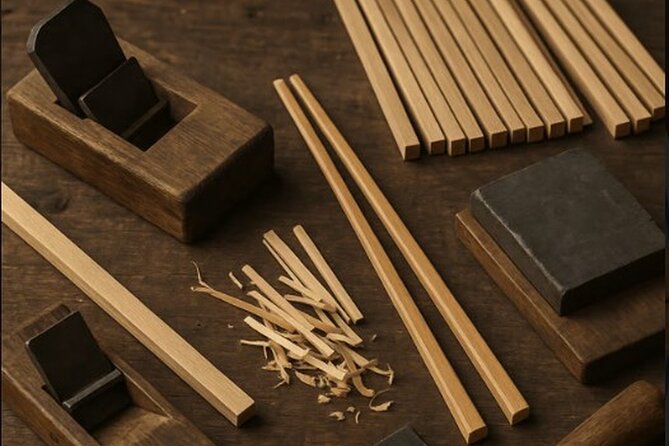
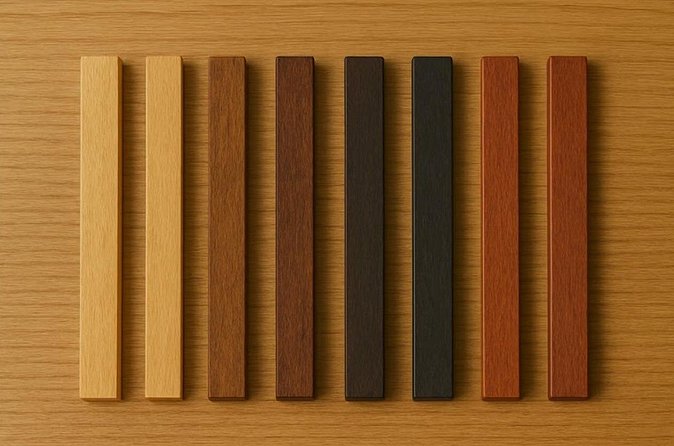
Choosing your wood is where you get to steer the experience. The workshop offers a selection of Japanese woods, each with its own texture, aroma, and natural color. Two types are included, and premium options can be added for those who want a specific look or feel.
Here is how I suggest you decide quickly:
- Go by color if you want a classic match for your kitchen. Lighter tones tend to look clean and modern, darker tones read warmer and more traditional.
- Go by grain if you care about visible character. Some woods show more pronounced patterns once oiled.
- Go by smell if you enjoy sensory details. The aroma is part of the appeal of woodcraft, and it can make your finished chopsticks feel more personal.
One practical consideration: on some days, you might not see every option you expected. If having a particular wood is important to you, keep an open mind about the two included choices. You will still leave with a set you picked with your own hands.
Make something to take home. Other workshops
- Authentic knife making experience at a blacksmith in Kyoto★ 4.8 · 350 reviews
- Kyoto: Calligraphy class at Buddhist temple in city center★ 5.0 · 167 reviews
- Roketsu dyeing experience: M course Roketsu Dyeing Experience★ 5.0 · 163 reviews
- Kyoto: Beginner Knife Sharpening & Handle Fitting Workshop★ 4.9 · 141 reviews
- Kyoto: Small-Group Authentic Sushi Making Workshop★ 5.0 · 137 reviews
The kanna lesson for beginners: what you will do, and what to ask
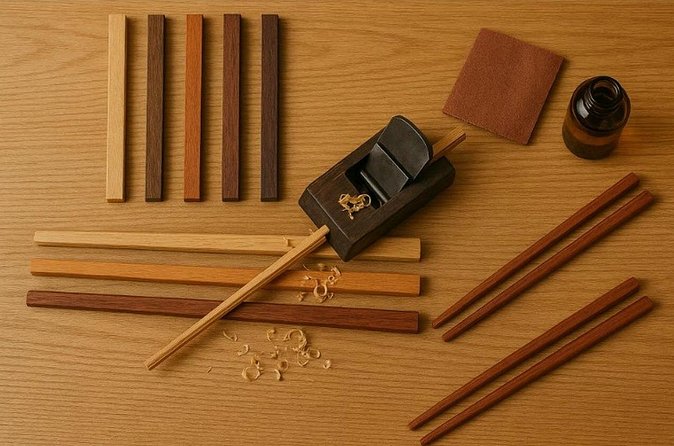
The kanna part is the heart of the workshop. It turns a simple wooden blank into a chopstick shape, and it teaches you how shaving wood works. Even if you have never used a tool before, you are guided through each stage.
The instructor teaches clearly and patiently, so you are not stuck guessing. You are also surrounded by English-speaking staff who can help if you are unsure about pressure, angle, or what to do next. That matters because the workshop moves through stages quickly.
What you should watch for while carving:
- Let the tool glide along the grain rather than fighting it.
- Use small, controlled passes. Big aggressive moves are how you ruin the look.
- Pause and check the shape as you go. Chopsticks should taper, not just look carved.
- Use the instructor’s feedback early. The sooner you correct your technique, the more satisfying the final sanding will feel.
Once you finish carving, sanding becomes your reward. It is where the chopsticks stop looking “made” and start looking “finished.” And then the oil adds that final softness and glow.
If you are doing this with kids or family members, tell the staff right away if someone needs extra guidance. A patient instructor and supportive staff are part of the experience here, and it can make the difference between a frustrating attempt and a proud finish.
Engraving your name: turning a workshop project into a keepsake
The engraving option is what makes this workshop feel like a true souvenir, not a generic craft. You can have your name engraved in Japanese or your native language, and the result is personal.
I like that it is an optional add-on rather than the main event. You get the core experience of making chopsticks first, then you decide if you want the extra personalization. When you do engrave, the process tends to be neat and careful, so your name looks clean rather than rushed.
Two quick tips to make the engraving work well:
- Think about character spacing before you engrave anything. A compact name often engraves more evenly.
- Use a version of your name that you actually want to display later. You will keep these chopsticks, so pick something you will be happy to see.
If you love taking home small, meaningful items from Japan, engraving is the finishing touch that gives you a conversation starter on your table.
Price and value in Kyoto chopstick workshops
At $15.25 per person for about 1 hour, this is priced like a practical craft workshop, not a premium luxury class. The value comes from what you get for that price: real materials (raw wood blanks), guided tool use, sanding, natural oil finishing, and optional engraving.
Compare that to buying finished chopsticks in a shop. You can spend more and still end up with something anonymous. Here, the value is tied to the work you do. You shape the form, you smooth the edges, and you apply the oil that makes the wood look finished.
The wood options matter too. Two wood types are included, and premium woods are available as optional upgrades. That is a smart structure because you can keep the cost low or go up one step if you want a specific look, grain, or scent.
Is it cheap enough to treat like a casual activity? Yes. Is it meaningful enough to remember later? Also yes. That is why this kind of workshop fits well into a Kyoto itinerary packed with temples and street food.
Getting to the meeting point in Gion, then getting your day back
The workshop starts at ZEN Chopsticks Making Workshop, Gion Kyoto, at Yasaka Koji South, machi-71-13 Tamamizu, Higashiyama Ward, Kyoto (605-0851). You finish back at the same meeting point.
It is near public transportation, which is important in Gion. Streets can be crowded and walking times can surprise you. The fact that the workshop is only about 1 hour helps you keep your day flexible.
Here is a simple planning approach:
- If you have other Gion sights planned, cluster them around this area. You will not need a long commute.
- Give yourself a little buffer before the start. When you arrive early, you can settle in and focus on the tools.
- After the workshop, pick something close by for food. You will have chopsticks in hand, and it is a nice way to close the loop with a meal.
Who this workshop is best for
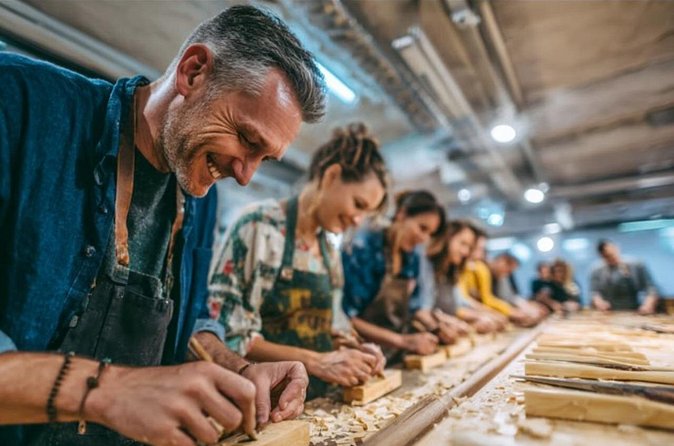
This workshop is especially good for first-timers. You do not need woodworking experience, and the steps are taught patiently. You get hands-on instruction rather than just watching someone else do the work.
It is also a strong choice for families. The process is easy to follow, and the engraving option gives kids and parents alike a fun, personal souvenir. The staff being friendly and attentive also matters when you have different comfort levels in one group.
If you like craft, small skills, and practical souvenirs, you will probably enjoy this more than another shopping spree. If you only want a quick photo stop, this is not that. This is about making, shaping, and finishing something that will actually live in your home kitchen.
The realistic trade-offs to know before you go
No workshop is perfect, so here are the main practical watch-outs based on the experience style.
First, wood availability can be different from what you expect. You may find that only one of the advertised options shows up, which can be disappointing if you had your heart set on a specific type. The included wood choices are still good, but keep your expectations flexible.
Second, the workshop can feel a bit like a production line. That does not mean it is careless. It means the staff are managing a flow of participants through the same sequence. If you want a slow, deeply custom lesson with no group pace at all, you might find the rhythm more structured than you hoped.
Third, engraving is optional, and if you want it, you should plan to stay engaged through the end of the session. It is part of what makes the finished set special.
If you go in with the right mindset, these trade-offs are easy to manage. You are still getting a real craft experience, not a rushed souvenir factory in the worst sense.
Should you book the Kyoto chopsticks making workshop in Gion?
Book it if you want a hands-on Kyoto experience that turns into something useful. The combination of kanna carving, beginner-friendly guidance, and a natural oil finish makes it feel authentic, not just decorative. If you care about taking home a souvenir with a personal touch, the engraving option is a big reason to choose this.
You might skip it if your top priority is trying a very specific wood you heard about, especially if you are the type who gets upset when choices change. Also skip it if you hate the idea of any workshop structure or group pacing.
If you want a smart, value-rich craft activity near Gion sights, this is one of the easiest wins in Kyoto. You will leave with chopsticks that look better than store-bought, and you will know how they were made in a way photos never show.
FAQ
How long is the chopsticks making workshop in Gion?
It runs for about 1 hour.
Where does the workshop start?
The meeting point is ZEN Chopsticks Making Workshop, Gion Kyoto, Yasaka Koji South, machi-71-13 Tamamizu, Higashiyama Ward, Kyoto 605-0851, Japan.
Do I need experience with woodworking?
No. The workshop is beginner-friendly and designed for first-timers, with clear instruction at each step.
What will I actually do during the workshop?
You will carve chopsticks from raw wood using a traditional hand plane, then smooth the surface and edges with sandpaper, and apply natural oil for the finish.
Can I choose the type of wood for my chopsticks?
Yes. You select from a selection of Japanese woods. Two wood types are included, and premium woods may be available as an optional upgrade.
Is there an engraving option for the chopsticks?
Yes. You can add an engraving of your name in Japanese or your native language.
How much does it cost?
The price is $15.25 per person.
Is there free cancellation?
Yes. You can cancel for a full refund up to 24 hours before the experience’s start time.
Made by Hand, and Yours to Keep
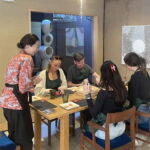
Evenings in the Old Quarters


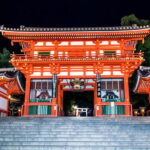


Newest Kyoto write-ups from the Loving Japan desk
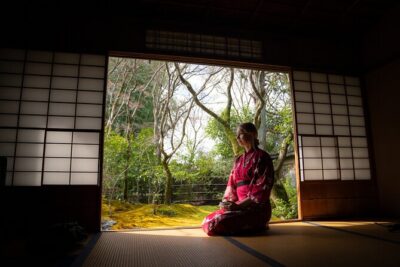
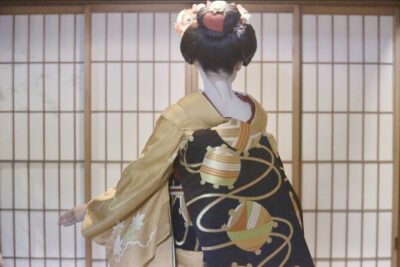


Gion, Geisha and Maiko Experiences, side by side.
 ★ 4.7Kyoto Geisha Walking Tour: Gion District & Hidden GemsFrom $253,273 reviews
 ★ 4.9Gion Magical Night Walking Tour with Geisha TriviaFrom $242,393 reviews
 ★ 4.7Gion Geisha District Walking Tour – Stories of GeishaFrom $202,187 reviews
 ★ 4.9Best of Kyoto: Gion, Geisha, Pagodas & CobblestonesFrom $242,058 reviews
 ★ 4.5Night Walk in Gion: Kyoto’s Geisha DistrictFrom $212,003 reviews
 ★ 5.0Kyoto Night Foodie Tour in Gion (9+ dishes + 6 Sake tastings)From $1631,762 reviews
 ★ 5.0Kyoto Gion Geisha District Walking Tour – The Stories of GeishaFrom $251,441 reviews
 ★ 5.0Kyoto Gion: 2-Hour Geisha Culture & History Walking TourFrom $231,186 reviews
Filed on these lists too