
REVIEW · SAMURAI, NINJA AND SWORD EXPERIENCES
Ninja Lesson in Tokyo – 1 Hour Hands-On with Japanese Master
There is nothing ordinary about learning ninja skills. In this 1-hour hands-on session at Ninja Samurai Tokyo, you watch a demonstration, get dressed in traditional ninja gear, and then train with an English-speaking sensei in a small class of up to 6. I especially like the mix of meditation and movement and the fact that you practice with real training weapons, not just pose for photos. One thing to plan for: the time is tight, so you may not get equal depth on every weapon in a one-hour class.
This is also a great way to get a real sense of how ninja training is taught, with clear technique and calm focus. I like that the instructor keeps things patient and encouraging, and many people mention the English communication is workable (not perfect, but clear enough to follow). If you want a full sword-heavy session, check ahead or be ready that the one-hour format may favor a few core drills over long set-piece practice.
In This Review
- Quick Hitters Before You Go
- Your First Steps Into Ninja Samurai Tokyo
- How the Sensei Style Feels, Especially With English Instruction
- Kuji-In Meditation: The Calm Part That Makes the Training Click
- The Ninja Uniform and Photo Moment That Actually Works
- Weapon Stations: Shuriken, Sword, and Blow Darts
- The Ninja Trick House Gimmick: Fun, But Useful
- What the 1-Hour Format Means for You
- Price and Value: Is $82.56 Smart Here?
- Logistics That Matter: Mobile Ticket, Timing, and Where to Go
- Who This Works Best For
- Weather and Planning: The One Real External Variable
- Should You Book This Ninja Lesson in Tokyo?
- FAQ
- What’s included in the ninja lesson?
- Do I learn weapons during the class?
- Is the class in English?
- How long is the experience?
- How many people are in a group?
- What should I bring?
- Where do we meet, and what time does it start?
- What happens if weather is bad?
- Is there a cancellation window?
Quick Hitters Before You Go
- Up to 6 people means you get more attention and fewer long waits.
- Kuji-In ninja meditation gives the class more meaning than just weapon tricks.
- Training weapons include shuriken (ninja stars), swords, and blow darts for hands-on learning.
- Ninja gear rental plus a photo moment makes this feel like a real activity, not a quick stop.
- English instruction from a Japanese master helps you actually understand what you’re doing.
Blade work and stagecraft, other sessions
- Tokyo: Samurai Ninja Museum Guided tour and Experience
★ 4.6 · 1,010 reviews - Tokyo: Samurai Sword & Archery Class from Samurai Descendant
★ 5.0 · 603 reviews - Best Samurai Experience in Tokyo
★ 5.0 · 458 reviews - Ninja Experience (Family Friendly) at Samurai Ninja Museum TOKYO
★ 5.0 · 441 reviews
Your First Steps Into Ninja Samurai Tokyo
Tokyo is packed with shiny things to do, but this one has you switching modes. Instead of browsing, you’re working. You start with a short overview and demonstration, then you move into training right away. The vibe is practical: learn the stance, learn the motion, then repeat until it looks like the instructor wants it to look.
The session runs about 1 hour, with a start time of 4:00 pm. That timing matters. Late afternoon classes can be a sweet spot, because you’re not rushing to fit it between morning sights and evening crowds. It also helps if you like the idea of doing something active after you’ve had your fill of walking.
You’ll meet at NINJA SAMURAI TOKYO, Koto City, Shiomi, near public transportation, at the address listed on the booking info. The exact address shown is: 135-0052 Tokyo, Koto City, Shiomi, 2-chōme, Bayfrere Shiomi, East 4階. If you’re prone to showing up early, you’ll be fine. Just don’t arrive so early you’re stuck waiting outside for long.
How the Sensei Style Feels, Especially With English Instruction
The biggest reason people rate this so highly is how it’s taught. The instructor is described as a professional-trained ninja who is patient, attentive, and technique-focused. Even when people note the English is only passable, they also say it’s good enough to follow instructions and that you’re guided step by step.
In practice, that means you’re not guessing. You learn how to put on the uniform, how to hold and move with each weapon, and how to get your body into the right shape before you try the next skill. That matters because ninja and samurai training is mostly about control. If you just swing randomly, it’s not “cool,” it’s sloppy.
And because the group is capped at 6 travelers, the instructor can correct you faster. That’s one of the reasons this doesn’t feel like a factory class. You get chances to ask questions, and you don’t have to wait your turn for every tiny adjustment.
Kuji-In Meditation: The Calm Part That Makes the Training Click
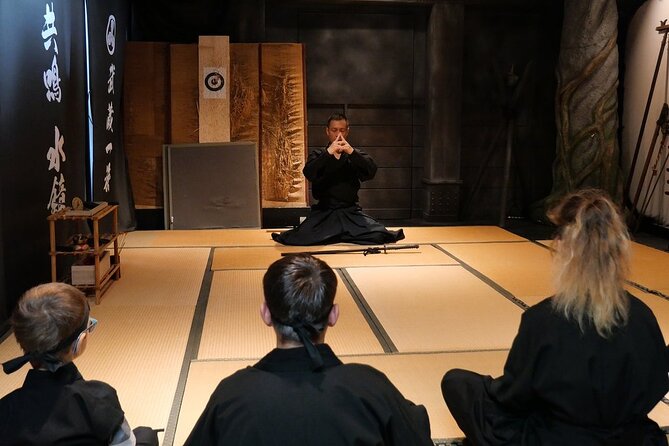
This experience includes ninja meditation called Kuji-In. That might sound like a break from action, but it actually frames the whole session. In most hands-on classes, you go straight to “do the thing.” Here, you first learn how the instructor wants you to focus.
Kuji-In is taught as part of the training flow, not as a random performance. You’ll get an introduction, then you’ll use that mindset when you move into weapon practice. That’s one of the smartest parts of the lesson because it explains the why behind the how. You’re learning to stay steady, not just to hit a target or mimic a pose.
If you tend to feel awkward in quiet activities, don’t worry too much. You’re not expected to become a monk. You’re expected to follow along with simple guidance and apply it to the way you move your body.
- Mt Fuji and Hakone 1-Day Bus Tour Return by Bullet Train★ 5.0 · 26,383 reviews
- 1-Day Tokyo Bus Tour★ 5.0 · 14,250 reviews
- Tokyo: teamLab Planets TOKYO Digital Art Museum Entry Ticket★ 4.6 · 9,779 reviews
- Mt Fuji & Hakone Cruise, Drum Show Bullet Train 1 Day from Tokyo★ 4.0 · 7,413 reviews
- Tokyo: Shinjuku Food Tour (13 Dishes at 4 Local Eateries)★ 5.0 · 6,603 reviews
The Ninja Uniform and Photo Moment That Actually Works
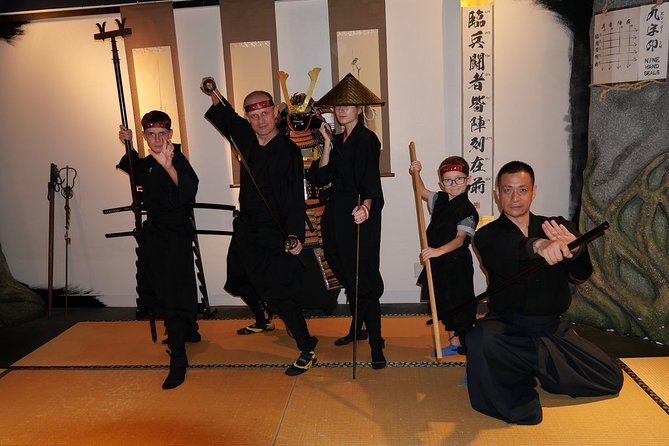
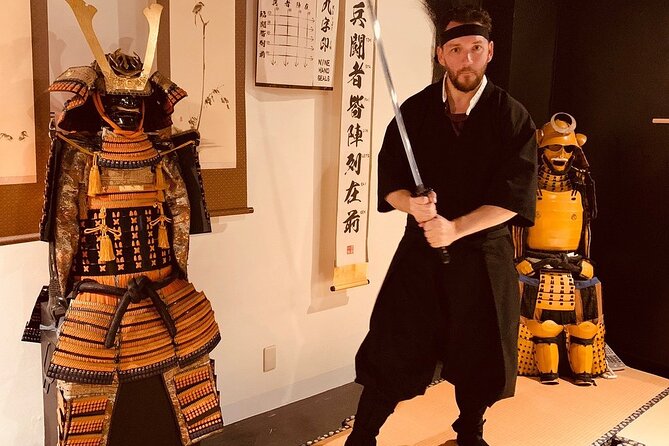
You’ll rent ninja clothes for the session, and the gear is part of the fun. You’re dressed for training, not just for a costume change. That makes a difference in how you carry yourself during practice. Several people highlight that they got photos dressed in their ninja gear as keepsakes, and that the whole outfit setup feels top notch.
One practical note from real feedback: bring workout clothes to wear under your ninja outfit. Layers can matter because you’ll likely be moving a lot, and having comfortable clothing under the costume helps your entire session feel easier.
Also, don’t treat photos as a side task. In a class like this, your best “memory shot” is when you’re fully in uniform. Plan your energy so you’re not rushing through the photo moment, then finding you missed something important during training.
Weapon Stations: Shuriken, Sword, and Blow Darts
This is the part most people are here for, and it’s where the class feels most like hands-on training. You’ll get introductions to ninja weapons and tools, then training that includes:
- Ninja sword training
- Shuriken training
- Ninja blowgun (blow darts) training
Each weapon has its own rhythm.
With shuriken, the challenge is precision. You’re not just throwing something. You’re learning how to position your body and release the motion in a controlled way. People specifically mention the blow darts and ninja stars were fun, especially when training from a decent distance. That detail matters. Distance makes you commit to technique, and it turns the practice into a real skill game, not a casual toss.
With blow darts, you practice aim and control. The experience description calls it blowgun training, so expect a structured approach rather than free play. If you enjoy challenges where you measure your improvement over a few attempts, this will fit your style.
For the sword, the experience includes it, but time can be tight in a one-hour format. One piece of feedback notes that a one-hour class did not include sword training for their session. Since your session length is about an hour, the safest mindset is this: you’ll likely cover multiple weapon basics, but the exact emphasis can shift based on the class flow that day. If sword practice is your top priority, ask about how much sword time you’ll get before you go.
The Ninja Trick House Gimmick: Fun, But Useful
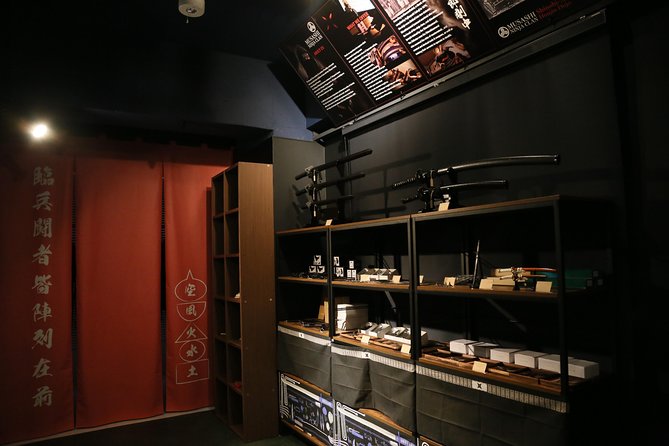
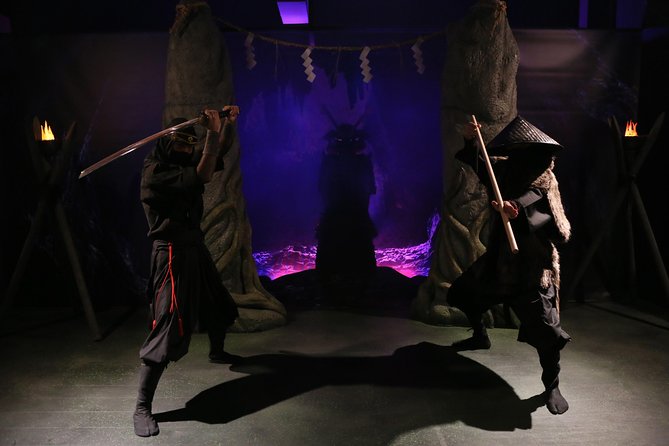
The training includes an introduction at a ninja trick house as part of the experience flow. Even if that part sounds like entertainment, it’s not just there to fill time. Trick-house style segments often help you learn body coordination, quick movement, and how to follow instructions under mild pressure.
Think of it as the bridge between “watch the demo” and “do the training.” You’re getting your brain and body used to the pace of the class.
What the 1-Hour Format Means for You
Let’s talk reality. One hour can be either a perfect intro or a too-short sampler, depending on your expectations.
If you want a quick, active, different Tokyo experience that you can do even on a busy day, this timing is great. You’re not committing to a half-day. You’re getting the full arc: outfit, meditation intro, demonstration, and hands-on weapon drills.
If you want deep skill-building with one weapon, you might feel the limits. One hour is more about form and fundamentals than mastery. That’s not a bad thing. It just means you should treat this as a first taste, not the final chapter.
A good way to decide is to ask yourself: do I want a memorable, physical class with a real sensei and photos, or do I want an extended drill session? If you’re after the first, you’ll likely be happy.
Price and Value: Is $82.56 Smart Here?
At $82.56 per person for about 1 hour, it’s not cheap, but it can still be good value if you care about the parts that make this feel special.
Here’s what you’re actually buying:
- Instruction from a Japanese sensei in English
- Small group size (up to 6)
- Ninja clothes rental
- Hands-on training with multiple weapon types
- A class structure that includes meditation, technique, and a demonstration
The value logic is simple: you’re paying for an instructor-led, equipment-included activity that you can’t easily replicate on your own. If you were just renting a costume and taking photos, you’d pay for that too. The key difference here is that you’re doing technique practice, not only cosplay.
So, is it worth it? For many people, yes, because the class hits multiple goals at once. It’s active, it’s guided, and you leave with both skills practice and photos you can actually use.
Logistics That Matter: Mobile Ticket, Timing, and Where to Go
You get a mobile ticket, which is convenient if you’re already managing apps for transit and other tours. The activity is near public transportation, so you’re not signing up for a complicated transfer plan.
Start time is 4:00 pm, and the session ends back at the meeting point. That means you can plan your next activity close by or use the surrounding time to eat nearby.
One practical tip from feedback: bring water or plan to grab it. The experience does not include bottled water. If you’re sensitive to dehydration, it’s worth planning a quick purchase nearby.
Also, if you like to arrive ready, wear comfortable clothes under the ninja outfit. The class expects movement, and workout-friendly basics help you stay focused on learning instead of adjusting fabric.
Who This Works Best For
This lesson is described as fun for groups, couples, children, and solo travelers, and the pattern in feedback supports that range. Kids seem to especially like the weapon elements and the costume part. One set of comments says kids ages 6 to 8 loved it and asked to do more, even though a one-hour session may limit some sword time.
For couples, this is a good date-style activity because it gives you shared photos and a shared challenge. You can cheer each other on without needing advanced skills. For solo travelers, the small group setup helps you feel included, and the instructor-led structure keeps you from feeling lost.
If you’re someone who likes discipline and calm focus, the inclusion of Kuji-In meditation makes it more than just a gimmick. If you prefer pure action, the weapon stations will keep you engaged.
Weather and Planning: The One Real External Variable
The experience requires good weather. If it gets canceled due to poor weather, you’ll be offered a different date or a full refund. So, the main planning tip is to keep your evening flexible. If your whole trip is built on one fixed evening schedule, it’s worth considering how you’d feel if this gets moved.
Should You Book This Ninja Lesson in Tokyo?
I’d book it if you want a hands-on, instructor-led Tokyo activity that mixes costume fun, real technique training, and a bit of focused meditation. The small group size, English instruction, and the fact that you practice with multiple weapons are the big reasons this stands out.
I would think twice if your main goal is mastering one weapon for a long time. The session is short, and one-hour pacing can mean you get broad basics rather than deep repetition for every skill. If sword practice is your top priority, ask about coverage before you commit.
If you’re after a memorable, active way to experience ninja culture in Tokyo without making it complicated, this is a strong choice.
FAQ
What’s included in the ninja lesson?
You get instruction from a Japanese sensei master in English, ninja clothes rental during training, and the admission fee.
Do I learn weapons during the class?
Yes. The lesson includes training and introductions related to ninja sword, shuriken (ninja stars), and ninja blowgun (blow darts), plus tools used in ninja practice.
Is the class in English?
The experience is described as traditional and historical ninja training in English, led by a Japanese sensei master.
How long is the experience?
It runs for about 1 hour.
How many people are in a group?
The maximum group size is listed as 6 travelers.
What should I bring?
You should bring workout clothes to wear under your ninja outfit. Bottled water is not included.
Where do we meet, and what time does it start?
Meet at NINJA SAMURAI TOKYO, 135-0052 Tokyo, Koto City, Shiomi, 2-chōme, Bayfrere Shiomi, East 4階. Start time is 4:00 pm, and it ends back at the meeting point.
What happens if weather is bad?
The experience requires good weather. If it’s canceled due to poor weather, you’ll be offered a different date or a full refund.
Is there a cancellation window?
Free cancellation is available. You can cancel up to 24 hours in advance for a full refund. Cancellation within 24 hours of the start time is not refunded.
Blade Work and Stagecraft


Newest Tokyo write-ups from the Loving Japan desk

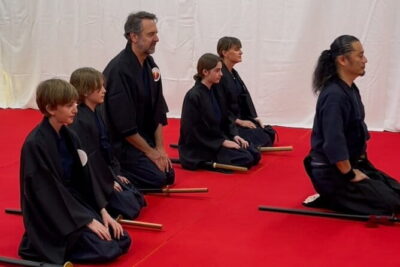


Samurai, Ninja and Sword Experiences, side by side.
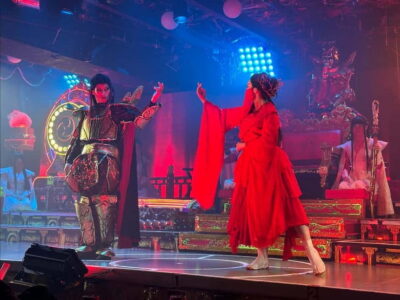 ★ 4.5Samurai Restaurant Show Ticket with 2 DrinksFrom $551,307 reviews
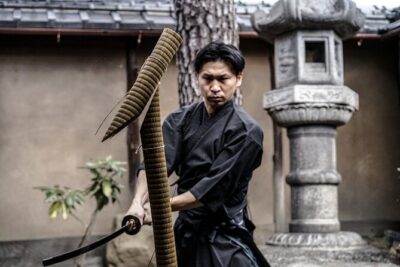 ★ 5.0Kyoto Samurai ExperienceFrom $1191,294 reviews
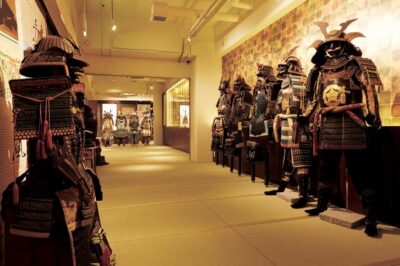 ★ 4.6Samurai Ninja Museum Guided tour and ExperienceFrom $271,010 reviews
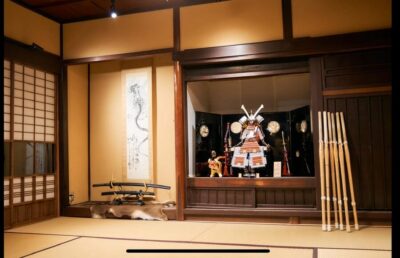 ★ 4.9Kendo and Samurai Experience with Uniform and GearFrom $103815 reviews
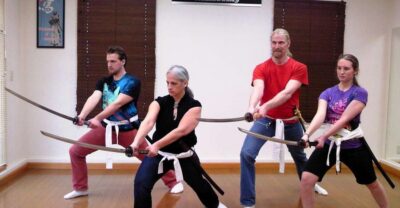 ★ 4.9Samurai Sword Class by Experts in Traditional ArtsFrom $64657 reviews
 ★ 4.5Skip the lines Basic Ticket at SAMURAI NINJA MUSEUM KYOTOFrom $28632 reviews
 ★ 5.0Samurai Sword & Archery Class from Samurai DescendantFrom $193603 reviews
 ★ 5.0Samurai Training Experience KENDO in OsakaFrom $131515 reviews
Filed on these lists too