
REVIEW · SAMURAI, NINJA AND SWORD EXPERIENCES
Kyoto: Kendo and Samurai Experience with Uniform and Gear
A samurai lesson beats a souvenir. In Kyoto, you suit up and train in a Kyoto machiya over 100 years old, with hands-on kendo sword basics and etiquette taught by Taka-san.
What I love: you get to handle safe training swords while still feeling the real discipline of the practice. Another win: you’re in a room that feels like a true dojo, not a staged show.
One thing to consider: the building is old, so it can feel a bit dusty or worn in places, and in winter it may run cold. Still, if you come for the training and the culture lesson, the tradeoff makes sense.
In This Review
- Key things I think you will remember
- Suiting Up Like a Samurai in Kyoto’s Old Machiya
- Meet Taka-san: Etiquette, Safety, and How to Hold the Sword
- Your First Swings: Kendo Basics With Bamboo and Foam Swords
- The Philosophy Behind the Blade, Samurai Code Included
- Suit-Up Photos and Samurai-Style Videos You’ll Actually Want to Keep
- What Gear Is Included, and What You Can Buy Later
- Getting There and Staying Comfortable in Winter
- Who Should Book This Samurai and Kendo Training in Kyoto
- Price and Value, Why $103 Makes Sense for 2 Hours of Real Training
- Should You Book This Kyoto Samurai and Kendo Experience?
- FAQ
- How long is the Kyoto kendo and samurai experience?
- Is the instructor’s English good for beginners?
- What gear is included in the price?
- Where do I meet the group?
- Is this suitable for young children?
- Is alcohol allowed during the experience?
- What is the cancellation policy?
Key things I think you will remember
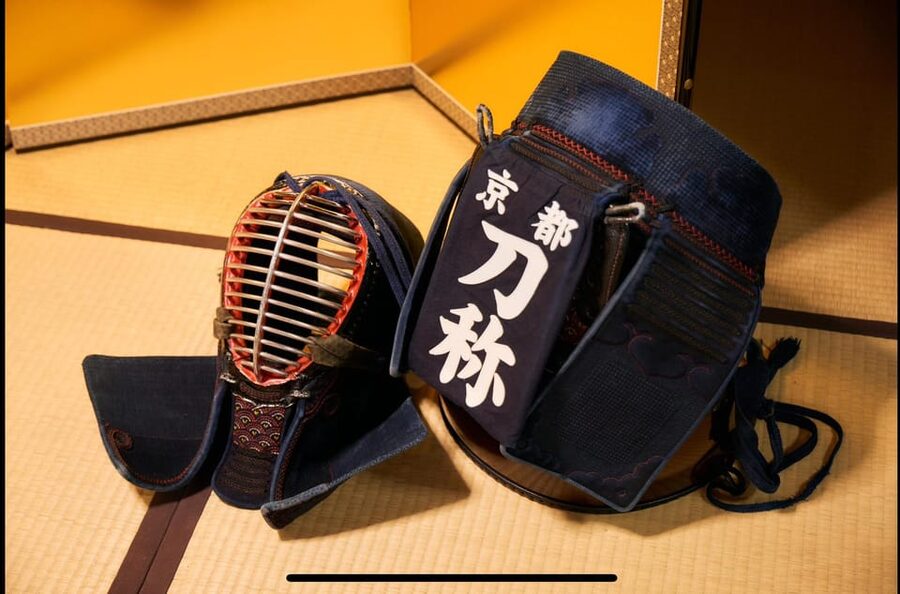
- Suiting up fully, including uniform and shoe gear, so you can focus on training, not logistics
- 120-year-old machiya vibes, where the setting adds weight to every bow and stance
- Taka-san’s teaching style, with patience, humor, and clear English
- Real practice, not just watching, with basic strikes, blocks, and footwork
- Kendo-and-samurai context, including etiquette and philosophy
- Instructor photos and videos, so you leave with real memories, not just selfies
Blade work and stagecraft, other sessions
- Kyoto: Kendo and Samurai Experience with Uniform and Gear
★ 4.9 · 815 reviews - Kyoto: Samurai Sword Class by Experts in Traditional Arts
★ 4.9 · 657 reviews - Skip the lines Basic Ticket at SAMURAI NINJA MUSEUM KYOTO
★ 4.5 · 632 reviews - Ninja 1-hour Hands-on Lesson by Japanese master in Kyoto -Entry
★ 5.0 · 489 reviews
Suiting Up Like a Samurai in Kyoto’s Old Machiya
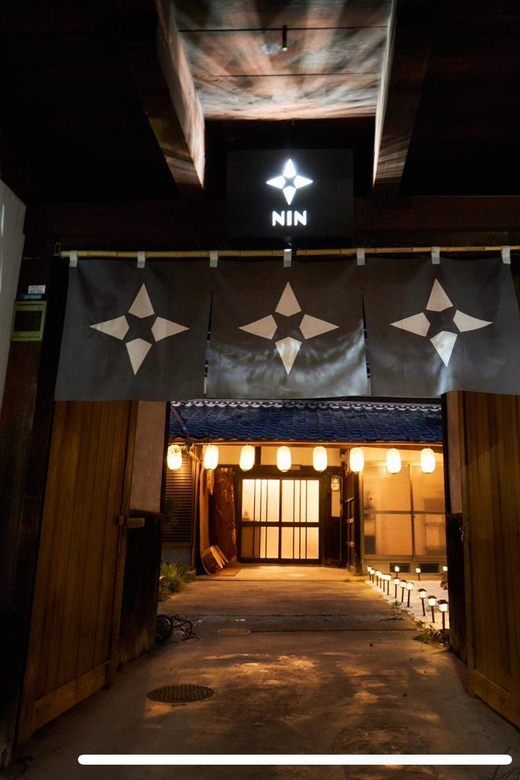
This is the kind of experience that changes how you stand in the room. When you arrive at the meeting spot, you’re heading to an old Japanese house with a large gate. Then the real shift begins: you’re guided through changing into training clothes and proper gear.
What makes that moment special is that it is not cosplay energy. You’re dressing for practice, so your body instantly understands the rules. You learn where your layers go, how your footwear should feel, and how to move in armor-like gear without rushing. That setup matters. It turns the session from a “cool activity” into a short training day.
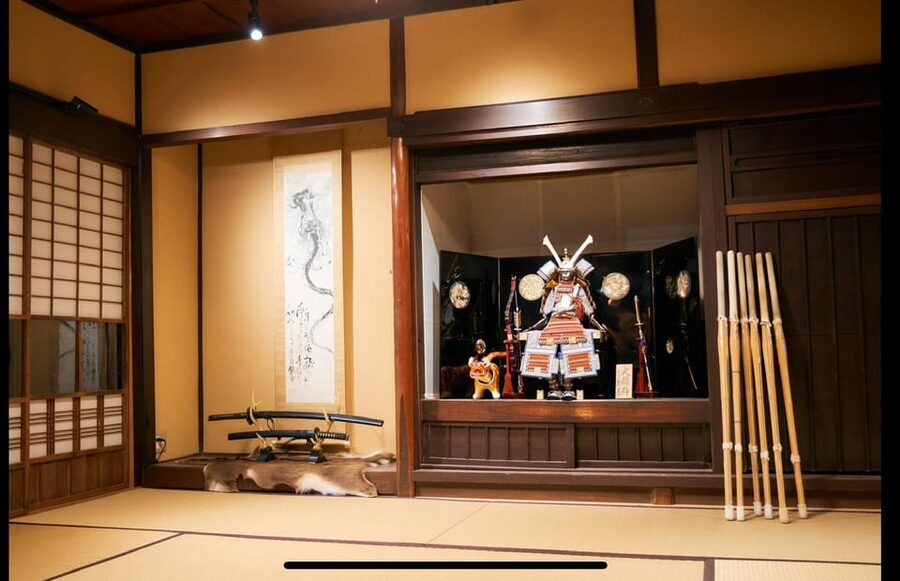
And then there’s the building itself. You train inside a traditional Kyoto machiya that’s over 100 years old, often described as around 120 years. The age of the structure adds atmosphere. The wood, the rooms, the way sound carries, it all nudges you into the right mindset. You can feel why people used to train seriously in spaces like this.
If you’re the type who likes authentic settings, you’ll probably get a little extra satisfaction from even small steps like lining up or waiting your turn. When the environment looks and feels old, your attention gets better.
Meet Taka-san: Etiquette, Safety, and How to Hold the Sword
Before you pick up anything, you get a briefing. The instructor talks through etiquette and the safety basics, and you start with posture and grip. This is a big deal. Many “sword experiences” jump straight to dramatic swings. Here, you’re taught how to start correctly.
Taka-san’s teaching style is a major highlight. A lot of people specifically note how friendly and approachable he is, plus how strong his English is. That helps if you’re curious but nervous about whether you will understand martial arts terminology. You will. The session is structured so you can follow along without previous kendo experience.
Expect instruction that focuses on:
- How to stand and how to keep your balance
- How to grip safely and confidently
- How to move with respect, not just power
You’ll also learn the etiquette side of the practice. Kendo is not only “hit stuff with a stick.” It’s discipline and control. When your instructor explains that mindset, the physical training starts to feel purposeful.
Practical note: they do not allow alcohol and drugs. So if you want the best experience, plan for a clear head and a calm body. You’ll be moving in gear, and you will want your coordination.
Your First Swings: Kendo Basics With Bamboo and Foam Swords
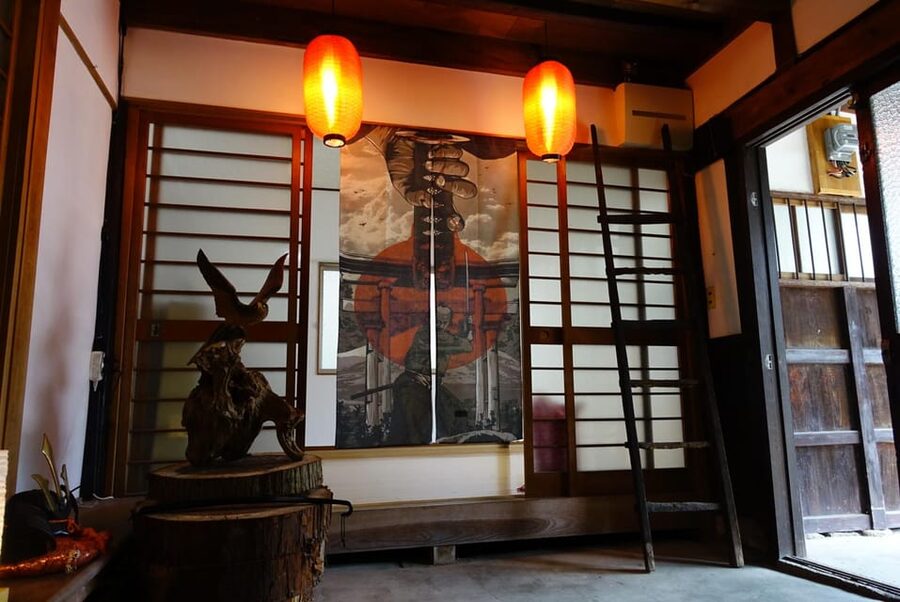
Once you’re suited up, you get into the physical part. You practice refined sword motions, including strikes, blocks, and footwork. The swords are training tools. Depending on the step of the lesson, you might use bamboo swords or foam swords, or other safe replica training blades. The key is that it feels authentic without being reckless.
The best part is the pacing. You’re not thrown into a chaotic sparring match right away. You learn basics, repeat them with your partner, then you build up. That structure helps your technique improve fast, even in a short 2-hour session.
You’ll likely cover:
- Basic grip and stance control
- How to coordinate timing with your partner
- How to swing in a way that stays safe and controlled
And yes, there can be a more competitive or sparring-style segment at the end, often with foam swords. Many people call that final part a fun highlight, because it ties the technique and the etiquette together. It also gives you the feeling of participating, not just learning.
One consideration from the experience details: you may see references online to cutting tatami mats, but that is not something you should count on here. In at least one account, people noted it does not happen anymore and that it’s illegal. So if your idea of samurai training is katana-through-tatami theater, you’ll want to adjust your expectations to controlled, partner-based kendo practice.
- PERFECT KYOTO 1-Day Bus Tour★ 5.0 · 13,518 reviews
- Kyoto: Fushimi Inari, Kinkakuji, Bamboo Grove 1 Day Bus Tour★ 4.8 · 4,316 reviews
- Kyoto: Tea Ceremony in a Traditional Tea House in Kiyomizu★ 4.9 · 3,519 reviews
- Kyoto Geisha Walking Tour: Gion District & Hidden Gems★ 4.7 · 3,273 reviews
- Kyoto: Tea Ceremony Ju-An at Jotokuji Temple★ 4.9 · 3,207 reviews
The Philosophy Behind the Blade, Samurai Code Included
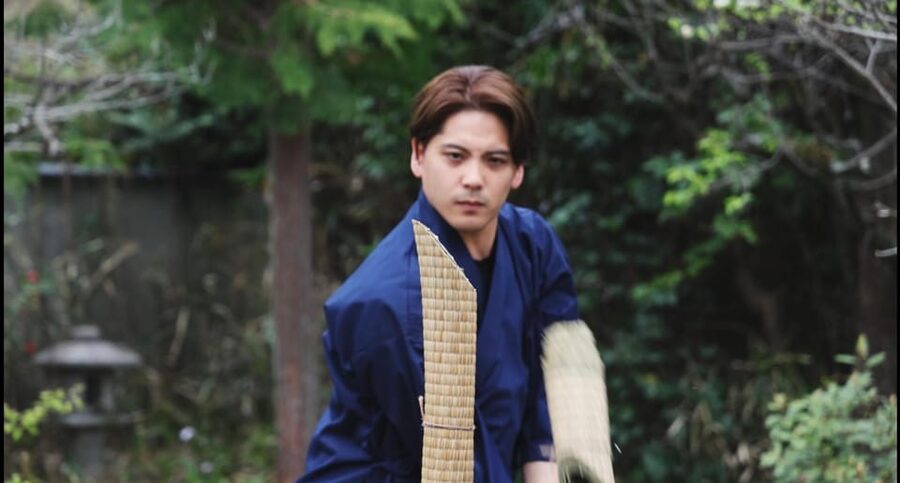
The “samurai” part of this experience is not only visuals. You get context about what kendo is and why it developed, plus explanations that connect technique to mindset. People specifically mention learning the history of samurai and the importance of the samurai in Japan’s story.
What I like about this cultural layer is how it supports the physical training. When you understand why certain movements are done a specific way, you stop treating the session like a workout and start treating it like a practiced discipline.
During the class, you’ll get ideas such as:
- Samurai etiquette and the mindset behind training
- The evolution and meaning of kendo as a martial art
- Historical significance explained in practical terms, not a lecture marathon
The tone seems to stay friendly and interactive. Many accounts call out that you can ask questions and get thoughtful answers. That matters, because martial arts culture is full of little rules. When you’re unsure, you need a guide who can explain without making you feel silly.
If you love Japanese culture but want something beyond temples and tea shops, this part is often the reason people call it a trip highlight.
Suit-Up Photos and Samurai-Style Videos You’ll Actually Want to Keep
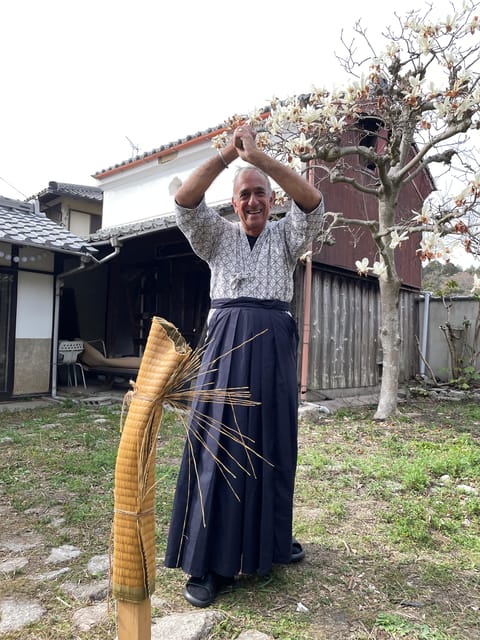
You don’t just train and leave. Your instructor helps with photos and videos while you’re fully dressed in the gear. This is one of those small touches that changes how you remember the experience.
When you’re in uniform and holding the training sword properly, you will look different from your usual travel photos. The photos feel like a genuine “I did this” moment, not a quick costume snapshot.
A smart way to get the most out of this: be ready to slow down for a minute. If you rush your poses, the photo moment can feel awkward. But if you accept the pace, you’ll get better shots and feel more confident.
Also, they help you make those memories without you having to run around trying to coordinate camera angles. That convenience is part of the value here.
One more reality check: the building is an actual training space, so you’re working with that environment. If you’re expecting polished studio lighting, you might not get it. But the tradeoff is authenticity, and the resulting photos tend to look like something from a real dojo day.
What Gear Is Included, and What You Can Buy Later
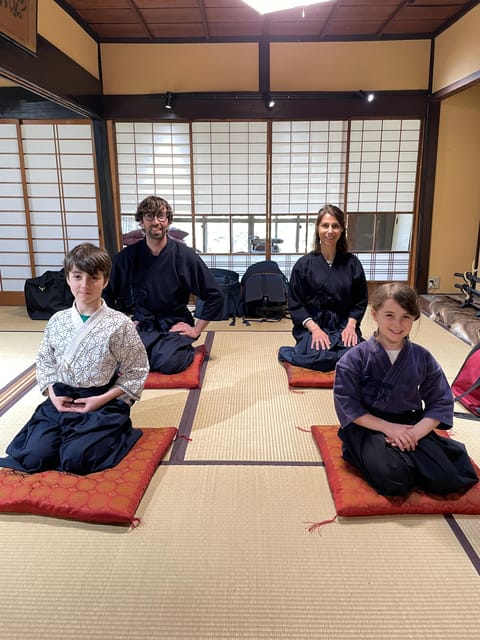
This is a hands-on session, so you’re not expected to bring training clothes or footwear.
Included:
- Instruction
- Uniform rental
- Equipment rental
- Shoe rental
- Gear rental
That list matters because it lowers friction. You can show up in normal travel clothes and let the instructors handle the rest. For a lot of people, that is the difference between doing an activity like this and skipping it.
You can also buy replica swords, though they are not included in the session price. So if you want a souvenir that feels more “real,” you have an option to check what’s available at purchase time.
If you’re wondering about realism, the swords used for training are described as safe. In practice, that means you get the feel and technique without the risk of a live blade. Your goal is control and accuracy, not damage.
Getting There and Staying Comfortable in Winter
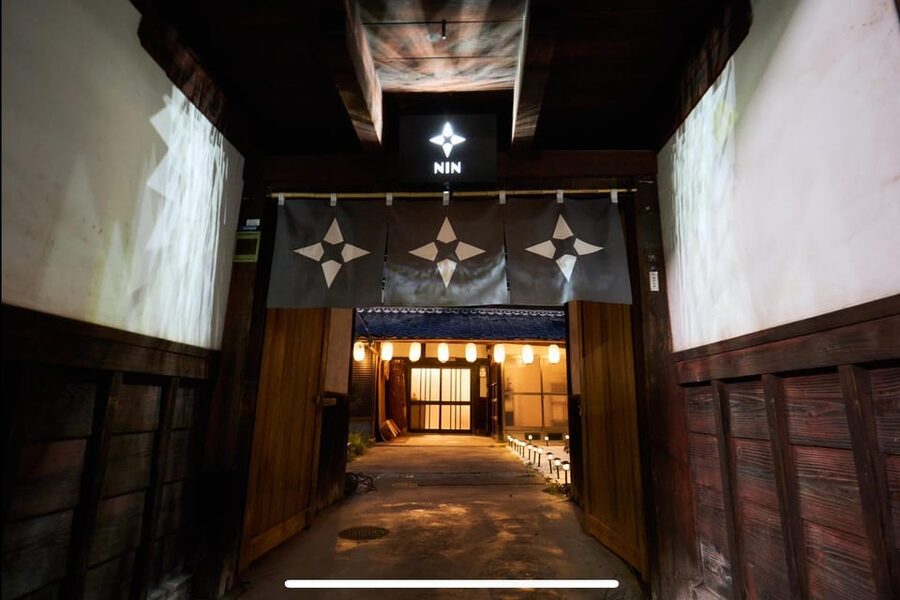
The location is in a residential area along a winding path. This is one of the practical warnings that comes up repeatedly. If you’re traveling by train, it is a good idea to plan on using a taxi for the last leg to the large gate.
Why does this matter? Because you have a 2-hour session. If you show up stressed and late, your warm-up and focus can suffer. The best version of this experience is when you arrive early enough to settle in, change, and listen.
Weather can also affect comfort. Some people mentioned it can be chilly in the dojo in colder months, and they recommended warm socks or a base layer. I agree with that advice logic. Your body still needs warmth while you’re training in gear.
So, if you’re booking in winter, dress like you are going to a cool room where you might stand and wait for instruction, not like you are going to a heated gym.
Who Should Book This Samurai and Kendo Training in Kyoto
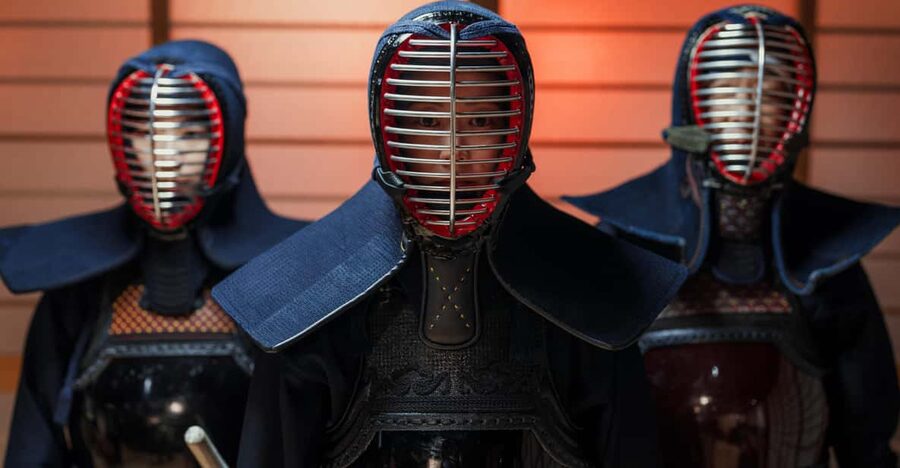
This works best if you want a real skill activity with cultural context. It’s not a passive show. You suit up, you learn etiquette, and you practice with training swords.
It’s especially a fit for:
- People who like interactive cultural experiences
- Anyone curious about kendo basics without prior experience
- Travelers who care about authenticity, like training in a true machiya dojo space
- Families and groups where everyone can participate together, since everyone in the class gets practice time
Age note: it is not suitable for children under 7 years. If you’re traveling with kids, that’s your first filter.
Also, because alcohol and drugs are not allowed, it’s a session built for clear participation. You’ll get better results if your day stays steady and calm.
Price and Value, Why $103 Makes Sense for 2 Hours of Real Training
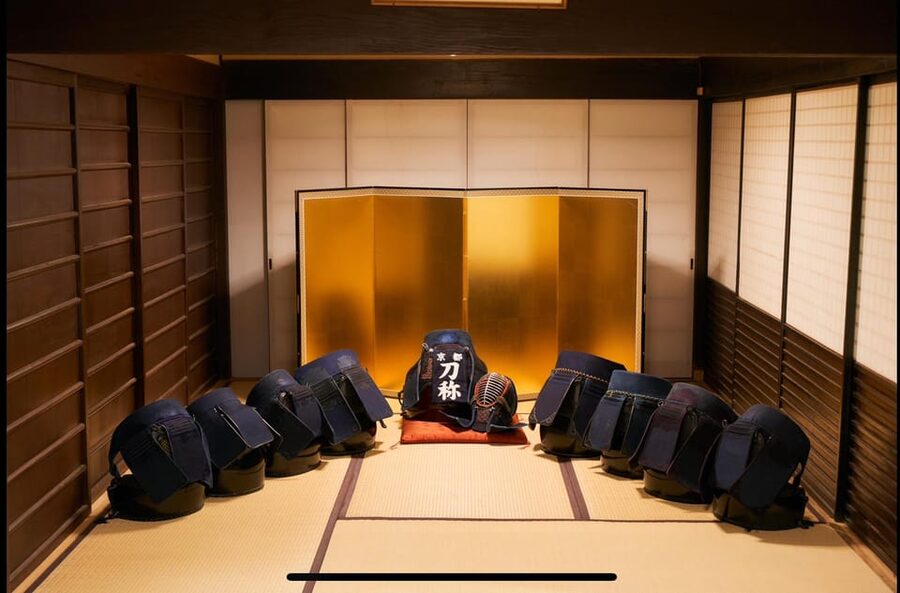
At about $103 per person for a 2-hour session, you might compare this to other Kyoto experiences that feel lighter on technique. But what you’re paying for here is more than a performance.
You get:
- Guided instruction (including safety and etiquette)
- Full gear rental (uniform, equipment, shoes, other gear)
- Hands-on kendo practice with safe training swords
- Cultural explanation tied directly to the training
- Help with photos and videos while you’re dressed
When you add up those pieces, it stops looking expensive and starts looking fair. The gear portion alone is meaningful, because it saves you the time and hassle of bringing or renting basics yourself. The instructor-led technique part is also key. A good teacher can turn an hour of random swinging into real improvement, and multiple accounts highlight how supportive Taka-san is.
Still, this is not a long bootcamp. It’s 2 hours. You will not walk out an expert. But you will walk out with correct basics, a better feel for kendo etiquette, and memories that look like training, not tourism.
Should You Book This Kyoto Samurai and Kendo Experience?
If you want an authentic, hands-on kendo experience in Kyoto, I think it’s an easy yes. The biggest reasons: you train in an old machiya setting, you get structured teaching from Taka-san, and you get both practice and cultural context in a short amount of time.
Skip it only if you’re mainly chasing a theatrical sword show or if you strongly dislike the idea of training in an older building that may not feel pristine. If that sounds like you, you’ll probably still enjoy the culture side, but you might want a cleaner, more modern activity instead.
If you can handle a little chill and you want to learn real basics with a friendly instructor, this is one of the more memorable ways to spend your time in Kyoto.
FAQ
How long is the Kyoto kendo and samurai experience?
The experience lasts 2 hours.
Is the instructor’s English good for beginners?
Yes. The instruction is listed as in English, and you do not need prior experience to join.
What gear is included in the price?
Instruction is included, along with uniform rental, equipment rental, shoe rental, and other gear rental. Replica swords are available for purchase, but they are not included.
Where do I meet the group?
The meeting point is an old Japanese house with a large gate.
Is this suitable for young children?
No. It is not suitable for children under 7 years.
Is alcohol allowed during the experience?
No. Alcohol and drugs are not allowed.
What is the cancellation policy?
Free cancellation is available up to 24 hours in advance for a full refund.
Blade Work and Stagecraft

Newest Kyoto write-ups from the Loving Japan desk
Samurai, Ninja and Sword Experiences, side by side.
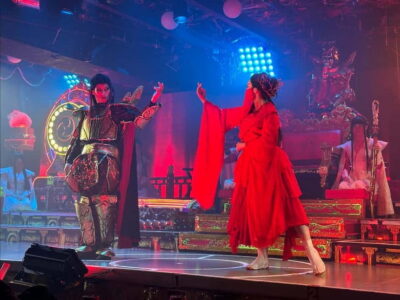 ★ 4.5Samurai Restaurant Show Ticket with 2 DrinksFrom $551,307 reviews
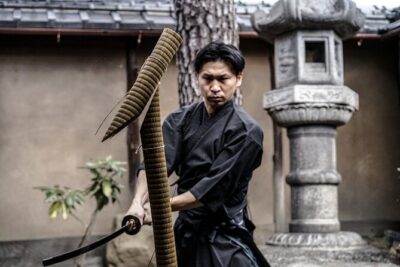 ★ 5.0Kyoto Samurai ExperienceFrom $1191,294 reviews
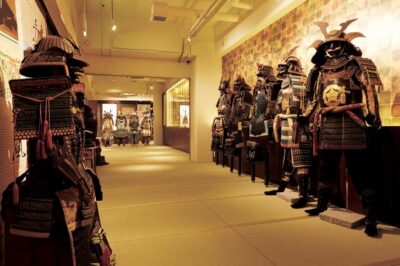 ★ 4.6Samurai Ninja Museum Guided tour and ExperienceFrom $271,010 reviews
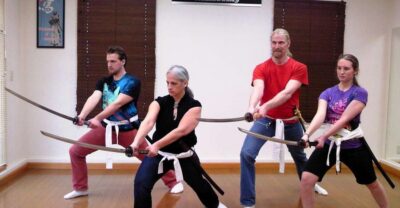 ★ 4.9Samurai Sword Class by Experts in Traditional ArtsFrom $64657 reviews
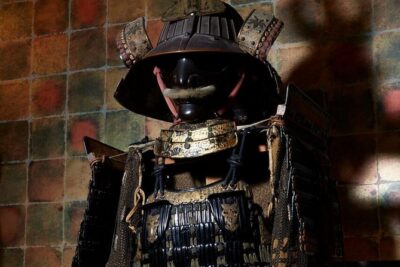 ★ 4.5Skip the lines Basic Ticket at SAMURAI NINJA MUSEUM KYOTOFrom $28632 reviews
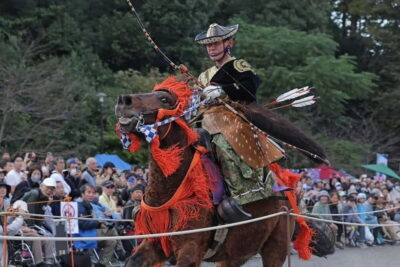 ★ 5.0Samurai Sword & Archery Class from Samurai DescendantFrom $193603 reviews
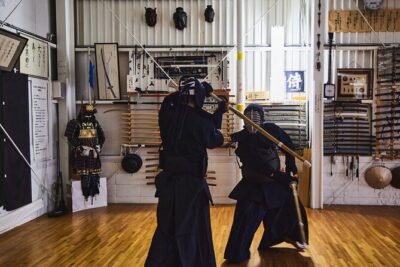 ★ 5.0Samurai Training Experience KENDO in OsakaFrom $131515 reviews
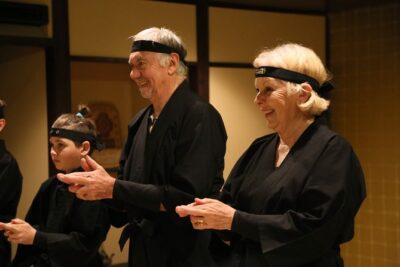 ★ 5.0Ninja 1-hour Hands-on Lesson by Japanese master in Kyoto -EntryFrom $80489 reviews
Filed on these lists too