
REVIEW · SAMURAI, NINJA AND SWORD EXPERIENCES
Samurai Training Experience KENDO in Osaka
In full armor, Kendo feels real fast. This Osaka class is a hands-on way to learn the basics of Kendo in a real dojo, with English coaching and traditional gear, plus samurai-themed artifacts to look at between drills. I love that it is taught by Toshi and Kumiko, and that the group stays small enough for real feedback.
One possible drawback: it is physical, so if you want something totally low-effort, this will still require you to move, wear protection, and follow the pace.
What I like most is the full experience, not a quick demo. You get suited up in authentic uniform and protective armor, train with a shinai (bamboo sword), and end with safe match-style practice under professional guidance. Then you leave with digital photos and videos that help you remember the hits, stances, and even your sparring moments, often with the support of translator/assistant Nao to keep the English flowing.
In This Review
- Key things I’d circle before you book
- Entering The Dojo: What Makes This Osaka Kendo Lesson Feel Authentic
- The 2-Hour Flow: From Bushidō Talk to First Shinai Techniques
- Suiting Up in Real Kendo Armor: Comfortable Practice, Not a Costume
- Training the Basics: Strikes, Footwork, and Coach Feedback
- The Match-Style Session: Safe Sparring That Still Feels Real
- The Dojo Museum Part: Samurai Artifacts You Can Look at While You Wait
- Photos, Videos, and the Little Extras That Make It Worth Paying For
- Price and Value: How $131.32 Per Person Stacks Up
- Who This Kendo Experience Suits Best
- Getting There in Osaka: Simple, Central, and Practical
- Should You Book This Samurai Training Experience in Osaka?
- FAQ
- Do I need prior Kendo experience?
- How long is the Samurai Training Experience KENDO in Osaka?
- Will the instruction be in English?
- How many people are in the class?
- Will I wear Kendo armor and use a shinai?
- Can kids participate?
- Is there free cancellation?
Key things I’d circle before you book
- Max 12 people means you get close attention, not just a crowd lesson
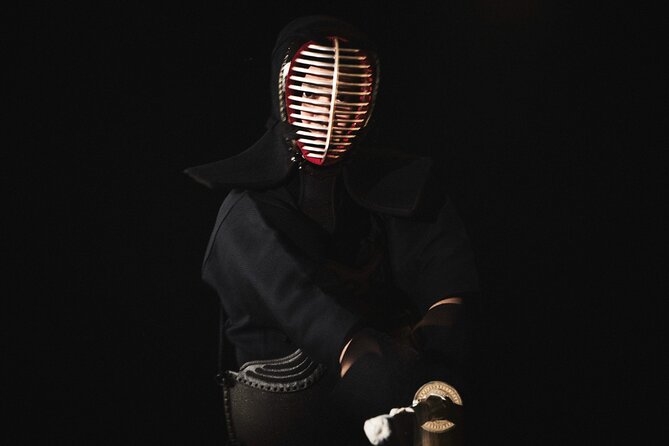
- Authentic uniform and protective armor for the real Kendo feel
- English instruction with support from the team, including Nao
- Shinai training plus a safe match-style session so you actually practice, not just watch
- Digital photo and video souvenir after the class
- Showers, changing rooms, and A/C for comfort in the middle of training
Blade work and stagecraft, other sessions
- Samurai Training Experience KENDO in Osaka
★ 5.0 · 515 reviews - OSAKA NIGHT FUSION Japanese Taiko Kabuki Samurai Dance Show
★ 4.8 · 155 reviews - Osaka: Samurai Training Experience KENDO in Osaka
★ 5.0 · 111 reviews - Osaka: A Modern Samurai, Kabuki, Taiko, & Dance Show
★ 4.5 · 66 reviews
Entering The Dojo: What Makes This Osaka Kendo Lesson Feel Authentic
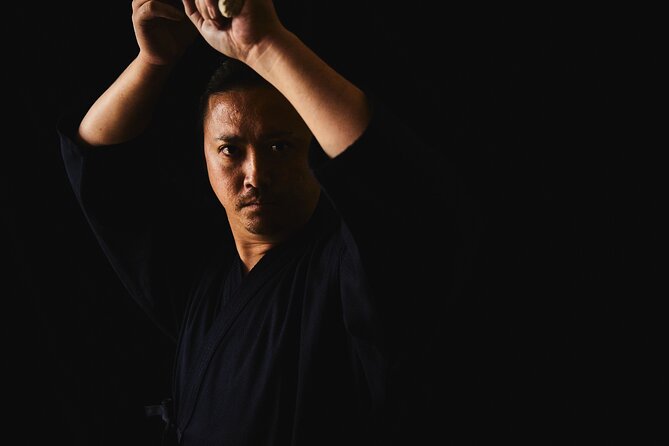
This is not a costume photo stop. You start in a real Japanese dojo environment, where Kendo training and the samurai world are treated like living parts of the same tradition. The space is kept in great shape, and it is set up so you can move into gear, train safely, and still enjoy the experience without feeling rushed.
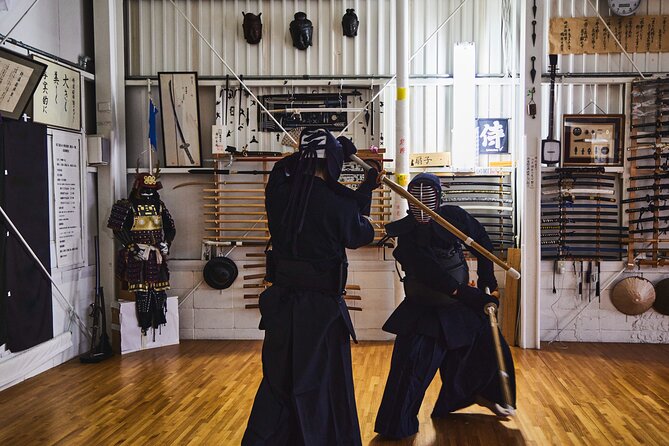
A big part of the pull here is the combination: practical martial arts training, plus a museum-style layer in the building. You are not just learning words about Bushidō, samurai culture, or proper technique. You get to practice while surrounded by samurai artifacts and memorabilia, then step into full gear for photos so you understand what that silhouette and discipline are about.
The 2-Hour Flow: From Bushidō Talk to First Shinai Techniques
The rhythm of the lesson is beginner-friendly without being watered down. You begin with an introduction that sets the context for Kendo and samurai culture, including Bushidō and what the practice is trying to build in your body and mindset. If you are a first-timer, this matters. It turns random sword movements into something with purpose.
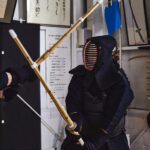
After the talk, you change into proper Kendo attire and protective armor. Then the training shifts to basic Kendo techniques using the shinai. You learn how to take up stance, how to manage your center, and how to perform foundational movements and key strikes. The whole time, the instruction is geared toward helping you succeed, not just keeping up.
In a 2-hour session, the goal is clarity and confidence, not perfection. You should expect to go from slow, step-by-step practice to more match-style movement by the end.
Suiting Up in Real Kendo Armor: Comfortable Practice, Not a Costume
One reason this feels like the real thing is that you actually wear the uniform and protective gear. You are not borrowing a flimsy prop. You are learning while inside the equipment that Kendo practitioners use for training and safety.
The facility also helps. You have changing rooms and showers, and the building is equipped with air conditioning and heating. That sounds small, but it makes a difference in Osaka, where weather changes can be dramatic. After you sweat in armor, you can freshen up and keep your day moving.
If you are traveling with family, that comfort can be a lifesaver. Kids and adults can focus on the lesson instead of worrying about where to clean up or how to manage a quick schedule.
- Osaka Go Karting Tour with Funny Costume★ 5.0 · 2,658 reviews
- Osaka Castle: Museum and Tower Entry Ticket★ 4.5 · 2,380 reviews
- Osaka: Shinsekai Food Tour with 13-15 Dishes at 5 Eateries★ 4.8 · 2,204 reviews
- Osaka Food Tour: 13 Dishes at 5 Local Eateries★ 5.0 · 2,149 reviews
- Hungry Osaka Street Food Tour:15 Tastings & 3 Drinks with a Local★ 5.0 · 1,727 reviews
Training the Basics: Strikes, Footwork, and Coach Feedback
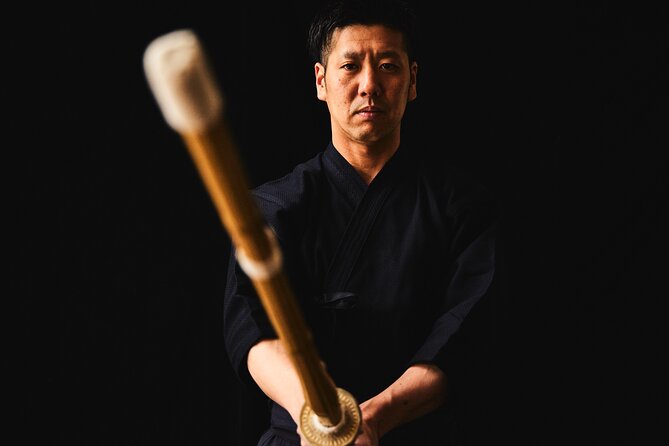
This class is built around learning proper form and getting feedback while you train. Early drills are the foundation: posture, stance, and the mechanics behind strikes. As you progress, you practice combinations and counters, with footwork that matches what you are doing with your shinai.
What makes it work is the coaching style. In multiple experiences, people point out how patient and encouraging the instructors are, even when someone feels like they have two left feet at the start. That is exactly what you want in beginner training. You want guidance that corrects mistakes without making the lesson awkward.
You also have room to ask questions. The history piece is not thrown in as filler. It helps you connect why Kendo is practiced the way it is, and that connection tends to make the physical drills feel more meaningful.
The Match-Style Session: Safe Sparring That Still Feels Real
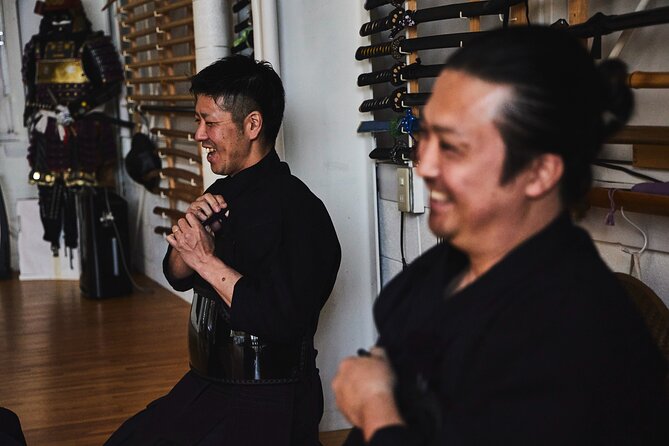
The payoff comes at the end, when you practice a safe match-style session under professional supervision. This is where Kendo stops being a classroom activity and becomes a real exchange, even if you are new.
You will practice head-to-head duels after learning basic techniques and manners of Kendo. If you want to understand what the sport is actually like, this is the moment. One-on-one instruction makes it easier to keep form while you react, and the structure is designed to keep it safe while still giving you that adrenaline spark.
Also, instructors can adjust the experience based on your level. That matters for mixed groups, including families and mixed ages. If you are eager for intensity, you might get chances to test your skills more, and if you are cautious, you still get to participate fully.
The Dojo Museum Part: Samurai Artifacts You Can Look at While You Wait
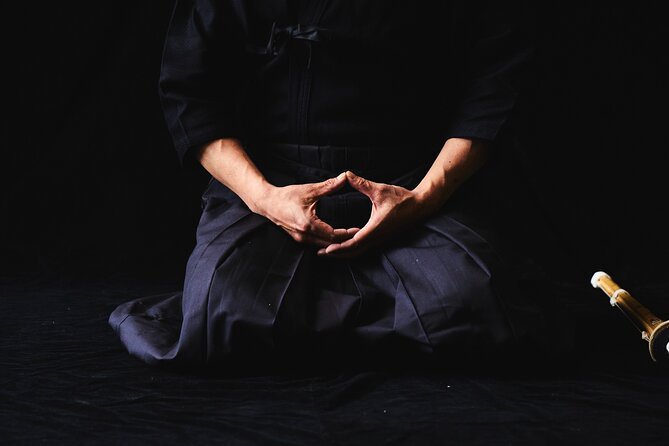
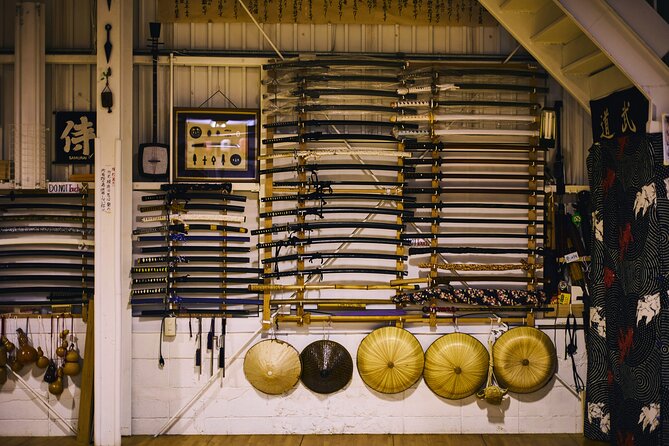
Between training moments, you can take in the dojo’s samurai artifacts and memorabilia. This is part of what makes the setting feel more grounded than a generic activity space. You can see pieces that reinforce the story of Kendo and samurai culture, not just hear about it.
If you like history, this layer turns the experience into more than exercise. You get to connect the physical practice to the visual culture around it, which helps if you are trying to understand Japanese martial traditions beyond pop-culture images.
Photos, Videos, and the Little Extras That Make It Worth Paying For
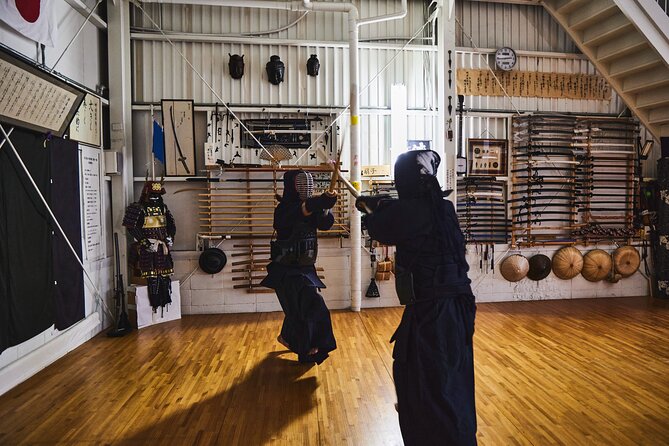
The souvenir is a big deal here. You receive digital photos and videos of your experience, which helps you remember not only the pose but also the motion and the moment of sparring. In some cases, participants report receiving the files within about a day, which is great because the memories stay fresh while your trip is still rolling.
You should also plan on some hospitality. Several experiences mention snacks and drinks after training, plus water if you need it. That is practical, especially after armor work, and it turns the session into a complete experience instead of a drop-in class.
Price and Value: How $131.32 Per Person Stacks Up
At about $131.32 per person for an approximately 2-hour class, this is not the cheapest activity in Osaka. But it does include several cost-heavy pieces that add real value.
You are getting:
- Guided instruction in English
- Small-group attention (maximum 12)
- Authentic uniform and protective armor
- Shinai training
- A match-style practice component
- Digital photo and video souvenirs
- Comfort perks like changing rooms and showers
When you add all that together, it starts to look like a fair deal for an experience that is hands-on and memorable. If you compare it to attractions where you pay for entry and a quick look, this gives you a skill-based, physical, and story-rich moment you can’t really recreate on your own.
Who This Kendo Experience Suits Best
This is a great fit if you want an authentic Osaka activity that mixes culture and physical practice. It is especially appealing for:
- First-time visitors who want to try something real instead of sightseeing-only
- Martial arts fans who like structured technique and clear coaching
- History buffs who want context on samurai traditions and Bushidō
- Families who want a memorable, guided challenge that is safe and encouraging
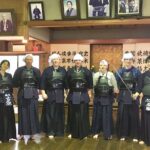
- Solo travelers who worry about fitting in, because the small size can make the experience feel more personal
One note for families with younger kids: the focus for children around ages 3 to 5 is on wearing uniforms and armor and taking photos safely. So it is not the same intensity as the full adult training rhythm, but it still connects them to the experience.
Getting There in Osaka: Simple, Central, and Practical
The meeting point is in Kita Ward, at 1-chōme-18-2 Honjōhigashi, Osaka, 531-0074. The location is near public transportation, which is exactly what you want for a 2-hour activity. This kind of class is easier to schedule when you do not have to plan a long transfer or worry about a complicated route.
Also, you’ll use a mobile ticket. That cuts down on friction, since you can keep everything on your phone.
Should You Book This Samurai Training Experience in Osaka?
If you are choosing one hands-on cultural activity in Osaka and you want something that feels real, I think you should strongly consider booking this Kendo class. The small group size, beginner-friendly approach, and the chance to actually train with shinai and end with match-style practice make it much more than a novelty.
Book it if:
- You want authentic gear and real instruction
- You like the idea of learning the basics and then testing them safely
- You care about getting photo and video souvenirs you can share later
- You appreciate patience and coaching that helps you improve fast
Skip it only if:
- You want a totally low-activity experience
- You are looking for long, advanced training depth, rather than a focused beginner lesson
FAQ
Do I need prior Kendo experience?
No. The class is beginner-friendly, and you can participate even if you have never done Kendo before.
How long is the Samurai Training Experience KENDO in Osaka?
It runs about 2 hours (approximately).
Will the instruction be in English?
Yes. The experience is conducted in English.
How many people are in the class?
The group is limited to a maximum of 12 travelers, which helps keep instruction attentive.
Will I wear Kendo armor and use a shinai?
Yes. You change into authentic Kendo uniforms and protective armor, learn basic Kendo techniques with the shinai, and take part in safe match-style practice.
Can kids participate?
The experience includes activities for children aged 3 to 5, with a focus on wearing uniforms and armor and taking photos safely.
Is there free cancellation?
Yes. You can cancel up to 24 hours in advance for a full refund.
Blade Work and Stagecraft

Newest Osaka write-ups from the Loving Japan desk

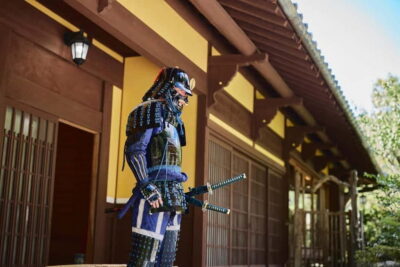
Samurai, Ninja and Sword Experiences, side by side.
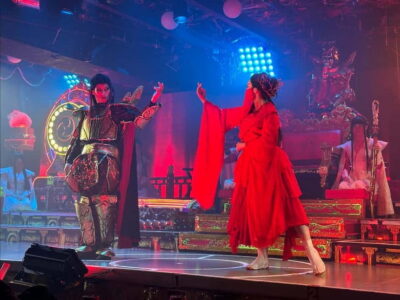 ★ 4.5Samurai Restaurant Show Ticket with 2 DrinksFrom $551,307 reviews
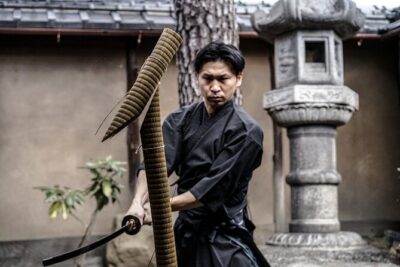 ★ 5.0Kyoto Samurai ExperienceFrom $1191,294 reviews
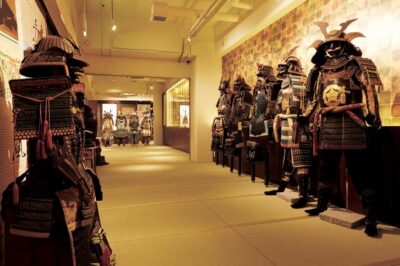 ★ 4.6Samurai Ninja Museum Guided tour and ExperienceFrom $271,010 reviews
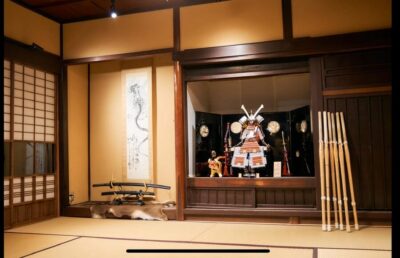 ★ 4.9Kendo and Samurai Experience with Uniform and GearFrom $103815 reviews
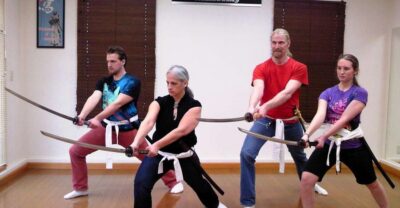 ★ 4.9Samurai Sword Class by Experts in Traditional ArtsFrom $64657 reviews
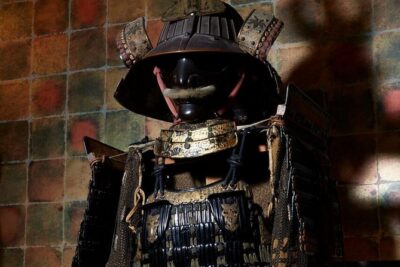 ★ 4.5Skip the lines Basic Ticket at SAMURAI NINJA MUSEUM KYOTOFrom $28632 reviews
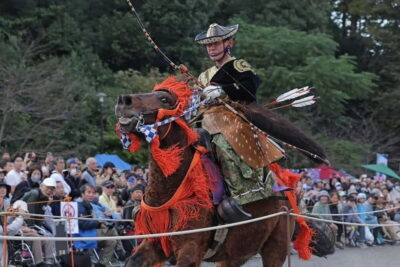 ★ 5.0Samurai Sword & Archery Class from Samurai DescendantFrom $193603 reviews
 ★ 5.0Ninja 1-hour Hands-on Lesson by Japanese master in Kyoto -EntryFrom $80489 reviews
Filed on these lists too