
REVIEW · SAMURAI, NINJA AND SWORD EXPERIENCES
Kyoto: Samurai Sword Class by Experts in Traditional Arts
Swords look simple until someone corrects your form. This Kyoto samurai kenbu class at Samurai Kembu Theater turns you from tourist into active student, with hands-on practice plus a short end performance.
It runs as a small group (up to 10), so you get real coaching instead of being stuck in the back.
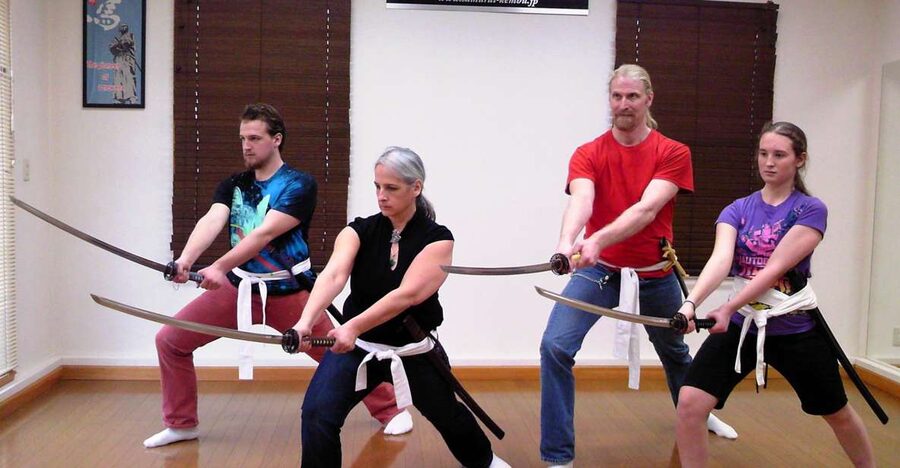
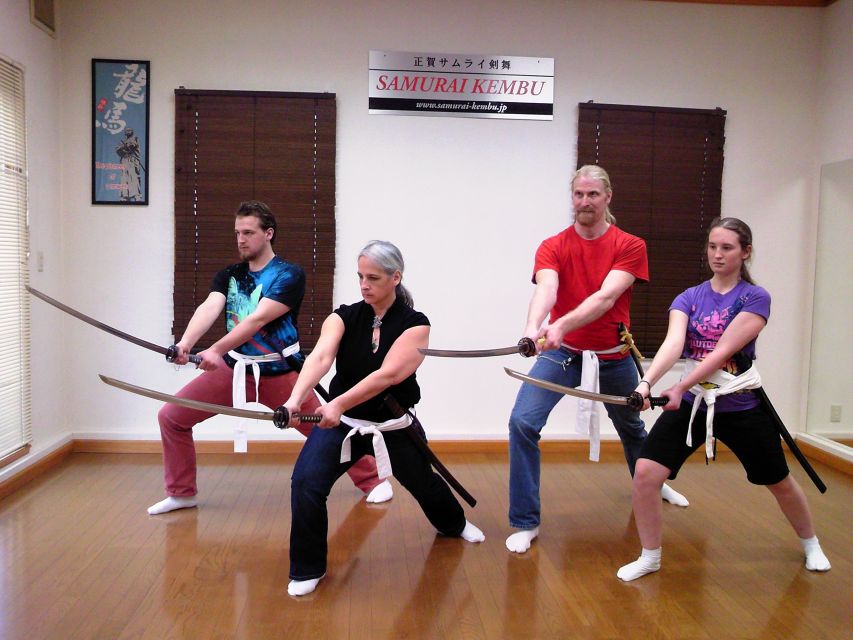
I especially love the way the lesson starts with respect, not showmanship. You practice bowing and core katana movements like drawing from the scabbard and returning it, guided step by step by instructors including Kazu Sensei and Hoga sensei.
I also love that it’s more than training. You get a photo session in your costume, plus a completion certificate, and you even receive a tenugui towel.
One key consideration: this is not observation-only. There’s no waiting room, so you’ll want to arrive ready to participate and follow safety instructions on the day.
In This Review
- Key points to know before you go
- Where Samurai Kembu Theater fits in Kyoto
- The 90-minute class flow, step by step
- Suit up in samurai costume, and change smart
- Bowing first: the respect piece that changes your technique
- Katana basics and kenbu strikes, what you actually practice
- Photo session and certificate, the keepsakes make it real
- The end performance option: 10 minutes or 30 minutes with commentary
- Safety and rules, the stuff you must follow
- Price and value: is $64 fair for what you get?
- Who this Kyoto samurai class suits best
- Getting there and what to bring to Samurai Kembu Theater
- Should you book it? My honest recommendation
- FAQ
- What is the duration of the Kyoto Samurai Sword Class?
- Where does the class meet?
- How many people are in each group?
- What languages are used during the class?
- What do you learn during the lesson?
- Is there a photo session and certificate?
- What is included in the price?
- What is not included?
- Are sharp objects or outside weapons allowed?
- Are children allowed?
Key points to know before you go
- You train, not just watch, with clear instruction on bowing, drawing, and stylized strikes
- Small group format (max 10) means more individual attention than big shows
- Costume time is built in, and you get photos plus a completion certificate
- Kenbu basics start with a short film, then you move to suit-up and sword handling
- Optional end performance comes in 10 or 30 minutes with commentary by a sword dance instructor
- Bring exercise-friendly clothing, because you’ll need to change for the costume
Blade work and stagecraft, other sessions
- Kyoto: Kendo and Samurai Experience with Uniform and Gear
★ 4.9 · 815 reviews - Kyoto: Samurai Sword Class by Experts in Traditional Arts
★ 4.9 · 657 reviews - Skip the lines Basic Ticket at SAMURAI NINJA MUSEUM KYOTO
★ 4.5 · 632 reviews - Ninja 1-hour Hands-on Lesson by Japanese master in Kyoto -Entry
★ 5.0 · 489 reviews
Where Samurai Kembu Theater fits in Kyoto
Kyoto has no shortage of samurai-themed experiences, but this one is different because it focuses on the craft of movement. You’re not just posing. You’re learning a choreographed martial art style called kenbu, with attention to how your body behaves with the sword.
The class happens at Samurai Kembu Theater (Kyoto dojo) in Higashiyama. The meeting point is 35-7 Sanchome (Higashi-iru, Sanjo-hanamikoji), Higashiyama-ku, B1F Gozan Building, Kyoto 605-0005. It’s a dojo setting, not a souvenir shop showroom, and that matters once you start practicing.
The 90-minute class flow, step by step
Plan on 90 minutes to 2 hours total, depending on the option you choose that includes an end performance. The core structure stays the same: film, suit up, practice basics, take photos, and finish with a certificate.
First, there’s a short 4-minute film that introduces the basics of samurai technique and the style of kenbu. Then you move from watching into doing, with the instructor talking you through what you should feel, not just what you should copy.
Suit up in samurai costume, and change smart
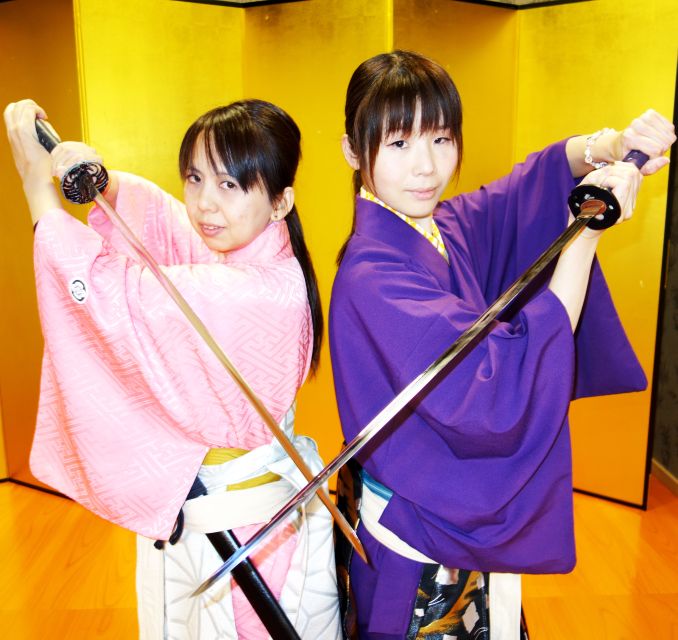
The biggest mood shift happens when you get dressed. You take part in a costume session designed for real movement, and you’ll handle your sword only after you’re properly set up.
What to wear ahead of time is your secret weapon. The guidance is clear: wear clothes suited for exercise and moving around, and avoid showing up in just a single hoodie or tights, since it is not suitable for costume changes. If you want this to feel easy instead of stressful, wear layers you can quickly manage.
Also note the practical reality: there’s no waiting room. So arrive on time, and come dressed so you can focus on the lesson instead of scrambling for costume logistics.
- PERFECT KYOTO 1-Day Bus Tour★ 5.0 · 13,518 reviews
- Kyoto: Fushimi Inari, Kinkakuji, Bamboo Grove 1 Day Bus Tour★ 4.8 · 4,316 reviews
- Kyoto: Tea Ceremony in a Traditional Tea House in Kiyomizu★ 4.9 · 3,519 reviews
- Kyoto Geisha Walking Tour: Gion District & Hidden Gems★ 4.7 · 3,273 reviews
- Kyoto: Tea Ceremony Ju-An at Jotokuji Temple★ 4.9 · 3,207 reviews
Bowing first: the respect piece that changes your technique
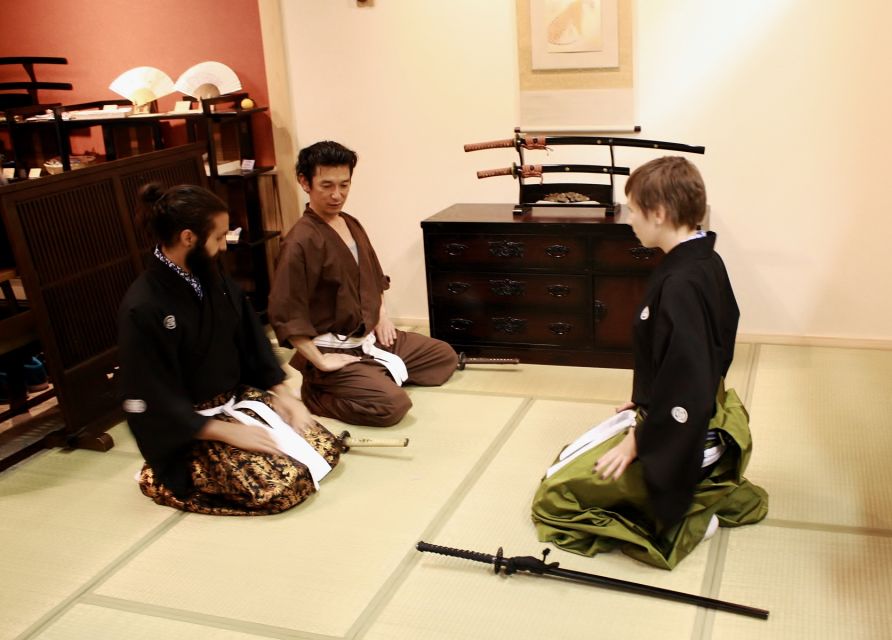
A lot of sword classes skip the mental part. This one leads with the basics of respect, including how to bow before training begins. That sets the tone immediately, and instructors also coach you on how to bow to the instructor and show respect in the interaction with an opponent.
Then you get to the physical core: you take hold of your samurai sword and work on the stylized sequence of drawing and returning it. The highlight here is learning how to draw the sword and replace it in its protective scabbard, with safety rules and instructor timing that keep you from rushing.
In my view, this is one reason the class feels authentic. You learn the ritual steps that martial arts protect, not just the flashy ends of the choreography.
Katana basics and kenbu strikes, what you actually practice
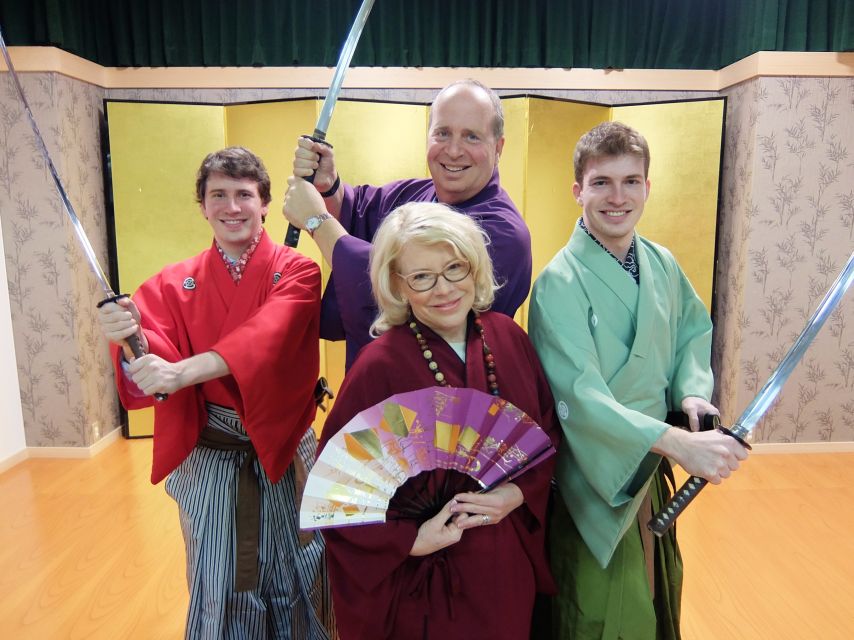
After the bow and draw sequence, the lesson centers on stylized movements that build kenbu. You practice the movement patterns rather than swinging randomly, so your body starts to understand the rhythm.
You also learn how to strike with those stylized motions, but the goal is control. Your instructor is guiding your stance, your timing, and the flow from one action to the next, so even if you’re brand new, you end up looking coordinated by the end.
Small group size helps a lot here. When an instructor spots your form slipping, you can correct it right away. Several participants specifically mention patient guidance and clear instructions, and I’d take that as a hint that the coaching is more than a quick demo.
Photo session and certificate, the keepsakes make it real
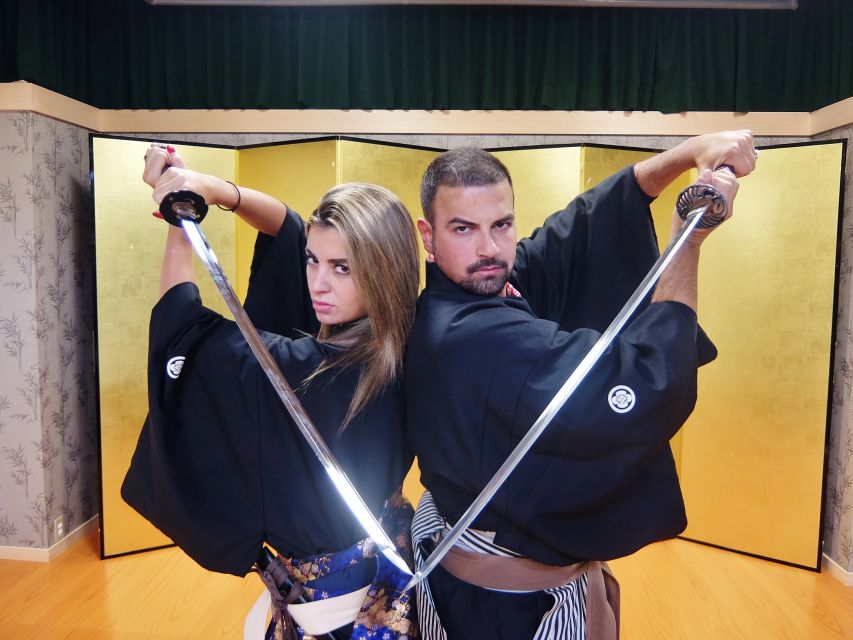
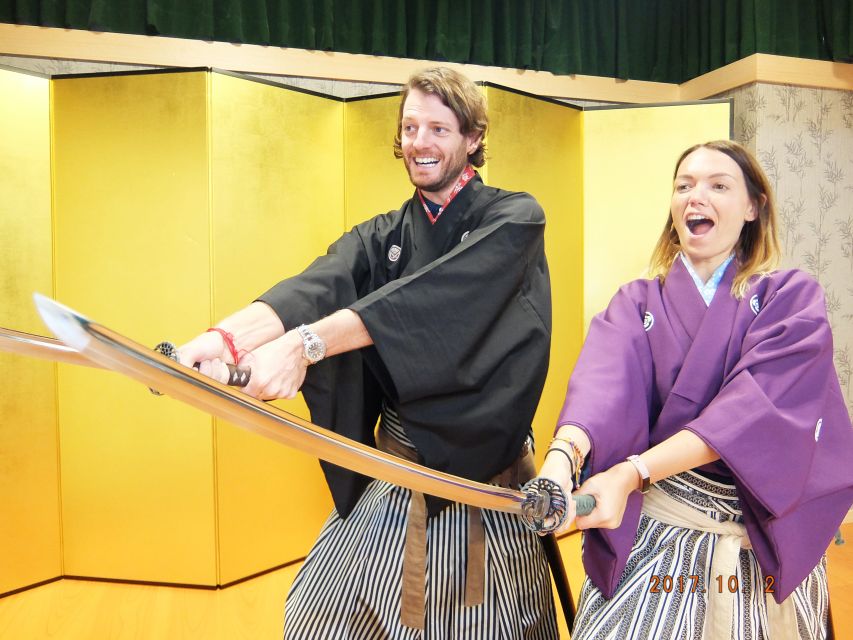
Once you’ve practiced the moves, you switch into the “Kyoto samurai” moment. There’s a photo shoot in your costume, and you get a completion certificate for finishing the class.
This is a good time to slow down and enjoy what you built. You’re not just watching someone else do the art. You’re walking out with evidence that you learned the steps, and you have photos you’ll actually want to share.
Included items also make the class feel like a complete package. You receive a tenugui towel, which is a traditional Japanese textile, along with the certificate and your training session.
Some people also mention they were able to keep costume pieces like scarves or socks. That is not the same as the official included list, but it lines up with the overall feeling that the team wants you to leave with a few tangible memories.
The end performance option: 10 minutes or 30 minutes with commentary
At the beginning or end, depending on the option you pick, there’s a performance. You can choose a shorter 10-minute or longer 30-minute show, and it includes commentary by a sword dance instructor.
This part is important because it shows you the “why.” In the class, you’re doing pieces. In the performance, you see how those pieces become a flowing sequence that looks powerful without being chaotic.
Even if you’re not a sword person, the performance helps you connect the movements to artistry and discipline. Many bookings highlight the end demonstration as beautiful and entrancing, and I agree with that logic: watching trained masters makes the class click.
Safety and rules, the stuff you must follow
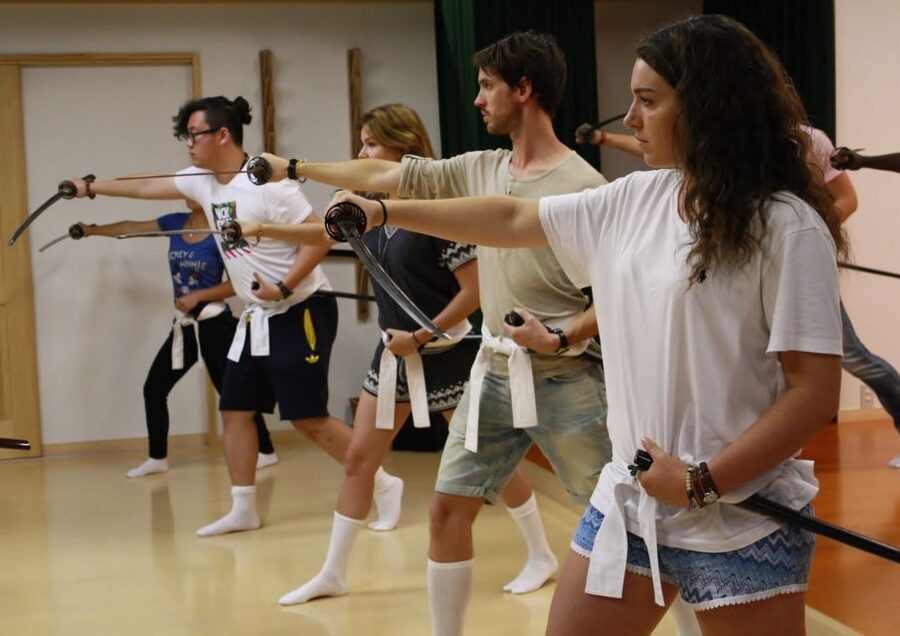
This is a sword activity, even though they guide you carefully. You are not allowed weapons or sharp objects, and you should expect instructor-led safety rules during the practice.
Other rules are straightforward and worth reading before you arrive:
- No pets
- No smoking
- No luggage or large bags
- No food or alcohol/drugs
- No fireworks or explosive substances
For you, the takeaway is simple: come light, come ready, and listen to the instructor’s instructions on the day. If you’ve ever felt nervous in a hands-on class, this format is still manageable because you’re coached through the steps.
Price and value: is $64 fair for what you get?
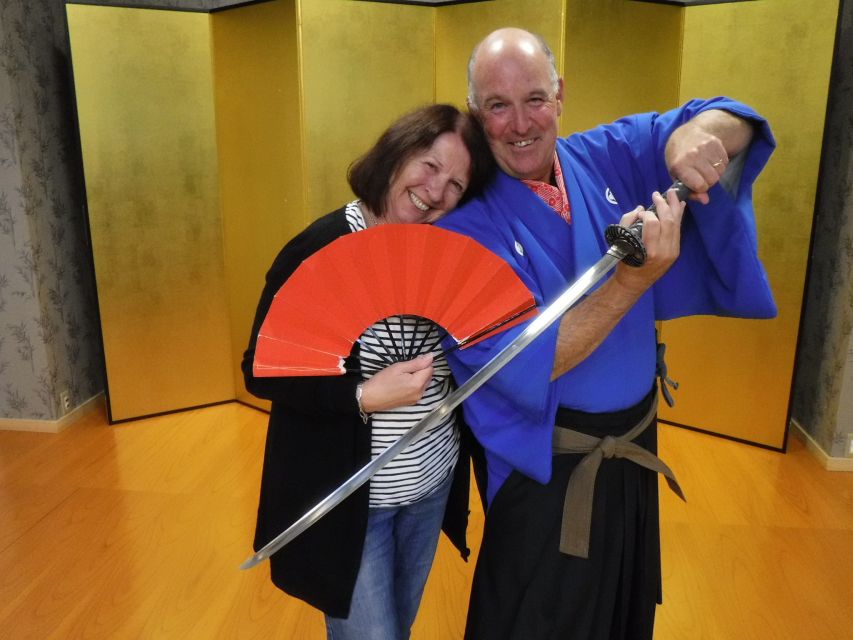
At $64 per person, this class is priced like a full experience, not a quick stunt. You’re paying for instruction by an English-speaking instructor, sword handling coaching, costume time, a photo session, and a certificate, plus the chance to add a 10 or 30-minute performance.
That combination is the value engine. If it were only a lecture or only a performance, it would be cheaper, and it wouldn’t feel as complete. Here, you get real participation, and you also get the show element that helps you understand what you tried.
Add in the small group limit (up to 10), and the cost feels more reasonable. You’re not just paying for access. You’re paying for time with instructors who correct form and keep the class safe.
Who this Kyoto samurai class suits best
This class fits best if you want hands-on culture. If you like learning through doing, this is one of those rare activities where you leave with both understanding and photos.
It’s also a solid choice for families, with the main caution being the instruction style. Children under 4 years are not suitable. For kids ages 5 to 10, it is desirable that they attend a martial arts class or have learning experience, since the lessons are conducted with adult participants.
If you are someone who enjoys short, structured challenges, you’ll likely enjoy the right level of effort. Multiple bookings mention it’s fun but not overwhelming, and that the training builds coordination rather than just asking you to copy moves.
If you’re looking for a pure spectator experience, skip it. This is not observation only, and there’s no waiting room.
Getting there and what to bring to Samurai Kembu Theater
Come prepared for a dojo-style setup. Since there’s no waiting room, punctual arrival matters more than usual. The meeting point is in B1F Gozan Building, so double-check your route and plan a little buffer time.
You should bring:
- Clothes suited for exercise and moving around (you’ll change into costume)
- A small bag only, since large luggage and travel bags are not allowed
You should plan around the food and drink rules. Food and alcohol are not allowed, so it’s smart to eat before you go and then grab food after the class.
Should you book it? My honest recommendation
I’d book this if you want a memorable Kyoto experience that goes beyond photos. The best part is that you learn the respectful choreography behind kenbu, then you see it from the outside during the end performance.
I would not book it if you hate hands-on activities, want to watch quietly, or plan to arrive in clothing that is hard to change in. This class runs on active participation and smooth costume handling, so show up ready.
If you’re comfortable following safety instructions and you like learning by doing, this is an excellent value way to spend a morning or early afternoon in Kyoto.
FAQ
What is the duration of the Kyoto Samurai Sword Class?
The experience lasts about 90 minutes to 2 hours. You can also have an optional end performance that is either 10 minutes or 30 minutes depending on the option you choose.
Where does the class meet?
It meets at Samurai Kembu Theater (Kyoto dojo), 35-7 Sanchome (Higashi-iru, Sanjo-hanamikoji), Higashi-iru, Sanjo-hanamikoji, Higashiyama-ku, B1F Gozan Building, Kyoto 605-0005.
How many people are in each group?
The group is small, limited to 10 participants.
What languages are used during the class?
The instructor is available in English and Japanese, and the class includes an English-speaking instructor.
What do you learn during the lesson?
You learn how to bow, how to draw a samurai sword and replace it in its protective scabbard, and how to strike using stylized movements connected to kenbu.
Is there a photo session and certificate?
Yes. You get a photo session in your costume and you receive a completion certificate.
What is included in the price?
Included items are an English-speaking instructor, a photo shoot, a tenugui towel, and a completion certificate.
What is not included?
Hotel pickup and drop off are not included, and food and drinks are not included.
Are sharp objects or outside weapons allowed?
No. Weapons or sharp objects are not allowed.
Are children allowed?
Children under 4 years are not suitable. For ages 5 to 10, it is desirable that the child attends a martial arts class or has learning experience, since lessons are conducted with adult participants.
Blade Work and Stagecraft

Newest Kyoto write-ups from the Loving Japan desk
Samurai, Ninja and Sword Experiences, side by side.
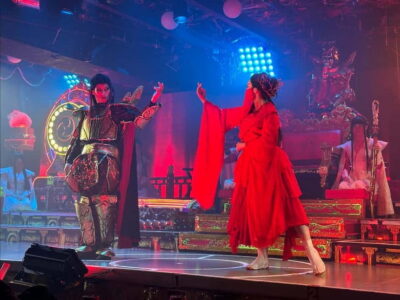 ★ 4.5Samurai Restaurant Show Ticket with 2 DrinksFrom $551,307 reviews
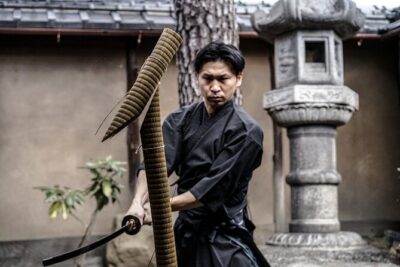 ★ 5.0Kyoto Samurai ExperienceFrom $1191,294 reviews
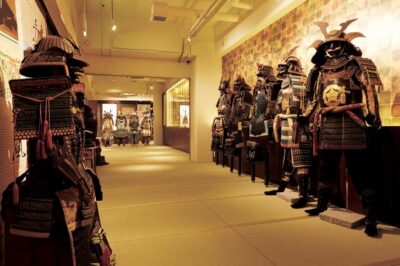 ★ 4.6Samurai Ninja Museum Guided tour and ExperienceFrom $271,010 reviews
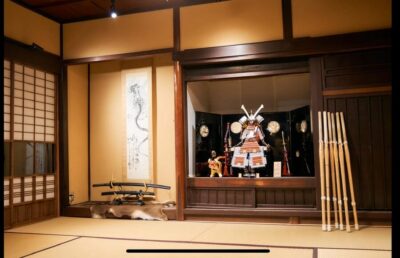 ★ 4.9Kendo and Samurai Experience with Uniform and GearFrom $103815 reviews
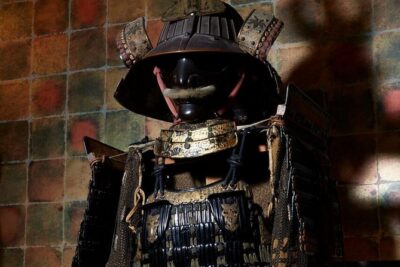 ★ 4.5Skip the lines Basic Ticket at SAMURAI NINJA MUSEUM KYOTOFrom $28632 reviews
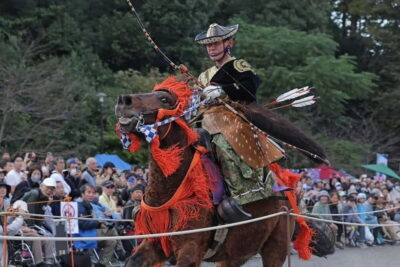 ★ 5.0Samurai Sword & Archery Class from Samurai DescendantFrom $193603 reviews
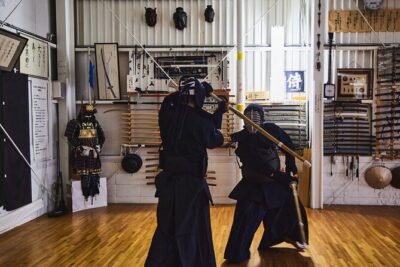 ★ 5.0Samurai Training Experience KENDO in OsakaFrom $131515 reviews
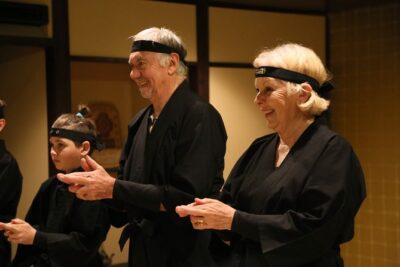 ★ 5.0Ninja 1-hour Hands-on Lesson by Japanese master in Kyoto -EntryFrom $80489 reviews
Filed on these lists too