
REVIEW · SAMURAI, NINJA AND SWORD EXPERIENCES
Kyoto Samurai Experience
A samurai class in Kyoto beats most museum time. In about 1 hour 45 minutes, you’ll wear a kimono, learn Bushido ideas, handle a training sword, and calm down with Zen meditation in a real historical setting.
I like how hands-on it feels, not just a talk. I also like the small size, with a maximum of 14 people, so you get real coaching and can actually ask questions. One consideration: it’s athletic sword practice, so you’ll want moderate physical fitness and comfy shoes, especially if you’re going in cooler months.
In This Review
- Key highlights worth planning for
- A samurai house visit that combines sword, kimono, and Zen
- Meeting at Waraku in central Kyoto, then getting moving fast
- Kimono time and house history before you pick up a sword
- Bushido basics: the mindset behind the movements
- Training-sword practice: what you’ll actually do for 1 hour 45 minutes
- What to expect physically
- Zen meditation to finish: the calm that makes the class stick
- Price and value: is $119.38 worth it for 1 hour 45 minutes?
- Who should book this and who might not
- Practical tips so your session goes smoothly
- Should you book Kyoto Samurai Experience?
- FAQ
- How long is the Kyoto Samurai Experience?
- Where do I meet the group?
- Can I choose a morning or afternoon session?
- What activities are included?
- Is there a limit on group size?
- What should I wear?
- Can I get a refund if my plans change?
Key highlights worth planning for
- Small-group size (max 14): more attention, fewer awkward waits.
- Training sword + clear basics: you get guided reps instead of just photo ops.
- Kimono try-on: you feel the period look before the techniques begin.
- Bushido philosophy in plain terms: you’ll understand the mindset, not only movements.
- Zen meditation to close: a real cooldown after the sword work.
- Warm drinks and comfort touches: hand warmers and hot tea show up on cold days.
Blade work and stagecraft, other sessions
- Kyoto: Kendo and Samurai Experience with Uniform and Gear
★ 4.9 · 815 reviews - Kyoto: Samurai Sword Class by Experts in Traditional Arts
★ 4.9 · 657 reviews - Skip the lines Basic Ticket at SAMURAI NINJA MUSEUM KYOTO
★ 4.5 · 632 reviews - Ninja 1-hour Hands-on Lesson by Japanese master in Kyoto -Entry
★ 5.0 · 489 reviews
A samurai house visit that combines sword, kimono, and Zen
This experience is built around one simple idea: you learn samurai culture by doing small, guided parts of it. That includes clothing, movement, and mindset. You’re not spending your time hunting for the “right pose” for pictures. You’re practicing the basics, learning why they matter, and then finishing with a calmer session that changes the mood.
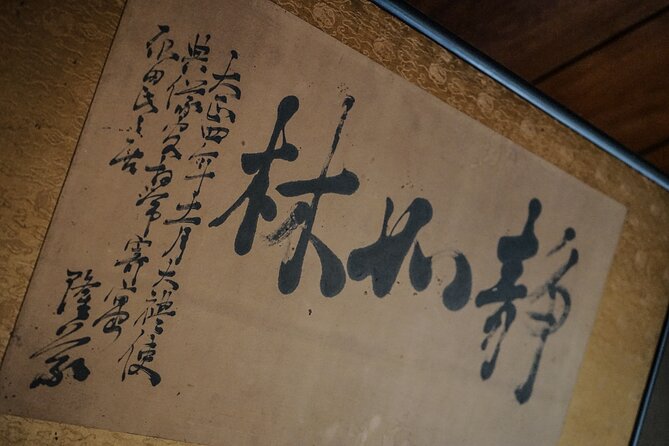
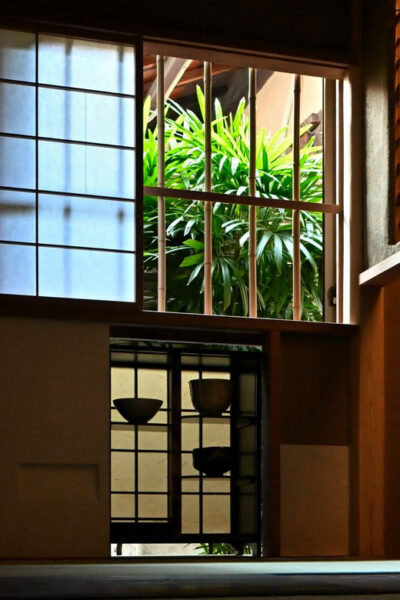
The setting is a major part of the value. You’re in a Kyoto samurai house, which means the background is not generic. The structure and atmosphere help explain why sword arts were paired with discipline, etiquette, and daily habits.
And the flow matters. You start with the feel of the place and your outfit, then you move to sword work, then you end with Zen meditation. That rhythm keeps it from turning into a single-note “swing the sword” activity.
Meeting at Waraku in central Kyoto, then getting moving fast
Your meeting point is Kyoto Samurai Experience / Waraku at 111 Inabachō, Nakagyo Ward, Kyoto. The activity ends back at the meeting point, so you’re not scrambling for a transfer after the class.
This is also a relief for planning. It’s listed as near public transportation, which matters in Kyoto where walking distances can surprise you. I’d still give yourself extra time, because kimono, introductions, and explanations take a few minutes before the physical work starts.
Once you arrive, you’ll meet your guide and group right away. From there, you’ll change into your kimono and get ready for instruction. The sessions run in the morning or afternoon, so you can match it to your day’s energy level and other sightseeing.
Kimono time and house history before you pick up a sword
Your first real step is the kimono. Getting dressed is more than a fun costume moment. It sets you into the period-style idea of posture and restraint. Even if you’ve never worn a kimono before, the staff typically helps you get sorted so you can focus on the class.
Next comes the storytelling side: the guide explains the samurai house and the basics of samurai life. This matters because the sword training can feel random if you treat it like a stunt. When you learn a little about the “why,” the movements start to feel purposeful.
One thing I’d pay attention to here is pacing. The best sessions do not rush you through the history before switching to action. You need time to connect the philosophy to the physical work.
You may also see short cultural touches during the overall experience, like a brief traditional performance (some sessions include a traditional string instrument, and a few include an old drum moment). These aren’t the main event, but they help the whole experience feel like Kyoto, not a warehouse demo.
- PERFECT KYOTO 1-Day Bus Tour★ 5.0 · 13,518 reviews
- Kyoto: Fushimi Inari, Kinkakuji, Bamboo Grove 1 Day Bus Tour★ 4.8 · 4,316 reviews
- Kyoto: Tea Ceremony in a Traditional Tea House in Kiyomizu★ 4.9 · 3,519 reviews
- Kyoto Geisha Walking Tour: Gion District & Hidden Gems★ 4.7 · 3,273 reviews
- Kyoto: Tea Ceremony Ju-An at Jotokuji Temple★ 4.9 · 3,207 reviews
Bushido basics: the mindset behind the movements
Bushido gets mentioned a lot in samurai pop culture, but here you’re getting it as a lesson you can actually use. The guide explains the philosophy of Bushido in a way that supports what you’ll do next.
That “mindset” part is the difference between a sword class and a sword show. You’re not just learning how to swing. You’re learning how a warrior thinks about discipline, calm, and intention. And because the guide connects philosophy to technique, you’ll understand why the instructor cares about form.
Expect the session to cover practical basics too, including how to handle the training sword safely. You’ll get coached on stance and movement so you’re not left to guess.
This is especially valuable if you’ve never taken any martial arts class. You’ll start at fundamentals, with clear guidance on what to do and how to adjust.
Training-sword practice: what you’ll actually do for 1 hour 45 minutes
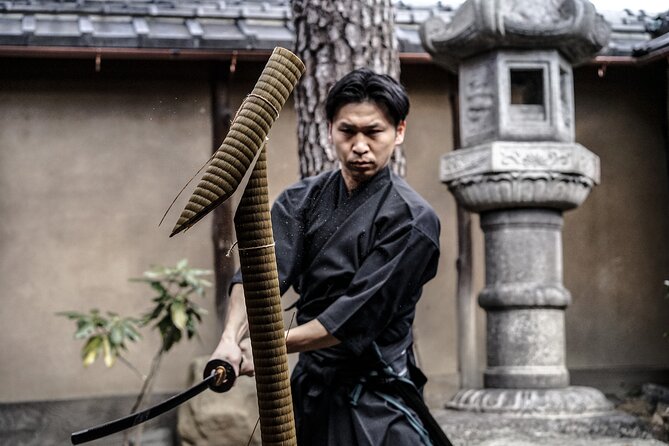
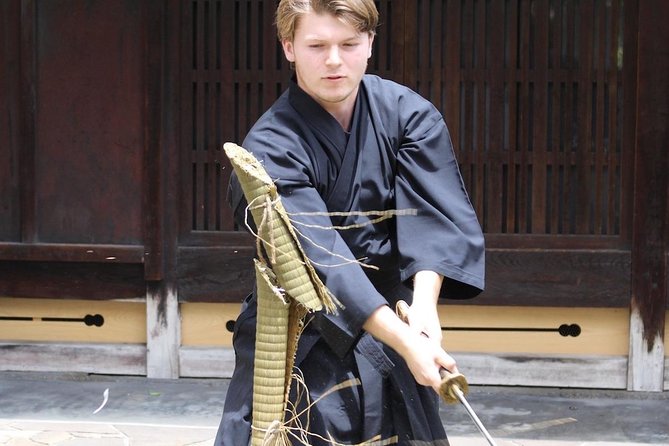
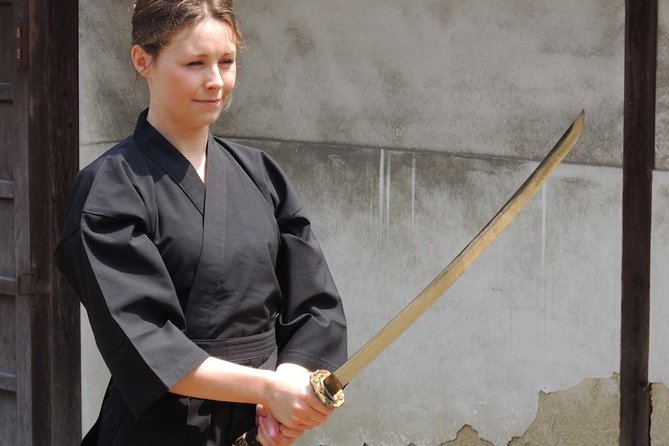
The main physical block is swordsmanship basics using a martial arts training sword. You’ll handle the sword, learn key techniques, and practice what the instructor demonstrates. This is hands-on time, not a spectator experience.
In the best moments, you get a mix of explanation and repetition. That’s how you learn quickly. The staff is set up to keep it from feeling rushed, and the small-group size helps a lot here. When there are fewer people, you spend more time practicing and less time waiting.
You might also get chances to perform what you’ve learned in a guided way, like a controlled strike or cutting practice. Some sessions include props or simple cutting targets, and the instruction tends to emphasize safety and correct technique first.
What to expect physically
This is still athletic training. You’ll be standing, moving, and using your arms more than you might expect for “just 2 hours.” That’s why the experience asks for moderate physical fitness and comfy clothes with athletic footwear.
If you have balance issues, knee problems, or any limitation that makes standing for long periods hard, plan carefully. This is not described as gentle stretching only.
Zen meditation to finish: the calm that makes the class stick
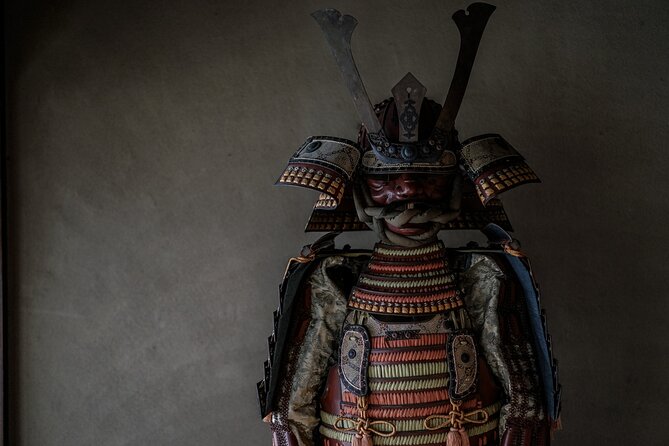
After the sword work, you shift to Zen meditation. This ending is a big part of why the experience feels complete.
It gives your body a chance to settle after the physical focus. It also ties the lesson back to discipline and awareness, which is what Bushido is pointing toward. If you’ve ever felt that martial arts classes jump from action straight to leaving, this part changes the tempo.
During cold weather, staff have also provided comfort measures like hot tea and hand warmers during breaks. That makes the transition smoother, especially if your session includes outdoor pauses.
You’ll leave with a different mental state than when you arrived. That’s a real value-add, because most “samurai experiences” end the moment the photos are taken.
Price and value: is $119.38 worth it for 1 hour 45 minutes?
At $119.38 per person for about 1 hour 45 minutes, it’s not cheap. But it can feel fair if you treat it as a guided workshop, not an attraction ticket.
Here’s why the value can work:
- You’re getting hands-on instruction with a real instructor and a training sword.
- You’re getting kimono styling, plus the philosophy lesson (Bushido) and Zen practice, not just one element.
- The group is capped at 14, which supports coaching time.
- The setting is a Kyoto samurai house, not a generic studio space.
Where value can disappoint is if you’re mainly after a long spectacle or a huge number of techniques. The class is structured for basics plus meaning, so it’s more “learn and practice thoughtfully” than “master everything in one go.”
If you want one activity that gives you a new skill, a cultural story, and a memorable outfit moment, this is the kind of class that can justify the price.
Who should book this and who might not
This experience fits best if you want an active cultural class and you’re okay with learning fundamentals. It’s also a strong family pick. Minors can join, as long as they’re accompanied by an adult, and some groups have done it as a father-son outing.
You should book if:
- You want a hands-on way to learn samurai culture in Kyoto
- You like structured coaching instead of wandering around museums
- You’ll enjoy ending with Zen meditation
- You want photos, but you also want actual practice
You might reconsider if:
- You expect a mostly seated, low-movement activity
- You’re sensitive to colder conditions and don’t like being outside for any portion of the class
- You have limitations that make athletic standing and movement difficult
Practical tips so your session goes smoothly
These details are small, but they matter because they affect comfort and safety.
Wear comfortable clothes and appropriate footwear for athletic activity. Even though you’ll wear a kimono, you still need your base outfit and shoes to support movement during sword practice. Think flexible, breathable, and easy to move in.
Bring a realistic mindset. You’re learning basics, and you’ll progress during the session based on your comfort and the instructor’s guidance. Don’t worry if you’re clumsy at first. That’s part of the learning.
If you’re traveling with family, plan for adult supervision for minors, since minors must be accompanied by an adult.
Also, use the time slots strategically. You can choose morning or afternoon departure times, so pick what matches your day. If you have a lot of walking planned in Kyoto, morning can be easier. If you want a slower pace and a calm finish, afternoon might help.
Finally, keep your schedule simple around it. Because the class returns you to the meeting point, you’ll likely want nearby meals and not too much hopping across Kyoto immediately afterward.
Should you book Kyoto Samurai Experience?
If you’re the type of traveler who likes doing, not just looking, I’d say yes. The kimono try-on, Bushido mindset talk, training-sword basics, and Zen meditation finish make this more than a photo stop. The small-group size and hands-on coaching help turn it into a real workshop.
Book it if you can handle moderate physical activity and you want a Kyoto experience with structure. Skip or rethink it if you want mostly passive sightseeing, or if your mobility limits standing and athletic movement.
FAQ
How long is the Kyoto Samurai Experience?
It runs about 1 hour 45 minutes (approx.).
Where do I meet the group?
You meet at Kyoto Samurai Experience / Waraku, 111 Inabachō, Nakagyo Ward, Kyoto, 604-8803, Japan. The activity ends back at the meeting point.
Can I choose a morning or afternoon session?
Yes. You can choose either a morning or an afternoon departure time.
What activities are included?
You’ll learn about samurai culture, practice swordsmanship basics using a martial arts training sword, try on a traditional kimono, and take part in a Zen meditation session.
Is there a limit on group size?
Yes. The tour/activity has a maximum of 14 travelers.
What should I wear?
Wear comfortable clothes and appropriate footwear for an athletic activity.
Can I get a refund if my plans change?
Free cancellation is available up to 24 hours in advance for a full refund. Rescheduling may be possible depending on availability, but it is not allowed within 24 hours of your scheduled session.
Blade Work and Stagecraft
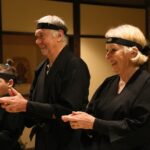

Newest Kyoto write-ups from the Loving Japan desk
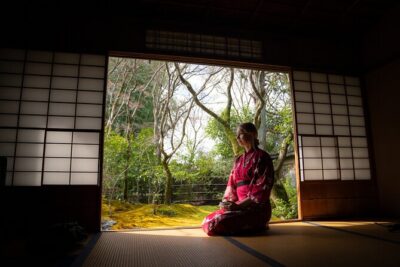
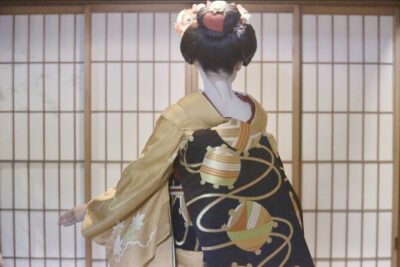


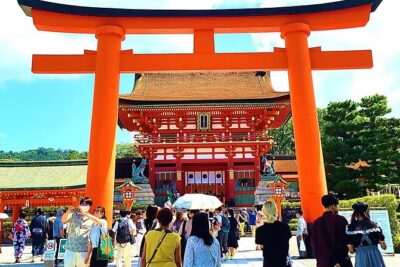
Samurai, Ninja and Sword Experiences, side by side.
 ★ 4.5Samurai Restaurant Show Ticket with 2 DrinksFrom $551,307 reviews
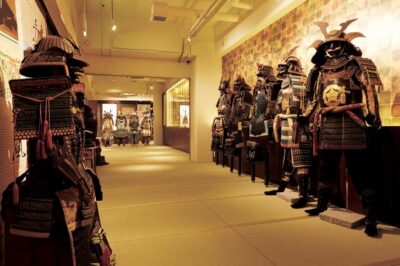 ★ 4.6Samurai Ninja Museum Guided tour and ExperienceFrom $271,010 reviews
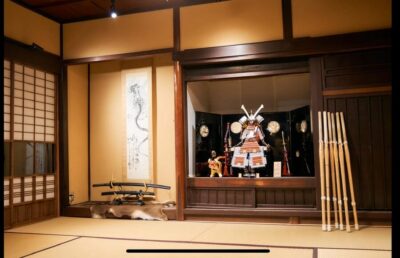 ★ 4.9Kendo and Samurai Experience with Uniform and GearFrom $103815 reviews
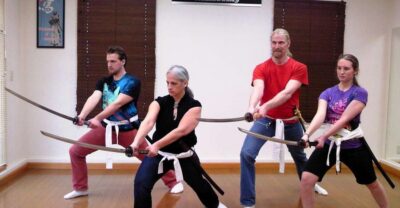 ★ 4.9Samurai Sword Class by Experts in Traditional ArtsFrom $64657 reviews
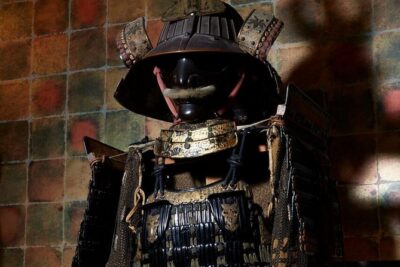 ★ 4.5Skip the lines Basic Ticket at SAMURAI NINJA MUSEUM KYOTOFrom $28632 reviews
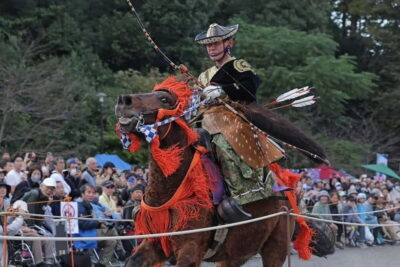 ★ 5.0Samurai Sword & Archery Class from Samurai DescendantFrom $193603 reviews
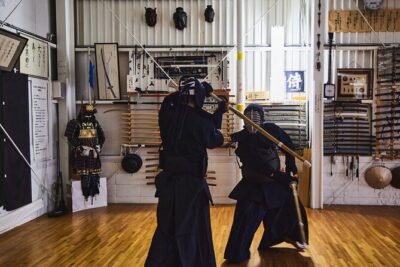 ★ 5.0Samurai Training Experience KENDO in OsakaFrom $131515 reviews
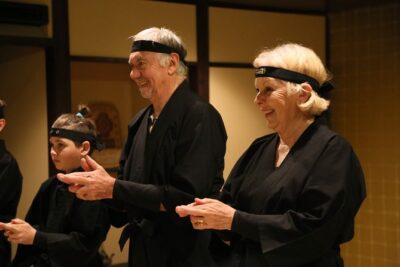 ★ 5.0Ninja 1-hour Hands-on Lesson by Japanese master in Kyoto -EntryFrom $80489 reviews
Filed on these lists too