
REVIEW · WALKING TOURS
Osaka: Deep Backstreets Walking Tour with Dinner Option
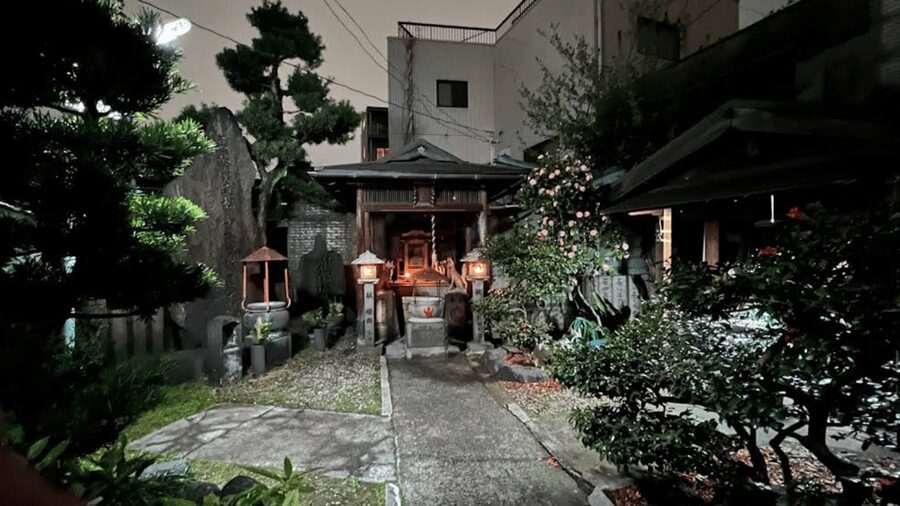
A night walk through Osaka’s back alleys is a reality check. This 3-hour, English-led street tour trades postcard sights for old markets, retro game joints, and side-street stories that explain how the city really works, including dark topics handled with care. I especially love the food-stop rhythm, since you sample two side dishes from two different stalls, and I like how guides turn confusing neighborhoods into clear, human context. The one thing to keep in mind is that this is a walk on the wild side, not for kids or anyone who wants everything sugarcoated.
You’ll also decide what kind of night you want. After wandering past back-alley stalls and an area of abandoned properties, you can choose whether to continue into a preserved Taisho-era red light district with UNESCO-listed buildings, or take the alternate route. If you’re okay with gritty history and taboo subjects like Yakuza, illegal gambling, and sex work, you’ll get a fuller picture of Osaka than most people ever see.
In This Review
- Key Points You’ll Feel on This Tour
- Entering Osaka’s After-Dark Back Alleys (What Makes It Different)
- The Retro Start: Game Parlors, Old Markets, and Nighttime Normal
- The Abandoned Buildings Stretch: Grit, Context, and a Controversial Past
- Two Side Dishes, Two Stalls: How Osaka Snacks Work
- The Taisho-Era Red Light District Option: Preserve Streets and Real Tradeoffs
- Dinner After the Walk: The “With Dinner” Option and Why It Matters
- How the Guides Carry the Night: Storytelling Names to Watch For
- Who Should Book This, and Who Should Skip It
- Price and Value: Is $40 Fair for This Kind of Night?
- Should You Book This Osaka Backstreets Walking Tour?
Key Points You’ll Feel on This Tour
- Retro Osaka first, with scenes like game parlors and older markets to set the tone fast.
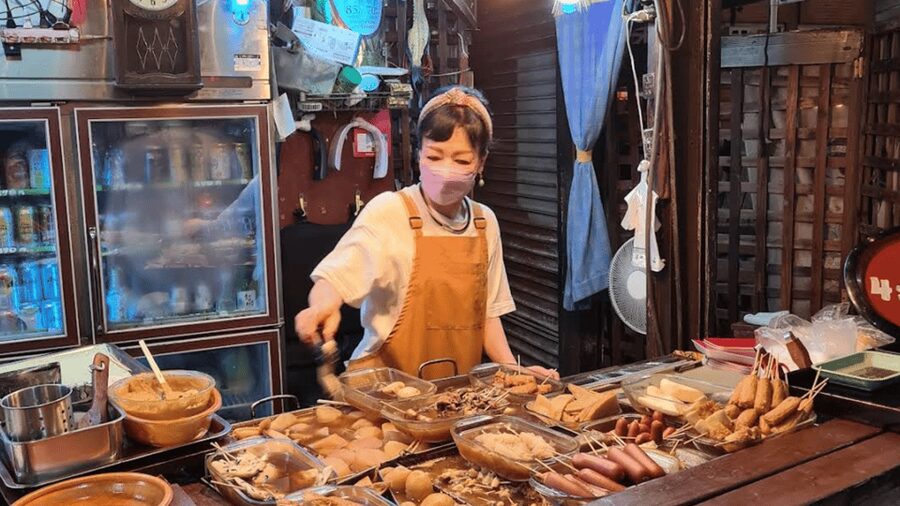
- Two stall stops, two snacks, the best way to taste what locals eat while moving through neighborhoods.
- Abandoned properties area, a surreal stretch in the middle of the city with a controversial past.
- Taisho-era red light district option, preserved streets tied to Osakan culture and UNESCO-listed buildings.
- Taboo topics with respectful framing, including Yakuza, war, sexism, pachinko, and homelessness (without going through the homeless district).
- Guides make it work, with lots of candid storytelling and a pace that feels like a chat.
Still weighing up options in Osaka? These are the ones our reviewers rated highest.
- Osaka Go Karting Tour with Funny Costume
★ 5.0 · 2,658 reviews - Osaka Castle: Museum and Tower Entry Ticket
★ 4.5 · 2,380 reviews - Osaka: Shinsekai Food Tour with 13-15 Dishes at 5 Eateries
★ 4.8 · 2,204 reviews - Osaka Food Tour: 13 Dishes at 5 Local Eateries
★ 5.0 · 2,149 reviews
Entering Osaka’s After-Dark Back Alleys (What Makes It Different)
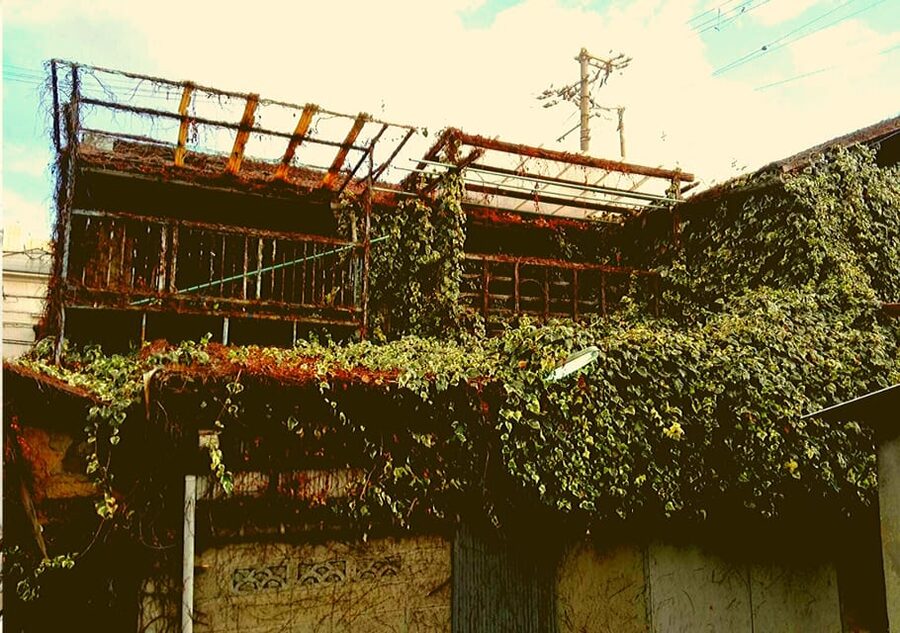
This tour is designed around contrast. Osaka can look sharp and modern from the big avenues, but the city’s personality shows up in narrow lanes, old storefronts, and places where life used to look a lot different. Here, the goal is not to shock you for shock’s sake. It’s to help you read the city the way a local might, with street details and social context.
I like that the tour gives you a practical way to see parts of Osaka you would struggle to find alone. You’re not just walking in the dark. You’re learning what you’re looking at, why it exists, and how it fits into Osaka’s everyday systems.
One more thing I appreciate: it’s low-key in feel. You’re with a group, but the vibe is more chat than lecture. Guides like Rudy and Knox (both repeatedly mentioned in standout ways) are the kind who can answer odd questions without acting like they’ve been rehearsing talking points all week.
If you’re the type who prefers everything clean and controlled, this probably won’t be your best match. The tour explicitly covers taboo themes, and it doesn’t pretend Osaka is perfect.
The Retro Start: Game Parlors, Old Markets, and Nighttime Normal
The evening begins with a “get your bearings” phase, but not in a polite museum way. You’re guided through a more retro Osaka world, where it’s easy to imagine the city without today’s glossy layers. Expect stops that highlight old-school entertainment, including Japanese-style games and video game parlors. You may also see older markets and everyday spots where locals entertain themselves after work.
This opening matters. If you jump straight into the grittier back streets, the story can feel random. Starting with retro scenes gives you emotional context first, like reading the first chapter before the mystery plot.
A practical note: wear comfortable shoes. The streets you’ll cover include winding alleys, and the tour format assumes you can walk steadily without frequent pauses. The pace is not a slog, but you should be ready for sustained night walking.
And yes, timing matters a lot. Being late is a real problem here. Once the group moves into the tight alley network, there’s no practical way for you to catch up. You’ll want to treat the meeting time like a train, not like a casual suggestion.
The Abandoned Buildings Stretch: Grit, Context, and a Controversial Past
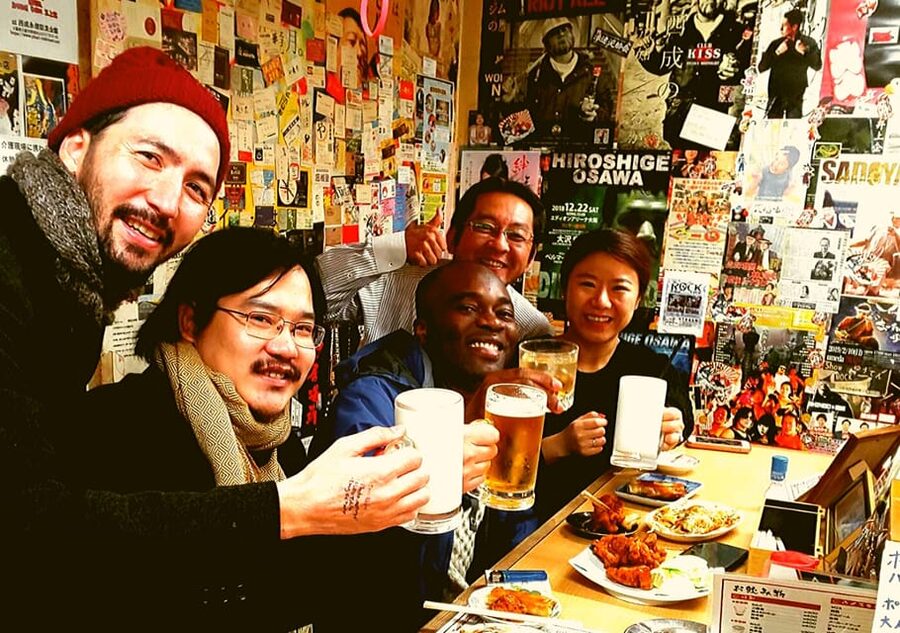
One of the most memorable parts of the night happens after the initial retro wandering. You’ll reach a stone’s throw from an area filled with abandoned properties. The effect is surreal. You’re still in Osaka, surrounded by modern city life, yet you’re stepping into the ghostly edges of what used to exist there.
This is where the tour becomes less about scenery and more about interpretation. The guide explains historical facts and anecdotes tied to the region, including how Osaka’s street life has been shaped by power, business, and social realities over time. The tour also spends time on taboo subjects that help you understand the machinery behind the headlines, from illegal gambling and pachinko to Yakuza involvement.
The controversial side is handled with a tone that aims to inform, not sensationalize. Guides are repeatedly described as respectful while talking about heavy topics, which matters because this kind of neighborhood can easily turn into a tourist spectacle if the guide is careless.
If you’re sensitive to dark themes, you’ll need a realistic mindset. This tour exposes the good, the bad, and the gray in-between. That’s the point. It’s also the reason it gets such high marks from people who want to understand Japan as a functioning place, not just as a clean product.
- Osaka Go Karting Tour with Funny Costume★ 5.0 · 2,658 reviews
- Osaka Castle: Museum and Tower Entry Ticket★ 4.5 · 2,380 reviews
- Osaka: Shinsekai Food Tour with 13-15 Dishes at 5 Eateries★ 4.8 · 2,204 reviews
- Osaka Food Tour: 13 Dishes at 5 Local Eateries★ 5.0 · 2,149 reviews
- Hungry Osaka Street Food Tour:15 Tastings & 3 Drinks with a Local★ 5.0 · 1,727 reviews
Two Side Dishes, Two Stalls: How Osaka Snacks Work
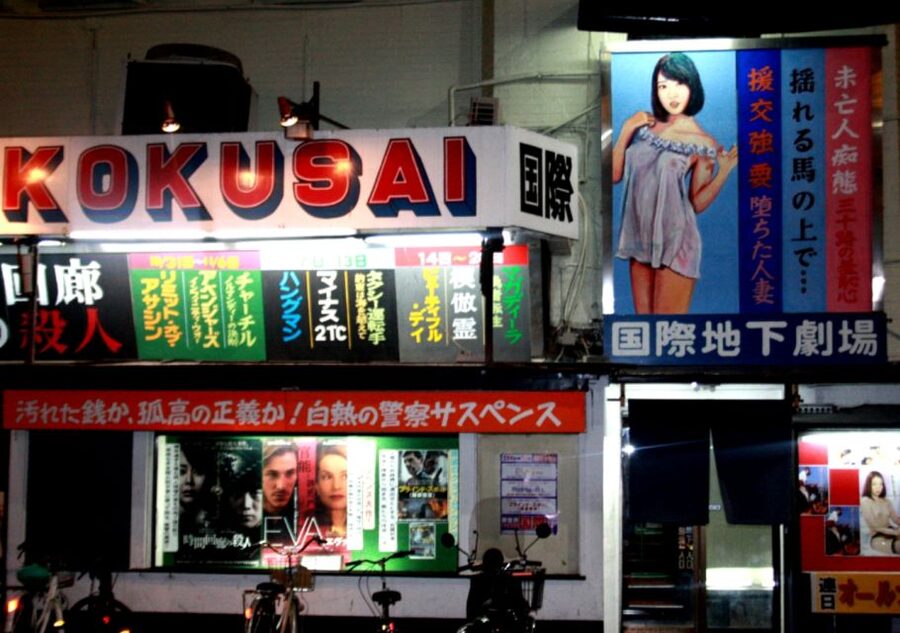
Food stops are not a small add-on here. They’re part of how you experience the street culture. You’ll sample two delicious local side dishes from two different stalls, and the stops are placed so you taste while you’re still surrounded by the neighborhood’s pulse.
This approach is smart for your budget and your energy. For $40, you’re not getting a big formal meal included automatically, but you are getting real snack value at two points in the walk. It also keeps the evening from feeling like a nonstop history lecture. You get breaks for flavor, and you learn how locals eat in tight spaces and short bursts.
What to look for as you choose the food? Trust the guide’s suggestions. You’ll get better results if you let someone else handle the decision-making, especially in back-alley stalls where menu signage and ordering may not match what you’re used to.
Also, don’t count on drinks being included. Drinks are listed as not included, so if you want something to go with your snacks, plan for it separately.
The Taisho-Era Red Light District Option: Preserve Streets and Real Tradeoffs
After the abandoned-properties section, you reach the crossroads: continue into the Taisho-era red light district or skip it and follow a separate path. The Taisho area you can visit is described as incredibly preserved, with traditional buildings that are important to Osakan culture and tied to UNESCO-listed buildings.
That optional structure is genuinely helpful for you. If you want the cultural and historical explanation, you can step into the preserved streets. If the topic makes you uncomfortable, you can still complete the tour while avoiding that portion.
The key value here is seeing how a city can preserve architecture while also keeping the social history connected to it. It’s not a theme park. It’s a living memory, with the tension that comes from what happened there and why people talk about it the way they do.
Just be aware of the emotional reality. Even when buildings are protected, the subject matter is adult, and the guide talks about sex work and related illicit business topics as part of painting the full picture of Osaka’s underworld economy. You should only pick this segment if you’re okay hearing frank discussions and uncomfortable details.
And if you do go in, keep your behavior respectful. This is not a place to treat like an attraction. You’re there to understand.
Dinner After the Walk: The “With Dinner” Option and Why It Matters
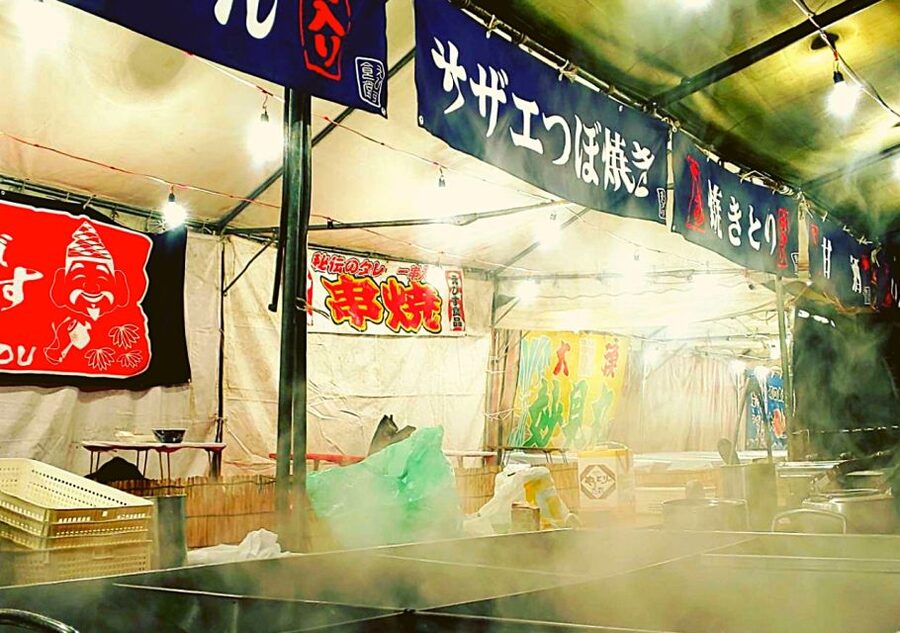
At the end of the tour, there’s an optional dinner add-on after the walking portion ends. The tour description frames it as a tasty traditional restaurant meal, and many people highlight it as a strong part of the overall experience.
For value, this changes the equation. Without dinner, you’re basically paying $40 for guided night walking plus two snacks. With dinner, you’re essentially turning a snack-led cultural walk into a fuller evening meal plan. For many first-time visitors, that reduces decision fatigue. You already ate street food, so the last step is a sit-down meal that feels like closure.
One practical tip: if you choose the dinner option, don’t arrive starving and rush through the snacks. The walk has its own rhythm. Let the food stops do their job, then save some room for the dinner course.
Guides also seem to handle the handoff smoothly. People mention that the tour ending flows into the dinner segment well, rather than feeling like a surprise scramble.
How the Guides Carry the Night: Storytelling Names to Watch For

The tour is only as good as its guide, and this one has a standout reputation for performance. Names you might hear include Knox, Rudy, Maria, Tim, Taka, Rutthy, and Bennet. Across those different guides, the common thread is storytelling that mixes history, street logic, and personal perspective from living in Osaka.
I love that the guides don’t act like everything is a secret for entertainment. They provide context. They also answer out-of-the-box questions, including questions that touch on taboo areas. That’s important, because the tour is built around the idea that real travel includes real questions.
Another recurring strength: the guides are described as funny, respectful, and careful about safety. Even when walking through “shady” areas, the tone is controlled, and the group feels looked after. That safety vibe matters because the route includes heavy themes, abandoned properties, and adult subject matter.
Who Should Book This, and Who Should Skip It
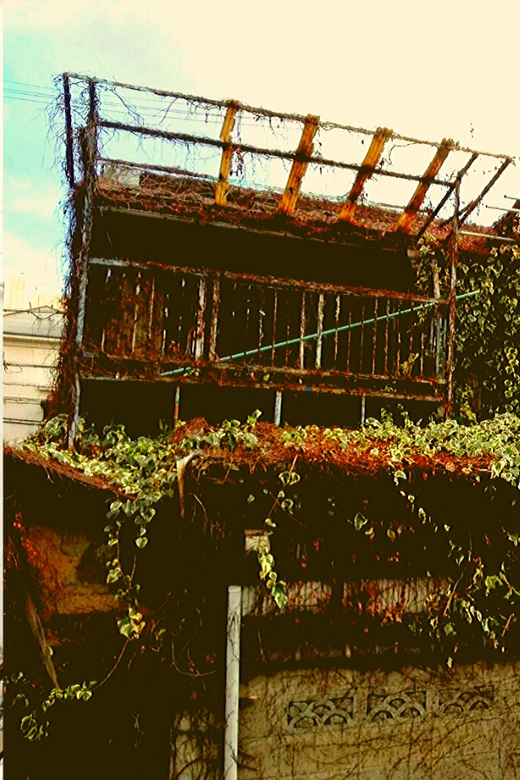
This tour is a strong fit if you want Osaka without rose-tinted filters. You’ll enjoy it most if you’re an adult traveler who likes street-level context, enjoys food-as-you-walk experiences, and is curious about how complex social systems show up in neighborhoods.
It’s also a good match for solo travelers. Several accounts stress that you can’t easily find these places on your own, and the guide does the heavy lifting of navigation and explanation.
But it’s not a fit for everyone. The tour is listed as not suitable for children under 16, pregnant women, and people with mobility impairments. At the same time, the activity is marked wheelchair accessible. That contradiction means you should check directly with the operator if you’re relying on mobility support.
If you’re the type who wants a comfortable, sanitized evening with zero adult topics, this is not that. The tour covers Yakuza, sexism, war, illegal gambling, sex work, pachinko, homelessness, welfare, and more. And it says it will not go through the homeless district, with guides staying respectful if homeless people travel nearby on the route.
Finally, keep your expectations practical. This is a night walk. You need stamina, timing, and shoes that can handle uneven backstreet surfaces.
Price and Value: Is $40 Fair for This Kind of Night?
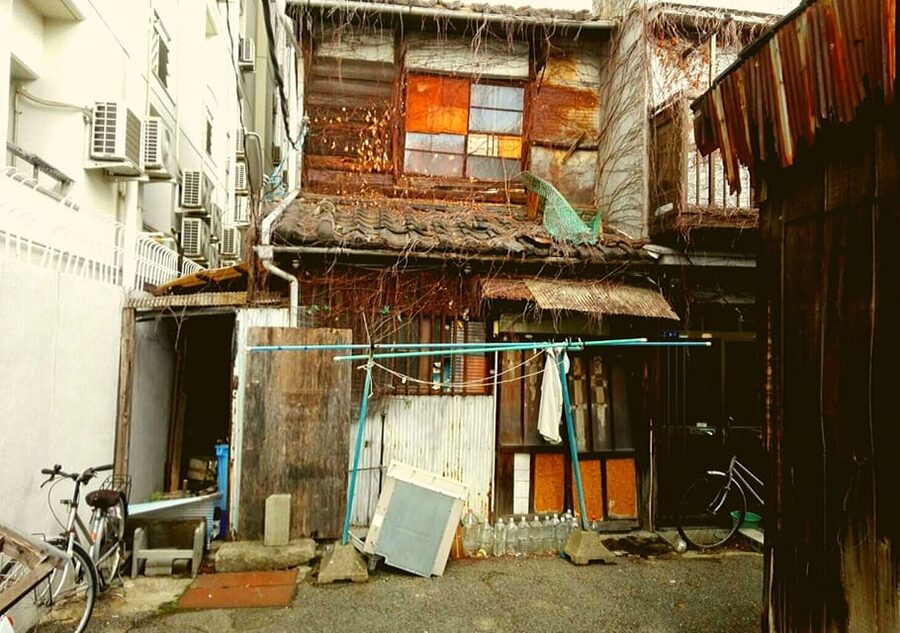
$40 for a 3-hour night tour with an English guide is not just a “cheap walk.” The value comes from three things you get together:
First, you get structure and access. Without a guide, it’s hard to find the exact backstreets and get the historical or social explanations that make them make sense.
Second, you get food value built into the route. Two side dishes from two stalls is a real, local tasting approach. It’s also strategically timed, so you eat while the scenery tells its story.
Third, the tour can include dinner if you choose the add-on. That upgrades the night from snack and walking to a full evening outing at a single booking level.
So if you’re traveling on a budget but still want depth, this is a fair trade. It’s also good value if you want to avoid stacking multiple expensive private experiences. One guided night that covers both food and culture can save you decision-making energy, even if you would normally spend more time planning neighborhoods yourself.
Should You Book This Osaka Backstreets Walking Tour?
Book it if you want to understand Osaka as a real city, including the parts people avoid talking about. Pick it if you love night streets, street food, and guides who can explain taboo topics with respectful framing.
Skip it if you want family-friendly vibes, a clean and simple itinerary, or zero adult subject matter. Also think twice if walking on winding alleys at night sounds stressful, or if you have mobility limits that match the operator’s not-suitable guidance.
If you do book, do two things that will pay off big time: arrive early, and go in with the mindset that this is cultural education on foot. That’s what makes the tour work.
Newest Osaka write-ups from the Loving Japan desk



Walking Tours, side by side.
 ★ 4.7Kyoto Geisha Walking Tour: Gion District & Hidden GemsFrom $253,273 reviews
 ★ 5.0Tokyo Tsukiji Fish Market Food and Culture Walking TourFrom $993,184 reviews
 ★ 4.9Gion Magical Night Walking Tour with Geisha TriviaFrom $242,393 reviews
 ★ 5.0Imperial Palace and Shogun Historical Walking TourFrom $222,251 reviews
 ★ 4.7Gion Geisha District Walking Tour – Stories of GeishaFrom $202,187 reviews
 ★ 4.5Night Walk in Gion: Kyoto’s Geisha DistrictFrom $212,003 reviews
 ★ 4.9Shinjuku Local Bar and Izakaya Guided Walking TourFrom $341,794 reviews
 ★ 5.0Tsukiji Fish Market Food and Walking tourFrom $301,724 reviews
Filed on these lists too