
REVIEW · DOTONBORI AND OSAKA STREET FOOD
Osaka Dotonbori: Sushi Making Experience
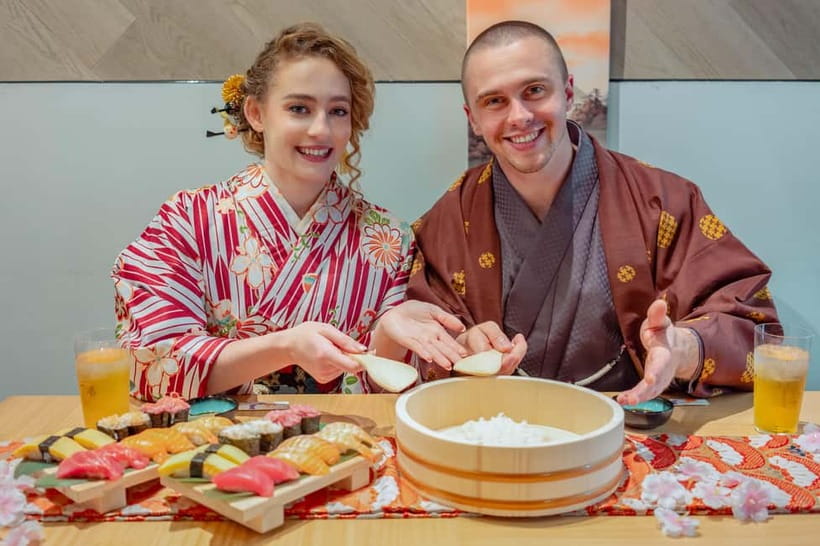
Sushi cosplay in Dotonbori is surprisingly fun. In this Osaka Dotonbori class, you’ll make 12 sushi pieces step by step, then eat what you made with Japanese sake. It’s one of the most popular options in the area, and the teaching team often includes hosts like Mako, Saki, Mika, Yui, Yumiko, and Kosei.
What I like most is the hands-on flow, from shari (rice) to shaping the finished nigiri, with clear English instruction. I also like that you get the full package, including sushi cosplay, a photo moment, and a certificate that labels you a sushi master. One thing to keep in mind: Dotonbori can be a little confusing to navigate, and a small handful of people noted the seafood freshness wasn’t extremely high for super picky palates.
In This Review
- Key highlights you should know before you book
- Why this Osaka Dotonbori sushi class feels different
- The 90-minute flow, from shari to the final plate
- Sushi technique basics that actually help you eat better
- Sake, cosplay, and photos, the fun side that still feels respectful
- Vegan and Halal sushi options, without making it awkward
- Price and value: is $45 worth it in Osaka?
- Logistics that matter in Dotonbori
- Who this class suits best, and who should think twice
- Quick tips to get the best result in your 12-piece session
- Should you book this Osaka Dotonbori sushi making experience?
- FAQ
- How long is the Osaka Dotonbori sushi making experience?
- How many pieces of sushi will I make?
- Is Japanese sake included?
- What languages are available for the instructor?
- Do they offer vegan or Halal sushi options?
- What is included in the price?
- Do I get a certificate?
- Is the venue wheelchair accessible?
- Is skip the ticket line included?
- Can I cancel and get a refund?
- Is there a reserve and pay later option?
Key highlights you should know before you book
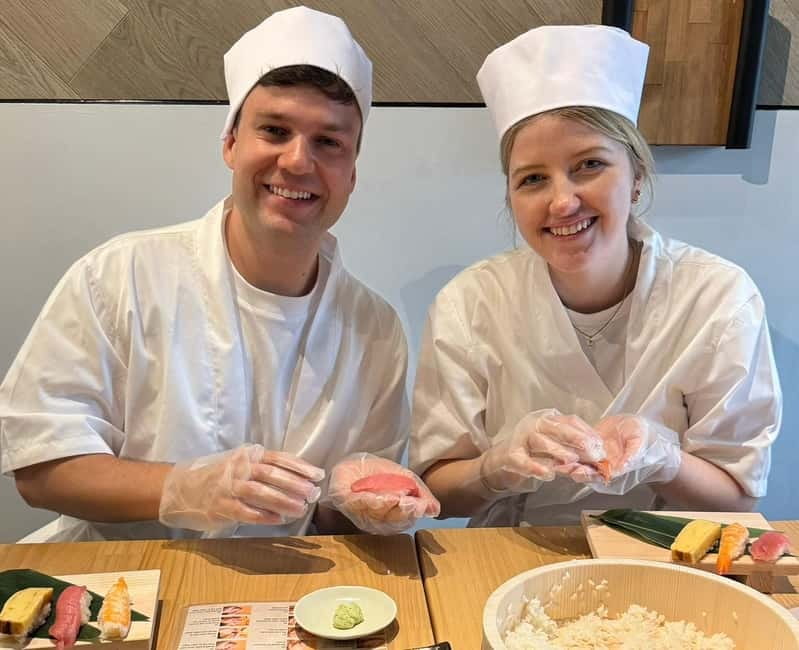
- Make 12 pieces of sushi in a fun 90-minute hands-on class
- Sushi cosplay + photo session so it’s more than just cooking
- English instruction with practical, step-by-step guidance
- Sake is included, served alongside what you create
- Vegan and Halal sushi options are available
- Sushi master certification plus ingredients for your meal are part of the experience
Still hungry on Dotonbori? A few more crawls
- Osaka: Shinsekai Food Tour with 13-15 Dishes at 5 Eateries
★ 4.8 · 2,204 reviews - Osaka Local Foodie Walking Tour in Dotonbori and Shinsekai
★ 5.0 · 985 reviews - Osaka: Dotonbori District River Cruise with Drink Discount
★ 4.2 · 876 reviews - Ultimate Osaka Walking Tour: Castle, Dotonbori & Hidden Gems
★ 5.0 · 862 reviews
Why this Osaka Dotonbori sushi class feels different
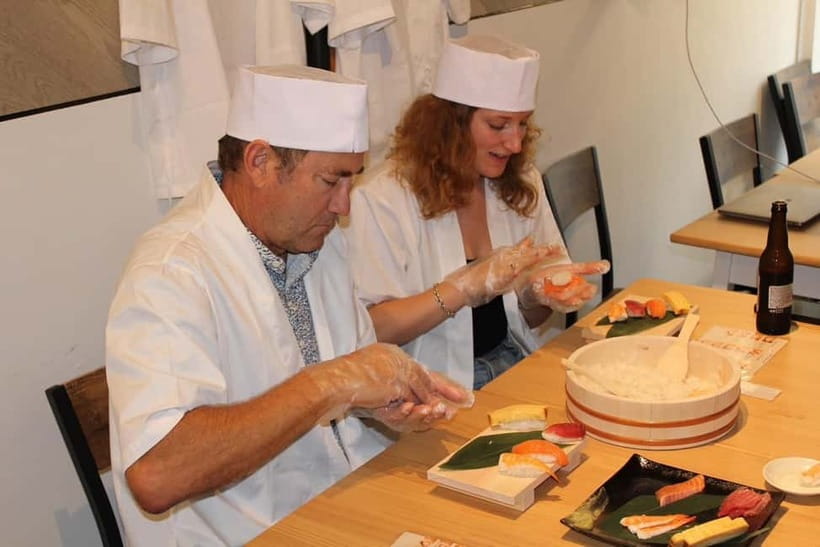
Osaka is famous for food that’s bold and hands-on, and this class fits that energy. You’re not just watching someone else work. You’re putting vinegar on rice, forming rice balls, pairing neta (topping) with shari, and shaping the nigiri with your fingers. It’s skill building with a built-in payoff: you get to eat the results.
Two things make it click fast. First, the teaching is structured. You don’t need to guess what comes next, because the class follows a clear sequence. Second, the vibe is playful without turning sloppy. Sushi cosplay and photos add a silly layer, but the cooking still gets the attention it deserves.
Now, about expectations. You will leave with better sushi habits than you started with, but this isn’t the kind of class where you’ll get a deep, professional-level breakdown of every topping and cut. It’s designed to get beginners producing solid sushi in time, and that’s exactly why it works for a short Osaka stop.
The 90-minute flow, from shari to the final plate
The core of the class is the same each time: you make 12 pieces, following a guided process. Here’s how the timing and tasks usually feel during those 90 minutes.
First comes shari, the sushi rice. You’ll pour sushi vinegar over the rice and learn how to treat the rice so it’s ready to shape. This matters more than people expect. Sushi rice is not just rice with seasoning. The texture and evenness make it behave when you form it, and that’s what helps your nigiri hold together.
Next you shape the rice into balls. This is where many first-timers realize sushi making is part technique, part feel. You’ll learn how to handle the rice without smashing it or making it too sticky. In a good class, the instructor keeps it simple so you can focus on building muscle memory.
Then comes the topping step. You’ll assemble neta and shari together, including adding wasabi in the right spot. One of the helpful points here is that the class doesn’t treat wasabi as optional chaos. You’ll learn the placement so it tastes balanced rather than overpowering or hidden.
Finally, you shape the finished nigiri using your fingers. This is the moment where the sushi starts looking like actual sushi instead of a rice-and-topping experiment. The instruction style is key: you get coaching so you can correct mistakes quickly, instead of hoping your first try magically works out.
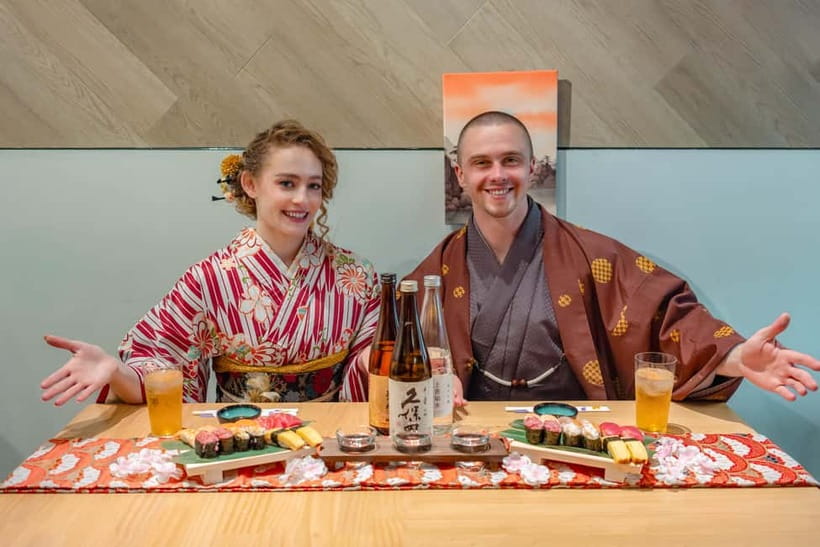
Once your 12 pieces are finished, you enjoy them as a meal. Japanese sake is included, which turns the class into something closer to a lunch ritual than a kitchen worksheet. You also get the extras that make it memorable, like the sushi cosplay and photo session.
Sushi technique basics that actually help you eat better
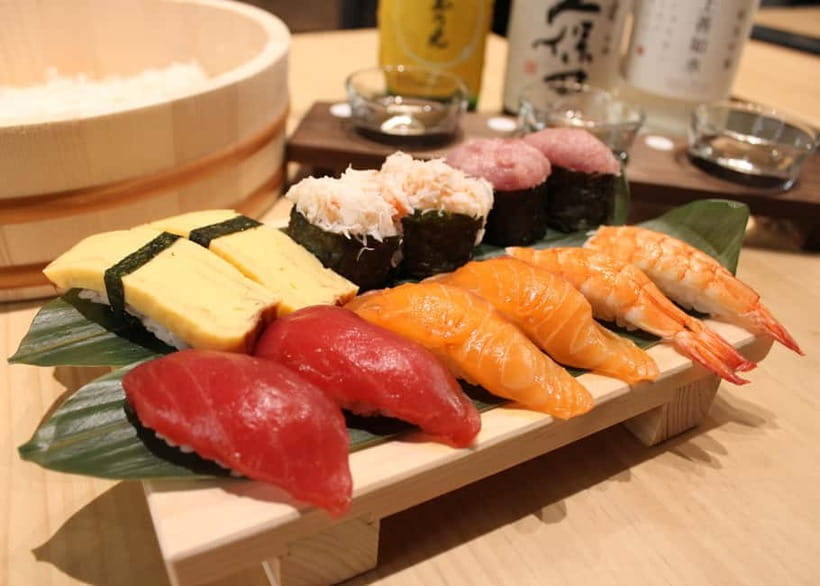
If you’re worried you’ll only learn theory, relax. The best part of this class is that you learn the practical steps that change how sushi tastes when you order it later.
Here are the skills you’ll likely walk away with.
1) How seasoned rice should behave
When sushi vinegar is mixed in the right way, the rice becomes easier to shape and less likely to crumble. That’s the difference between sushi that feels compact and sushi that falls apart when you pick it up.
2) How to place wasabi
You’re taught to pair wasabi with the topping and rice assembly, not just smear it randomly. That placement helps flavor spread in each bite.
3) How nigiri shape affects the bite
Finger shaping isn’t just for looks. Your hands compress the rice slightly and secure the neta so the sushi holds. You also learn that the gentler your touch, the cleaner the result.
4) What to look for in sushi structure
Even in a beginner course, instructors tend to point out the key cues. That means later, when you’re eating in Osaka, you notice what good structure feels like, not just what it looks like.
Some classes also include quick tips like chopstick guidance. If you’re rusty, this can be a nice confidence boost, especially before you head back out into Dotonbori.
Cook it yourself instead. Other kitchens in Osaka
- Sushi Making Osaka Roll and Authentic Japanese Sushi Class★ 5.0 · 1,220 reviews
- Osaka Sushi Making Experience★ 5.0 · 400 reviews
- Osaka: Ramen and Gyoza Cooking Class in Dotonbori★ 5.0 · 378 reviews
- Osaka: Sumo Stage Show with Bento or Snack + Fight & Photo★ 4.3 · 364 reviews
- Osaka Cooking Class: Okonomiyaki &Japanese cuisines experience★ 5.0 · 261 reviews
Sake, cosplay, and photos, the fun side that still feels respectful
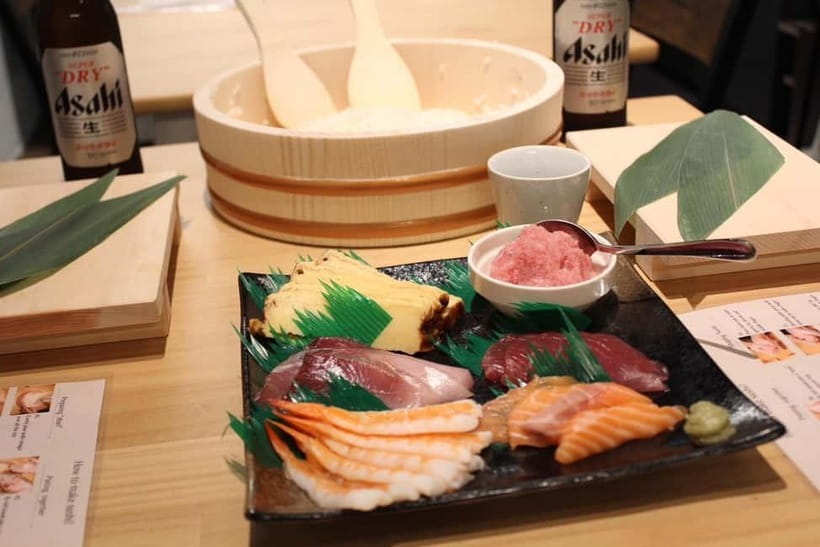
Food experiences in Japan can be either very formal or very playful. This one mixes both. You’ll make your sushi, then enjoy Japanese sake with it. That pairing turns what could be a simple meal into a small ritual, like you’re participating in local dining culture instead of just eating calories.
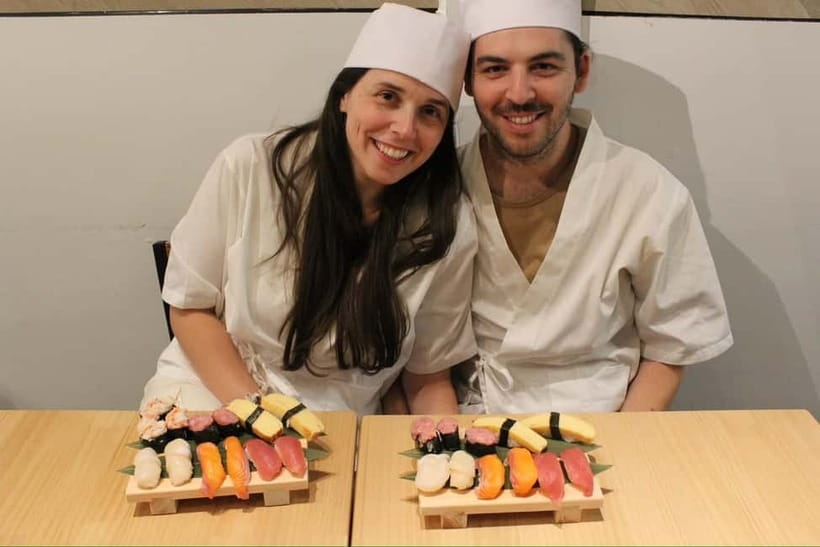
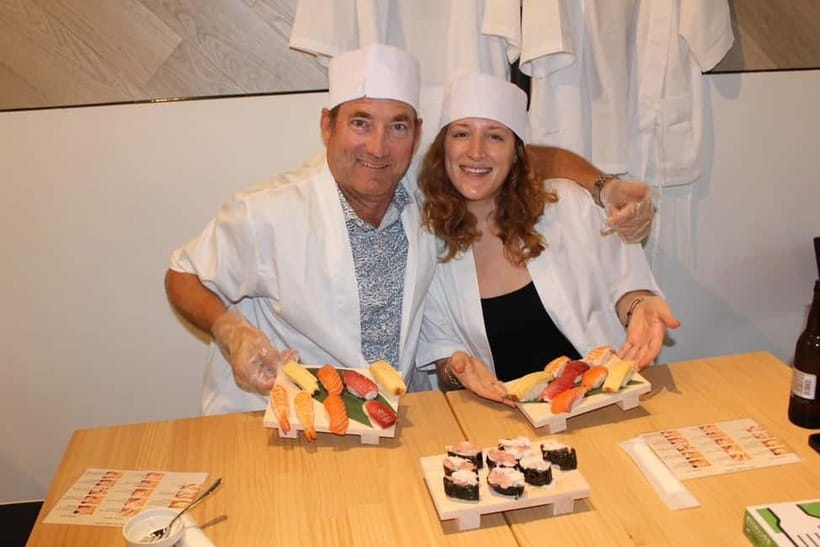
Then there’s the sushi cosplay and photo session. It’s not there to distract from cooking. It’s more like a “you did it, now celebrate it” moment. If you’re traveling with friends or family, this is the part you’ll remember. You get the pictures to prove you didn’t spend 90 minutes staring at other people’s hands.
At the end, you also receive something tangible, like a certificate that confirms you’re a sushi master. That little piece of paper is oddly satisfying. It gives you a story to tell later, and it makes the whole experience feel official.
Vegan and Halal sushi options, without making it awkward
If you eat vegan or you need Halal options, this class is set up to help. You don’t have to show up hoping someone can improvise. Vegan sushi is available, and Halal sushi is available too.
The practical value here is comfort. In a cooking class, dietary substitutions can sometimes feel like an afterthought. Here, they’re built into the offering, so you can join the same steps and make a meal you can actually eat.
My advice: if you have specific restrictions beyond vegan or Halal, contact the provider ahead of time to confirm ingredients. The data you have says vegan and Halal sushi are available, but it doesn’t list every possible allergen or cross-contact detail.
Price and value: is $45 worth it in Osaka?
Let’s talk money. $45 per person for 90 minutes can sound like a lot until you break down what you get.
You’re paying for:
- ingredients for 12 pieces of sushi
- English instruction
- sushi cosplay and a photo moment
- Japanese sake
- a sushi master certificate
When you compare that to buying sushi by the plate and then adding a separate activity, the pricing starts to make sense. This is essentially a guided cooking experience that produces a full meal plus entertainment and keepsake.
Also, the class has strong demand and a high rating, coming in at 4.9 with 122 reviews. That usually means the instruction and the end product are consistent enough that people feel good booking it in a busy travel schedule.
The one “cost” is time. If you’re in Osaka for only a short window, you’ll need to fit 90 minutes into your plan. But if you enjoy hands-on activities, this is a smarter use of time than another stop where you just look at things and move on.
Logistics that matter in Dotonbori
Dotonbori is famous, which means it’s also crowded and sometimes confusing. The class includes skip the ticket line, so you’re not stuck waiting when you could be learning.
The instruction language is English, which is huge for confidence. You’ll understand what to do at each stage, especially during the shari and shaping steps where beginners usually get lost.
Timing-wise, it runs for 90 minutes, and you’ll check availability for starting times. Plan your schedule like this: pick a time that doesn’t force you to sprint across town right afterward.
If you’re using navigation apps, double-check the meeting area. One person noted it can be a little hard to locate, which is a common Dotonbori issue because the streets and entrances can look similar.
If you’re traveling with mobility needs, the experience is wheelchair accessible. That’s worth taking seriously when you’re choosing between cooking classes in busy areas.
Who this class suits best, and who should think twice
This class fits best if you want:
- a hands-on food experience
- something beginner friendly
- a clear set of steps you can repeat later
- a fun add-on like cosplay and photos
- an activity that ends with a meal, plus sake
It’s also a great family option. At least one family did it with a teenager, and the structure and pace worked for all ages.
Who might hesitate? If you’re extremely sensitive to ingredient quality and you expect hyper fresh seafood for every piece, you might want to double-check what’s served on the day. One review suggested the seafood wasn’t extremely fresh for them, while still calling the class good overall.
Also, if you’re not into sake, you’ll still eat your sushi. But you should be aware sake is part of the experience.
Quick tips to get the best result in your 12-piece session
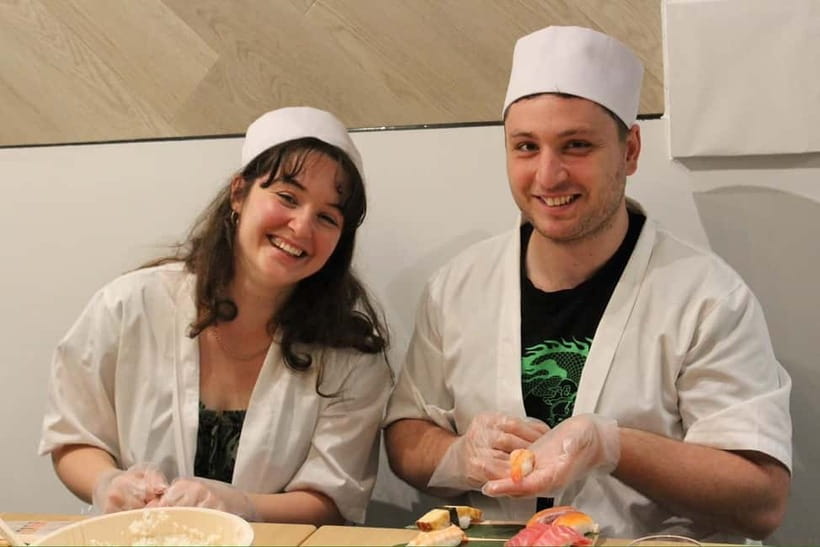
A few small things will help you leave with sushi you’re proud of.
- Go in ready to use your hands. This class is finger shaping.
- Pay attention to rice texture. If your shari feels too sticky or too loose, you’ll struggle later.
- Don’t rush the assembly step. The wasabi and topping pairing affects flavor balance.
- Take the photos as part of the fun. If you treat it like a photo shoot, it’s easier to relax and enjoy.
- If you have dietary needs, confirm details early. Vegan and Halal options exist, but your specific restrictions matter.
The best mindset is simple: you’re learning a technique, not passing a test. The instructors coach you through it so you can improve during the session.
Should you book this Osaka Dotonbori sushi making experience?
If you want a short, high-satisfaction activity in Osaka that combines real cooking with a meal, this is an easy yes. For a single price, you get 12 pieces, sake, cosplay and photos, and a sushi master certificate. You also get English instruction and support for vegan and Halal sushi.
I’d book it if you’re the type who likes making something, not just watching. I’d also book it if you want a memorable Dotonbori moment that feels local and participatory.
I’d think twice only if you have very strict expectations about seafood freshness or you dislike structured cooking classes. Otherwise, this is one of the most sensible ways to spend 90 minutes in Osaka, because you leave with both skills and lunch.
FAQ
How long is the Osaka Dotonbori sushi making experience?
The experience lasts 90 minutes.
How many pieces of sushi will I make?
You can make 12 pieces of sushi during the class.
Is Japanese sake included?
Yes, Japanese sake is included with your sushi.
What languages are available for the instructor?
The class is taught in English.
Do they offer vegan or Halal sushi options?
Yes, vegan sushi and Halal sushi are available.
What is included in the price?
The experience includes all ingredients for 12 pieces of sushi, sushi cosplay, and a certification of sushi master.
Do I get a certificate?
Yes, you receive a certification of sushi master.
Is the venue wheelchair accessible?
Yes, the experience is wheelchair accessible.
Is skip the ticket line included?
Yes, skip the ticket line is included.
Can I cancel and get a refund?
You can cancel up to 24 hours in advance for a full refund.
Is there a reserve and pay later option?
Yes, you can reserve now and pay later, so you pay nothing today.
Kitchens You Can Book Into

Dotonbori, Still Hungry



Newest Osaka write-ups from the Loving Japan desk

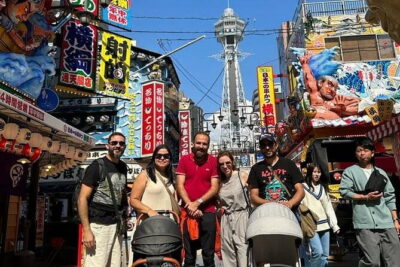


Dotonbori and Osaka Street Food, side by side.
 ★ 4.8Shinsekai Food Tour with 13-15 Dishes at 5 EateriesFrom $532,204 reviews
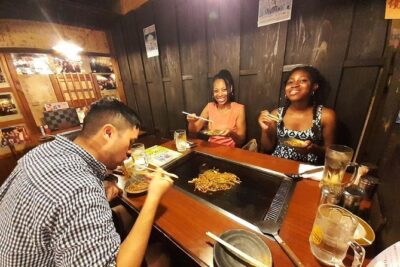 ★ 5.0Osaka Local Foodie Walking Tour in Dotonbori and ShinsekaiFrom $111985 reviews
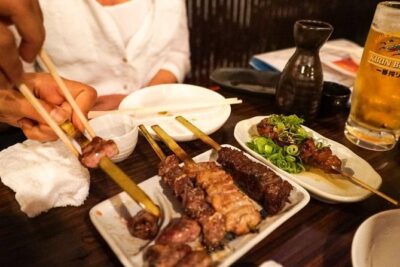 ★ 5.0Osaka Bar Hopping Night Walking Tour in Namba (3 bars, 6 tastes)From $98958 reviews
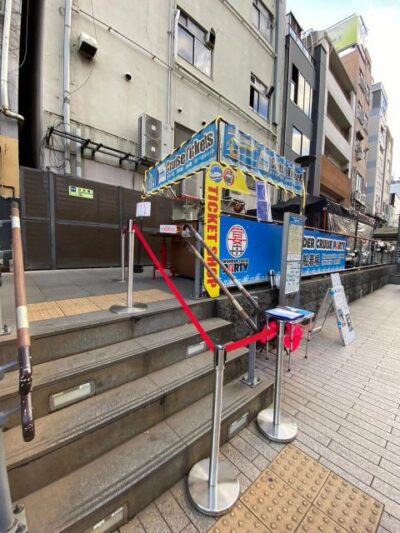 ★ 4.2Dotonbori District River Cruise with Drink DiscountFrom $12876 reviews
 ★ 5.0Ultimate Osaka Walking Tour: Castle, Dotonbori & Hidden GemsFrom $73862 reviews
 ★ 5.0Kuromon Market Food Walking Tour in Osaka (6 stops, 6 tastes)From $50550 reviews
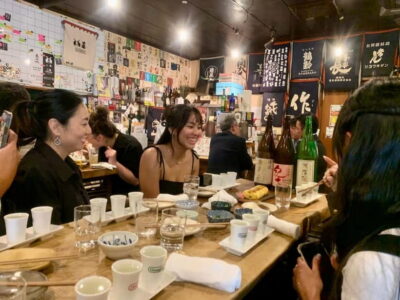 ★ 4.9Namba Pub Bar Crawl with a Local GuideFrom $30424 reviews
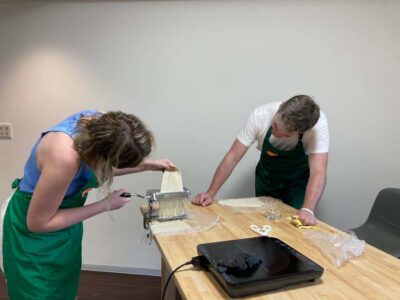 ★ 5.0Ramen and Gyoza Cooking Class in DotonboriFrom $70378 reviews
Filed on these lists too