
REVIEW · WALKING TOURS
Osaka: Half-day Ultimate Highlights Guided Walking Tour
Osaka hits different when you see it with local eyes. This walking tour pairs an English live, bilingual expat guide with top-hit neighborhoods, starting at the Osaka Castle grounds and moving into the back streets where the city’s older rhythm still shows. I like that the route is built for real-time navigation, not just a checklist, so you spend less energy figuring things out and more energy watching Osaka.
Two standout parts for me are the food-focused stops and the way the guide makes history feel practical. You’ll pass through Dotonbori and Kuromon Ichiba Market, where the sights are fun, and the context helps you understand why these places matter. And lunch is included, typically Osaka-style street food plus a drink at a local restaurant, which is a big value win for the price.
The one catch is simple: it is a walk-heavy half-day. You’ll cover a lot of ground on foot, with only two short train rides, and the tour runs rain or shine, plus it is not suitable for mobility impairments or for pregnant women.
In This Review
- Key Highlights You Will Actually Feel
- Why This Osaka Highlights Walk Works in 5 to 7 Hours
- Meeting at JR Osakajokoen Station and Getting Oriented Fast
- Osaka Castle Grounds: Iconic Symbol, Practical Way to See It
- Shinsaibashi-suji Shopping Street to Namba: 400 Years of Retail Street Life
- Ebisu Bridge and Dotonbori Canal: Neon Photos, Street Food Energy
- Hozenji Yokocho: A Quiet Old-Osaka Reset Off the Main Drag
- Kuromon Ichiba Market: “Kitchen of Osaka” and How to Eat with Confidence
- Doguyasuji and the Trade Streets: The Stuff Behind the Souvenirs
- Shinsekai: Retro Osaka After Dark, Even in Daylight
- Lunch Included: Osaka Street Food Value You Should Budget For Anyway
- Train Rides and Separate Fares: How to Avoid a Budget Surprise
- Pacing, Weather, and What to Wear
- Who This Osaka Tour Fits Best
- Should You Book This Osaka Half-Day Highlights Tour?
- FAQ
- How long is the Osaka highlights walking tour?
- Where do I meet the tour guide?
- Is lunch included?
- Does the tour include entry into Osaka Castle?
- Are train fares included?
- Are vegan and gluten-free meals available?
- What should I bring and wear?
- Is WhatsApp required?
Key Highlights You Will Actually Feel
- Bilingual expat guidance that keeps the story clear and the group moving.
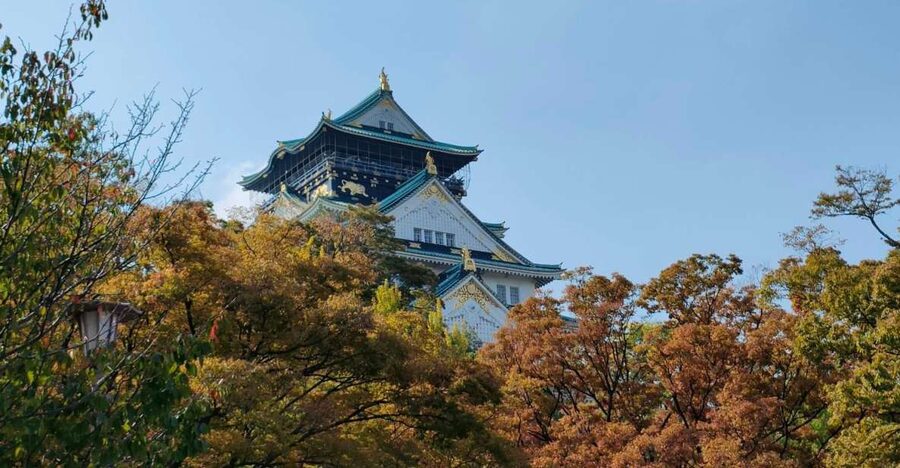
- Osaka Castle grounds with historical context, without the pressure of long entry lines.
- Dotonbori neon and Ebisu Bridge for classic Osaka photos and canal-side energy.
- Hozenji Yokocho for a quick reset into quieter, old-Osaka lanes.
- Kuromon market food culture that shows you where to look and what to try.
- Shinsekai retro district for a different Osaka mood, plus the Tsutenkaku area vibe.
Still weighing up options in Osaka? These are the ones our reviewers rated highest.
- Osaka Go Karting Tour with Funny Costume
★ 5.0 · 2,658 reviews - Osaka Castle: Museum and Tower Entry Ticket
★ 4.5 · 2,380 reviews - Osaka: Shinsekai Food Tour with 13-15 Dishes at 5 Eateries
★ 4.8 · 2,204 reviews - Osaka Food Tour: 13 Dishes at 5 Local Eateries
★ 5.0 · 2,149 reviews
Why This Osaka Highlights Walk Works in 5 to 7 Hours
This tour is designed for people who want the big names of Osaka without spending their whole day bouncing between districts. In just 5 to 7 hours, you cover the “greatest hits” and the small connective tissue streets that explain the city’s merchant past.
The value is also in how the day is paced. You get frequent guidance points, short walking segments, and time for a break plus lunch, so the day does not feel like a marathon of photo stops. On a first trip, that matters a lot because Osaka can feel maze-like if you are trying to navigate alone.
You also get a format that teaches you how Osaka works day to day. The tour blends old and new: samurai-era references at the castle, trading culture around the market and specialty shopping streets, and modern entertainment energy near Namba and Dotonbori.
Meeting at JR Osakajokoen Station and Getting Oriented Fast
The meeting point is JR Osakajokoen Station on the JR Osaka Loop Line. Go early, arrive 15 minutes before start time, and meet in front of the 7-11 kiosk inside the station building, just outside the ticket gates.
This matters more than you might think. Getting the first step right in a city like Osaka reduces that awkward feeling of standing around while others gather. The guide is set up to help the group move quickly after the meet.
Also note the tour uses public transportation at times, and WhatsApp is mandatory for updates. Install it before you go, and have it ready for any day-of changes or instructions.
Osaka Castle Grounds: Iconic Symbol, Practical Way to See It
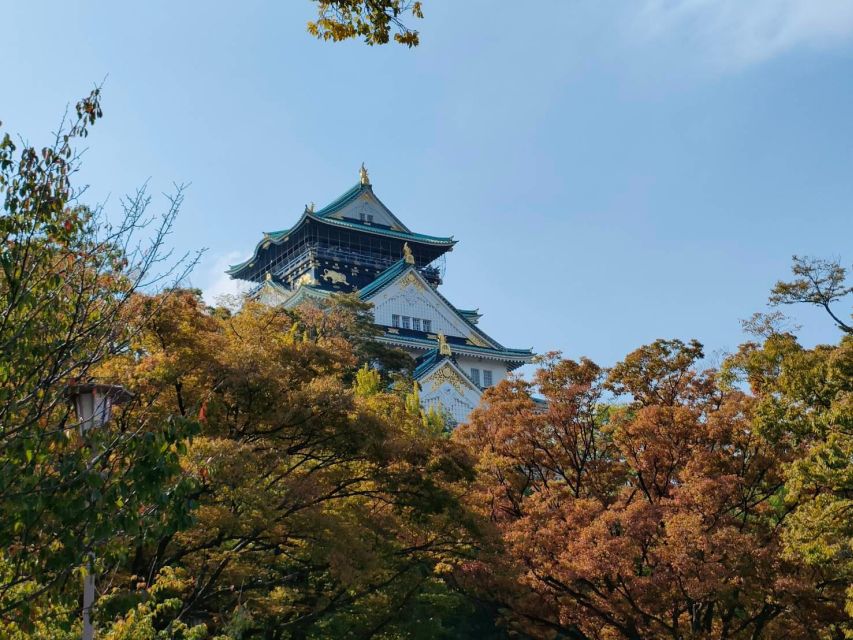
You start at Osaka Castle, one of Kansai’s most recognizable landmarks. Even though this is not a formal interior visit on group timing, you still walk through the grounds with explanation of why the castle mattered in the sixteenth-century samurai era and Japan’s unification.
I like this approach because it gives you the meaning without forcing you into long lines for entrances you might regret adding. You get the setting, the scale, and the story that helps you connect the later merchant neighborhoods to Osaka’s larger historical role.
A key detail: castle entry is not included for group tours. You should treat this as an expert-led walk and context session, not a full inside-castle experience.
- Osaka Go Karting Tour with Funny Costume★ 5.0 · 2,658 reviews
- Osaka Castle: Museum and Tower Entry Ticket★ 4.5 · 2,380 reviews
- Osaka: Shinsekai Food Tour with 13-15 Dishes at 5 Eateries★ 4.8 · 2,204 reviews
- Osaka Food Tour: 13 Dishes at 5 Local Eateries★ 5.0 · 2,149 reviews
- Hungry Osaka Street Food Tour:15 Tastings & 3 Drinks with a Local★ 5.0 · 1,727 reviews
Shinsaibashi-suji Shopping Street to Namba: 400 Years of Retail Street Life

After the castle area, the tour transitions toward Namba and the shopping spine of Shinsaibashi-suji, a covered arcade that has been a major retail artery for roughly 400 years. This is where you see Osaka’s love of consumer culture in a way that feels lived-in, not museum-like.
The covered setting is practical. In winter or rainy days, the walk is more comfortable, and you can still keep moving while looking at storefronts. You also get an easy understanding of how Namba functions as a hub, both for locals and visitors.
The Namba stretch includes a guided segment and then a break. That break is important in a half-day format, because it lets you regroup before the neon and food stops.
Ebisu Bridge and Dotonbori Canal: Neon Photos, Street Food Energy
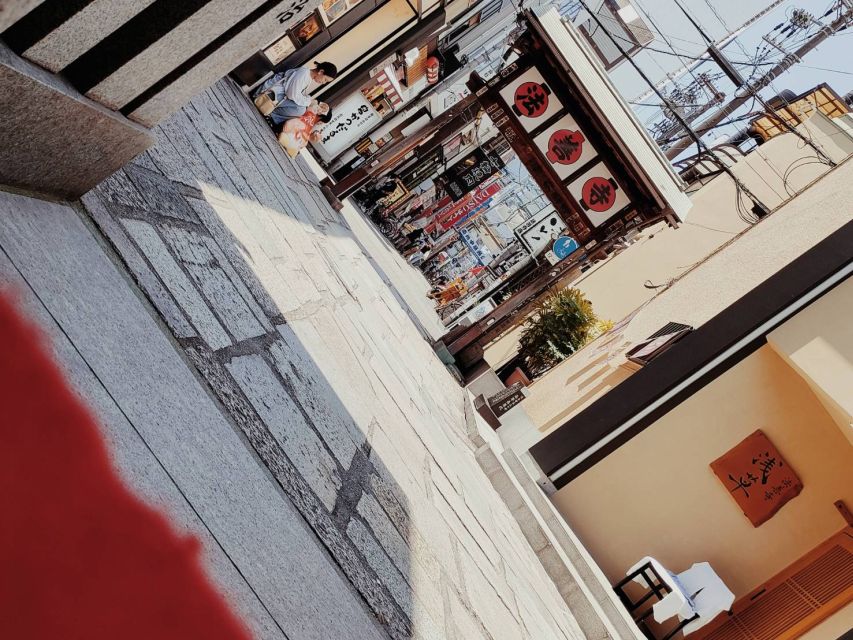
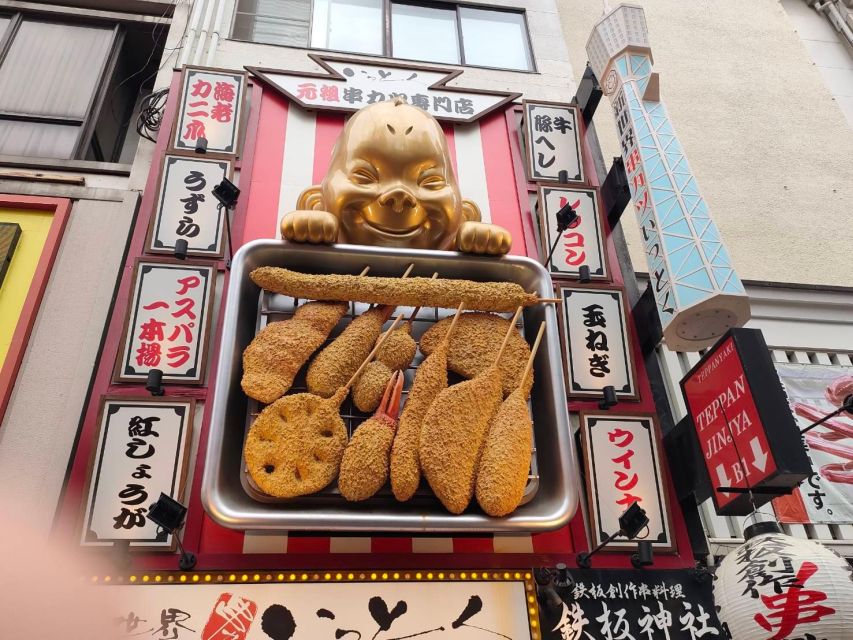
Ebisu Bridge is short, but it is a centerpiece for Osaka’s local meeting-point culture. It is associated with the area’s identity, including the familiar photo spot of the Glico Man sign.
Then comes Dotonbori, the neon heart of Osaka along the canal. This is the part of the day where the city’s personality turns up: bright signage, loud atmosphere, and a constant flow of people looking for the next snack or drink.
What I like about this segment is how the guide can help you read the scene. Dotonbori looks simple at first, but there’s a logic to where people linger and where the photo spots are concentrated. With guidance, you spend less time wandering and more time actually enjoying the vibe.
Street food is also the reason this area works. The signs and the smells are a map, and you get food context so you can decide what to try without guessing blindly.
Hozenji Yokocho: A Quiet Old-Osaka Reset Off the Main Drag
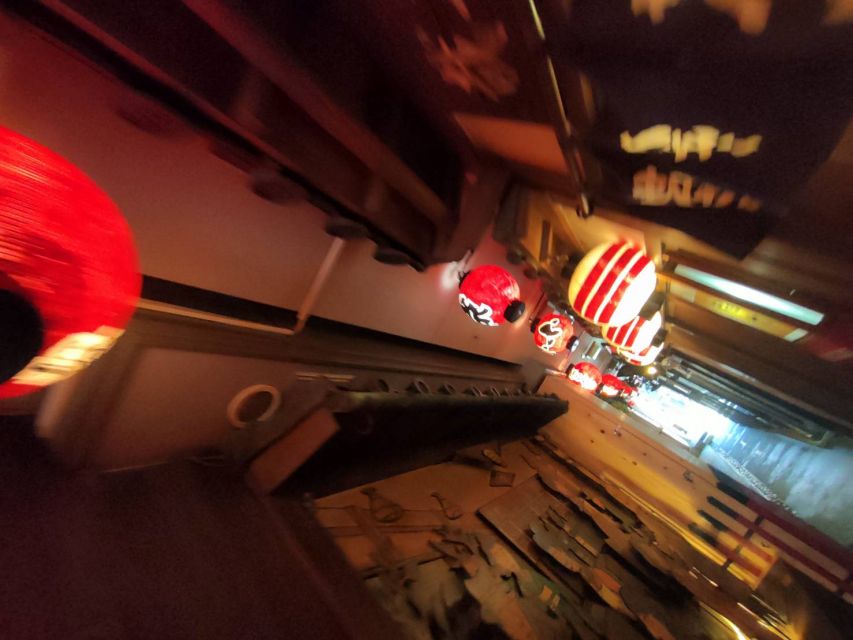
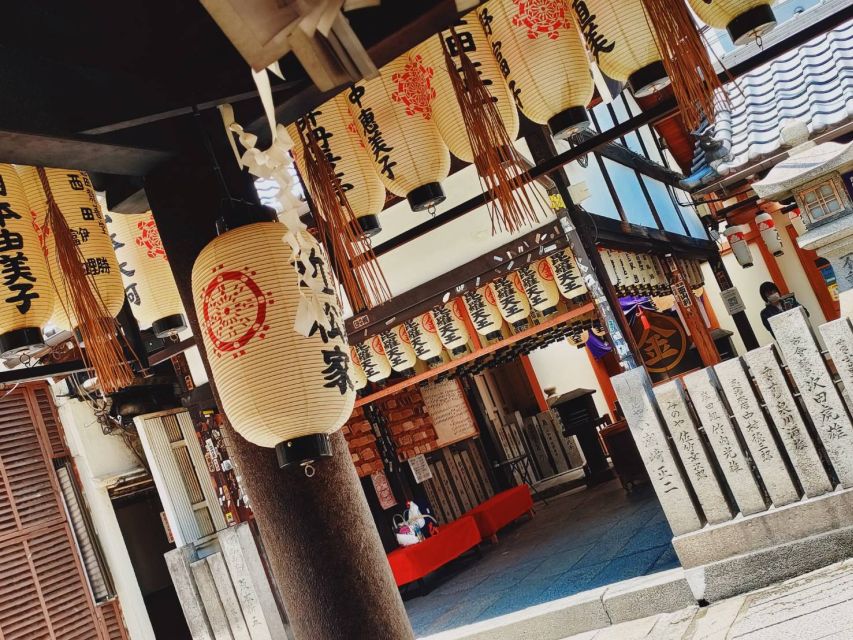
Right after the neon intensity, you head into Hozenji Yokocho, a narrow alley with preserved old-style atmosphere. Think traditional lanterns, cobblestone-like paths, and a small temple tucked slightly off the main tourist corridor.
This is a smart stop for anyone who gets overstimulated by big-city walking. Hozenji gives you a breather without losing the Osaka theme. You also learn why the temple exists right where the energy of Dotonbori surrounds it, which makes the contrast feel meaningful rather than random.
This stop is also short, which helps the tour keep its momentum. You get the feeling of old Osaka, then you move on with your energy intact.
Kuromon Ichiba Market: “Kitchen of Osaka” and How to Eat with Confidence
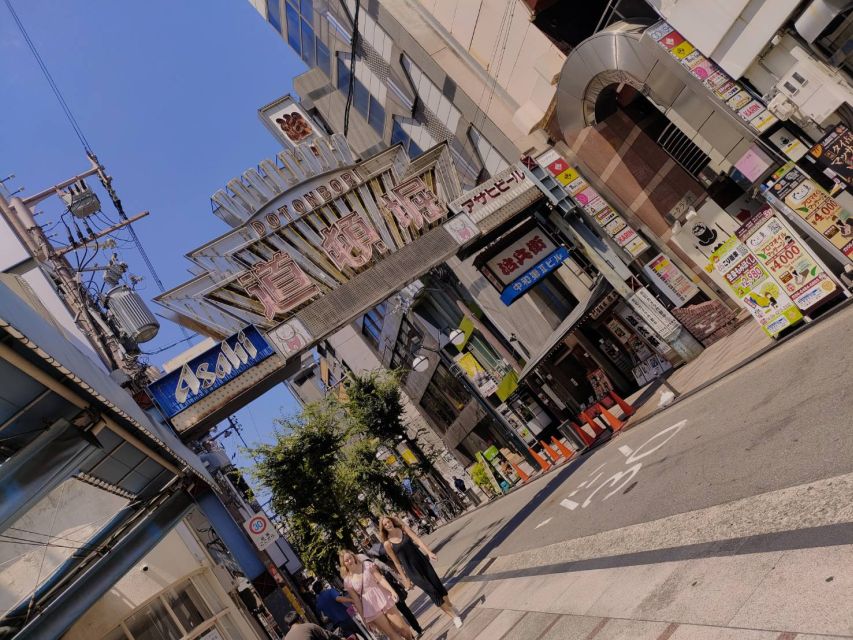
Next is Kuromon Ichiba Market, known as the heart of Osaka’s kitchen and around for more than 200 years. The focus here is straightforward: seafood, meat, produce, and all the sensory chaos that comes with a working market.
This is the stop where your guide’s job becomes practical. If you are unsure what looks fresh or what to order, guidance helps you avoid the trap of choosing purely by hype. And if you love seafood, this is one of Osaka’s best moments in the day.
You can also expect tasting opportunities tied to market culture. The tour includes lunch featuring Osaka-style street food, and the market segment often pairs well with sampling instincts once you see what stalls offer.
One note to plan around: specific dietary needs like vegan and gluten-free are listed as not included. If you have strict restrictions, it is worth thinking ahead about how flexible you can be with what’s available in markets and street-food style meals.
Doguyasuji and the Trade Streets: The Stuff Behind the Souvenirs
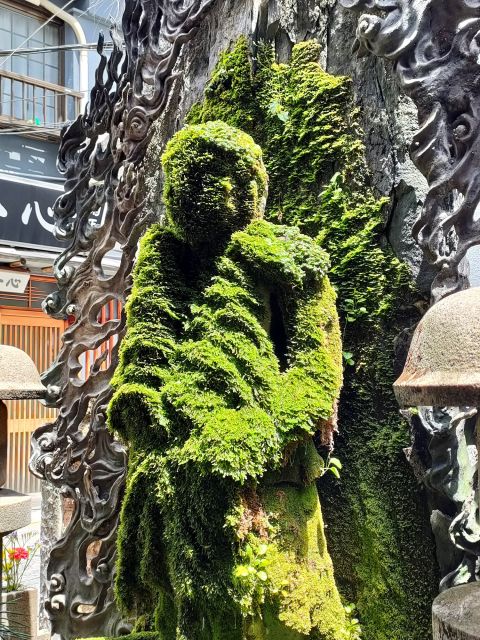
Between the flashiest neon and the food stalls, you get a dose of Osaka’s older merchant personality in shopping streets like Doguyasuji. This is packed with wholesalers and specialty shops focused on practical wares, including cutlery and crockery.
I like this stop because it explains Osaka beyond the postcard. Dotonbori might sell the image of eating out, but streets like these show the supply chain mentality that built Osaka’s reputation.
It is also a good place for thoughtful shopping if you like useful souvenirs. If you want kitchen tools or well-made table goods, this is the kind of street where that instinct makes sense.
Shinsekai: Retro Osaka After Dark, Even in Daylight
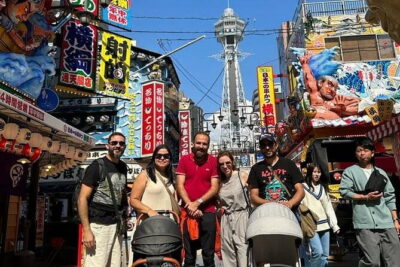
To round out the day, you head into Shinsekai, the retro district developed before World War II. The area is closely associated with Tsutenkaku Tower, and it carries a nostalgic neon character that feels different from Dotonbori.
This is the “Osaka has layers” moment. Where Dotonbori feels like a lively present, Shinsekai feels like the city preserving its older style of entertainment and street life. The mood shift alone is worth the time, especially if you already saw the main canal area earlier.
Your guide also helps you understand the district’s character in plain terms, so you are not just looking at signs. You get the meaning behind what you see, including why Shinsekai draws people who want Osaka’s older flavor.
The tour finishes around Dobutsuen-Mae Station, which is a practical endpoint because it keeps you close to transit for getting back to where you are staying.
Lunch Included: Osaka Street Food Value You Should Budget For Anyway
Lunch is included, and it is built around Osaka-style street food with a drink at a local restaurant. In other words, you are not paying extra on the day just to keep your energy up.
You might see favorites like takoyaki or okonomiyaki on the lunch spread, depending on timing and options. The key point is that you get a sit-down break during a walking-heavy day, so you can reset instead of sprinting from snack to snack.
If you have dietary needs, keep expectations realistic. Vegan and gluten-free are noted as not included, so you may need to manage around what the restaurant can offer.
Train Rides and Separate Fares: How to Avoid a Budget Surprise
This tour includes two short train rides, and the train fares are not included. You should plan for separate tickets around ¥240 and ¥190.
In practical terms, this is not a huge cost, but it is still important to carry enough cash or have a workable transit payment method. The guide can help with the logistics, and the overall route is designed so you do not have to fight the system alone.
Pacing, Weather, and What to Wear
It is mainly on foot, and the day runs rain or shine. That means the “comfortable shoes” warning is not decoration. Wear shoes you can walk in for extended stretches, and keep socks in good condition because Osaka sidewalks can be slick when it rains.
The tour also does not allow filming. If you like to record travel moments, plan to take photos instead and keep your camera behavior respectful during guided stops.
Finally, luggage or large bags are not allowed. If you are carrying big items, you may want to store them at your hotel or use lockers before the tour.
Who This Osaka Tour Fits Best
This is best for people who:
- Want an English walking tour with real neighborhood context.
- Like food stops, especially markets and street-food culture.
- Prefer guidance that helps you navigate without feeling lost.
- Can handle a 5 to 7 hour walking day with brief transit connections.
It may not be a great match if you have mobility limitations or are pregnant, since the tour is not listed as suitable for those groups. If you are traveling with a slower pace or require more frequent seating, you might find another format more comfortable.
Should You Book This Osaka Half-Day Highlights Tour?
I think this is a solid booking if you are doing Osaka for the first time and want the main districts plus the “why” behind them. For about $61, you get a bilingual expat-style guide, lunch, and a route that links castle symbolism, merchant culture, market food, and retro Shinsekai in one day. That’s good value compared to paying for separate guided transport plus meals plus museum-style tickets.
Book it if you want a day that feels structured but still flexible enough to enjoy what you see. Skip it if your priority is entering Osaka Castle interiors, because group tours do not include entry, or if walking for hours is not realistic for you.
FAQ
How long is the Osaka highlights walking tour?
The duration is listed as 5 to 7 hours, depending on availability and starting times.
Where do I meet the tour guide?
Meet at JR Osakajokoen Station (JR Osaka Loop Line), in front of the 7-11 kiosk inside the station building, just outside the ticket gates. Arrive 15 minutes early.
Is lunch included?
Yes. The tour includes complimentary lunch featuring Osaka-style street food with a drink at a local restaurant.
Does the tour include entry into Osaka Castle?
No. The tour is described as walking the castle grounds with historical context, and entrance into Osaka Castle on group tours is not included.
Are train fares included?
No. Train fares are not included, and the notes list approximate costs of ¥240 and ¥190.
Are vegan and gluten-free meals available?
Vegan and gluten-free diets are listed as not included.
What should I bring and wear?
Bring comfortable shoes. The tour takes place on foot and it runs rain or shine.
Is WhatsApp required?
WhatsApp is mandatory for receiving tour info and updates, and you should install it before the tour.
Newest Osaka write-ups from the Loving Japan desk



Walking Tours, side by side.
 ★ 4.7Kyoto Geisha Walking Tour: Gion District & Hidden GemsFrom $253,273 reviews
 ★ 5.0Tokyo Tsukiji Fish Market Food and Culture Walking TourFrom $993,184 reviews
 ★ 4.9Gion Magical Night Walking Tour with Geisha TriviaFrom $242,393 reviews
 ★ 5.0Imperial Palace and Shogun Historical Walking TourFrom $222,251 reviews
 ★ 4.7Gion Geisha District Walking Tour – Stories of GeishaFrom $202,187 reviews
 ★ 4.5Night Walk in Gion: Kyoto’s Geisha DistrictFrom $212,003 reviews
 ★ 4.9Shinjuku Local Bar and Izakaya Guided Walking TourFrom $341,794 reviews
 ★ 5.0Tsukiji Fish Market Food and Walking tourFrom $301,724 reviews
Filed on these lists too