
REVIEW · ARASHIYAMA AND THE BAMBOO GROVE
Osaka/Kyoto: Katsuoji, Kinkakuji, Arashiyama 1-Day Bus Tour
That first walk into Katsuoji sets the tone. This 1-day Osaka Kyoto tour hits Katsuoji Temple (Daruma eye prayers) and then eases you into Arashiyama’s slower rhythm, ending with Kinkakuji’s quiet golden splendor. I love how the day blends faith, nature, and iconic Kyoto views without making you sprint between stops. The big thing to consider is timing: some sites can have lines and the schedule can feel tight if you want to linger over every detail.
You also get something practical: round-trip transfer by bus from one of two Kyoto meet points, plus an English or Chinese-speaking guide who keeps the day moving and helps you maximize photo time. One standout from guide feedback was clear communication, and another was that you get short windows to explore on your own after the guide points you in the right direction. If you’re hoping for a super slow, unstructured day, this is more of a focused highlights route than a leisurely wander.
In This Review
- Key highlights worth your attention
- A Kyoto and Osaka highlights day that actually stays organized
- Where the day starts: Kyoto Station or Harimaya Nippombashi
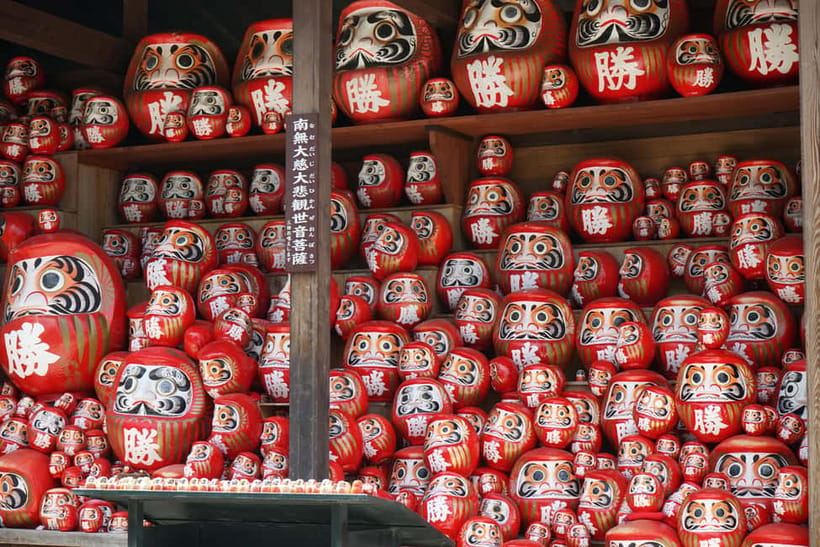
- Katsuo-ji Temple: the Daruma wish you can actually participate in
- Arashiyama: slow nature time with iconic viewpoints
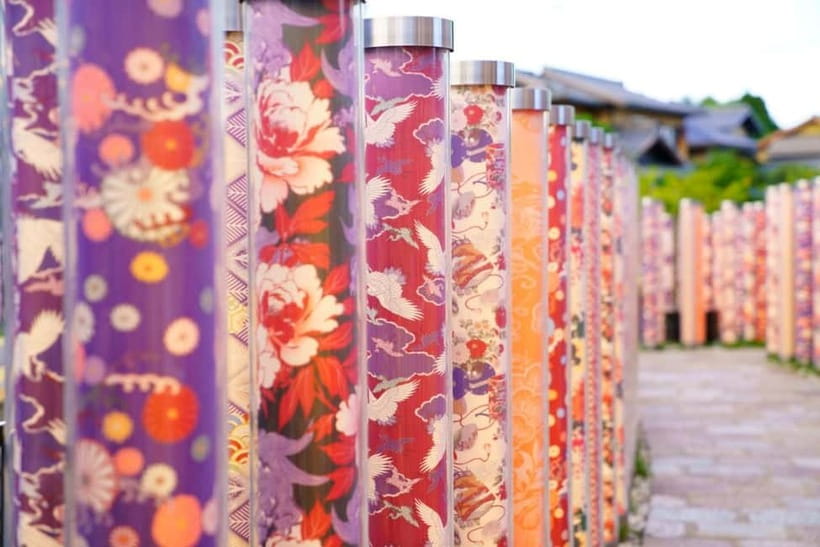
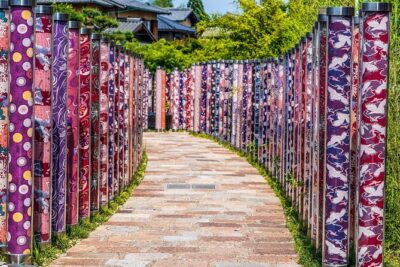
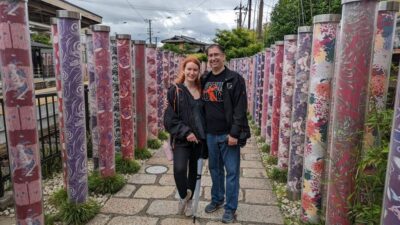
- Kimono Forest: colorful columns that make photography easy
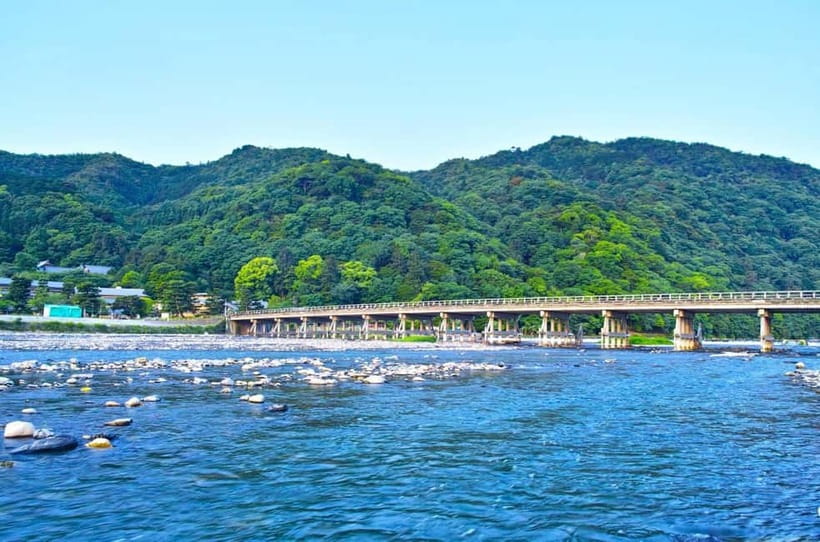
- Togetsukyo Bridge: classic Oi River Kyoto in one viewpoint
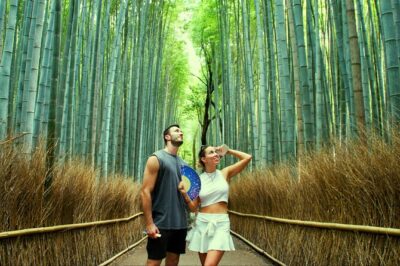
- Arashiyama bamboo grove: the tranquility walk that earns its hype
- Nonomiya Shrine: a small wish stop for love and happiness
- Kinkakuji Temple: quiet time in golden splendor
- Price and what you truly pay for at $56
- How to make the day easier: packing and on-the-ground tips
- Who this tour fits best (and who should skip it)
- The guide makes the difference more than you think
- Should you book this Katsuoji, Arashiyama, and Kinkakuji 1-day bus tour?
Key highlights worth your attention
- Daruma eye tradition at Katsuoji: pray for good luck and finish the wish by filling in the eyes
- Arashiyama bamboo stroll: calm walking time under towering bamboo and filtered sunlight
- Togetsukyo Bridge views: classic Oi River scenery that feels like old Japan
- Kimonos at Kimono Forest: a photo-friendly cultural stop with colorful column displays
- Nonomiya Shrine love wishes: a small detour that adds meaning beyond sightseeing
- Kinkakuji World Heritage calm: golden pavilion and mirror-pond stillness
Still in Arashiyama? Keep going west
- Kyoto: Fushimi Inari, Kinkakuji, Bamboo Grove 1 Day Bus Tour
★ 4.8 · 4,316 reviews - Osaka/Kyoto:Kinkakuji,Arashiyama,FushimiInariShrine,NaraPark
★ 4.1 · 1,596 reviews - Kyoto/Osaka: Nara, Fushimi Inari Taisha, Arashiyama Bus Tour
★ 4.7 · 1,275 reviews - Kyoto Arashiyama Walking Tour: Bamboo, Monkeys, Gardens & Secrets
★ 5.0 · 1,216 reviews
A Kyoto and Osaka highlights day that actually stays organized
Kyoto can overwhelm you fast. Too many temples, too many neighborhoods, too little time. This tour compresses the most photographed (and most meaningful) stops into a single bus day, so you spend less energy figuring out transport and more energy noticing details.
At the same time, it does not feel like a drive-by checklist. The itinerary includes real walking time and built-in pauses where you can step back, take photos, and just soak in the mood. Your guide also helps you get your bearings quickly, especially when you arrive at complex temple areas.
One note I’d flag up front: temple admission and meals are not included. That means your final cost depends on what you choose to pay at each site and how you handle food during the day.
Where the day starts: Kyoto Station or Harimaya Nippombashi
You can start from one of two meet-up options:
- Kyoto Station, Hachijo Entrance Square Sunken Garden
- Harimaya Nippombashi 1-chome
You’ll also return to one of two drop-off spots at the end:
- Kyoto Station, Hachijo Entrance Square Sunken Garden
- Harimaya Nippombashi 1-chome
This matters because Kyoto Station is an easier hub if you’re staying near transport. Harimaya Nippombashi can be convenient if you’re closer to central lanes. Either way, round-trip transfers are included, so you avoid the stress of hopping between local trains and buses on a jam-packed schedule.
Katsuo-ji Temple: the Daruma wish you can actually participate in
Katsuoji is the kind of stop that makes you feel part of the place, not just a visitor. The temple has a history of more than 1,300 years, and it’s known for prayers tied to victory, luck, and success.
The big draw is the Daruma practice. You can dot the Daruma’s eyes as part of the wish:
- Draw the left eye first and make your wish.
- After the wish is fulfilled, fill in the right eye later.
Even if you know this tradition in theory, seeing it in person changes how it feels. It turns a temple visit into a small ritual with your own intention attached. I like that the tour gives you about an hour here, which is enough time to find the Daruma displays, understand what you’re doing, and still move through the temple calmly.
Possible consideration: Katsuoji can have lines or crowded areas depending on the time of day. If you’re the type who wants to linger in every corner, you may feel like you’re racing a little. Still, it’s a good first stop because the energy is focused and easy to follow.
Let something else do the walking
- PERFECT KYOTO 1-Day Bus Tour★ 5.0 · 13,518 reviews
- Kyoto: Fushimi Inari, Kinkakuji, Bamboo Grove 1 Day Bus Tour★ 4.8 · 4,316 reviews
- Kyoto: Hop-on Hop-off Sightseeing Bus Ticket★ 3.9 · 2,034 reviews
- Kyoto: Arashiyama Customized Rickshaw Tour & Bamboo Forest★ 5.0 · 432 reviews
- Kyoto Arashiyama Rickshaw Tour with Bamboo Forest★ 5.0 · 354 reviews
Arashiyama: slow nature time with iconic viewpoints
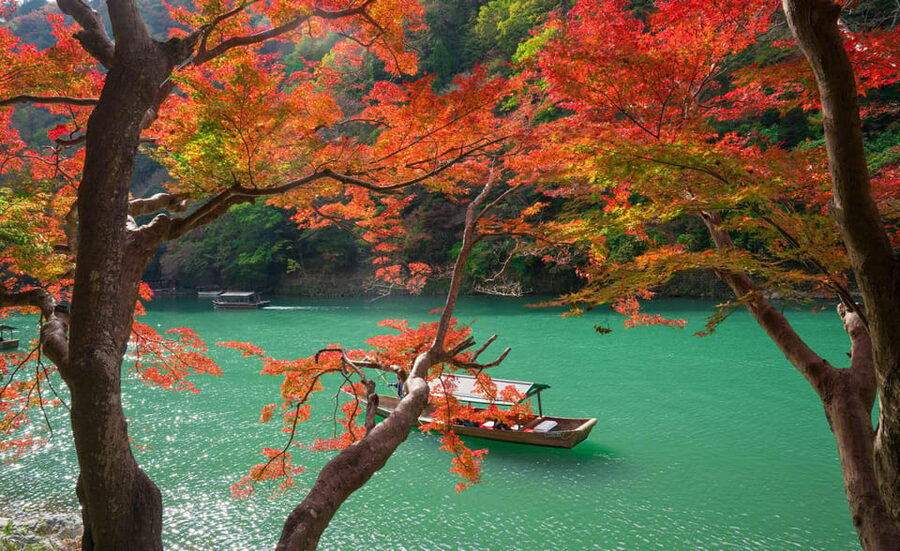
After Katsuoji, the itinerary shifts into Arashiyama, which is where the day starts to feel like a breath of fresh air. You get around 2.5 hours in the Arashiyama area, which is a balanced window for walking plus photos plus a shrine stop.
Arashiyama is known for scenic mix-ups: river views, mountain backdrops, and those famous bamboo scenes that make you feel like you stepped into a different pace of life. This tour’s route also helps you hit the highlights without cramming them too tightly.
A helpful reality check: Arashiyama can be busy, especially around the bridge and bamboo grove areas. The good part is that the tour’s structure keeps you from getting lost, and your guide will typically point out the best spots and how to time your photos.
Kimono Forest: colorful columns that make photography easy
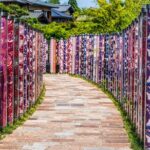
One of the more playful cultural stops on the day is Kimono Forest. Instead of a lecture hall or a museum vibe, you get a visual experience, with hundreds of colorful kimono-themed displays arranged as transparent columns.
What I like about this stop is the lighting. Even without fancy planning, you can find angles where the colors and shadows look layered and “designed,” not random. It’s also a nice contrast after temple solemnity, giving your brain a break before the outdoor walking.
Since it’s a dedicated stop, you don’t have to hunt it down while you’re already tired from transit. That saves energy for the outdoors later.
Togetsukyo Bridge: classic Oi River Kyoto in one viewpoint
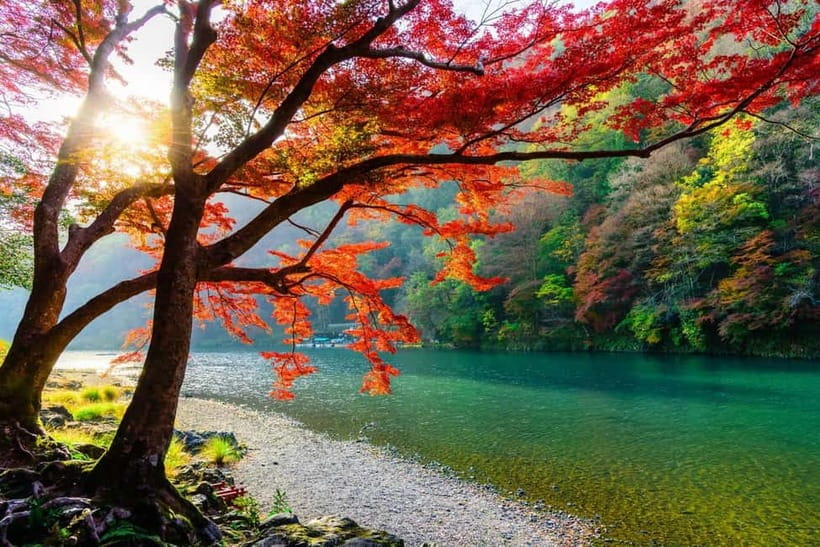
Then comes the Togetsukyo Bridge moment, the kind of scene that instantly signals you’re in the right place. Standing here, you’re looking at the Oi River below and the mountains in the distance, with the overall feel of elegant old Japan.
The bridge area is also built for photos. If you like taking pictures but don’t love fighting for the perfect spot, this is where you’ll want to get your timing right:
- Take your wide shot first, so you’re not stuck later waiting for space.
- Then circle for slightly different angles once you see the flow of people.
You’ll likely feel the contrast here, compared with the more inward temple atmosphere. The bridge is outward, scenic, open. It gives you a mental reset in the middle of the day.
Arashiyama bamboo grove: the tranquility walk that earns its hype
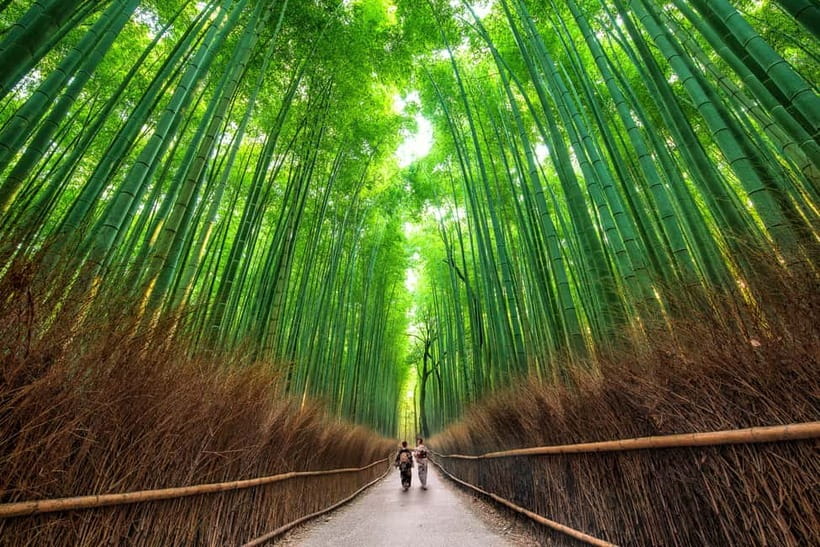
Next up is the Arashiyama Bamboo Grove walk. This is the part people talk about because it’s different from a normal garden stroll. You’re surrounded by towering bamboo, with rustling leaves and sunlight filtering through gaps.
The experience is basically a sound and texture show. Your pace slows down without you trying. If you’re mentally tired from travel, this is where the tour quietly fixes that.
One practical note: you’re in Kyoto outdoors, so comfortable shoes matter a lot. The tour’s included advice is exactly what you should follow: wear shoes that can handle uneven surfaces and lots of walking.
Nonomiya Shrine: a small wish stop for love and happiness
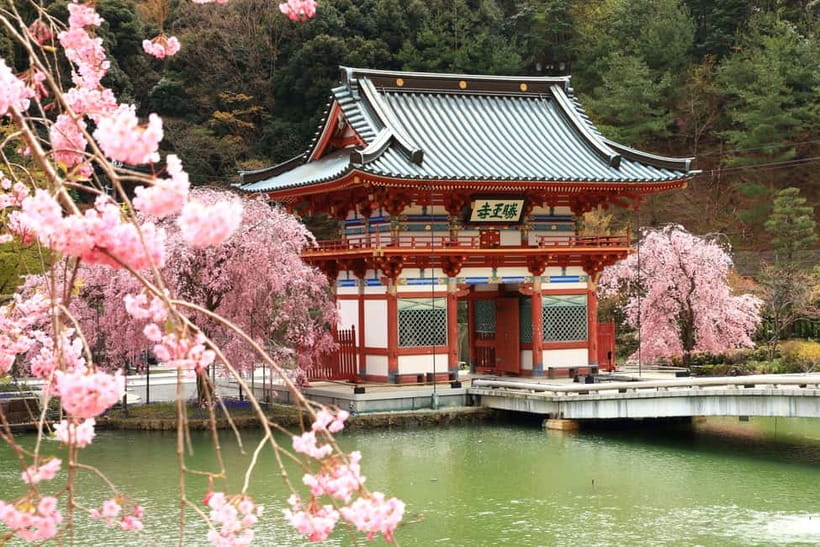
Not every shrine stop has the same “why.” Nonomiya Shrine adds a personal angle, focused on love, health, and happiness.
The tour’s described focus here is wish-making, including the idea of hanging a painted horse and writing down your wishes. Even if you keep it brief, it’s a meaningful pause in the middle of sightseeing, and it gives the day a softer emotional tone than temples focused only on luck or achievement.
I also like that this stop breaks up the sightseeing rhythm. You go from bamboo to bridge scenery to an intimate shrine. Your mind gets to switch gears.
Kinkakuji Temple: quiet time in golden splendor
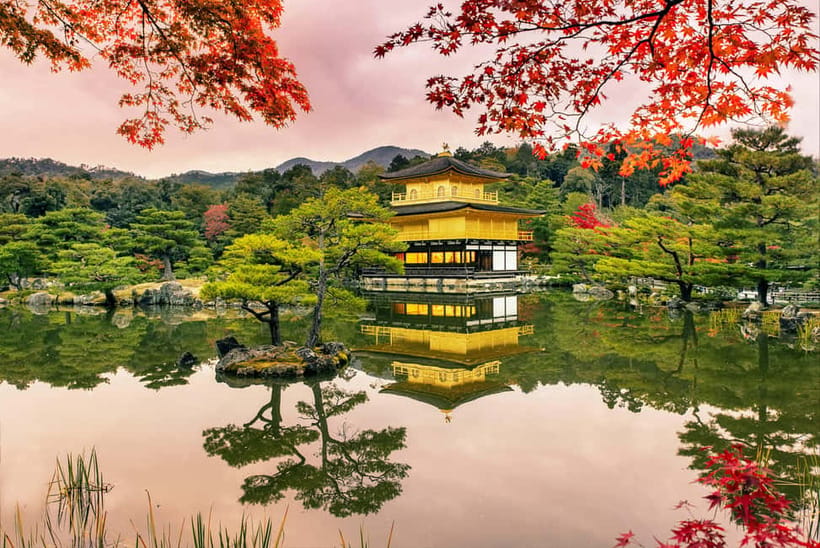
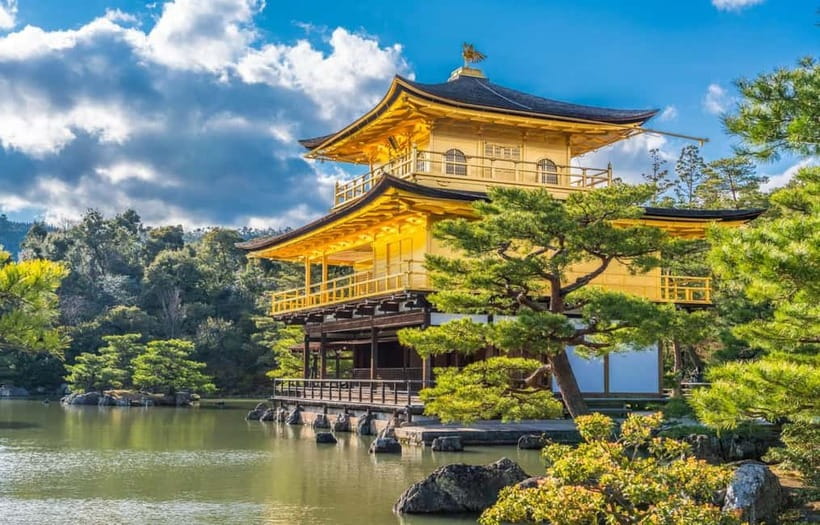
Kinkakuji is the final major temple stop, and it’s easy to see why it’s famous. The outer wall is gold foil, and it reflects in the mirror-pond pool nearby. The effect is dramatic, but the tour doesn’t just rush you through it.
You get about 40 minutes at this stop. That’s not a lot if you want to study every corner, but it can be enough for a calm loop if you manage your time well. I’d aim for this simple plan:
- First, find the reflection view you came for.
- Then walk the routes at a comfortable pace.
- Finally, pause for one extra look, not a second frantic photo sprint.
The strongest value of Kinkakuji in this kind of day tour is pacing. It’s a finish that feels “big,” but the time is short enough that you’re not exhausted by the end.
Possible consideration: If you’ve got a strong attachment to photography and details, 40 minutes can feel short. One review noted that time at the last stop could be brief given the size, so be realistic and prioritize the views you care about most.
Price and what you truly pay for at $56
At $56 per person, you’re buying organization and transport, not admission and meals. That’s a key distinction.
What’s included:
- English and Chinese-speaking guide
- Round-trip transfers from your meet-up location
- Toll fees, parking fees, and fuel fees
What’s not included:
- Admission to Katsuoji Temple and Kinkakuji Temple
- Meals and beverages
- Personal expenses
- Insurance
Here’s the value logic I use: if you would otherwise spend time figuring out train routes, transfers, and where to start your day, the tour makes sense. The bus ride may feel like “less fun” to some people, but it’s a huge time saver on a day that spans multiple Kyoto neighborhoods and sights.
Also, the guide value is real. Multiple reviews mentioned strong communication and clear directions, plus guides helping with timing and where to stand for photos. That can turn a chaotic day into a smooth one, and you feel it most when you’re trying to beat confusion at busy points.
How to make the day easier: packing and on-the-ground tips
The tour gives sensible guidance on what to bring:
- Comfortable shoes
- Camera
- Sunscreen
- Water
I’d add one mindset tip. Plan to travel lightly, because you’re doing multiple walking segments across temples and river-area viewpoints. Even if the bus ride is comfortable, your best moments depend on your feet.
Two in-day rules you should remember:
- Smoking is not allowed.
- You cannot eat on the bus due to Japanese law.
That last one is more important than it sounds. If you’re hungry, grab food before you board or during your breaks, then eat off the bus.
Who this tour fits best (and who should skip it)
This is a solid choice if you want Kyoto highlights without the stress of route planning. It also fits couples and solo travelers who want a guided structure but still want time to wander and take pictures.
It may not fit you if:
- You need wheelchair access or you have mobility impairments, since it is not suitable for wheelchair users.
- You prefer slow travel with long sit-down breaks at every site, because this is a timed route.
From the guide feedback, the day works well when you’re open to following instructions, returning on time, and then exploring within the time windows.
The guide makes the difference more than you think
One of the most consistent themes in the feedback is guide quality and day control. Names that came up included Steven, Willa, Theodore (also mentioned as Chan San), Amanda, Lee, and Eve. Across those different guides, people praised clarity, keeping the schedule on track, and making the trip feel fun rather than stiff.
A few practical things I’d expect from a good guide in this kind of day:
- You hear what you’re looking at and why it matters.
- You get simple direction on when and where to meet the bus.
- You get help with maximizing time for photos at the main view spots.
That’s exactly the kind of “invisible value” you don’t see when you only read a list of stops. It shows up when you’re standing on a bridge with crowds, or when you’re trying to move through a temple area without losing 30 minutes.
Should you book this Katsuoji, Arashiyama, and Kinkakuji 1-day bus tour?
Book it if you want a structured day that strings together Kyoto’s most famous spiritual and scenic highlights in a single outing, with transport and guide support included. The Daruma wish at Katsuoji and the golden reflections at Kinkakuji are both “why Kyoto exists” moments, and Arashiyama gives you the calming counterweight.
Skip it if you’re sensitive to tight timing or you want long, unhurried visits where every building and pathway gets deep attention. Also skip if mobility is an issue, since it’s not set up for wheelchair users.
If you’re trying to make the most of limited time in the Osaka/Kyoto region, this tour is a strong value bet, especially because you’re not paying extra for the hard part, getting from place to place smoothly.
Let Something Else Do the Walking


Further Into Arashiyama
Newest Kyoto write-ups from the Loving Japan desk
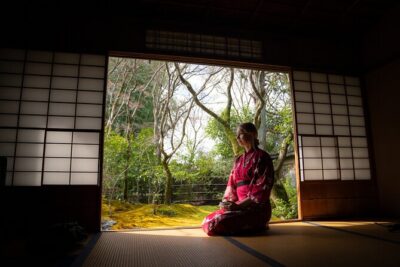
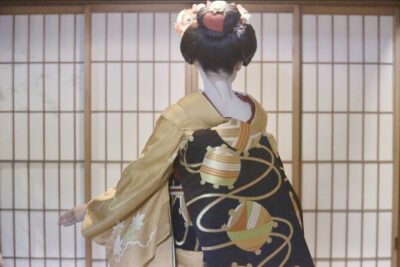
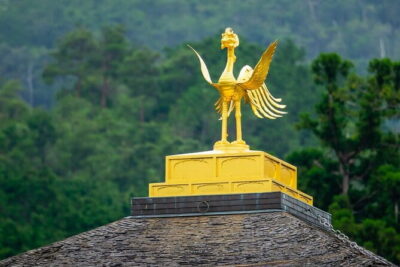

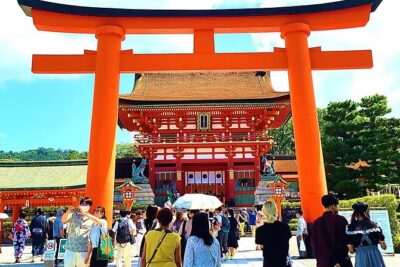
Arashiyama and the Bamboo Grove, side by side.
 ★ 4.8Fushimi Inari, Kinkakuji, Bamboo Grove 1 Day Bus TourFrom $1224,316 reviews
 ★ 4.1Osaka/Kyoto:Kinkakuji,Arashiyama,FushimiInariShrine,NaraParkFrom $661,596 reviews
 ★ 4.7Kyoto/Osaka: Nara, Fushimi Inari Taisha, Arashiyama Bus TourFrom $521,275 reviews
 ★ 5.0Kyoto Arashiyama Walking Tour: Bamboo, Monkeys, Gardens & SecretsFrom $651,216 reviews
 ★ 4.8Arashiyama Bamboo, Temple, Monkeys, or Secret Sake BreweryFrom $87886 reviews
 ★ 5.0Arashiyama Bamboo Forest, Monkeys, Matcha & Temple TourFrom $53759 reviews
 ★ 4.4Osaka/Kyoto: Arashiyama, Nara & Fushimi Inari Shrine w/LunchFrom $61754 reviews
 ★ 5.0Nijo, Kinkaku-ji, Arashiyama, Kiyomizu & Fushimi InariFrom $51699 reviews
Filed on these lists too