
REVIEW · DOTONBORI AND OSAKA STREET FOOD
Osaka: Roll and Authentic Sushi Making Class in Dotonbori
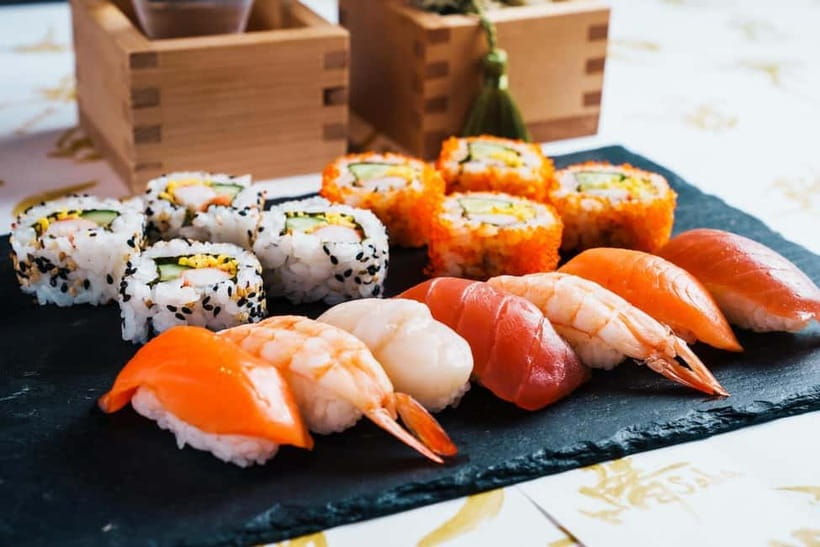
Sushi lessons in Osaka that end with you eating your own work. This one is a 100-minute sushi making class in central Dotonbori, with an interactive sushi history quiz that keeps things light.
I like that it is hands-on from start to finish, and the setting puts you right where Osaka food life is happening, near Shinsaibashi.
I really enjoy the human side of the experience. The English-speaking instructors go beyond steps, sharing stories and giving local food ideas, and I have seen names like Shoki, Hinata, Rika, Takara, and Yui mentioned for bringing big energy to the room. Another highlight is that you learn two styles, not just one, so you leave with a wider “how to” for future cravings.
One thing to consider is pace. A few people felt there was a bit of a rush at the end to finish and eat what they made, so if you are slow eater or love lingering, you may want to mentally plan for a quick plate-to-table moment.
In This Review
- Key things that make this class worth your time
- Where You Meet: 5 Minutes From Shinsaibashi, Up in Galleria Acca
- 100 Minutes of Food Fun: How the Class Actually Gets Going
- Sushi History Quiz in a Real Classroom, Not a Lecture Hall
- Maki Rolls in Your Hands: Rolling With Confidence
- Nigiri and the Authentic Touch: Two Techniques, One Big Skill Jump
- Eating What You Make, Without the Guesswork
- Dietary Options and Allergy Notes That Actually Help
- English-Speaking Hosts Who Share Osaka Beyond Sushi
- Price and Value: Is $45 for 100 Minutes a Good Deal?
- Who This Osaka Sushi Class Suits Best
- Should You Book Sushi Making Osaka in Dotonbori?
- FAQ
- How long is the sushi making class in Osaka?
- Is the class taught in English?
- What do I make during the class?
- Is hotel pickup included?
- Where is the meeting point?
- Can the class accommodate dietary restrictions like vegan or halal?
Key things that make this class worth your time
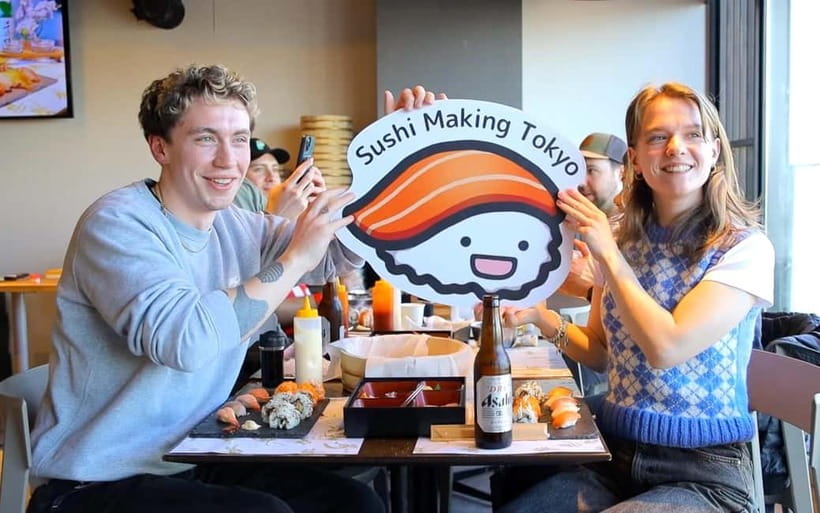
- You learn two sushi styles, not just a single roll, with guidance for both technique and presentation.
- A sushi history quiz turns background learning into something you can actually remember while your hands are busy.
- English-speaking local hosts keep the class friendly and interactive, with conversation and Osaka suggestions.
- Clean, organized setup with enough ingredients so you can eat everything you make.
- Central location near Dotonbori and Shinsaibashi, so this fits easily into a food-focused day.
Still hungry on Dotonbori? A few more crawls
- Osaka: Shinsekai Food Tour with 13-15 Dishes at 5 Eateries
★ 4.8 · 2,204 reviews - Osaka Local Foodie Walking Tour in Dotonbori and Shinsekai
★ 5.0 · 985 reviews - Osaka: Dotonbori District River Cruise with Drink Discount
★ 4.2 · 876 reviews - Ultimate Osaka Walking Tour: Castle, Dotonbori & Hidden Gems
★ 5.0 · 862 reviews
Where You Meet: 5 Minutes From Shinsaibashi, Up in Galleria Acca
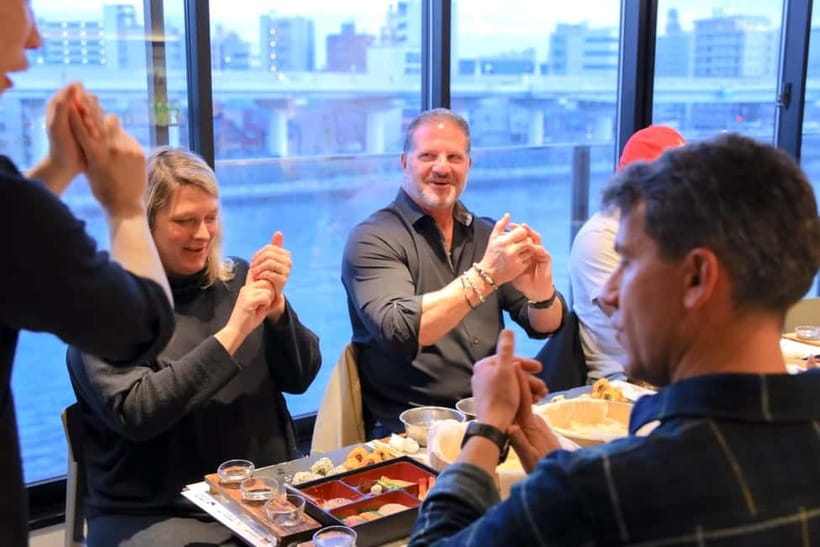
You meet at the 3rd floor of the Galleria Acca Building, about a 5-minute walk from Shinsaibashi Station. This is the kind of meeting point that helps if you do not want to wait for hotel pickup or hunt down a far-flung neighborhood.
The building itself can be a little tricky to spot because the entrance is reported as hidden in a concrete structure. When you arrive, give yourself a few extra minutes to find the right entrance and the staircase or elevator route.
Practical tip: wear comfortable shoes. You are going to be standing and working indoors, and the best part of a sushi class is showing up unhurried, so you can jump into the fun right away.
100 Minutes of Food Fun: How the Class Actually Gets Going
This class runs 100 minutes, and the format is designed for people with no experience. The ingredients are provided, and the instructor leads everything in English, step by step.
You can expect a flow like this:
- a welcome and quick setup
- a sushi history segment that uses an interactive quiz style approach
- clear demonstrations and guidance while you make sushi
- eating your creations at the end
One small but important detail: some instructors start with rice and core ingredients already prepared, so you spend your energy on the “real learning” parts, like shaping, seasoning, rolling, and finishing. That makes the class feel efficient without turning it into a mere watch-and-copy routine.
Groups and solo travelers both fit. If you are traveling alone, this is a good way to meet people without awkward icebreakers that go nowhere, because the class structure gives you something shared right away.
Sushi History Quiz in a Real Classroom, Not a Lecture Hall
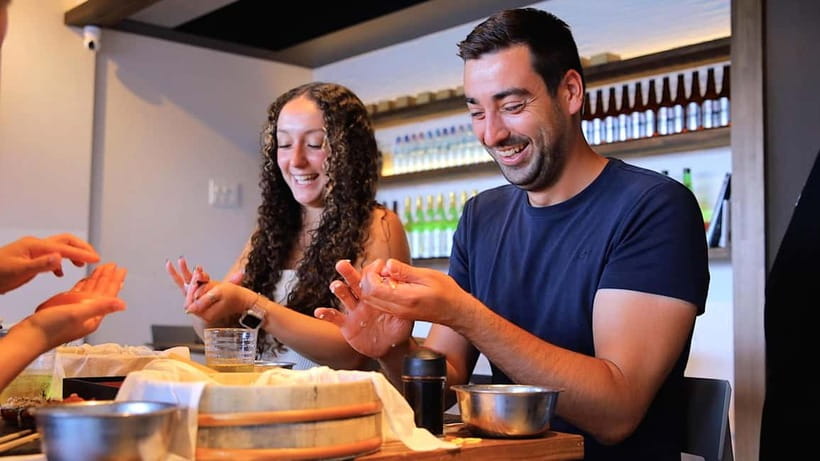
Sushi history can get heavy fast, but here it is built into a lighthearted quiz. You learn the basics while the mood stays playful, so it feels less like studying and more like a guided conversation that happens to teach you something useful.
Why this matters for you: when you know a little background, you stop copying gimmicks and start understanding technique choices. You also get better at recognizing what makes different sushi styles distinct, so your next sushi meal in Osaka feels less like ordering blindly and more like you are reading the menu with context.
The quiz also keeps momentum. You are not stuck waiting for the cooking part to begin, which helps if you get impatient or if you are on a tight Osaka schedule.
Cook it yourself instead. Other kitchens in Osaka
- Sushi Making Osaka Roll and Authentic Japanese Sushi Class★ 5.0 · 1,220 reviews
- Osaka Sushi Making Experience★ 5.0 · 400 reviews
- Osaka: Ramen and Gyoza Cooking Class in Dotonbori★ 5.0 · 378 reviews
- Osaka: Sumo Stage Show with Bento or Snack + Fight & Photo★ 4.3 · 364 reviews
- Osaka Cooking Class: Okonomiyaki &Japanese cuisines experience★ 5.0 · 261 reviews
Maki Rolls in Your Hands: Rolling With Confidence
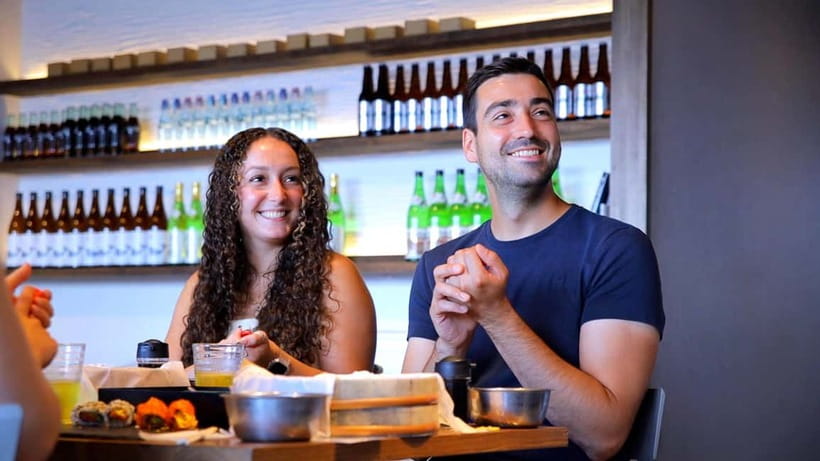
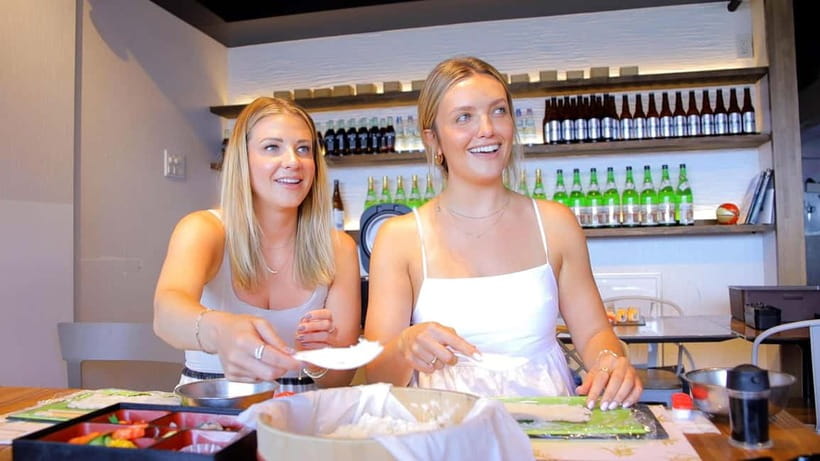
The class teaches roll sushi, usually called maki. This is where your “hands skills” come in. You learn how to build the roll properly, how to manage the rice, and how to roll so you get a clean result you are proud to eat.
What I like about learning maki in a structured class is that you get feedback in real time. Instead of guessing why your first try looks lopsided, you see what “good” looks like and how to fix it during the process.
Expect to work at a station with ingredients and instruction, not just a big communal show. Several people describe the instructions as easy to follow, and that matters because sushi success is mostly about small, repeatable steps.
By the time you finish the rolling, you have something tangible: a method you can recreate back home, even if your kitchen does not look like a Japanese workshop.
Nigiri and the Authentic Touch: Two Techniques, One Big Skill Jump
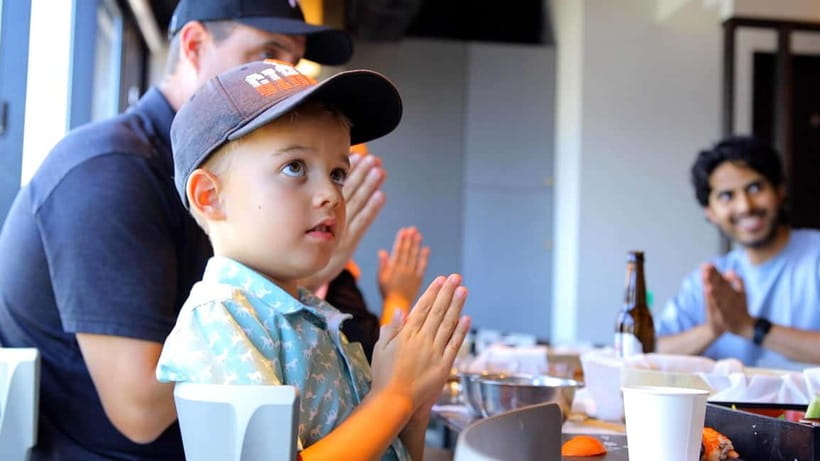
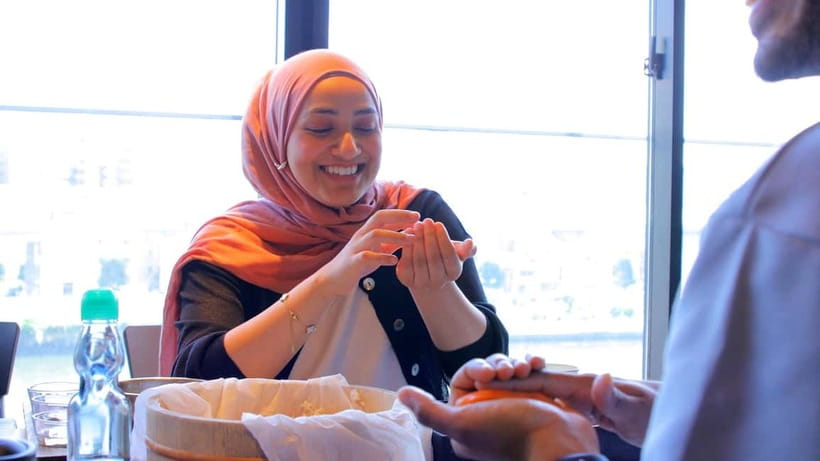
Besides rolls, you also make authentic Japanese sushi. In practice, many classes in this format focus on nigiri alongside maki, and multiple instructors are described as teaching nigiri along with rolls.
Nigiri is a different challenge than maki. Rolls are about tight structure and slicing. Nigiri is about handling, shaping, and the feel of balancing rice with topping so it looks right and eats well.
This is where the class goes beyond beginner cooking. You learn the “why” behind touch and handling, which is the difference between sushi that just looks edible and sushi that tastes like you actually learned from a chef.
A fun detail: instructors are reported as using playful cues while you work, with enthusiasm that makes the room feel like a mini celebration. That energy helps you stay relaxed, because sushi making is stressful only if you treat it like a test.
Eating What You Make, Without the Guesswork
The best part is the payoff: you eat your sushi at the end. A lot of people mention they got to eat everything they made, which is a big deal because some cooking classes leave you with a plate that feels symbolic.
You should also plan for timing. While the overall experience is praised, a few people wished there was a little more time to sit and eat comfortably after finishing. So if you are the type who likes to linger over every bite, mentally prepare for a bit of a “finish and enjoy” rhythm.
Still, you leave with a strong advantage over most food tours. You do not just taste Osaka. You learn how to build the thing that you tasted, which makes your next sushi meal feel like a skill review instead of a random experience.
Dietary Options and Allergy Notes That Actually Help
If you have dietary needs, this class is set up to handle several common ones. The menu can be changed for:
- Vegan
- Vegetarian
- Gluten-free
- Halal
There is also an allergy note about ingredients not used: meat, nuts, fruits, dairy.
Important planning note: menu changes need to be requested with 3 days in advance, and the provider says they cannot respond on the day. They also do not accept ingredient specifications. That means you should keep your request focused on the category they can swap, rather than trying to micro-manage each component.
If you are traveling with allergies, send the details early. This is one of the simplest ways to avoid last-minute stress and to help the staff prepare correctly.
English-Speaking Hosts Who Share Osaka Beyond Sushi
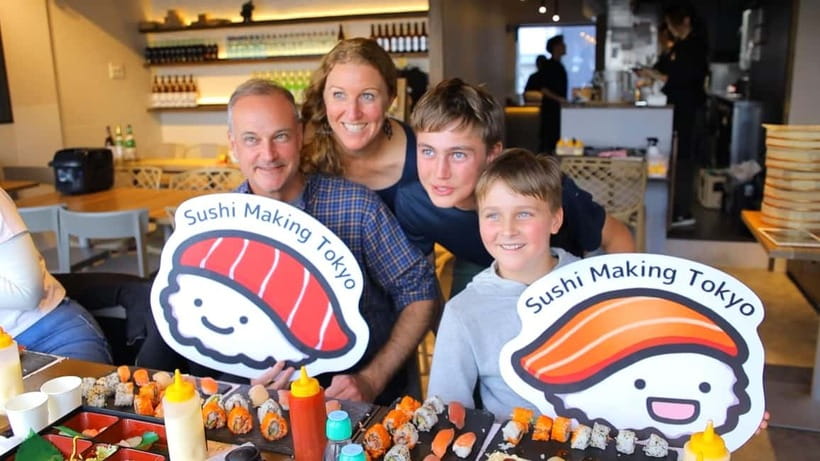
The class is led in English, and what people consistently praise is the instructors’ personality and coaching style. Names that show up include Shoki, Hinata, Rika, Takara, Fuji, Fuko, Miho, Reika, and Yui.
What you gain from that, beyond language, is local context. In several accounts, instructors talk with participants about where they are from, share laughs during the process, and offer food and activity suggestions for Osaka. That makes the class feel like meeting someone who actually eats well in the city, not just someone who teaches a recipe.
If you like friendly, interactive experiences, this is a good match. If you prefer quiet activities with minimal conversation, you might still be fine, because the class is structured, but the energy is clearly part of the product.
Price and Value: Is $45 for 100 Minutes a Good Deal?
At $45 per person for 100 minutes, you are paying for more than ingredients. You are paying for:
- instruction in English
- ingredients provided
- a guided experience in central Osaka
- time-saving prep so you learn the key steps instead of starting from scratch
Value is strongest if you count what it would cost for similar instruction plus the meal cost afterward. You are essentially getting a lesson and lunch rolled into one session, and the location near Dotonbori and Shinsaibashi saves you from spending time and money commuting far out of the center.
One more practical value point: you do not need prior cooking experience. That lowers the risk compared to classes where you might feel lost at the beginning and spend the rest of the time catching up.
Who This Osaka Sushi Class Suits Best
This experience is a smart choice if you are:
- a sushi lover who wants to understand technique, not just order
- a beginner who wants a guided first attempt
- traveling solo and looking for a social-but-not-awkward activity
- in Osaka for a food-focused day and want something hands-on near Dotonbori and Shinsaibashi
It also works well for groups because everyone is making something, so the class does not feel like a passive show. And it is wheelchair accessible, which is a meaningful point if you need a class that accounts for access.
If you are short on time, the 100-minute length is easy to plan around. Just remember there is no hotel pickup, so you will be responsible for getting to the meeting point on your own.
Should You Book Sushi Making Osaka in Dotonbori?
I would book it if you want a memorable Osaka experience that mixes technique, fun, and a real meal at the end. The class structure, English instruction, and the fact that you learn two sushi styles are strong reasons to spend the money.
The decision comes down to one question: how do you feel about pace. If you hate feeling rushed while eating, plan for a quick sit-down at the end and treat the main goal as learning first.
If you have dietary needs, book with enough time for the 3-day menu change window. That one detail can make the difference between a smooth experience and a stressful scramble.
If this sounds like your kind of travel day, this Osaka sushi making class is a solid pick, especially when you are already planning to roam Dotonbori and Shinsaibashi.
FAQ
How long is the sushi making class in Osaka?
The class lasts 100 minutes.
Is the class taught in English?
Yes. The instructor and class are English-speaking.
What do I make during the class?
You learn to make roll sushi and authentic Japanese sushi.
Is hotel pickup included?
No. Hotel pickup and drop-off are not included.
Where is the meeting point?
You meet on the 3rd floor, Galleria Acca Building, which is about a 5-minute walk from Shinsaibashi Station.
Can the class accommodate dietary restrictions like vegan or halal?
The class offers menu options for vegan, vegetarian, gluten-free, and halal. Menu changes must be requested 3 days in advance, and there are also allergy notes about ingredients not used: meat, nuts, fruits, dairy.
Kitchens You Can Book Into

Dotonbori, Still Hungry


Newest Osaka write-ups from the Loving Japan desk
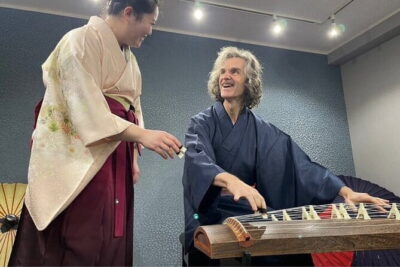

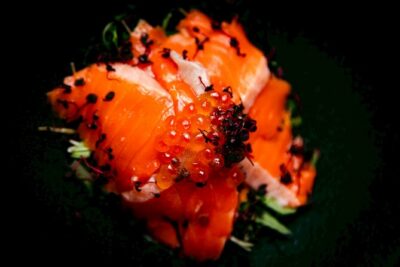
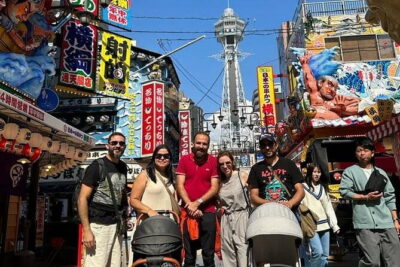


Dotonbori and Osaka Street Food, side by side.
 ★ 4.8Shinsekai Food Tour with 13-15 Dishes at 5 EateriesFrom $532,204 reviews
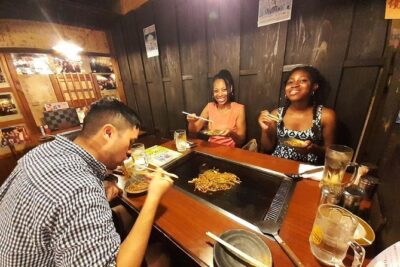 ★ 5.0Osaka Local Foodie Walking Tour in Dotonbori and ShinsekaiFrom $111985 reviews
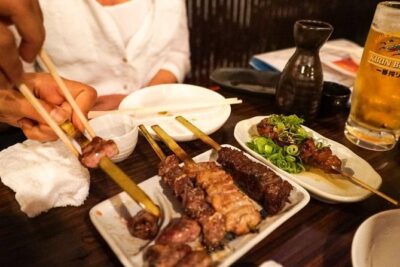 ★ 5.0Osaka Bar Hopping Night Walking Tour in Namba (3 bars, 6 tastes)From $98958 reviews
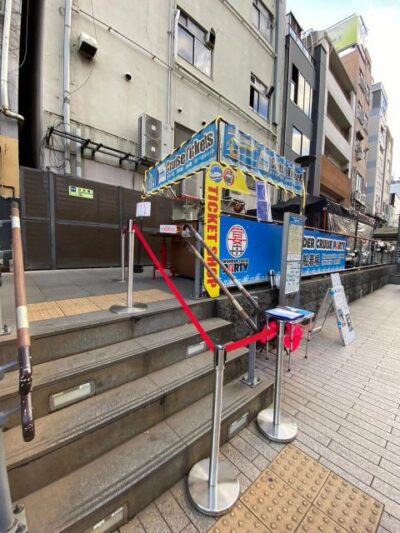 ★ 4.2Dotonbori District River Cruise with Drink DiscountFrom $12876 reviews
 ★ 5.0Ultimate Osaka Walking Tour: Castle, Dotonbori & Hidden GemsFrom $73862 reviews
 ★ 5.0Kuromon Market Food Walking Tour in Osaka (6 stops, 6 tastes)From $50550 reviews
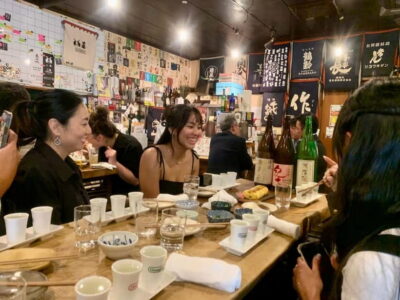 ★ 4.9Namba Pub Bar Crawl with a Local GuideFrom $30424 reviews
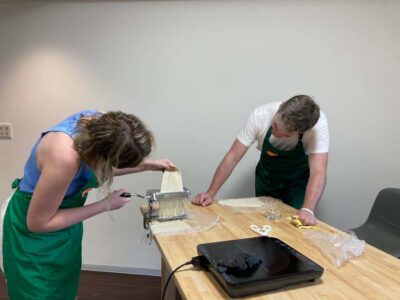 ★ 5.0Ramen and Gyoza Cooking Class in DotonboriFrom $70378 reviews