
REVIEW · WALKING TOURS
Osaka Walking Tour to Local Gems, Food & Culture
Osaka makes more sense on foot. This 2.5-hour walk links Shinsaibashi with Dotonbori Canal energy, temple side streets, and the food-and-shopping zones that make Osaka feel like Osaka. I especially like how the tour is led by licensed guides such as Jay, Matt, Calvin, and EJ, who mix history with easy humor so the city clicks fast.
What you get is more than a highlights route. I like the way the stops cover everyday Osaka habits, from the trendy Amemura scene to Kuromon Market’s local food vibe and the kitchenware street where chefs shop for gear. One possible drawback to plan around, though, is that snacks are not included, so you’ll want to budget for bites as you go.
If you’re up for walking and want a guided “first Osaka day” plan that also explains the quirks, this one fits. Aim for comfortable shoes, because you cover a lot of ground in a short time.
In This Review
- Key Things I’d Watch For on This Osaka Walk
- Why This Osaka Tour Starts in Shinsaibashi
- The Small Group, the Guide, and What You Actually Learn
- Horie Park and Amemura, Two Neighborhood Moods in One Stretch
- Namba Hatch and the Entertainment Side of Osaka
- Dotonbori Canal Lights and Hozen-ji Temple’s Mossy Statue
- Kuromon Market for Food Planning You Can Actually Use
- Nipponbashi: Electronics, Anime, and Otaku Culture
- Dōguya-suji Kitchenware Street and Why Chefs Shop There
- Timing, Walking Pace, and How to Prepare
- Price and Value: Why $25 Can Be a Smart First-Day Move
- Who This Tour Suits Best (and Who Might Skip It)
- Should You Book This Osaka Walking Tour?
- FAQ
- How much does the Osaka walking tour cost?
- How long is the tour?
- Where do I meet, and where does the tour end?
- What’s included in the price?
- Are snacks included?
- Is a mobile ticket used?
- How large is the group?
- Is free cancellation available?
Key Things I’d Watch For on This Osaka Walk
- Licensed guides with strong English skills, and lots of humor in their explanations
- A small group capped at 12, which makes Q&A and pacing feel personal
- A smart mix of Osaka neighborhoods, from Horie Park calm to Dotonbori lights
- Food and shopping stops that let you see what locals actually use and buy
- No snack inclusion, so you’ll want a little cash or card for tastings
Still weighing up options in Osaka? These are the ones our reviewers rated highest.
- Osaka Go Karting Tour with Funny Costume
★ 5.0 · 2,658 reviews - Osaka Castle: Museum and Tower Entry Ticket
★ 4.5 · 2,380 reviews - Osaka: Shinsekai Food Tour with 13-15 Dishes at 5 Eateries
★ 4.8 · 2,204 reviews - Osaka Food Tour: 13 Dishes at 5 Local Eateries
★ 5.0 · 2,149 reviews
Why This Osaka Tour Starts in Shinsaibashi
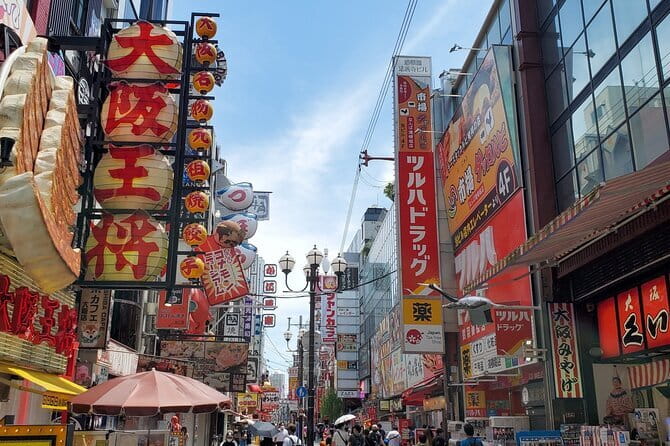
Shinsaibashi is one of the easiest places to orient yourself in Osaka. It’s central, well connected by public transit, and it puts you right where the city’s shopping streets begin to feel like a living system. Meeting at the Apple 心斎橋 area means you can plug into the tour quickly, then spend the rest of the walk moving outward in an organized loop.
From there, the route does something I love for first-time visitors: it balances famous stops with “why this matters” context. You’ll hit Dotonbori and Hozen-ji Temple, sure, but you’ll also work your way through quieter pocket streets and culture-adjacent zones that many people skip.
This matters because Osaka can look chaotic from street level. A licensed guide helps you connect the dots, including how neighborhoods shifted, what locals do after work, and why certain areas became magnets for food and shopping.
The Small Group, the Guide, and What You Actually Learn
This tour runs with a maximum group size of 12. That’s the sweet spot where you get group energy but still feel like a conversation. You can ask questions, get directions on the fly, and hear side notes without your guide shouting over everyone.
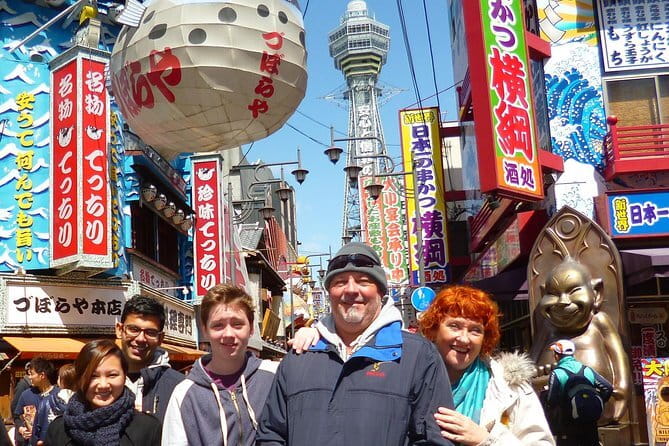
The reviews are very consistent about what the guides do well. People mention guides like Jay and Matt being punctual and communicative, explaining with history connections, and answering questions clearly. They also talk about humor and patience, including when the group included teens or bigger families. In practice, that usually means the tour isn’t just a checklist of places, it’s a story of how the city functions.
If you like learning but hate feeling lectured, you’re likely to enjoy this format. Short stops, frequent explanations, and a pace that lets you ask questions make it feel like you’re walking with a friend who happens to know Osaka well.
Horie Park and Amemura, Two Neighborhood Moods in One Stretch
The first stop is Horie Park, a small urban oasis with greenery, walking paths, and well-kept gardens. Even if you only spend about 20 minutes, it’s a useful reset. Osaka can run hot with crowds and signage, and this gives you a calmer starting point so the rest of the route feels less like sensory overload.
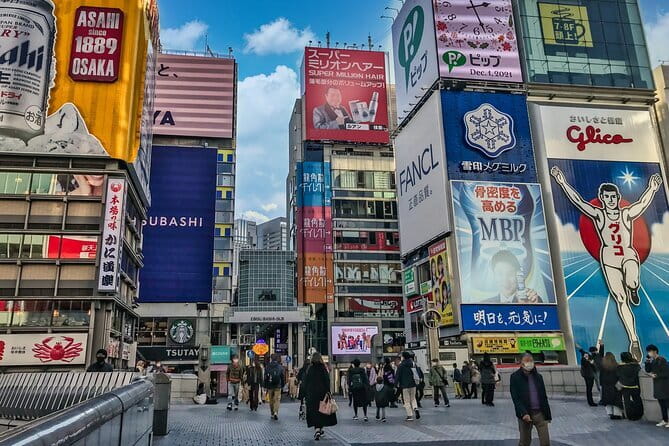
Then you head to America-mura, also known as Amemura, in Chūō ward. This is the trendy district people point to when they want Osaka’s younger, style-forward side. You’ll notice the mix of shops, cafés, and restaurants, plus a general sense of street-level fashion and music culture.
Why this stop matters: it explains Osaka beyond the tourist postcard. You’re not only seeing where famous landmarks are, you’re also seeing where people hang out and what they spend time browsing. If your goal is to understand Osaka culture instead of just checking boxes, Amemura is a strong early proof point.
- Osaka Go Karting Tour with Funny Costume★ 5.0 · 2,658 reviews
- Osaka Castle: Museum and Tower Entry Ticket★ 4.5 · 2,380 reviews
- Osaka: Shinsekai Food Tour with 13-15 Dishes at 5 Eateries★ 4.8 · 2,204 reviews
- Osaka Food Tour: 13 Dishes at 5 Local Eateries★ 5.0 · 2,149 reviews
- Hungry Osaka Street Food Tour:15 Tastings & 3 Drinks with a Local★ 5.0 · 1,727 reviews
Namba Hatch and the Entertainment Side of Osaka

Next is Namba Hatch, a live-event venue in the Namba area. The tour gives you context for how this kind of space fits into Osaka’s entertainment scene, with a capacity of around 1,200 people.
What I like about including a venue like this, even for a brief stop, is that it makes Osaka feel less like a museum. You get a clue about the city’s rhythms, concerts, performances, and why Namba keeps pulling people in. Even if you’re not attending an event yourself, you come away understanding the neighborhood’s purpose.
This is also where the tour’s pacing shines. You get quick context, then you move on rather than sitting too long in one place.
Dotonbori Canal Lights and Hozen-ji Temple’s Mossy Statue
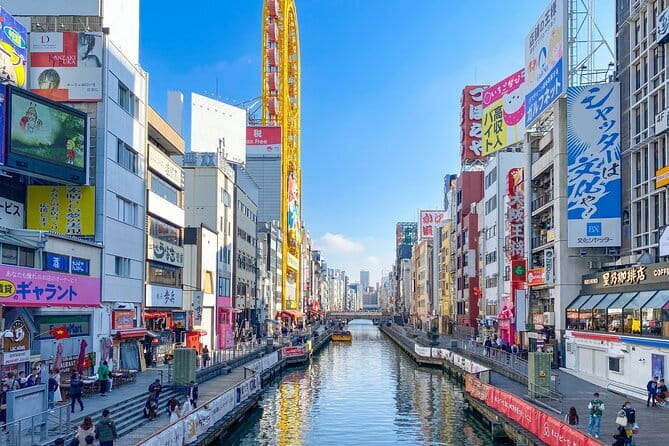
Dotonbori is the part most people know, and the tour uses that recognition wisely. You’ll spend time in the Dotonbori District along the canal, where neon lights and busy activity define the atmosphere. This is one of the best zones in Osaka for seeing how the city mixes entertainment with food.
Then the route pivots to Hozen-ji Temple, near Dotonbori. The temple is founded in 1637 and is known for the moss-covered statue of Fudō Myōō, a fierce deity. That contrast, temple stillness right by street energy, is exactly what makes Osaka feel different from other Japanese cities.
The practical takeaway: by the time you reach Hozen-ji, you’ve already seen the louder side of Namba and Dotonbori. So the temple doesn’t feel random. It feels like a pause that highlights how Osaka layers faith, tradition, and everyday life in close quarters.
Kuromon Market for Food Planning You Can Actually Use
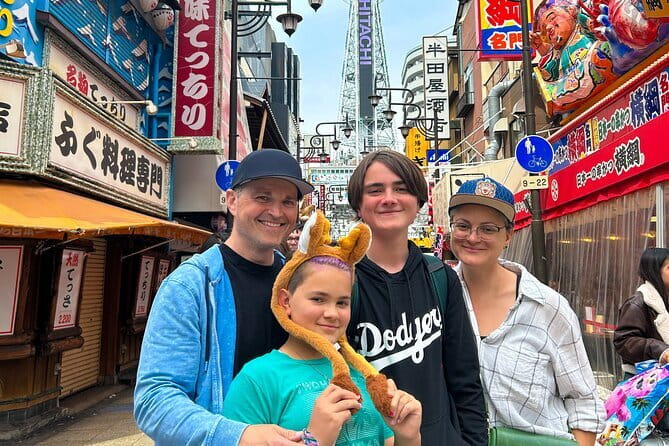
Kuromon Ichiba Market is a major reason to take this tour if you care about eating well. You’ll spend around 30 minutes here, and the focus is on the range of fresh seafood, produce, and local delicacies.
Even if you skip a big tasting budget, this stop helps you learn how to shop in a market environment. You get a sense of what’s seasonal, how stalls differ, and what kinds of items people gravitate toward. And if your guide shares pointers on what to look for, that turns into immediate value for the rest of your Osaka trip.
In reviews, people consistently mention that guides offer food suggestions. That’s a big deal here. Market time can be overwhelming if you don’t know what to prioritize. With a guide, you’re more likely to leave the market with a shortlist for what to try later nearby.
Nipponbashi: Electronics, Anime, and Otaku Culture
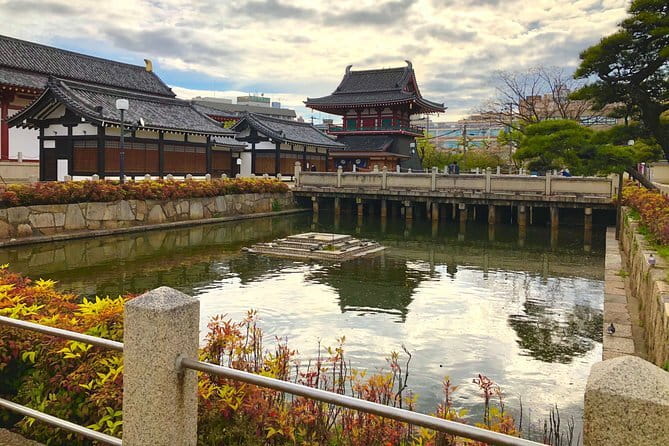
After Kuromon, you move toward Nipponbashi, a lively area known for electronics, anime, and otaku culture. The tour gives you around 10 minutes here, which is short, but enough for a quick orientation.
I like this stop because it prevents the day from becoming only food and old streets. Nipponbashi adds a modern Osaka layer, one that’s playful and highly specific. Even if you’re not deep into anime, you’ll recognize why this neighborhood draws fans from all over Japan and abroad.
This is also where you can decide how you want to spend the rest of your time. If you like what you see, you’ll know to come back for longer. If not, you still won’t feel like you missed anything important, because the tour gives you just enough to understand the area.
Dōguya-suji Kitchenware Street and Why Chefs Shop There
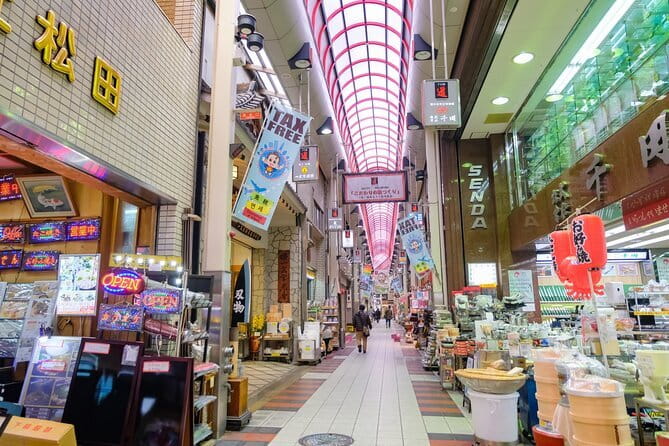
One of the tour’s most memorable stops is the kitchenware street, Dōguya-suji. It’s known for tools, kitchenware, and home goods, packed into a shopping stretch near the Namba area.
What makes it more than browsing is the context the tour provides: this is a street where many chefs in town go to buy knives and kitchen gear. That detail changes how you look at the shops. You’re not just seeing souvenirs. You’re seeing the kind of buying behavior that supports Osaka’s reputation for food craftsmanship.
You’ll spend about 20 minutes here. That’s long enough to get a feel for the different shops and the range of products, but short enough that you don’t lose the rest of the itinerary. If you love practical travel souvenirs, this is one of the better places in Osaka for that goal, because kitchen tools have long-term usefulness.
Timing, Walking Pace, and How to Prepare
The tour runs about 2 hours 30 minutes, and it’s built from short segments. Some stops are around 10 minutes, others around 20 to 30 minutes. That means you get variety, but it also means you should come ready to walk without stopping too often on your own.
The good news is that reviews highlight guides who adjust pacing, including stopping for breaks if it’s hot. One review also mentions the tour going well even when it rains, with the guide keeping organization and the group together.
So bring the usual walking kit:
- Comfortable shoes for repeated short walks
- A light layer in case weather shifts
- A little money or card for snacks and market bites, since snacks are not included
Also, because the tour is capped at 12 people, the group stays manageable. You won’t feel like you’re getting swept into a huge crowd.
Price and Value: Why $25 Can Be a Smart First-Day Move
At $25 per person, this is priced like a casual guided orientation, not a premium food tour with multiple tastings. The value comes from what’s included: a licensed guide plus all fees and taxes.
What that means for you:
- You’re paying for the guide experience, not a long menu of paid activities
- Many stops you visit are free to enter on your own, like the park, temple area, and major market browsing time
- You get context that would take effort to piece together alone, especially around neighborhood identity and shopping culture
If you’ve got one day in Osaka and you want a plan that helps you make decisions the rest of your stay, this tour is a practical buy. You’ll get food ideas, shopping direction, and a map of how neighborhoods connect. That can save you from wandering aimlessly later.
Who This Tour Suits Best (and Who Might Skip It)
This is a good fit if:
- You’re in Osaka for a short time and want a structured introduction
- You like food markets but want help prioritizing what to notice
- You enjoy mixing history with modern street culture
- You want a small group experience led by guides praised for humor and clarity
You might want to think twice if you have very limited mobility or you hate walking with frequent stops. The tour says most travelers can participate, and service animals are allowed, but it’s still a walking format.
If you’re somewhere in the middle, plan smart. Choose a morning or afternoon departure (both are available), bring comfortable shoes, and treat snack budget as part of the plan.
Should You Book This Osaka Walking Tour?
I’d book it if you want a high-value first Osaka day that covers real neighborhoods, not just landmarks. The combination of Shinsaibashi start, Dotonbori Canal energy, Hozen-ji Temple context, Kuromon Market food planning, Nipponbashi pop culture, and Dōguya-suji kitchen shopping gives you a wide mental map for the city.
The biggest reason to say yes is the guide factor. People mention guides like Jay, Matt, Calvin, and EJ for being funny, organized, and responsive to questions, including when groups include teens. That kind of guiding makes the difference between seeing places and understanding them.
The one reason to be cautious is simple: snacks are not included. If you want a worry-free eating plan with everything handled for you, you’ll want to budget for bites during the market and food areas.
If that works for you, this is an easy recommendation.
FAQ
How much does the Osaka walking tour cost?
It costs $25.00 per person.
How long is the tour?
The tour lasts about 2 hours 30 minutes.
Where do I meet, and where does the tour end?
You start at Apple 心斎橋 (Urban BLD Shinsaibashi) in Nishishinsaibashi. The tour ends at Namba Grand Kagetsu in the Namba area.
What’s included in the price?
The price includes all fees and taxes, and a licensed guide.
Are snacks included?
No, snacks are not included.
Is a mobile ticket used?
Yes, this tour uses a mobile ticket.
How large is the group?
The tour has a maximum of 12 travelers.
Is free cancellation available?
Yes. You can cancel for a full refund up to 24 hours before the experience starts.
Newest Osaka write-ups from the Loving Japan desk


Walking Tours, side by side.
 ★ 4.7Kyoto Geisha Walking Tour: Gion District & Hidden GemsFrom $253,273 reviews
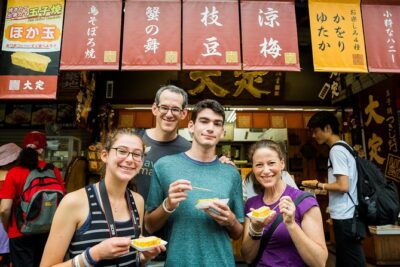 ★ 5.0Tokyo Tsukiji Fish Market Food and Culture Walking TourFrom $993,184 reviews
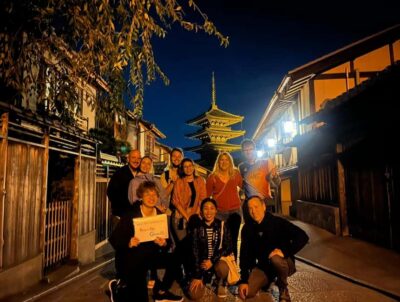 ★ 4.9Gion Magical Night Walking Tour with Geisha TriviaFrom $242,393 reviews
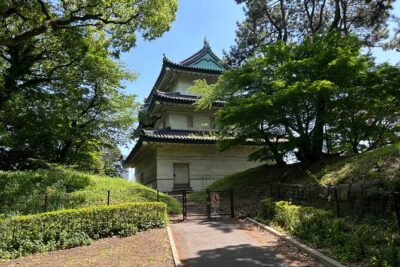 ★ 5.0Imperial Palace and Shogun Historical Walking TourFrom $222,251 reviews
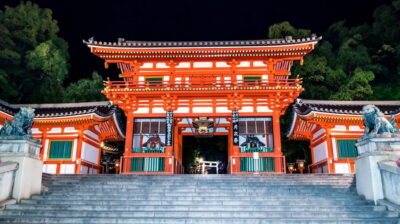 ★ 4.7Gion Geisha District Walking Tour – Stories of GeishaFrom $202,187 reviews
 ★ 4.5Night Walk in Gion: Kyoto’s Geisha DistrictFrom $212,003 reviews
 ★ 4.9Shinjuku Local Bar and Izakaya Guided Walking TourFrom $341,794 reviews
 ★ 5.0Tsukiji Fish Market Food and Walking tourFrom $301,724 reviews
Filed on these lists too