
REVIEW · JAPANESE CRAFT AND CALLIGRAPHY WORKSHOPS
Otsu-e Folk Art Workshop & Local Culture Walk Near Kyoto
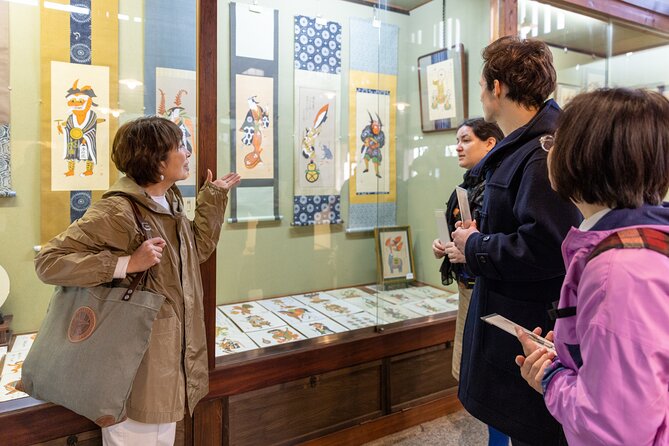
Otsu-e turns art into a keepsake. I love the hands-on Otsu-e workshop where you paint a Oni Bell (or Three Wise Monkeys) to take home, and I love the slow stroll through old Otsu streets with real snack stops. The only catch is that train fare from Kyoto and lunch are not included.
Led by Otsu native Misato Takahashi, this private tour ties the craft to local family lines like Wado Takahashi and Takahashi Shozan, and it starts at Otsu Station before heading to Ichie Wado for the main session. You’ll also get story context at places like Kekaiji Temple’s ginkgo trees, once a landmark for boats on Lake Biwa.
In This Review
- Key things to look forward to
- Otsu-e craft plus a real Otsu street walk
- Meet Misato Takahashi and the Takahashi Shozan line
- The 3.5-hour route, stop by stop in Otsu
- 1) Otsu Station, North ticket gate
- 2) Kekaiji Temple ginkgo trees, Kyomachi 3-chome
- 3) Mochihyo sweets shop on the Old Tokaido Road
- 4) Senmaruya dried food store on Nakamachi Street
- 5) Hirai Shoten in the Maruya-cho shopping arcade
- 6) Otsu Festival Hikiyama Exhibition Pavilion
- 7) Otsu Hyakuchokan, preserved machiya merchant house
- Ichie Wado workshop time: paint your own Otsu-e
- What you’ll paint
- Welcome tea and sweets
- Take-home souvenir payoff
- Otsu’s food and craft culture, stitched together by one guide
- Mochi and sweets: energy before the brush work
- Pickles and the everyday diet angle
- Street-level culture, not museum-only culture
- Price and value: is $104.51 worth it?
- Practical tips for a smooth Kyoto to Otsu half-day
- Should you book this Otsu-e workshop and culture walk?
- FAQ
- How long is the Otsu-e Folk Art Workshop & Local Culture Walk near Kyoto?
- What is included in the workshop price?
- Are train fares and lunch included?
- Where does the tour start and end?
- What should I expect to see during the local culture walk?
- Do I need to buy admission tickets for the included sights?
Key things to look forward to
- Hands-on Otsu-e painting: make a Lucky Oni Bell or Three Wise Monkeys to take home
- Misato Takahashi’s local lineage: the story is connected to the Takahashi Shozan line
- Temple landmark moment: Kekaiji Temple ginkgo trees once guided boats on Lake Biwa
- Old-street snack and shop stops: sweets, dried foods, pickles, and a long-running sake shop
- Merchant-house and festival sights: a preserved machiya at Otsu Hyakuchokan, plus a float display
- Private, English-friendly pacing: only your group, with an English-speaking professional guide
Still weighing up options in Otsu? These are the ones our reviewers rated highest.
- Private Japanese Home Cooking Class in Kyoto with Michiyo
★ 5.0 · 55 reviews
Otsu-e craft plus a real Otsu street walk
This is the kind of Kyoto-area day trip that feels less like a checklist and more like how locals might spend an afternoon. You start in Otsu, near Kyoto, and you move through temple grounds, old roads, merchant arcades, and small specialty shops. Then you end where the craft actually happens, at Ichie Wado, with a serious hands-on painting session.
What makes this work for you is the mix. You get explanation for what you see, but you also get a finished object in your hands at the end. It’s not just standing around watching, and it’s not just shopping either, because the route repeatedly circles back to Otsu-e and how it grew into a local tradition.
Meet Misato Takahashi and the Takahashi Shozan line
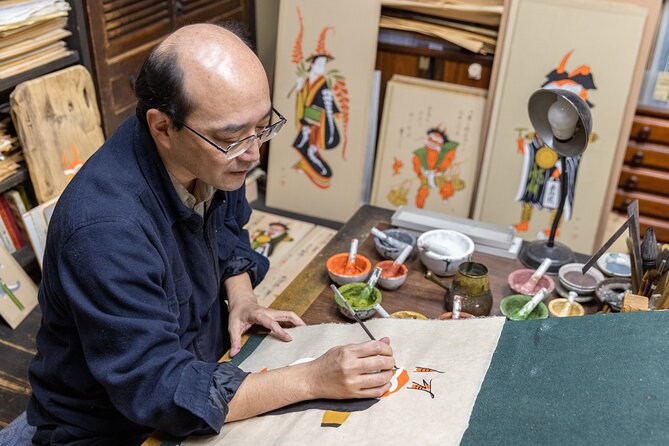
Misato Takahashi is the guide here, and the tour leans hard into her connection to Otsu-e. She’s an Otsu native and has ties to the Wado Takahashi family, with Otsu-e linked to the Takahashi Shozan master family. That matters because Otsu-e isn’t presented like a generic craft, it’s presented like a living local practice that has been passed down for centuries.
The tour frames Otsu-e as a tradition that began in this area about 400 years ago. You’ll hear the ideas and symbols behind what you’re painting, not just the steps. That’s why this tour feels different from many “make something” classes. You’re not only learning technique, you’re learning why that technique became part of Otsu’s everyday identity.
The 3.5-hour route, stop by stop in Otsu
The walk portion is designed to be easy to follow and not exhausting. You’re looking at short stop times, with most segments around 10 minutes, plus a longer 20-minute cultural house tour and a 1.5-hour workshop at the end.
1) Otsu Station, North ticket gate
The tour kicks off at Otsu Station at the North ticket gate. From there, you set the tone: a quick orientation, then straight into the old-town flow.
A practical note: even though you’re meeting at Ichie Wado as the start and end address, the walking portion begins at Otsu Station. So keep an eye on the exact start instructions you get at booking time.
2) Kekaiji Temple ginkgo trees, Kyomachi 3-chome
Next comes a viewpoint moment with context. The ginkgo trees at Kekaiji Temple used to be a remarkable landmark for boats on Lake Biwa.
This stop is short, but it’s a good example of the tour’s style. You’re not just passing a pretty tree, you’re learning how the area functioned before everything was mapped by GPS.
3) Mochihyo sweets shop on the Old Tokaido Road
At Mochihyo, you pick up Japanese sweets that you’ll enjoy before you paint. The shop sits facing the Old Tokaido Road, which gives the walk a nice sense of historic continuity.
If you’re the type who likes pacing with small breaks, this works well. A quick sweet first means you’re not trying to start a focused workshop on empty energy.
4) Senmaruya dried food store on Nakamachi Street
Then you stop at Senmaruya, a long-standing dried food store on Nakamachi Street. The idea is the same: small local pick-up moment, this time centered on ingredients and snacks that support Japanese cooking.
This is also where you get a feel for Otsu’s everyday market culture. It’s not formal sightseeing, it’s more like browsing with a purpose.
5) Hirai Shoten in the Maruya-cho shopping arcade
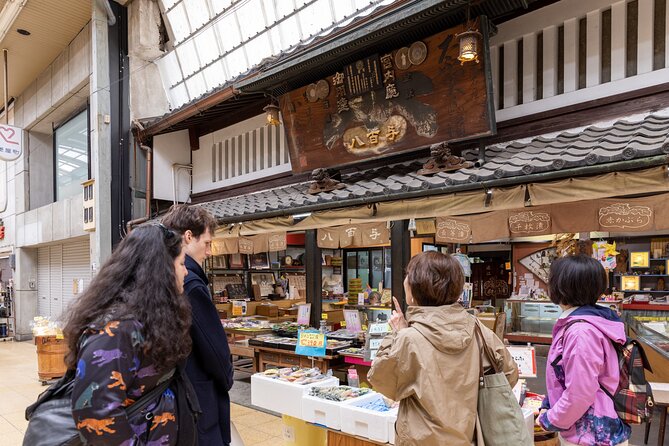
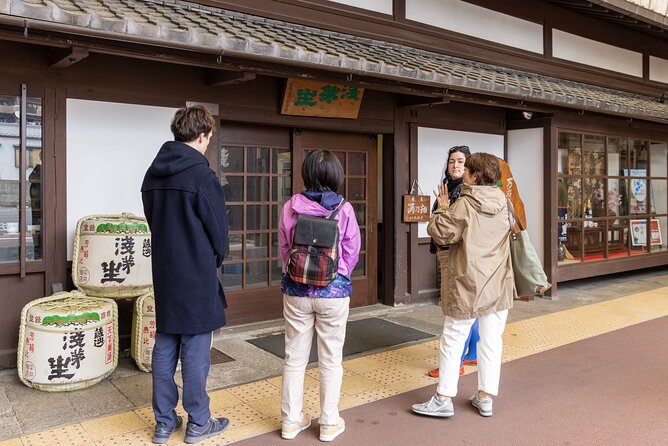
Hirai Shoten is next, a sake brewery with 365 years of history. You’ll learn about the local sake brand in a setting that feels built for foot traffic.
Even if you don’t drink sake, I like this stop because it connects Otsu-e to the broader idea of local production. Food and craft traditions tend to share the same local networks, and this gives you one more piece of the puzzle.
6) Otsu Festival Hikiyama Exhibition Pavilion
Now you shift from daily goods to something seasonal. In Maruya-cho shopping arcade, you’ll see an actual float from the Otsu Festival in an exhibition pavilion.
This adds useful context because Otsu-e is a folk art tradition, and festivals are where folk art themes often show up in big public ways. The float display helps you see why these designs can matter beyond a workshop wall.
7) Otsu Hyakuchokan, preserved machiya merchant house
At Otsu Hyakuchokan, you get a guided house tour. This is an old typical Otsu machiya merchant house that’s well preserved, and the admission is included.
This stop is especially valuable if you care about how people lived and sold goods in old Otsu. The house tour gives you an architectural and social backdrop for the street stops you’ve already seen. It turns the shopping arcades into something more meaningful.
Ichie Wado workshop time: paint your own Otsu-e
The main event happens at Ichie Wado Seminar House, and it lasts about 1 hour 30 minutes. You’ll watch a presentation on Otsu-e history and features, then you sit down to paint your own project.
What you’ll paint
You’ll create the Lucky Oni Bell or the Three Wise Monkeys version. The included workshop is designed around those specific motifs, so the instruction is focused and you’re not guessing what to do.
Welcome tea and sweets
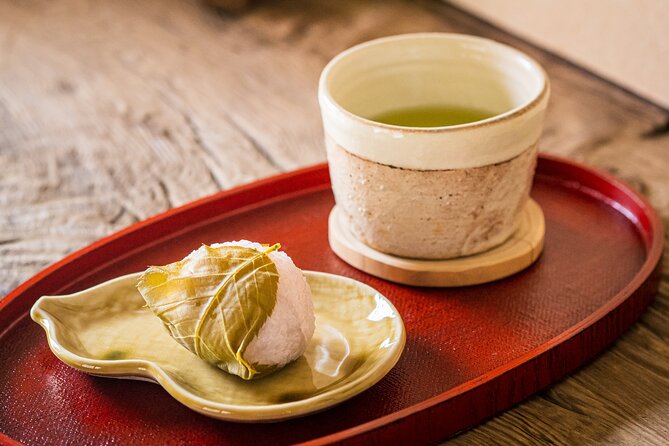
Before you start painting, there’s welcome tea and sweets. The earlier shop stops that collected snacks are part of this, so the whole arc feels planned rather than random.
This is a small detail, but it improves the experience. When the class begins with tea and a snack, the workshop feels like a local gathering rather than a timed school assignment.
Take-home souvenir payoff
The workshop includes original Otsu-e souvenirs. So even if you’re cautious about painting, you still leave with something that reflects the craft tradition, and not just a single sheet of paper.
For me, this is where the value is strongest. You’re paying for a structured experience with a physical result, plus the context that makes the result feel like it belongs to Otsu.
Otsu’s food and craft culture, stitched together by one guide
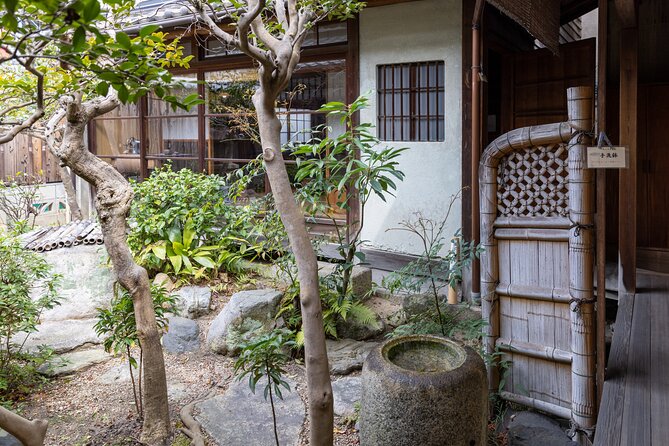
A lot of this tour is about small, specific local shops. You’re picking up sweets, dried foods, and even a seasonal pickle for later. Those stops might sound “snacky” at first, but they do more than fill time.
Mochi and sweets: energy before the brush work
The Mochihyo stop matters because painting needs patience. If you arrive hungry, the workshop can feel slower. Starting with something sweet helps you keep a calm rhythm while you focus on details.
Pickles and the everyday diet angle
Yaoyo is the pickle shop, and you’ll pick a seasonal pickle. Japanese pickles are a huge part of everyday eating, not just a side dish, and this stop nudges you toward that perspective.
Street-level culture, not museum-only culture
You also get non-food culture points at the Otsu Festival float exhibition and the Hyakuchokan machiya house. Put together, the route gives you two kinds of context: how Otsu produces, and how Otsu celebrates.
If you’re trying to understand Otsu as a town rather than as a backdrop to Kyoto day trips, this combination works well.
Price and value: is $104.51 worth it?
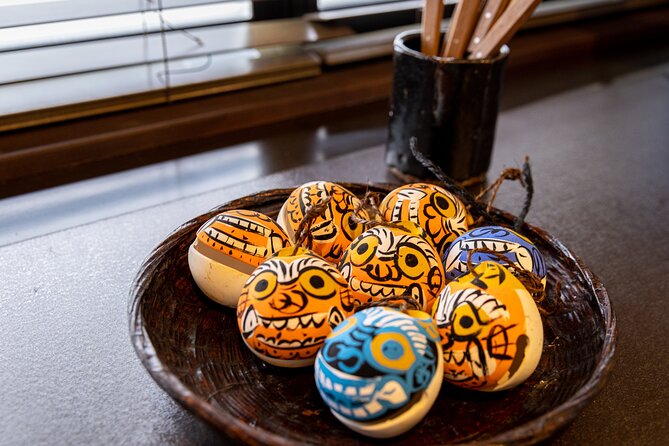
At about $104.51 per person, this is not a cheap stop-and-go class. But it also isn’t just a casual craft. You’re paying for an English-speaking professional guide, a 1.5-hour Otsu-e painting workshop, included admission fees for key sights, and local taxes. You also get welcome tea and sweets and local snacks along the route.
The two costs you should plan for are outside the package. Train fare from Kyoto to Otsu is not included, and lunch is not included. The tour does mention the Kyoto connection is quick, about a 10-minute train ride from Kyoto Station, but you still need to budget for that ticket.
Where the value really lands for you is if you want:
- a finished Otsu-e art piece you can take home
- a guided walk that explains what you’re looking at
- included entry to the Hyakuchokan and the float exhibition
If you only want a quick photo stop, this may feel like too much effort for too little payoff. If you like learning while making, it’s a strong fit.
Practical tips for a smooth Kyoto to Otsu half-day
This tour runs about 3 hours 30 minutes. That length is long enough to feel like a full experience, but short enough to still enjoy Kyoto later.
You’ll want moderate physical fitness. Most stops are short, but you are moving through public areas and shopping arcades. Comfortable shoes make a big difference, especially because the route includes walking between multiple small locations.
Because you’re near public transportation, you’re not locked into a complicated itinerary. The key is to confirm which meeting point direction you’re using. The experience lists Ichie Wado Seminar House as the start and end address, while the itinerary describes the start at Otsu Station at the North ticket gate. When in doubt, follow the exact instructions in your booking details and bring up the map on your phone.
One more practical note: the tour includes snacks and seasonal items like pickles and sweets. If you have specific dietary restrictions, you’ll want to check with the operator before you go.
Should you book this Otsu-e workshop and culture walk?
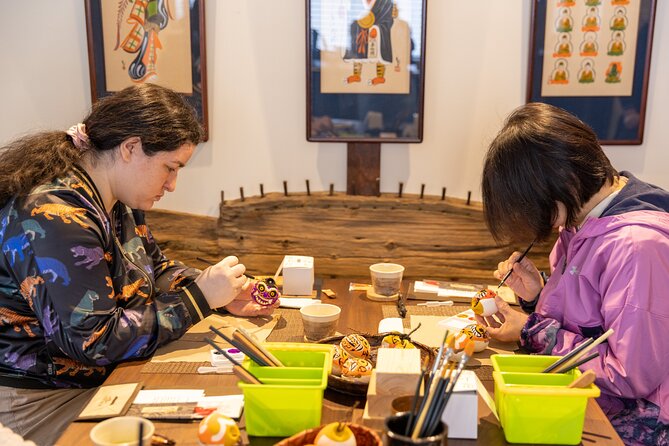
Book it if you want a Kyoto area day that feels local and hands-on. The standout reason is the Otsu-e painting workshop with Lucky Oni Bell or Three Wise Monkeys, paired with a guided walk that uses food shops, a preserved machiya house, and festival culture to explain the town’s identity.
Don’t book it if you’re only looking for a quick sightseeing hit, or if you don’t want to add extra costs for transport from Kyoto and a separate lunch. Also skip it if you dislike structured walking with multiple short stops, because the rhythm is built around movement and timing.
If you want an art souvenir that comes with context, and you like the idea of learning Otsu-e through the town itself, this is a smart choice.
FAQ
How long is the Otsu-e Folk Art Workshop & Local Culture Walk near Kyoto?
It’s about 3 hours 30 minutes.
What is included in the workshop price?
You get an English-speaking professional guide, the Otsu-e painting workshop (Lucky Oni Bell or Three Wise Monkeys), original Otsu-e souvenirs, welcome tea and sweets, local snacks, and admission fees to Otsu Hyakuchokan and the Otsu Festival float exhibition pavilion (or alternative places), plus local taxes.
Are train fares and lunch included?
No. Train fares are not included, and lunch is not included.
Where does the tour start and end?
The meeting point is Ichie Wado Seminar House in Kozekichō, Otsu, and the tour ends at the same venue. The itinerary also notes that the tour starts from the North ticket gate of Otsu Station.
What should I expect to see during the local culture walk?
You’ll visit places like Kekaiji Temple’s ginkgo trees, Mochihyo sweets shop, Senmaruya dried food store, Hirai Shoten sake brewery, the Otsu Festival Hikiyama Exhibition Pavilion, Otsu Hyakuchokan (a preserved machiya merchant house), Yaoyo pickle shop, and Otsu Enomise (Otsu-e no Mise).
Do I need to buy admission tickets for the included sights?
No. Admission fees to Otsu Hyakuchokan, the Otsu Festival float exhibition hall, and other alternative places are included.
Newest Otsu write-ups from the Loving Japan desk
Japanese Craft and Calligraphy Workshops, side by side.
 ★ 5.0Tokyo Shinjuku Chopsticks Making ClassFrom $201,763 reviews
 ★ 4.8Chopstick Making Workshop in GinzaFrom $251,366 reviews
 ★ 5.0Chopsticks Making Workshop in Gion with Engraving OptionFrom $15958 reviews
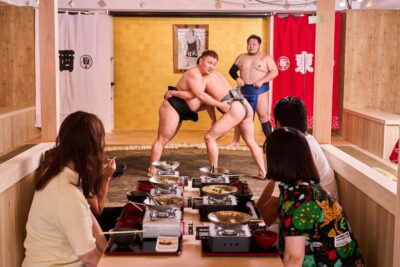 ★ 4.8Tokyo Sumo Experience: Chanko & Mochi with a Former ProFrom $103567 reviews
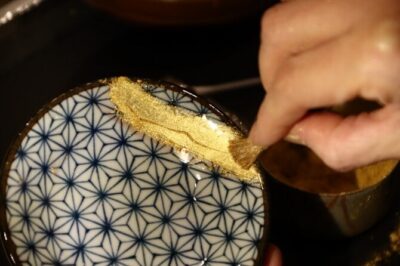 ★ 5.0Kintsugi Experience: Art of Golden Joinery in TokyoFrom $59467 reviews
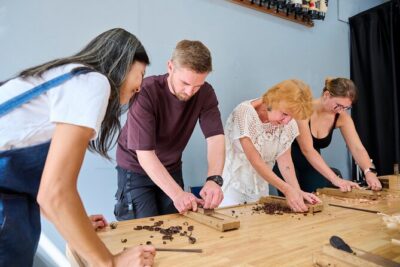 ★ 5.0Tokyo Chopstick Making Workshop with ArtisanFrom $26466 reviews
 ★ 4.9Matcha Making Experience with Mochi Sweets in AsakusaFrom $22388 reviews
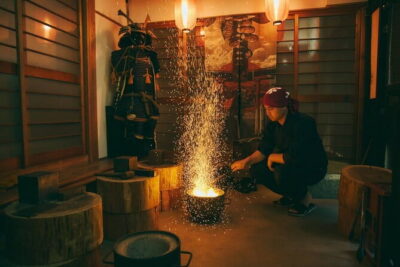 ★ 4.8Authentic knife making experience at a blacksmith in KyotoFrom $154350 reviews
Filed on these lists too