
REVIEW · WALKING TOURS
Private Osaka Walking Tour: Highlights & Hidden Gems
Osaka makes sense fast with a local plan. I love the tailored route built around your interests, and I also like the way it guides you into lesser-known shrine moments instead of only big-ticket stops. A passionate host plus a pre-tour questionnaire means you spend time where you actually want it.
One thing to plan for: this is a true walking experience. If you have mobility issues, tell your guide early and be ready for some public transport or taxis for transfers, since food and entry fees are not included.
In This Review
- Key points
- How this Private Osaka Walking Tour Feels Personal (Not Generic)
- Where You Start in Osaka: Meeting Point Near Nanbanaka
- The Island Oasis Stop: Early 20th-Century Calm and Art-Museum Walks
- Umeda Department Store Detour and the White Umeda Underground Maze
- Shopping Arcade Time: Souvenirs, Cafés, and Character Goods
- Namba Shrines: The Lion Structure for Luck and Hozenji Water Blessings
- Shitennoji Temple: Osaka’s Buddhist Roots Since 593
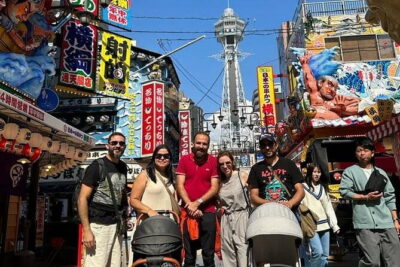
- Amerikamura and Dotombori: Youth Culture Meets Neon Canal Nights
- Walking Pace, Transfers, and How to Avoid the Day Drag
- Price and Value: Is $81.07 a Good Deal?
- Who This Tour Suits Best (And Who Might Want Something Else)
- Should You Book This Private Osaka Walking Tour?
Key points
- Personalization first: you fill out an online questionnaire, and your route is adjusted to your interests
- Iconic plus off-script: major areas like Namba and Dotombori, paired with quieter shrine corners
- Great for first timers with a twist: you get Osaka landmarks and also local-feeling streets
- Walkable districts, practical pacing: the itinerary works for 2 to 8 hours, with flexible start times
- Shopping that feels local: department store detours plus arcade strolling and character-goods browsing
Still weighing up options in Osaka? These are the ones our reviewers rated highest.
- Osaka Go Karting Tour with Funny Costume
★ 5.0 · 2,658 reviews - Osaka Castle: Museum and Tower Entry Ticket
★ 4.5 · 2,380 reviews - Osaka: Shinsekai Food Tour with 13-15 Dishes at 5 Eateries
★ 4.8 · 2,204 reviews - Osaka Food Tour: 13 Dishes at 5 Local Eateries
★ 5.0 · 2,149 reviews
How this Private Osaka Walking Tour Feels Personal (Not Generic)
This tour stands out because you are not getting a fixed script. After booking, you answer a short questionnaire about what you want to see, what you want to skip, and any must-dos. Then your City Unscripted guide reaches out to shape a day that matches your pace and interests, whether that is temples, neighborhoods, shopping, or stories that connect it all.
You also get the practical benefits of a private format. Your group is just you, so you are not stuck moving at someone else’s speed. In the same spirit, multiple guides on this program are known for going above and beyond, like Max helping explain how to use Osaka transit and even pointing out places to eat right after the tour. If your brain likes logistics, you will appreciate that kind of on-the-spot guidance.
The biggest value is time. For a city as changeable as Osaka, a local host can help you avoid wasted effort, like crossing the city when your interests could be handled more efficiently in a tighter area.
Where You Start in Osaka: Meeting Point Near Nanbanaka
You meet at DAISO2-chōme-2-17 Nanbanaka, Naniwa Ward, Osaka. The tour ends back at the meeting point, so you always know where you will be able to regroup after the walk.
This area is useful because it is close to public transportation. The tour is near transit, which matters for a walking day. If you want to shorten distance, add a rest stop, or use a taxi for a transfer, your guide can build it into the flow. That flexibility shows up in how guides handle requests for convenience when people have sore knees or limited stamina.
If you are planning your day around other reservations, give yourself a cushion. The end location being the same as the start makes the timing easier to manage, but you will still want to account for walking pace and the occasional detour to a specific street you asked to see.
The Island Oasis Stop: Early 20th-Century Calm and Art-Museum Walks

One scheduled highlight is a quiet island-area stroll. Expect art museums, early 20th-century architecture, and a park setting that feels like a late-morning pause from the louder parts of Osaka.
This stop is more than a break. It helps you understand Osaka as a city with balance, not only shopping streets and neon signage. When you walk through areas with calmer lines and older buildings, the city’s personality becomes easier to read. It is also a good moment for photos that do not look like you just emerged from a crowd.
The drawback is weather and pace. If it is hot, humid, or rainy, you may want to plan water and consider taking a slower route if your guide offers transit shortcuts. Since the tour is walking-only and food is not included, it is smart to treat this stop as a reset, not a replacement for meals.
- Osaka Go Karting Tour with Funny Costume★ 5.0 · 2,658 reviews
- Osaka Castle: Museum and Tower Entry Ticket★ 4.5 · 2,380 reviews
- Osaka: Shinsekai Food Tour with 13-15 Dishes at 5 Eateries★ 4.8 · 2,204 reviews
- Osaka Food Tour: 13 Dishes at 5 Local Eateries★ 5.0 · 2,149 reviews
- Hungry Osaka Street Food Tour:15 Tastings & 3 Drinks with a Local★ 5.0 · 1,727 reviews
Umeda Department Store Detour and the White Umeda Underground Maze
Later, you head toward one of Osaka’s largest department stores. This is a smart stop because department stores in Japan are not just for shopping, they are mini-worlds. You can browse, people-watch, and feel Osaka’s consumer culture in a structured indoor environment.
Then comes the White Umeda underground shopping mall. This is the kind of place where you can easily lose track of time, and that is exactly why it works in a guided format. A guide can help you focus on what matters to you: souvenirs, seasonal displays, character items, or practical shopping.
Why this matters for value: shopping arcades and underground malls can be confusing if you do not know the layout. A local host can save you time by steering you to the corridors that match your interests.
Possible consideration: this stop is indoors, so it is great on rainy days, but it can feel like sensory overload if you are already tired from walking. If you prefer calmer browsing, tell your guide early. A good guide will pace it.
Shopping Arcade Time: Souvenirs, Cafés, and Character Goods
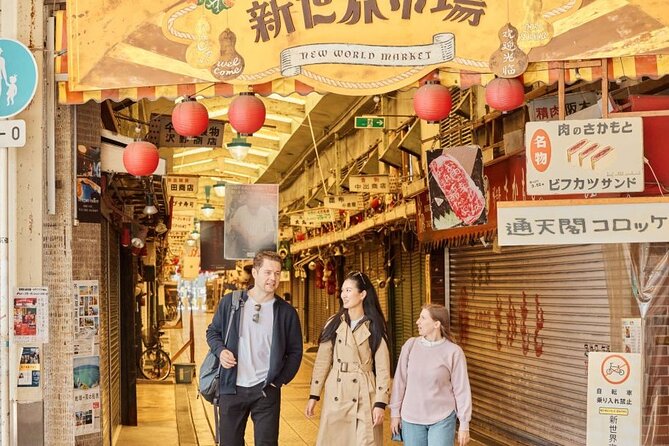
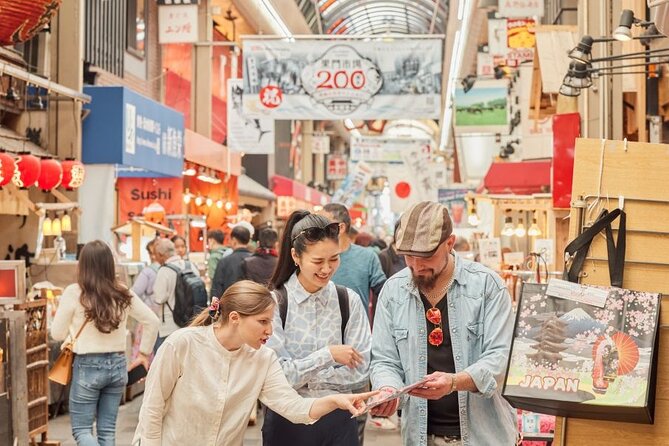
Osaka is famous for shopping streets, and this itinerary includes one of the city’s top arcade-style corridors. Expect shops, cafés, restaurants, and character goods, which makes it a strong choice if you want practical travel souvenirs without hunting around.
This part of the day works well because it sits at the intersection of local routine and visitor convenience. You get a lively street experience, but it is still navigable on foot compared to sprawling districts.
If you are traveling with family, this segment is also flexible. A guide can help you spot kid-friendly snack options and keep the group from splitting. I have seen hosts on this program described as accommodating for family needs, and that usually comes from good pacing plus quick route adjustments.
The main drawback is spending. Shopping arcades invite impulse buys. Set a rough budget before you start, so you do not accidentally turn a 10-minute browse into a full hour.
Namba Shrines: The Lion Structure for Luck and Hozenji Water Blessings
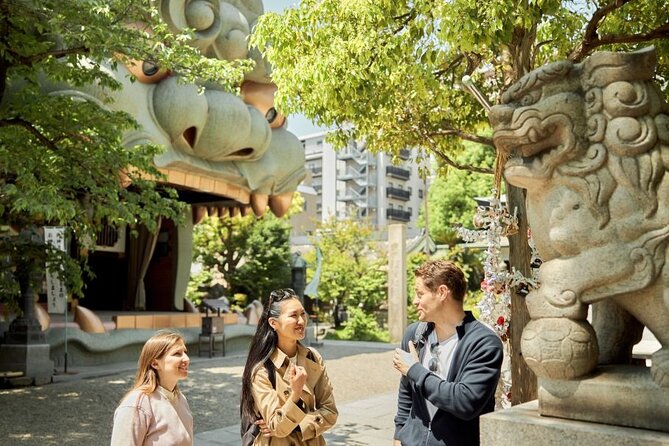
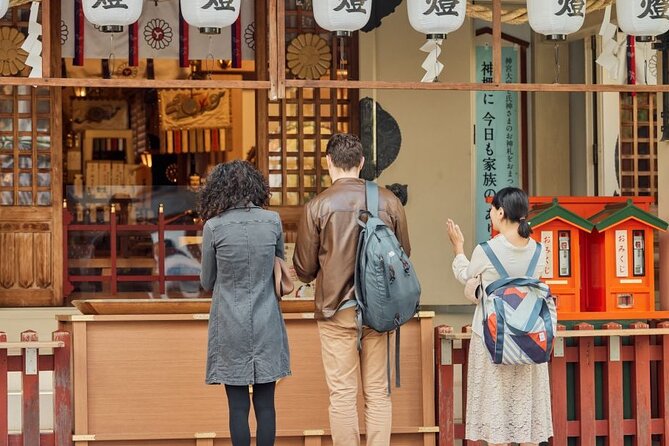
Osaka has a soft side, and Namba delivers it through shrines that feel close to everyday street life. One stop highlights a unique shrine in Namba featuring a massive lion-shaped structure, believed to devour evil spirits and bring good luck. Even if you do not follow the belief system, the symbolism is easy to appreciate, and the setting is memorable.
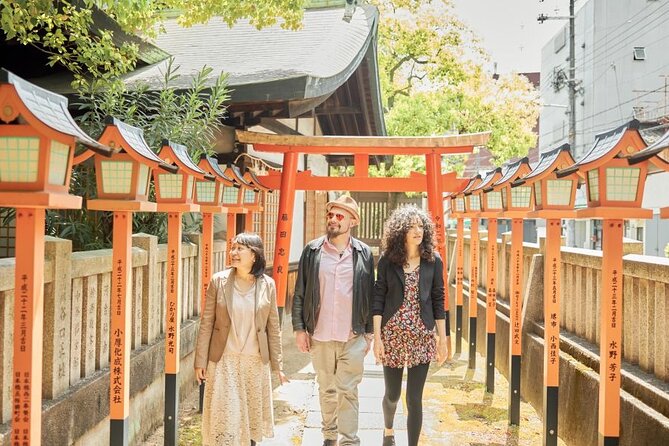
Then you step into Hozenji Temple area. Here, there is a moss-covered statue of Fudomyoo where visitors pour water for blessings. This is the kind of ritual that is simple to participate in, even if you are not sure what you are doing at first. Your guide can explain what the act represents and what you might want to watch for in terms of etiquette.
Why these stops are worth your time: they break up Osaka’s shopping and entertainment zones with something human-sized and story-driven. It also gives your photos meaning, not just scenery.
Consideration: temples and shrine areas can be crowded depending on the time of day. If you want quieter moments, mention that in your questionnaire. A good guide will try to steer the schedule to match your preference.
Shitennoji Temple: Osaka’s Buddhist Roots Since 593
Shitennoji is on the itinerary as a major historic stop. It is Japan’s oldest official temple, founded in 593, and it is a key site in the introduction of Buddhism to the country. Even if you are not a religion-history person, the temple grounds offer a grounded pause in the middle of a modern city.
What you will get from a guide here is context. Facts matter, but the real payoff is learning how to look at the place. You will notice the layout, the mood of the grounds, and why a site like this became so important.
The trade-off is time on foot. Temple visits reward slower walking, but your overall tour length may be limited to 2 to 8 hours. If you book a shorter duration, your guide may compress time here compared to a longer day. If Shitennoji is a top priority, book longer so you are not constantly checking the clock.
Amerikamura and Dotombori: Youth Culture Meets Neon Canal Nights
After temples, the itinerary shifts to Osaka’s modern identity. Amerikamura is the heart of American-inspired youth culture, with indie music energy, hipster fashion, galleries, and thrift shops. If you like browsing styles and street art-adjacent scenes, this is a great counterpoint to the shrine and temple stops.
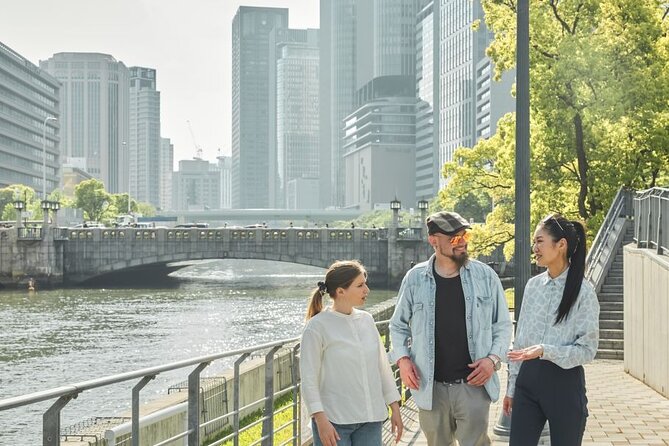
Then you finish with the iconic canal scene, illuminated by neon lights. Dotombori’s arcades and entertainment district sit nearby, and the whole area feels like Osaka performing in lights and motion.
This pairing is smart because it shows two sides of the city in one arc. Temples slow you down, Amerikamura lets you look around, and Dotombori turns the volume up. You leave with a sense of Osaka as a city that plays with contrasts.
Main consideration: this area is popular. If you want calmer photos or less crowd pressure, go into it with realistic expectations and ask your guide for a route that reduces backtracking.
Walking Pace, Transfers, and How to Avoid the Day Drag
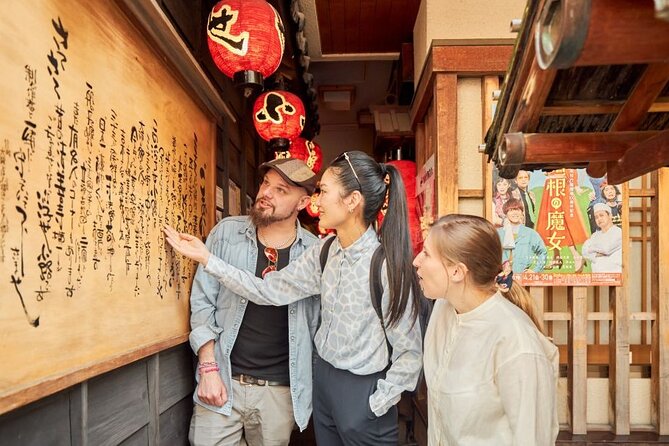
This is a walking experience, so comfort matters. You should wear good shoes because a four-hour version can still mean a lot of steps, especially if your guide tries to hit multiple neighborhoods efficiently.
The tour can also use public transport or local taxis for transfers if requested. That matters if you have knee issues or need occasional breaks. In past experiences with guides like Maria, people have used public transport and Uber-like solutions as needed, which is exactly the kind of flexibility you should ask for if your body has limits.
Here are practical ways to make the day smoother:
- Tell your guide up front if you have sore knees, blisters, or a tight walking limit
- Ask about transit options early, not halfway through the day
- Carry water, since food and drinks are not included
If you like transit basics, you may also enjoy how guides explain systems. For example, Kai has been noted for helping with ICOCA cards, which can reduce stress when you are moving between districts.
Price and Value: Is $81.07 a Good Deal?
At $81.07 per person, this is not a bargain-priced “see everything with a bus” tour. But it is private, tailored, and flexible, which changes the math.
Think about what you get:
- A private local guide
- A personalized itinerary shaped by your questionnaire
- Flexible durations and start times (2 to 8 hours)
- Pickup if you are centrally located
- Mobile ticket
So the value depends on how long you book. If you take the shorter end, the cost per hour is higher. If you book longer, the cost per hour drops and you get more time for detours, extra questions, and the kind of pacing that keeps you from rushing through temples or shopping streets.
Food and drinks are not included, and attraction entry fees are not included either. That is normal for a walking tour, but it means you should budget for meals. The upside is that you can choose what fits your diet and cravings in the moment.
If you are a first-timer and want both classic Osaka and local-feeling streets, this price can make sense fast. You are paying for time saved, confusion avoided, and stories explained.
Who This Tour Suits Best (And Who Might Want Something Else)
This is a strong fit if you want:
- A private day plan, not a group shuffle
- A blend of temples, shopping, and street-level Osaka
- A guide who can adjust pacing to your needs
- A route built around your interests, not the tour operator’s checklist
It is also a good choice for families who want a mix of sights and shopping stops. There have been guides praised for accommodating family needs and helping with practical things like where to shop and what to eat.
It may be less ideal if you dislike walking or prefer mostly indoor stops with minimal movement. Since it is a walking experience, you will still be on your feet for long stretches, even with transfers.
If you already have a tight schedule and you only want one neighborhood, you might prefer a shorter, more focused tour. But if you want a broad first day that teaches you how Osaka hangs together, this format works well.
Should You Book This Private Osaka Walking Tour?
I think you should book it if you want the city explained in human terms, with a route that can bend to your interests. The best reason to choose this is the combination of personalization and variety: Namba and Dotombori energy, Hozenji Temple ritual moments, Shitennoji’s deep roots, and shopping you can actually enjoy instead of rushing through.
I would skip it only if walking for hours sounds miserable or you want food and entry fees included in one tidy package. Otherwise, grab a longer duration, wear shoes you trust, and use that questionnaire to steer your day toward what you truly came to see.
Newest Osaka write-ups from the Loving Japan desk



Walking Tours, side by side.
 ★ 4.7Kyoto Geisha Walking Tour: Gion District & Hidden GemsFrom $253,273 reviews
 ★ 5.0Tokyo Tsukiji Fish Market Food and Culture Walking TourFrom $993,184 reviews
 ★ 4.9Gion Magical Night Walking Tour with Geisha TriviaFrom $242,393 reviews
 ★ 5.0Imperial Palace and Shogun Historical Walking TourFrom $222,251 reviews
 ★ 4.7Gion Geisha District Walking Tour – Stories of GeishaFrom $202,187 reviews
 ★ 4.5Night Walk in Gion: Kyoto’s Geisha DistrictFrom $212,003 reviews
 ★ 4.9Shinjuku Local Bar and Izakaya Guided Walking TourFrom $341,794 reviews
 ★ 5.0Tsukiji Fish Market Food and Walking tourFrom $301,724 reviews
Filed on these lists too