
REVIEW · SHIBUYA, SHINJUKU AND HARAJUKU WALKS
SAMURAI EXPERIENCE in Tokyo(Harajuku)【SAMURAI’ve】
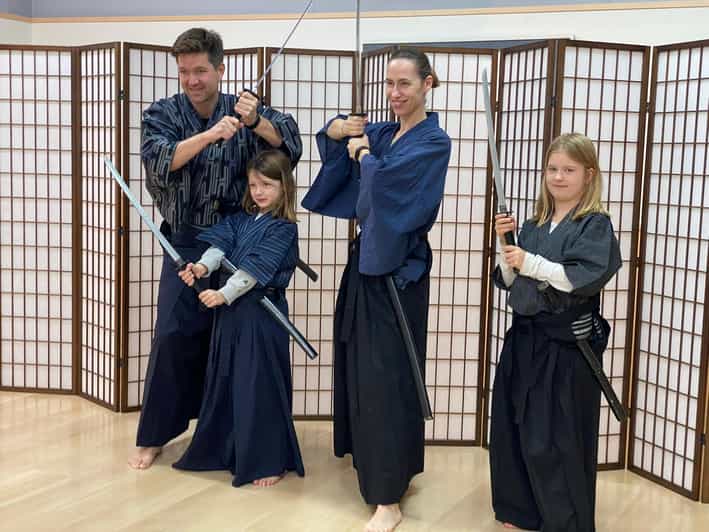
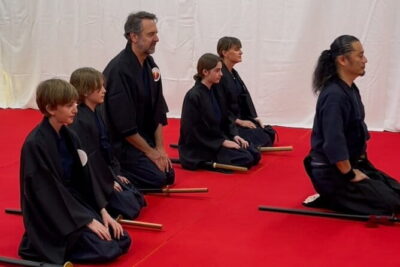
Tokyo samurai training feels oddly real. You start with a kitsuke kimono dressing lesson, then learn Reigi sahou etiquette so your sword practice has proper form and attitude. The only real catch is that it’s a one-hour session, so it’s beginner-friendly and fun, not a full-length kendo deep training.
I like that this class keeps the focus on doing, not just watching. It’s also taught at a Tokyo dojo by an instructor active in video and stage productions, which shows in the clear, performance-like way the movements come together. One consideration: it’s not suitable for wheelchair users, and you’ll want comfortable clothes you can move in.
In This Review
- Quick highlights you will care about
- Harajuku Samurai Class: What the One Hour Actually Feels Like
- Finding the Dojo Near Harajuku Stations (Red Door, Second Floor Basement)
- Kitsuke Kimono and Reigi Sahou: Manners Before You Move
- How the Instructor Teaches: Small Group, Clear Coaching
- Basic Sword Moves: Your First Controlled Practice
- Tachimawari: Stylized Sword Sequences Like Sword-Fighting Scenes
- Photoshoot With Sword and Kimono: How to Leave With Great Images
- Price and Value: Why $70 Can Make Sense Here
- Who Should Book SAMURAI’ve in Harajuku
- Practical Tips So You Enjoy Every Minute
- Should You Book This Samurai Experience?
- FAQ
- What is the duration of the Samurai Experience in Tokyo (Harajuku)?
- Where is the meeting point?
- What is included in the price?
- What should I bring?
- Is transportation to the meeting point included?
- Are food and drinks included?
- What languages are the instructors?
- How big is the group?
- Is the activity suitable for children?
- Is the activity wheelchair accessible?
Quick highlights you will care about
- Red-door meeting spot near Harajuku: easy to find, short walk from Kitasando and Harajuku stations
- Kitsuke kimono, done with guidance: you learn how to wear it properly, not just pose in it
- Reigi sahou etiquette: manners and posture are treated as part of the sword skill
- Small group energy (up to 10): plenty of time for hands-on coaching
- Tachimawari sword sequences: stylized, performance-style movements you can try
- Finish with a sword-and-kimono photo shoot: you leave with images that look like a scene
Other routes through the west side of Tokyo, compared
- Tokyo: Shinjuku Food Tour (13 Dishes at 4 Local Eateries)
★ 5.0 · 6,603 reviews - Tokyo Bar Hopping Tour in Shinjuku (All-You-Can-Drink + Dinner)
★ 5.0 · 3,587 reviews - Official Street Go-Kart in Shibuya
★ 5.0 · 3,435 reviews - Tokyo: Shinjuku Food Tour (15 Dishes and 4 Eateries)
★ 4.9 · 2,033 reviews
Harajuku Samurai Class: What the One Hour Actually Feels Like
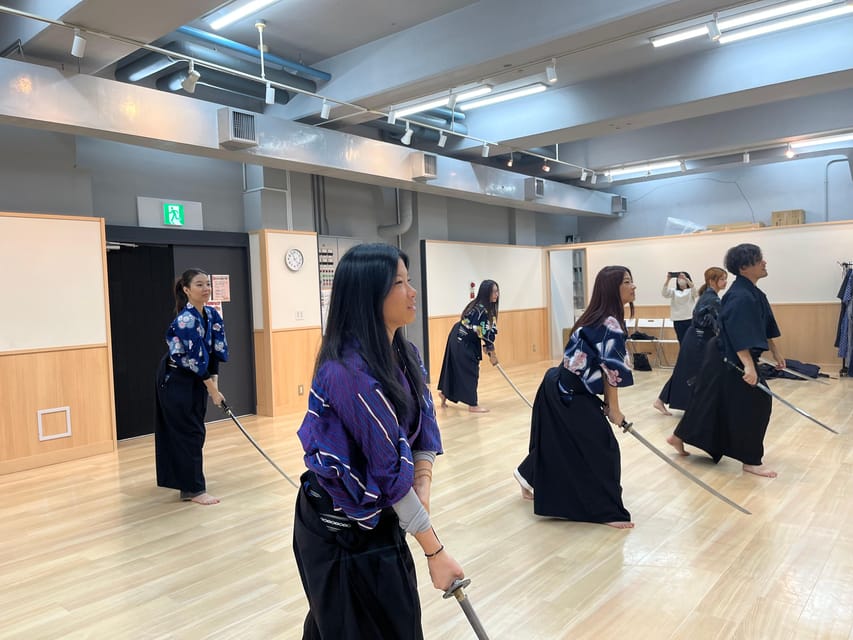
This is a one-hour Tokyo workshop in Harajuku that mixes three things: dressing like a samurai, learning etiquette, and practicing basic sword fighting moves. The overall vibe is equal parts skill-building and performance, so even if you have zero experience, you’ll still feel like you’re part of something cool and disciplined.
I like that the experience doesn’t treat the kimono as a costume add-on. You’re guided into the way samurai-related etiquette and posture work alongside the movements, so the sword part doesn’t feel random.
Keep your expectations aligned. This is not a multi-week martial arts course, and it’s not meant to replace formal kendo training. It’s built for your first taste, with enough structure that you can walk away feeling confident and energized.
Finding the Dojo Near Harajuku Stations (Red Door, Second Floor Basement)
You’ll meet at a dojo in Tokyo that’s easy to miss if you’re not looking for it. The directions are simple: enter through the red door, then go to the second floor basement area.
Timing-wise, plan for a short walk. It’s about a five-minute walk from Kitasandou Station and about an eight-minute walk from Harajuku Station. That makes it a good activity to slot between shopping and dinner, without needing a long buffer.
Practical tip: when you arrive, don’t overthink it. Follow the red-door cue and keep moving down to the second floor basement. A place like this runs on schedule, and getting there early helps you settle before dressing starts.
Kitsuke Kimono and Reigi Sahou: Manners Before You Move
The first real lesson centers on how you act before you swing anything. You meet your qualified instructor at the dojo, and then you begin with samurai manners, or Reigi sahou, as part of the training.
This matters more than you might think. In disciplined martial arts, the idea is that your posture, respect, and controlled movement are part of the technique. Here, you’ll get instruction on what kinds of manners or behavior to use so your actions feel like a samurai style routine, not just random posing.
Then comes the kitsuke part. You put on a kimono using guidance from the instructor, so you’re not stuck wrestling fabric alone. Even if you’ve never worn a kimono before, the process is designed to be learnable in the time you have.
If you’re a visual learner, you’ll probably enjoy this section. The kimono dressing and etiquette basics create a clear before-and-after feeling, so you can tell you’ve truly started the experience once you’re in costume and behaving correctly.
Blade work and stagecraft, other sessions
- Tokyo: Samurai Sword & Archery Class from Samurai Descendant★ 5.0 · 603 reviews
- Best Samurai Experience in Tokyo★ 5.0 · 458 reviews
- Tokyo: Samurai Entertainment Night Show in Kanda Shrine★ 4.6 · 417 reviews
- Tokyo Sword Experience – includes Museum Ticket/Ninja Experience★ 5.0 · 314 reviews
- Samurai Ninja Museum Asakusa: Samurai Sword Lesson & Tour★ 4.8 · 306 reviews
How the Instructor Teaches: Small Group, Clear Coaching
This class runs as a small group, limited to 10 participants. That size is a big part of why it works. You’re close enough to get corrections, and you’re not waiting your turn for long stretches.
The instructor is qualified and active in video and stage productions at the dojo. You can feel that production-friendly approach in how the session is structured: it flows like a mini performance rehearsal, with cues that help you coordinate your body quickly.
Language support is also practical. Instruction is available in English, Japanese, and Chinese, which is great if you want to understand what you’re doing rather than just copy movements silently. Based on the way the experience is described, the teaching tone tends to stay friendly and approachable, which is especially helpful if you’re nervous about trying martial arts.
Basic Sword Moves: Your First Controlled Practice
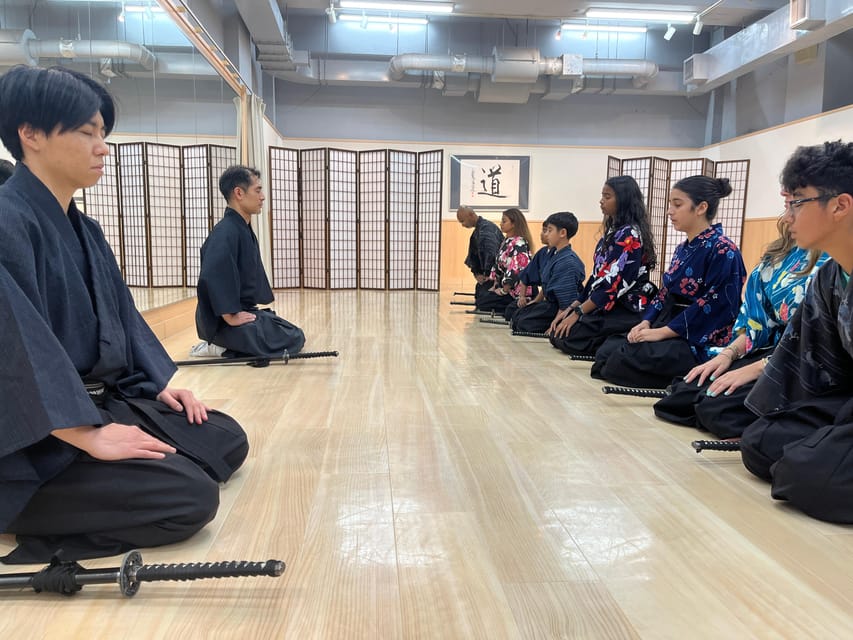
After kimono and etiquette, you move into basic samurai sword fighting moves. The session is designed for a first attempt, so you’re not thrown into advanced techniques. Instead, you learn moves you can understand and repeat during the class.
What’s valuable here is the focus on correct action. The workshop isn’t just about looking cool with a sword. It’s about learning the fundamentals of stance and movement enough that your practice looks intentional.
Because you’re in a small group, you can get feedback while you try. If something feels awkward, you’re more likely to be adjusted quickly, which keeps the momentum going. That matters in a one-hour format, where time can disappear fast if you’re waiting for too long.
Tachimawari: Stylized Sword Sequences Like Sword-Fighting Scenes
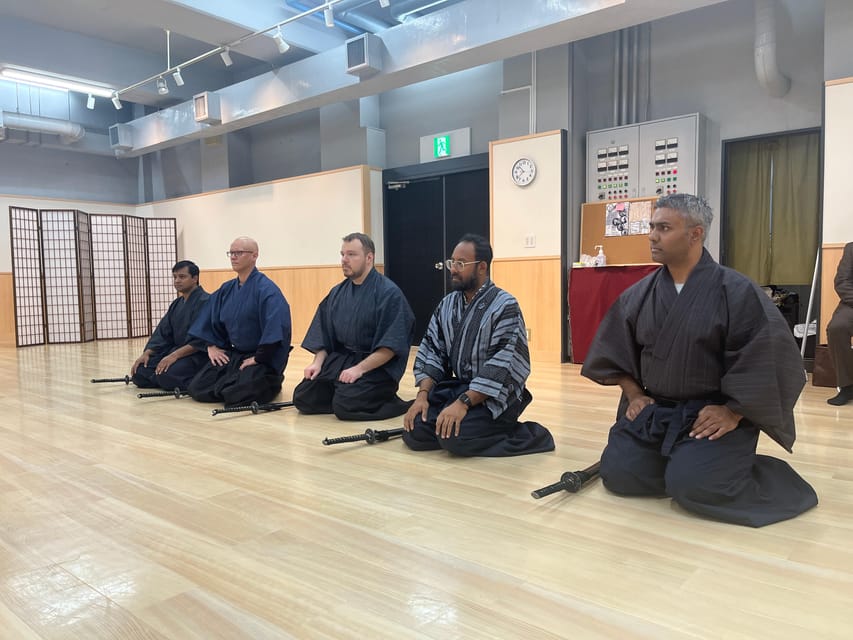
Next up is Tachimawari, described as stylized movements used in sword-fighting scenes. This is the part that tends to turn the training into a memorable moment, because it’s more dynamic than simple drills.
Tachimawari is essentially staged sword choreography. That means the movements are designed to look dramatic and coordinated, while still being teachable for beginners. You’re not expected to have years of muscle memory. You’re expected to learn a sequence, then try it with the group.
This is where you’ll likely feel the most excitement. The class shifts from learning how to stand and move, to putting it together as a short set of action steps. Even if you’re not perfect, you’ll feel like you contributed something real.
A small note for expectations: stylized sequences prioritize flow and presentation. If you’re looking for raw sparring, full-contact intensity, or long-form technique development, this workshop isn’t that kind of training. But if you want the thrill of sword practice with guidance, this is a smart format.
Photoshoot With Sword and Kimono: How to Leave With Great Images
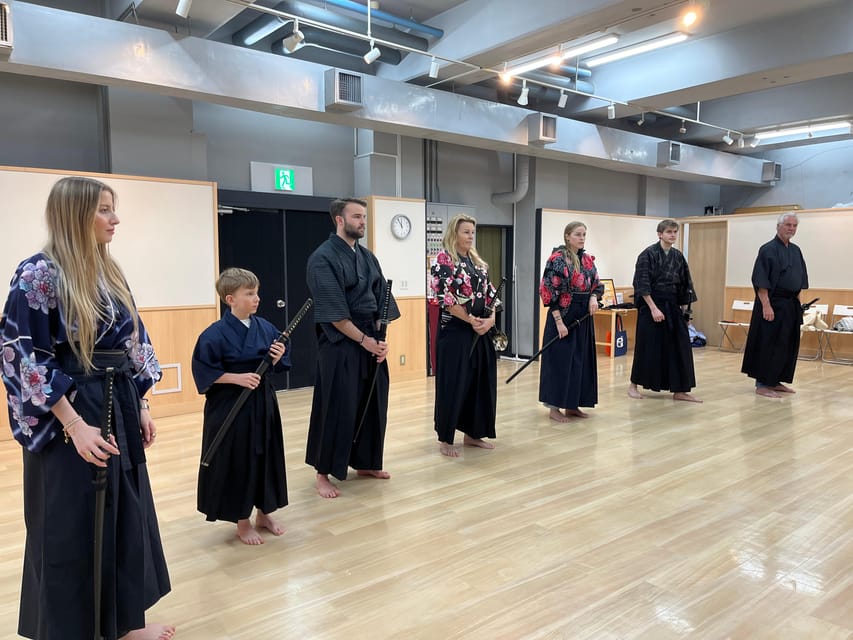
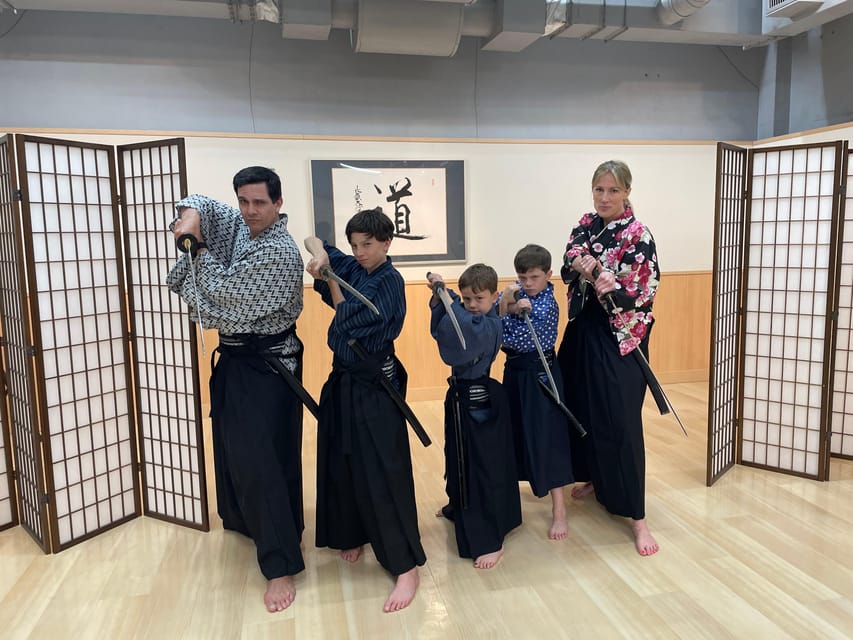
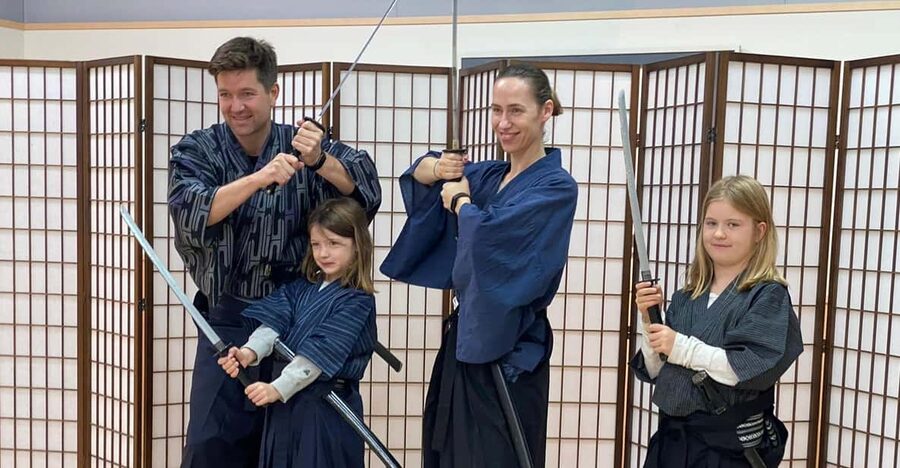
You finish by taking pictures while dressed as an authentic samurai in the kimono, and holding a sword. This isn’t just a casual snap at the end. It’s part of the experience flow, so you have time to look like the scene you practiced.
For your best results, treat the photos as part of the training mindset. Wear your kimono comfortably (as much as possible during the session), then use the posture and etiquette you learned earlier. When you carry the stance you practiced, your photos tend to look more “right,” not stiff or off.
Also, plan for the reality of a workshop photo moment. You’ll want to move carefully in your kimono, and you’ll want to follow the instructor directions on safe, correct handling. Since the workshop includes the sword for the photos, the session is clearly set up for this part, so you’re not improvising.
If you care about keeping a few shots for social media and a few for friends, this ending is one of the best value moments. You go from learning to performing, then you freeze it in a single set of images.
Price and Value: Why $70 Can Make Sense Here
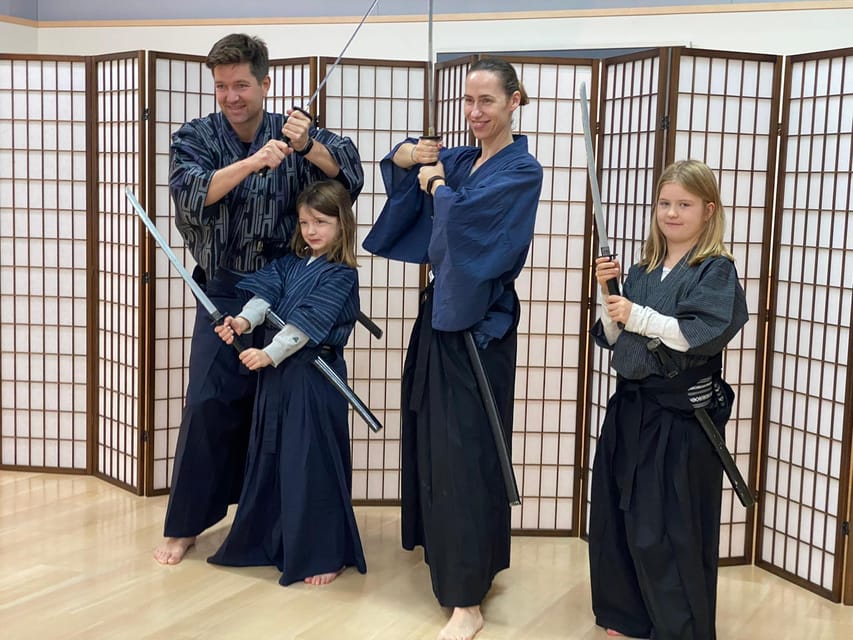
At about $70 per person for roughly one hour, the price is not a bargain compared with a simple walking tour. But it also isn’t trying to be. You’re paying for guided instruction, a kimono to wear, a structured etiquette and sword workshop, plus a photoshoot.
Here’s the value logic that makes this work:
- Kimono rental and dressing help are included. That alone is often a big cost and hassle on your own.
- You get real coaching for etiquette and basic moves, not just a quick demonstration.
- The Tachimawari practice gives you a performance-style payoff that’s hard to recreate without instruction.
- The included photos mean you leave with proof you actually did it, not just a vague memory.
What you do not get matters too. Food and drinks are not included, and transportation to the meeting point is on you. Plan on stopping for a snack before or after. Also, you’ll want to arrive prepared to dress and move, since you only have one hour.
If you’re someone who likes hands-on experiences, this price tends to feel fair. If you’re expecting a long, advanced martial arts program, it will feel short. That’s the main fit question.
Who Should Book SAMURAI’ve in Harajuku
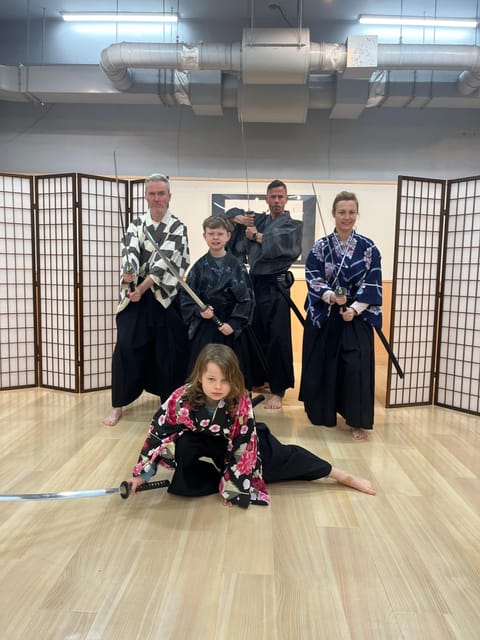
This workshop is designed for broad participation. You can join regardless of age and gender as long as you have the samurai spirit. That said, it’s not suitable for children under 5, and it’s not for wheelchair users.
I think it fits best for:
- First-timers who want a memorable martial arts themed experience without needing prior skill
- People who like cultural practice, not just sightseeing photos
- Families traveling together, especially if kids are curious and energetic
- Anyone who wants a clear, friendly introduction to samurai-style etiquette and movement
If you want to be challenged in a serious, technical way for months, this won’t replace dojo training. But if you want an hour where you learn, move, dress up, and leave with images and skills you can share, this is an excellent use of time.
Practical Tips So You Enjoy Every Minute
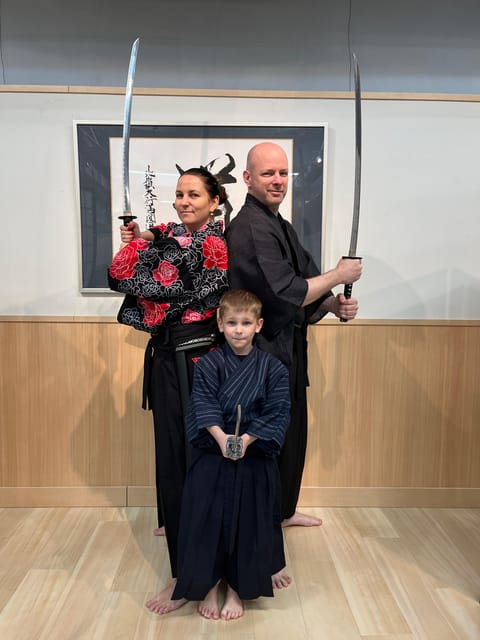
This is a simple workshop, but a few choices will make it way more comfortable.
Wear comfortable clothes. That’s the only required packing advice given. You will be moving and you’ll be wearing a kimono, so prioritize flexible fabric and avoid anything too restrictive.
Plan your arrival a bit early. The meeting spot is specific, and you’ll want a calm start before dressing begins. Since it’s only one hour, every minute matters.
If you’re traveling with someone who is nervous about martial arts, reassure them that the class is structured for beginners. It’s set up for basic moves and guided action, not intimidation.
Finally, keep your photos in mind. If you want a clean look, follow the instructor’s guidance for posture and the way you hold the sword during the photoshoot.
Should You Book This Samurai Experience?
Book it if you want a fun, guided, one-hour mix of kimono dressing, etiquette practice, and performance-style sword sequences in Harajuku. The included kimono, Tachimawari practice, and photos make it feel complete, not like you’re just buying a ticket to watch someone else.
Skip it if you need wheelchair accessibility, if you have a very young child under 5, or if you’re looking for an advanced, long-form martial arts training session. This is a starter experience with a strong payoff.
If you’re deciding between another Harajuku activity and this one, I’d lean toward this workshop when you want something hands-on. It gives you skills you can demonstrate later, plus the best souvenir is the story you can actually tell.
FAQ
What is the duration of the Samurai Experience in Tokyo (Harajuku)?
The experience lasts 1 hour.
Where is the meeting point?
Enter through the red door and proceed to the second floor basement. It is about a 5-minute walk from Kitasandou Station and about an 8-minute walk from Harajyuku Station.
What is included in the price?
Included items are the instructor, a samurai kimono to wear, a samurai etiquette lesson, a samurai sword fighting experience, and a photoshoot.
What should I bring?
You should wear or bring comfortable clothes.
Is transportation to the meeting point included?
No, transportation to the meeting point is not included.
Are food and drinks included?
No, food and drinks are not included.
What languages are the instructors?
The instruction languages are English, Japanese, and Chinese.
How big is the group?
The group is small, limited to 10 participants.
Is the activity suitable for children?
It is not suitable for children under 5 years old. The activity is open to participants regardless of age and gender, as long as they have the samurai spirit.
Is the activity wheelchair accessible?
No, it is not suitable for wheelchair users.
Blade Work and Stagecraft



West Tokyo on Foot: Seven More





Newest Tokyo write-ups from the Loving Japan desk



Shibuya, Shinjuku and Harajuku Walks, side by side.
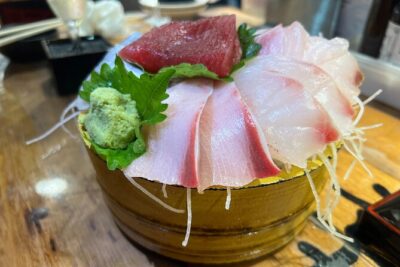 ★ 5.0Shinjuku Food Tour (13 Dishes at 4 Local Eateries)From $866,603 reviews
 ★ 5.0Tokyo Bar Hopping Tour in Shinjuku (All-You-Can-Drink + Dinner)From $1063,587 reviews
 ★ 5.0Official Street Go-Kart in ShibuyaFrom $763,435 reviews
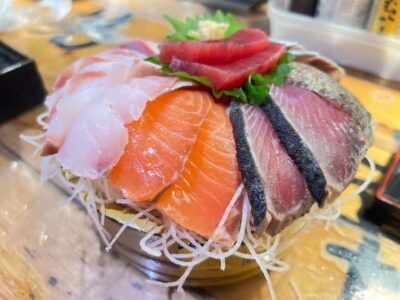 ★ 4.9Shinjuku Food Tour (15 Dishes and 4 Eateries)From $852,033 reviews
 ★ 4.9Shinjuku Local Bar and Izakaya Guided Walking TourFrom $341,794 reviews
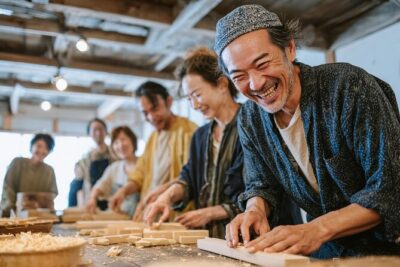 ★ 5.0Tokyo Shinjuku Chopsticks Making ClassFrom $201,763 reviews
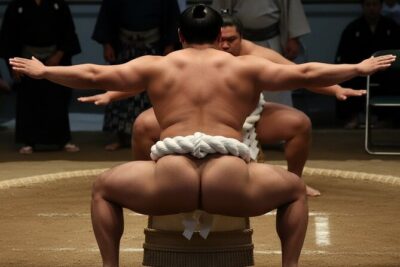 ★ 5.0Tokyo Shinjuku Sumo Show & Experience with PhotoFrom $791,750 reviews
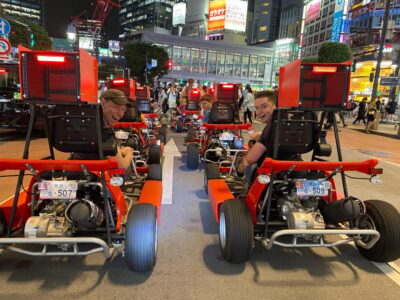 ★ 4.9Street Kart Experience in ShibuyaFrom $741,484 reviews
Filed on these lists too