
REVIEW · SAMURAI, NINJA AND SWORD EXPERIENCES
Samurai Experience – Learn Bushido through Kendo, in Tokyo
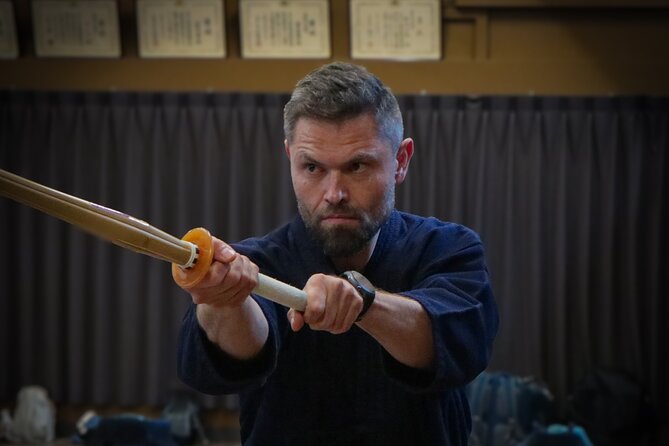
Kendo changes fast, and this class starts with mindset, not sword tricks. You learn the etiquette, the spirit behind the strikes, and then you put it together in a real match setting. It is an up-close taste of Bushido that feels practical, not performative.
What I like most is the clear teaching path from rei and respect to the three-part idea of Ki-Ken-Tai-Itchi. I also appreciate the pacing in a small group limited to 8, so beginners can actually practice instead of just watching.
One consideration: this is still training. Even as a beginner, expect protective gear, some cardio, and that moment when the space gets intense during sparring or when an instructor challenges you.
In This Review
- Key takeaways before you swing a shinai
- Why Kendo Spirit’s Tokyo Lesson Feels Different From a Typical Activity
- Finding the Dojo Near Tokyo Station and What the 2-Hour Flow Actually Feels Like
- The Training Sequence: Rei, Calm Mind, and Respect Before Any Sword Time
- Ki-Ken-Tai-Itchi: The Three Parts of a Samurai Strike Made Practical
- Footwork, Footing, and Why Beginners Still Have a Real Chance
- Sparring, Challenge Pressure, and the Instructor Demonstration Moment
- What You Get Included for $103, and Why the Value Adds Up
- Practical Tips: Gear Warmth, Pacing, and How to Prepare
- Who Should Book This Experience, and Who Might Want Another Option
- Should You Book Samurai Experience Through Kendo in Tokyo?
- FAQ
- How long is the kendo experience?
- How much does it cost?
- Where is the dojo located?
- What languages are used during the class?
- Do I need any prior kendo experience?
- Do I need to bring any equipment?
- Is there a small group size?
- Will I receive photos or videos?
- Can I book a private session instead of a group class?
- What is the cancellation policy?
- Is the experience suitable for pregnant women, babies, or very elderly participants?
Key takeaways before you swing a shinai
- Rei first, sword last, so you learn how to show respect before you attack anything
- Ki, Tai, Ken are taught as a system, not random moves
- Small group training makes it easier to ask questions in English
- Sparring and an instructor demonstration give you a real sense of control and timing
- All equipment is provided, including kendo attire and the bamboo sword
- Photos, videos, and souvenirs help you remember it without making it a photo shoot
Blade work and stagecraft, other sessions
- Tokyo: Samurai Ninja Museum Guided tour and Experience
★ 4.6 · 1,010 reviews - Tokyo: Samurai Sword & Archery Class from Samurai Descendant
★ 5.0 · 603 reviews - Best Samurai Experience in Tokyo
★ 5.0 · 458 reviews - Ninja Experience (Family Friendly) at Samurai Ninja Museum TOKYO
★ 5.0 · 441 reviews
Why Kendo Spirit’s Tokyo Lesson Feels Different From a Typical Activity
Japan does not open to everyone in the same way. This experience is built for people who want meaning, discipline, and a skill you can feel in your body.
The pitch is simple: learn Bushido through kendo. The execution is the part that matters. Instead of jumping straight to sword poses, you start by learning how kendo connects to samurai spirit, and why modern practice keeps that spirit alive.
You also get a strong sense of seriousness without losing the friendly vibe. Instructors focus on correct basics, then they help you test those basics under pressure, in a controlled way.
Finding the Dojo Near Tokyo Station and What the 2-Hour Flow Actually Feels Like
The dojo is close. You are looking at about 15 minutes from Tokyo Station, which makes this a smart add-on if you already plan to spend your day in central Tokyo.
The total time is 2 hours, and it is not wasted. Most sessions follow the same rhythm: settle in with etiquette, learn the core concepts, practice step by step, then move into match-style contact and a closing bow.
That flow matters because kendo is not just technique. It is timing, stance, and awareness. If you get only one of those, it feels like guesswork. If you get all of them in one session, it clicks.
The Training Sequence: Rei, Calm Mind, and Respect Before Any Sword Time
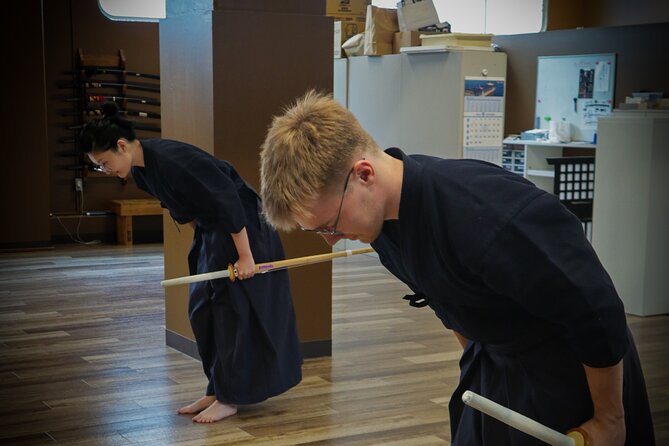
Your first lesson is not a move. It is how to be in the dojo.
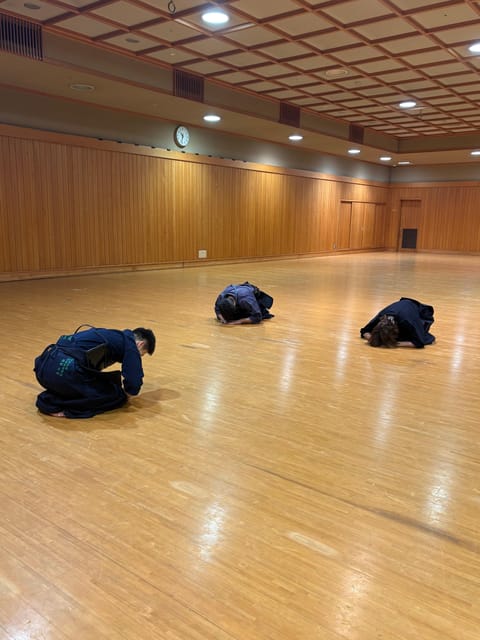
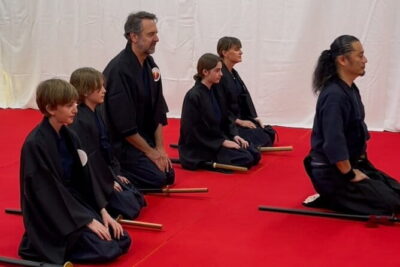
Before training, you calm your mind and bow. It is not treated like a costume moment. The point is simple: bowing trains you to face others with respect, even when your ego wants to rush ahead.
You also learn that kendo etiquette is part of safety. When everyone understands the ritual, everyone knows how to behave during practice, and the instructor can guide you clearly.
A key practical benefit here is that you get a framework for focus. After the bow, you stop thinking about your day in Tokyo and start thinking about your feet, your balance, and your intent.
- Mt Fuji and Hakone 1-Day Bus Tour Return by Bullet Train★ 5.0 · 26,383 reviews
- 1-Day Tokyo Bus Tour★ 5.0 · 14,250 reviews
- Tokyo: teamLab Planets TOKYO Digital Art Museum Entry Ticket★ 4.6 · 9,779 reviews
- Mt Fuji & Hakone Cruise, Drum Show Bullet Train 1 Day from Tokyo★ 4.0 · 7,413 reviews
- Tokyo: Shinjuku Food Tour (13 Dishes at 4 Local Eateries)★ 5.0 · 6,603 reviews
Ki-Ken-Tai-Itchi: The Three Parts of a Samurai Strike Made Practical
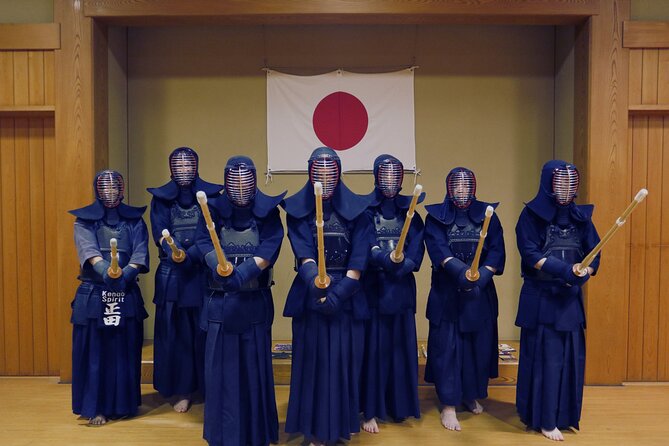
Once you settle, the class builds the core idea in pieces: Ki, Tai, then Ken, and finally the integration called Ki-Ken-Tai-Itchi.
Here is how that translates in real training terms:
Ki (spirit): You work on presence and fighting spirit without anger. This is usually the first surprise for people who expect a movie-style mood. The class frames it as focused intent.
Tai (body): You practice traditional footwork that keeps you grounded and balanced. If you have ever tried a lunge in the gym and felt wobbly, you will understand why this matters. In kendo, the body has to be stable before the strike even makes sense.
Ken (sword): Only after the first two parts does the session shift to the bamboo sword. You learn how to hold the shinai, how to swing it, and how to move with it as one unit.
Then you combine them. You are not memorizing separate drills. You are learning how the strike should feel when your mind, body, and sword work together.
If you want a takeaway that stays with you after the class, this is it: kendo asks you to control the inside before you control the outside.
Footwork, Footing, and Why Beginners Still Have a Real Chance
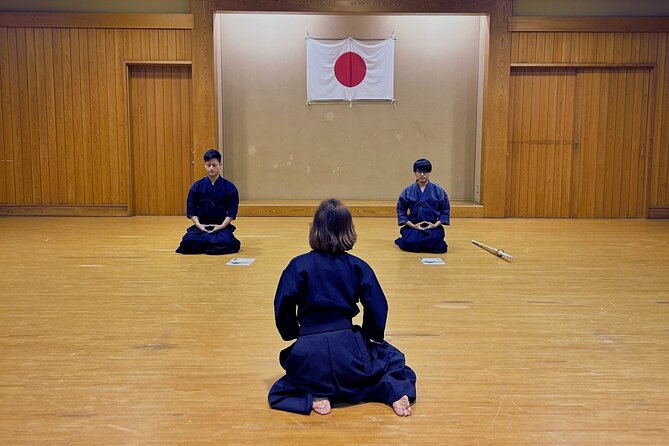
You do not need prior kendo experience. That is important, because kendo basics can be confusing if you start with random sparring.
The session uses step-by-step teaching. You practice fundamentals, then you add more elements to your movement and timing. That structure is what makes it possible for someone new to feel progress within 2 hours.
Also, the group size stays small, limited to 8 participants. That helps instructors check your stance and your grip, and it makes questions easier in English.
Even if you are not athletic, you are set up to participate. Expect some effort, but not a test of endurance.
Sparring, Challenge Pressure, and the Instructor Demonstration Moment
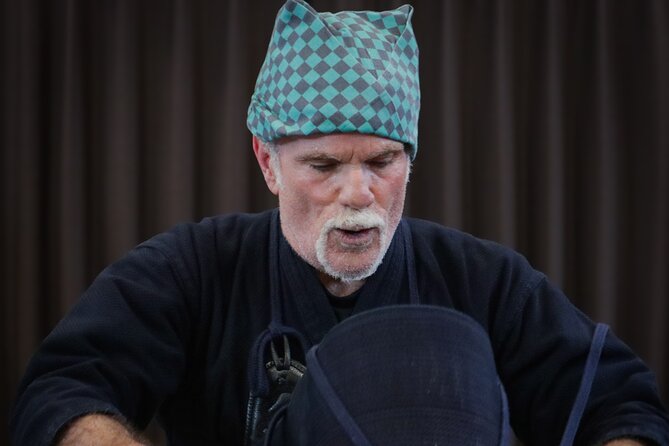
The best part for many people is the transition from drills to match-style training.
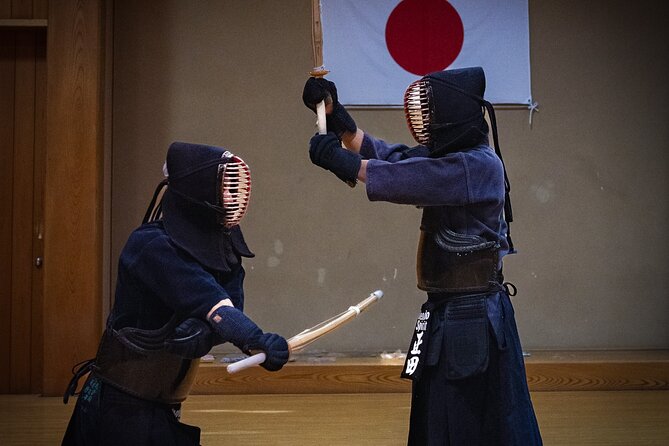
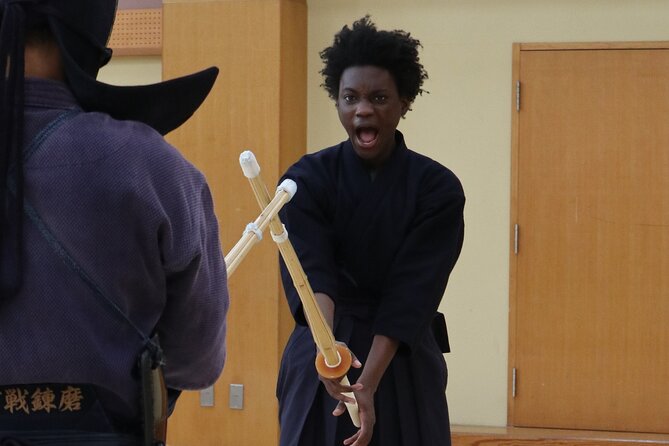
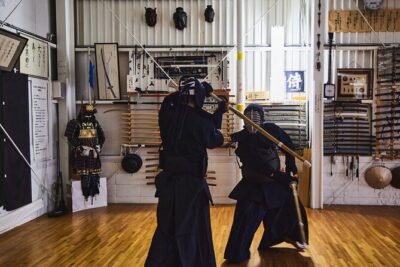
You put everything into practice in a kendo match. The class includes an option for courageous participants to challenge a veteran instructor, and you can feel the difference immediately. When someone who knows timing is close to you, the space gets real.
There is also an intense demonstration between instructors. This is not about showing off. It is about control, power, and precision. The contrast between what you practiced in drills and what you see in a live exchange is a big part of why this class sticks.
If you want a mental image for what you are walking into: you train the basics, then you witness how those basics become decisions, not just movements.
What You Get Included for $103, and Why the Value Adds Up
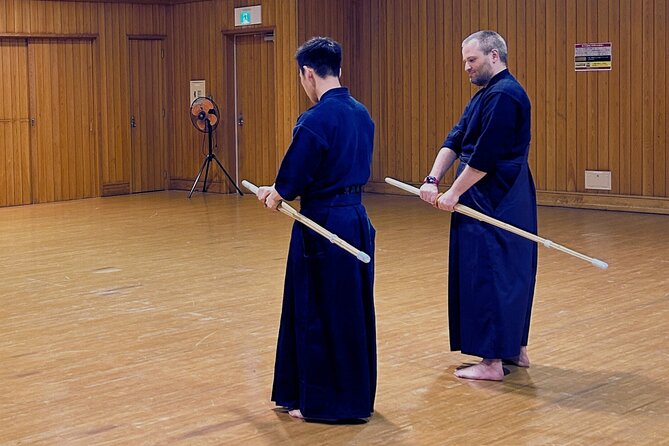
At $103 per person for 2 hours, you are paying for more than a “try it once” souvenir moment.
You get:
- Kendo attire
- A bamboo sword (shinai)
- Drinks
- Souvenirs
- Photos and videos after the experience (sent by email)
That bundle matters in Tokyo. Martial arts gear, instructor time, and the privacy of a small group do not come cheap. Here, the class is set up so beginners can actually participate without shopping or borrowing equipment.
You also get a kind of cultural access that is hard to replicate on your own. Learning etiquette and how kendo is practiced today connects you to a tradition through the physical details, not just the vocabulary.
One extra value point from past sessions: some participants reported receiving a certificate with their photo. It is not the reason to book, but it is a nice memory if it is part of your session.
Practical Tips: Gear Warmth, Pacing, and How to Prepare
Even though you do not need to bring anything, you should show up ready to work.
A common practical consideration is warmth. Once you are in protective gear and moving, you can feel warm between segments. Bring a mindset like you are doing a light workout, not just a classroom lesson. Sip the included drinks during breaks.
You will also want to wear comfortable clothing underneath the provided attire. The class supplies the kendo uniform and protective setup, but your base layer affects comfort.
Finally, be on time and focused. Kendo etiquette is part of the experience, and rushing in can make the first steps feel awkward.
Who Should Book This Experience, and Who Might Want Another Option
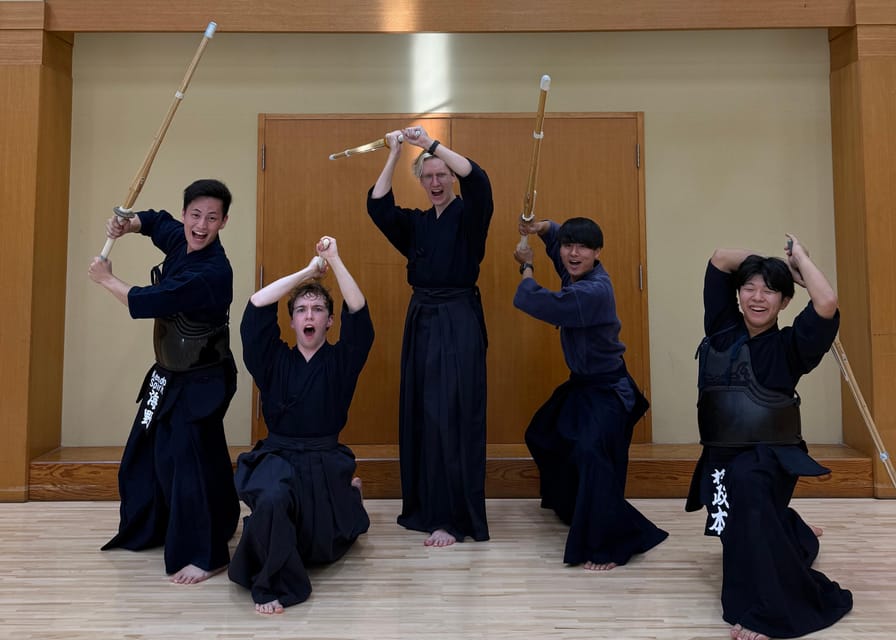
This is for you if you are curious about Japan beyond surface-level sightseeing. If you care about discipline, respect, and meaning over pure entertainment, this fits well.
It is also a good fit if you want to experience Bushido through your body, not just through reading. The class is built around the idea that spirit shows up in movement.
You should be aware of limits. The experience is not suitable for:
- Pregnant women
- Babies under 1 year
- People over 95 years
And alcohol and drugs are not allowed. That is part of the training culture and safety.
If you are someone who hates being challenged or dislikes sparring entirely, you might still enjoy the etiquette and basics portion, but the match component is central to the session flow.
Should You Book Samurai Experience Through Kendo in Tokyo?
Yes, if you want a meaningful, structured introduction to kendo that includes actual match practice and instructor guidance. The small group size, the step-by-step teaching, and the emphasis on rei and the Ki-Ken-Tai-Itchi framework make it feel more real than a casual try-on experience.
I would especially recommend it if your Tokyo plans include busy days and you want something that resets your mind into focus. Two hours here can give you a different kind of souvenir, one you can carry in muscle memory.
If you are seeking a relaxed, purely scenic activity, this is not that. Think workout with rules, not passive culture time. But if you show up open-minded, you will likely leave with a new respect for how Japan preserves spirit through daily practice.
FAQ
How long is the kendo experience?
It lasts 2 hours.
How much does it cost?
The price listed is $103 per person.
Where is the dojo located?
It is located about 15 minutes from Tokyo Station.
What languages are used during the class?
The experience is conducted in English, with Japanese also used.
Do I need any prior kendo experience?
No. The experience is designed for beginners with no prior martial arts experience, as long as you have an open mind and willingness to participate.
Do I need to bring any equipment?
No. Kendo attire and a bamboo sword (shinai) are provided, along with drinks.
Is there a small group size?
Yes. It is a small group experience limited to 8 participants.
Will I receive photos or videos?
Yes. The team will take photos and videos during the experience and send the data to you by email afterward.
Can I book a private session instead of a group class?
Yes. Before payment, add Exclusive Private Session (one add-on per group). Private sessions are available only on dates that still show 8 available spots.
What is the cancellation policy?
You can cancel up to 24 hours in advance for a full refund.
Is the experience suitable for pregnant women, babies, or very elderly participants?
No. It is not suitable for pregnant women, babies under 1 year, or people over 95 years.
Blade Work and Stagecraft


Newest Tokyo write-ups from the Loving Japan desk


Samurai, Ninja and Sword Experiences, side by side.
 ★ 4.5Samurai Restaurant Show Ticket with 2 DrinksFrom $551,307 reviews
 ★ 5.0Kyoto Samurai ExperienceFrom $1191,294 reviews
 ★ 4.6Samurai Ninja Museum Guided tour and ExperienceFrom $271,010 reviews
 ★ 4.9Kendo and Samurai Experience with Uniform and GearFrom $103815 reviews
 ★ 4.9Samurai Sword Class by Experts in Traditional ArtsFrom $64657 reviews
 ★ 4.5Skip the lines Basic Ticket at SAMURAI NINJA MUSEUM KYOTOFrom $28632 reviews
 ★ 5.0Samurai Sword & Archery Class from Samurai DescendantFrom $193603 reviews
 ★ 5.0Samurai Training Experience KENDO in OsakaFrom $131515 reviews
Filed on these lists too