
REVIEW · SAMURAI, NINJA AND SWORD EXPERIENCES
Samurai Experience – Learn Bushido through Kendo, in Tokyo
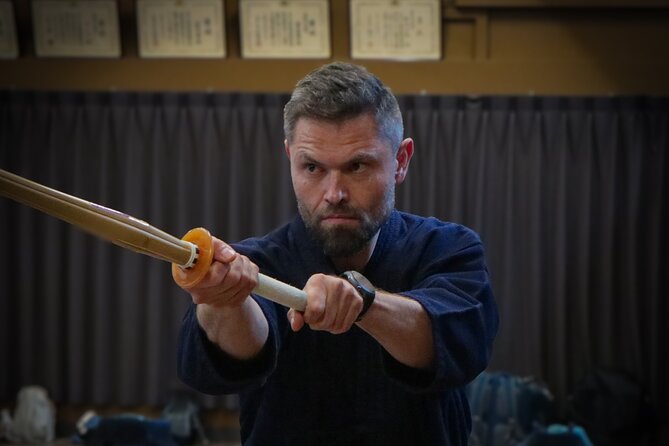
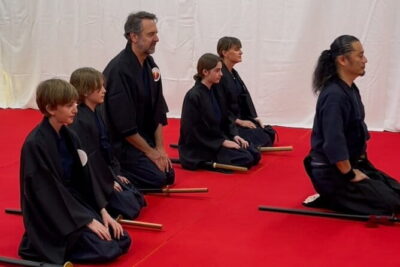
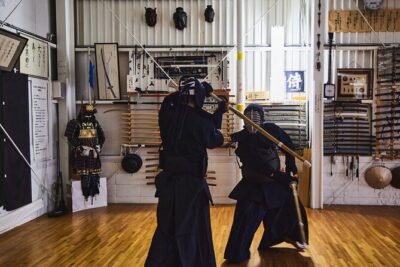
A sword lesson in the heart of Tokyo. You trade typical sightseeing for kendo training in a working dojo, learning Bushido as it is practiced today, taught by Daichi, a kendo practitioner with 19 years of training.
I love that you are actively moving right away, not just watching. I also love the coaching style, which focuses on mind, body, and sword so you understand the why behind each strike.
One consideration: it is physical. Even with beginner pacing, you will do footwork and repeated swings, so plan for some leg fatigue and a little soreness.
In This Review
- Key things that make this kendo session worth your time
- Why Kendo in a Real Tokyo Dojo Beats Watching From the Sidelines
- The 10:00 am Meet-Up at Nihonbashi, and What to Expect Right Away
- Getting Kendo Gear: Uniform, Shinai, and the Basics of Etiquette
- Learning Bushido Through Physical Training, Not Just Reading About It
- Training in Small Drills: Focus, Posture, Timing, and Kiai
- The Practice Match: A Final Test of Calm and Control
- Photos and Video, Plus the Souvenir You Get to Take Home
- How This Fits Into Your Day in Tokyo
- Price and Value: What $132.14 Buys in a Two-Hour Session
- Who Should Book This Kendo Session, and Who Might Want to Think Twice
- Should You Book Samurai Experience – Learn Bushido Through Kendo, in Tokyo?
- FAQ
- What time does the kendo experience start?
- Where is the meeting point?
- Will I get photos or videos from the session?
- Do they speak English, and will language be a problem?
- Do I need to bring anything?
- How many people are in the group?
- Can I cancel and get a full refund?
Key things that make this kendo session worth your time
- A working Tokyo dojo with real practitioners, not a staged performance
- Small group size (max 8), so you get correction instead of crowd control
- English support from Daichi (fluent) plus clear instruction during drills
- Everything you need is provided, including kendo attire rental and shinai rental
- Photos and video included, sent to you by email after the session
- Beginner-friendly training, with slow teaching and most participants starting from zero
Blade work and stagecraft, other sessions
- Tokyo: Samurai Ninja Museum Guided tour and Experience
★ 4.6 · 1,010 reviews - Tokyo: Samurai Sword & Archery Class from Samurai Descendant
★ 5.0 · 603 reviews - Best Samurai Experience in Tokyo
★ 5.0 · 458 reviews - Ninja Experience (Family Friendly) at Samurai Ninja Museum TOKYO
★ 5.0 · 441 reviews
Why Kendo in a Real Tokyo Dojo Beats Watching From the Sidelines
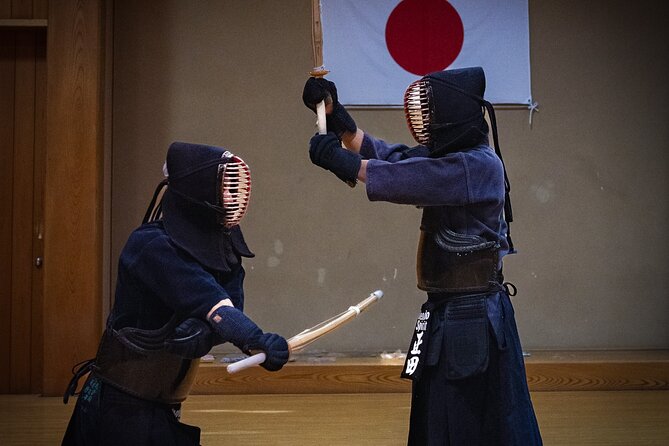
Tokyo has no shortage of martial arts shows and sword displays. This experience is different because you do the work. You step into a genuine Japanese dojo, where Japanese practitioners hone their sword skills, and you learn the discipline behind the movement.
The focus is not just on looking cool with a bamboo sword. Kendo is built around timing, posture, distance, and the mental habits that keep you calm and accurate when things speed up. You will feel that shift from passive sightseeing to active learning, which is exactly what makes this kind of experience stick with you after your trip.
The 10:00 am Meet-Up at Nihonbashi, and What to Expect Right Away
Your session starts at 10:00 am at Japan, 103-0024 Tokyo, Chuo City, Nihonbashikobunachō, 29 Sec日本橋ビル. The activity ends back at the meeting point, so you are not dealing with a long, confusing transfer around the city.
Because it is a small group (maximum of 8), the flow usually feels orderly. You will check in, get directed to the training space, and then get set up. A mobile ticket is provided, so you can keep everything simple on your phone.
Plan to arrive with enough time to settle in. When you are about to put on a uniform and start footwork, those first few minutes matter more than you think.
Getting Kendo Gear: Uniform, Shinai, and the Basics of Etiquette
One of the nicest surprises here is how much is handled for you. You do not need to bring your own kendo clothing or equipment. The experience includes kendo attire rental and bamboo sword (shinai) rental.
They also provide the clothing layers you wear under the kendo uniform, including T-shirts and pants. That means you can travel light and still show up ready to train. You will also get bottled water and a guide, which helps you stay focused on learning instead of hunting for basic necessities.
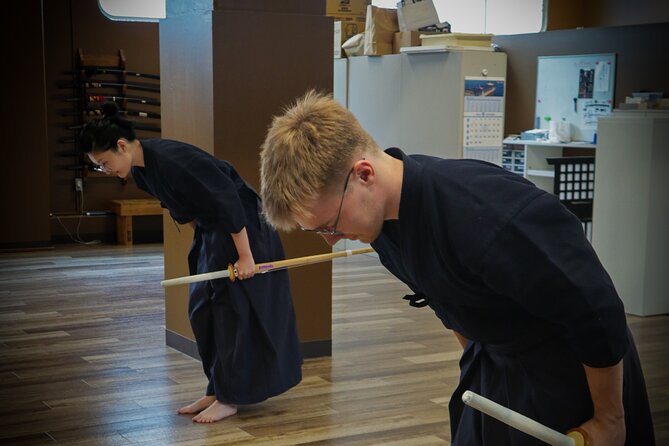
Kendo also has an etiquette side, and in a dojo setting you tend to learn it quickly, because the rules are part of how training actually works. In practice, that means you pay attention to how you hold your shinai, how you move when partners are nearby, and how you respond to instruction.
- Mt Fuji and Hakone 1-Day Bus Tour Return by Bullet Train★ 5.0 · 26,383 reviews
- 1-Day Tokyo Bus Tour★ 5.0 · 14,250 reviews
- Tokyo: teamLab Planets TOKYO Digital Art Museum Entry Ticket★ 4.6 · 9,779 reviews
- Mt Fuji & Hakone Cruise, Drum Show Bullet Train 1 Day from Tokyo★ 4.0 · 7,413 reviews
- Tokyo: Shinjuku Food Tour (13 Dishes at 4 Local Eateries)★ 5.0 · 6,603 reviews
Learning Bushido Through Physical Training, Not Just Reading About It
This is marketed as learning Bushido through kendo, and that is not just a fancy theme. The lesson is built around how Bushido shows up in movement and judgment under pressure: discipline, focus, and controlled action.
Daichi teaches the mindset alongside technique. With 19 years of training, he can explain what matters in the moment, not just the end result. In the feedback, people repeatedly mention that they did more than learn a sport. They learned a way of thinking that connects spirit, body, and sword.
Here is what that tends to translate into during the session:
- You practice basics that reinforce posture and distance, so your strikes are not random arm swings.
- You work on timing, so your attack and your partner’s response connect in a controlled way.
- You learn how to manage attention through repetition, which is a core part of kendo training.
If you have ever felt annoyed by lessons that are all theory, you will probably like this one. You learn by doing, and the explanation lands because your body is already moving through the idea.
Training in Small Drills: Focus, Posture, Timing, and Kiai
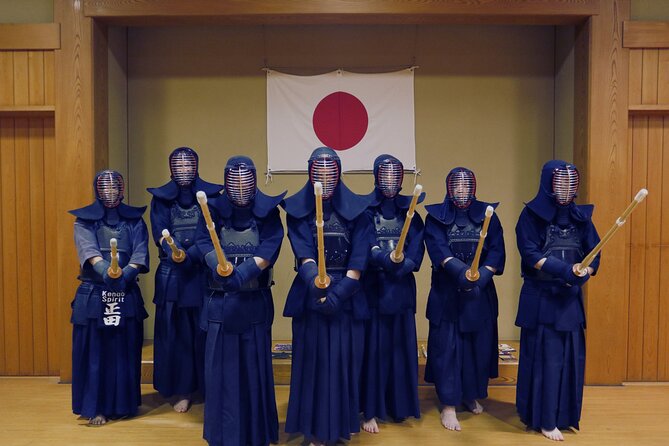
Most people think of kendo as sparring. Yes, there is sparring energy at the end, but the real value is in the drills that build the foundation.
Expect to spend time on things like stance, footwork, and strike mechanics. The goal is not athletic bragging rights. It is accuracy and discipline. The session is designed so you can start even if you are not athletic or do not have martial arts experience.
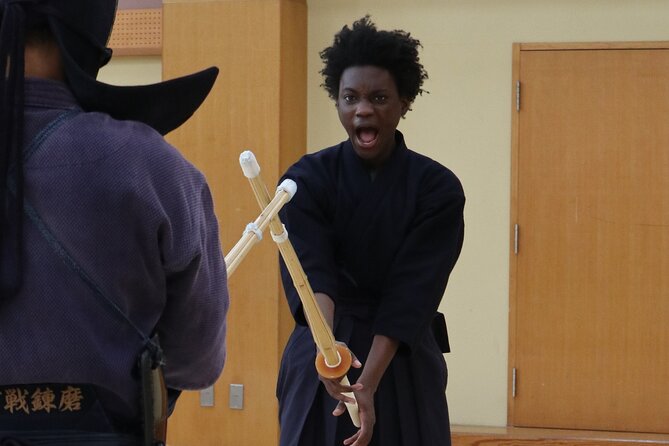
The lesson is also structured around the mind-body connection. People mention learning the mental side as much as the physical part. You may hear cues about focus, intention, and the way your body should move as a single unit. That includes the spirited vocal element of kendo training, often called kiai. It sounds simple, but in a controlled dojo lesson it helps you coordinate breath, attention, and commitment to the strike.
If you come from another sport, you might notice your skills transfer in useful ways, especially with footwork. One participant even pointed out that some taekwondo footwork helped, which makes sense: kendo rewards strong, grounded movement.
The Practice Match: A Final Test of Calm and Control
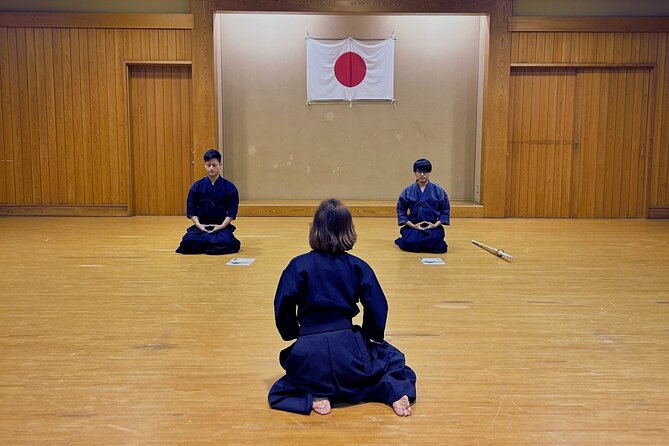
Toward the end, there is a more exciting stage, often described as a battle or duel at the end of the session. This is the moment where you stop thinking about every detail separately and start using the basics under pressure.
In the dojo, that pressure is controlled. You are not thrown into chaos. Instead, you train the idea of reacting, timing, and keeping your focus while you practice with a partner. The session uses the shinai, so you feel contact and energy, but the structure keeps it safe and instructional.
This part is also where you get the strongest sense of why people talk about kendo spirit. One review highlights how the final exchange grew their spirit stronger with each kiai. Another mentions an exciting finish that felt like a real test.
If you are worried about the match part as a beginner, remember the session is designed for beginners. The teaching is slow and careful, and the group is small enough for instructors to adjust what you do.
Photos and Video, Plus the Souvenir You Get to Take Home
It is one thing to learn something physical. It is another to remember it clearly when you are back in your hotel.
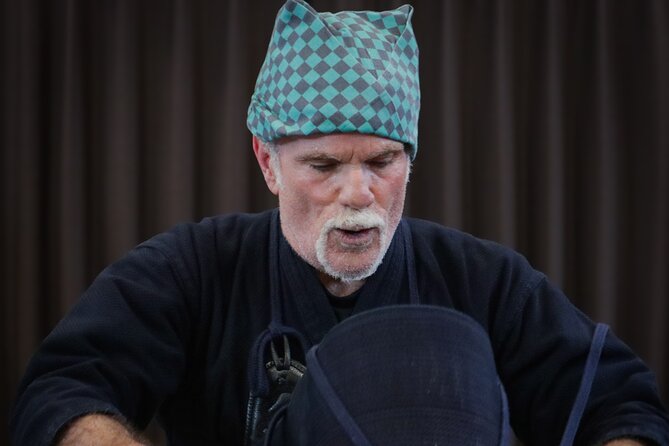
Here, you can expect a photographer during the session. They take both photos and videos, and the data gets sent to you by email after the experience. That is a practical bonus because you will not be juggling your camera while you are in a uniform and focused on training.
You also receive a souvenir. For a two-hour class, that helps make the cost feel more complete, because you are not just paying for instruction, you are paying for a full experience package.
How This Fits Into Your Day in Tokyo
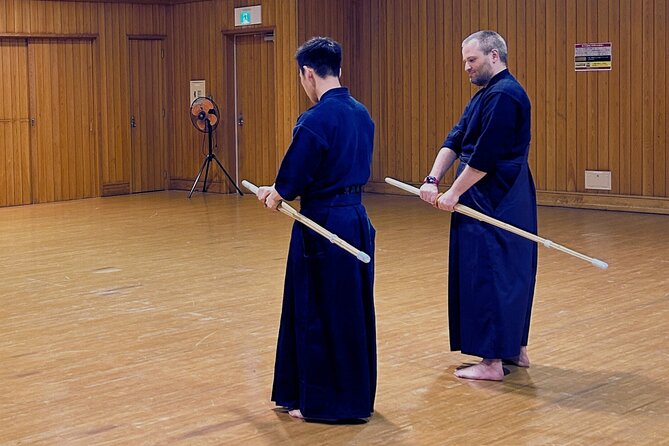
This is a short, focused block at 10:00 am. That makes it easier to schedule alongside other Tokyo hits without feeling like your whole day disappears into logistics.
Because the tour returns to the meeting point, you can plan a simple after-class rhythm. Many people like pairing this kind of experience with a slower cultural walk after training, especially if your schedule includes temples or shrines nearby. The key is to build in time to decompress, since your legs will notice the work.
Also, give yourself room to be mentally present afterward. Kendo can be surprisingly emotional and concentrating. If you rush into another high-energy plan right away, you might miss the part where the experience settles in.
Price and Value: What $132.14 Buys in a Two-Hour Session
At $132.14 per person for about 2 hours, this sits in the middle-to-upper range for Tokyo activities. The value comes from what is included, and from what you actually do.
You are paying for:
- Instruction from Daichi, a long-time practitioner with 19 years of training
- Access to a real dojo and real kendo practice space
- Kendo attire rental and shinai rental
- Additional Japanese cultural experience tools rental
- Bottled water, plus a souvenir
- A guide to keep the experience flowing
- Photo and video, delivered by email afterward
- A maximum group size of 8, which usually means you get more personal correction than you would in a bigger class
For a city where many paid experiences are largely observational, this is where the math starts to make sense. You are not just watching Bushido on display. You are using your body to learn the skills and mindset that make kendo more than a sword hobby.
Who Should Book This Kendo Session, and Who Might Want to Think Twice
This is a strong fit if you want an authentic cultural practice you can physically understand. It is especially good if you like active learning, you enjoy skill-based experiences, or you are tired of the same museum pattern.
It is also a good choice if you are a beginner. The FAQ says over 90% of participants are beginners, and they keep the group small and teach slowly. You do not need athletic experience. You just need curiosity and willingness to try.
It might be less ideal if you have injuries that limit footwork or repeated swinging motions. Also, plan your snacks. Snacks are not included, so if you get hungry after training, bring a plan to eat nearby afterward.
One more practical note: you might feel exposed in a uniform at first, even if everyone is friendly. That wears off fast once you start moving and following the instructor.
Should You Book Samurai Experience – Learn Bushido Through Kendo, in Tokyo?
Book it if you want more than a fun activity and a few photos. This is the kind of class that changes how you understand discipline, focus, posture, and timing, because you practice them. The combination of a working dojo, small group size, English support from Daichi, and the full gear setup makes it feel worth the price.
I would skip it only if your body cannot handle standing, footwork, and repeated practice motions, or if you are looking for a purely passive cultural experience. If you can handle basic physical activity, this is one of the more memorable ways to connect with modern Japanese martial culture.
FAQ
What time does the kendo experience start?
It starts at 10:00 am and lasts about 2 hours.
Where is the meeting point?
The meeting point is at Japan, 103-0024 Tokyo, Chuo City, Nihonbashikobunachō, 29 Sec日本橋ビル, and the activity ends back at the meeting point.
Will I get photos or videos from the session?
Yes. A photographer will take both photos and videos, and the data will be sent to you by email after the experience.
Do they speak English, and will language be a problem?
Yes. Your instructor Daichi has overseas work experience and speaks fluent English. You can ask questions any time.
Do I need to bring anything?
No. You do not need to bring anything, since kendo attire rental and bamboo sword (shinai) rental are included. You will also be provided with T-shirts and pants to wear under the uniform.
How many people are in the group?
The group has a maximum of 8 travelers.
Can I cancel and get a full refund?
Yes, free cancellation is available. You can cancel up to 24 hours in advance for a full refund. If you cancel less than 24 hours before the start time, the amount paid is not refunded.
Blade Work and Stagecraft

Newest Tokyo write-ups from the Loving Japan desk

Samurai, Ninja and Sword Experiences, side by side.
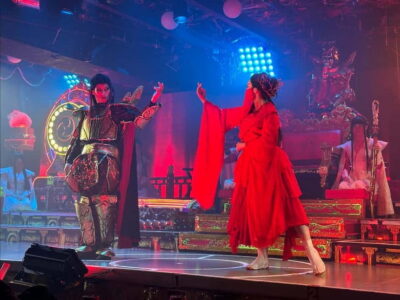 ★ 4.5Samurai Restaurant Show Ticket with 2 DrinksFrom $551,307 reviews
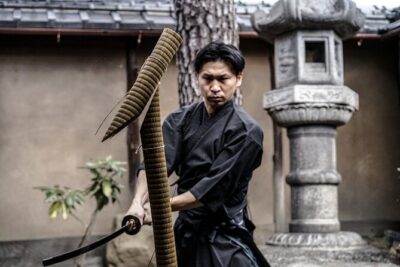 ★ 5.0Kyoto Samurai ExperienceFrom $1191,294 reviews
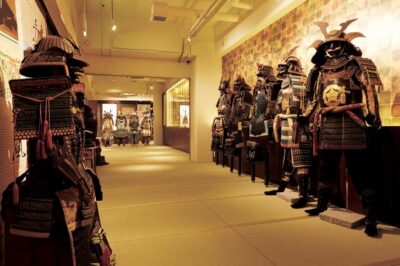 ★ 4.6Samurai Ninja Museum Guided tour and ExperienceFrom $271,010 reviews
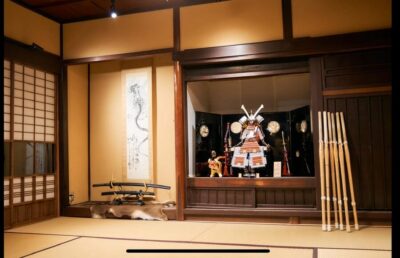 ★ 4.9Kendo and Samurai Experience with Uniform and GearFrom $103815 reviews
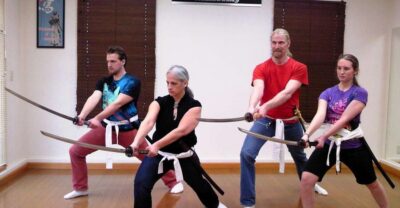 ★ 4.9Samurai Sword Class by Experts in Traditional ArtsFrom $64657 reviews
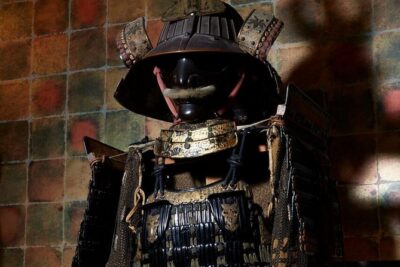 ★ 4.5Skip the lines Basic Ticket at SAMURAI NINJA MUSEUM KYOTOFrom $28632 reviews
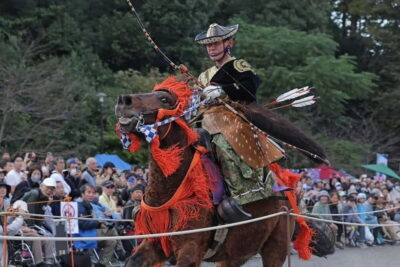 ★ 5.0Samurai Sword & Archery Class from Samurai DescendantFrom $193603 reviews
 ★ 5.0Samurai Training Experience KENDO in OsakaFrom $131515 reviews
Filed on these lists too