
REVIEW · SAMURAI, NINJA AND SWORD EXPERIENCES
Samurai Training in Tokyo: Swords, Bushido & Mental Discipline
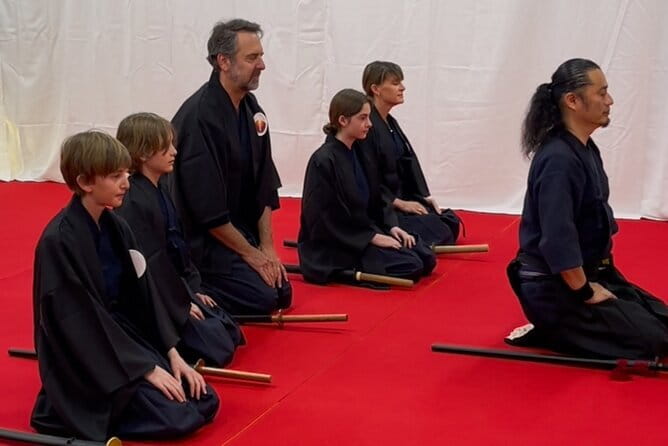
Swords, manners, and meditation in two hours. I love the private Q&A time and the scroll-style certificate you take home, and you get it all in a real dojo setting tied to Edo Castle grounds. The only real catch is that this is hands-on training, so you should be ready for posture work and wooden sword practice, not just photos.
In Tokyo’s Kojimachi district, you’ll get English instruction and supportive guidance as you learn Bushido spirit, breathing and meditation, then move into drills like silent walking. You end with one authentic combat kata, plus one-on-one sparring with your instructor, then reset with matcha green tea and Japanese sweets.
In This Review
- Key Things You’ll Notice Right Away
- Kojimachi Dojo Setup: Where Samurai Training Feels Like Training
- Bushido Etiquette, Breathing, and Meditation That Actually Changes Your Posture
- Wooden Sword Drills, Heavy Stick Strength, and Silent Walking
- One Authentic Combat Kata, Then One-on-One Sparring
- The Matcha Break: Sweets, Tea, and a Proper Reset
- Traditional Samurai Attire, Photo Moment, and Your Personalized Scroll Certificate
- Price and Value: What $85.66 Buys You in Tokyo
- Who Should Book This Samurai Training, and Who Might Skip It
- Should You Book Samurai Training in Tokyo?
- FAQ
- How long is the Samurai Training in Tokyo experience?
- Is the class beginner-friendly and in English?
- Is it a private tour, and is there a minimum group size?
- What training do you do with the sword and other equipment?
- Do you get a break with food and drink?
- Do you receive a certificate or any keepsakes?
- Where is the meeting point?
- What is the cancellation policy?
Key Things You’ll Notice Right Away
- A private dojo format in Kojimachi where you ask questions and move at your own pace
- Bushido etiquette before sword practice, not after, so it changes how you hold yourself
- Wooden sword drills plus strength and posture work, including heavy stick training and silent walking
- One authentic combat kata and one-on-one sparring, so it is more than a demo
- Matcha and Japanese sweets break that actually fits the rhythm of training
- Samurai attire, a photo, and a personalized scroll certificate as your keepsakes
Blade work and stagecraft, other sessions
- Tokyo: Samurai Ninja Museum Guided tour and Experience
★ 4.6 · 1,010 reviews - Tokyo: Samurai Sword & Archery Class from Samurai Descendant
★ 5.0 · 603 reviews - Best Samurai Experience in Tokyo
★ 5.0 · 458 reviews - Ninja Experience (Family Friendly) at Samurai Ninja Museum TOKYO
★ 5.0 · 441 reviews
Kojimachi Dojo Setup: Where Samurai Training Feels Like Training
This experience is based in a dojo in the Kojimachi district of Tokyo, an area once associated with Edo Castle’s inner grounds. That matters because you’re not learning samurai ideas from a screen, you’re learning them in the place where the movements and discipline are meant to live.
You’ll meet at Samurai Sword Tokyo (4-chōme-2-1 Kōjimachi, Chiyoda City). It is near public transportation, and the building has toilets, which is a practical win in a place where every minute counts.
The timing is about 2 hours, and it runs in English. You’ll get a mobile ticket, and you should plan to arrive ready to change into a uniform rental and start with instruction. Also note the fine print reality: it is described as private, but there is a minimum of 2 participants required, so don’t assume it is guaranteed solo.
Bushido Etiquette, Breathing, and Meditation That Actually Changes Your Posture
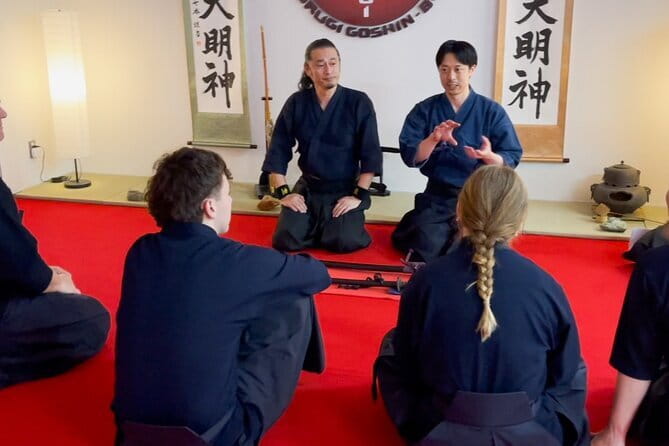
Most sword tours stop at history slides and quick demonstrations. This one starts by teaching etiquette and the spirit of Bushido, then shifts into breathing techniques and meditation exercises.
That sequence is the value, because Bushido here is not a slogan. It shows up in how you stand, how you move, how you listen, and how you control your focus before you pick up anything resembling a weapon.
I like that the lesson is built for beginners while still feeling serious. You are encouraged to ask questions, and your instructor will guide you step by step so you understand why each movement has a purpose. It also helps that the session includes English support, and in past experiences people have mentioned staff members named Oedo and Yukiji for translation and warmth, which makes a big difference when you’re trying to learn body mechanics.
The meditation and breathing parts may feel a little unusual at first, especially if you are used to sightseeing tours. But it prepares you for the later drills where calm focus matters more than speed.
Wooden Sword Drills, Heavy Stick Strength, and Silent Walking
After the mental groundwork, you move into physical training with a wooden sword. The pacing feels like a real practice session, not a staged performance for visitors.
You’ll start with form and controlled movements, then build into drills designed to make your body do the work consistently. The heavy stick strength training is one of the more practical surprises. It is not just about swinging, it is about building stability so your strikes and transitions don’t fall apart under pressure.
Then comes silent walking, often described as ninja-like. This is not a gimmick. It is a posture and foot placement test, and it forces you to slow down and stay aware. You’ll likely notice how easily your attention wanders when you are walking quietly, which is exactly why it is included.
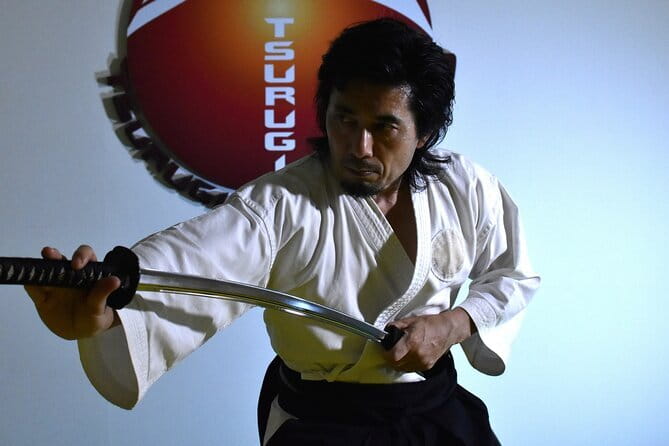
One more good detail is the live sword demonstration by the instructor. Even if you never touch a real blade, watching technique delivered with control gives you a reference point before you practice the wooden sword version yourself.
- Mt Fuji and Hakone 1-Day Bus Tour Return by Bullet Train★ 5.0 · 26,383 reviews
- 1-Day Tokyo Bus Tour★ 5.0 · 14,250 reviews
- Tokyo: teamLab Planets TOKYO Digital Art Museum Entry Ticket★ 4.6 · 9,779 reviews
- Mt Fuji & Hakone Cruise, Drum Show Bullet Train 1 Day from Tokyo★ 4.0 · 7,413 reviews
- Tokyo: Shinjuku Food Tour (13 Dishes at 4 Local Eateries)★ 5.0 · 6,603 reviews
One Authentic Combat Kata, Then One-on-One Sparring
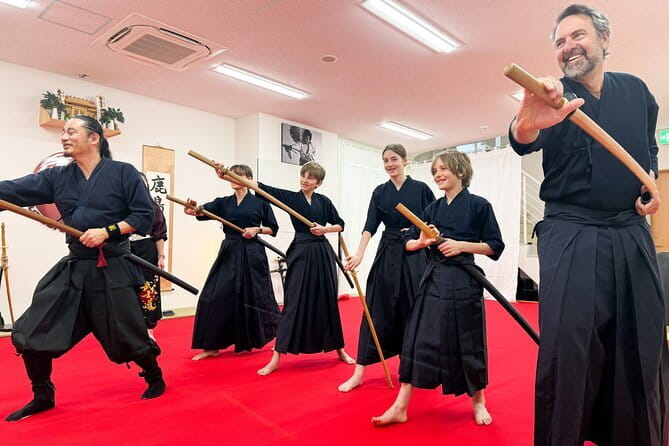
This is where the class shifts from lessons to application.
You’ll learn one authentic samurai combat kata, meaning a structured sequence meant for training and repetition. Kata practice is where you start feeling the logic of timing, distance, and how movements connect. It also gives you something concrete to remember after the session ends, instead of leaving with only broad impressions.
After kata training, you apply your skills in one-on-one sparring with an instructor. The goal is not to see who is tougher. It is to help you experience how the techniques work when you have to respond, stay controlled, and keep your posture and focus under pressure.
If you are the type who gets nervous doing physical things in front of others, this is still beginner-friendly, but it is not passive. You are participating, and you will want to follow instructions closely. The instructor’s job is to guide you, but your job is to show up mentally and physically ready to train.
The Matcha Break: Sweets, Tea, and a Proper Reset
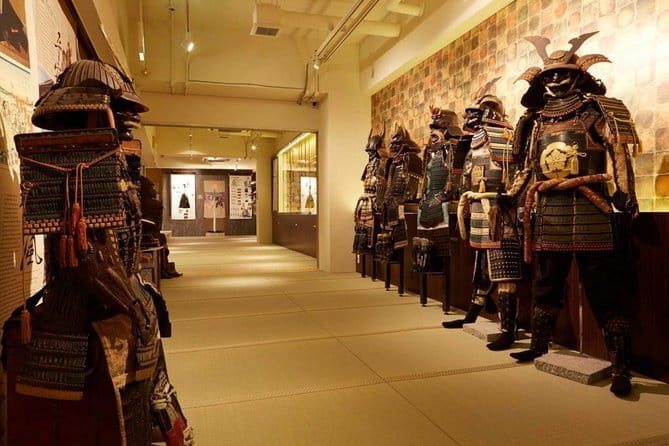
The session includes a break with matcha green tea and traditional Japanese sweets. I appreciate this because it signals that the training rhythm matters.
After sword practice and sparring, your body feels it. The tea break lets you slow down and refocus, and it gives you a calm moment to recover without rushing off to the next stop.
Also, since this is in a dojo environment, it tends to feel more quiet and respectful than a typical tourist snack break. You’re not just refueling, you’re returning to a calmer state that fits the Bushido mindset you started with.
Traditional Samurai Attire, Photo Moment, and Your Personalized Scroll Certificate
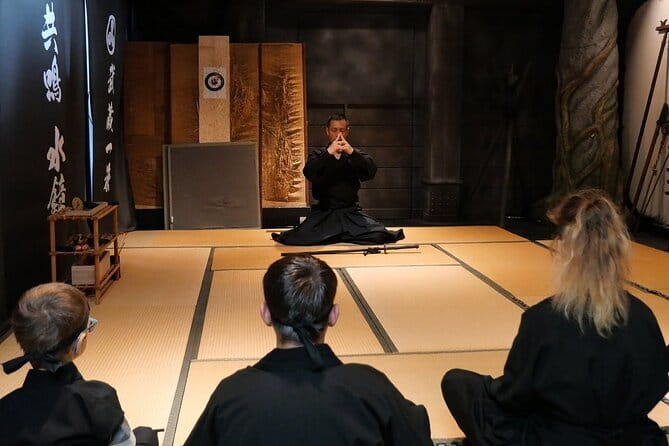
You’ll wear traditional samurai attire during the training and for the photo. This part is fun, but it is also a useful way to connect with what you learned, because clothing changes how you move and how you carry yourself.
You also get a commemorative photo. If you like travel keepsakes, this is better than generic group shots because it is tied to the actual lesson you just completed.
The biggest take-home item is the personalized certificate in a scroll style, printed with your name and the techniques you learned. I find that certificates only matter when the content is specific. Here, it is designed to match what you practiced, so it becomes a real memory anchor for the mental and physical parts of the day.
Price and Value: What $85.66 Buys You in Tokyo
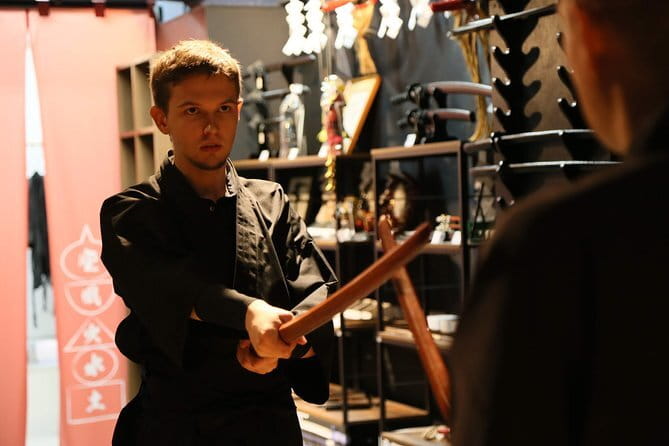
At $85.66 per person, this is priced for a dedicated training session, not a high-volume sightseeing experience. You’re paying for instructor time, hands-on coaching, and training materials plus the included uniform rental, tea, sweets, and the keepsake certificate.
A big factor in the value is the private format. Being able to ask questions matters when you are learning something physical and precise. It is also a better use of your time than piecing together separate activities, like a museum visit plus a separate sword workshop. You get the etiquette, discipline mindset, and actual practice all in one 2-hour block.
One more small value point: it is typically booked around 37 days in advance on average. That suggests demand, and it can be smart to lock in your spot before your Tokyo plans get crowded.
Cost alone cannot tell you if it is a good fit for you. If you want a calm cultural activity with optional movement, you might feel it is too active. If you want to do hands-on training and take home a real skill and a real keepsake, the price starts to look fair.
Also, note what is not included: private transportation and an air-conditioned vehicle. So you’ll want to use public transit and walk or take a local taxi if needed.
Who Should Book This Samurai Training, and Who Might Skip It
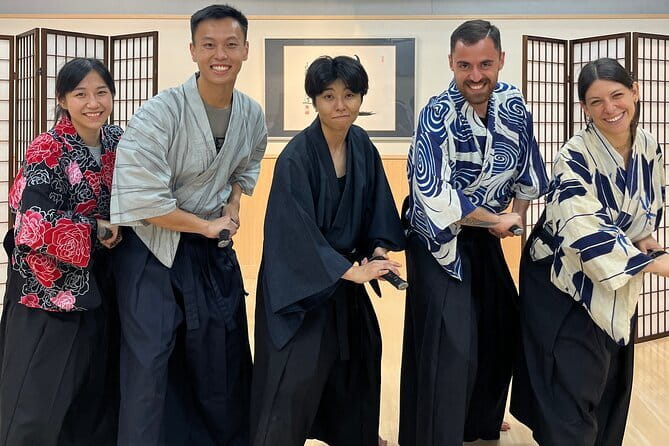
You’ll probably love this if you:
- want hands-on samurai training in Tokyo, not just history
- enjoy structured instruction where you can ask questions
- like mental training too, breathing and meditation included
- want a memorable keepsake with your name on a scroll certificate
You might think twice if you:
- want something very relaxed, with no active drills
- have concerns about sparring, posture work, or wearing a uniform rental for practice
- prefer tours that stay strictly seated and observational
It’s also a good pick if you are traveling with family members or friends who learn well from direct coaching, because the session is beginner-friendly and runs in English.
Should You Book Samurai Training in Tokyo?
If your goal is to go beyond sightseeing and actually practice samurai discipline, I think this is a strong booking. You get a true training flow: Bushido etiquette first, then breathing and meditation, then wooden sword drills, strength and posture work, one combat kata, and finally one-on-one sparring. The matcha break, photo, and personalized scroll certificate make it feel complete.
If you are only after a casual experience or you hate anything physical, it will likely feel like more work than you want. But for curious beginners who want to learn technique with real instruction, it is one of the more satisfying short activities you can fit into a Tokyo visit.
FAQ
How long is the Samurai Training in Tokyo experience?
The experience runs for about 2 hours.
Is the class beginner-friendly and in English?
Yes. The entire experience is in English and beginner-friendly.
Is it a private tour, and is there a minimum group size?
It is a private experience for your group, but the activity requires a minimum of 2 participants.
What training do you do with the sword and other equipment?
You practice using a wooden sword, and the session also includes strength training with a heavy stick. There is also a live sword demonstration by the instructor.
Do you get a break with food and drink?
Yes. You get matcha green tea and Japanese sweets during a break.
Do you receive a certificate or any keepsakes?
Yes. You receive a personalized scroll-style certificate with your name and the techniques you learned, plus a commemorative photo. Samurai uniform rental is also included.
Where is the meeting point?
Meet at Samurai Sword Tokyo, 4-chōme-2-1 Kōjimachi, Chiyoda City, Tokyo 102-0083, Japan. The activity ends back at the meeting point.
What is the cancellation policy?
You can cancel for a full refund up to 24 hours in advance of the experience start time. If you cancel less than 24 hours before, the amount you paid will not be refunded.
Blade Work and Stagecraft


Newest Tokyo write-ups from the Loving Japan desk

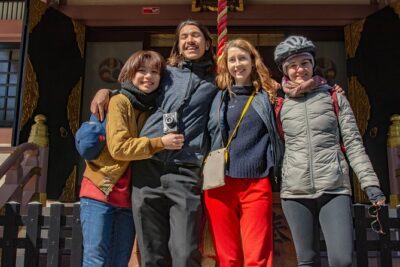

Samurai, Ninja and Sword Experiences, side by side.
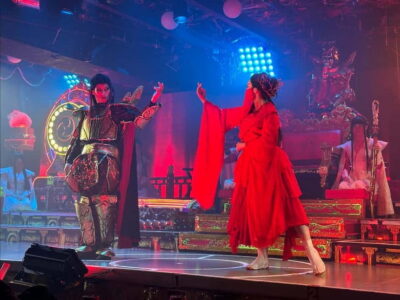 ★ 4.5Samurai Restaurant Show Ticket with 2 DrinksFrom $551,307 reviews
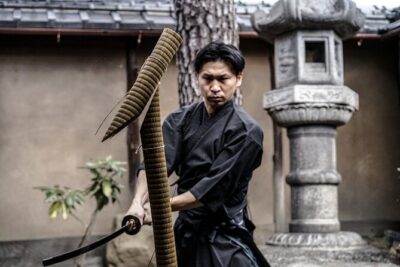 ★ 5.0Kyoto Samurai ExperienceFrom $1191,294 reviews
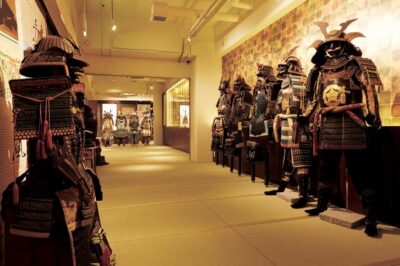 ★ 4.6Samurai Ninja Museum Guided tour and ExperienceFrom $271,010 reviews
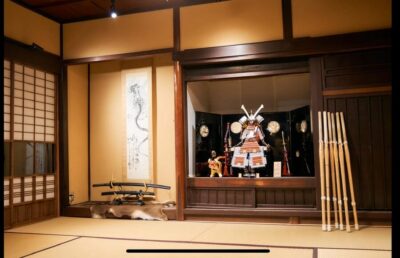 ★ 4.9Kendo and Samurai Experience with Uniform and GearFrom $103815 reviews
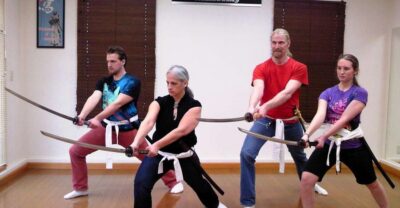 ★ 4.9Samurai Sword Class by Experts in Traditional ArtsFrom $64657 reviews
 ★ 4.5Skip the lines Basic Ticket at SAMURAI NINJA MUSEUM KYOTOFrom $28632 reviews
 ★ 5.0Samurai Sword & Archery Class from Samurai DescendantFrom $193603 reviews
 ★ 5.0Samurai Training Experience KENDO in OsakaFrom $131515 reviews
Filed on these lists too