
REVIEW · ASAKUSA, SENSO-JI AND TOKYO SKYTREE
Samurai Training Tokyo Asakusa
Turning points often come in full costume.
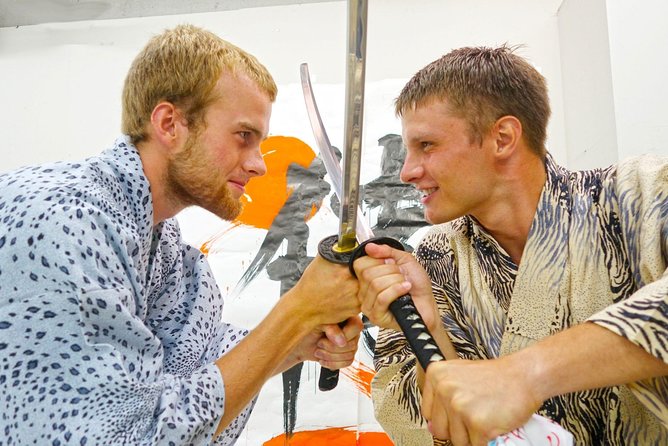
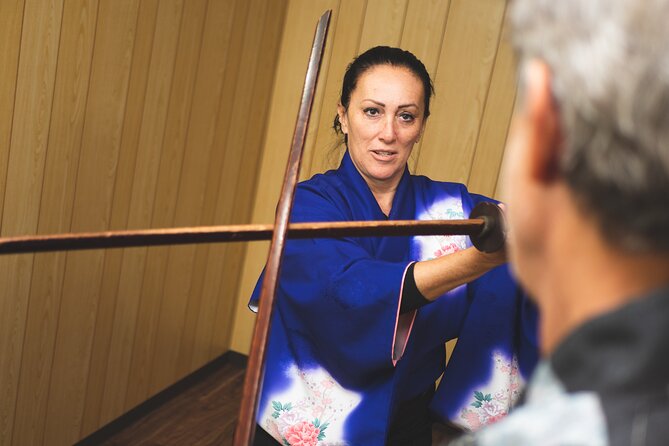
This private samurai training in Tokyo’s Asakusa area is built for families and first-timers, with a real, step-by-step lesson that includes sword-drawing basics plus staged sparring moves, not just a photo op. I especially like the way the instruction is organized around clear actions like battou (pulling the katana) and nattou (returning it), and I love the keepsakes, including an official certificate and a photo and video package for home.
The one thing to keep in mind is that this is short and friendly by design, so it is not meant to feel like an intense, hours-long martial arts dojo session.
In This Review
- Key Points You Can Plan Around
- Samurai Training in Asakusa: What You Actually Do
- Meet Jiro, Aya, and the Kenbu Ukon-ryu Connection
- Step-by-Step Itinerary: From Costume to Certificate
- 1) Gather together and get ready
- 2) Change into the costume
- 3) Belt the sword, then take the picture
- 4) Greetings and the training start
- 5) Practice battou, nattou, and kata
- 6) Sword-fighting practice, in a staged battle format
- 7) Video recording during the action
- 8) End with greetings
- 9) Change clothes, then receive your certificate and photo data
- What You’ll Love Most: Private Attention and Real Keepsakes
- Personalized coaching for your group
- The training feels like training, not only costume
- Professional photo and video package
- The Practical Side: Timing, Location, and How to Show Up Ready
- A quick “arrive smart” tip
- Physical demands: moderate, but you are using your body
- Is It Hardcore Martial Arts, or Family Fun?
- Price and Value: Why $85.89 Can Be a Good Deal Here
- Who Should Book This Samurai Training in Asakusa?
- Should You Book Samurai Training Tokyo Asakusa?
- FAQ
- How long is the Samurai Training Tokyo Asakusa session?
- Is this a private experience?
- What ages are allowed?
- What do I get included with the price?
- Do I need hotel pickup?
- Where does the experience take place, and where do I meet?
Key Points You Can Plan Around
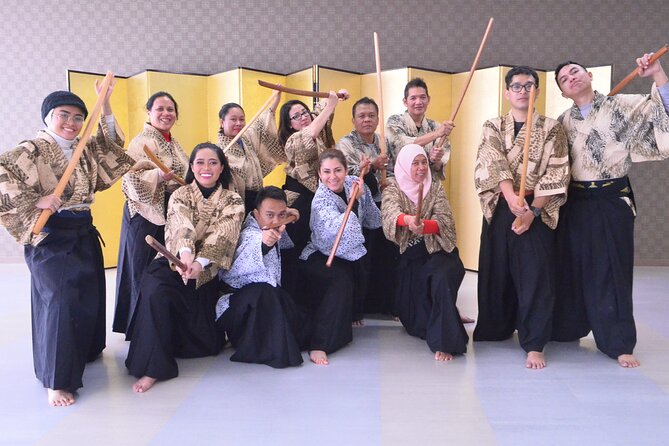
- Truly private class for your group, with personalized attention and max 10 people
- Structured katana basics like battou, nattou, and kata, plus a simulated battle segment
- Costume included with a sword-belt photo moment and a full photo/video package afterward
- Family-friendly pacing, including patience for kids, with adult participation encouraged
- Instructor connection to Kenbu Ukon-ryu via supervision by Ukon Takafuji (Iemoto) and teaching by Jiro with Aya assisting
- Short duration, about 1 hour, so it fits easily between sightseeing stops in Asakusa
Still on the Sumida side? A few more Asakusa options
- Tokyo: Japanese Dance Cabaret Theater Asakusa-Kaguwa Ticket
★ 4.8 · 2,270 reviews - Tokyo: Meiji Shrine, Asakusa, Skytree Bus Tour and Cruise
★ 4.7 · 1,986 reviews - Tokyo: Roll and Authentic Sushi Making Class in Asakusa
★ 4.9 · 1,957 reviews - Tokyo: Asakusa Walking Tour with Sensoji Temple Visit
★ 4.8 · 1,583 reviews
Samurai Training in Asakusa: What You Actually Do
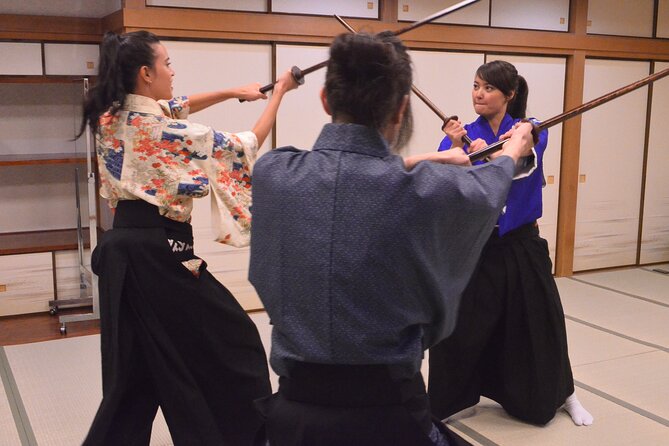
This experience is set up like a guided “samurai makeover” followed by hands-on training. You’ll start in the Hanakawado area of Taito City, get into a samurai-style costume, and move through a set routine designed to teach basic sword handling and classic greetings.
What makes it work for real life is the timing. At about 1 hour, you are not committing a half-day. That matters in Tokyo, where you may have temple stops, street snacks, and a crowded itinerary competing for your time.
Meet Jiro, Aya, and the Kenbu Ukon-ryu Connection
The training is supervised by Ukon Takafuji, described as Iemoto of Kenbu Ukon-ryu (also noted as the Tachibana samurai kenbu school). That title signals this is tied to a formal tradition, not just a staged performance.
In practice, the session is led by the day-to-day instructors you’ll see in the experience. Reviews repeatedly name Jiro as the sensei and Aya as the assistant, and they get praised for being patient, friendly, and good at explaining what to do.
If your group includes kids, pay attention to how the instructors adapt. Many comments highlight that children feel comfortable during the practice and that Jiro and Aya keep things fun, sometimes with laughter, while still maintaining a clear training flow.
Step-by-Step Itinerary: From Costume to Certificate
Here’s how the experience runs, in the order you’ll feel it during the session.
Blade work and stagecraft, other sessions
- Tokyo: Samurai Sword & Archery Class from Samurai Descendant★ 5.0 · 603 reviews
- Best Samurai Experience in Tokyo★ 5.0 · 458 reviews
- Tokyo: Samurai Entertainment Night Show in Kanda Shrine★ 4.6 · 417 reviews
- Tokyo Sword Experience – includes Museum Ticket/Ninja Experience★ 5.0 · 314 reviews
- Samurai Ninja Museum Asakusa: Samurai Sword Lesson & Tour★ 4.8 · 306 reviews
1) Gather together and get ready
You meet at the specified starting point in Hanakawado, and the meeting place and exact training location can vary depending on how many people are in your booking. The provider notes they will contact you at least 2 days prior with the details for your specific group size.
2) Change into the costume
Once you arrive, you’ll change into a samurai outfit. The whole costume moment is part of the fun, and it sets the tone right away, especially for families who want a memorable “Tokyo story” beyond shopping and photos.
3) Belt the sword, then take the picture
You’ll belt the sword and take a photo right in the costume stage of the experience. This matters more than you might think. It creates a before-and-after effect where your training photos later feel earned, not random.
4) Greetings and the training start
Next comes greetings, which signals the more traditional side of what you’re doing. Even if you only understand a little of the meaning, the ritual helps organize your energy and attention for the practice.
5) Practice battou, nattou, and kata
This is the core “learn something real” section.
- Battou: pulling the katana from its sheath
- Nattou: returning it back (the pull-back action)
- Kata: practicing set forms, essentially the structured motions that make the technique look correct
This sequence is a smart fit for beginners. You are learning the mechanics in small chunks instead of jumping straight into complicated sparring.
6) Sword-fighting practice, in a staged battle format
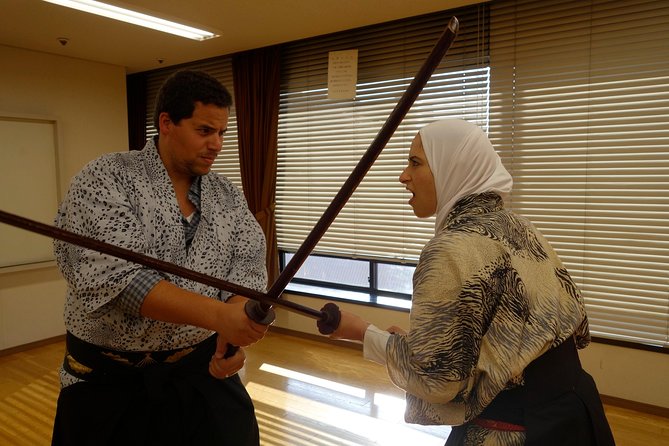
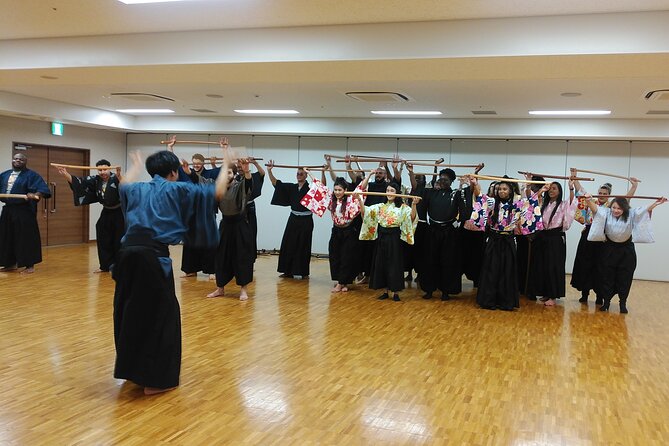
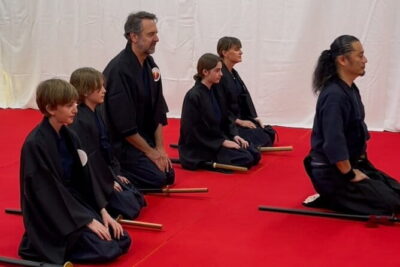
After the fundamentals, you’ll practice sword-fighting moves that are designed like a samurai battle simulation. Several reviews describe a choreographed routine and point out that the instructor matches kids in a way that keeps them comfortable.
One careful note from experience-style comments: this is not positioned as an extreme training camp. It’s more like a short, well-taught introduction where you work up a sweat, but you still leave feeling energized rather than wrecked.
7) Video recording during the action
Throughout the battle practice, you’ll be recorded on video. That turns the session into something you can replay later, and it also gives the instructors an accurate capture of how the moves look, even if you are focused on getting the steps right in the moment.
8) End with greetings
You finish the lesson with more greetings. That closing structure helps the experience feel complete, not chopped off mid-flow.
9) Change clothes, then receive your certificate and photo data
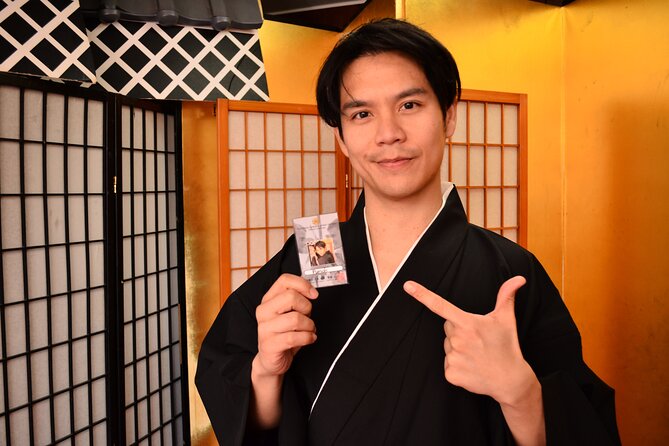
After you change back out of the costume, you receive a certificate of recognition tied to your photo. You also get the photo data (listed as on an SD card) along with a photo of your face.
This is a standout value point. Many Tokyo activities rely on you taking your own snapshots. Here, you get a professional photo set and files for home, which saves hassle when you want good-looking keepsakes.
What You’ll Love Most: Private Attention and Real Keepsakes
Personalized coaching for your group
The booking is private, and the maximum group size per booking is 10 people. That small cap is what allows real feedback instead of just “watch and copy.”
I also like that the teaching style seems to match mixed groups. Reviews mention kids of different ages and even parents being included in the fun. The sensei and assistant appear to keep directions clear in English, and they frequently describe the instructors as friendly and accommodating.
The training feels like training, not only costume
The structure moves from costume to fundamentals to simulated combat. That is the key difference between a photo session and a lesson you can talk about later.
Reviews even highlight that the instruction includes sword handling with real swords. If that’s important to you, you’ll probably appreciate how the session treats the katana as a real tool, not a toy prop.
Professional photo and video package
You leave with photos and video footage, plus an official certificate. The SD card option is practical, because it means your images are not scattered across phones and chats.
From a value perspective, this is a lot of deliverables for a short session. If you tried to recreate it yourself, you would likely spend more on a photographer and still end up with fewer angles and less polish.
The Practical Side: Timing, Location, and How to Show Up Ready
This experience lasts about 1 hour and ends back at the meeting point. There’s no hotel pickup or drop-off, so you should plan on getting there on your own.
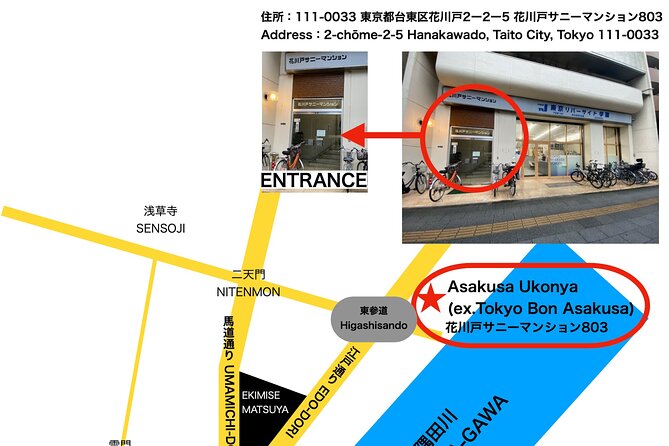
The meeting point is in Asakusa, at:
Hanakawado Sunny Mansion, 2-chome, Taito City (花川戸サニーマンション2-chōme-2-5, Tokyo 111-0033)
It’s described as near public transportation. That’s a big deal with kids. You do not want to burn energy on long transfers before the fun part starts.
A quick “arrive smart” tip
Because the meeting and training locations can vary by group size, make sure you check the message you get at least 2 days before your date. One review comment mentioned slight uncertainty around meeting up, but it turned into a great experience once the team guided them in.
Physical demands: moderate, but you are using your body
The provider lists a moderate physical fitness level. In plain terms, expect standing, moving your arms and legs, and doing repetitive motions for battou and the kata practice. You should be comfortable moving, even if you are not in athletic shape.
Is It Hardcore Martial Arts, or Family Fun?
It’s both, but it’s not a full-contact training grind.
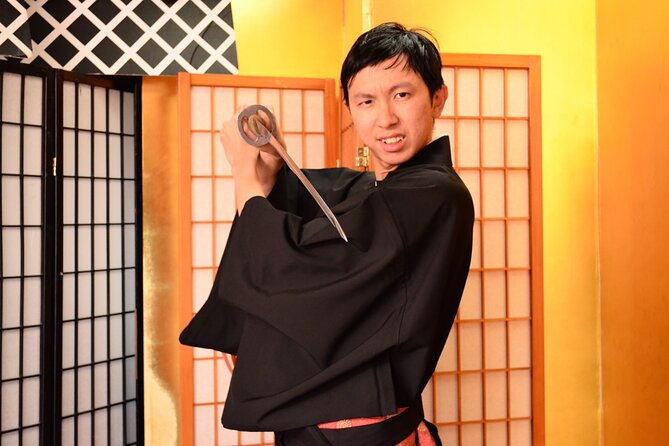
A useful way to think about it: the session teaches fundamentals and gives you the experience of “samurai training,” including a sweat-building movement segment and a staged battle. But it is also designed to be accessible for children and first-timers.
If someone in your group is a martial arts enthusiast looking for an intense workout, you might find the format more like a guided demonstration plus practice than a do-or-die dojo session. If your goal is a memorable Tokyo activity that feels authentic and educational, this fits very well.
Price and Value: Why $85.89 Can Be a Good Deal Here
At $85.89 per person, this is not a low-cost activity. But the value comes from what is included.
You get:
- a rental costume
- a private session with instruction
- photo and video footage
- and an official certificate tied to your photo
If you’ve ever booked a “cultural experience” in Tokyo and then realized your photo results were just shaky smartphone shots, you’ll appreciate the built-in keepsakes here. In a city where adding professional photo services quickly adds up, paying for instruction plus deliverables in one package often makes the price feel more reasonable.
Also, it’s about an hour. That short duration reduces the opportunity cost of your time, especially when your day already includes temples, markets, and food stops.
Who Should Book This Samurai Training in Asakusa?
This is a strong match if you:
- want a family-friendly Tokyo experience that keeps kids engaged
- like hands-on activities more than watching
- want professional photo and video files without extra planning
- are new to sword basics and want a safe-feeling introduction (structured steps, clear guidance)
- are visiting Asakusa and want something that feels very “Tokyo,” not generic
It might be less ideal if you:
- want a long, intense athletic training session
- want hotel pickup, because none is included
Also, plan around age. The minimum age is 6, and children must be accompanied by an adult.
Should You Book Samurai Training Tokyo Asakusa?
I think you should book it if your priorities are simple: you want a private, short, beginner-friendly lesson that includes a costume and ends with real keepsakes. The combination of battou, nattou, kata, and a staged sparring segment makes the experience feel more like learning than performing.
If your group includes kids, the odds are high you’ll enjoy it. Jiro and Aya come across as patient and good at adapting, and the session is built to keep attention from wandering.
Do it on a day when you are not rushing. You are changing into costume, practicing moves, and then getting your certificate and files. Build a little buffer before dinner, and you’ll leave with photos you actually want to show.
FAQ
How long is the Samurai Training Tokyo Asakusa session?
It lasts about 1 hour.
Is this a private experience?
Yes. It’s a private tour/activity, and only your group participates. The maximum is 10 people per booking.
What ages are allowed?
The minimum age is 6, and children must be accompanied by an adult.
What do I get included with the price?
The experience includes a local instructor, rental costume, and picture and video footage.
Do I need hotel pickup?
No. Hotel pickup and drop-off are not included, so you should plan to get to the meeting point on your own.
Where does the experience take place, and where do I meet?
You meet at 花川戸サニーマンション2-chōme-2-5, Hanakawado, Taito City, Tokyo 111-0033. The provider notes the meeting place and training location can vary based on the number of participants, and they will contact you at least 2 days before your reserved date.
Blade Work and Stagecraft

Asakusa and the Skytree, Keep Going


Newest Tokyo write-ups from the Loving Japan desk

Asakusa, Senso-ji and Tokyo Skytree, side by side.
 ★ 4.5TOKYO SKYTREE® Admission ticketFrom $1311,192 reviews
 ★ 4.8Japanese Dance Cabaret Theater Asakusa-Kaguwa TicketFrom $492,270 reviews
 ★ 4.7Meiji Shrine, Asakusa, Skytree Bus Tour and CruiseFrom $1221,986 reviews
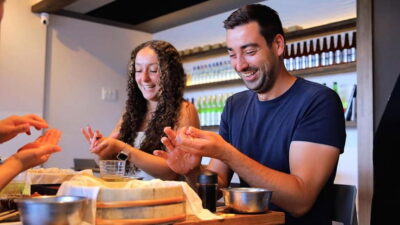 ★ 4.9Roll and Authentic Sushi Making Class in AsakusaFrom $581,957 reviews
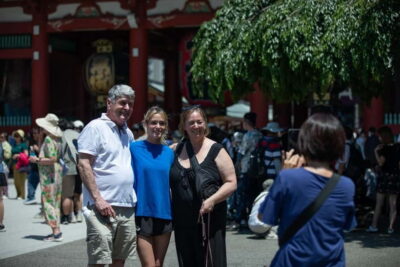 ★ 4.8Asakusa Walking Tour with Sensoji Temple VisitFrom $221,583 reviews
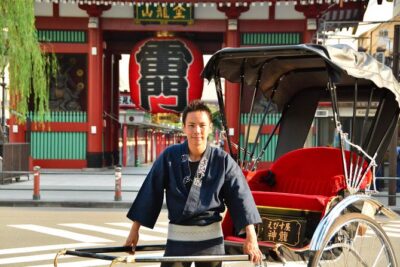 ★ 5.0Tokyo Asakusa Rickshaw TourFrom $421,375 reviews
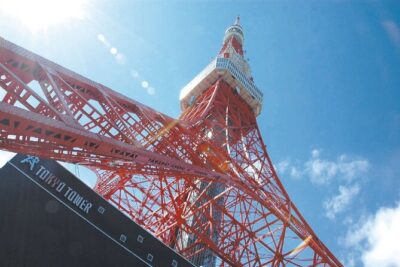 ★ 4.5Tokyo Panoramic 1 Day: Meiji Shrine, Asakusa, Odaiba and SKYTREE®From $851,222 reviews
 ★ 5.0Tokyo Go Kart: Asakusa, Skytree, and Akihabara **IDP MUST**From $99988 reviews
Filed on these lists too