
REVIEW · TAKAYAMA, HIDA AND SHIRAKAWA-GO
SHIRAKAWA Japanese Culture Experiences with private English staff
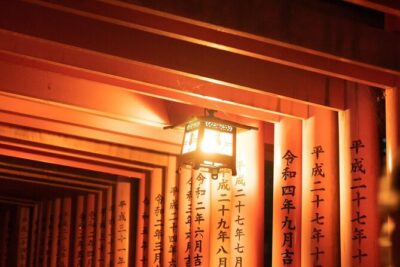
Kyoto locals hang here, not guidebooks. In the Furukawacho Shopping Arcade, you get Japanese culture taught at the pace of working shops, with lantern light overhead and local daily life humming around you. I like that the experience is designed for real interaction, with a private English-speaking staff who stays with your group throughout.
You can pick two workshops from the three options, and I especially like the hands-on skill side, not just watching. Knife sharpening on a whetstone and learning calligraphy with tools like brush and suzuri are the kinds of lessons you can take home and actually use. The main consideration: you might not be able to do your exact top choices if reservations are tight, and then the operator refunds the prepaid fee to your original credit card.
In This Review
- Key things to know before you go
- Furukawacho Shopping Arcade, Kyoto’s local kitchen vibe
- Private English staff: smoother than you think
- Choosing your two workshops: make them match your mood
- Knife sharpening on a whetstone: practical results, real technique
- Obanzai making with Kyo-gohan Nishimura: Kyoto home-cooking logic
- Calligraphy with kanji, brush, ink, suzuri, and a hanging scroll
- The 3-hour rhythm: how two workshops fit together
- Price and value: why $98.53 can make sense
- Who should book this Shirakawa culture experience
- Should you book it?
- FAQ
- What workshops can I choose?
- How long is the experience?
- Is there a private English-speaking staff member?
- Is this a private tour?
- Where do we meet?
- What is included in the price?
- Is transportation included?
- What happens if my preferred workshop is not available?
- Can I cancel or change my booking?
Key things to know before you go
- Pick 2 of 3 workshops: knife sharpening, obanzai cooking, or calligraphy, all taught with a private English staff member.
- Furukawacho Shopping Arcade feels like a working neighborhood with lanterns hung from the roof and an everyday local vibe.
- Knife sharpening includes proper instruction at a store specializing in sharpening cutting tools on a whetstone.
- Obanzai is Kyoto-only home-cooking and you can shop for ingredients right in the arcade before cooking with the chef-owner.
- Calligraphy ends with a hanging scroll and you can ask about writing kanji for your name.
- Small group size (2 to 6) makes it easier to ask questions and get individual attention.
Still weighing up options in Kyoto? These are the ones our reviewers rated highest.
- PERFECT KYOTO 1-Day Bus Tour
★ 5.0 · 13,518 reviews - Kyoto: Fushimi Inari, Kinkakuji, Bamboo Grove 1 Day Bus Tour
★ 4.8 · 4,316 reviews - Kyoto: Tea Ceremony in a Traditional Tea House in Kiyomizu
★ 4.9 · 3,519 reviews - Kyoto Geisha Walking Tour: Gion District & Hidden Gems
★ 4.7 · 3,273 reviews
Furukawacho Shopping Arcade, Kyoto’s local kitchen vibe
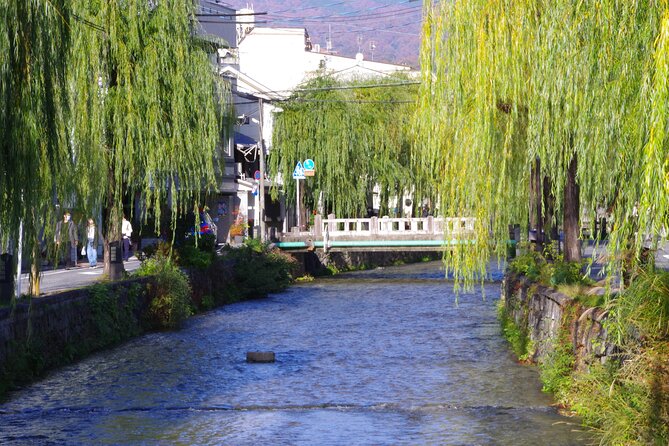
This experience centers on Furukawacho Shopping Arcade in Kyoto’s Shirakawa area, and that setting matters. Instead of being parked at a museum-style location, you’re in a long, active shopping arcade where the feel is “retro and modern” at the same time. Lanterns hang from the roof, and you’re surrounded by the rhythm of shops that serve locals, not just foot traffic.
What you’re really buying here is access. You’re not just learning Japanese culture as a concept, you’re learning it in the place where Japanese culture still functions as daily life. That’s why the structure works so well: you choose two workshops, and between them you’re not bouncing across town, you’re staying in one compact atmosphere.
If you’re the type who gets tired of checking the next sight off a list, this kind of neighborhood class can feel like a breath of fresh air. You also get a more direct sense of how Kyoto’s food, craft, and writing traditions connect to everyday practice.
Private English staff: smoother than you think
A private English-speaking staff member attends with your group at each workshop. That does two important things for you.
First, it cuts down the awkward gaps. Even if your Japanese is basic, you can follow instructions, ask questions, and understand what you’re doing as you do it. For activities like knife sharpening, or calligraphy where the technique matters, that clarity helps.
Second, it keeps the experience flowing. In a shared-group setting, you can end up waiting your turn while someone translates a little late. Here, your group stays guided from start to finish. The operator even notes that you should message them with your preferences, which is helpful when you’re trying to line up two workshops you actually want.
One small heads-up: the experience accepts people in a 2 to 6 group range. That’s a good size for personal attention, but it also means availability can tighten if you book last minute.
Choosing your two workshops: make them match your mood
You choose two experiences from three options. Each workshop has a different tempo and a different kind of learning. Think of them like three ways into Kyoto culture:
- Skill craft (knife sharpening): technique, tools, and results you can see fast.
- Food tradition (obanzai cooking): ingredients, family recipes, and process.
- Art writing (calligraphy): form, brush control, and a finished keepsake.
You’ll want to choose based on what you’ll enjoy practicing after the class. If you like hands-on problem-solving, go with knife sharpening. If you love food culture and want to understand the Kyoto home-cooking label obanzai, pair it with obanzai making. If you want something visual and personal, choose calligraphy.
Also, plan around the reality of reservation availability. The operator clearly states you may not be able to participate in the workshop of your choice. If that happens, the prepaid fee is refunded to your original credit card. So it’s worth messaging your preferences early and being open to a second-best swap.
- PERFECT KYOTO 1-Day Bus Tour★ 5.0 · 13,518 reviews
- Kyoto: Fushimi Inari, Kinkakuji, Bamboo Grove 1 Day Bus Tour★ 4.8 · 4,316 reviews
- Kyoto: Tea Ceremony in a Traditional Tea House in Kiyomizu★ 4.9 · 3,519 reviews
- Kyoto: Tea Ceremony Ju-An at Jotokuji Temple★ 4.9 · 3,207 reviews
- Kyoto: 45-Minute Tea Ceremony Lesson Experience★ 4.3 · 2,378 reviews
Knife sharpening on a whetstone: practical results, real technique
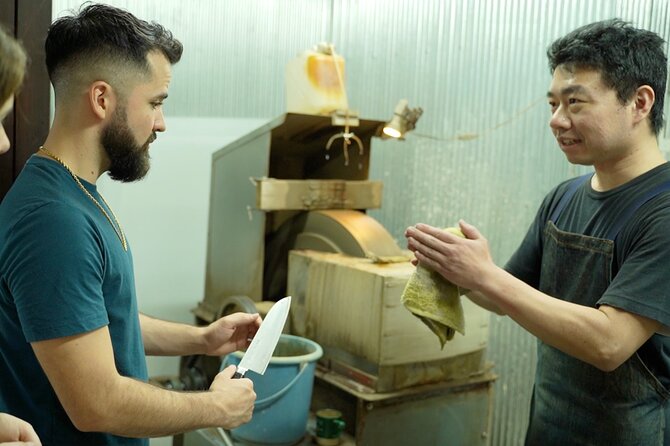
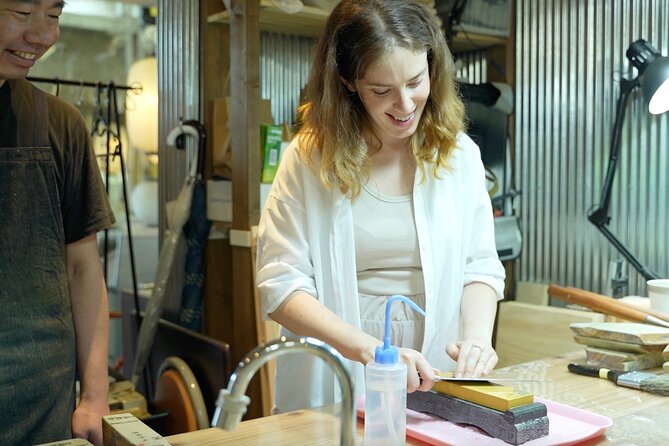
Knife sharpening is offered for about 90 minutes, and it takes place at a store that specializes in sharpening cutting tools on a whetstone. This is not a generic demo. You get instruction on how to sharpen knives properly.
You’re taught by an artisan with a 26-year career, which signals that the focus is on technique, not theater. What I like about this kind of class is that it’s immediately useful. A sharp knife is one of those small upgrades that changes how cooking feels. When your cutting is easier and more controlled, everything from prep to speed becomes smoother.
Even if you never become a knife-sharpening hobbyist, you’ll leave with a better understanding of what a sharp edge actually requires. In everyday home cooking, that matters because dull knives can make ordinary tasks slower and more frustrating.
One practical consideration: sharpening is hands-on and tool-based. You’ll want to pay attention to the instructor’s guidance step by step, especially on angle and pressure. If you’re used to cooking but not tools, don’t worry, just ask questions as you go. The private English staff is there for a reason.
Obanzai making with Kyo-gohan Nishimura: Kyoto home-cooking logic
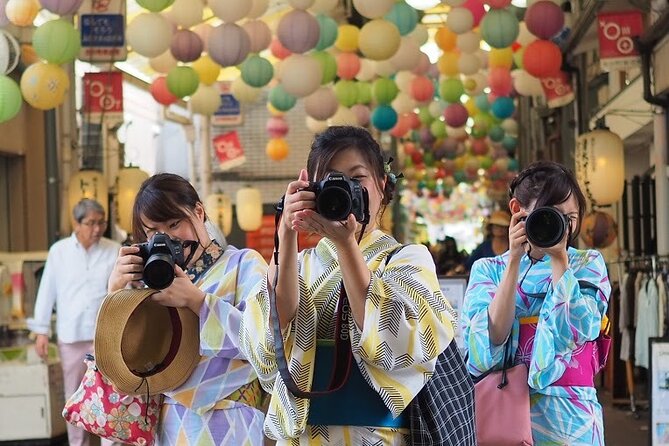
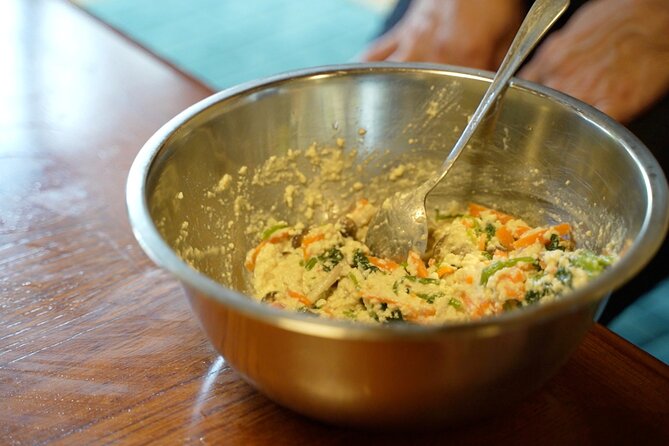
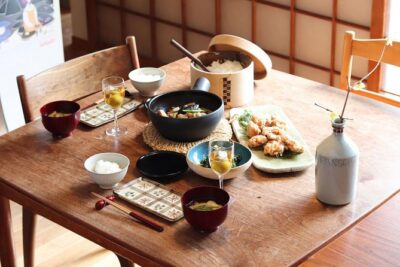
The obanzai workshop runs about 70 minutes, and it’s built around Kyoto’s home-cooked food identity. Obanzai is described as something exclusive to Kyoto, with recipes passed down within families.
Here’s what makes this more than a cooking class. The chef-owner of the obanzai shop at the arcade, Kyo-gohan Nishimura, shares a family recipe with you. That means you’re learning the “why” behind the dish style, not just following steps.
You also buy ingredients at shops inside the arcade before cooking. That changes how you experience the food. Instead of arriving with a random ingredient kit, you see what’s available locally in that neighborhood, then you cook with what you selected. It’s a small detail, but it ties the food lesson to the place where it belongs.
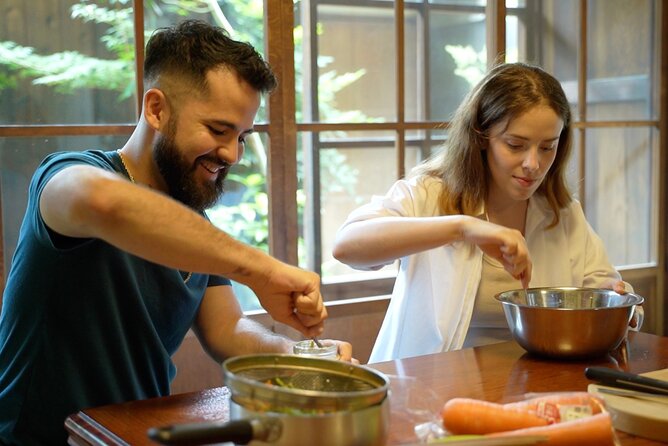
What to expect during the workshop is straightforward: you cook obanzai dishes with the chef-owner, using ingredients you purchased in the arcade. The private English staff can help you understand what’s happening at each stage, so you’re not just mimicking movements.
If you’re a foodie who wants to understand Kyoto beyond temples and scenic streets, obanzai is a strong choice. It’s also a good pairing if you pick calligraphy or knife sharpening alongside it, because it rounds out your day with something sensory and communal.
Calligraphy with kanji, brush, ink, suzuri, and a hanging scroll
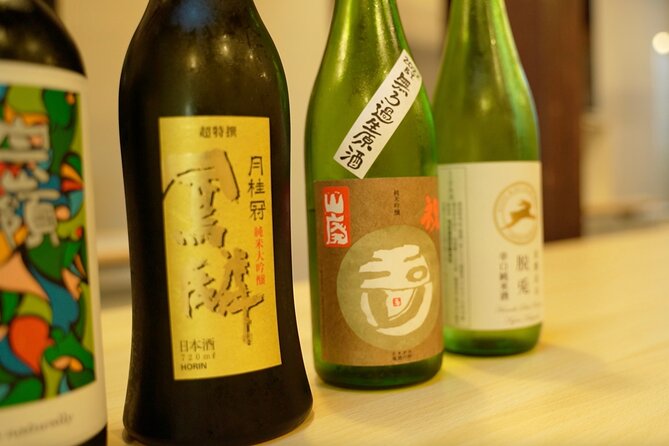
Calligraphy is scheduled for about 90 minutes, and it’s structured in three stages: learning the shape of kanji, practicing with traditional tools, and then writing.
You’ll learn how to use:
- a brush
- ink
- suzuri (the inkstone)
The lesson also includes the chance to write by brush and produce a one-of-a-kind hanging scroll. That’s a key reason people enjoy this workshop, because you’re not leaving with just memories. You leave with something you made.
There’s also a practical personalization option. You can ask the instructor how to write kanji for your name. Even if you have no experience, the instructor guidance makes it doable. The result feels personal in a way photos never do.
Calligraphy is technique-driven. So yes, you might be slow at first. But that’s part of the charm. Your group is small, your staff is private, and the lesson is designed around learning the basics and completing your scroll within the time.
A word of caution, just to help you plan: calligraphy uses ink and tools. You might want to wear clothing you don’t mind getting messy, since ink-related mishaps are always possible during practice. (You’ll also be working at the pace of instruction, so you’re not expected to be perfect on the first try.)
The 3-hour rhythm: how two workshops fit together
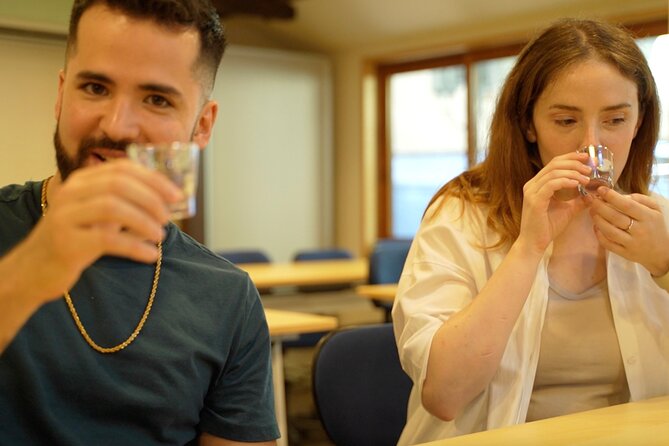
The full experience runs about 3 hours. That length is long enough to learn something real, but short enough to keep it from dominating your entire day in Kyoto.
Because you choose two workshops, your schedule becomes a practical “mix and match” plan. For example:
- knife sharpening + calligraphy gives you a craft pair, both about technique and control
- obanzai making + calligraphy gives you food plus art, great if you want variety
- knife sharpening + obanzai gives you cooking-adjacent practicality with a cultural food thread
You’ll meet at 古川趣蔵 Furukawashuzo / 白川まちづくり会社 with the address listed in Kyoto (Higashiyama Ward). The activity ends back at the meeting point, so you’re not stuck figuring out how to get home after class.
This timing is also helpful if you’re doing other Kyoto sights the same day. You can schedule it in the afternoon or a late morning slot, then still have time for a stroll afterward.
One more practical note: the tour uses a mobile ticket. Have it ready on your phone when you arrive.
Price and value: why $98.53 can make sense
The price is $98.53 per person for about three hours, and on average the experience is booked around 39 days in advance. That’s a useful clue. It often means you should plan a little ahead if you want your first-choice combination.
So is it good value? For me, the value comes from three things:
- Two workshops, not one. You’re getting multiple cultural skills in a single session at the same location.
- Private English support throughout. A good translator can be worth the cost on craft activities, especially when technique matters.
- Small group size (2 to 6). That tends to improve how much you actually do, and not just watch.
Compared with big group tours that cover many stops but teach little, this is focused. You pay for learning, practice, and a guided experience in one of Kyoto’s everyday spaces.
Transportation is not included, so you’ll cover your own way to the meeting area. If you’re already using public transit in Kyoto, that usually isn’t a big issue because the operator notes it’s near public transportation.
Who should book this Shirakawa culture experience
This fits best if you like hands-on learning and you want Kyoto culture in a real neighborhood setting.
Book it if:
- you want practical skills like knife sharpening, not just a lecture
- you’re curious about Kyoto’s home-cooking identity, especially obanzai
- you want a personal souvenir from calligraphy, like a hanging scroll
- you prefer small-group pacing and direct guidance in English
You might skip it if:
- you’re only interested in the largest headline sights and want strict sightseeing time
- you strongly need a specific workshop pairing and you’re not comfortable with the possibility of a reservation swap or refund
Also, the two-workshop format works well for couples, friends, and small groups who want a shared activity with real interaction. The small size makes it easier for your questions to get answered.
Should you book it?
If you want Kyoto culture you can touch, use, and take home, I think this is a smart booking. The setting in Furukawacho Shopping Arcade adds texture, and the private English staff makes the craft and food sections feel accessible. Knife sharpening and calligraphy both emphasize technique, while obanzai adds the Kyoto-only home-cooking angle through ingredients and a family recipe from Kyo-gohan Nishimura.
My advice: book it with at least a few weeks lead time, message your workshop preferences early, and choose two options that match what you’d actually enjoy practicing afterward. If you do that, this feels like a memorable Kyoto day for the right reasons, not just another stop on a checklist.
FAQ
What workshops can I choose?
You can choose two workshops from three options at the Furukawacho Shopping Arcade in Kyoto: knife sharpening (about 90 minutes), obanzai making (about 70 minutes), and a calligraphy experience (about 90 minutes).
How long is the experience?
The total duration is about 3 hours.
Is there a private English-speaking staff member?
Yes. An English private staff member attends to your group at all of the workshops. You should message your preferences.
Is this a private tour?
Yes. It’s a private tour or activity, and only your group participates. The experience accepts groups of 2 to 6 people.
Where do we meet?
The meeting point is 古川趣蔵 Furukawashuzo / 白川まちづくり会社546-1, Furukawachō, Higashiyama Ward, Kyoto, 605-0026, Japan.
What is included in the price?
The price includes two workshops and the private English-speaking staff.
Is transportation included?
No. Private transportation is not included.
What happens if my preferred workshop is not available?
The operator says you may not be able to participate in the workshop of your choice due to reservation availability. In that case, the prepaid fee is refunded to the credit card you used for payment.
Can I cancel or change my booking?
This experience is non-refundable and cannot be changed for any reason.
Newest Kyoto write-ups from the Loving Japan desk

Takayama, Hida and Shirakawa-go, side by side.
 ★ 5.0World Heritage Shirakawa-go and Experience Tours from KanazawaFrom $1224,049 reviews
 ★ 4.9World Heritage Shirakawa-go Morning Guided TourFrom $77988 reviews
 ★ 4.4From Nagoya: Gujo, Hida Takayama, and Shirakawa-go Day TourFrom $61398 reviews
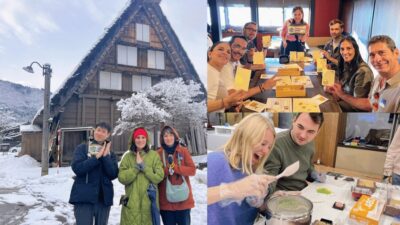 ★ 4.9World Heritage Shirakawa-go & Two Local ExperienceFrom $116274 reviews
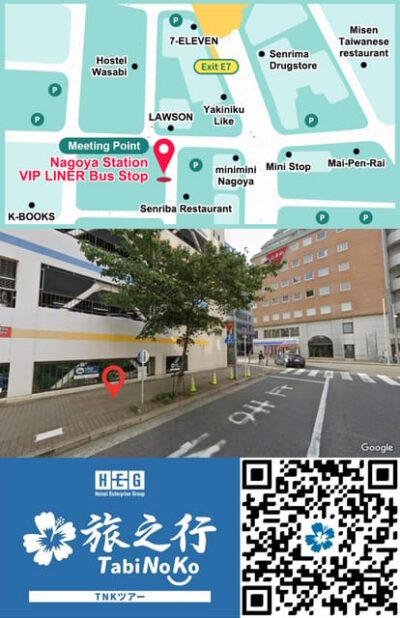 ★ 4.5From Nagoya: Hida Takayama & Shirakawa-go Tour w/Opt. LunchFrom $61256 reviews
 ★ 4.51 Day Private Charter Tour to Shirakawa-go & TakayamaFrom $575253 reviews
 ★ 5.0[One-day bus tour departing from Kanazawa Station] Shirakawa-go and Gokayama – Two World Heritage Villages Enjoyable Bus TourFrom $88253 reviews
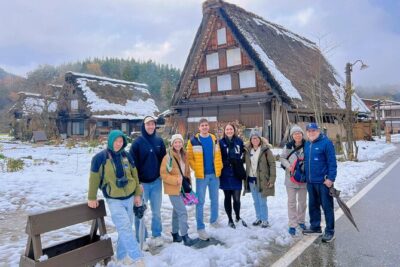 ★ 5.0World Heritage Shirakawa-go Perfect Guided Tour from KanazawaFrom $81220 reviews
Filed on these lists too