
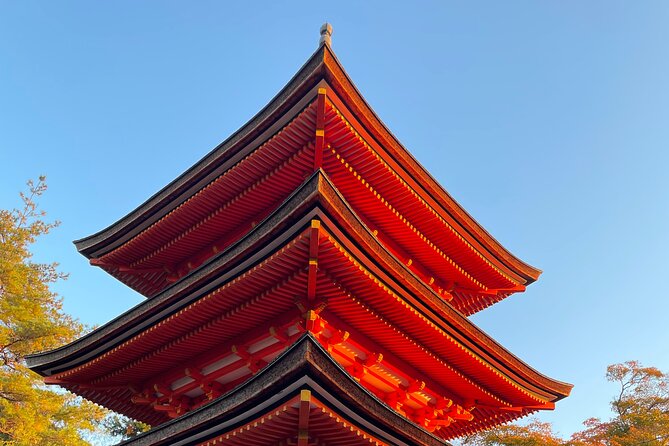
REVIEW · NARA DEER PARK AND TODAI-JI
Single- & multi-day Adventures within Kyoto Nara Osaka Kobe
Kyoto feels big until you see it by car. This private, multi-city day plan stitches together top sights across Kyoto, Nara, Osaka, and Kobe without the stress of transfers. You get pick-up and drop-off where you want, a private vehicle just for your group (up to 8), plus onboard Wi-Fi so your day stays smooth.
I especially like how you control the pace. The itinerary is flexible, so you can trade a shopping stop for a temple, or swap order based on your mood and timing. I also love that the car includes 100V power for charging and stable Wi-Fi, which matters more than people think when you are bouncing between photos, maps, and tickets.
One thing to consider: admission fees are not included. That is normal for Japan, but this route includes several sites where tickets can add up, so you will want to budget ahead, and you should also plan around no restroom on board.
In This Review
- Key things to know before you go
- Private Car Comfort for Kyoto to Kobe, Without the Transfer Headache
- Day 1 Kyoto from Arashiyama to Gion, Then Hozugawa and the Kyotango Coast
- Day 2 Osaka Icons, Market Bites, and Dotonbori Night Energy
- Day 3 Nara Deer, Todai-ji, and Uji Tea Country for a Softer Ending
- Day 4 Kobe Views, Sake Stops, Himeji Castle, and Arima Onsen Reset
- Price, Private Value, and What You Still Need to Budget
- How to Turn a Long Route Into a Relaxed Day
- Who This Tour Fits Best (And Who Might Prefer Something Else)
- Should You Book This Private Kyoto Nara Osaka Kobe Tour?
- FAQ
- Is this tour private?
- How many people can be in the group for this tour?
- Do admission fees and sightseeing tickets come with the tour price?
- Does the vehicle have Wi-Fi and power for charging?
- Is pick-up and drop-off included?
- Is there a restroom on board the vehicle?
Key things to know before you go
- Private door-to-door transportation means less time figuring out trains and more time actually sightseeing.
- Wi-Fi and charging in the vehicle help when you are coordinating plans and juggling camera batteries.
- A flexible multi-city format lets you choose 1 to 4 days across Kyoto, Nara, Osaka, and Kobe.
- Many stops are time-boxed, so if you want extra time at one place, you should tell your driver early.
- Admission tickets are extra, so expect to pay for temples, castles, and garden entries as you go.
A half day in Nara goes several ways
- Kyoto/Osaka: Nara, Fushimi Inari Taisha, Arashiyama Bus Tour
★ 4.7 · 1,275 reviews - Osaka/Kyoto: Arashiyama, Nara & Fushimi Inari Shrine w/Lunch
★ 4.4 · 754 reviews - Kyoto and Nara Day Trip from Kyoto
★ 4.5 · 445 reviews - Full Day Guided Tour to Kyoto and Nara from Osaka by Van
★ 5.0 · 420 reviews
Private Car Comfort for Kyoto to Kobe, Without the Transfer Headache
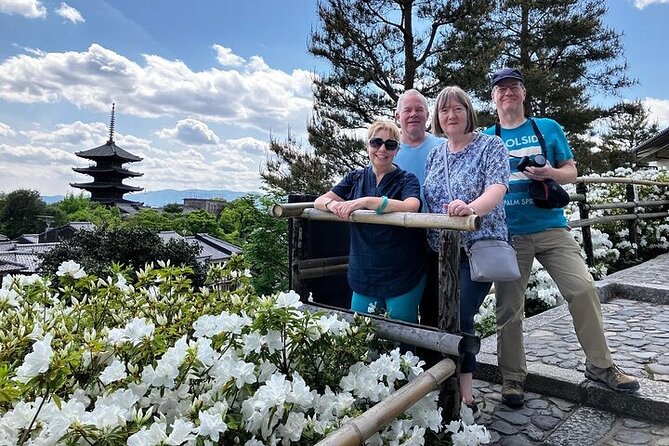
This is the kind of tour that feels practical on day one and a lifesaver on day three. You are not spending your energy on stations, stairs, and schedules. Instead, you start with hotel or airport-style pick-up, then move city to city with air-conditioning and a private ride for just your party.
The onboard setup is a real quality-of-life detail. The car has Wi-Fi for navigation and messaging, and it also has 100V AC power so you can charge laptops or cameras while you are on the move. That means less scrambling for outlets and fewer moments where your battery plan collapses.
The main tradeoff is that private car time is still time. When you pack in iconic stops, you will spend part of your day traveling between them. The good news is the route is designed to group big “must-sees” by region, so you get a lot of variety without feeling like you are constantly reversing direction.
Day 1 Kyoto from Arashiyama to Gion, Then Hozugawa and the Kyotango Coast
Day one leans hard into classic Kyoto, with a smart mix of nature, temples, and evening neighborhood atmosphere. You start in the north around Amanohashidate, a pine-covered sandbar that connects two sides of Miyazu Bay. It is one of those places where you get that wide, coastal feeling fast, and it works well early in the day before crowds peak.
Next comes Ine no Funaya, a seaside fishing village known for its funaya, those boathouses lined along the bay. You also get a stop tied to the Urashima Taro folk tale and the Urashima shrine connection, which helps the scenery feel more like culture than just a photo spot.
Then you swing into Arashiyama, Kyoto’s famous western district. You typically get a couple hours here, which is enough for a relaxed walk and choosing your pace, whether that means river views, temple area wandering, or just soaking in the vibe.
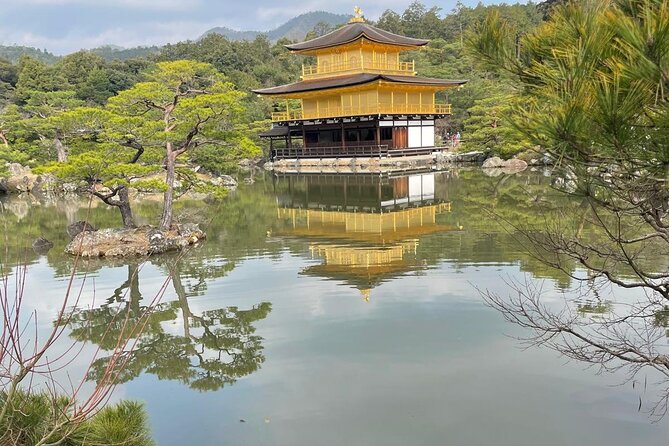
From there it is temple power. Kinkakuji (the Golden Pavilion) is short but iconic, and Nijo Castle gives you a look at a former imperial villa that later became a World Heritage site. If you like architecture and historical layers, this day is stacked. Kyoto Imperial Palace and Nishiki Market add contrast, with the palace giving you formal grounds while Nishiki feels like Kyoto’s food street energy.
Later you head back toward eastern mountain temples. Ginkakuji (the Silver Pavilion) and Nanzen-ji are both designed for a slower wander, especially if you time your visit between bus groups. Then comes Gion, the famous geisha district, with streets that feel like Kyoto in old prints.
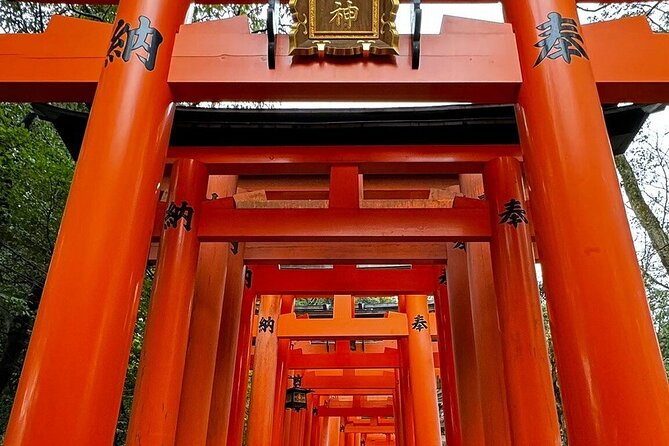
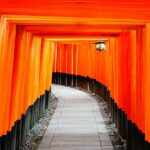
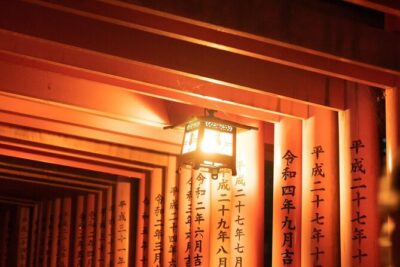
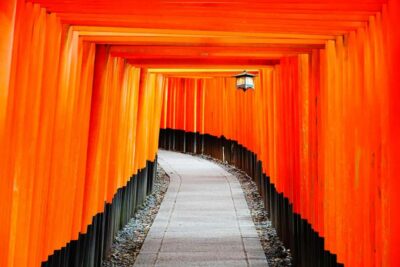
Sanjusangendo Temple is a standout stop when you want something dramatic and a little unusual. The big draw is the sanctuary with its 1001 statues of Kannon, which makes the place feel immersive in a way that does not require a long speech. After that, Fushimi Inari Taisha gives you the dense tunnel of torii gates energy, ideal for a quick reset.
The day ends with a nature-and-activity shift: a Hozugawa River experience described as a raft or boat-style outing. The format is more hands-on than pure sightseeing, and it is a nice way to break up temple intensity. If you want a lighter final stretch, this is the stop to keep.
The route also pushes onward to Kyotango for beaches, including Shotenkyo and Kotohiki-hama, with singing sand noted in the description. You even get time for an Amanohashidate Winery stop afterward. That matters because it turns the end of day one into something less rigid than “just another shrine,” and it gives you a calmer, scenic payoff.
Day 2 Osaka Icons, Market Bites, and Dotonbori Night Energy
Osaka day two starts with Osaka Castle, the big visual anchor. You get about an hour, which usually works best for seeing the structure, then deciding if you want to go deeper. If you love castles, plan to spend more time at your next paid entry so you do not feel rushed.
Next is the Cup Noodles Museum Osaka Ikeda, centered on instant noodles and the world of flavored cup ramen cups. It is not just a history display, it is built to be interactive and a little playful, which helps break up the temple-heavy rhythm.
Minoo Park is a different kind of Osaka stop. It is a green escape just outside the city, with the Ryuanji Temple also mentioned nearby. Even when you are not focused on hiking, this works as a “reset” from indoor attractions and busy streets.
Then you jump into neighborhoods. Shinsekai gives you old Osaka street energy and a classic theme-district feel, and Sennichimae Doguyasuji Shopping Street adds a more local shopping texture with specialist shops. Kuromon Market follows, often one of the best places for casual eating because you can sample, compare, and snack without committing to a single restaurant plan.
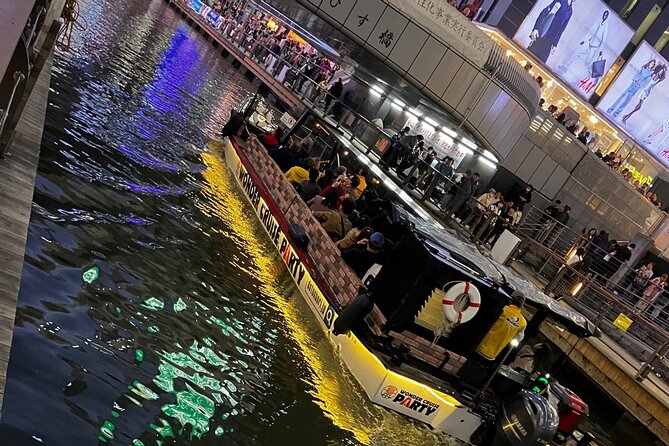
Hozenji Yokocho is a short alley stop, and it is worth it if you like atmosphere. Cobblestones and lantern light make it feel like a throwback lane. After that, Dotonbori is the famous neon canal area, with street food and the classic photo energy around it.
You then have Shinsaibashi-suji Shopping Street for traditional shopping street strolling, followed by Sumiyoshi Taisha Shrine for a quieter, older spiritual note. That mix of modern city noise and older shrine calm is one of the strengths of this day.
Later you move toward the bay area at Tempozan Harbor Village. You get time near Kaiyukan aquarium mentioned in the area description, plus Tempozan Marketplace. Then Hoshi no Buranko Bridge adds a viewpoint stop, and Asahi Beer Museum gives you a drinks-focused cultural break with tasting and brewery elements described.
The day closes with Tondabayasahi Jinaimachi, a preserved townhouse street. The stop is extremely short by duration, so treat it as a quick architectural browse. The value here is variety, not deep immersion at one site.
Castle and beef in one run. Other combinations
- Nara Park, Osaka & Kobe from Kyoto Full Day tour★ 5.0 · 207 reviews
- From Kyoto: Nara, Osaka & Kobe Day Trip – 3 Cities in 1 Day★ 4.6 · 160 reviews
- Himeji Castle and Akashi Kaikyo Bridge Walking Tour from Kyoto★ 4.5 · 24 reviews
- Kyoto/Osaka: Kobe & Himeji Journey Through Culture & History★ 3.7 · 18 reviews
Day 3 Nara Deer, Todai-ji, and Uji Tea Country for a Softer Ending
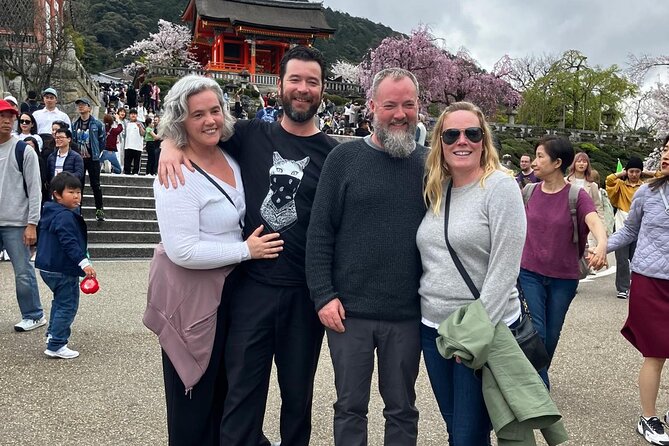
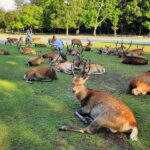
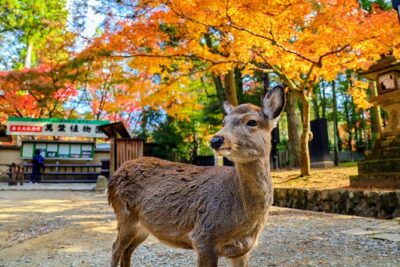
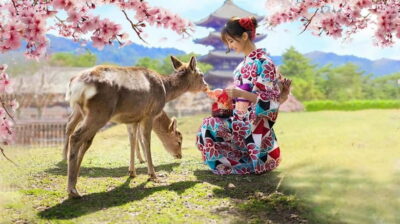
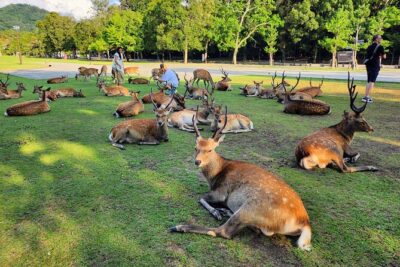
Day three is when the pace feels more human. Nara Park is first, with free-roaming deer and a huge open space. You get about an hour, which is enough to walk the area and decide where to focus without turning it into a full-day grind.
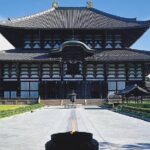
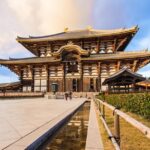
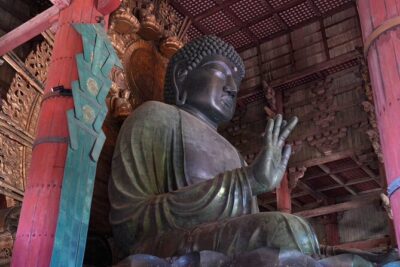
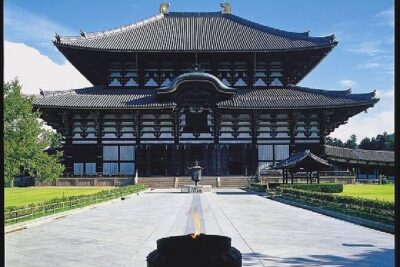
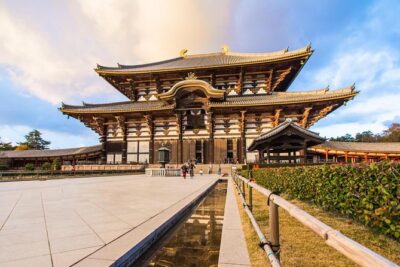
Todai-ji Temple is the big anchor after that. The main reason most people care is the giant bronze Buddha, the Daibutsu, and the temple complex’s UNESCO World Heritage status is part of its draw. Plan your time well here because it can feel vast, and an hour can either feel perfect or slightly short depending on how much you read and look.
Higashimuki Shopping Street adds a practical, rainy-day-friendly shopping arcade with food stops and a mochi pounding shop callout. Kofuku-ji Temple rounds out the temple trio, with pagodas, halls, and gardens noted in the description.
Then you shift back into Kyoto areas with shopping and gardens. Sanjodori Street connects Gion to Kawaramachi, so it is an efficient way to experience Kyoto street life without feeling like you are chasing everything across the city. Isuien Garden is included by the description, which makes it a great place to slow down. You will see a traditional Japanese garden with a pond and teahouse, plus nearby museum mention, which is the kind of stop that gives your feet a break.
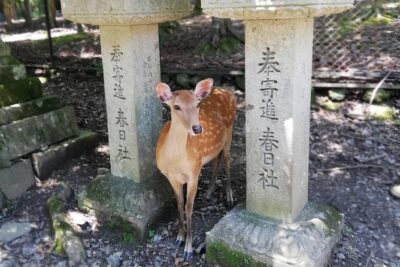
Kasuga Grand Shrine comes next, and the lantern focus is the key. Hundreds of lanterns donated by worshippers and stone lanterns along approaches are central to the vibe. After that, Naramachi offers old Machiya merchant town atmosphere with small alleys and cute cafes and shops, plus short time to browse.
The day ends with Uji, southern Kyoto tea country. You get around two hours and the description highlights terraced green fields and Uji’s reputation for fine Japanese tea. This is a solid ending stop because it feels calmer than the bigger-city hubs, and it gives you a different Kyoto flavor before heading toward Kobe.
Day 4 Kobe Views, Sake Stops, Himeji Castle, and Arima Onsen Reset
Kobe day four starts up the mountains. Mt. Rokko provides a higher viewpoint backdrop, and Kobe Nunobiki Herb Gardens is mentioned as part of the area. Even when you do not go deep into gardens, a mountain start helps you see Kobe as a city tucked into terrain, not just a port.
For sake lovers, Nada no Hitotsubi is next, a traditional brew district where you can visit multiple sake breweries. The description also points to factors like rice, water, and weather as part of why the brewing conditions are favorable in the area. You then visit Kobe Shushinkan Brewery, with a shop selling sake and sake-related products, plus free guided tours of the sake warehouse once per day mentioned.
Kobe also has a powerful, serious side in this route. Port of Kobe Earthquake Memorial Park is included, tied to the Great Hanshin Awaji Earthquake in 1995. If you want perspective beyond sightseeing, this stop is the one that lands with weight. It is also a reminder to move through the rest of the day a bit more thoughtfully.
Next is Kitano Ijinkan-gai, the former foreign merchant and diplomat settlement district near the port. It is a great “Kobe is international” counterpart to Kyoto and Nara’s more inward-focused tradition feel. Then Chinatown, Nankinmachi, gives you the Chinese merchant legacy tied to Kobe’s port opening.
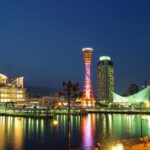
Kobe Harborland follows for a modern waterfront feel, with shopping malls and restaurants in the area described. From there, the route pivots to a major day-trip-style highlight, Himeji Castle. The description calls it White Heron Castle and notes its UNESCO World Cultural Heritage status. If you have limited time in Kansai, this is one of the most efficient castle experiences you can fit.
After Himeji, Koko-en Garden is listed as included. It is known for scenic landscapes, man-made lakes and bridges, and historic buildings. Then comes Arima Onsen, one of Japan’s oldest hot spring resorts. The stop includes a comfortable bath and a hot spring footbath note, making it a practical fatigue-killer after busy days.
The day finishes with more mountain and design. Rokko Garden Terrace and Rokko-Shidare Observatory are described as English garden and an art-and-nature dome-shaped observatory. If the timing works, the final viewpoint angle is a satisfying close because it ties your Kobe skyline back to the day’s earlier mountain start.
Price, Private Value, and What You Still Need to Budget
The price listed is $385 per group, up to 8 people. For a private multi-city route, the value is mainly about the avoided hassle. If you were paying for taxis plus separate guides plus all the time lost coordinating train transfers, this kind of bundled door-to-door plan often makes sense.
Also consider what you get that you cannot easily replicate with public transport. The car is air-conditioned, has onboard Wi-Fi, and includes charging power. Those details matter when your day includes lots of photo stops and long walks, because you are not constantly managing battery stress.
Now the important money note: admission fees and entrance tickets are not included. That means you should budget for paid entries where listed, such as gardens and certain temples or major sites like castles and palaces. Many other stops are free, but this route still contains enough paid highlights that you should plan for it rather than hoping everything is included.
Finally, think about group size. The price is per group, so it is best when you have enough people to split the cost, or when you really want privacy and can justify it yourself. If you are traveling solo or as a pair, it can still be worth it if comfort and flexibility matter more than squeezing the price.
How to Turn a Long Route Into a Relaxed Day
The biggest practical advantage of this tour is that it is flexible. Your itinerary can be changed according to your preferences and suggestions, which is exactly how you avoid the classic Japan travel problem of doing things you do not truly care about just because they are “scheduled.”
Use that flexibility smartly. If one temple or garden is a top priority for you, consider spending a bit more time there and letting something else be shorter. Many of the stops have time windows, so you do not want to accidentally rush past your favorite part because the plan is ambitious.
Watch your “energy math.” Day one stacks multiple Kyoto temple zones plus markets, then ends with a river experience. Day two does Osaka city icons plus market browsing and nightlife energy. Day three tones it down with deer, gardens, and Uji tea. Day four adds sake, history, a major castle, and hot springs. If you want a calmer trip, you should tell your planner early which days can stay packed and which ones should breathe.
Also, plan for restrooms. The tour data says there is no restroom on board, so you will want to use breaks during stops. Build in small pauses, especially on days that include outdoor viewing and walking.
Who This Tour Fits Best (And Who Might Prefer Something Else)
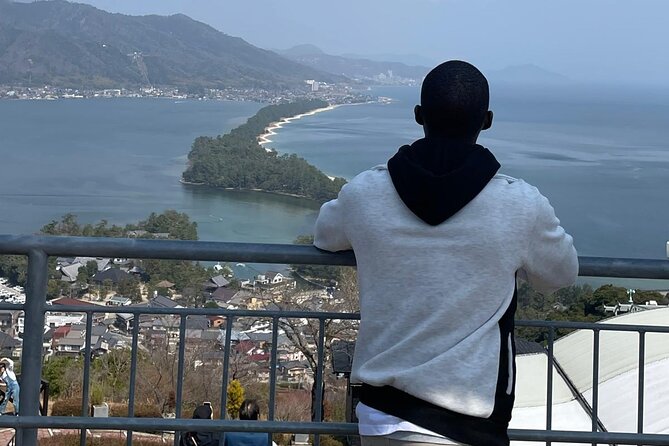
This is a great fit if you want to see Kyoto, Nara, Osaka, and Kobe in one go without turning it into a logistics project. It is also ideal for couples, families, and small groups who want private transport and the chance to adjust the plan day by day.
If you love variety, you will appreciate the mix here: sandbar nature, fishing village boathouses, Arashiyama area time, Golden and Silver Pavilion temples, Gion streets, food markets, Nara deer, Uji tea country, Kobe sake districts, then Himeji and Arima Onsen. That is a lot of emotional scenery in a short window.
If you are the kind of traveler who hates moving often, you might find the route intense. This is not a slow one-neighborhood tour, it is built to cover major regions, so you should be ready for travel days inside the tour.
One more reality check from the feedback provided: there was at least one complaint involving a canceled tour and refund expectations. That does not mean every booking will go the same way, but it is a good reason to communicate clearly about timing and plan changes before you rely on cancellation outcomes.
Should You Book This Private Kyoto Nara Osaka Kobe Tour?
I would book it if your priority is time saved and flexibility gained. The onboard Wi-Fi, private group transport, and door-to-door pick-up make it easy to keep moving while staying comfortable and connected.
You should think twice if you dislike paying on the spot for admissions, or if you prefer to linger slowly in fewer places. Since tickets are not included and there are many high-demand sites on the route, you will want to be honest with yourself about how much you can walk and how many paid entries you are comfortable adding up.
If you want a practical plan for a multi-city Kansai trip, this is the kind of tour that helps you tick the boxes without feeling like you are doing it the hard way.
FAQ
Is this tour private?
Yes. It is a private tour, and only your group participates.
How many people can be in the group for this tour?
The price is per group for up to 8 people.
Do admission fees and sightseeing tickets come with the tour price?
No. Admission fees are not included, and entrance fees and sightseeing tickets are not included.
Does the vehicle have Wi-Fi and power for charging?
Yes. The vehicle has stable onboard Wi-Fi, and it also has a 100V AC power supply for charging devices like laptops and cameras.
Is pick-up and drop-off included?
Yes. Pick-up and drop-off are included at hotels, the airport, and other locations you choose.
Is there a restroom on board the vehicle?
The tour does not include a restroom on board, so you will need to use restrooms during stops.
Kobe and the White Castle
Half a Day in Nara

Newest Kyoto write-ups from the Loving Japan desk
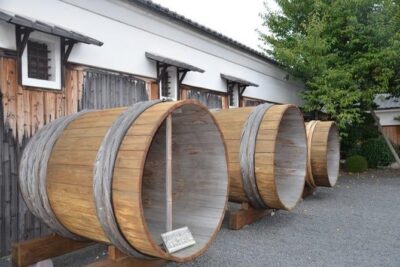
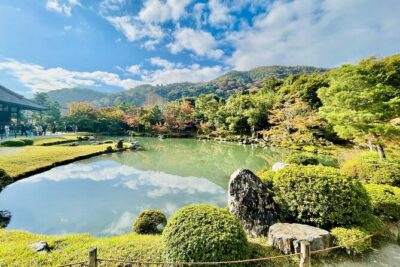
Nara Deer Park and Todai-ji, side by side.
 ★ 5.0World Heritage Kyoto & Nara Uji Authentic Matcha ExperienceFrom $1291,573 reviews
 ★ 4.7Kyoto/Osaka: Nara, Fushimi Inari Taisha, Arashiyama Bus TourFrom $521,275 reviews
 ★ 5.0Nara Half Day Trip Walking Tour (Private Option Available)From $105937 reviews
 ★ 4.4Osaka/Kyoto: Arashiyama, Nara & Fushimi Inari Shrine w/LunchFrom $61754 reviews
 ★ 5.0Nara Early Morning Tour (Kyoto or Osaka Departure Available)From $61676 reviews
 ★ 4.5Kyoto and Nara Day Trip from KyotoFrom $194445 reviews
 ★ 5.0Full Day Guided Tour to Kyoto and Nara from Osaka by VanFrom $106420 reviews
 ★ 4.5Nara Afternoon Tour from Kyoto or OsakaFrom $102390 reviews
Filed on these lists too