
REVIEW · NARA DEER PARK AND TODAI-JI
Nara Half Day Trip Walking Tour (Private Option Available)
Five hours in Nara feels like a week. This half-day walk strings together big-name sights and smaller surprises, from Kofuku-ji to Todaiji, with deer etiquette and a proper lunch break built in. You’ll get the feel of temple-town Japan without spending a full day stuck in lines.
I love that the tour includes admission tickets and a sit-down lunch, so you spend your energy on the sights instead of logistics. I also like the small-group feel, since the max group size is 8, and it stays relaxed enough for questions, pacing, and photos.
One catch to plan around: gluten-free needs can’t be accommodated, and Nara’s summer heat and humidity can be intense. Bring water, wear a hat, and don’t underestimate how long a temple visit can feel under peak sun.
In This Review
- Key things I’d plan around
- Price and what you actually get for your money
- Meeting point and the first minutes that matter
- Kofuku-ji Temple: five stories of Fujiwara-era drama
- Todaiji Temple and Nandaimon: meeting the Great Buddha properly
- Lunch at 107 Zōshichō: an old-town reset
- Kasuga Taisha and the Primeval Forest walk: lanterns and ritual pace
- Nara Park deer time: the etiquette part is the real value
- Naramachi: merchant streets, old-town textures, and a quirky surprise
- What the guides do that turns sights into understanding
- Timing, walking style, and comfort tips that actually help
- Who should book this Nara half-day walk
- Should you book this tour or DIY it?
- FAQ
- How long is the Nara half-day walking tour?
- What’s included in the tour price?
- Does the tour include Nara Park and the deer?
- Is gluten-free available on this tour?
- Are dietary requests accepted on the day of the tour?
- Where is the meeting point?
Key things I’d plan around
- Kofuku-ji five-story pagoda start: a stunning landmark that sets the tone right away.
- Todaiji main hall and Nandaimon focus: the “wow” factor comes fast and stays powerful.
- Lunch stop at 107 Zōshichō: an old-town restaurant break, not a rushed snack.
- Kasuga Taisha plus forest paths: shrines feel different when you’re walking through the surrounding woods.
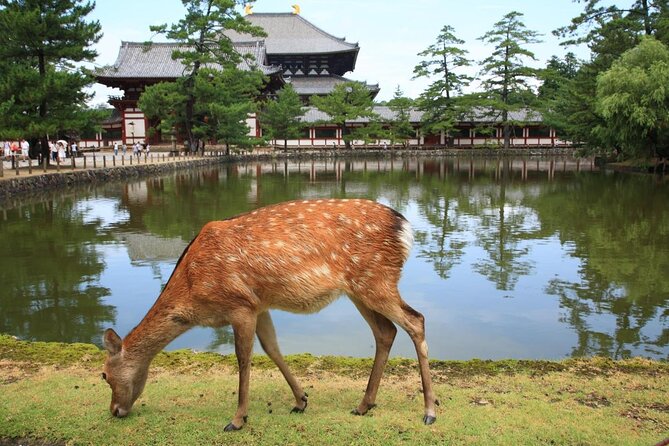
- Nara Park deer time with guidance: you’ll get practical tips for respectful feeding.
- Naramachi merchant houses: a look at historic streets that feels more local than postcard.
A half day in Nara goes several ways
- World Heritage Kyoto & Nara Uji Authentic Matcha Experience
★ 5.0 · 1,573 reviews - Nara Half Day Trip Walking Tour (Private Option Available)
★ 5.0 · 937 reviews - Nara Early Morning Tour (Kyoto or Osaka Departure Available)
★ 5.0 · 676 reviews - Osaka: Nara and Uji Day Trip with Deer Park and Hot Spring
★ 4.4 · 302 reviews
Price and what you actually get for your money
At $105.45 per person for about 5 hours, this tour sits in the “worth it if you hate wasting time” category. You’re not just paying for a guide, you’re paying for entry tickets to the featured sites plus lunch, which cuts down on the busy-work when you’re trying to see a lot in a short window.
A hidden benefit is the routing. Nara can be crowded around the biggest temples, and hopping between sites on your own can turn into stop-and-go walking. Here, you get a sequence that makes sense for first-timers, with breaks long enough to regroup and handle photos without losing the whole day.
There’s also a practical upside to the format: it’s a small group (up to 8), and confirmations happen via a mobile ticket. That matters because temple days run on timing, and you don’t want to be scrambling at the start.
Meeting point and the first minutes that matter
You start at the Statue of Gyoki-bosatsu at 27 Higashimuki Nakamachi, Nara (630-8215). The tour ends back at the same meeting point, which is helpful if you want a clean plan for the rest of your afternoon.
Since it’s near public transportation, you can pair this with other Nara plans without stress. Still, show up a bit early. In Japan, temple-town walks can get smoother when you’re already lined up and ready to go.
If you’re traveling with kids or anyone with mobility limits, this is one of the better Nara options because the tour notes short breaks and allows all ages to participate. If you have health concerns, it’s smart to message ahead so the guide can pace accordingly.
Kofuku-ji Temple: five stories of Fujiwara-era drama
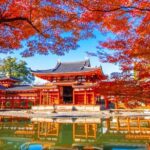
The tour kicks off at Kofuku-ji Temple, famous for its five-story pagoda. It’s one of the most recognizable images in Nara, and it’s not there for decoration. Built by the Fujiwara clan in 730, the pagoda gives you that instant “this place has weight” feeling.
The stop is short, about 15 minutes, but it’s designed to get you oriented. You’ll see why this temple complex is a cornerstone of Nara’s temple architecture, then you move on while you still have momentum.
Practical note: this is a great place for first photos, since you haven’t yet reached the heavier foot-traffic zones. If you’re sensitive to crowds, coming early in the route is your advantage.
- Kyoto/Osaka: Kinkakuji, Bamboo Forest, and Nara Deer Park★ 4.4 · 265 reviews
- Nara 6hr Private Tour with Government-Licensed Guide★ 5.0 · 219 reviews
- E-Bike Nara Highlights – Todaiji, Knives, Deer, Shrine★ 4.8 · 186 reviews
- Nara Early Bird Tour (Kyoto Departure Option Available)★ 4.9 · 142 reviews
- Nara:Authentic Tea Ceremony(Max 5 ppl) -Master Matcha Making★ 5.0 · 119 reviews
Todaiji Temple and Nandaimon: meeting the Great Buddha properly
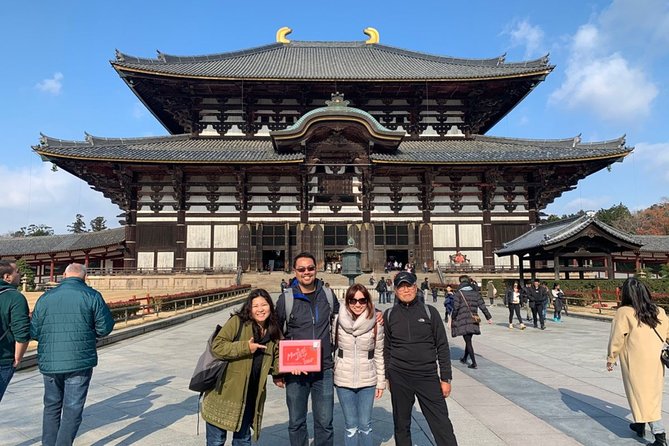
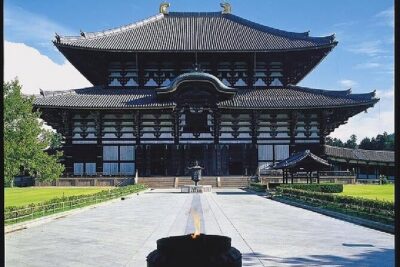
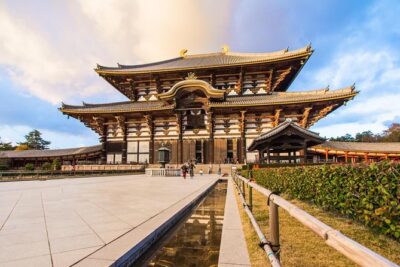
Next up is Todai-ji Temple, including the Main Hall and Nandaimon (the big gate you walk through on the way to the Buddha). As you approach, you’ll see the imposing guardian statues called Kongorikishi, which frame the whole experience and set expectations fast.
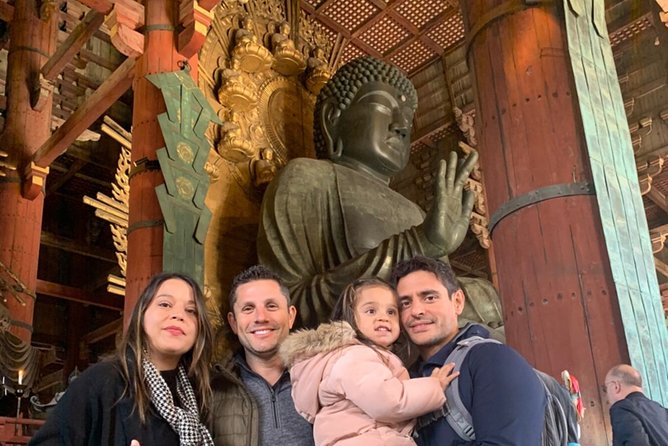
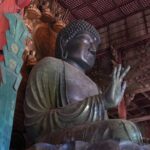
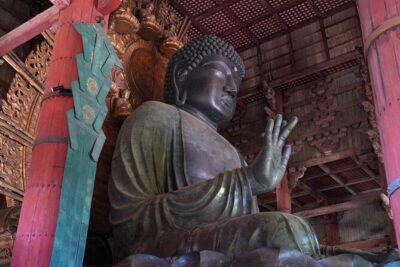
Then comes the moment most people came for: the Great Buddha. The sheer scale is the point, but the guide’s commentary helps you understand what you’re looking at so it doesn’t feel like just another big statue photo.
This stop is around 30 minutes, and that’s a good length for first-timers. You can look up, take in details, and still move before the day gets too crowded.
If you’re visiting in cold weather, the areas near major halls can feel colder than expected due to airflow. If you’re visiting in summer, you’ll be grateful for the earlier start, because later you’ll be outside more often.
Lunch at 107 Zōshichō: an old-town reset
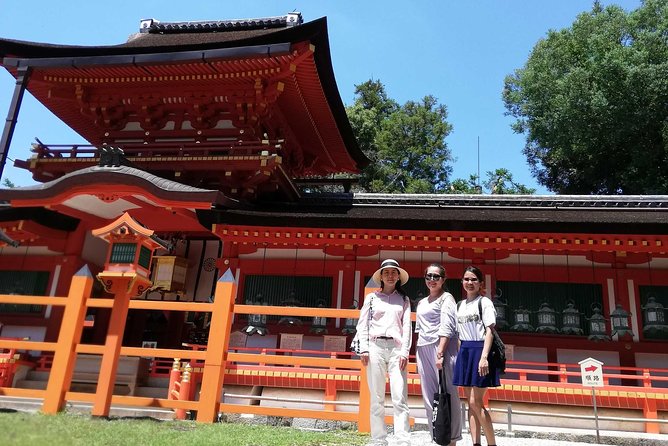
About mid-tour you head to 107 Zōshichō for lunch, roughly 45 minutes. This is a traditional Japanese restaurant stop, and it’s one of the smartest parts of the tour design.
Why? Because when you’re seeing temples and shrines back to back, hunger makes the whole thing slower. A sit-down lunch gives you a reset, and you can refocus on the next area with better energy.
A few important food realities:
- Gluten-free requests can’t be accommodated on this tour.
- Allergy-free or strict dietary guarantees aren’t promised, since the food is prepared in kitchens not belonging to the tour provider.
- If you have dietary requests, you need to request in advance (by the day before). Requests on the day of the tour can’t be accepted.
That said, I like that the tour is flexible within reason. In the feedback I saw, at least one group reported a vegan teishoku-style meal being provided, and another group mentioned support for vegetarian needs. If your needs are complicated, message early so your guide can do their best within the stated limits.
Also, the guide’s own food is not your responsibility. If you want extra snacks or drinks, it’s smart to bring cash.
Kasuga Taisha and the Primeval Forest walk: lanterns and ritual pace
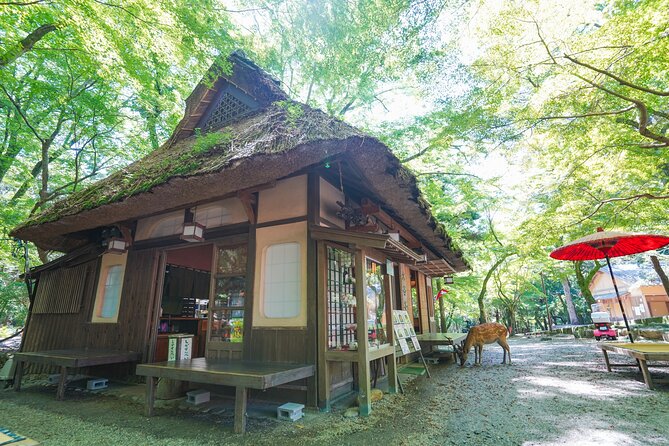
After lunch, you move to Kasuga Taisha, with time that includes the surrounding Kasugayama Primeval Forest area. This is a different mood than Todai-ji. Instead of one massive architectural statement, you’re walking through a landscape that feels woven into the shrine experience.
The stop is around 30 minutes, and you’ll explore Kasuga Taisha itself. Part of the appeal here is how the shrine’s details reward slower looking. If you love religious architecture, this is where you’ll notice the lighting, textures, and the way visitors move through the space.
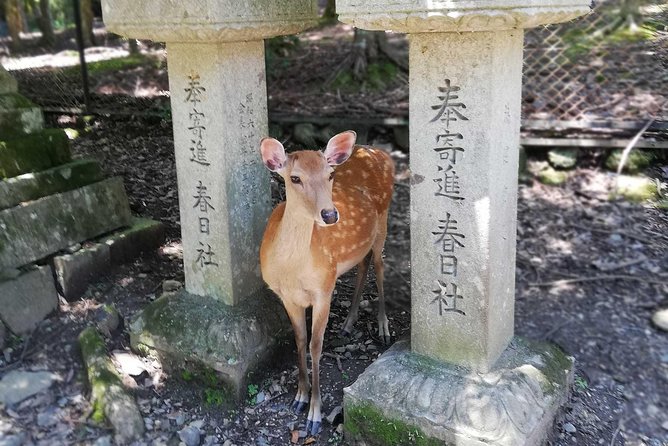
One thing to expect: Kasuga is known for its lanterns, and you’ll get a chance to see the shrine area housing hundreds of lanterns. It’s visually striking, and it also helps you understand why people say Nara is not just temples, it’s a living cultural setting.
Nara Park deer time: the etiquette part is the real value
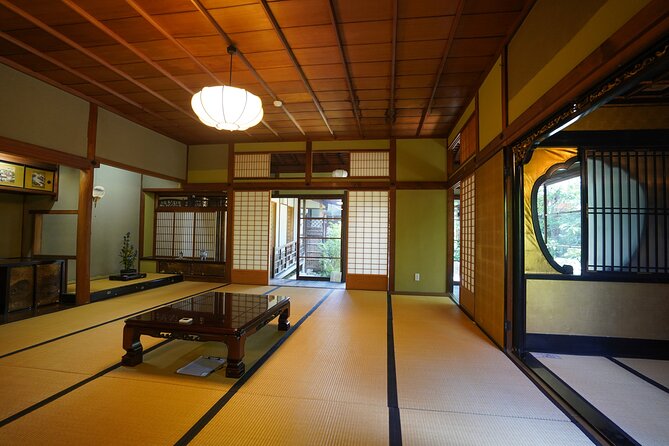
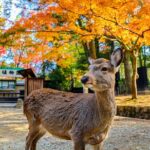
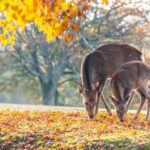
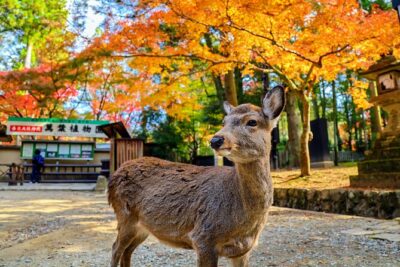
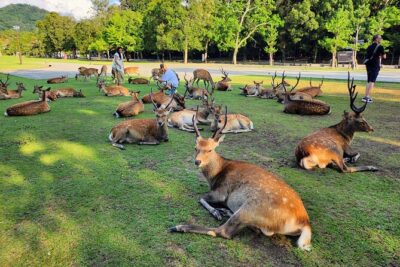
Then comes Nara Park, about 30 minutes, where the deer are the star. This is the moment many visitors remember most, but it’s also the moment that can go sideways if you don’t know how to behave.
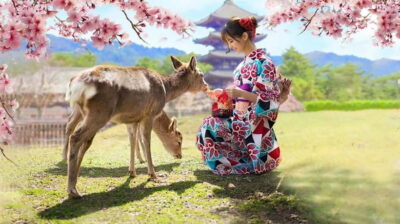
Here’s where the guide makes a practical difference. You’ll get clear advice on how to interact respectfully, including tips that help you avoid the deer getting pushy or crowding you. In some guides’ approach, you’ll even learn about the deer behavior people look for, like the bowing gesture that happens when treats are given.
The park itself is also a good breather. You’re outdoors, you can spread out a little, and you get to see why Nara feels playful even when it’s a serious religious town.
If you’re visiting in the morning, expect the deer to be more eager. If you’re visiting later in the day, the energy can shift. Either way, follow your guide’s instructions and you’ll have a much better time than trying to wing it.
Naramachi: merchant streets, old-town textures, and a quirky surprise
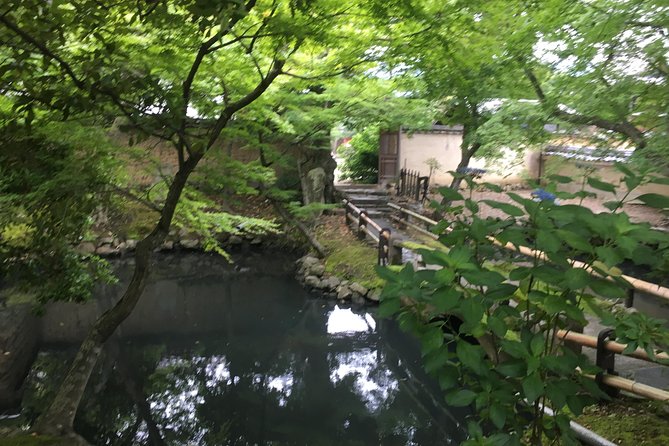
The final leg heads into Naramachi, including time around Naramachi Nigiwai no Ie. This part is a nice balance after the big temple and shrine highlights because it focuses on everyday historic town atmosphere.
You’ll walk among older townscape streets and look at traditional merchant structures. The tour includes time to enter a historic merchant’s house, which helps you understand the human scale of Nara, not just the religious landmarks.
There’s also a mention of a hidden Japanese pyramid surprise in this section. The point isn’t the label, it’s the fun feeling of spotting something unexpected in a street you might otherwise walk past without noticing.
This stop is around 35 minutes, which is a comfortable length for wandering, shopping if you want, and collecting memories before you head back to the meeting point.
What the guides do that turns sights into understanding
A big reason people rate this tour so highly is the guide style. Names that show up in the feedback include Jimmy, Shin, Yuki, Miyabi, Eri-san, Mari, Nao, and Yuuki. The common thread is that they connect what you’re seeing to how Nara works, religious customs included.
In practice, that means:
- You get context for the temples and shrines, not just dates and names.
- You learn small behavior rules, especially around the deer, so you’re respectful and not panicked.
- You get practical help with photos, pacing, and where to stand for good views.
Some guides also use the time to share extra local culture, like tips for traditional sweets or even food add-ons such as sake tasting in the general area, depending on timing and flow. I’d treat those as guide-dependent bonuses, not a guaranteed extra stop, but they can be a fun way to finish the day feeling more connected to local life.
Timing, walking style, and comfort tips that actually help
This is about 5 hours with planned short visits and breaks. The route is walking-heavy, and temple-town streets mean uneven sidewalks and some stairs at different stops. That’s normal here, so pack for it.
Comfort tips that matter:
- Bring water and a hat, especially in summer when humidity is brutal and temperatures can reach extreme highs.
- Wear shoes with grip. You’ll be on temple paths and park edges where footing can get slippery.
- In winter, dress in layers. Major shrine and temple areas can feel colder than street temps.
Also, the tour is described as requiring good weather. If conditions are poor, you may be offered a different date or a full refund, so check forecast timing before you commit your schedule.
Who should book this Nara half-day walk
You should book if you want:
- A fast, structured introduction to Nara’s top temples and shrine culture.
- A day plan that includes lunch and admission tickets, so you’re not managing tabs and lines alone.
- A manageable group size (max 8) where the guide can answer questions and keep things flowing.
It’s especially good for first-timers who feel overwhelmed by the sheer number of choices in Nara. It’s also a strong family-friendly option since it’s designed for all ages with walking breaks, and the deer segment is naturally kid-friendly.
You might look elsewhere if you:
- Need gluten-free support, since this tour can’t accommodate it.
- Have strict allergy needs that require fully controlled, allergy-free meal preparation, since the tour can’t guarantee allergy-free conditions.
Should you book this tour or DIY it?
If you’re short on time and want the “see the big stuff without the headaches” approach, I think this is a smart booking. The combination of Todaiji + Kasuga Taisha + Nara Park deer plus lunch and included tickets makes it efficient, and the guide guidance makes the deer moment much more enjoyable.
If you’re a confident independent traveler who already knows Nara well and prefers to roam freely, DIY can work. But for most people, this half-day route is the sweet spot between overwhelmed and under-seeing.
My decision rule is simple: if you want structure, context, and a good meal without extra planning, book it. If you need gluten-free certainty, plan another option.
FAQ
How long is the Nara half-day walking tour?
It runs for about 5 hours.
What’s included in the tour price?
Admission tickets for the included sites and a lunch stop are included. The tour also uses a mobile ticket.
Does the tour include Nara Park and the deer?
Yes. You’ll have time in Nara Park to see the deer and learn how to interact with them respectfully.
Is gluten-free available on this tour?
No. The tour cannot accommodate gluten-free requests.
Are dietary requests accepted on the day of the tour?
No. Dietary requests must be requested in advance (by the day before), and requests on the day of the tour can’t be accepted.
Where is the meeting point?
You meet at the Statue of Gyoki-bosatsu, 27 Higashimuki Nakamachi, Nara, 630-8215, Japan, and the tour ends back at the same meeting point.
Half a Day in Nara

Newest Nara write-ups from the Loving Japan desk
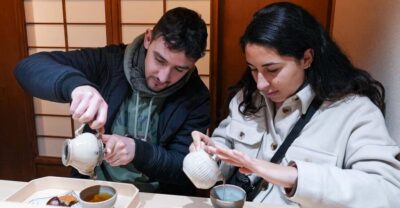
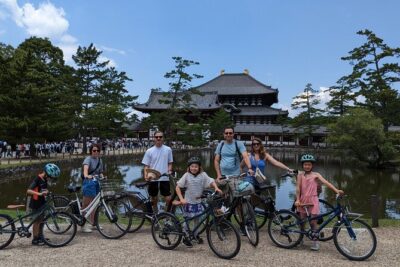
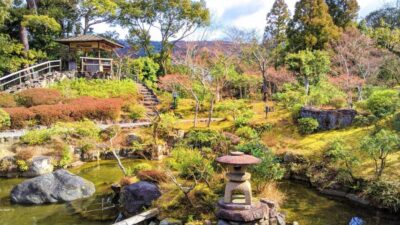

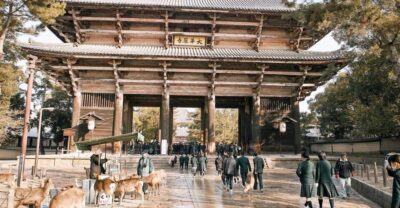
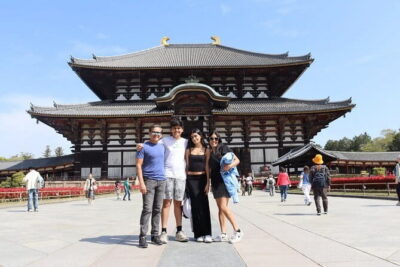
Nara Deer Park and Todai-ji, side by side.
 ★ 5.0World Heritage Kyoto & Nara Uji Authentic Matcha ExperienceFrom $1291,573 reviews
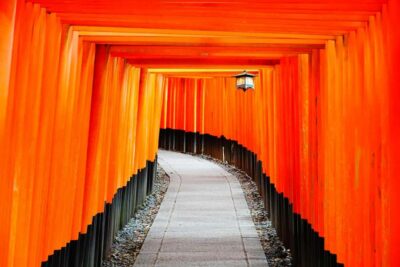
 ★ 4.7Kyoto/Osaka: Nara, Fushimi Inari Taisha, Arashiyama Bus TourFrom $521,275 reviews
 ★ 4.4Osaka/Kyoto: Arashiyama, Nara & Fushimi Inari Shrine w/LunchFrom $61754 reviews
 ★ 5.0Nara Early Morning Tour (Kyoto or Osaka Departure Available)From $61676 reviews
 ★ 4.5Kyoto and Nara Day Trip from KyotoFrom $194445 reviews
 ★ 5.0Full Day Guided Tour to Kyoto and Nara from Osaka by VanFrom $106420 reviews
 ★ 4.5Nara Afternoon Tour from Kyoto or OsakaFrom $102390 reviews
 ★ 4.6From Kyoto: Nara Guided Morning TourFrom $77335 reviews
Filed on these lists too