
REVIEW · TAKAYAMA, HIDA AND SHIRAKAWA-GO
Takayama: Edo-Period Old Town Walking Tour
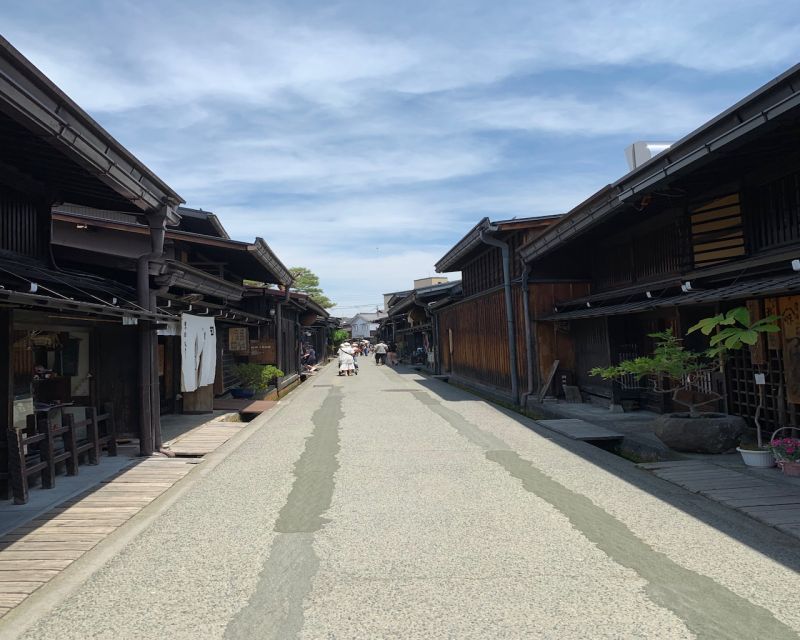
Old streets tell stories fast. This Takayama walk is interesting because it zooms in on the town’s Edo-period merchant roots and how everyday life shaped the streets you can still see today. I also love that the guide explains plain, practical details as you go, so you do not just pass buildings, you understand why they look the way they do.
At $43 for about 45 minutes, it is a solid introduction when you want quick context before exploring on your own. One possible drawback is that 45 minutes can feel short for the price if you were hoping for a longer, slower stroll with lots of free time.
In This Review
- Key highlights I’d bank on before you go
- Takayama’s Edo-period Merchant Tale, Not a Castle Story
- How Trade, Craft, and Everyday Life Shaped the Old Streets
- What the Guide Points Out as You Walk (and Why It Matters)
- The 45-Minute Walk That Helps You Plan the Rest of Your Day
- Price, Value, and When $43 Feels Right
- Logistics That Matter: Where to Meet and How to Prepare
- Who This Tour Suits Best in Takayama
- Should You Book This Takayama Old Town Walk?
- FAQ
- How long is the Takayama Edo-Period Old Town walking tour?
- How much does the tour cost?
- Where do I meet the guide?
- Is the tour conducted in English?
- What is included in the ticket price?
- Is food and drink included?
- Does the tour run in bad weather?
Key highlights I’d bank on before you go
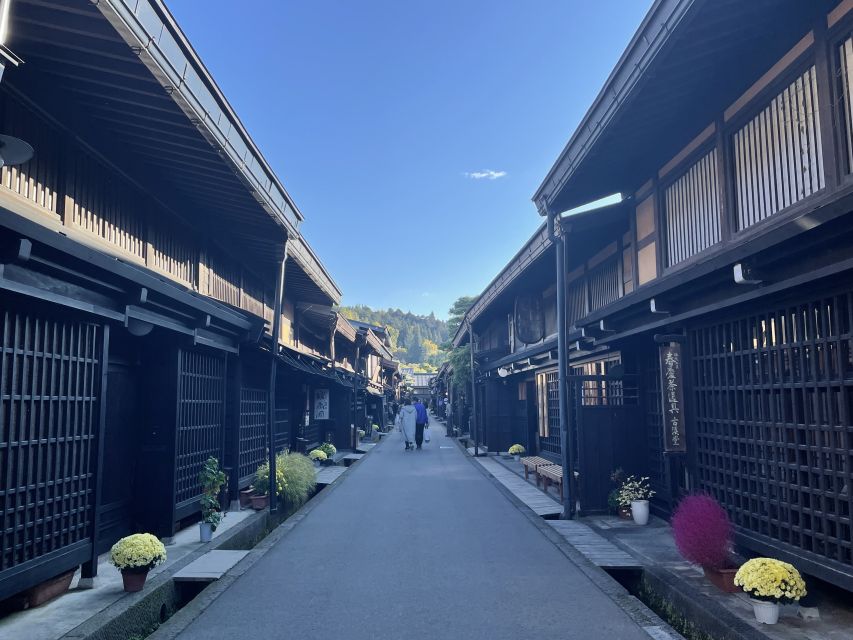
- Edo-period merchant-town focus instead of castle-and-samurai storytelling
- Town planning and street layout explained in everyday terms
- Meaning behind ordinary sights like buildings and local customs
- A well-paced 45-minute intro that helps you navigate the rest of Takayama
- English live guide (with other languages sometimes available on request)
- Rain or shine tour so you can count on it even with weather changes
Old-town Hida and the thatched valley, other versions
- Kanazawa: World Heritage Shirakawa-go Morning Guided Tour
★ 4.9 · 988 reviews - Kanazawa: World Heritage Shirakawa-go & Two Local Experience
★ 4.9 · 274 reviews - Kanazawa/Takayama: Shirakawago & Takayama Private Day Tour
★ 4.8 · 172 reviews - Departing from Takayama [Regular sightseeing bus] World Heritage Sites Shirakawago and Gokayama Ainokura
★ 4.5 · 137 reviews
Takayama’s Edo-period Merchant Tale, Not a Castle Story
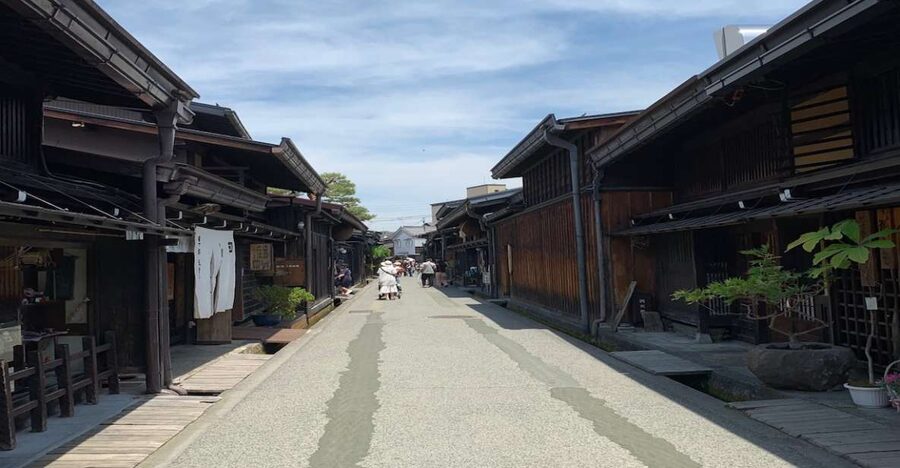
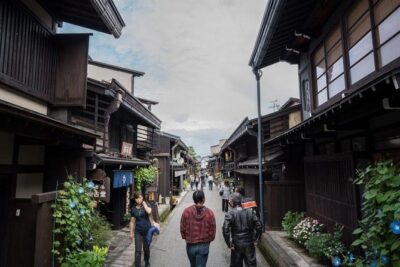
If your Japan trip includes Takayama, you probably want more than pretty streets. This tour helps you understand why Takayama feels like a living old town, because the emphasis is on how it grew as a merchant town during the Edo period.
The Edo period in Japan is often remembered for politics and power, but Takayama’s big story here is trade, craftsmanship, and daily movement. You learn how people lived and worked, how commerce shaped the town, and why those rhythms influenced where things were built and how streets developed. That difference matters, because you end up looking at the old town with purpose instead of just sightseeing.
One extra plus: the guide adds brief context about what came before and after the Edo period. That helps you place Takayama in a bigger timeline without getting buried in dates. You walk away with a simple mental map, which is exactly what you need before wandering further.
How Trade, Craft, and Everyday Life Shaped the Old Streets
This is not a lecture tour. It is a walking tour that uses Takayama’s old town streets as the classroom, with the guide connecting what you see to how the town functioned.
Here is the core idea you’ll keep hearing: Takayama flourished because of merchants and skilled work, not because it was a samurai headquarters. That changes how you interpret the built environment. Instead of expecting grand, military-style landmarks, you start noticing practical design choices that supported business and daily routine.
You’ll also get a feel for how town planning worked. Even without a formal diagram, the guide points out how street patterns and the way people moved through the area fit the needs of a commercial town. Think of it as learning the logic behind the layout, so when you later walk those streets on your own, you instinctively understand where things make sense.
Craft and trade show up in how everyday scenes are explained too. The tour focuses on daily life, so you are not only learning what merchants did, you are learning what that meant for normal people, the flow of activity, and the practical details that visitors tend to miss.
What the Guide Points Out as You Walk (and Why It Matters)
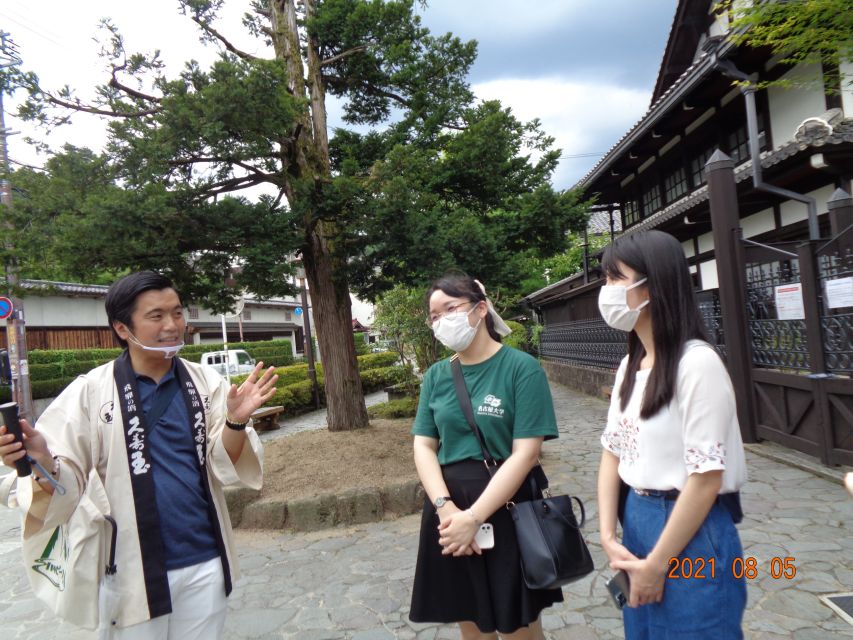
The best part of this tour, in my opinion, is that it teaches you to read the town. The guide explains the meaning behind everyday-looking sights, including town layouts, building features, and local customs.
You will likely notice how the guide frames ordinary details as clues. A street that looks simple becomes meaningful once you understand how merchants and residents used it. A building that looks like it belongs to the past becomes clearer when you connect it to daily work and trade.
This is also where a good guide makes a measurable difference. In the reviews, I saw notes about guides like Yamma being engaging and switching between Japanese and English to keep the explanation flowing. On other runs, you might get a more straightforward English-only style. Either way, the goal is the same: context that sticks, not a pile of facts.
Still, keep expectations grounded. This tour is built to be accessible and clear, not overwhelming. If you love history for its own sake, you might wish there were more time for follow-up questions. If you are using this as a smart starting step, the pace makes sense.
Also, because the tour avoids being date-heavy, the learning works like a story you can remember. When you later spot a detail on your own, it is easier to connect the dots because the guide taught you what to look for in the first place.
- 1-Day Takayama Tour: Explore Scenic Takayama and Shirakawago★ 5.0 · 113 reviews
- From Takayama: Guided Day Trip to Takayama and Shirakawa-go★ 4.9 · 113 reviews
- Takayama: Onigiri and miso soup making at a buddhist temple★ 4.9 · 93 reviews
- From Takayama: Alpine Splendor – Shinhotaka Ropeway and Kamikochi★ 5.0 · 91 reviews
- Takayama Half-Day Private Tour with Government Licensed Guide★ 5.0 · 69 reviews
The 45-Minute Walk That Helps You Plan the Rest of Your Day
The duration is listed as about 45 minutes, and it may run slightly longer depending on the flow and guest questions. That timing is a big deal in Takayama, where you can easily spend hours wandering the old streets once you know where you are.
I like this structure for travelers who want orientation without exhausting their legs. Forty-five minutes is enough time to grasp the town’s big idea, the Edo-period merchant angle, and the meaning behind the most noticeable everyday details. Then you are free to explore at your own pace, stop where something catches your eye, and go deeper where you actually care.
If you are the type who likes to plan your day like a checklist, this tour gives you a strong first anchor. You meet the guide at the start point, you walk with explanations, and you finish with a clearer sense of what you are looking at. That means your self-guided walking is more rewarding, because you are not starting from zero.
One practical note: the tour runs rain or shine. So if you want to stay dry, bring a compact umbrella or light rain layer. Since food and drinks are not included, I would also treat this as a pre-meal or mid-walk stop, then plan a proper break afterward.
Price, Value, and When $43 Feels Right
$43 per person for a 45-minute guided walking tour is not a bargain, but it is not outrageous either, especially if you use it as an introduction that improves everything you do afterward. The value comes from having a local guide explain what otherwise looks like plain streets and buildings.
You are paying for interpretation, not transportation or a long program. In other words, you are buying time-saving context. If you are comfortable reading on your own, you might feel it is pricey for the time alone. If you prefer learning through a live guide and you want to get your bearings fast, the price can feel fair.
There is also a downside to consider. Some people felt the tour duration seemed short for what they paid. You do not need to panic about that, but you should know the format is intentionally brief. If you want a long walking experience with lots of stops and extended discussion, you may want to pair this with extra self-guided time in the old town right after.
On the positive side, this style of tour tends to work well when you want a clean, lasting framework. The guide’s focus on town planning, everyday sights, and how the merchant town developed helps you turn your later wandering into something smarter and more memorable.
Logistics That Matter: Where to Meet and How to Prepare
Meeting point is in front of the Tours & Activities sign board. You can search for happyplus in Google Maps to find the right area.
Tours are usually conducted in English, and other languages may be available upon request. If English is non-negotiable for you, this is reassuring. Still, I would arrive a few minutes early so you start calmly rather than rushing into the first explanation.
The tour is wheelchair accessible. That is the headline you should go by. If you use mobility aids, it is worth keeping your expectations flexible, because old town streets can be uneven in general, but the operator states accessibility.
Comfort tips are simple: wear walking shoes, keep a light layer for weather, and remember that food and drinks are not included. Bring water if you know you get thirsty, especially if you will continue exploring after the tour.
Who This Tour Suits Best in Takayama
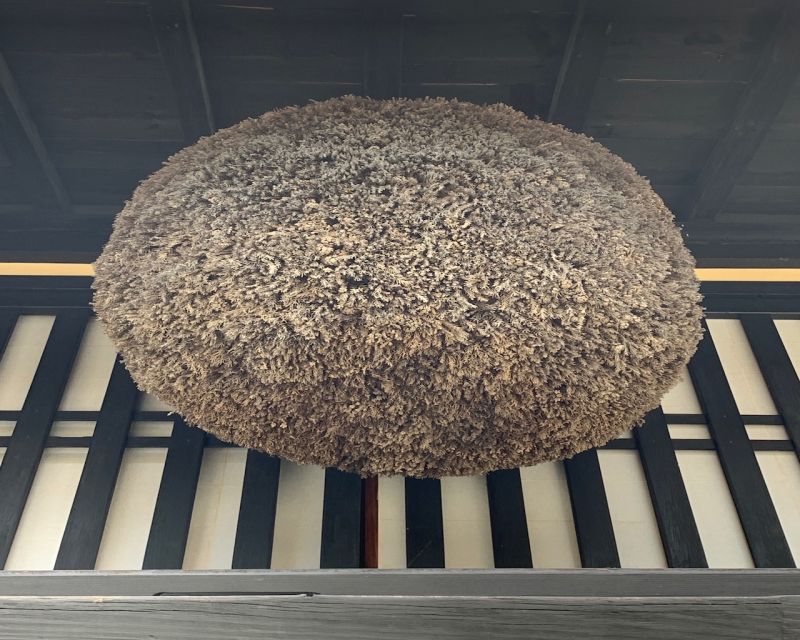
This tour is ideal if you want an easy entry point into Takayama’s old town. If you feel overwhelmed by how many traditional-looking streets and buildings you see, a guide can help you sort what matters and why.
It also suits travelers who like a clear theme. This walk stays focused on the Edo-period merchant town story, shaped by trade, craftsmanship, and daily life. If you prefer focused walking over broad sightseeing, this format fits.
You might get the most out of it if you:
- want context before you self-explore
- enjoy explanations tied to what you can physically see nearby
- prefer a short, manageable tour length
If you are traveling with someone who wants history but also wants it practical, the design of the tour should work well. The guide’s approach is built around making details understandable without drowning you in dates.
If you are a hardcore history scholar who wants deep dives into architecture or governance, you might want more time or additional activities. But as a starting point, it is a strong way to understand Takayama fast.
Should You Book This Takayama Old Town Walk?
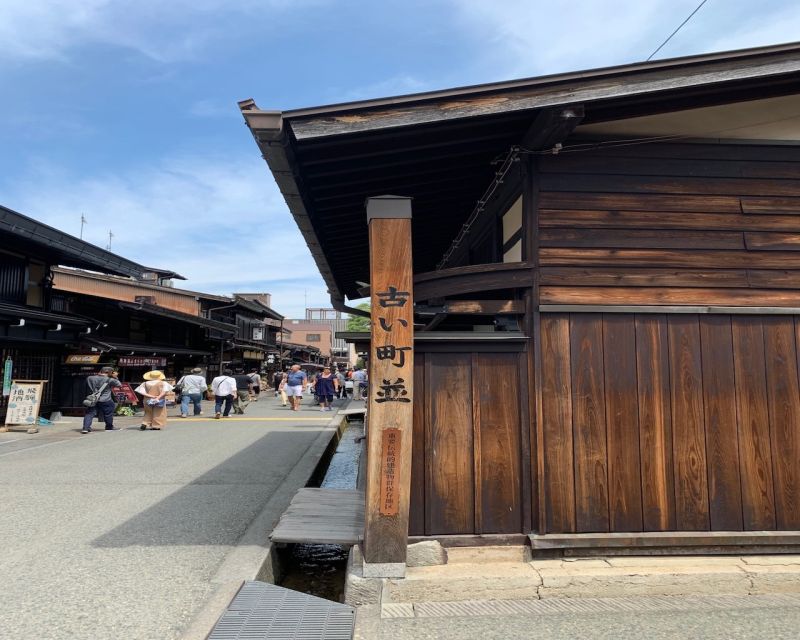
Book it if you want a 45-minute, guided introduction that helps you see Takayama’s Edo-period merchant story in the streets around you. The strongest reason to book is the way the guide turns everyday sights into meaningful clues, so your later wandering feels smarter and less random.
Skip it or consider an alternative if you were hoping for a longer tour that spends lots of time lingering in one spot. At $43 and about 45 minutes, this is meant as orientation, not as the main event of your day.
My bottom line: this is a good value when you treat it as your context-builder, and a less perfect fit if you only want a very long guided walk.
FAQ
How long is the Takayama Edo-Period Old Town walking tour?
The duration is approximately 45 minutes, and it may extend slightly depending on the flow of the walk and guest questions.
How much does the tour cost?
The price is $43 per person.
Where do I meet the guide?
Meet in front of the Tours & Activities sign board. You can search for happyplus in Google Maps to find the location.
Is the tour conducted in English?
The tour is usually conducted in English. Other languages may be available upon request.
What is included in the ticket price?
The ticket includes a local guide and the walking tour.
Is food and drink included?
No. Food and drinks are not included.
Does the tour run in bad weather?
Yes. Tours take place rain or shine.
Hida Old Town and the Thatched Valley



Newest Takayama write-ups from the Loving Japan desk

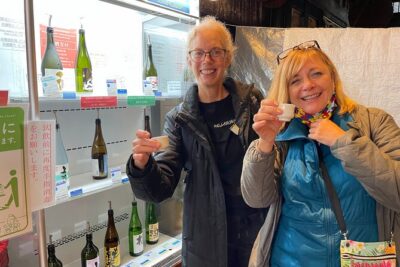
Takayama, Hida and Shirakawa-go, side by side.
 ★ 5.0World Heritage Shirakawa-go and Experience Tours from KanazawaFrom $1224,049 reviews
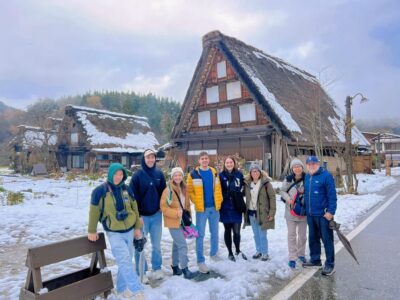 ★ 4.9World Heritage Shirakawa-go Morning Guided TourFrom $77988 reviews
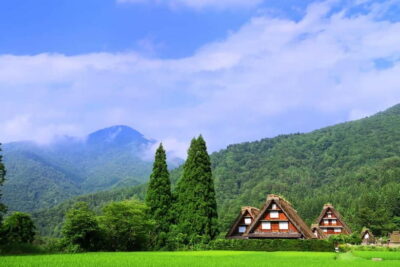 ★ 4.4From Nagoya: Gujo, Hida Takayama, and Shirakawa-go Day TourFrom $61398 reviews
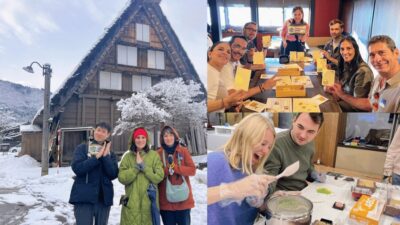 ★ 4.9World Heritage Shirakawa-go & Two Local ExperienceFrom $116274 reviews
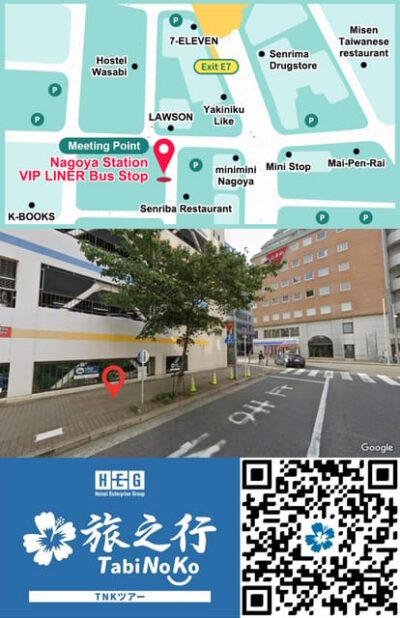 ★ 4.5From Nagoya: Hida Takayama & Shirakawa-go Tour w/Opt. LunchFrom $61256 reviews
 ★ 5.0[One-day bus tour departing from Kanazawa Station] Shirakawa-go and Gokayama – Two World Heritage Villages Enjoyable Bus TourFrom $88253 reviews
 ★ 4.51 Day Private Charter Tour to Shirakawa-go & TakayamaFrom $575253 reviews
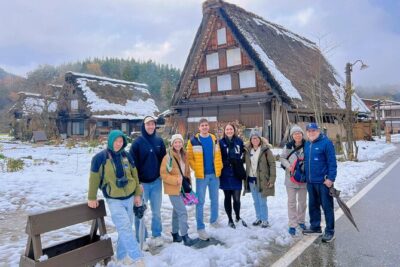 ★ 5.0World Heritage Shirakawa-go Perfect Guided Tour from KanazawaFrom $81220 reviews
Filed on these lists too