
REVIEW · TAKAYAMA, HIDA AND SHIRAKAWA-GO
Takayama: Private Walking Tour with a Local Guide
Takayama feels made for slow wandering. A private walking tour with a licensed local guide helps you move past the usual checklist and into real, usable context, with a route that can be customized to what you care about most. I especially like how the guide turns Edo-era streets, museum buildings, and temple details into something you can picture, not just facts you forget. I also like the food side of the experience, because guides like Lily and Annie are known for sharp local recommendations, including Hida beef lunch, plus options such as sake and green tea tastings.
The one thing to plan for is that this is a walking tour with optional paid stops, so entrance fees are not included, and you’ll want comfy shoes and a little budget buffer. Also, the tour isn’t considered fully confirmed until the guide contacts you, which is usually within about a week.
In This Review
- Key things that make this Takayama tour work
- Takayama in real life: old streets, festival craft, and Gifu mountain scenery
- Price and what you actually get for $119
- Your private guide: pace, English fluency, and real-world tips
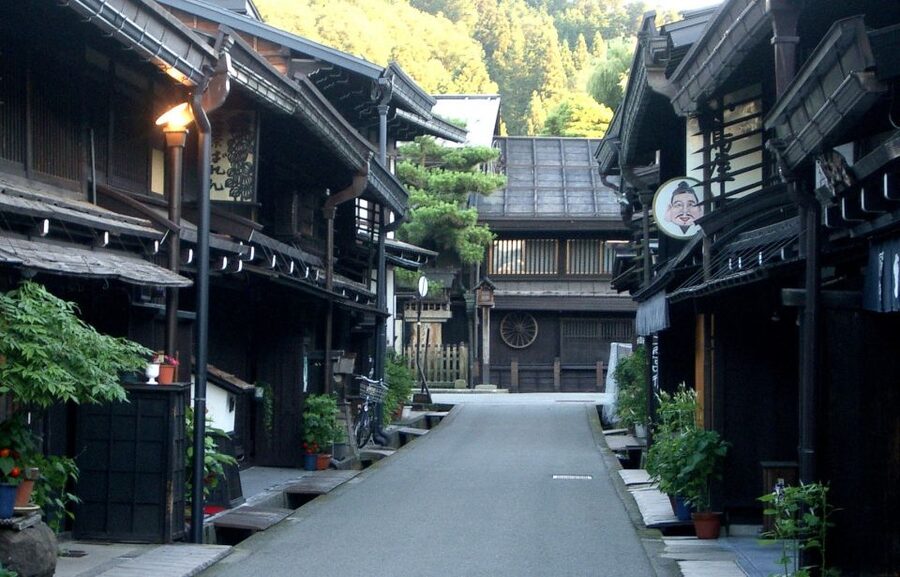
- Sanmachi Street: Edo-era shopfronts you can actually enjoy walking
- Takayama Jinya: when Edo officials ran local affairs
- Hida Folk Village: over 30 traditional houses from the mountains
- Kusakabe Folk Museum: a Meiji house with Edo-style bones
- Morning markets along the Miyagawa River: Miyagawa Market and Jinya-mae
- Takayama Festival Floats Exhibition Hall (Yatai Kaikan) and the spring and autumn context
- Sakurayama Hachimangu Shrine: linking the festival to place
- Hida Kokubunji Temple: the three-storied pagoda and an ancient gingko
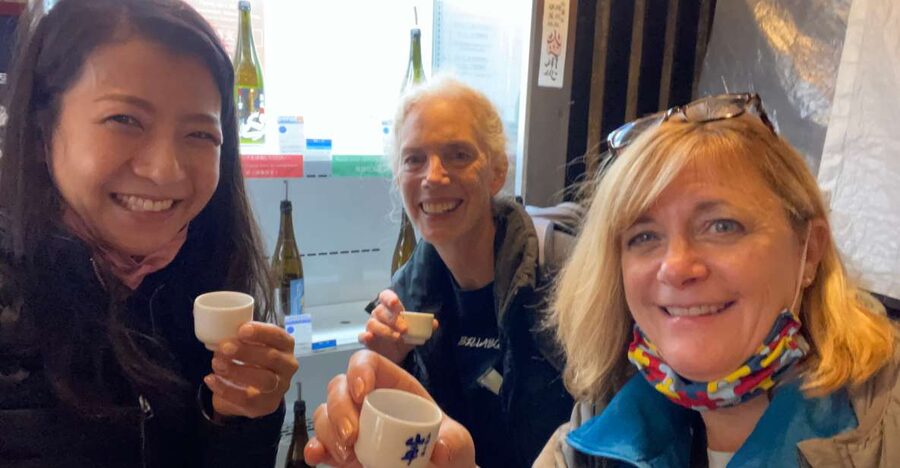
- Food in Takayama with a guide: Hida beef, sake, and green tea tastings
- What a customized itinerary can look like in real terms
- Logistics you should think about before you go
- Who should book this private Takayama walking tour
- Should you book it
- FAQ
- How long is the Takayama private walking tour?
- What is included in the price?
- What is not included?
- Are there different guide languages available?
- Is the tour private?
- Is the tour wheelchair accessible?
- What time does the Miyagawa Morning Market run?
- Can the itinerary be customized?
- Can I cancel for a full refund?
Key things that make this Takayama tour work
- Private, local guidance (English or Japanese) that you can steer toward your interests
- Edo-period town scenery on Sanmachi Street, with shops and old-town atmosphere
- Museum time that feels personal, not rushed, including Takayama Jinya and folk house sites
- Morning market timing along the Miyagawa River, with winter hours starting later
- Festival culture on display through the floats at Yatai Kaikan and related sites
- Temple highlights built for photos and learning, including a famous ancient gingko tree
Old-town Hida and the thatched valley, other versions
- Kanazawa: World Heritage Shirakawa-go Morning Guided Tour
★ 4.9 · 988 reviews - Kanazawa: World Heritage Shirakawa-go & Two Local Experience
★ 4.9 · 274 reviews - Kanazawa/Takayama: Shirakawago & Takayama Private Day Tour
★ 4.8 · 172 reviews - Departing from Takayama [Regular sightseeing bus] World Heritage Sites Shirakawago and Gokayama Ainokura
★ 4.5 · 137 reviews
Takayama in real life: old streets, festival craft, and Gifu mountain scenery
Takayama, sometimes labeled Hida-Takayama, sits in Gifu Prefecture on Honshu’s more mountainous side. The vibe is old-town Japan, with riverside views and layered architecture that make you slow down even if you don’t plan to.
What a private guide adds is not just more information. It’s the right order. You’ll spend your 4 to 6 hours where the stories match what you’re looking at, from Edo-era merchant streets to the buildings that once handled local administration. That context matters because Takayama isn’t simply pretty. It’s structured, with distinct places for government, daily life, religion, and festival pride.
Price and what you actually get for $119
At $119 per person for a 4 to 6 hour private walking tour, you’re paying for a few things that group tours often can’t deliver: a licensed guide, pacing control, and a route that you can shape. Entrance fees and transport during the tour are on you, and food and drinks are not included. Still, the value is strong if you want the guide to help you choose, not just escort.
Here’s the practical way I’d think about it. If you’re going to see multiple museums, temples, and key old-town areas in one half day, a private guide can keep you from wasting time. And if food is part of your travel day, the guide’s local leads can save you from settling for the easiest option.
Your private guide: pace, English fluency, and real-world tips
This is a private group tour, which is the big lever here. When you’re not sharing the day with strangers, you can go faster on the parts you like and slow down where you want to read, photograph, or ask questions.
The feedback for guides is very consistent on a few points. People rave about guides being friendly and easy to be with. They also highlight strong English and the ability to explain temple and history details clearly. Names that come up often include Lily, Annie, Mitsu, and Yoko. It’s not a guarantee, but it’s a good sign that the tour attracts guides who can handle both storytelling and practical help.
One more thing: several guides are known for building food into the plan, even booking lunch when it makes sense. If you want a Hida beef lunch without the stress of searching, that’s where a private guide pays off.
- 1-Day Takayama Tour: Explore Scenic Takayama and Shirakawago★ 5.0 · 113 reviews
- From Takayama: Guided Day Trip to Takayama and Shirakawa-go★ 4.9 · 113 reviews
- Takayama: Onigiri and miso soup making at a buddhist temple★ 4.9 · 93 reviews
- From Takayama: Alpine Splendor – Shinhotaka Ropeway and Kamikochi★ 5.0 · 91 reviews
- Takayama Half-Day Private Tour with Government Licensed Guide★ 5.0 · 69 reviews
Sanmachi Street: Edo-era shopfronts you can actually enjoy walking
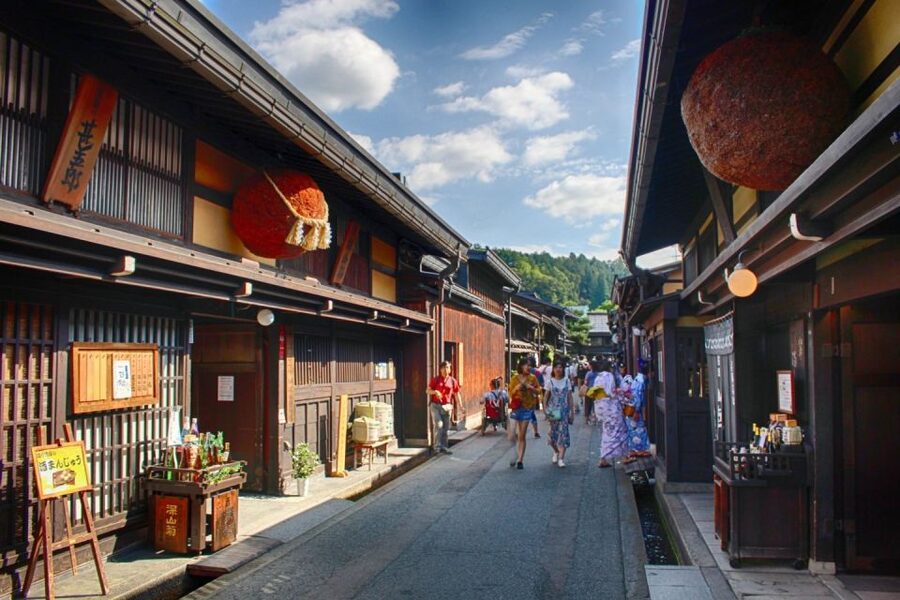
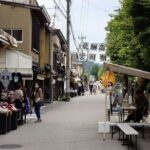
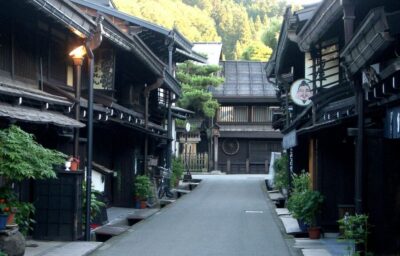
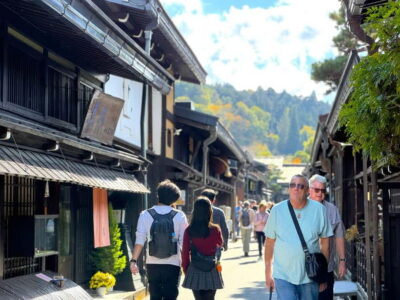
Most Takayama visitors see Sanmachi Street as a street. With a good guide, it becomes a snapshot of how the town used to function. Sanmachi has houses and stores dating back to the Edo period (1603 to 1868), and it’s lined with shops selling local specialties.
What you’ll likely do here is more than pass by. Your guide can point out what makes the facades and streetscape feel “old town” instead of recreated. You’ll also get a sense of how people used to shop, eat, and move through the area, which makes later stops, like the market and the Jinya, feel connected rather than separate.
Possible drawback: Sanmachi is popular, and you’re walking. If you’re sensitive to crowds or sun, you’ll want to treat this as a proper segment of your half day, not a quick pit stop.
Takayama Jinya: when Edo officials ran local affairs
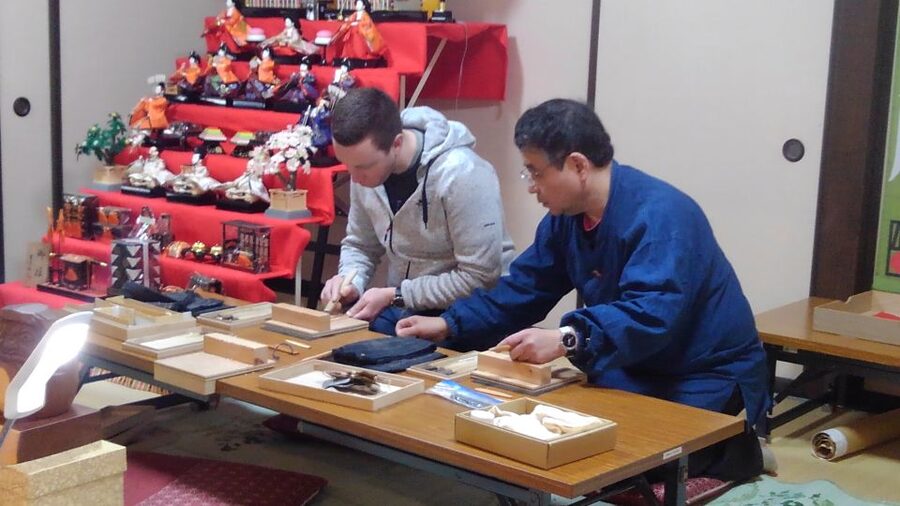
Takayama Jinya served as the local government office, with officials dispatched from Edo (present-day Tokyo). The complex was in official use until 1969, then opened to the public as a museum.
Why this stop is worth it: it helps you understand how Takayama was governed. Without this context, the old streets can feel like “just architecture.” With it, you start to see the logic of the town, where authority, paperwork, and daily life intersected.
For photos and atmosphere, the building set-up is usually more interesting than you expect. Your guide can also connect the dots between the government role of the Jinya and the regional identity that shows up later in folk-house collections.
Hida Folk Village: over 30 traditional houses from the mountains
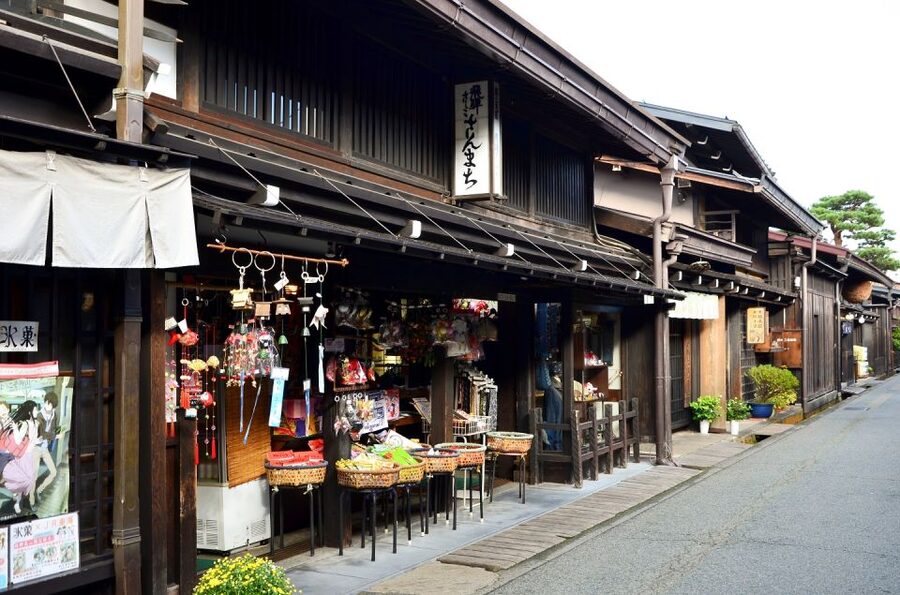
Hida Folk Village is an open-air museum with more than 30 traditional houses from the Hida region, the mountainous district around Takayama. The important twist is that these houses were relocated from their original places, with the museum created in 1971.
This place is great if you like seeing domestic architecture as a story. You’re not just looking at one building. You’re walking through a curated set of home types that reflect how people lived in the mountains, including how buildings were designed for weather and daily routines.
Possible drawback: open-air museums are time-sensitive. If you’re short on time, your guide can help you focus on the houses that match your interests. If you love architecture, you’ll want the full walk. If you’re more into culture and religion, you might prioritize other stops.
Kusakabe Folk Museum: a Meiji house with Edo-style bones
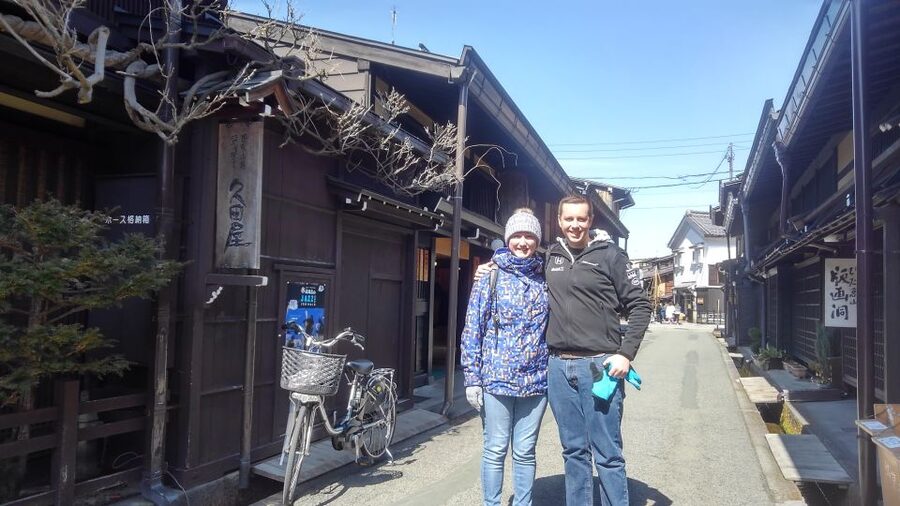
Kusakabe Folk Museum is a historic private residence opened to the public. It was constructed during the Meiji period but in an Edo architectural style, and the entire building is designated an important cultural property of Japan.
This stop works well because it bridges time periods. Meiji brought change, yet here you see continuity in style. Your guide can point out how that mix shows up in details, so you’re not just stamping a date onto a building.
If you enjoy museums but hate feeling like you’re reading a plaque wall, ask your guide to highlight the small features first. A good local guide makes these details click.
Morning markets along the Miyagawa River: Miyagawa Market and Jinya-mae
The Hida-Takayama Miyagawa Morning Market runs daily between 7:00 AM and 12:00 AM, with winter hours starting at 8:00 AM. It takes place along the Miyagawa River in the old town, plus the Jinya-mae market in front of the Takayama Jinya.
If you only have one “morning vibe” stop, this is usually the one. Markets are where local life turns into something sensory and immediate. You’ll see produce, snacks, and local crafts, and you can use the market to calibrate your choices for the rest of the day.
Practical tip: treat breakfast or snack time as optional. Your guide can steer you toward small tastings that fit your schedule, especially if food is a priority.
Possible drawback: the market is time-specific. If your tour time lands later, you may miss the best selection window. It’s one reason you should discuss your preferred pace early.
Takayama Festival Floats Exhibition Hall (Yatai Kaikan) and the spring and autumn context
Takayama Festival Floats Exhibition Hall, also called Yatai Kaikan, shows key aspects of the Takayama Festival. The festival happens for two days each spring and autumn, and it’s considered one of Japan’s three most beautiful alongside Kyoto’s Gion Matsuri and the Chichibu Yomatsuri.
What you’ll likely see at Yatai Kaikan is the festival’s craftsmanship in a way that feels approachable. Floats are impressive on the street, but in a museum hall you can take in shapes, details, and design choices without the pressure of festival crowds.
This stop also helps you understand why Takayama has such a strong identity around seasonal celebration. If you’ve only seen photos of floats, this is where you get the “why” behind the aesthetics.
Sakurayama Hachimangu Shrine: linking the festival to place
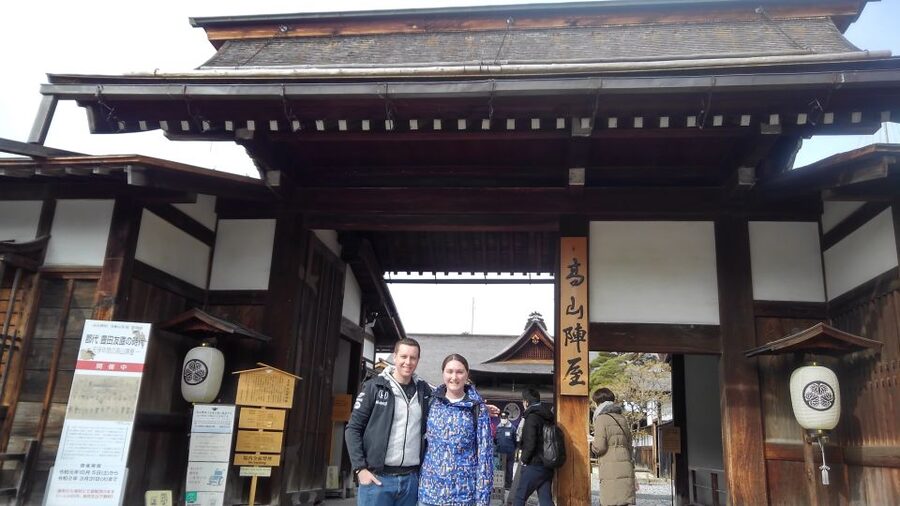
Sakurayama Hachimangu Shrine is the autumn Takayama Festival venue. Next to it is the Takayama Festival Floats Exhibition Hall (Yatai Kaikan), where four of the actual floats used in the festival are displayed.
This is an important pairing, because it turns the festival from an object into a ritual location. Shrines are not just photo backdrops here. They’re part of the calendar and the community structure.
Possible drawback: if you’re not into festivals or religious sites, you might find this segment less compelling. The upside of a private tour is that your guide can adjust the balance, swapping in more temple time or more old-town walking.
Hida Kokubunji Temple: the three-storied pagoda and an ancient gingko
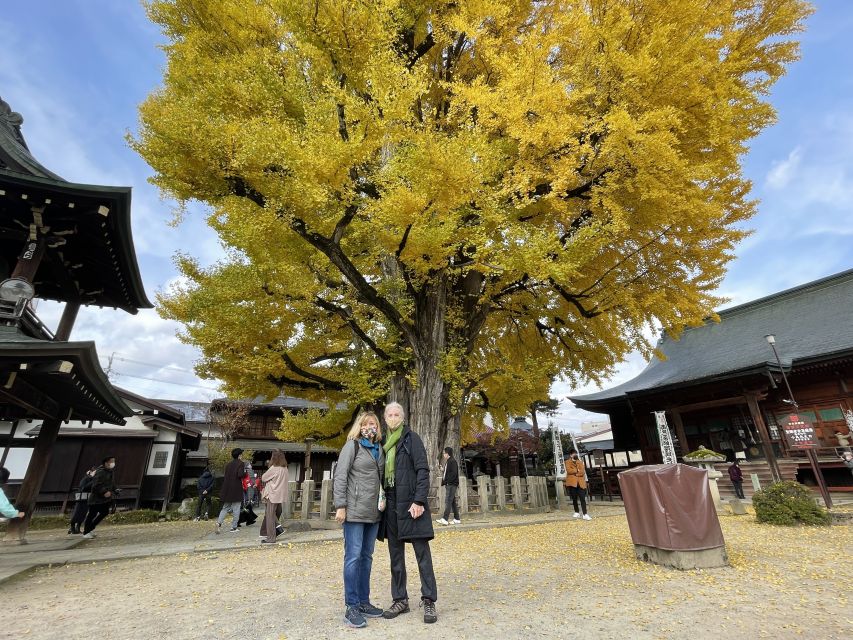
Hida Kokubunji Temple is a Buddhist temple known for two standouts. First is its iconic three-storied pagoda, constructed in 1820. Second is a Buddhist statue thought to be from the Heian period, housed in the main building.
Then there’s the famous gingko tree on the grounds. It’s over 1,260 years old, which makes this stop one of those rare moments where the scale of time hits you in the face.
Why it’s worth your attention: your guide can translate what you’re seeing into how the site functions spiritually and historically. The pagoda and statue become part of a bigger story, and the gingko gives you a living “timeline” you can’t get from a museum room.
Practical tip: take your time here if you enjoy quiet spaces. If you’re rushing, you might not catch the details that make the temple special.
Food in Takayama with a guide: Hida beef, sake, and green tea tastings
Food is a major reason many people love this tour style. Even though food and drinks are not included in the price, guides often help you handle lunch and tastings in a way that fits your preferences.
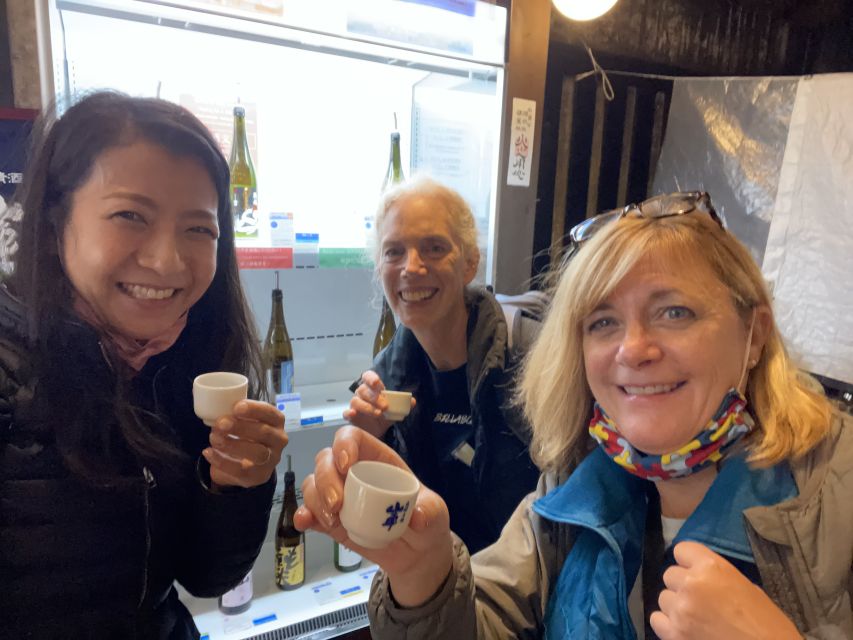
In particular, guides like Annie are known for taking people to an amazing local Hida beef lunch, and some tours include sake tasting and green tea tasting. That combo makes sense in Takayama, because it keeps the day tied to local production and traditional flavors rather than generic convenience meals.
How to plan: decide early if you want a sit-down lunch, quick snacks at the market, or a tasting-focused stop. Tell your guide what you like, and you’ll waste less time deciding on the fly.
What a customized itinerary can look like in real terms
This is where private touring earns its keep. You’re not locked into a single route, and you can adjust based on what you want most.
Here are good ways to use that flexibility:
- If you love architecture, prioritize Hida Folk Village and the folk museums, then let temples and floats fill the story gaps.
- If you love religion and monuments, spend more time on places like Hida Kokubunji and balance with festival sites that explain community identity.
- If you care about food and local culture, build in the Miyagawa market segment early, then end with an easy lunch that doesn’t derail the walking pace.
You’ll also appreciate that guides can match your day to what you already did earlier. If you arrived having seen part of old town, a tailored afternoon can prevent repetition.
Logistics you should think about before you go
A few practical points can make the day smoother.
First, the tour includes the guided tour and a licensed local guide, but it does not include entrance fees, food and drinks, or transportation to and from the meeting point. If you’re visiting several museums, that entrance ticket total can add up, so factor it in.
Second, you should expect the tour not to be confirmed until the guide contacts you. Most guides reach out within 7 days, and updates continue until about 24 hours before the tour if a guide has not been accepted.
Third, this is a walking tour. Even if the route is flexible, you should plan for steady walking and comfortable shoes, especially if you want to linger in the market and at the temples.
Who should book this private Takayama walking tour
This tour is a great match if you:
- Want to understand Takayama beyond street photos
- Enjoy temples, old buildings, and festival culture
- Prefer a guide who can set the pace and adjust the order
- Want help with local food choices, including options like Hida beef lunch and tastings
It’s also a solid pick if you’re traveling as a couple or small group and you don’t want to lose time aligning with strangers.
If you’re the type who just wants to wander alone with a map and don’t care about context, you could probably build a similar day independently. But if you want the “why” behind the places, a private guide makes the time count.
Should you book it
I’d book this tour if you want Takayama with context and comfort. The strongest reasons are the private format and the way guides can connect the dots between Edo streets, government buildings, folk houses, markets, and festival traditions. Add in the consistent praise for English fluency, friendly communication, and practical food suggestions, and the value feels real, not just theoretical.
The main reason to hesitate is simple: you’ll likely pay extra for entrance fees and you’ll be doing a true half-day walk. If you’re okay with that, you’ll get a day that feels like a local guided you through Takayama, not a ticket that drops you at stops.
FAQ
How long is the Takayama private walking tour?
The tour lasts 4 to 6 hours, depending on the starting time available.
What is included in the price?
The price includes the guided tour and a licensed local guide.
What is not included?
Food and drinks, entrance fees, transportation to and from the meeting point, and any public or private transportation fees during the tour are not included.
Are there different guide languages available?
Yes. The live tour guide speaks English and Japanese.
Is the tour private?
Yes. It is a private group tour.
Is the tour wheelchair accessible?
Yes, the tour is wheelchair accessible.
What time does the Miyagawa Morning Market run?
The market runs daily from 7:00 AM to 12:00 AM, and in winter it starts at 8:00 AM.
Can the itinerary be customized?
Yes. The itinerary can be customized based on your personal interests and preferences.
Can I cancel for a full refund?
Yes. You can cancel up to 24 hours in advance for a full refund.
Hida Old Town and the Thatched Valley


Newest Takayama write-ups from the Loving Japan desk

Takayama, Hida and Shirakawa-go, side by side.
 ★ 5.0World Heritage Shirakawa-go and Experience Tours from KanazawaFrom $1224,049 reviews
 ★ 4.9World Heritage Shirakawa-go Morning Guided TourFrom $77988 reviews
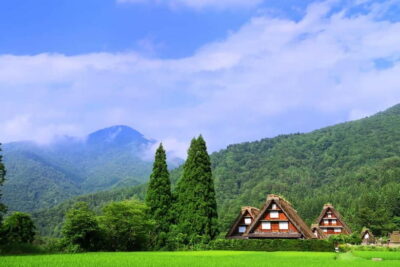 ★ 4.4From Nagoya: Gujo, Hida Takayama, and Shirakawa-go Day TourFrom $61398 reviews
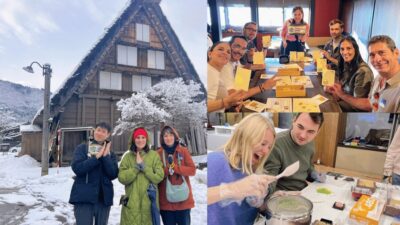 ★ 4.9World Heritage Shirakawa-go & Two Local ExperienceFrom $116274 reviews
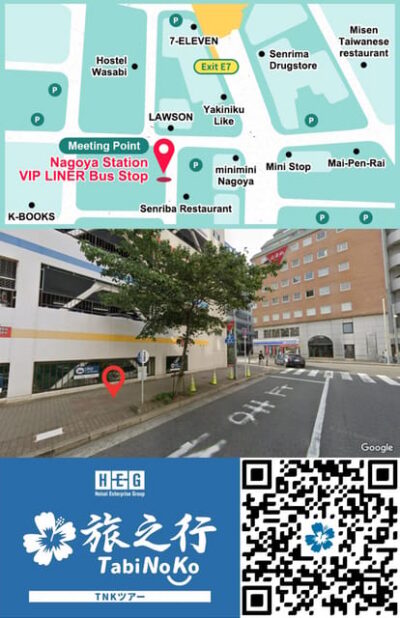 ★ 4.5From Nagoya: Hida Takayama & Shirakawa-go Tour w/Opt. LunchFrom $61256 reviews
 ★ 5.0[One-day bus tour departing from Kanazawa Station] Shirakawa-go and Gokayama – Two World Heritage Villages Enjoyable Bus TourFrom $88253 reviews
 ★ 4.51 Day Private Charter Tour to Shirakawa-go & TakayamaFrom $575253 reviews
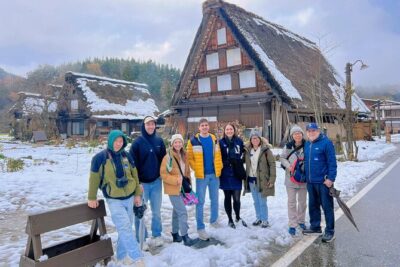 ★ 5.0World Heritage Shirakawa-go Perfect Guided Tour from KanazawaFrom $81220 reviews
Filed on these lists too