
REVIEW · SAMURAI, NINJA AND SWORD EXPERIENCES
Tokyo 2-Hour Genuine Samurai Experience: Kendo in Japan
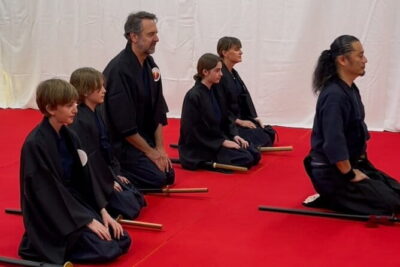
Two hours of real kendo, no cosplay. You learn practical strikes and Japan’s kendo etiquette in a northern Tokyo dojo, then test it in a tournament-style sparring game. I especially like the hands-on pace and the way the instructor checks your form, plus the added cultural context so it feels like more than swinging a bamboo sword. One possible drawback: this is a physically active session with heavy gear, so come hydrated and tell them about any knee limits.
I also like that the class is built for beginners and continues to challenge you, even if you have zero kendo background. The group stays small, and that matters because you get more reps instead of watching from the side. The other consideration is logistics: you are responsible for getting to the meeting point in Arakawa City, and hotel pickup is not included.
In This Review
- The 2-Hour Kendo Flow: What You Do From Start to Finish
- Where You Meet in Tokyo (Arakawa City) and How Pickup Fits In
- Putting On Keikogi, Hakama, and Bogu Without Getting Overheated
- What You Learn: Practical Kendo Moves and Real Form Checks
- Kendo Etiquette and Samurai Culture: How Respect Shows Up in Practice
- The Mock Tournament Game: How Beginners Get Real Sparring
- Your Instructor Experience: English Support and a Welcoming Dojo Vibe
- Price and Value: What $118.92 Gets You (and What It Does Not)
- Who Should Book This Kendo Workshop in Tokyo
- Quick Tips So You Feel Ready on Arrival
- Should You Book This Tokyo Kendo Experience?
The 2-Hour Kendo Flow: What You Do From Start to Finish
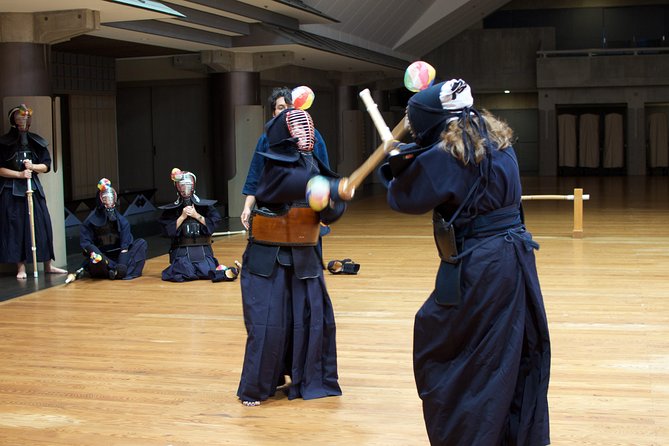
This is a focused, two-hour workout that moves through the same rhythm you would see in a real dojo training session: get fitted, learn basics, practice controlled techniques, then spar in a game-like format.
In the first stretch, you get coached on stance, how to hold and swing the bamboo sword, and how to aim for the scoring areas. Then you practice the moves you just learned, usually with close guidance so your body learns the shape, not just the idea. Near the end, you put it all together in a tournament-style combat game, which is where most first-timers get a big grin and a sore arm.
The best part is that the instruction is practical. You are not stuck on theory. You do the motions, you get corrected, and you get a chance to apply it against a partner with protective armor on.
Blade work and stagecraft, other sessions
- Tokyo: Samurai Ninja Museum Guided tour and Experience
★ 4.6 · 1,010 reviews - Tokyo: Samurai Sword & Archery Class from Samurai Descendant
★ 5.0 · 603 reviews - Best Samurai Experience in Tokyo
★ 5.0 · 458 reviews - Ninja Experience (Family Friendly) at Samurai Ninja Museum TOKYO
★ 5.0 · 441 reviews
Where You Meet in Tokyo (Arakawa City) and How Pickup Fits In
You meet at 誠道館ビル4 Chome-7 Higashinippori, Arakawa City, Tokyo 116-0014, Japan. The session starts at 10:00 am for the morning option, and there is also an afternoon session choice. The activity ends back at the same meeting point.
This dojo is in a neighborhood with public transportation nearby, so you will likely take trains and then walk a bit. Pickup is offered, and people have said station pickup is easy, but hotel pickup and drop-off are not included. In plain terms: plan to get yourself there.
If you want the smoothest experience, arrive a little early. That helps you get settled and fitted without feeling rushed, especially if you are new to changing into martial arts gear.
Putting On Keikogi, Hakama, and Bogu Without Getting Overheated
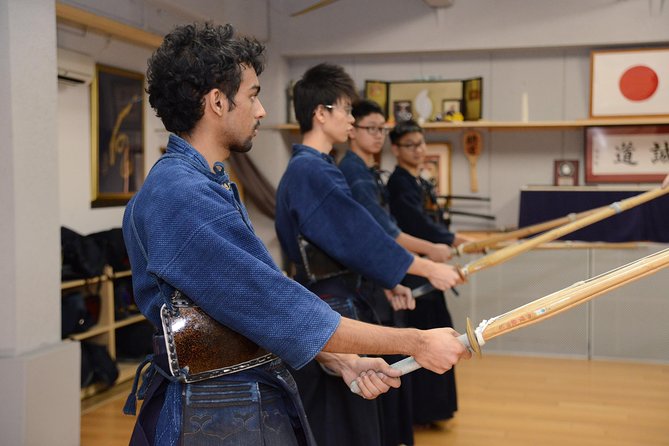
You should expect to dress for training. You will put on a keikogi (jacket-like top) and hakama (skirt-like trousers), then gear up in protective armor, called bogu.
The gear rental is included, so you are not buying anything. A few reviewers emphasized how heavy and warm the fabric and armor can feel during active practice. You typically get a water break during the session, and they provide bottled mineral water, but you will still want to arrive hydrated and ready to sweat.
Practical tip: wear athletic clothing you can move in easily. Avoid anything with tight seams or anything you hate getting a little sweaty. If you have knee trouble, be upfront. One useful piece of advice from past participants: tell the instructor, so you can skip any kneeling parts that cause pain.
What You Learn: Practical Kendo Moves and Real Form Checks
Kendo is often described as samurai swordsmanship, but what you will actually learn here is the modern training foundation: controlled swings, accurate targeting, and correct body positioning.
You will work with an English-speaking instructor who explains things clearly and keeps the session understandable for first-timers. The goal is not to make you look like a movie extra. The goal is to help you strike properly and consistently, then use that technique in partner practice.
You should expect repeated form checks. When you hit the correct target with the right technique, you will get direct feedback. When you miss the mark, the instructor will usually reset your stance and timing so you can try again. That “try again” style is why this kind of workshop is worth it for visitors: it turns your confusion into a skill you can feel in your muscles.
- Mt Fuji and Hakone 1-Day Bus Tour Return by Bullet Train★ 5.0 · 26,383 reviews
- 1-Day Tokyo Bus Tour★ 5.0 · 14,250 reviews
- Tokyo: teamLab Planets TOKYO Digital Art Museum Entry Ticket★ 4.6 · 9,779 reviews
- Mt Fuji & Hakone Cruise, Drum Show Bullet Train 1 Day from Tokyo★ 4.0 · 7,413 reviews
- Tokyo: Shinjuku Food Tour (13 Dishes at 4 Local Eateries)★ 5.0 · 6,603 reviews
Kendo Etiquette and Samurai Culture: How Respect Shows Up in Practice
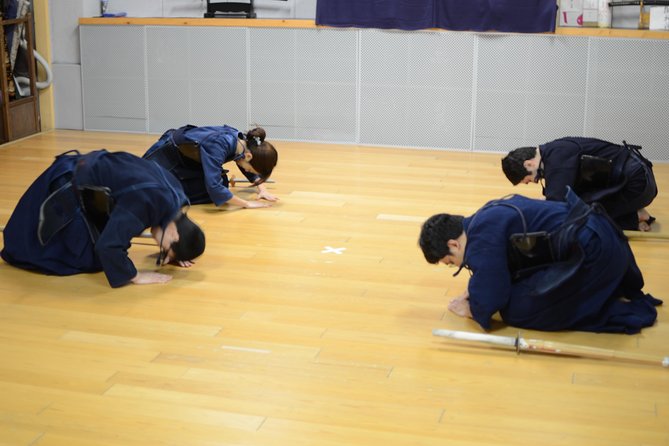
This experience does more than teach hand-eye coordination. You also learn the etiquette side of kendo, which is a huge part of why the sport carries that samurai spirit even in a modern dojo.
You will be guided on traditional behavior and training manners, including how to enter training mode, how to listen for instructions, and how to treat your partner with respect. In kendo, safety and courtesy are not add-ons. They are part of the training.
This is where the cultural instruction becomes genuinely useful. If you come in thinking kendo is just hitting, etiquette training helps you understand what the movements mean. It also makes the sparring feel more grounded. You are not just fighting, you are practicing a disciplined contest with rules.
The Mock Tournament Game: How Beginners Get Real Sparring
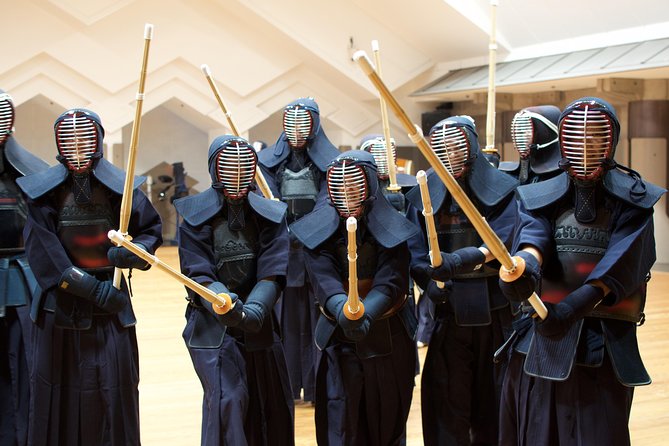
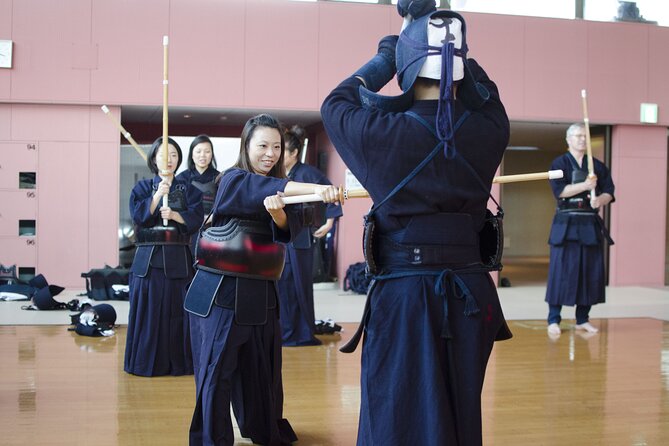
The highlight is the tournament-style combat game at the end. You will apply the moves you practiced earlier, in a competitive format that still feels welcoming.
The protective armor (bogu) is key. It lets you go harder than drill practice without the fear of real injury from contact. You will also likely hear clear calls and scoring feedback as you and your partner land clean hits. The session is loud, energetic, and very physical, but it is still structured around coaching, not chaos.
If you are new, focus on basics first:
- Keep your stance stable
- Swing with control, not just speed
- Aim for proper target areas instead of wild attempts
That approach helps you score, and it also keeps your partner comfortable. The instructor’s job is to guide you into that rhythm, and they do it in a way that lets even kids and first-timers participate.
Your Instructor Experience: English Support and a Welcoming Dojo Vibe
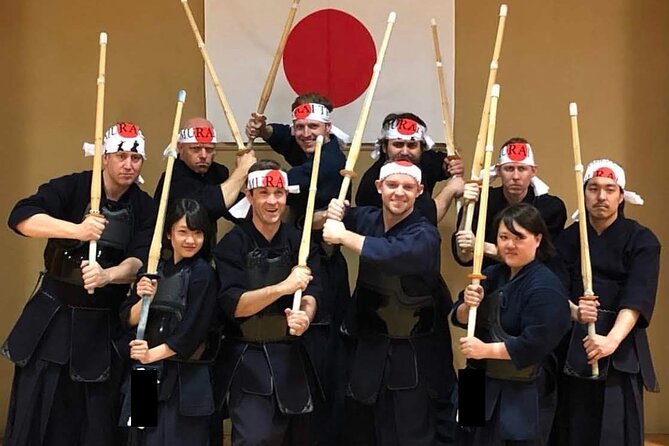
This workshop is designed for all levels, and the English explanation is part of what makes it work for visitors. You are not left guessing while everyone else understands the drills.
One recurring theme in feedback is how patient and encouraging the instructors are. A dojo host named Keshi has been mentioned with warmth, especially for making groups feel comfortable and supported. Multiple participants have also praised the instructor’s skill and long training experience, including a sensei described as having around 60 years of kendo training.
So here is what that means for you: you can show up without kendo vocabulary and still get meaningful guidance. You will spend your time learning, not translating in your head.
Price and Value: What $118.92 Gets You (and What It Does Not)
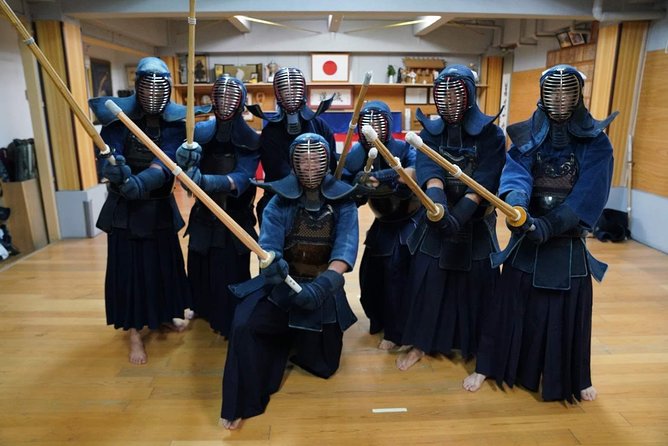
The price is $118.92 per person for about two hours. At first glance, that can feel high until you break down what is covered.
Included:
- A professional guide/instructor
- Rental of kendo armor and equipment (so you do not need to source anything)
- Bottled mineral water
- A Japanese hand towel
Not included:
- Hotel pickup and drop-off
- Food and drinks
- Transportation costs between activities
What you are really paying for is trained coaching time plus full gear rental plus the ability to practice with armor in a safe, structured format. If you have ever tried to “learn by watching” martial arts on your own, you know the missing piece is feedback. This class provides that feedback quickly, in a short window, with enough structure to keep it fun.
For value, the small group size also matters. The class caps at 15 travelers, which helps you get more direct attention.
Who Should Book This Kendo Workshop in Tokyo
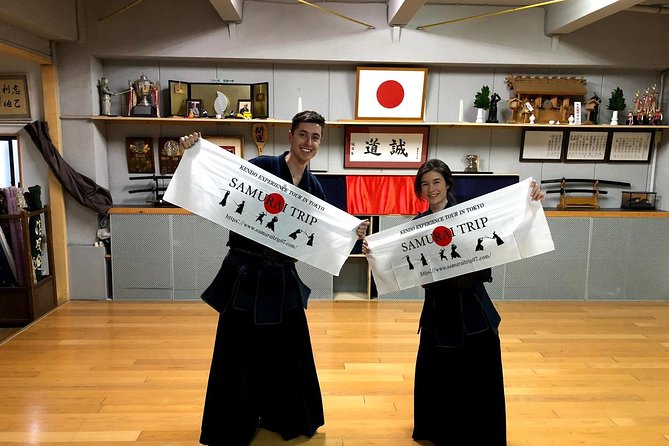
This is a strong match if you want an active, hands-on Tokyo experience that feels authentic and not overly touristy.
It fits well if:
- You want to try samurai swordsmanship basics in a safe, coached way
- You are traveling with kids (minimum age is 9)
- You want a short activity that still gives you a clear skill to remember
- You like learning etiquette along with technique
It might not be the best fit if:
- You have mobility issues that make active training difficult
- You cannot handle heavy, warm gear during movement
- You hate structured physical drills and prefer passive sightseeing
If you do have knee concerns, say so early. Past participants found that the instructor could adjust what you do.
Quick Tips So You Feel Ready on Arrival
Plan for it to be physical. This is not a light class.
Do this:
- Wear athletic clothes you can move in
- Drink water before you go, since the gear can feel warm
- Arrive early so you can change and get comfortable
- Tell the instructor about any pain or limitations, especially knees
- Bring a calm, playful attitude. Hitting safely while learning is the name of the game
One more small practical note: the session is near public transportation, but you still need to get to the dojo. If you are juggling other Tokyo activities, give yourself time for the commute.
Should You Book This Tokyo Kendo Experience?
If you want a memorable Tokyo activity that is genuinely hands-on, I think you should book it. The combination of English coaching, full gear rental, and a tournament-style sparring game makes this one of those rare experiences where you leave with both a story and a new physical skill.
Book it especially if you are curious about samurai culture beyond photos, and you like the idea of respectful etiquette paired with real practice. Skip it only if your fitness limitations make active training uncomfortable, or if you are looking for a calm, observational experience rather than a workshop.
If that sounds like you, this dojo session is a smart use of a couple hours in Tokyo.
Blade Work and Stagecraft

Newest Tokyo write-ups from the Loving Japan desk


Samurai, Ninja and Sword Experiences, side by side.
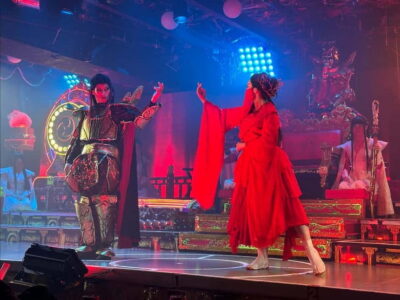 ★ 4.5Samurai Restaurant Show Ticket with 2 DrinksFrom $551,307 reviews
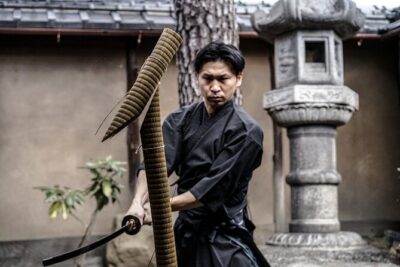 ★ 5.0Kyoto Samurai ExperienceFrom $1191,294 reviews
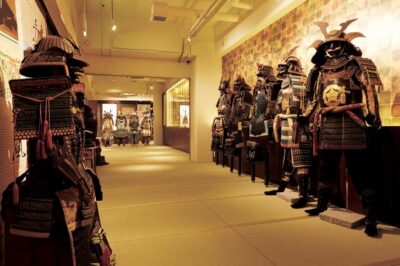 ★ 4.6Samurai Ninja Museum Guided tour and ExperienceFrom $271,010 reviews
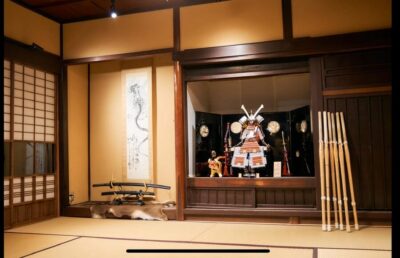 ★ 4.9Kendo and Samurai Experience with Uniform and GearFrom $103815 reviews
 ★ 4.9Samurai Sword Class by Experts in Traditional ArtsFrom $64657 reviews
 ★ 4.5Skip the lines Basic Ticket at SAMURAI NINJA MUSEUM KYOTOFrom $28632 reviews
 ★ 5.0Samurai Sword & Archery Class from Samurai DescendantFrom $193603 reviews
 ★ 5.0Samurai Training Experience KENDO in OsakaFrom $131515 reviews
Filed on these lists too