
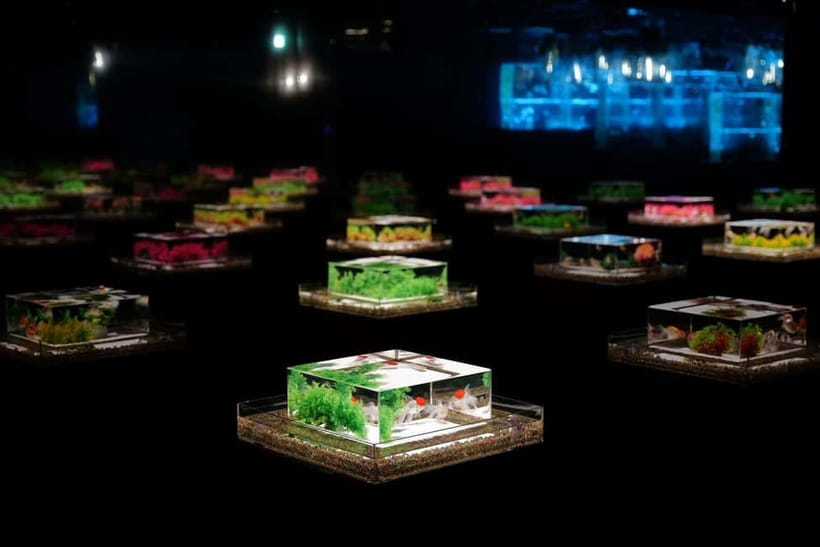
REVIEW · TOKYO TOWER, GINZA AND THE IMPERIAL PALACE
Tokyo: Art Aquarium Museum GINZA Entry Ticket
Tokyo can be intense. This museum turns it gentle and artsy.
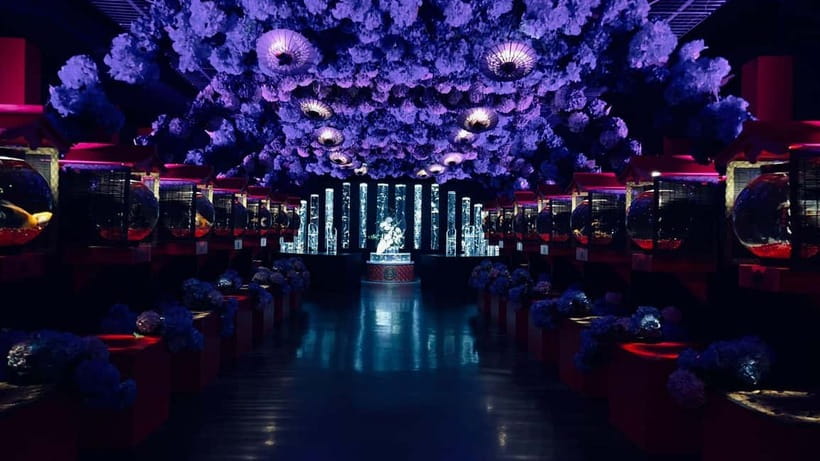
Art Aquarium Museum GINZA mixes goldfish beauty with modern staging, using light, music, and scent to create an experience that feels more like an art exhibit than a standard aquarium. I like how the displays reinterpret the traditional Edo-period goldfish appreciation in a new setting, and I like that it changes with the seasons even though the museum is a permanent venue. One consideration: the space is compact, so if you want a long, classic aquarium crawl, this is likely too short.
In This Review
- Key things to know before you go
- Art Aquarium Museum GINZA in Ginza Mitsukoshi: why this fits your Tokyo day
- Tickets, price, and how to plan a smooth entry
- Step into light, music, and scent: what the show feels like
- Goldfish displays and spatial design: where the art magic happens
- Seasonal changes at a permanent museum: why it rewards return visits
- Photo rules, best timing, and avoiding the crowd stress
- Getting there from Ginza stations: fast route planning
- Gift store and how to pair it with your Ginza plans
- Should you book Art Aquarium Museum GINZA Entry Ticket?
- FAQ
- Where is the Art Aquarium Museum GINZA located?
- How long should I plan to spend at the museum?
- Is photography allowed?
- How much does the ticket cost?
- Are there any free entry options for children?
- What if I need to cancel?
Key things to know before you go
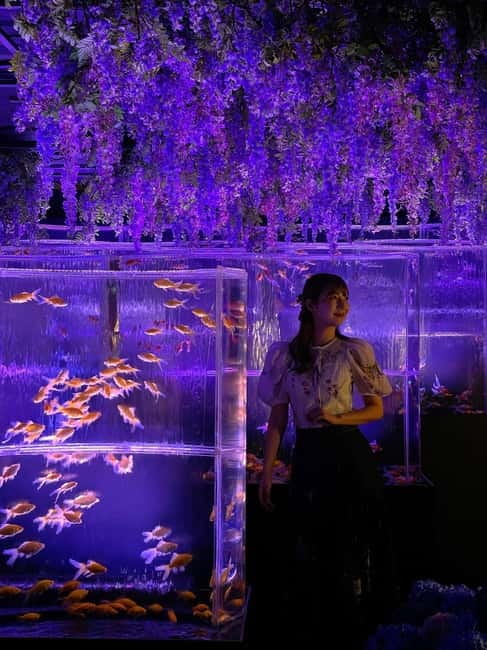
- Light, music, and scent: the museum experience is designed as a full-sensory show, not just a tank tour
- Edo-period goldfish, reimagined: traditional appreciation ideas are translated into modern art-style presentation
- Seasonal changes in a permanent venue: you can return and still see meaningful differences
- Photo-friendly, with strict gear rules: pictures are allowed, but no tripods or strobes
- In Ginza Mitsukoshi: easy to slot into a shopping day, with a clear indoor meeting point
The central Tokyo landmarks, reviewed one by one
- Flagship 2-Hours Official Street Go-Kart Tour – Tokyo Bay Shop
★ 5.0 · 4,974 reviews - Tokyo: Imperial Palace and Shogun Historical Walking Tour
★ 5.0 · 2,251 reviews - Tokyo: Meiji Shrine, Asakusa, Skytree Bus Tour and Cruise
★ 4.7 · 1,986 reviews - Tokyo Panoramic 1 Day: Meiji Shrine, Asakusa, Odaiba and SKYTREE®
★ 4.5 · 1,222 reviews
Art Aquarium Museum GINZA in Ginza Mitsukoshi: why this fits your Tokyo day
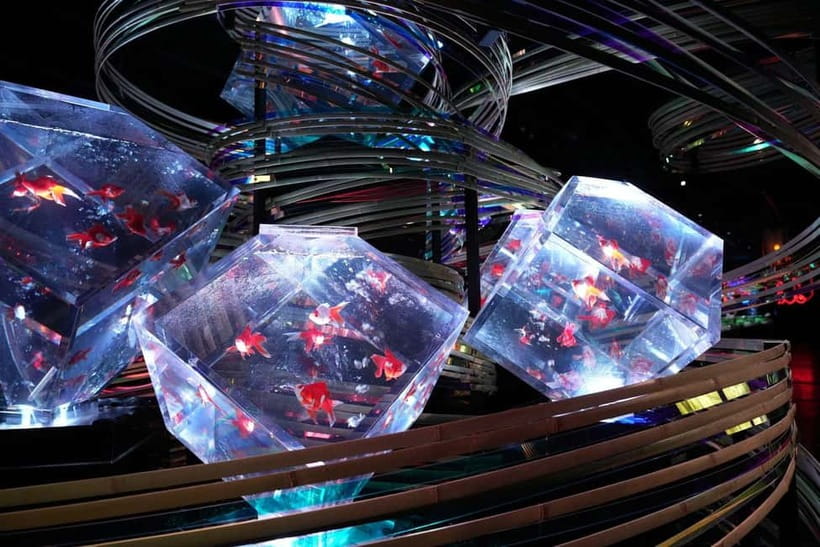
If you’re traveling in Tokyo, you already know the city runs on schedules. Art Aquarium Museum GINZA is refreshingly simple to plan around. It’s inside Ginza Mitsukoshi, and the admission desk for same-day tickets is on the 9th floor of the new building, which means less hunting and more seeing.
I also like that it’s a “small commitment, big mood shift” stop. The estimated viewing time is about 1 hour, and many people find they can comfortably get through it in roughly that window. In other words, it’s a great option for the day you want culture, photos, and calm, but you still want time for Ginza wandering.
The exhibit itself is built around a modern art take on goldfish appreciation. You’re not just looking at fish in glass. You’re watching goldfish move through a carefully designed setup with light and sound, plus a scent element that helps the room feel like part of the artwork.
Tickets, price, and how to plan a smooth entry
The ticket price is listed at $17 per person, and for a Tokyo attraction, that lands in the “reasonable” zone, especially because it’s a focused, high-impact experience. You’re paying for more than admission to tanks. You’re paying for the art staging, the sensory design (including music and scent), and a place that’s set up specifically for photography.
Your ticket is valid for 1 day, and you should check availability for the starting time. That matters because the exhibit is a timed entry style within the day, and you don’t want to arrive 20 minutes before closing and miss the slot. Also note that closing days and business hours vary, so it’s smart to confirm your date before you make it your only plan.
For families, there’s a helpful policy: up to two children under elementary school age can enter free when traveling with one adult. If you’re visiting with kids, this can make the cost feel much easier than many paid attractions in Tokyo.
One practical point: the museum is non-refundable, so treat your booking like a commitment. If the day you planned is likely to change due to weather or a tight itinerary, consider reserving a time you can actually keep.
Step into light, music, and scent: what the show feels like
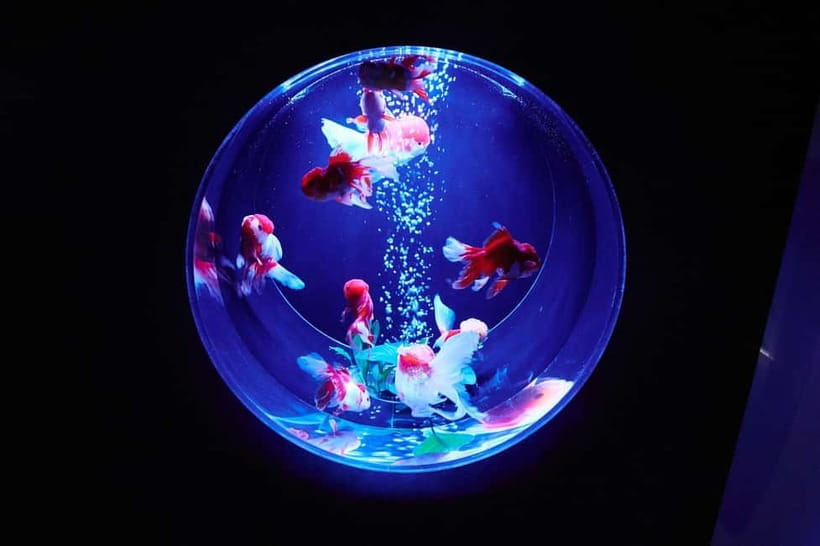
The headline here is the sensory approach. Art Aquarium Museum GINZA is built as a blend of light, music, and scent, and the goal is to make goldfish viewing feel like an installation. Instead of the usual aquarium vibe, expect a more performance-like flow where the atmosphere supports the visuals.
I really like how the museum leans into the goldfish’s graceful movement. Goldfish can look plain in a basic tank display. Here, the presentation makes their motion feel intentional. You’ll likely spend time simply watching how the fish swim through each light setup, and you’ll notice that the staging encourages you to look longer than you might in a standard aquarium.
The exhibit also reimagines the Edo-period tradition of goldfish appreciation through a modern art lens. Edo-era goldfish culture was about admiration and refinement, and the museum translates that into contemporary spatial presentation. The result feels like a conversation between old and new, without requiring you to be a history expert to enjoy it.
A nice bonus is the information presented in English, so you can connect the dots while you’re watching. That turns the exhibit from purely aesthetic into something you can understand in real time.
And yes, that scent element is part of what people remember. One review highlights aromatherapy-style scent being used, which fits the museum’s plan to make you feel like you’re inside the artwork rather than standing outside it.
Indoors instead? Galleries and light rooms we visited
- Tokyo: teamLab Planets TOKYO Digital Art Museum Entry Ticket★ 4.6 · 9,779 reviews
- Tokyo: Samurai Ninja Museum Guided tour and Experience★ 4.6 · 1,010 reviews
- Ninja Experience (Family Friendly) at Samurai Ninja Museum TOKYO★ 5.0 · 441 reviews
- Tokyo Studio Ghibli Museum and Ghibli Film Appreciation Tour★ 4.5 · 421 reviews
- Tokyo Sword Experience – includes Museum Ticket/Ninja Experience★ 5.0 · 314 reviews
Goldfish displays and spatial design: where the art magic happens
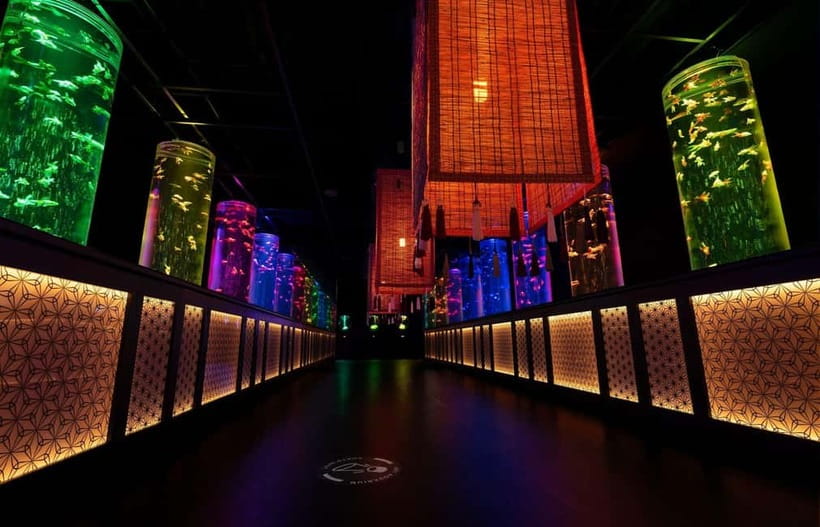
You’re looking at aquarium displays, but they’re not arranged like a typical linear route. The museum uses unique spatial presentation to highlight distinct qualities of goldfish. That matters because it changes how you “read” the fish.
Instead of seeing everything at once, you move through areas where the lighting and music set a mood. That pacing helps the exhibit feel more like a short art gallery walk with living subjects, rather than a checklist of tanks.
The displays are also popular with photography enthusiasts, and that’s for a reason. Even if you only take a few pictures, the staged lighting helps your photos look more intentional than they would in a flat, fluorescent aquarium room. If you like Instagram-style stills, this is one of the easier Tokyo photo stops because the visual conditions do some of the work for you.
Still, there are rules. Photography is permitted, but you cannot use tripods, monopods, or similar equipment. You also can’t use strobes or any lighting equipment. So if you’re used to setting up a rig for low-light shots, you’ll need to switch to handheld or phone-only. The upside is that the restrictions keep the space from turning into a gear jungle.
One more note for your expectations: the museum is compact. That’s good if you want a tidy visit, but it means you should not plan a long, slow day here. Think 45 minutes to an hour, then move on to something else nearby.
There’s also a reminder about animal sensitivity. One written note mentioned that some fish might look maltreated. I can’t verify that from the information alone, but if animal welfare is a big deal for you, it’s worth being aware that you may notice things you wouldn’t in a more traditional setting.
Seasonal changes at a permanent museum: why it rewards return visits
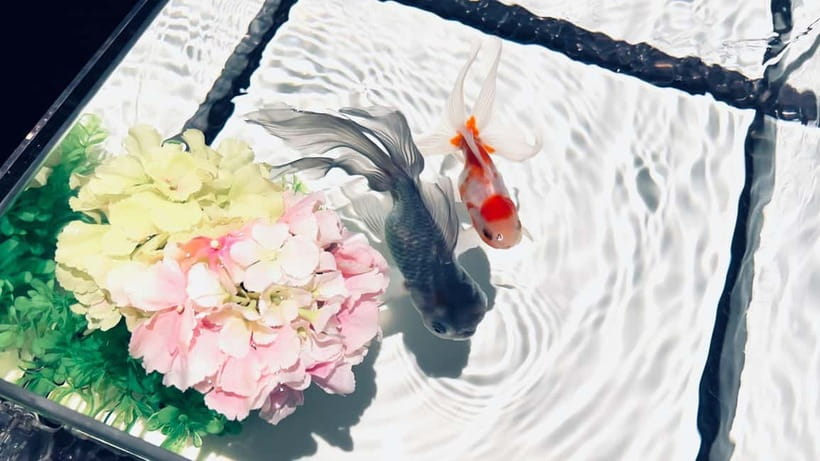
Art Aquarium Museum GINZA is a permanent venue, located at Ginza Mitsukoshi since May 2022. The museum is designed to include seasonal changes throughout the year, so the experience doesn’t stay frozen.
What that means for you is simple: if you’re in Tokyo once, you’ll still get the full experience. If you’re lucky enough to return on another trip, there’s a good chance some parts will feel new. One visitor said the art was more than half new after coming twice in two years, which strongly suggests the seasonal approach isn’t just a tiny tweak.
Also, because it’s permanent, you’re not gambling on a temporary popup that could be gone by your next schedule shuffle. It’s easier to plan. You can treat it like a reliable “Tokyo cultural detour” that still keeps enough variation to be interesting.
I find seasonal changes are especially valuable in small experiences like this. When something lasts only an hour, small updates matter. They can change what you remember and what you photograph, and they keep the museum from feeling like a one-and-done photo station.
Photo rules, best timing, and avoiding the crowd stress
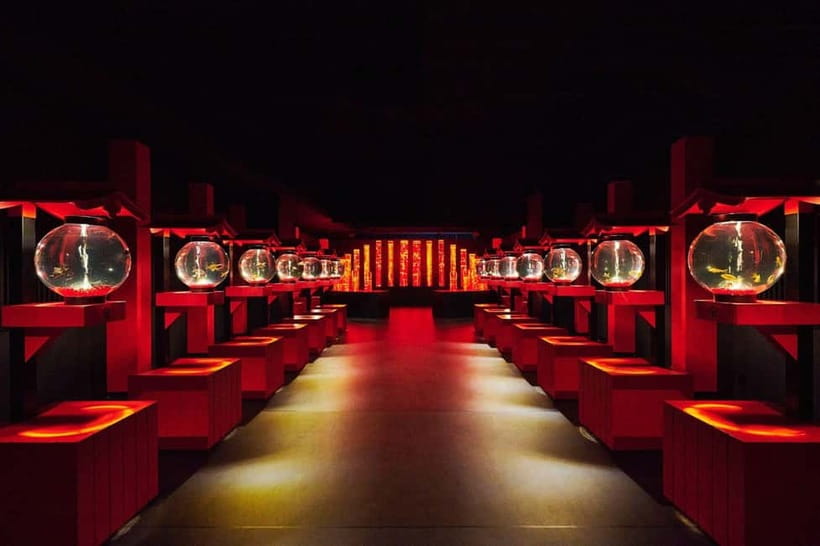
This is one of those Tokyo stops where timing can affect your photos and your mood. A few people mentioned they visited at midweek or around late morning and found the museum not very crowded, which made it easier to take pictures without blocking others.
Your best approach is practical: choose a time that fits when you want less stress. If you’re planning to shoot photos, arriving a bit earlier on a weekday can help. If you just want the atmosphere and you don’t care about photos, you can choose what fits your day.
Gear rules are strict enough that crowding can spike quickly if people try to set up. Since tripods and monopods aren’t allowed, people mostly shoot handheld. That helps keep the room flowing, but you’ll still want to be considerate about where you stand.
When you’re photographing, focus on the staged areas. The lighting and background music contribute to the overall effect, and your pictures will reflect that. Just remember: no strobes, no extra lighting equipment. Keep it simple and let the exhibit do what it’s designed to do.
If you go in expecting a quiet, gallery-like experience, you’re more likely to enjoy the pacing. Even when it’s busy, the sensory setup tends to guide you along, and it’s easy to move on to the next scene when you’re done with a photo.
Getting there from Ginza stations: fast route planning
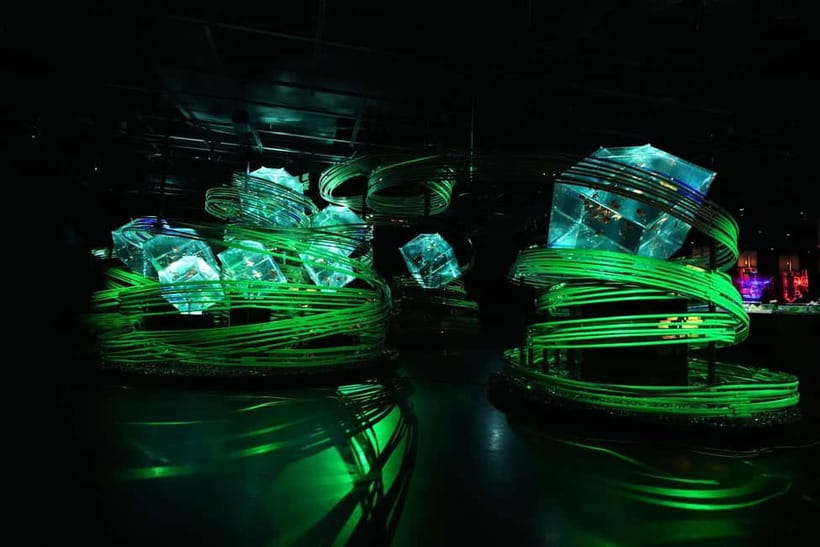
The museum’s location inside Ginza Mitsukoshi makes logistics easier than many standalone attractions. Here are the supported access routes:
- Tokyo Metro Ginza Line, Marunouchi Line, Hibiya Line: exit A7 of Ginza Station
- Tokyo Metro Yurakucho Line: about a 5-minute walk from Ginza 1-chome Station (exit 9)
- Toei Asakusa Line, Tokyo Metro Hibiya Line: about a 2-minute walk via the underground passage from Higashi Ginza Station, toward Ginza Station
If you’re already walking in Ginza, you can treat this like an indoor detour. You won’t lose the whole afternoon to transit. It’s also a good choice on a weather-heavy day because you’re mostly inside a department store.
The address is Ginza Mitsukoshi, 4-6-16 Ginza, Chuo-ku, Tokyo. The admission reception and same-day tickets are on the 9th floor of the new building, so aim for that level rather than wandering around looking for a sign.
Gift store and how to pair it with your Ginza plans
A small but real part of the value: there’s a gift store, and people specifically called out that it has wonderful souvenirs. That makes the museum feel complete, especially if you want a few take-home items after your photos.
For pairing, I’d treat this as a mid-day or late-day break. Ginza is easy to overdo with shopping and walking, so a one-hour calm stop helps you reset. Because the exhibit is compact, you can use it as a cultural counterweight to retail time.
Also, since the museum is inside a department store, you can smoothly connect it with other indoor stops. That helps if your day includes heat, rain, or you just need a sheltered route between sights.
Should you book Art Aquarium Museum GINZA Entry Ticket?
Book it if you want a Tokyo experience that feels designed, calm, and photo-friendly without being time-heavy. At $17 for an about 1-hour visit, it’s strong value if you care about atmosphere and modern art presentation.
It’s also a good fit if you like sensory experiences. The mix of light, music, and scent changes how you experience the goldfish, and the English information adds context without forcing you to study first.
Skip or reconsider if you’re looking for a large, classic aquarium with lots of walking and a longer timeline. This is compact. Also, if animal welfare is a top priority for you, you may want to go in aware that one note raised a concern about how some fish may look.
If you want an easy Ginza stop with a clear time window and a memorable art take on goldfish appreciation, this is an excellent choice. Just plan your entry time, follow the photo rules, and give yourself a bit of space to watch quietly, not just shoot.
FAQ
Where is the Art Aquarium Museum GINZA located?
It’s inside Ginza Mitsukoshi at 4-6-16 Ginza, Chuo-ku, Tokyo (104-8212). Admission reception and same-day tickets are on the 9th floor of the new building.
How long should I plan to spend at the museum?
The estimated viewing time is about 1 hour.
Is photography allowed?
Yes, photography is permitted, but you cannot use tripods, monopods, or similar equipment. Strobes and lighting equipment are not permitted.
How much does the ticket cost?
The entry ticket price is $17 per person.
Are there any free entry options for children?
Up to two children under elementary school age may enter free of charge with one adult.
What if I need to cancel?
The ticket is non-refundable. Business hours and closing days can vary, so it’s smart to check your date before you go.
Tokyo Indoors: Galleries and Light Rooms



Central Tokyo Landmarks



Newest Tokyo write-ups from the Loving Japan desk


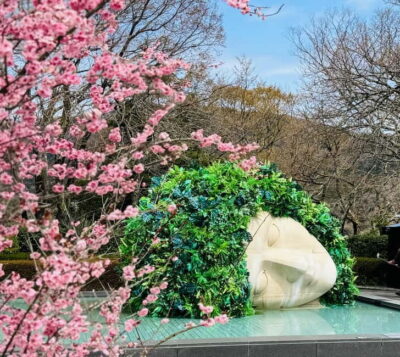
Tokyo Tower, Ginza and the Imperial Palace, side by side.
 ★ 5.0Flagship 2-Hours Official Street Go-Kart Tour – Tokyo Bay ShopFrom $644,974 reviews
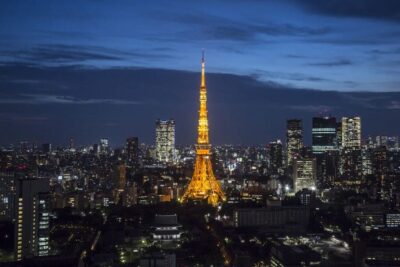 ★ 4.6Tokyo Tower: Admission TicketFrom $93,661 reviews
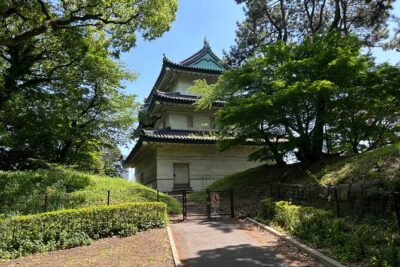 ★ 5.0Imperial Palace and Shogun Historical Walking TourFrom $222,251 reviews
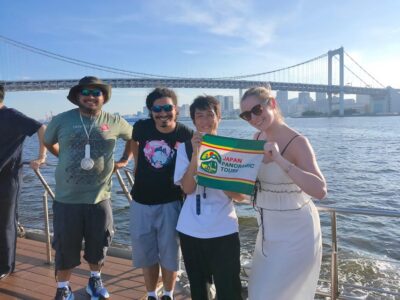 ★ 4.7Meiji Shrine, Asakusa, Skytree Bus Tour and CruiseFrom $1221,986 reviews
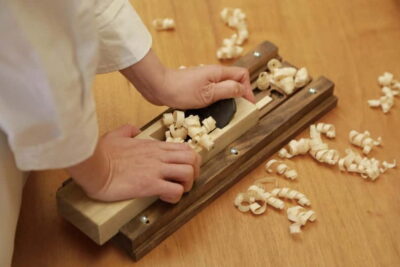 ★ 4.8Chopstick Making Workshop in GinzaFrom $251,366 reviews
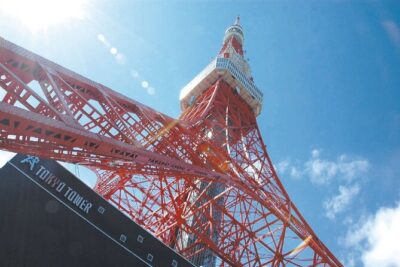 ★ 4.5Tokyo Panoramic 1 Day: Meiji Shrine, Asakusa, Odaiba and SKYTREE®From $851,222 reviews
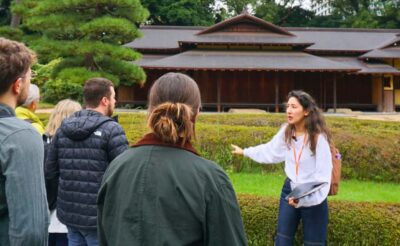 ★ 4.9Imperial Palace Japanese History Walking TourFrom $32987 reviews
 ★ 4.9Imperial Palace and Shogun Walking TourFrom $16935 reviews