
REVIEW · SAMURAI, NINJA AND SWORD EXPERIENCES
Tokyo: Best Samurai Experience
A samurai class that feels like a movie scene. You’ll dress in kimono and hakama, learn sword handling step by step, then finish with a friendly but adrenaline-pumping sword-fight moment. It takes just 1 hour, and the whole setup aims for hands-on fun, not museum staring.
What I like most is the combination of real instruction and very practical practice. You learn sword parts, how to draw, hold, swing, and retract, and then you do a simple chanbara fight with the “samurai” in the space.
One thing to consider: you’ll use a fake sword that can’t cut, so this is training and performance style, not a live weapon experience. If you want anything close to real blade work, you should adjust expectations.
In This Review
- Key things to know before you go
- Samurai Theater Tokyo, a dojo that feels like another era
- Kimono and hakama first, because the costume changes how you move
- Safe sword basics: drawing, holding, swinging, and retracting
- Chanbara practice and fighting samurai to music
- Photos, videos, and the finale performance with lights and soundtrack
- Who this Tokyo samurai experience fits best
- Price and value: why $63 for 1 hour makes sense here
- Practical tips so you get the most out of your session
- Should you book this Tokyo samurai experience?
- FAQ
- How long is the Tokyo Samurai Experience?
- Do I change into kimono and hakama during the tour?
- Will I use a real sword?
- Are photos and videos included?
- Is the armor included?
- Who might not be able to join?
Key things to know before you go
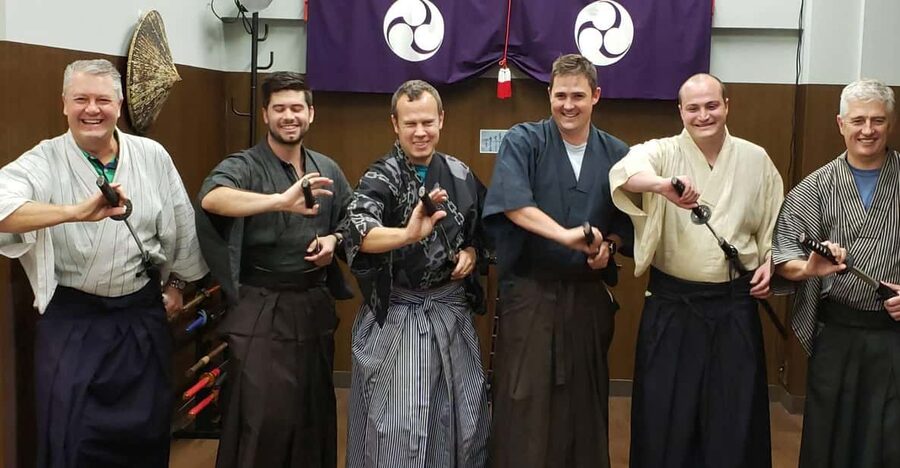
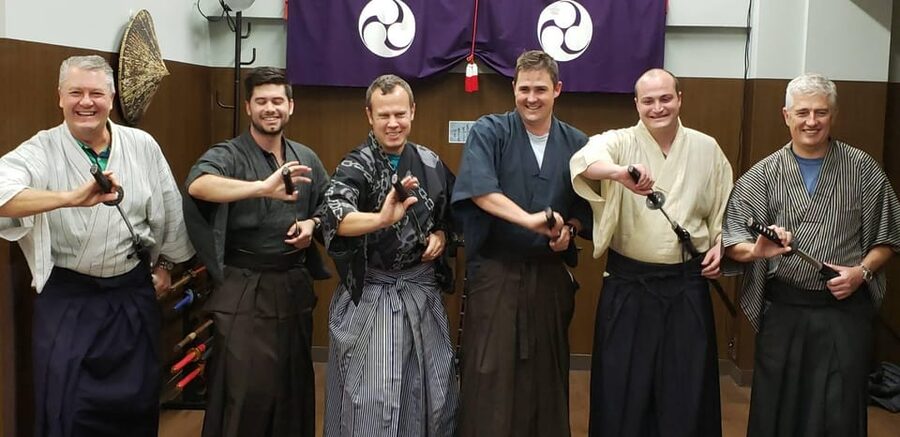
- Pick your own kimono and hakama before training starts, so you leave looking the part, not just watching it
- Step-by-step sword basics (draw, hold, swing, retract) that build fast for first-timers
- Chanbara-style practice where you get to fight in a controlled, fun way
- Photos and videos are a big deal, and you can record on your smartphone too
- Small group size (up to 10) keeps the experience personal and manageable
Blade work and stagecraft, other sessions
- Tokyo: Samurai Ninja Museum Guided tour and Experience
★ 4.6 · 1,010 reviews - Tokyo: Samurai Sword & Archery Class from Samurai Descendant
★ 5.0 · 603 reviews - Best Samurai Experience in Tokyo
★ 5.0 · 458 reviews - Ninja Experience (Family Friendly) at Samurai Ninja Museum TOKYO
★ 5.0 · 441 reviews
Samurai Theater Tokyo, a dojo that feels like another era
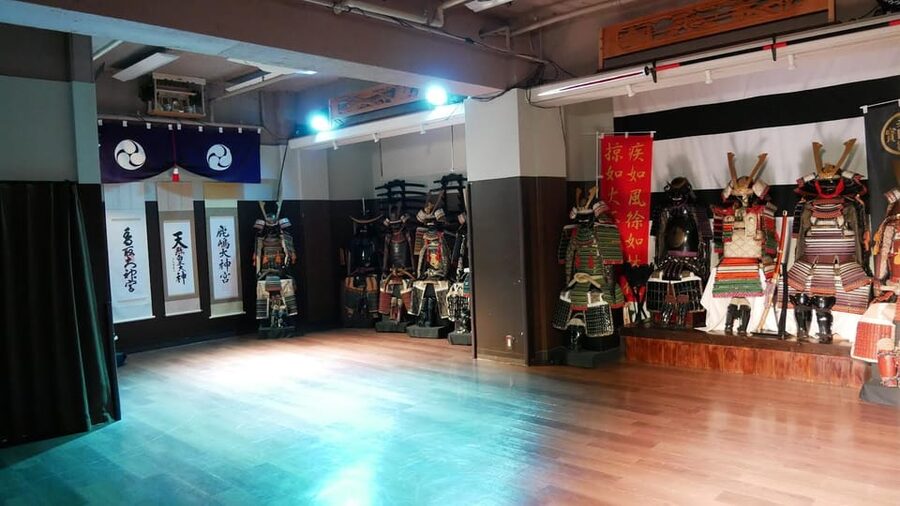
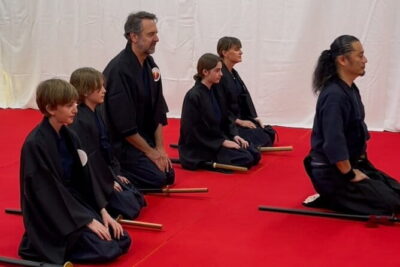
This is the kind of Tokyo activity where the mood starts working on you the moment you arrive. Search Google Map for Samurai Theater Tokyo, then expect a setting that does not feel modern. Think dojo energy, with a stage-like training area and samurais waiting in the space.
The room itself helps sell the story. There are weapons on display, including swords and spears, plus armor you can look at close up. Even if sword fighting is new to you, seeing the gear laid out in a real training-room way makes the lesson feel grounded, not just costume-and-camera.
You also get authentic instruction from teachers who have appeared in major Japanese dramas and movies. That matters because you are not just learning random choreography. You’re learning a style taught by people who know how to present it clearly for outsiders.
Kimono and hakama first, because the costume changes how you move
Most “themed shows” start after you’re already dressed. Here, you start by choosing your favorite kimono and hakama, then you change into the samurai look before touching the sword.
That is not just for photos. The kimono and hakama help guide your posture and stance. You end up practicing movements in clothing that actually shapes your stride, arm position, and balance. You also learn faster because the whole thing feels like a role you step into, instead of a classroom demo with props.
After you’re in costume, you get an explanation of the sword parts. That’s a smart way to start, because it gives you names and mental anchors right away. If you care about details, you’ll likely enjoy picking up blade terminology in a way that sticks. It also helps when the instructor tells you what to do with your hands and grip.
Safe sword basics: drawing, holding, swinging, and retracting
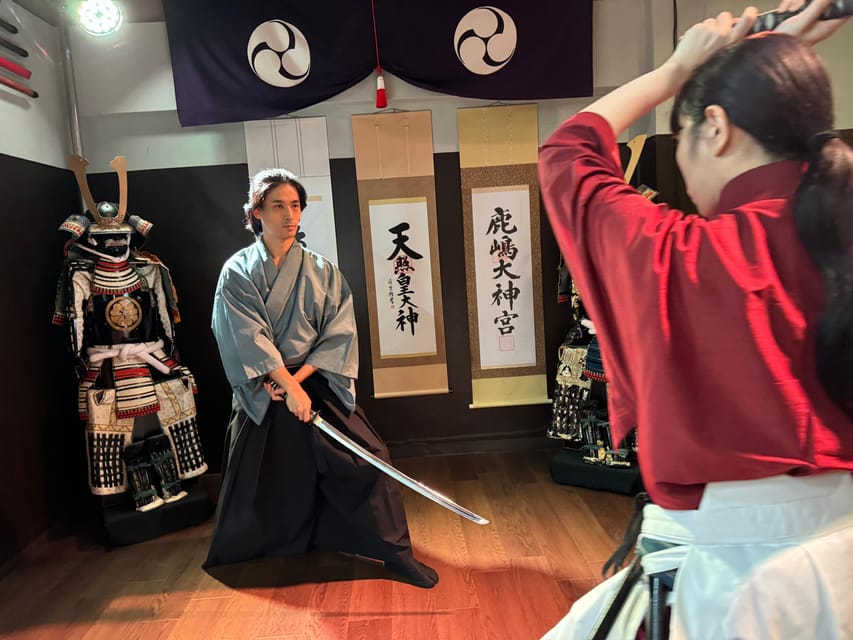
The sword training is structured, and that’s a big part of the value. You use a sword that cannot cut, so you can focus on technique without the stress of real danger.
Here’s what you’ll practice as fundamentals:
- how to draw the sword
- how to hold it properly
- how to swing it in a controlled way
- how to retract it safely
This sequence is ideal for beginners because it builds from basic mechanics to complete motions. Instead of random strikes, you’re learning a routine with a start point, a middle, and an end. In a short 1-hour session, that kind of structure prevents the experience from feeling scattered.
One detail I really appreciate is that the class does not treat the sword as magic. You learn the parts, you learn the actions, then you practice. That’s how you go from clumsy movements to something that looks like a real stance and makes sense on camera.
- Mt Fuji and Hakone 1-Day Bus Tour Return by Bullet Train★ 5.0 · 26,383 reviews
- 1-Day Tokyo Bus Tour★ 5.0 · 14,250 reviews
- Tokyo: teamLab Planets TOKYO Digital Art Museum Entry Ticket★ 4.6 · 9,779 reviews
- Mt Fuji & Hakone Cruise, Drum Show Bullet Train 1 Day from Tokyo★ 4.0 · 7,413 reviews
- Tokyo: Shinjuku Food Tour (13 Dishes at 4 Local Eateries)★ 5.0 · 6,603 reviews
Chanbara practice and fighting samurai to music
Once the basics click, the experience moves into the fun part: a simple chanbara (sword-fight style) practice. This is where you stop thinking so hard and start reacting to the scenario.
You practice offensive and defensive moves, then you run a mock fight. The vibe is playful and theatrical, but it still follows technique. In other words, it’s not just people waving swords. The instructor energy matters here, and the pacing keeps you involved.
You’ll also join in a finale-style moment where the group tries to deal with bad guys to music. That’s part roleplay, part coordinated choreography. It’s designed so you can participate even if you’ve never trained before.
If your goal is to get the adrenaline of a fight without actually getting hurt, this is exactly the right setup. The fake sword keeps it safe. The structured moves keep it understandable.
Photos, videos, and the finale performance with lights and soundtrack
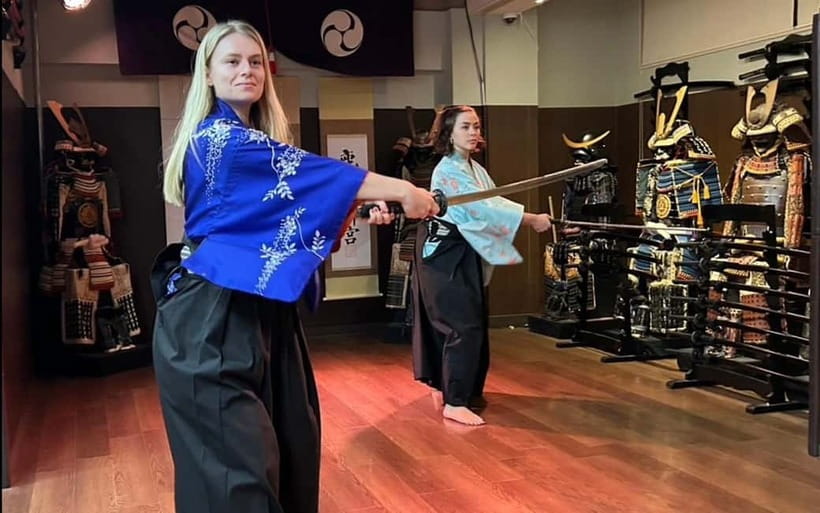
If you want proof that this was actually you doing the samurai thing, this experience is built for that. You can take photos and videos with your smartphone during the action.
On top of that, there is support capturing the moments for you. Multiple people mention that instructors or assistants recorded everything on mobile phones and took video and photos throughout the session. You also get a photo with a samurai, which helps make the experience feel complete rather than ending the moment you finish practicing.
Then you get a finale performance feel, with lights and soundtrack. That closing moment is what turns the training into a story you’ll remember. Even if you don’t care about sword technique, the performance energy is part of the attraction.
Also, the teachers and assistants come across as patient and energetic. In a class like this, that matters more than you’d think. If the instructor is calm and clear, you’ll actually learn something instead of freezing up in costume.
Who this Tokyo samurai experience fits best
This is a strong fit if:
- you want an interactive activity in Tokyo that does more than sightseeing
- you’re a martial arts fan, including old-school samurai movie fans
- you like dressing up and want a memorable action-photo setup
- you have never handled a sword and want a guided introduction
It also works for multigenerational groups. The small-group size makes it manageable, and the pace is built for people who are trying it for the first time.
You should pay attention if you fall into the not-suitable categories. The activity is not recommended for:
- children under 2, under 3, or under 4
- children under 3 ft (90 cm)
- pregnant women
- wheelchair users
- visually impaired people
- babies under 1 year
- people over 95
If any of those apply, skip this one and look for a different Tokyo experience that matches your needs.
Price and value: why $63 for 1 hour makes sense here
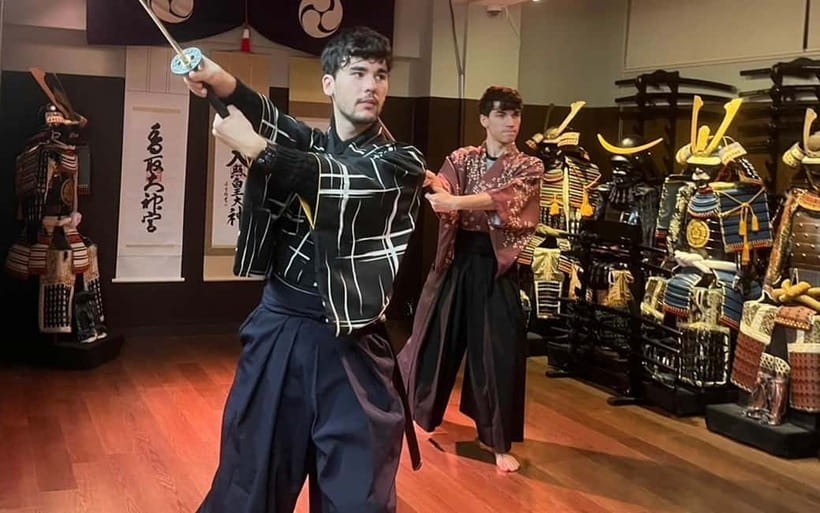
At $63 per person for a 1-hour session, you might wonder if it’s “just a show.” The good news is that the time is used tightly. You get:
- costume time (kimono and hakama)
- sword-part explanation
- a supervised practice sword (fake and non-cutting)
- chanbara-style fighting practice
- photo moments
That combination is the key to the value. Many Tokyo activities either focus on dressing up or on watching a performance. Here, you do both, and you also learn a set of motions you can repeat at home for fun.
There is also optional armor you can wear for an extra fee. The fact that it’s optional is fair, because not everyone wants it, and it keeps the base experience streamlined.
Practical tips so you get the most out of your session
To make the most of your time, focus on doing what the instructor asks during each stage:
- When you start with the sword parts, listen closely. That’s the fastest way to make later moves feel easier.
- During stance and swing practice, move with intent. Even with a fake sword, sloppy motions usually means you’ll struggle more in the fight sequence.
- Keep your smartphone ready for filming yourself. You can record videos and capture photos during the action, and you’ll want proof of that kimono and hakama samurai moment.
Also, plan on arriving on time. People have said being slightly late did not ruin the experience, but you’ll enjoy it more if you start the costume and instruction without rushing.
If you’re traveling solo, you can join as one person. Same-day reservations are also possible, which helps if your schedule flexes.
Should you book this Tokyo samurai experience?
Book it if you want a hands-on samurai activity where you learn basic sword handling, do a chanbara fight, and leave with photo and video memories. The small group size, the step-by-step structure, and the fact that you use a safe practice sword all make it a good first try.
Skip it if you need a non-participatory experience, or if you want real cutting blade training. This is about technique, roleplay, and performance energy, done safely in a short session.
If you’re deciding between another “show” and this class, choose this one. The value is in doing the movements yourself, not just watching someone else do them.
FAQ
How long is the Tokyo Samurai Experience?
The experience runs for 1 hour.
Do I change into kimono and hakama during the tour?
Yes. Changing into Kimono and Hakama is included.
Will I use a real sword?
No. You’ll use a fake sword that cannot be cut, along with guided instruction and practice sword fighting.
Are photos and videos included?
You can take photos and videos with your smartphone during the session. A photo with a samurai is also included.
Is the armor included?
Armor on display is not included. There is an optional fee if you want to wear the armor.
Who might not be able to join?
The experience is not suitable for children under 2, under 3, under 4, and for children under 3 ft (90 cm). It is also not suitable for pregnant women, wheelchair users, visually impaired people, babies under 1 year, and people over 95.
Blade Work and Stagecraft



Newest Tokyo write-ups from the Loving Japan desk


Samurai, Ninja and Sword Experiences, side by side.
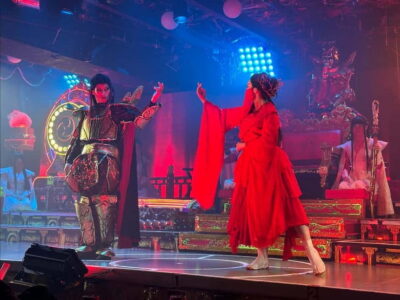 ★ 4.5Samurai Restaurant Show Ticket with 2 DrinksFrom $551,307 reviews
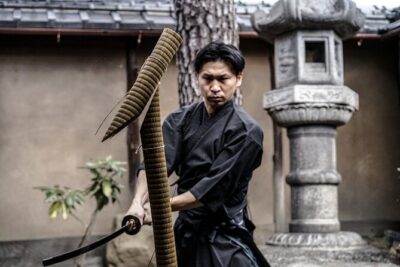 ★ 5.0Kyoto Samurai ExperienceFrom $1191,294 reviews
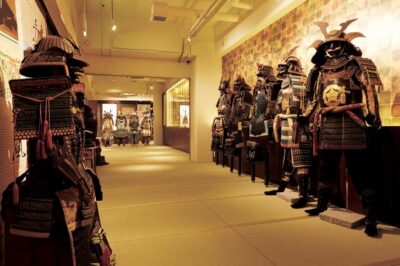 ★ 4.6Samurai Ninja Museum Guided tour and ExperienceFrom $271,010 reviews
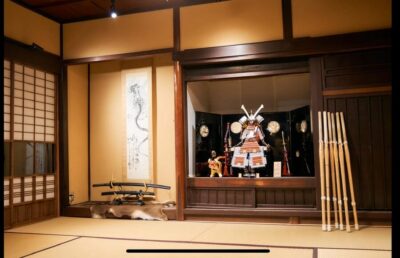 ★ 4.9Kendo and Samurai Experience with Uniform and GearFrom $103815 reviews
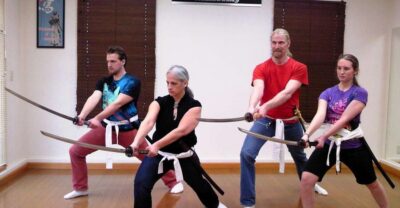 ★ 4.9Samurai Sword Class by Experts in Traditional ArtsFrom $64657 reviews
 ★ 4.5Skip the lines Basic Ticket at SAMURAI NINJA MUSEUM KYOTOFrom $28632 reviews
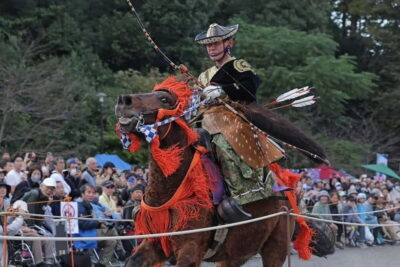 ★ 5.0Samurai Sword & Archery Class from Samurai DescendantFrom $193603 reviews
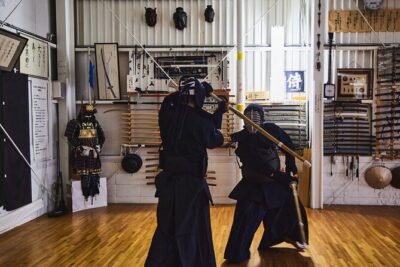 ★ 5.0Samurai Training Experience KENDO in OsakaFrom $131515 reviews
Filed on these lists too