
REVIEW · SAMURAI, NINJA AND SWORD EXPERIENCES
Tokyo: Samurai Adventure! Authentic Sword Experience
Katana practice in Tokyo feels oddly natural.
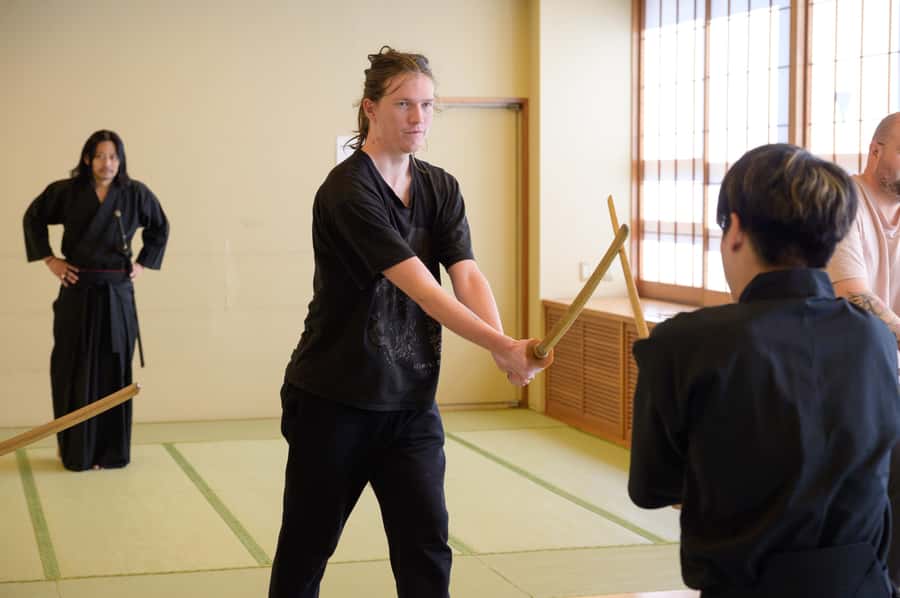
This is a hands-on samurai sword lesson built for beginners, with close-up training by instructors like Dai-san and Kume-san. You watch action training, then you copy the same movements safely with wooden practice swords. One consideration: this is still physical activity, and the experience is not suitable for people with back problems, vertigo, or other medical limitations listed by the operator.
I like that it is not just a show. You actually learn stance, grip, and basic strikes and defensive moves in a structured way, then you get paired practice that looks like an action scene. I also like the photo moment at the end, where you walk away with something more fun than another selfie stick.
The main tradeoff is also the point of it: you are not doing real sword fighting. You are practicing the movements safely using training swords, so if you want live blade combat, this is not that kind of class.
In This Review
- Key Things To Know Before You Train
- Where You Start: Samurai Experience Photo Studio ICHI
- The Big Idea: Samurai Training Without Real Combat
- Public Course: Training With Aspiring Samurai Actors
- Private Course: History First, Then Tailored Coaching
- What Happens During the Lesson, Step by Step
- Dressing Up in Samurai Gear: Fun and Surprisingly Practical
- Photos With the Samurai: The Keepsake Moment
- Getting There: Easy Access From Central Tokyo
- Cost and Value: Why It Can Feel Like a Bargain
- Who This Suits Best (And Who Should Skip It)
- Practical Stuff You Should Not Forget
- What You’ll Remember When It’s Over
- Should You Book Samurai Adventure in Tokyo?
- FAQ
- Where is the meeting point?
- Is transportation to and from the workshop included?
- Is this suitable for beginners?
- Do I do real sword fighting?
- What is the difference between public and private courses?
- What languages are spoken?
- What should I wear?
- Is the samurai costume included?
- Is it suitable for wheelchair users or electric wheelchairs?
Key Things To Know Before You Train
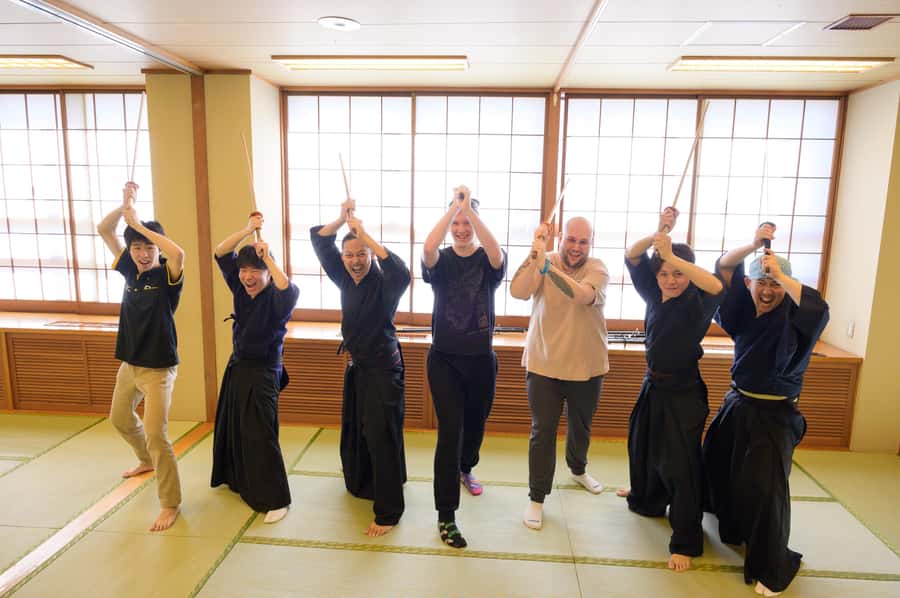
- Safe practice with wooden swords means you learn the mechanics without actual fighting.
- Two class styles, public or private, let you choose group energy or more tailored instruction.
- Dai-san and Kume-san lead the training with detailed coaching and a friendly vibe.
- A demo plus paired practice helps you understand how the moves connect in real time.
- Wear comfortable clothes and closed-toe shoes because you will move a lot.
Blade work and stagecraft, other sessions
- Tokyo: Samurai Ninja Museum Guided tour and Experience
★ 4.6 · 1,010 reviews - Tokyo: Samurai Sword & Archery Class from Samurai Descendant
★ 5.0 · 603 reviews - Best Samurai Experience in Tokyo
★ 5.0 · 458 reviews - Ninja Experience (Family Friendly) at Samurai Ninja Museum TOKYO
★ 5.0 · 441 reviews
Where You Start: Samurai Experience Photo Studio ICHI
Your adventure begins at Samurai Experience Photo Studio ICHI, which is the name you can search in Google Maps. This matters because the day is built around a specific flow: you arrive, you get suited up, and then you head to the training space.
In at least one visit, the studio is where you dress up first, then you walk to a nearby building for the dojo portion. That walk is short, but it is part of the rhythm. You will already be in costume gear when you go, so wear clothes you can move in easily under whatever you are given.
You will be taught in Japanese and English. In practice, that usually means English-speaking support is available, so you do not need advanced Japanese to follow along. If you are worried about timing, plan to arrive 15 minutes early so the session starts on schedule.
The Big Idea: Samurai Training Without Real Combat
This workshop is designed around a simple promise. You will learn samurai movement and sword handling safely, without actual sword fighting. Instead of trading hits with live blades, you practice with provided wooden swords and focus on form.
The lesson generally moves through warm-up exercises, then basic techniques like grip, holding position, and how to swing. After you have the fundamentals, you do paired practice. The pairing is meant to look like a cinematic exchange, but it stays controlled and training-based.
One review highlights that even when the activity is action-based, the mood is welcoming and the group experience stays friendly. That is a good fit for beginners. You are not being tested on athletic ability or prior martial arts background. You are learning the pattern.
Public Course: Training With Aspiring Samurai Actors
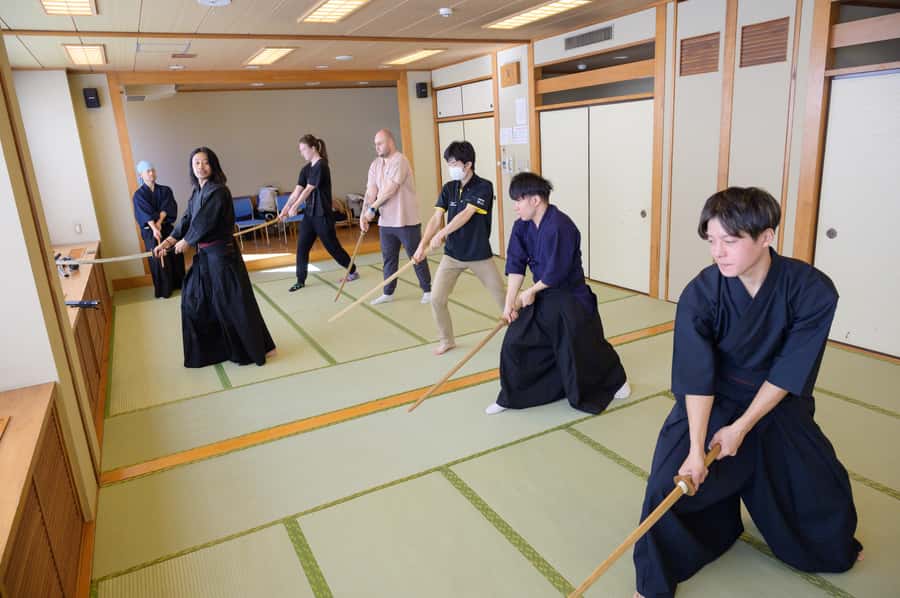
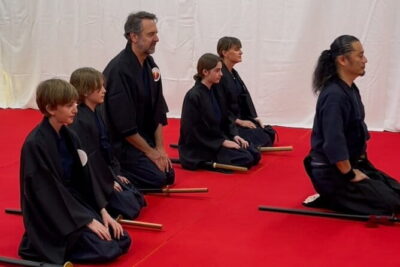
If you choose the public course, you join a class where aspiring Japanese actors are learning samurai action. You start by watching, then you practice alongside them once you have seen the movements clearly.
That format has a real advantage for many people: it is less intimidating. You can learn by observing how others respond, and you can pick up the cues that instructors give in real time. It also creates a bit of cultural exchange because you interact with Japanese students during the practice portion.
The downside is also predictable. A public session can feel a touch less custom, since the instructor has to manage a group flow. If you want tight, personal correction every time you grip or swing, you may prefer the private course.
- Mt Fuji and Hakone 1-Day Bus Tour Return by Bullet Train★ 5.0 · 26,383 reviews
- 1-Day Tokyo Bus Tour★ 5.0 · 14,250 reviews
- Tokyo: teamLab Planets TOKYO Digital Art Museum Entry Ticket★ 4.6 · 9,779 reviews
- Mt Fuji & Hakone Cruise, Drum Show Bullet Train 1 Day from Tokyo★ 4.0 · 7,413 reviews
- Tokyo: Shinjuku Food Tour (13 Dishes at 4 Local Eateries)★ 5.0 · 6,603 reviews
Private Course: History First, Then Tailored Coaching
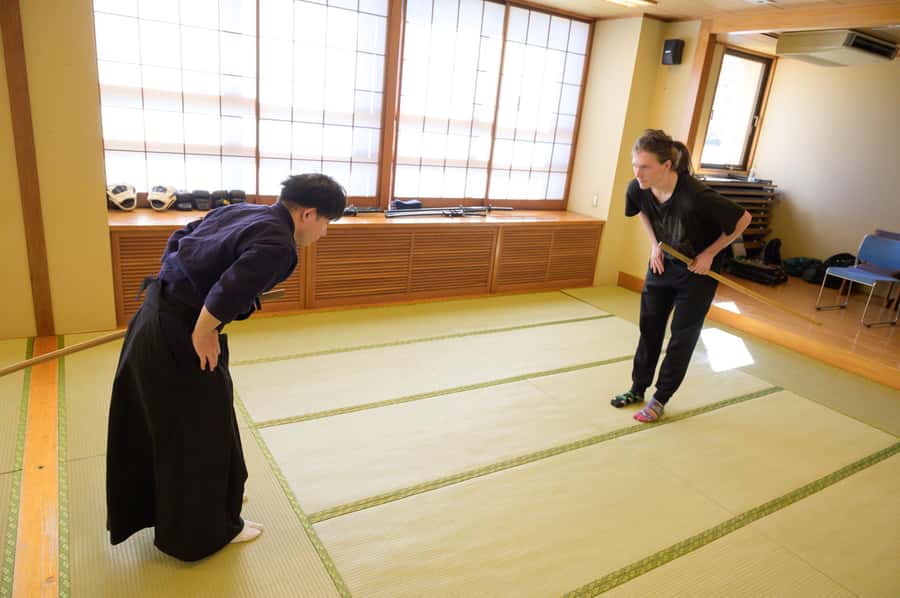
Private lessons start with a brief introduction to the history and culture of the samurai. Then the instructor tailors the class to your level and goals. This is especially popular with martial arts practitioners and people who already know some Japanese culture and want more context.
In a private setup, you tend to get faster feedback and more chances to ask questions mid-lesson. That makes it a good choice if you care about doing the technique correctly, not just finishing the session.
Also, you might notice something from the reviews that is worth considering. Even without booking private, some people ended up in a situation that felt close to private due to low group turnout. You cannot count on that, but it is a nice reminder that your experience may feel more personal than you expect.
What Happens During the Lesson, Step by Step
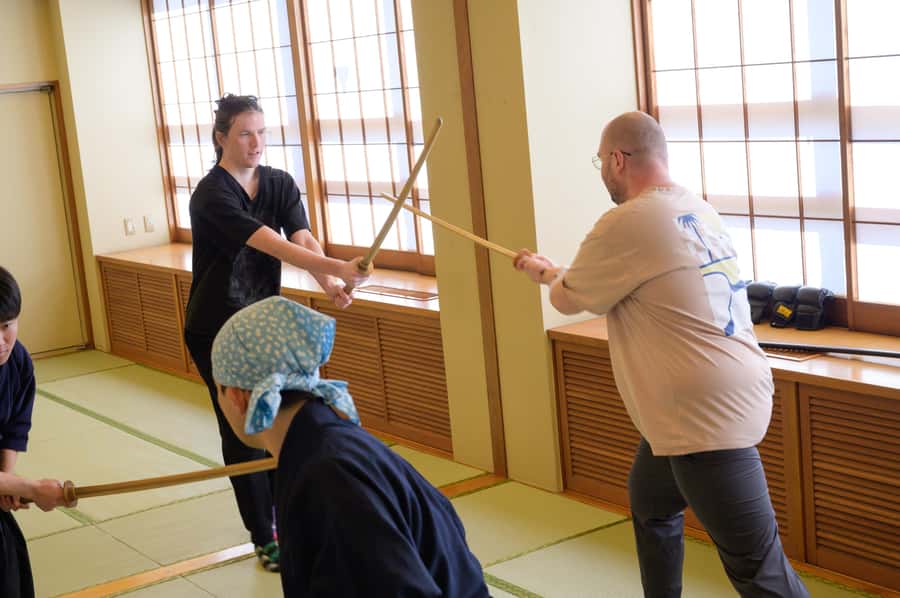
Here is the practical flow of what you can expect, built from what the operator says and how the sessions are described.
First, you do warm-up exercises. This is not just a formality. It helps your shoulders, wrists, and stance get ready for the grips and controlled swings with the wooden sword.
Next, you focus on the fundamentals. You learn how to properly grip the sword, how to hold it, and how to swing. You also work on essential positioning, which is the boring-sounding part that makes everything else look right. When you get the stance and grip consistent, the rest of the routine becomes much easier.
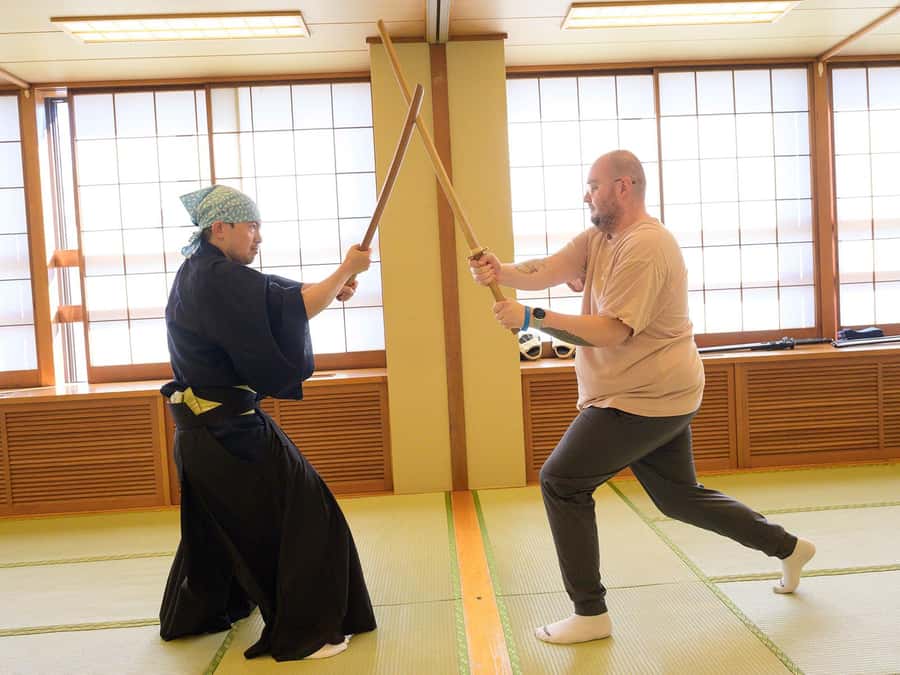
Once your basics feel steady, you move into partnered practice. In this part you will work with a professional samurai, in a scene setup that resembles an action moment. The purpose is to connect your movements with another person’s cues, so you start to understand timing and distance.
You will also see a powerful demonstration by the samurai. This part is worth paying attention to, even if you feel tired. Watching the full movement once, with good form, makes your own practice click faster.
And yes, there is a photo session at the end. You get that memorable keepsake moment with the samurai. In at least one review, water was offered during the session, which is a helpful detail if you are sweating in your costume.
Dressing Up in Samurai Gear: Fun and Surprisingly Practical
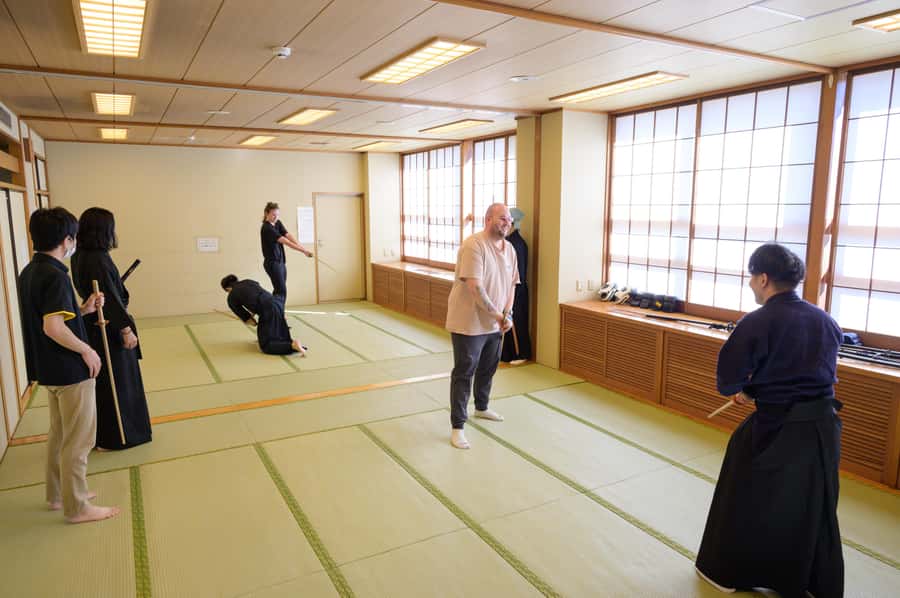
You can choose to add samurai costume rental as an option. That means the costume may not be included in every booking, so check your booking details. Some people noted they dressed like a samurai and also tried kimono-style items as part of the experience, so you may get more than one layer of traditional outfit depending on what is available.
Either way, expect to move while wearing your outfit. That is why the “comfortable clothes” and “closed-toe shoes” instructions matter. Avoid high-heeled shoes. Not only is it unsafe, it is also the kind of rule that slows everyone down.
The upside is real. When you are in the right clothing and you are holding a practice sword, the whole experience stops feeling like a lecture. It turns into physical storytelling.
Photos With the Samurai: The Keepsake Moment
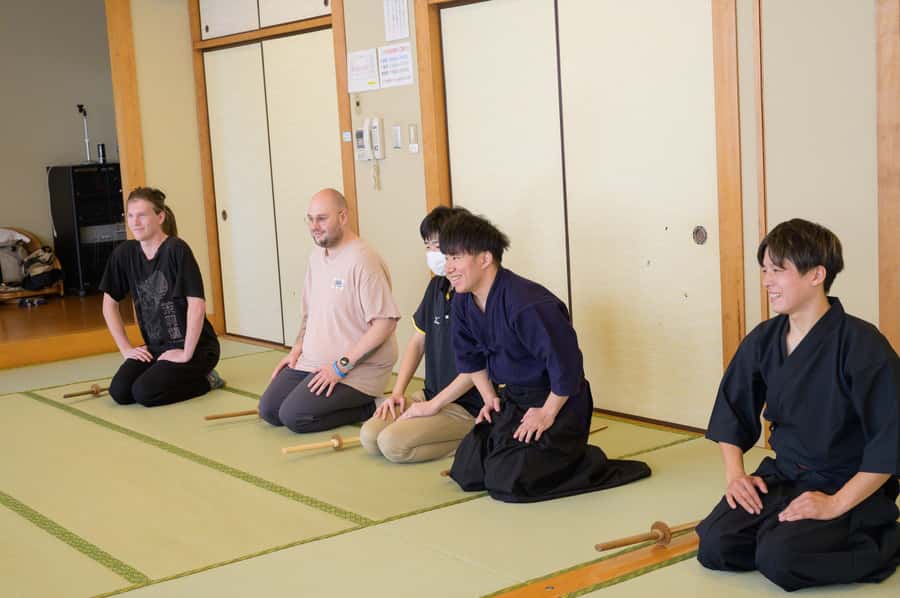
At the end, you get a photo session with the samurai. This is not just a quick snap. It is part of the experience payoff.
Because the workshop includes hands-on training and close demonstrations, the photos feel earned. You are not posing after watching something from far away. You are posing after learning a few core moves, which makes the picture more personal and more fun to share.
If you are camera-shy, you can always keep it simple. You can still get value even if you spend more time observing at first and jump into practice when you feel ready. Observing is part of the flow for public course participants anyway.
Getting There: Easy Access From Central Tokyo
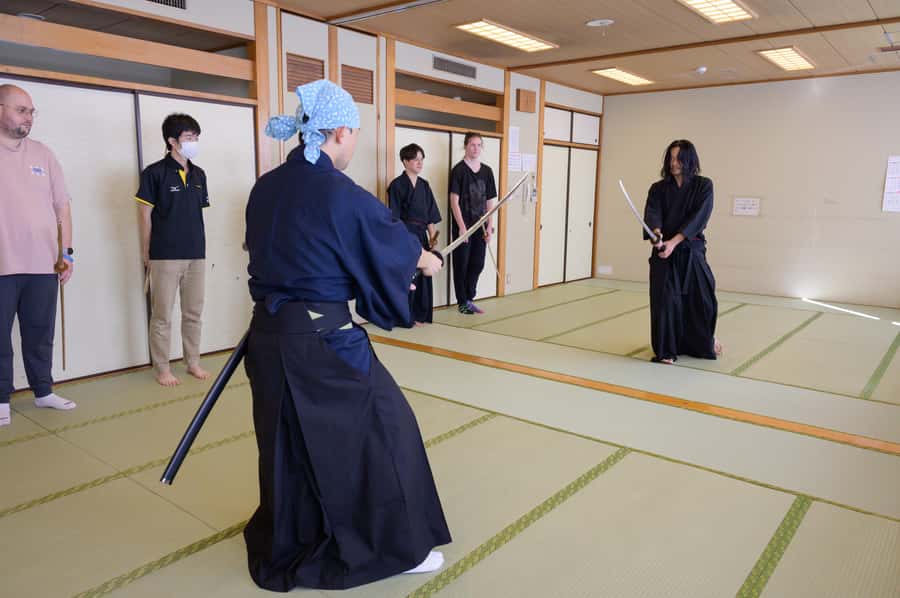
This is positioned as easily accessible from Tokyo Station, Ginza, and Tsukiji. That matters because you do not want to waste half your day crossing the city for a 1-stop activity.
Transportation is not included, so plan your own route. I like that the location ties into areas where people already spend time, so you can fit it without a huge scheduling headache.
Once you arrive at Samurai Experience Photo Studio ICHI, you will follow the flow back to the meeting point when the activity ends. In other words, it is designed to be a contained experience with a clear start and finish.
Cost and Value: Why It Can Feel Like a Bargain
The price is $24 per person. That sounds modest for a workshop that includes training demonstrations, provided wooden swords, active instruction, and a photo session.
Here is why it can feel like good value. A lot of “culture experiences” in Tokyo are mostly watching and posing. This one adds structured movement practice. You get multiple parts in one go: warm-up, basics, paired training, a demonstration, and photos. For the money, you are paying for time with trained instructors and a safe setup to learn real technique basics.
Also, instructors are described as kind and detailed in the way they correct you. That kind of attention is what makes a short class feel worth it. If you leave after only watching, value drops. If you participate, value improves a lot.
Who This Suits Best (And Who Should Skip It)
This is beginner-friendly. You do not need martial arts experience to join, and the instructors provide the structure to keep you safe and moving in the right way.
It is a great fit if you:
- want an active Tokyo experience beyond walking and food
- like hands-on lessons where you learn by doing
- enjoy samurai history and want it connected to movement
- want a fun memory to photograph, not just souvenirs
It is not a great fit if you:
- are pregnant (not suitable)
- have back problems (not suitable)
- have vertigo (not suitable)
- use a wheelchair (not suitable)
- have pre-existing medical conditions that could affect physical movement
If any of those apply, it is better to skip. The class involves stance work and controlled sword-swing motions, even though the training is safe.
Practical Stuff You Should Not Forget
The basic checklist is simple:
- wear comfortable clothes
- bring closed-toe shoes for movement
- arrive 15 minutes early
- avoid anything that could get in the way of training
There are also clear rules on what is not allowed: smoking, drones, alcohol and drugs, electric wheelchairs, and explosive substances. It is standard for a training environment, but it is smart to keep it in mind so you do not start the session feeling stressed.
If you are thinking about etiquette, treat it like a dojo lesson. Listen closely during warm-ups. Move when asked. And be patient with your own form. The instructors are doing the hard part, and you are learning the hard part.
What You’ll Remember When It’s Over
I think the most praised parts are consistent: the energy of the instructors, the friendliness of the team, and the way the lesson feels like more than a quick “try it once” photo moment.
People specifically point out that Dai-san and Kume-san make the training joyful and spirited, and they give helpful, detailed tips. One review even mentions how an instructor helped fix a broken item for a friend. That is the kind of care that turns a tourist activity into a genuine experience.
You also get that action-movie feeling through paired practice and demonstrations. You watch the techniques, then you try to reproduce the essentials. That sequence helps you understand what you are seeing instead of just admiring it.
Finally, you leave with photos that match what you actually did. That is the difference between a performance and a workshop.
Should You Book Samurai Adventure in Tokyo?
Book it if you want a safe, hands-on introduction to samurai sword technique with real coaching, not just a show. At $24 per person, the mix of instruction, wooden-sword practice, demonstrations, and a photo session can be excellent value, especially if you like learning by doing.
Skip or ask for advice first if you have any medical or mobility limitations listed as not suitable. This is a physical lesson in a dojo-style setting.
If you are in central Tokyo and want something memorable that mixes culture with movement, this one is a strong pick.
FAQ
Where is the meeting point?
The meeting point is registered as Samurai Experience Photo Studio ICHI on Google Maps.
Is transportation to and from the workshop included?
No. Transportation is not included.
Is this suitable for beginners?
Yes. Beginners are welcome, and instructors teach the movements safely using practice swords.
Do I do real sword fighting?
No. During the lesson, you do not engage in actual sword fighting. You practice movements safely with wooden training swords.
What is the difference between public and private courses?
In the public course, you join a class where aspiring Japanese actors learn samurai action, you observe, then you practice alongside them and interact with Japanese students. In the private course, you get a brief history and culture introduction first, then the instructor tailors the lesson to your level and goals.
What languages are spoken?
The workshop uses Japanese and English.
What should I wear?
Wear comfortable clothing and closed-toe shoes suitable for physical activity.
Is the samurai costume included?
A samurai costume is available as an option, so it may not be included in every booking.
Is it suitable for wheelchair users or electric wheelchairs?
No. It is not suitable for wheelchair users, and electric wheelchairs are listed as not allowed.
Blade Work and Stagecraft


Newest Tokyo write-ups from the Loving Japan desk


Samurai, Ninja and Sword Experiences, side by side.
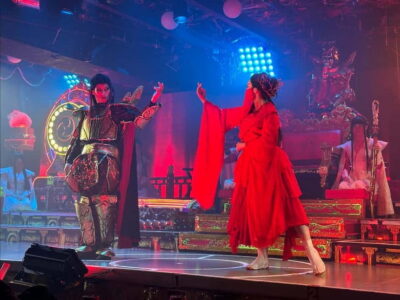 ★ 4.5Samurai Restaurant Show Ticket with 2 DrinksFrom $551,307 reviews
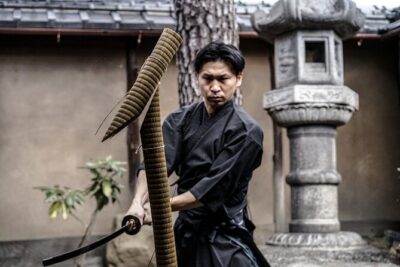 ★ 5.0Kyoto Samurai ExperienceFrom $1191,294 reviews
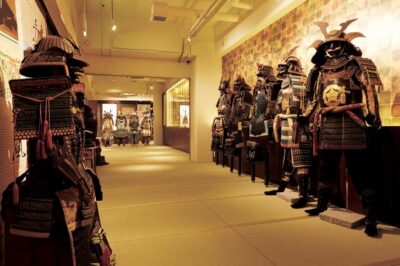 ★ 4.6Samurai Ninja Museum Guided tour and ExperienceFrom $271,010 reviews
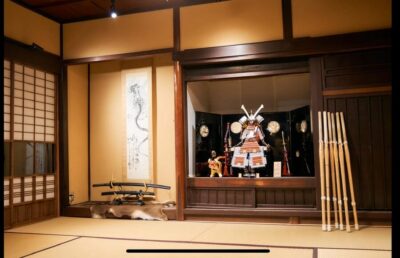 ★ 4.9Kendo and Samurai Experience with Uniform and GearFrom $103815 reviews
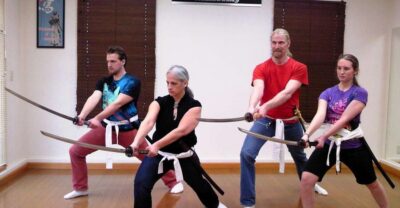 ★ 4.9Samurai Sword Class by Experts in Traditional ArtsFrom $64657 reviews
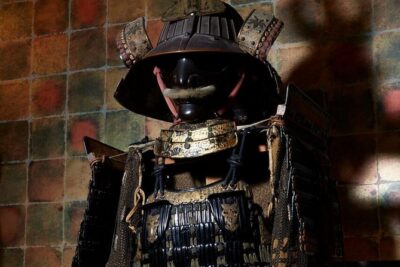 ★ 4.5Skip the lines Basic Ticket at SAMURAI NINJA MUSEUM KYOTOFrom $28632 reviews
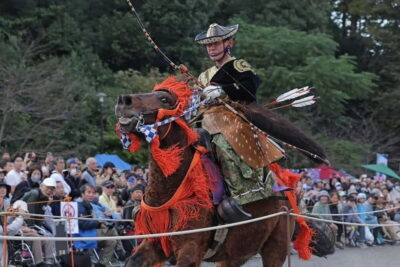 ★ 5.0Samurai Sword & Archery Class from Samurai DescendantFrom $193603 reviews
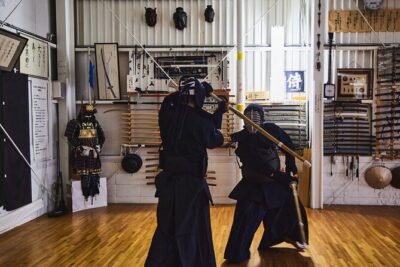 ★ 5.0Samurai Training Experience KENDO in OsakaFrom $131515 reviews
Filed on these lists too