
REVIEW · SAMURAI, NINJA AND SWORD EXPERIENCES
Tokyo: Samurai Experience with a real sword
Real steel, not staged theater. In Tokyo, you dress in kimono and hakama and learn iai swordsmanship with a real blade, including a sword-to-sword drill. One consideration: cutting objects with a real sword is only for participants aged 12 and above, so plan accordingly if you are traveling with younger kids.
I like that this is built around etiquette first, then technique, so you are not just swinging a sword. You also take home a souvenir package with a video recording and a commemorative photo session, which makes the 2-hour experience feel more complete. If you are expecting a purely sightseeing day, this one is hands-on and focused.
In This Review
- Key Highlights That Make This Samurai Session Worth It
- Meeting in Tokyo: McDonald’s West Exit and Your Samurai Start
- Dressing Like a Samurai: Kimono and Hakama Setup
- Zarei Etiquette: Sitting Posture and Samurai Rules First
- Shiden-ryu Iai Demonstration: Learning the Flow of Draw and Cut
- Uchikomi Sword-to-Sword Combat: The Thrill Part, Guided
- The Cutting Moment: Real Sword, Recorded Action (Age 12+)
- Your Samurai Souvenir Package: Video and Photos You Can Keep
- Price and Value: Is $102 Worth It in Tokyo?
- Who Should Book This Samurai Sword Experience (and Who Should Skip)
- Should You Book This Samurai Experience?
- FAQ
- Where do I meet for the Samurai Experience?
- How long is the experience?
- Is the tour offered in English?
- Can my child cut objects with a real sword?
- What is included in the experience?
- What should I bring with me?
- Is this experience suitable for everyone?
Key Highlights That Make This Samurai Session Worth It
- Kimono and hakama dressing for the full samurai look, not just a costume photo op
- Zarei (seated etiquette) training that explains how to carry yourself, not only how to swing
- A Shiden-ryu iai demonstration, then guided practice of core movements
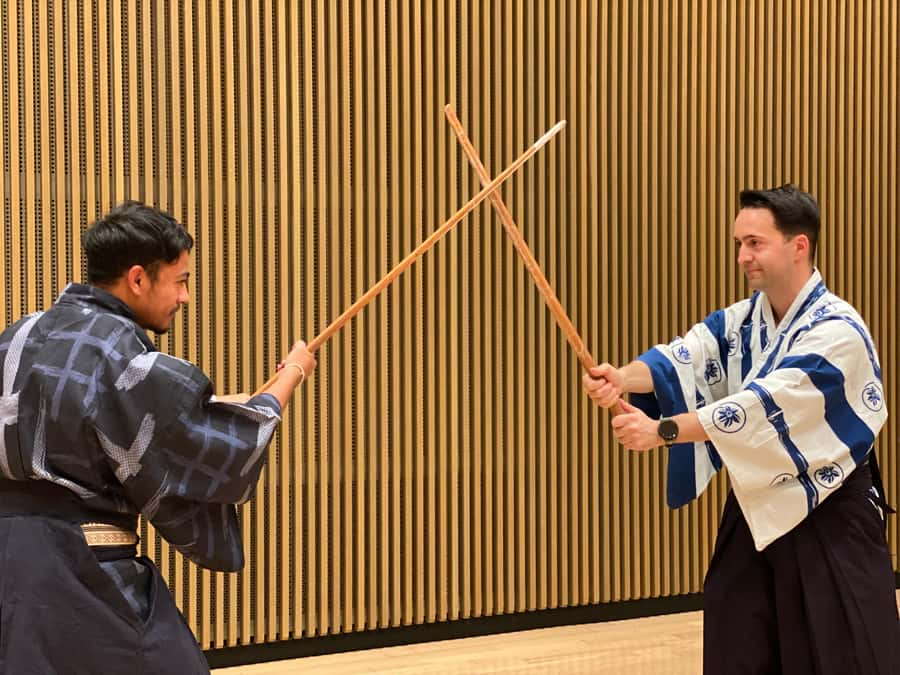
- Uchikomi sword-to-sword combat drills, so you experience the back-and-forth energy
- Cutting objects with a real sword (12+) plus video recording you can take home
- Video and photo souvenirs included, so you can relive the moment later
Blade work and stagecraft, other sessions
- Tokyo: Samurai Ninja Museum Guided tour and Experience
★ 4.6 · 1,010 reviews - Tokyo: Samurai Sword & Archery Class from Samurai Descendant
★ 5.0 · 603 reviews - Best Samurai Experience in Tokyo
★ 5.0 · 458 reviews - Ninja Experience (Family Friendly) at Samurai Ninja Museum TOKYO
★ 5.0 · 441 reviews
Meeting in Tokyo: McDonald’s West Exit and Your Samurai Start
This is the kind of Tokyo activity where the first few minutes matter, because you need to find the group, get outfitted, and get settled before any sword work begins. The meetup spot is simple: after you exit the ticket gates, go out the west exit, head to the ground floor, and look for McDonald’s. Meet the staff there holding a meeting board.
Arrive about 20 minutes early. That extra buffer buys you time to check in, use the restroom, and get comfortable before you change clothes. Also, note that the meeting location may vary within Tokyo by date, so keep an eye on any update you receive after booking.
Dressing Like a Samurai: Kimono and Hakama Setup
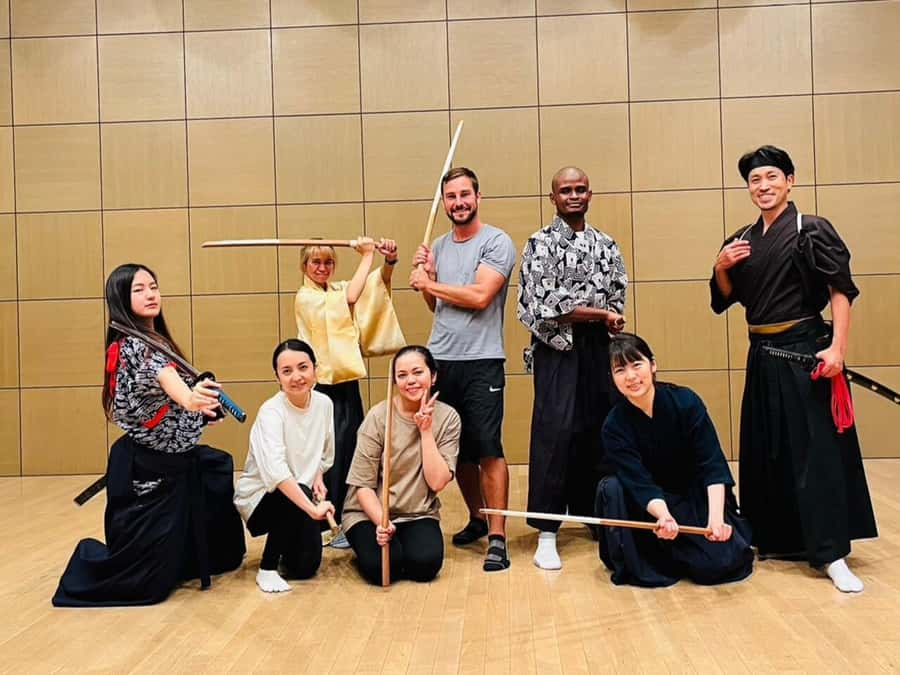
Once you’re with the staff, the session starts with reception and kimono dressing. For many people, this is one of the most fun parts, because you instantly stop feeling like a tourist and start feeling like you are inside the training world.
You will also change into a hakama, which is the traditional pleated garment often associated with martial arts formality. The clothing matters because it changes your posture and how you move. It also makes the etiquette part feel real, not performative.
And yes, you should plan for clothing logistics. You are advised to bring:
- A change of clothes
- Comfortable clothes for before and after
- Water
- A drink with a secure lid
A secure lid tip sounds minor, but it matters when you are in training flow and don’t want spills.
Zarei Etiquette: Sitting Posture and Samurai Rules First
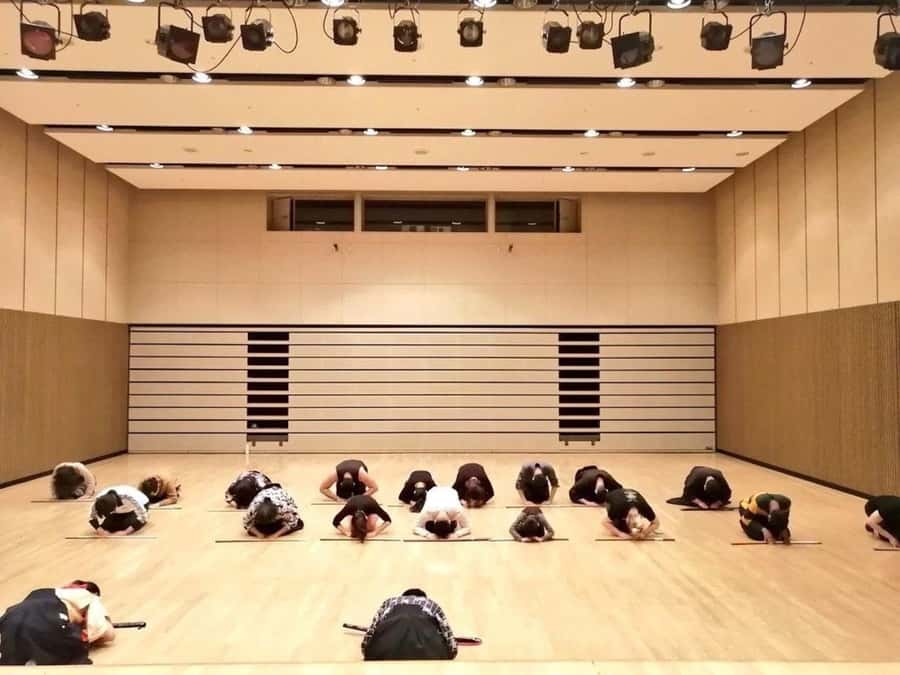
Before anyone even brings the sword into your hands, you get a walkthrough of samurai etiquette (Zarei). Think of this as the mental warm-up. You learn the rules and proper manners, and you practice seated etiquette as part of the discipline.
For me, this is a key reason the experience feels culturally grounded. Sword training in Japan is not just about impact. It is also about respect, control, and readiness. Even if your goal is pure fun, this part changes how you approach the rest of the class. You will likely feel more confident when it is time to draw, move, and spar.
- Mt Fuji and Hakone 1-Day Bus Tour Return by Bullet Train★ 5.0 · 26,383 reviews
- 1-Day Tokyo Bus Tour★ 5.0 · 14,250 reviews
- Tokyo: teamLab Planets TOKYO Digital Art Museum Entry Ticket★ 4.6 · 9,779 reviews
- Mt Fuji & Hakone Cruise, Drum Show Bullet Train 1 Day from Tokyo★ 4.0 · 7,413 reviews
- Tokyo Mt Fuji 5th St & Hakone Cruise Bus Tour w/Bullet Train★ 4.4 · 5,024 reviews
Shiden-ryu Iai Demonstration: Learning the Flow of Draw and Cut
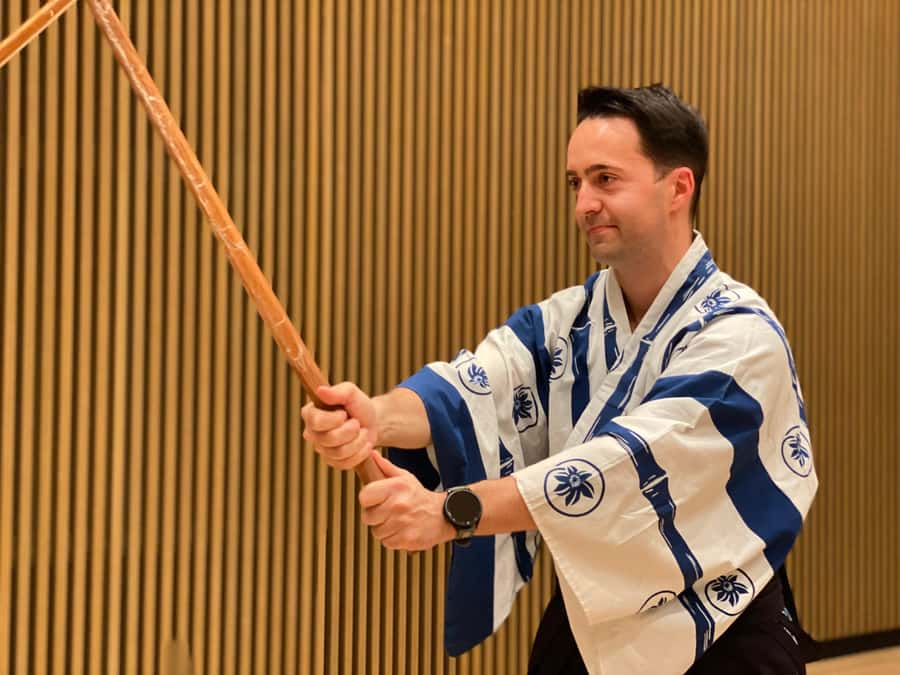
Then comes the sword learning proper. You’ll be taught sword handling techniques, plus samurai forms and movements. After that, you watch a demonstration of iai and swordsmanship by Shiden-ryu.
Iai is the art of drawing and using the sword with intent and control. In a short class, you will not become a master. But you can learn enough to understand the shape of the practice:
- How the sword is presented and controlled
- How the body supports the motion
- How technique connects to etiquette and timing
In your session, after the demonstration, you participate in guided practice so you are not only watching. If you like hands-on learning, this is where the “wow” starts to turn into real skill you can feel.
Uchikomi Sword-to-Sword Combat: The Thrill Part, Guided
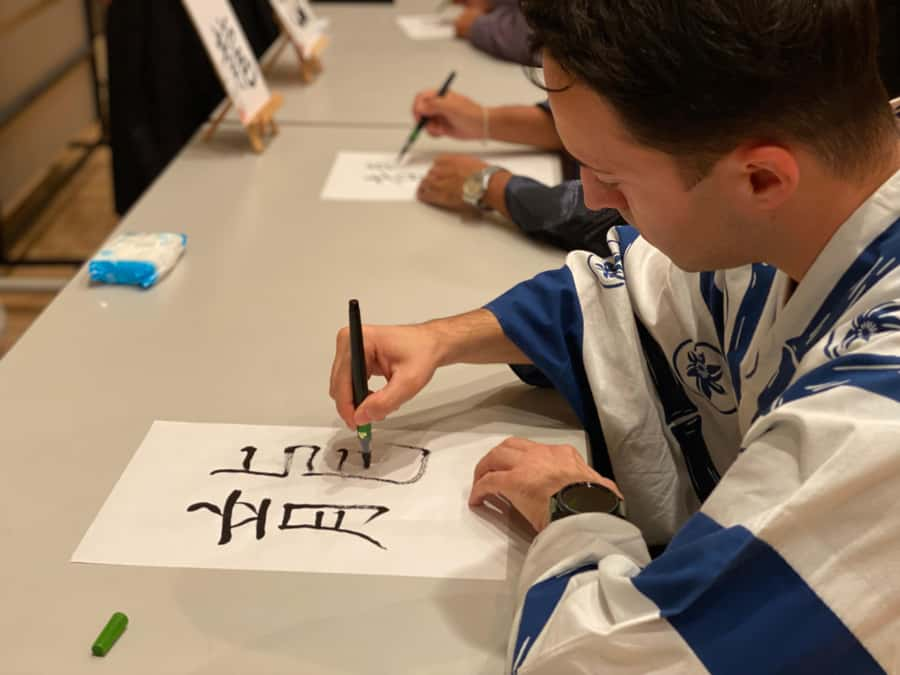
After the foundation work, you move into Uchikomi, described as sword-to-sword combat. This is the interactive phase, where the training becomes a back-and-forth exchange rather than solo movement drills.
What you should expect here is structure. You are not meant to freestyle. You are working through forms and movements with instruction, so the experience stays manageable even if you have never touched a katana-like training setup before.
This is also where the emotional payoff lands. Watching a sword demo is cool, but participating in the rhythm of combat drills is different. You get that real sense of spacing, timing, and control that movies usually exaggerate.
The Cutting Moment: Real Sword, Recorded Action (Age 12+)
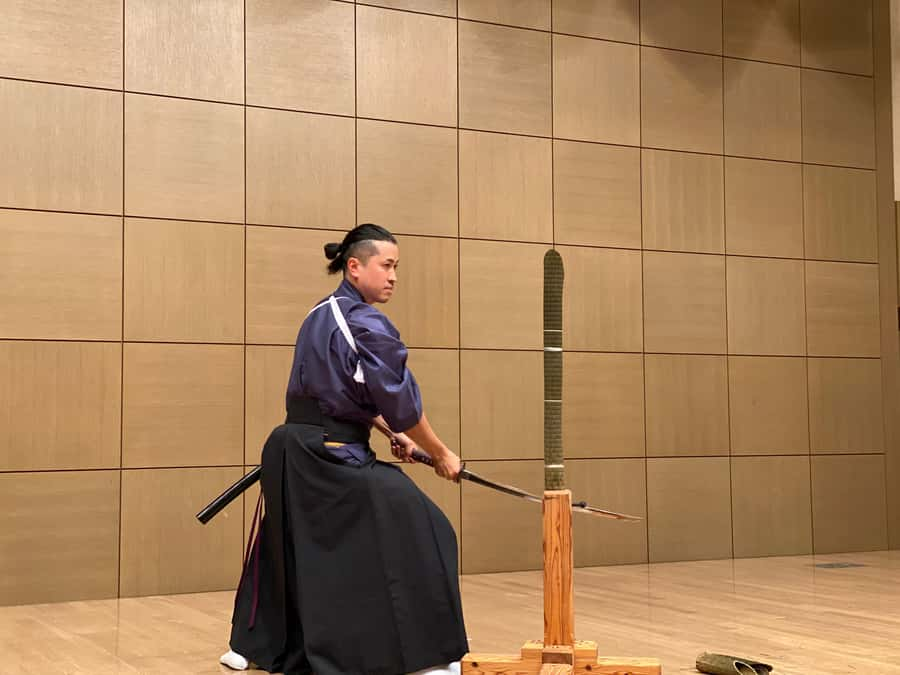
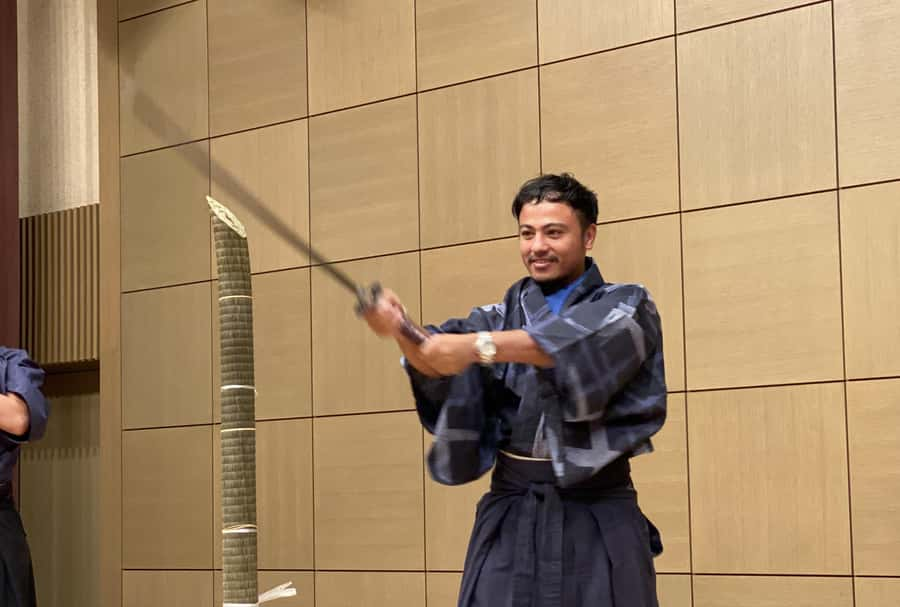
Next is the part many people came for: cutting objects with a real sword. The session includes video recording, so you get a tangible keepsake of your cutting attempt.
There are two practical points to underline:
- You must be aged 12 or above to cut objects with a real sword.
- If you are not in that age bracket, you can still participate in the rest of the training, but you won’t take part in the cutting portion.
If you are going to do the cutting, keep your focus simple. Wear comfortable clothing under your gear choices, follow the coach’s instructions closely, and remember that this is a short session designed to teach safe, correct technique, not to chase maximum power.
Also, since the cutting is recorded, treat it like a performance moment. You will be seen in action, and a clean attempt looks good on camera.
Your Samurai Souvenir Package: Video and Photos You Can Keep
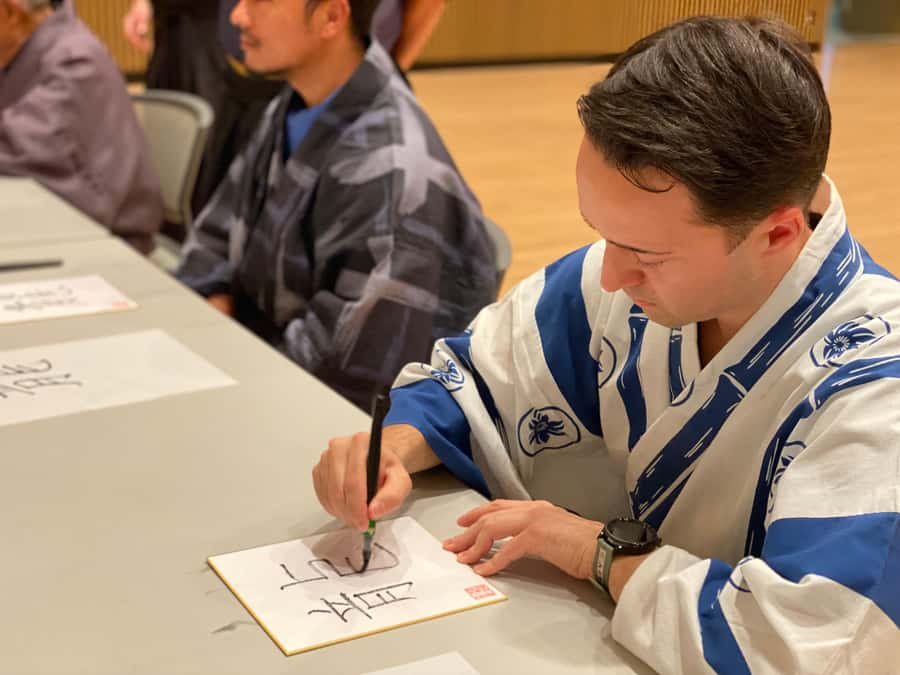
One reason this experience can feel like better value than a costume-only activity is the souvenir format. You do not just leave with a few snapshots. You get a video plus commemorative photos after the presentation and recording steps.
The flow typically includes:
- A presentation and video recording
- A cutting objects segment with video recording available
- A commemorative photo session
- Time to change clothes and finish
A lot of Tokyo experiences are great in the moment, but forgettable later. This one tries to solve that with a take-home record. If you like sharing travel stories, or you just want proof that you really did the thing, the package makes sense.
Price and Value: Is $102 Worth It in Tokyo?
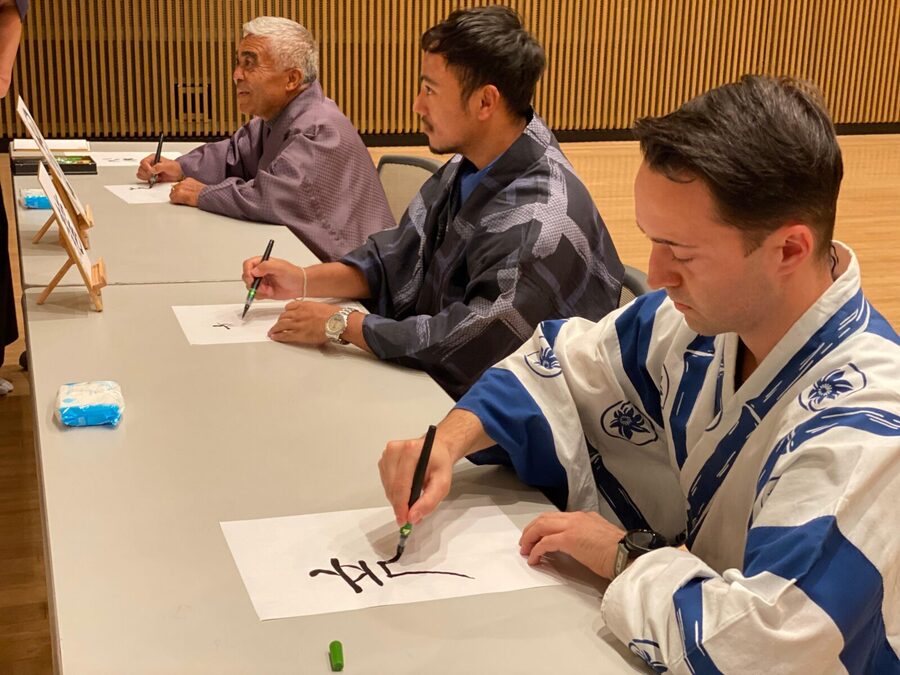
At about $102 per person for a 2-hour session, this is not a budget activity. The question is whether you are paying for costume photos, or for real instruction plus a recorded performance.
Here is what you actually get in the included portion:
- Professional coach
- English-speaking staff
- Experience fees and venue fee
- A photography charge
On top of that, the experience structure includes sword training elements like etiquette, forms, and combat drills, plus video recording and a photo session.
So where the value comes from is simple: you are not paying just for access. You are paying for a guided program that culminates in something you can see later on video. For many people, that combination is the difference between “cool for an hour” and “memorable for years.”
Who Should Book This Samurai Sword Experience (and Who Should Skip)
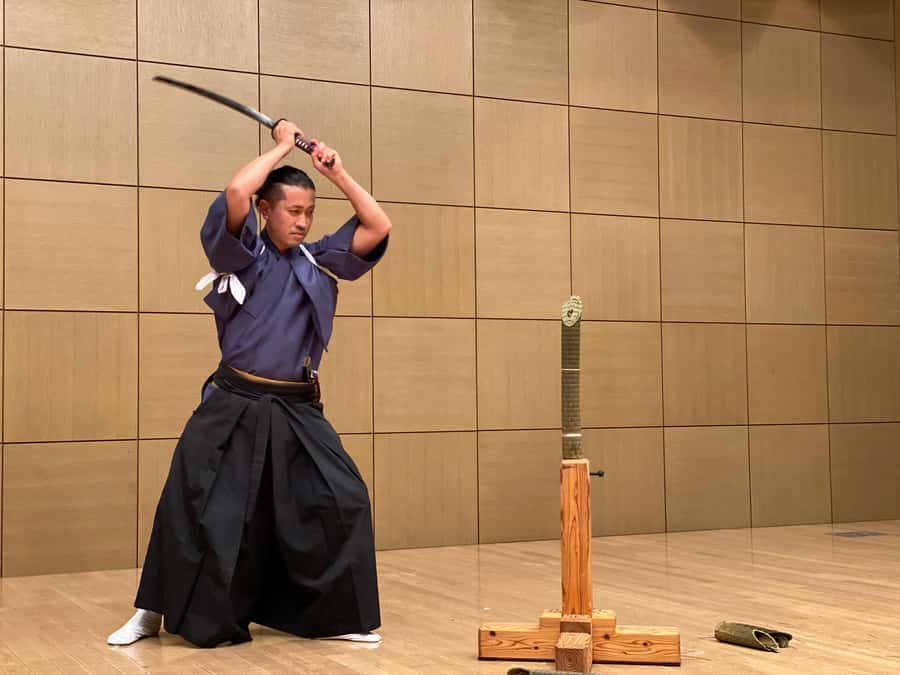
This tour fits best if you want a hands-on cultural activity that goes beyond watching. It is ideal for:
- People who enjoy learning physical skills with instruction
- Travelers who want an authentic-feeling format, starting with etiquette and discipline
- Anyone who wants a strong take-home souvenir, not only a photo
It is not suitable for:
- Pregnant women
- Wheelchair users
And remember the cutting rule: 12+ for cutting objects with a real sword.
If you are the kind of traveler who likes long sightseeing days and wandering neighborhoods, this may feel too focused. But if you want one “stand out” activity that feels different from everything else on your Tokyo schedule, this is a strong candidate.
Should You Book This Samurai Experience?
If your checklist includes kimono dressing, etiquette training, and hands-on sword instruction with a real cutting moment for eligible ages, then yes, it is an easy book. The video and photo package pushes it into “worth it” territory because you can relive it later, not just remember it vaguely.
I would only hesitate if:
- You are traveling with kids under 12 who want to do the cutting
- You need wheelchair access or you are pregnant
- You prefer sightseeing over structured training
If you can meet those constraints, this is one of the more memorable ways to experience samurai culture in Tokyo, because you learn the rhythm and discipline, not just the look.
FAQ
Where do I meet for the Samurai Experience?
Meet after exiting the ticket gates, go out the west exit, and head to the ground floor where you’ll find McDonald’s. Look for staff holding a meeting board.
How long is the experience?
The duration is 2 hours. Starting times vary, so check availability for the time that fits your day.
Is the tour offered in English?
Yes. The session includes English-speaking staff and instruction.
Can my child cut objects with a real sword?
Cutting objects with a real sword is available for participants aged 12 and above.
What is included in the experience?
It includes a professional coach, English-speaking staff, experience fees, venue fee, and photography charge. The session also includes the guided training, video recording, and a commemorative photo session.
What should I bring with me?
Bring a change of clothes, water, and comfortable clothes. It is also advised to bring a drink with a secure lid.
Is this experience suitable for everyone?
It is not suitable for pregnant women and wheelchair users. Smoking is not allowed, and alcoholic drinks are not allowed in the vehicle.
Blade Work and Stagecraft



Newest Tokyo write-ups from the Loving Japan desk






Samurai, Ninja and Sword Experiences, side by side.
 ★ 4.5Samurai Restaurant Show Ticket with 2 DrinksFrom $551,307 reviews
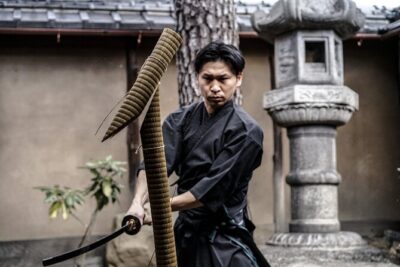 ★ 5.0Kyoto Samurai ExperienceFrom $1191,294 reviews
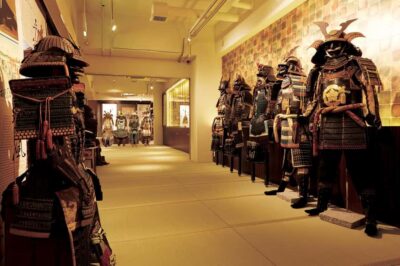 ★ 4.6Samurai Ninja Museum Guided tour and ExperienceFrom $271,010 reviews
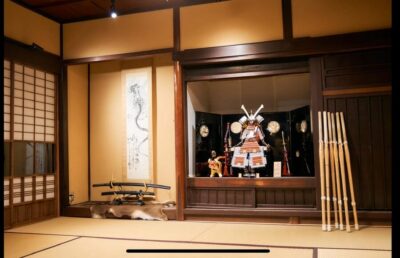 ★ 4.9Kendo and Samurai Experience with Uniform and GearFrom $103815 reviews
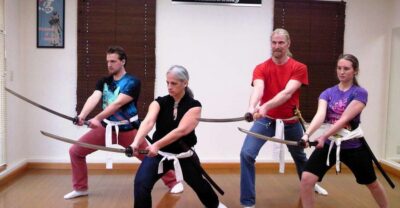 ★ 4.9Samurai Sword Class by Experts in Traditional ArtsFrom $64657 reviews
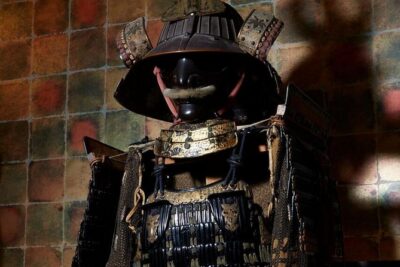 ★ 4.5Skip the lines Basic Ticket at SAMURAI NINJA MUSEUM KYOTOFrom $28632 reviews
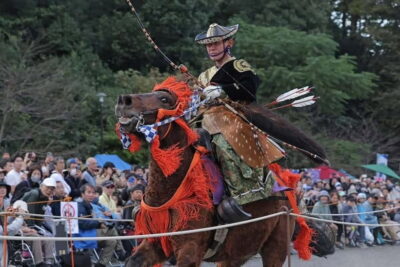 ★ 5.0Samurai Sword & Archery Class from Samurai DescendantFrom $193603 reviews
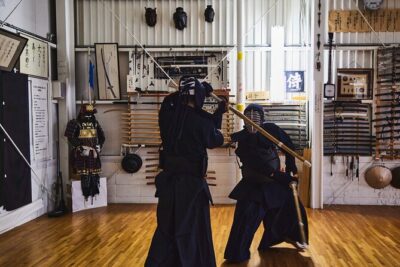 ★ 5.0Samurai Training Experience KENDO in OsakaFrom $131515 reviews
Filed on these lists too