
REVIEW · SAMURAI, NINJA AND SWORD EXPERIENCES
Tokyo Samurai Experience
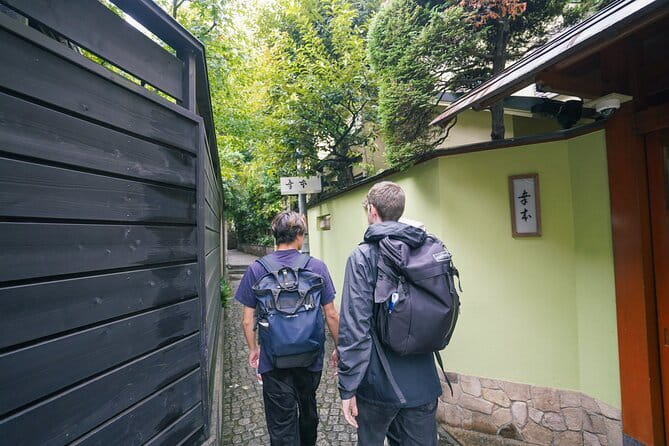
Samurai training in Tokyo starts with a street walk. This half-day combo moves through Aoyama Flower Market and Kagurazaka, then brings you to Samurai Theater Tokyo for a hands-on kimono and combat-movement lesson. It ends with more time strolling the old streets, with a guide who keeps the story moving.
I like that it’s built around small details you normally miss, like stopping for a flower market sight at the right spot, then shifting into Kagurazaka’s temple and shrine streets. I also really like that the day includes a proper lunch, with a vegetarian option, not just snacks.
One catch: the lunch is vegetarian only. Vegan and gluten-free options are not available, so if you need either, you’ll want to plan ahead.
In This Review
- Key Points Before You Go
- Samurai Day in Kagurazaka: What This 4-Hour Tour Feels Like
- Price and Group Size: Is $166.04 Good Value?
- Stop 1: Aoyama Flower Market Near Iidabashi (10 Minutes)
- Kagurazaka Walk: Samurai Streets, Temples, Shrines (First 20 Minutes)
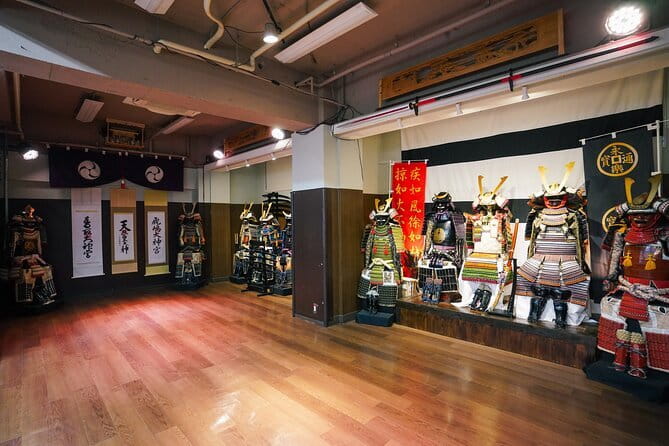
- Samurai Theater Tokyo: Kimono Rental and Katana Basics (1 Hour)
- Lunch in Kagurazaka: Vegetarian Japanese Food Plus a Sweet Choice (1 Hour 40 Minutes)
- Final Kagurazaka Stroll: More Old Streets, More Meaning (20 Minutes)
- Scheduling, Booking, and Mobile Ticket Tips That Actually Matter
- Who This Samurai Experience Is Best For
- Should You Book the Tokyo Samurai Experience?
- FAQ
- How long is the Tokyo Samurai Experience tour?
- What is the price per person?
- Where does the tour start?
- Does the tour include a samurai experience and kimono rental?
- Is lunch included, and are vegetarian options available?
- Do you receive a traditional food or sweet during the tour?
- What is the group size limit?
- Is admission free for the market and the walking portions?
- Is there a mobile ticket?
- What is the cancellation policy?
Key Points Before You Go

- Small group cap (7 travelers) means you get more attention during the samurai class and the walks.
- Kimono rental + 1 hour of training are included at Samurai Theater Tokyo.
- Vegetarian lunch included plus one traditional food or sweet you can choose during the tour.
- Kagurazaka focus gives you a real neighborhood feel, not just a quick photo stop.
- Free-entry walk segments keep the cost mainly tied to the guided parts and the samurai experience.
- Mobile ticket makes the start straightforward once you’re at the meeting point.
Blade work and stagecraft, other sessions
- Tokyo: Samurai Ninja Museum Guided tour and Experience
★ 4.6 · 1,010 reviews - Tokyo: Samurai Sword & Archery Class from Samurai Descendant
★ 5.0 · 603 reviews - Best Samurai Experience in Tokyo
★ 5.0 · 458 reviews - Ninja Experience (Family Friendly) at Samurai Ninja Museum TOKYO
★ 5.0 · 441 reviews
Samurai Day in Kagurazaka: What This 4-Hour Tour Feels Like
This is a structured Tokyo experience, but it does not feel like a checklist. You start with a quick look at a flower market near Iidabashi, move into Kagurazaka for short guided walks, then shift gears sharply into a focused one-hour samurai lesson with kimono rental at Samurai Theater Tokyo. After lunch, you walk again, so the whole thing connects: streets, food, and the warrior theme.
What makes it work is the pacing. You get enough time to look around, but not so much that you feel dragged through the city. And because the group size tops out at 7, your guide can keep things moving without losing people, which matters when you’re switching between walking areas and a training space.
The real win here is how the theme is handled. Instead of treating samurai as costume theater only, the lesson includes basics of fighting and movements taught by professional instructors. Then your time in Kagurazaka feels like context rather than a separate activity.
Price and Group Size: Is $166.04 Good Value?
At about $166.04 per person, you’re paying for a “bundle,” not just a guided stroll. Here’s what’s in that bundle: the kimono rental plus a 1-hour Samurai Experience at Samurai Theater Tokyo, a traditional Japanese lunch with a vegetarian option, and one traditional food or sweet you can choose during the tour. You also get a certified MagicalTrip guide.
That matters because in Tokyo, individual pieces like a guided neighborhood experience, a structured activity, and a sit-down meal add up quickly. When they’re packaged together, your budget feels more predictable, and you spend less time coordinating between different vendors.
The small group size also boosts the value. With up to 7 people, you’re less likely to get treated like part of a herd during the lesson. It’s one of those “boring on paper, huge in reality” details.
My practical take: if you eat vegetarian and you want a genuine, hands-on samurai activity, this price looks fair for what you actually receive. If you need vegan or gluten-free, the value drops because you’ll likely have to supplement your own meals.
Stop 1: Aoyama Flower Market Near Iidabashi (10 Minutes)
Your tour begins at the Aoyama Flower Market, in front of the West Exit of JR Iida-bashi Station. You’ll see it on your right after you exit the station.
This stop is short by design. It’s not a long market wander. Instead, it’s a quick, local-feeling start that helps you ease into the day without immediately rushing into the next neighborhood. Think of it as a warm-up moment: Tokyo by foot, guided, before the more structured parts.
If you’re the kind of traveler who likes photography but also likes not spending half a morning searching for the “perfect angle,” this works. You get a defined target location and a brief time window, which keeps you on schedule for the rest of the itinerary.
Tip from how these tours typically run: arrive a few minutes early. The meeting point is clearly tied to the station exit, so it’s easier when you’re not rushing.
- Mt Fuji and Hakone 1-Day Bus Tour Return by Bullet Train★ 5.0 · 26,383 reviews
- 1-Day Tokyo Bus Tour★ 5.0 · 14,250 reviews
- Tokyo: teamLab Planets TOKYO Digital Art Museum Entry Ticket★ 4.6 · 9,779 reviews
- Mt Fuji & Hakone Cruise, Drum Show Bullet Train 1 Day from Tokyo★ 4.0 · 7,413 reviews
- Tokyo: Shinjuku Food Tour (13 Dishes at 4 Local Eateries)★ 5.0 · 6,603 reviews
Kagurazaka Walk: Samurai Streets, Temples, Shrines (First 20 Minutes)
Next you head into Kagurazaka, starting the journey from Iida Station. This is where the tour leans into the story of the neighborhood, with a focus on historic areas where samurai once lived.
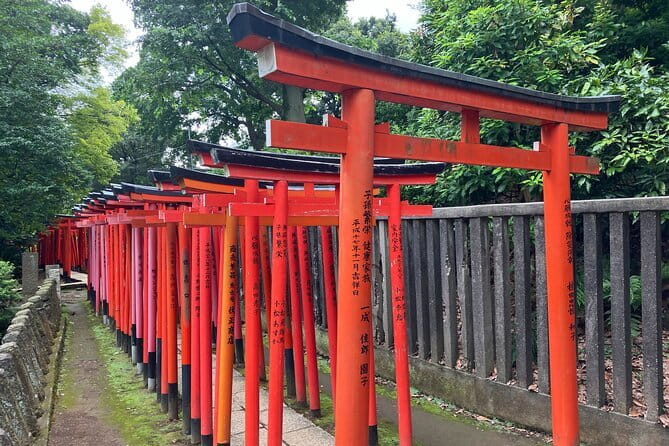
During this first walk, your guide takes you through the Kagurazaka district and past historic temples and shrines. You’ll also notice that the walking time is intentionally split into two parts: once before lunch and once after. That makes the neighborhood feel like it has chapters, not just one long loop.
A short guided walk like this is often the sweet spot if you want the “I got it explained to me” feeling without losing your whole day. You don’t have to do homework, and you’re less likely to miss what’s right in front of you.
One consideration: because the time blocks are tight, come with comfortable shoes and keep your pace realistic. There’s not much buffer time built in for detours.
Samurai Theater Tokyo: Kimono Rental and Katana Basics (1 Hour)
This is the heart of the tour.
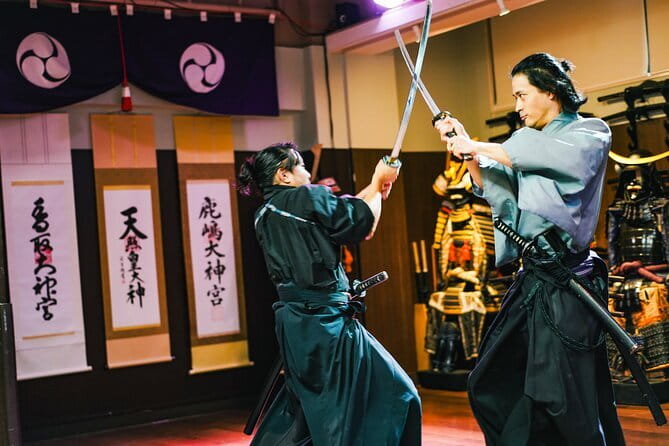
At Samurai Theater Tokyo, you get the Samurai Experience & Kimono Rental, lasting about 1 hour. The instruction covers the basics of samurai fighting and movements, taught by professional instructors. If you’re expecting cosplay only, the better mindset is this: you’re there to learn physical basics and practice them, then show what you’ve picked up.
The kimono rental is included, and that alone changes the whole feel of the experience. Even if you’ve worn kimono before, being dressed as part of a themed training session makes it less like a photo opportunity and more like stepping into the story.
From my point of view as a practical traveler, the best part of experiences like this is that they compress learning time. Instead of figuring out where to go or who teaches what, you get one guided session with a clear structure. And with a small group, you’re more likely to get attention during practice.
What to expect during the class: you’ll learn the basic fighting and movement elements, and you’ll likely do a short routine or performance element as part of the session. That’s the moment when it stops being classroom-only and becomes memorable.
Lunch in Kagurazaka: Vegetarian Japanese Food Plus a Sweet Choice (1 Hour 40 Minutes)

Lunch comes after the first Kagurazaka walk, at a cozy, wooden restaurant tucked away in the heart of the district.
The key detail for planning is dietary. The tour includes a traditional Japanese lunch with a vegetarian option. Vegan and gluten-free options are not available. If you’re vegetarian, you’re in good shape. If you need vegan or gluten-free, you’ll need to bring your own strategy, because this lunch is not built to cover those needs.
You’ll also get one traditional food or sweet included as part of the tour. The listing notes that you can choose one food or sweet during the tour. In practice, you should expect that to happen around the lunch portion, but the important part for you is that it’s included, and you get to pick one.
How this lunch section fits the theme: it slows the day down. After a walk and before the second walk, you get a real sit-down meal. That keeps you from feeling like you’re constantly moving. And because Kagurazaka is the setting, the meal helps tie the samurai theme to everyday life in the neighborhood, not just historical references.
Extra food and drink are available for purchase, but they are not included. So if you like tea, coffee, or a second course, budget a little extra.
Final Kagurazaka Stroll: More Old Streets, More Meaning (20 Minutes)
After lunch, the tour returns to Kagurazaka for a final 20-minute walk. This is another chance to see historic streets and places connected to where samurai once lived, again with historic temples and shrines on the route.
This second walk is shorter than the first and works like a review session. You’ve already absorbed the neighborhood during the earlier stroll, then you’ve had the samurai training and lunch in the middle. So when you walk again, the stories feel more connected.
For me, this is where the tour becomes more than a one-time activity. The area starts to feel “readable.” You see small clues in the environment that you might have otherwise missed, because your guide has already given you a frame to understand what you’re looking at.
If you care about photos, do them in this final segment with a calmer pace. You’ll be more relaxed after lunch, and the lighting at different times of day can make temple and shrine areas look more cinematic.
Scheduling, Booking, and Mobile Ticket Tips That Actually Matter

This tour runs about 4 hours total. It’s a small-group experience, with a maximum of 7 travelers, and you receive a mobile ticket.
It’s also booked on average about 62 days in advance. That tells me two things: the experience is popular, and the limited group size can fill up before your plans are set. If you’re traveling during peak periods or you know you want the kimono and samurai session, booking ahead is a smart move.
Start location matters here. The meeting point is the Aoyama Flower Market area, specifically in front of the West Exit of JR Iida-bashi Station, and it’s inside Japan’s Chiyoda City area. The address is given for the station area, so have it handy on your phone.
On the day, plan to travel light. You’ll be changing into a kimono for the samurai portion, and you want to avoid carrying a heavy backpack that becomes annoying during the lesson.
Who This Samurai Experience Is Best For
This tour is ideal if you want three things in one half-day: neighborhood context, an included meal, and real hands-on activity.
You’ll especially like it if:
- You’re traveling in a small group or want more personal attention.
- You want a structured samurai experience with kimono rental, not just a show.
- You’re vegetarian and want lunch included without extra planning.
- You enjoy short guided walks that explain what you’re seeing as you go.
It might not be the best fit if:
- You need vegan or gluten-free options for lunch. Those are not available through the tour.
- You dislike structured activities or you want a totally self-guided day. This is guided and time-blocked, by design.
Should You Book the Tokyo Samurai Experience?
I think this is a strong booking for the right match.
If you’re vegetarian, comfortable with a small-group guided day, and excited about a kimono plus a real samurai basics lesson, this tour gives you good value because key pieces are included: kimono rental, the 1-hour training, and a sit-down lunch plus a sweet choice. The two Kagurazaka walks also make it feel like you’re learning a place, not just visiting points.
If you need vegan or gluten-free meals, I’d be cautious. The tour’s lunch is not designed for those diets, and the listing only promises a vegetarian option.
If you want, tell me your dates and your dietary needs, and I’ll help you decide whether to book or build a backup lunch plan around it.
FAQ
How long is the Tokyo Samurai Experience tour?
It lasts about 4 hours.
What is the price per person?
The price is $166.04 per person.
Where does the tour start?
It starts at the Aoyama Flower Market, in front of the West Exit of JR Iida-bashi station.
Does the tour include a samurai experience and kimono rental?
Yes. Samurai Experience and Kimono Rental are included for about 1 hour.
Is lunch included, and are vegetarian options available?
Yes. Lunch is included, and a vegetarian option is available. Vegan and gluten-free options are not available.
Do you receive a traditional food or sweet during the tour?
Yes. You can choose one traditional food or sweet during the tour.
What is the group size limit?
The tour has a maximum of 7 travelers.
Is admission free for the market and the walking portions?
The Aoyama Flower Market stop is free, and the Kagurazaka walk stops are listed as free.
Is there a mobile ticket?
Yes, the tour uses a mobile ticket.
What is the cancellation policy?
Free cancellation is available up to 24 hours in advance for a full refund.
Blade Work and Stagecraft



Newest Tokyo write-ups from the Loving Japan desk

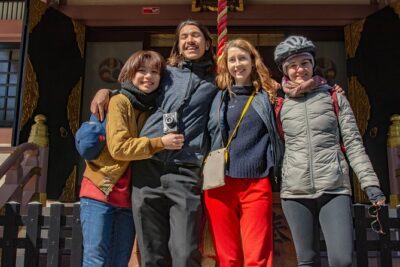
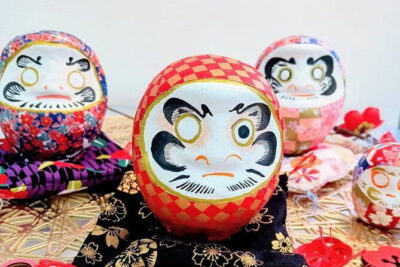

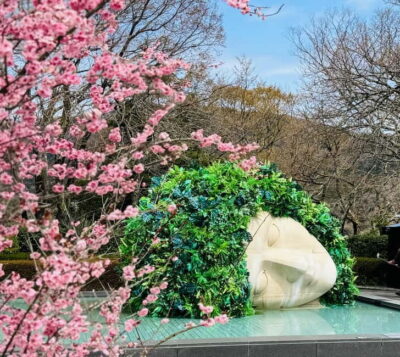
Samurai, Ninja and Sword Experiences, side by side.
 ★ 4.5Samurai Restaurant Show Ticket with 2 DrinksFrom $551,307 reviews
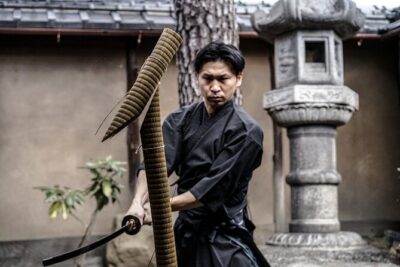 ★ 5.0Kyoto Samurai ExperienceFrom $1191,294 reviews
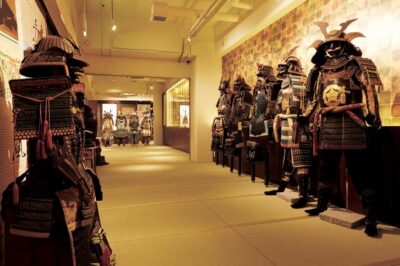 ★ 4.6Samurai Ninja Museum Guided tour and ExperienceFrom $271,010 reviews
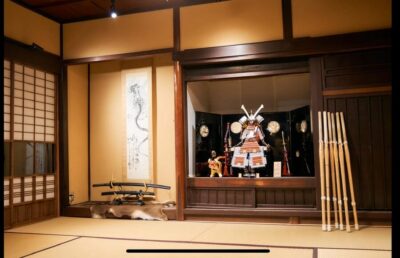 ★ 4.9Kendo and Samurai Experience with Uniform and GearFrom $103815 reviews
 ★ 4.9Samurai Sword Class by Experts in Traditional ArtsFrom $64657 reviews
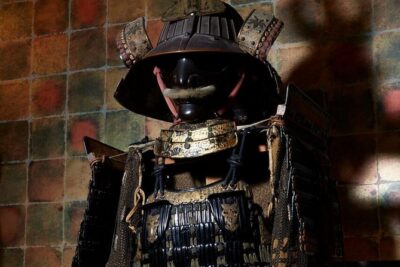 ★ 4.5Skip the lines Basic Ticket at SAMURAI NINJA MUSEUM KYOTOFrom $28632 reviews
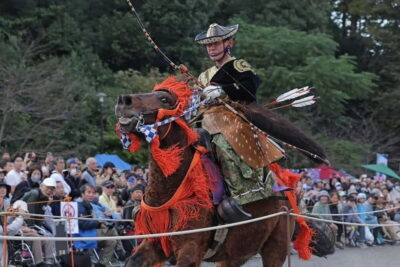 ★ 5.0Samurai Sword & Archery Class from Samurai DescendantFrom $193603 reviews
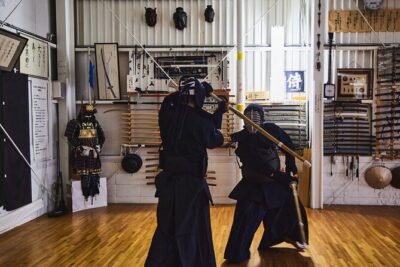 ★ 5.0Samurai Training Experience KENDO in OsakaFrom $131515 reviews
Filed on these lists too