
REVIEW · SAMURAI, NINJA AND SWORD EXPERIENCES
Tokyo: Samurai Kendo Practice Experience
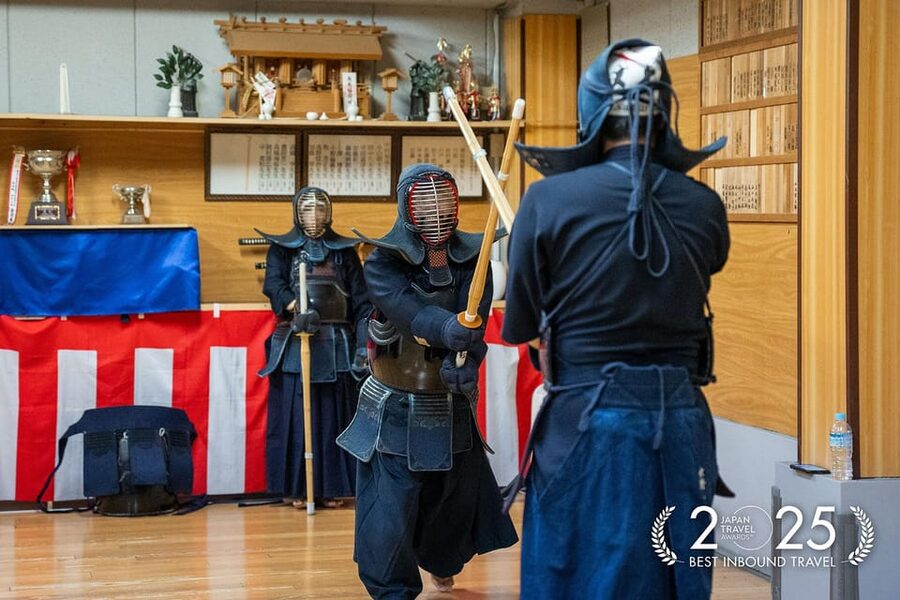
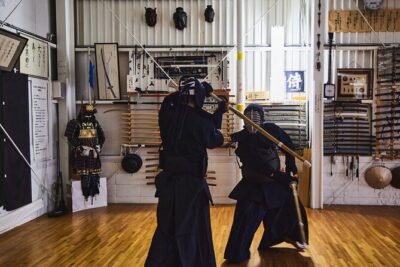
Tokyo gives you plenty of history. This one gives you the feeling of discipline. In a real dojo at 誠道館 in Arakawa, you’ll step into kendo armor and practice bamboo sword strikes in a way that feels closer to a match than a demo.
I love how hands-on it is, you don’t just watch from the sidelines. Two things really sold me: you learn the basic targets and strikes like men, kote, and do, and you also get coached on timing and etiquette so it feels safe even when you’re moving fast.
One consideration: you are expected to jump into physical training, and the armor plus helmet can feel tight, especially if you have trouble wearing headgear. If you wear glasses, note that it is not advisable during head armor use, and contacts are better.
Key highlights to look for
- Full kendo armor and equipment rental included, so you can focus on training
- Small group size, limited to 6 participants, for more attention from the instructor
- A structured 2-hour session that covers etiquette, strikes, and light sparring
- First-timers get guided step-by-step, with strict form and clear boundaries
- You’ll practice both offense and simple counter techniques, not just one move
- You get a free Japanese hand towel and mineral water to finish the session feeling human
In This Review
- Kendo Training in Real Armor, Not a Movie Act
- Price and Value for 2 Hours With Gear, Coaching, and Real Practice
- Getting to 誠道館 From JR Uguisudani, and What to Bring
- The 2-Hour Flow: Etiquette, Warmup, and First Strikes
- Men, Kote, Do, and Counter Techniques You Can Use
- Light Sparring Games and Why It Feels Like Action
- Instructor Style, English Support, and How to Prepare Mentally
- Who Should Book This Kendo Practice in Tokyo
- Quick FAQ on Booking, Gear, and Practical Limits
- How long is the kendo practice experience?
- Is kendo armor and equipment included?
- What else is included besides the instructor?
- Is food included?
- Do I need a hotel pickup?
- What languages are used during the session?
- Where is the meeting point?
- Can I wear glasses during practice?
- Should You Book This Samurai Kendo Practice?
Kendo Training in Real Armor, Not a Movie Act
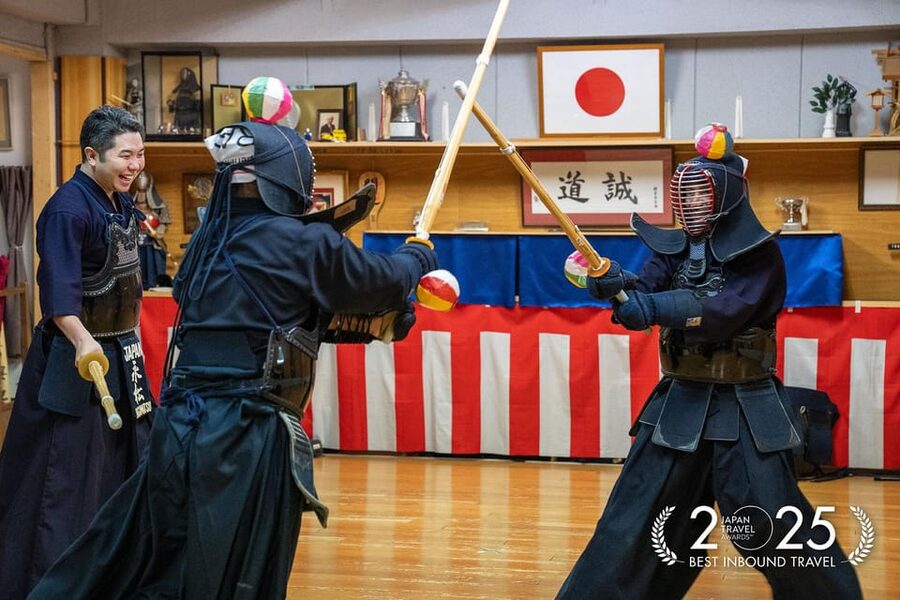
The first surprise is how “real” kendo practice feels even for beginners. Yes, you use training swords (shinai), and the dojo is set up for safety, but the rhythm and intensity can jump quickly once you’re in gear.
The armor matters. When you wear it, you understand why kendo is more than swinging a stick. You start reacting like a fighter, with distance, footwork, and control. Several instructors in the experience style are strict while staying playful, so you learn form without feeling mocked.
If you’ve only seen sword fighting in movies, this is a different message. Kendo is about rules and respect, and it trains your body to follow those rules under pressure.
Blade work and stagecraft, other sessions
- Tokyo: Samurai Ninja Museum Guided tour and Experience
★ 4.6 · 1,010 reviews - Tokyo: Samurai Sword & Archery Class from Samurai Descendant
★ 5.0 · 603 reviews - Best Samurai Experience in Tokyo
★ 5.0 · 458 reviews - Ninja Experience (Family Friendly) at Samurai Ninja Museum TOKYO
★ 5.0 · 441 reviews
Price and Value for 2 Hours With Gear, Coaching, and Real Practice
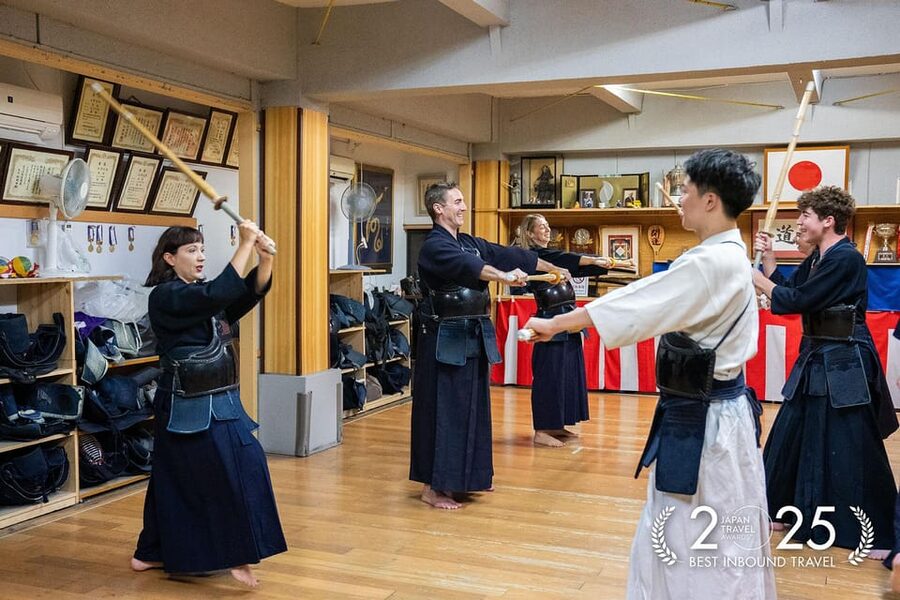
At about $116 per person for a 2-hour session, you’re paying for two things you usually can’t DIY: pro coaching and the gear itself.
Here’s what that price buys you:
- Professional instructor/guide
- Rental of kendo armor and equipment
- Mineral water
- Free Japanese hand towel
- A small group format, limited to 6 people
For many Tokyo activities, the cost goes mostly to a guided walk or a single workshop hour. This one gives you sustained physical coaching in full protective equipment, plus direct practice rather than passive instruction.
Is it expensive compared to, say, a museum ticket? Sure. Is it better value if you want something hands-on and memorable? In my view, yes, because you leave having trained, not only having taken photos.
Getting to 誠道館 From JR Uguisudani, and What to Bring
Location is practical, but it is not a big landmark. You meet about 10 to 12 minutes from JR Uguisudani Station, North Exit, at 4-7-2, Higashinippori, Arakawa-ku, Tokyo, 誠道館.
Because it runs out of a real dojo space, expect it to feel like you’re entering someone’s training home. That is part of the authenticity. It can also mean the place is a bit easier to miss if you’re rushing, so give yourself a little buffer.
What to bring:
- Loose, fitted exercise clothing if you can
- If you wear glasses: it is difficult to wear the head protector, and there is a possibility of damage to spectacles, so it is not advisable
- Contact lenses are recommended instead
- Bring a change of clothes if you tend to sweat, because you will
If they don’t have the perfect size for your kendo wear, you might need to practice using your own clothing. That’s why loose exercise gear helps. You won’t want your first lesson to feel like a clothing problem.
The 2-Hour Flow: Etiquette, Warmup, and First Strikes
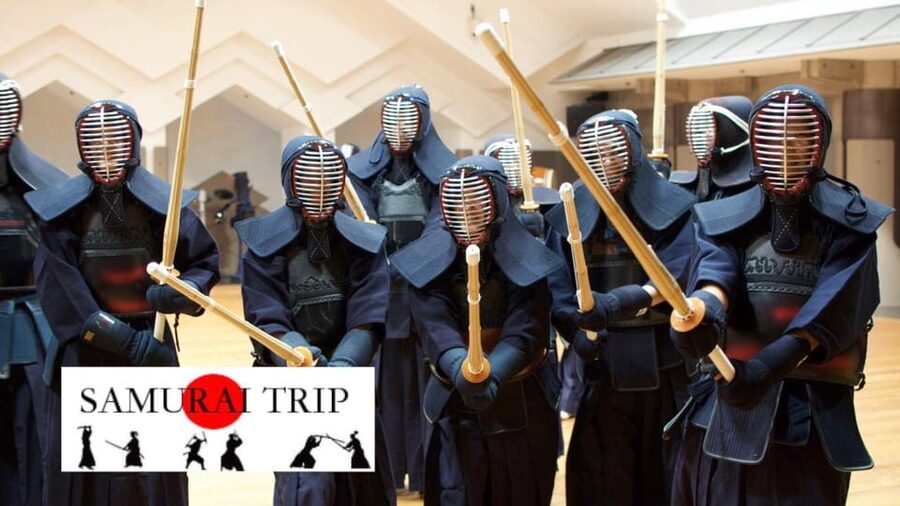
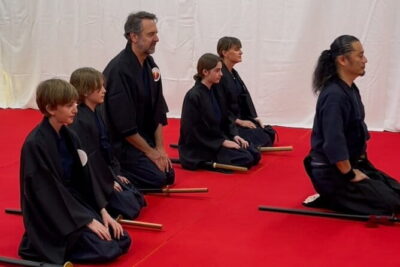
The session is designed to move you from calm to contact quickly. You start with dojo etiquette and safety basics, the kind that makes the later practice feel controlled. Then you begin with basics that beginners can actually build on right away.
You’ll practice bamboo sword strikes with a focus on targets and correct movement. The teaching style is often strict about discipline, but it is also friendly about adapting for newcomers. Several people loved that the instructor is patient when you’re new, especially when you’re still learning footwork rhythm.
A typical early structure you can expect:
- Setup and instructions on how to wear the armor and hold the shinai safely
- Etiquette and form cues before you hit at full speed
- Basic striking practice aimed at the core targets
In particular, you’ll learn men, kote, and do. These are the foundational targets in kendo, and learning them early gives your brain something clear to track while you train.
- Mt Fuji and Hakone 1-Day Bus Tour Return by Bullet Train★ 5.0 · 26,383 reviews
- 1-Day Tokyo Bus Tour★ 5.0 · 14,250 reviews
- Tokyo: teamLab Planets TOKYO Digital Art Museum Entry Ticket★ 4.6 · 9,779 reviews
- Mt Fuji & Hakone Cruise, Drum Show Bullet Train 1 Day from Tokyo★ 4.0 · 7,413 reviews
- Tokyo: Shinjuku Food Tour (13 Dishes at 4 Local Eateries)★ 5.0 · 6,603 reviews
Men, Kote, Do, and Counter Techniques You Can Use
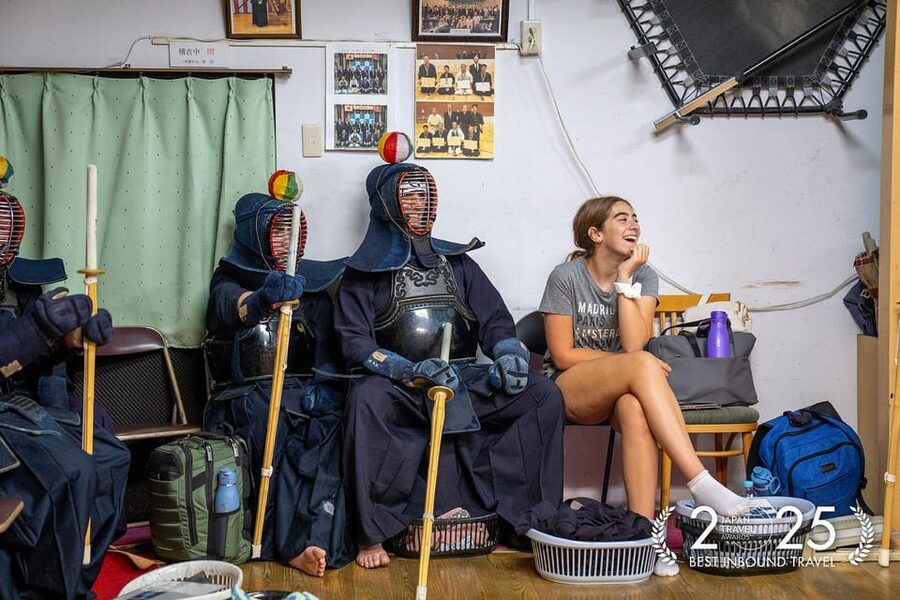
The biggest value of this experience is that it doesn’t stop at waving a sword. You learn striking techniques with purpose, then you add simple counters so practice feels like a training conversation.
When you hit the targets the right way, you feel how precise kendo is. The speed and accuracy that instructors display can look effortless. Up close, it’s clear that small details matter.
That is why the counters matter for you. Even if you’re a complete beginner, counters give you a way to respond instead of just repeating the same swing. You start thinking, not just reacting.
From the training style, you can expect:
- Basic strikes for common target areas
- Some counter techniques at a beginner level
- Corrections on timing and control from the sensei
People also liked that you practice like it’s a real game, not a loose free-for-all. That keeps it fun and focused, and it teaches you how kendo is governed by rules.
Light Sparring Games and Why It Feels Like Action
This is the part many people remember the most: the practice turns into play-sparring. You might have short bouts or games against the instructor and between participants, with controlled intensity so everyone stays safe.
One fun twist mentioned is that some of the sparring feels game-like, even with playful elements mixed in. That helps beginners shake off fear and move more naturally once they understand the basics.
Do not assume it will feel easy just because it’s “beginner friendly.” Several comments point out it’s more physical than it looks. The protective gear adds resistance and heat, and the footwork demands balance and stamina.
Also, be ready for the helmet hits and controlled strikes. If you get hit in the head protection, it still registers. That’s part of the realism, and it can feel rough to some people who prefer gentler contact. If you are sensitive to impact or you expect a soft workout only, this may not match your preferences.
Instructor Style, English Support, and How to Prepare Mentally
Instruction is English and Japanese. If you don’t speak Japanese, you’re not stuck, but you should expect a dojo tempo that can be quick. Some people found explanations a bit fast. My advice is to focus on what you see, then confirm the key points during pauses.
You might meet sensei such as Nagamatsu-sensei or Kenshi-San, who are described as welcoming, patient, and also strict about discipline. That mix is common in real martial arts training: calm guidance during basics, tighter correction once you’re moving.
Mentally, go in with one goal: learn the “shape” of the movement. Then, when you spar lightly, your job is to keep that shape while reacting. If you try to win, you’ll get tense. If you try to stay correct, you’ll improve fast.
Who Should Book This Kendo Practice in Tokyo
I think this fits best if you want an authentic, active cultural experience. It is ideal for:
- First-timers who want to try a martial art that uses real training equipment and structured rules
- People who like disciplined activities, not just casual sightseeing
- Anyone who wants a memorable Tokyo moment beyond photos
It is also family-friendly in spirit, based on how the experience is described. That said, the physical contact and workout intensity mean it’s best when everyone in your group is willing to train and follow instructions.
If you have injuries, major mobility limitations, or strong concerns about headgear, you should think carefully. The dojo will prioritize safety, but kendo still involves movement and controlled strikes.
Quick FAQ on Booking, Gear, and Practical Limits
How long is the kendo practice experience?
It runs for 2 hours. The exact timing can shift a bit depending on conditions.
Is kendo armor and equipment included?
Yes. Rental of kendo armor and equipment is included.
What else is included besides the instructor?
You get free mineral water and a free Japanese hand towel, plus instruction from a professional guide.
Is food included?
No. Food is not included.
Do I need a hotel pickup?
No. Hotel pickup is not included.
What languages are used during the session?
Instruction is provided in English and Japanese.
Where is the meeting point?
You meet at 誠道館, 4-7-2, Higashinippori, Arakawa-ku, Tokyo, about 10 to 12 minutes from JR Uguisudani Station North Exit.
Can I wear glasses during practice?
It is not advisable. Head protector wear can be difficult and there is a possibility of damage to spectacles. Contact lenses are suggested.
Should You Book This Samurai Kendo Practice?
I’d book this if you want a hands-on Tokyo experience that feels genuinely grounded in discipline. The value is strongest when you care about training for two full hours with gear, coaching, and structured sparring, not only watching a performance.
Book it if you’re ready for a real workout. You’ll wear armor, you’ll practice strikes, and your brain will learn etiquette and targets quickly.
Skip it if you want a passive, gentle activity, or if you have a hard time with headgear. Also, plan your clothing and eyewear ahead of time, since the experience depends on proper fit and safety.
If you’re the type who likes respect, rules, and improvement through repetition, this is the kind of experience you’ll talk about long after you’ve left Tokyo.
If you tell me your travel dates and whether you wear contacts or glasses, I can help you decide what to bring and how to plan around the 2-hour session.
Blade Work and Stagecraft

Newest Tokyo write-ups from the Loving Japan desk

Samurai, Ninja and Sword Experiences, side by side.
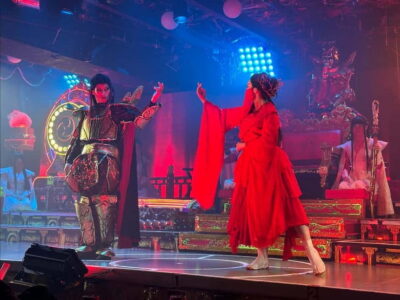 ★ 4.5Samurai Restaurant Show Ticket with 2 DrinksFrom $551,307 reviews
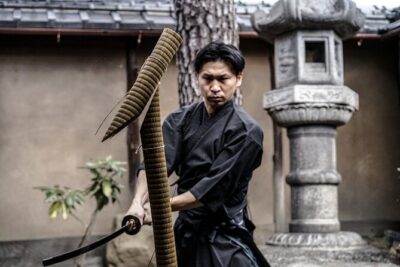 ★ 5.0Kyoto Samurai ExperienceFrom $1191,294 reviews
 ★ 4.6Samurai Ninja Museum Guided tour and ExperienceFrom $271,010 reviews
 ★ 4.9Kendo and Samurai Experience with Uniform and GearFrom $103815 reviews
 ★ 4.9Samurai Sword Class by Experts in Traditional ArtsFrom $64657 reviews
 ★ 4.5Skip the lines Basic Ticket at SAMURAI NINJA MUSEUM KYOTOFrom $28632 reviews
 ★ 5.0Samurai Sword & Archery Class from Samurai DescendantFrom $193603 reviews
 ★ 5.0Samurai Training Experience KENDO in OsakaFrom $131515 reviews
Filed on these lists too