
REVIEW · SAMURAI, NINJA AND SWORD EXPERIENCES
Tokyo: Samurai Sword Academy in the Hometown of Last Samurai
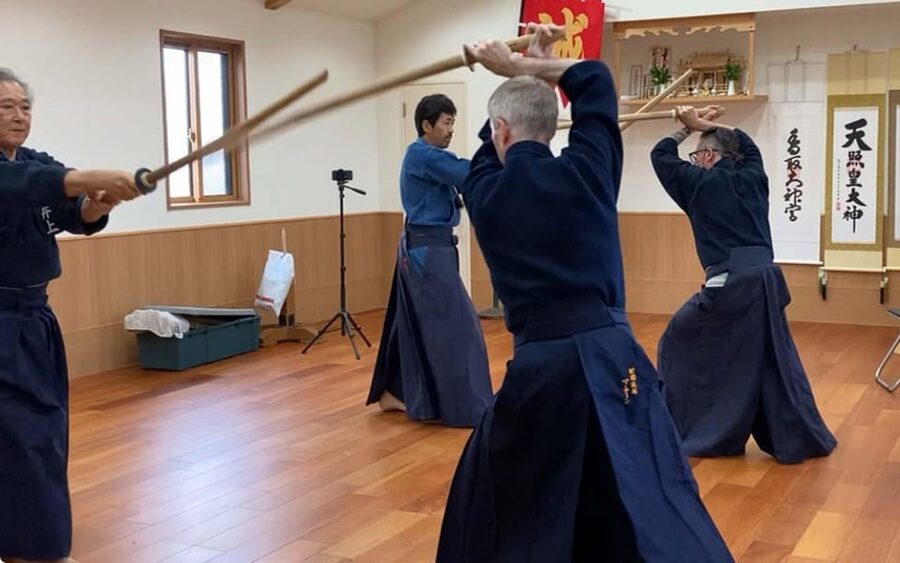
Samurai training in the real dojo of Hino. This 2-hour, small-group class teaches Tennen Rishin-ryu swordsmanship, tied to the Shinsengumi tradition of the Last Samurai era. It takes you out of central Tokyo and into the place where the story lived.
I really like the staged approach, starting with basics and moving toward real sword handling. You get to wear practice gear like the dōgi and hakama, and you’re taught with the kind of calm seriousness that makes you want to pay attention.
One possible drawback: this is not a sit-in, watch-and-leave experience. You’ll be standing, moving, and doing stances and practice drills, so it’s not a good fit if you have back problems, vertigo, heart issues, or low fitness.
In This Review
- Key highlights worth planning around
- Hino is where the Last Samurai story feels real
- Finding the Inoue Genzaburo Museum (and what to expect there)
- The 2-hour flow, from footwork to sword handling
- Step 1: Get your posture and footwork under control
- Step 2: Wooden sword practice so you can learn safely
- Step 3: Switch to a Japanese sword for real handling
- Step 4: Kata practice and partner-style drills
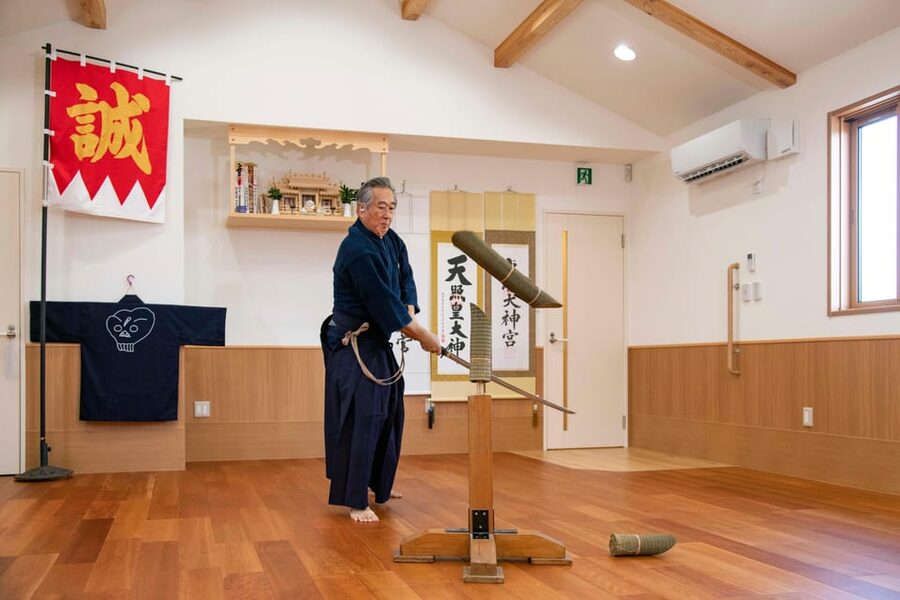
- Step 5: Cutting tatami mats, if you’re ready for it
- Step 6: A final surprise and a Shinsengumi map
- Meet Masao Inoue, and why the teaching feels authentic
- Tennen Rishin-ryu essentials you’ll understand fast
- The class emphasizes stability and injury prevention
- You learn with a step-by-step progression
- You learn to move like a swordsman, not like a tourist
- Uniforms, wooden sword, real sword, and the cutting moment
- Price and value: is $116 worth 2 hours?
- Who should book, and who should skip it
- Practical tips so you get the most out of class
- Should you book this Samurai Sword Academy class?
- FAQ
- How long is the Samurai Sword Academy experience?
- What is the meeting point?
- What will I learn and practice?
- How big is the class?
- What language do the instructors speak?
- Is it possible to cancel or pay later?
Key highlights worth planning around
- Learn Tennen Rishin-ryu linked to the Shinsengumi
- Train in the Hino Dojo atmosphere, not a staged set
- Handle a Japanese sword during instruction
- Practice in authentic uniforms, including dandara baori
- Small group size (up to 4) for focused teaching
- A clear progression, from footwork to kata and cutting practice
Blade work and stagecraft, other sessions
- Tokyo: Samurai Ninja Museum Guided tour and Experience
★ 4.6 · 1,010 reviews - Tokyo: Samurai Sword & Archery Class from Samurai Descendant
★ 5.0 · 603 reviews - Best Samurai Experience in Tokyo
★ 5.0 · 458 reviews - Ninja Experience (Family Friendly) at Samurai Ninja Museum TOKYO
★ 5.0 · 441 reviews
Hino is where the Last Samurai story feels real
Tokyo is great, but it can also feel like everything is a show. This class pulls you toward Honshu and into Hino City, the hometown tied to the Shinsengumi. The point is not just “samurai cosplay.” It’s learning swordsmanship in a dojo setting connected to the tradition that shaped the Shinsengumi during the end of the Edo period.
The big win is the context. You’re not just learning movements, you’re learning them in a place built for practice. And that changes the whole mood. The dojo setting makes you slow down, stand correctly, and pay attention to details you might otherwise gloss over.
If you care about authenticity, this is the kind of experience that makes you feel your time in Tokyo was well spent, even though you’re heading out of the city.
Finding the Inoue Genzaburo Museum (and what to expect there)
Your meeting point is on the second floor of the Inoue Genzaburo Museum, a 5-minute walk from Hino Station on the JR Chuo Line. That’s a nice setup because you’re not hunting through side streets with a dead battery and a prayer.
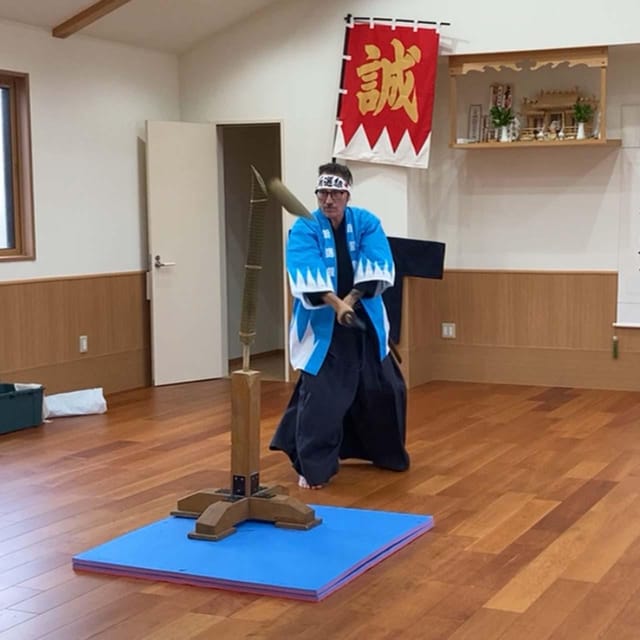
When you arrive, you’ll be set up for training. The experience includes the practice uniform (dōgi and hakama) and also the dandara baori associated with the Shinsengumi. Wearing it matters more than you might think. It helps you take the session seriously and keeps the training feeling grounded in the tradition, not a generic demo.
The staff and instructors also teach in English and Japanese, which is a comfort if you want to understand the why behind each movement, not just copy the how.
The 2-hour flow, from footwork to sword handling
The session runs about 2 hours, and it follows a smart progression. You’ll start with foundations, then add complexity step by step. That matters because sword practice is not something you want to rush.
Here’s the rhythm you can expect:
- Mt Fuji and Hakone 1-Day Bus Tour Return by Bullet Train★ 5.0 · 26,383 reviews
- 1-Day Tokyo Bus Tour★ 5.0 · 14,250 reviews
- Tokyo: teamLab Planets TOKYO Digital Art Museum Entry Ticket★ 4.6 · 9,779 reviews
- Mt Fuji & Hakone Cruise, Drum Show Bullet Train 1 Day from Tokyo★ 4.0 · 7,413 reviews
- Tokyo Mt Fuji 5th St & Hakone Cruise Bus Tour w/Bullet Train★ 4.4 · 5,024 reviews
Step 1: Get your posture and footwork under control
Before you touch anything “serious,” you focus on correct stance and body position. You work on how your feet should land and how your body stays stable. This is the part that can feel slow at first, but it’s also the reason you won’t feel lost later.
If you’re new, this is where the class earns its keep. Good instruction at the start prevents sloppy habits later.
Step 2: Wooden sword practice so you can learn safely
You’re given a wooden sword for the early learning stages. This lets you practice stances, movement patterns, and technique without the stress of handling a sharp weapon. It also helps you build muscle memory in a controlled way.
One of the best parts of this format is how it turns “how do I not mess this up?” into “now I get it.” The movement makes more sense once your basics are lined up.
Step 3: Switch to a Japanese sword for real handling
At some point, you get to handle a Japanese sword as part of the instruction. This is usually the moment people remember most because it feels like the boundary between watching and doing.
You should treat it with respect. Listen closely to what the instructor asks for, and if something feels off, slow down. That’s not just etiquette. It’s how you stay safe while still learning.
Step 4: Kata practice and partner-style drills
You’ll move from individual practice into structured technique. The training includes kata style work and drills that help you feel distance, timing, and control.
This is also where the small group helps. With a maximum of 4 participants, it’s easier for the instructor to spot issues and correct your form without turning the class into a waiting line.
Step 5: Cutting tatami mats, if you’re ready for it
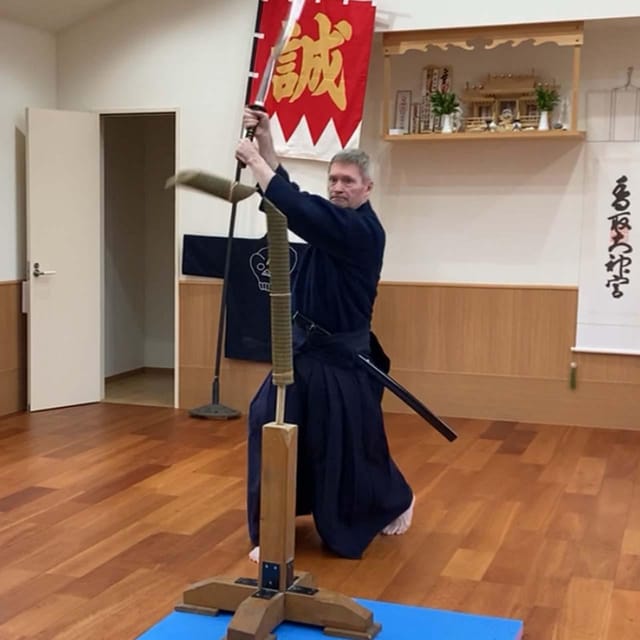
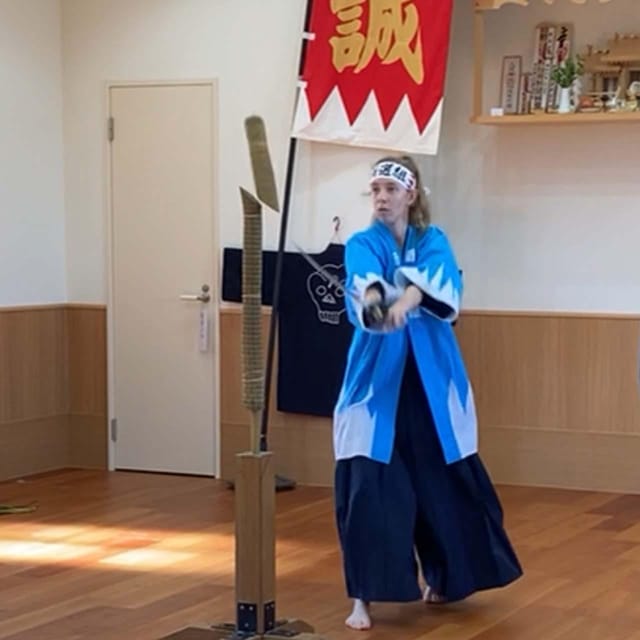
A common ending for this kind of dojo lesson is cutting practice. In this experience, you may practice cutting, including tatami mats, as a way to put your technique into a measurable action.
If you’re sensitive to intensity, pace yourself. The instructors provide guidance, but you are still doing the physical work.
Step 6: A final surprise and a Shinsengumi map
The session includes a final surprise at the end. One especially nice touch is that you receive a Shinsengumi map with key historical spots. It’s the kind of thing that turns a single class into a follow-on mini route you can do after.
Meet Masao Inoue, and why the teaching feels authentic
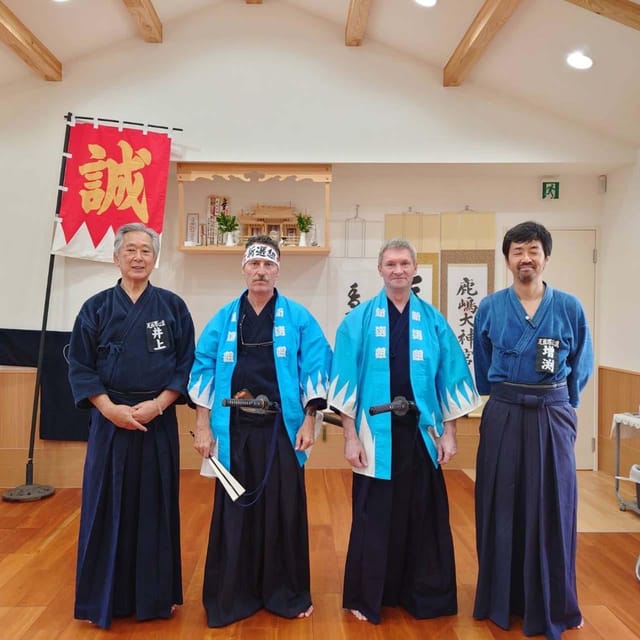
The program is led by Masao Inoue, the chairman of the Tennen Rishin-ryu Hino Dojo. He is also a descendant of Genzaburo Inoue, connected to a Shinsengumi executive role in the tradition’s family lineage.
That matters because you can feel the difference between a performance and a legacy. The instruction style tends to blend seriousness with friendliness. You get corrected when needed, but you’re not made to feel embarrassed for being new.
This kind of teaching environment is ideal if you want to understand what makes Tennen Rishin-ryu distinct, without turning the session into a history lecture that ignores the body mechanics.
Also, the dojo atmosphere is described as impressive, which fits what you’d expect when the training hall and gear support the learning.
Tennen Rishin-ryu essentials you’ll understand fast
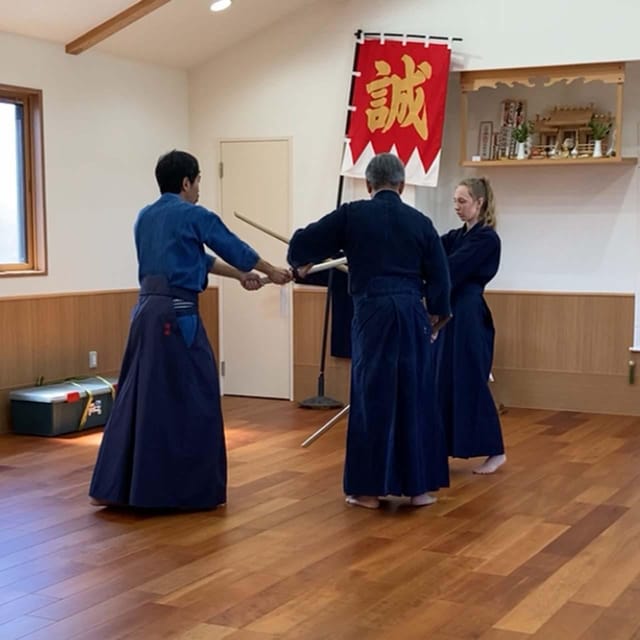
Tennen Rishin-ryu is rooted in the Edo period and is practiced today by students who train at the Tennen Rishin-ryu Hino Dojo. The Shinsengumi connection is a key part of the story: the swordsmen associated with Hino City are said to have formed the Shinsengumi, known as a formidable group at the end of Edo.
What you get in the class is the “essence” of that training, taught through fundamentals and controlled practice. You don’t just learn a fancy move. You learn why the basics matter.
The class emphasizes stability and injury prevention
From the instruction style, it’s clear that stance and foot placement aren’t just tradition for tradition’s sake. They reduce strain and help you avoid awkward joint angles. If you’ve ever tried to copy martial arts moves from a screen, you already know how quickly the body punishes you. Here, the sequence is built to prevent that.
You learn with a step-by-step progression
This is a big deal for beginners. When your learning goes wood sword first, then sword handling, then kata and cutting, you’re not thrown into chaos. That progression is also how you get confidence, instead of fear.
You learn to move like a swordsman, not like a tourist
Even if your goal is cultural, you’ll still leave with something practical: body control. When your feet know where they are, when your posture stays steady, you look and move differently right away.
Uniforms, wooden sword, real sword, and the cutting moment
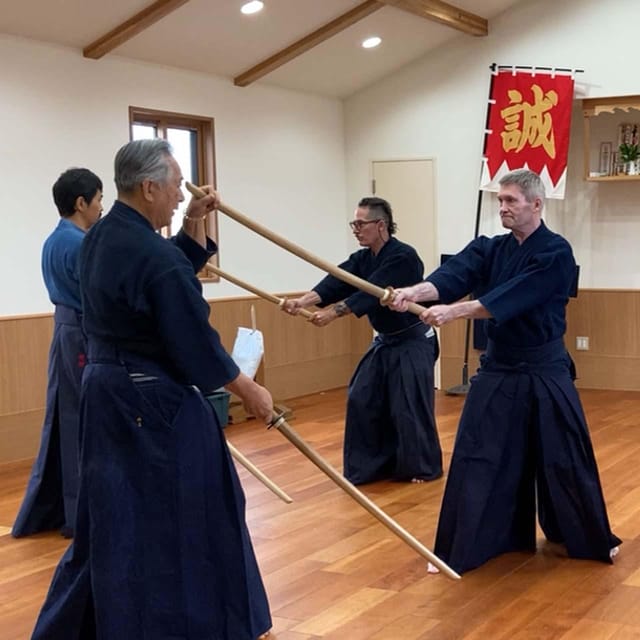
One of the most memorable parts is the gear. The session includes:
- dōgi and hakama (practice uniform)
- dandara baori (Shinsengumi uniform)
- a wooden sword for early training
- a Japanese sword for hands-on handling
Wearing the uniform is not a minor detail. It helps set the training tone. It also gives you a better sense of what the Shinsengumi culture looked like on the ground, not just in books.
And the chance to handle a Japanese sword is where this stands out from “watch a demo” experiences. You’re not just learning what it looks like. You learn what it feels like to hold and manage it while following instructions.
Then comes the cutting practice, often the tatami mat portion. If you’re physically able, this is the moment that turns technique into something you can actually see working.
Price and value: is $116 worth 2 hours?
At $116 per person for about 2 hours, you should measure value by what you get, not by what you avoid.
Here’s what you’re paying for:
- Up to 4 people, so you’re not lost in a crowd
- Real dojo training tied to a named lineage and a specific school
- Hands-on time including Japanese sword handling
- A structured progression, which reduces wasted effort for first-timers
- Included gear that supports the experience, not just a handout
If you compare this to the classic “Tokyo sword demo” that’s mostly watching and a couple of poses, the value is better here because you actually practice. You also get a stronger cultural link, since the setting is tied to Hino and the Shinsengumi story.
If you’re hoping for a casual, low-effort activity, $116 can feel steep. But if you want hands-on learning and you’ll pay attention, it’s a fair price for a small, skill-focused class.
Who should book, and who should skip it
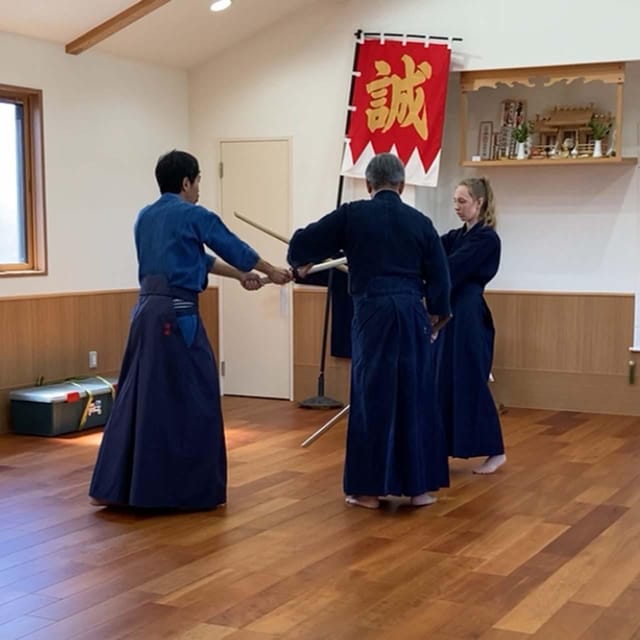
This is best for adults who are curious and steady on their feet. It’s also a strong choice if you want a meaningful cultural experience outside central Tokyo.
It may be a poor fit if you:
- are pregnant
- have back problems
- have mobility impairments, use a wheelchair, or can’t move comfortably in stances
- have heart problems
- have vertigo
- are under 18
- currently have a cold
- have altitude sickness
- are over 75
- have had recent surgery
- have low fitness
That list is worth taking seriously. Sword training is physical. Even if the instructor is gentle and the session is structured, you still need a safe baseline.
If you’re unsure, choose honesty over hope. This is one of those activities where you want your body ready, so your mind can learn.
Practical tips so you get the most out of class
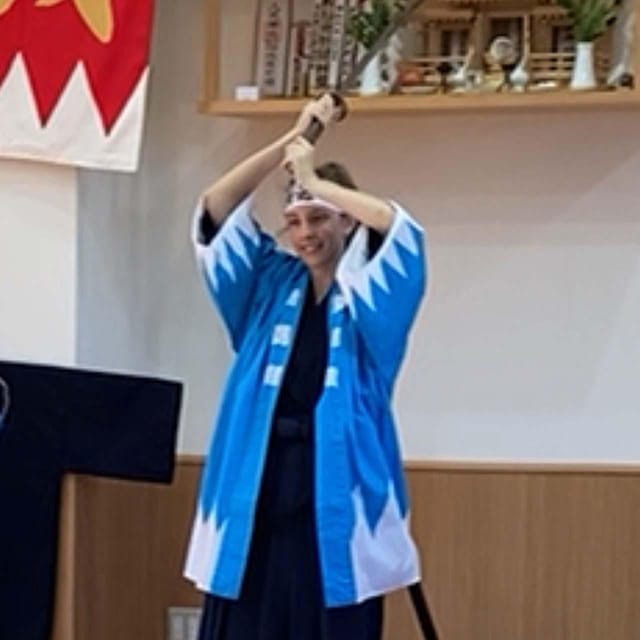
You don’t need anything fancy. You do need the right mindset.
- Arrive on time. The session is only 2 hours, so late minutes steal from practice time.
- Ask questions in the language you’re comfortable with. The instructor can work in English and Japanese, so you can clarify technique and safety points.
- Focus on foot placement and posture. That’s the “secret sauce” people feel once the kata and cutting happen.
- Treat the Japanese sword with calm respect. Don’t try to force it. Let the instruction set the pace.
- Wear what you can move in. The uniform is provided, but you still travel in your own clothes.
Also, if you’re a history buff, take a moment afterward to connect what you learned with what you do next in the area. The Shinsengumi map can help you build that bridge from class to sightseeing.
Should you book this Samurai Sword Academy class?
I’d book it if you want one of Tokyo area’s most authentic-feeling activities: small group dojo training in Tennen Rishin-ryu, led by Masao Inoue, with hands-on learning that goes beyond watching. You’ll likely leave with better body control and a clearer understanding of why stances and timing matter.
I wouldn’t book it if you’re dealing with physical limitations or conditions listed as not suitable, or if you want a relaxed, low-movement activity. This is a learning session, not a casual cultural walk.
If you’re the kind of traveler who likes to learn a skill you can feel in your body, this is a strong pick.
FAQ
How long is the Samurai Sword Academy experience?
The experience lasts 2 hours.
What is the meeting point?
You meet at the second floor of the Inoue Genzaburo Museum, which is a 5-minute walk from Hino Station on the JR Chuo Line.
What will I learn and practice?
You’ll learn Tennen Rishin-ryu swordsmanship, practice with a wooden sword, and also handle a Japanese sword. The session includes a swordsmanship experience in the dojo.
How big is the class?
It’s a small group, limited to 4 participants.
What language do the instructors speak?
The instructor offers English and Japanese.
Is it possible to cancel or pay later?
Yes. The experience includes free cancellation up to 24 hours in advance for a full refund, and you can reserve now and pay later.
Blade Work and Stagecraft


Newest Tokyo write-ups from the Loving Japan desk






Samurai, Ninja and Sword Experiences, side by side.
 ★ 4.5Samurai Restaurant Show Ticket with 2 DrinksFrom $551,307 reviews
 ★ 5.0Kyoto Samurai ExperienceFrom $1191,294 reviews
 ★ 4.6Samurai Ninja Museum Guided tour and ExperienceFrom $271,010 reviews
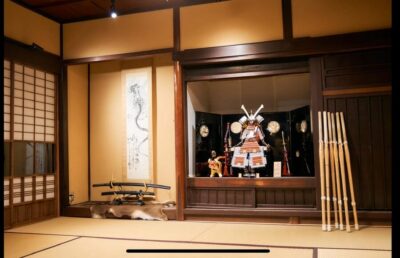 ★ 4.9Kendo and Samurai Experience with Uniform and GearFrom $103815 reviews
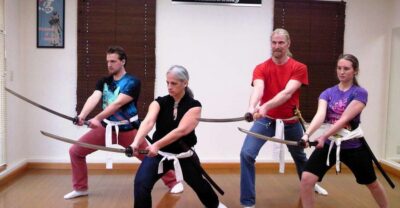 ★ 4.9Samurai Sword Class by Experts in Traditional ArtsFrom $64657 reviews
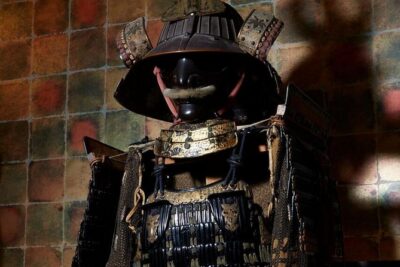 ★ 4.5Skip the lines Basic Ticket at SAMURAI NINJA MUSEUM KYOTOFrom $28632 reviews
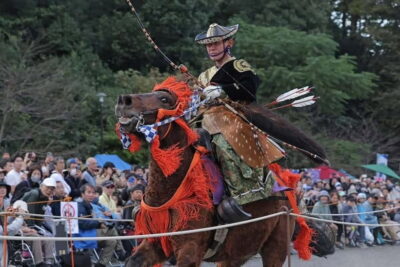 ★ 5.0Samurai Sword & Archery Class from Samurai DescendantFrom $193603 reviews
 ★ 5.0Samurai Training Experience KENDO in OsakaFrom $131515 reviews
Filed on these lists too