
REVIEW · KYOTO TEA CEREMONIES AND MATCHA
Tokyo: Tea Ceremony & Japanese Traditional Sweets
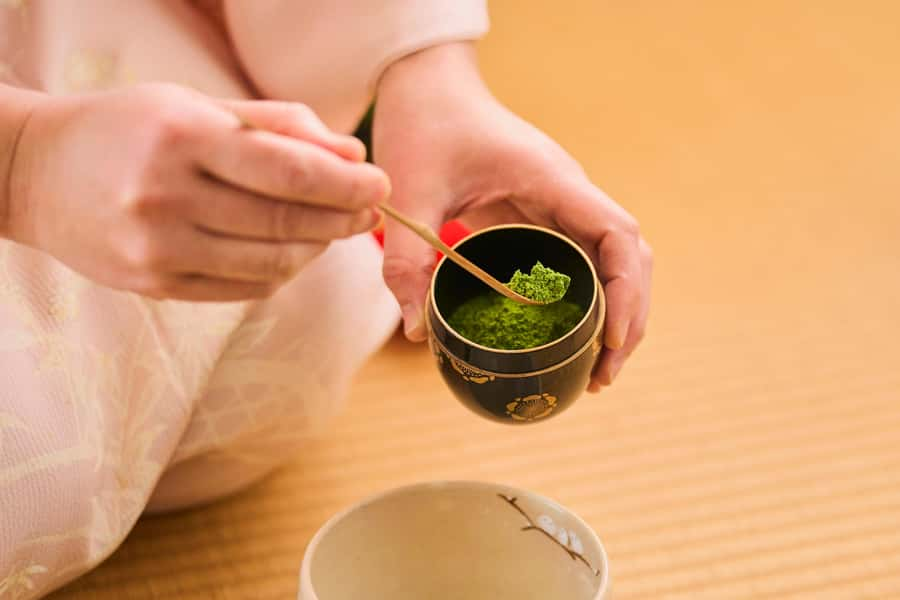
A calm hour in Tokyo can be hard to find. This tea ceremony experience puts you face-to-face with the matcha ritual, from watching the otemae to whisking your own bowl. I love that it is hands-on, not just a show, and you leave with a tasty skill you can actually repeat.
My favorite part is pairing what you learn with the craft of nerikiri, the seasonal Japanese sweets shaped by delicate technique. One thing to consider is that the whole experience is only 1 hour and it runs in English only, so if you want longer practice or Japanese support, you will need to plan another option.
In This Review
- Key Things I’d Prioritize
- Why This Tokyo Tea Ceremony Feels Worth Your Time
- The 1-Hour Flow: Otemae Demo, Matcha, Then Nerikiri
- Watching the Otemae: What You Should Pay Attention To
- Making Matcha: More Than Powder and Water
- Seasonal Nerikiri Sweets: Shaping Tradition With Your Own Hands
- English Guidance That Still Respects the Ritual
- Price and Value: What You Get for $27
- Where to Meet Near Hakusan Station (and How Not to Waste Time)
- Who This Tea Ceremony Workshop Suits Best
- What I’d Expect to Feel During the Session
- Should You Book This Tokyo Matcha and Nerikiri Experience?
- FAQ
- How long is the Tokyo tea ceremony and sweets experience?
- What is the price per person?
- What will I make during the experience?
- Where is the meeting point?
- Is the tour guided in English?
- What group size should I expect?
- What should I wear or bring?
Key Things I’d Prioritize
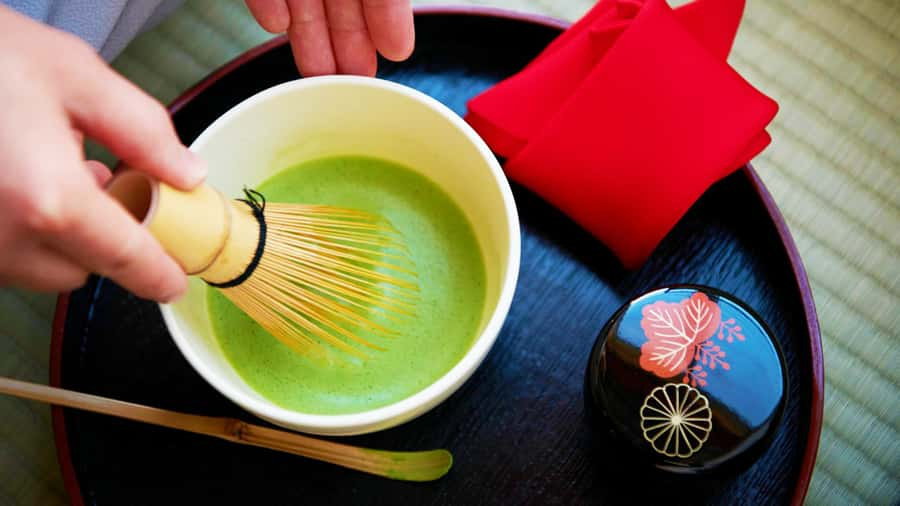
- Hands-on matcha whisking, guided by a tea master (not just watching)
- Otemae demonstration you can actually follow with clear explanation
- Nerikiri making with seasonal shapes, then eating what you create
- Small group size capped at 10 for easier questions and pacing
- English-only guidance that still feels authentic and respectful of the ritual
- 1 hour format that fits well into a busy Tokyo day
Why This Tokyo Tea Ceremony Feels Worth Your Time
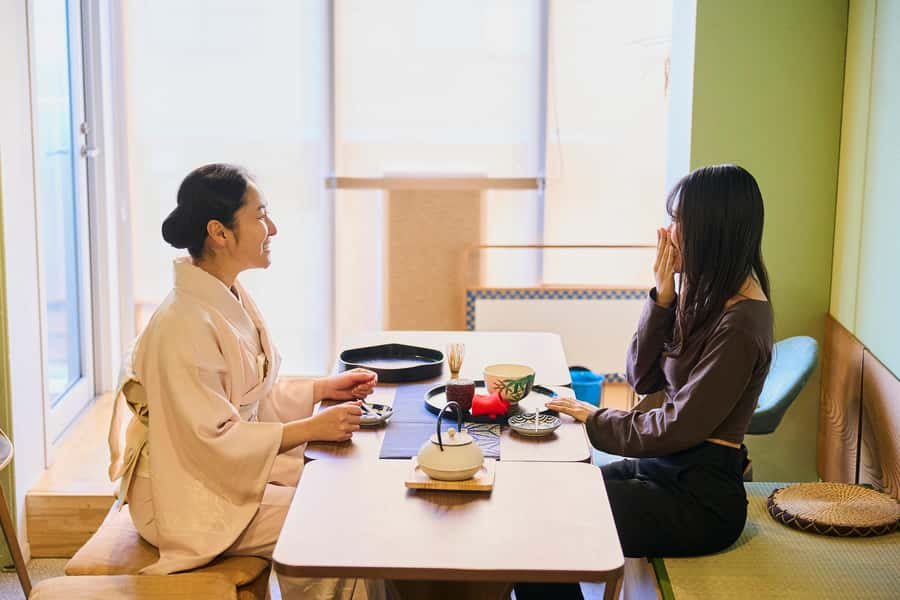
Tokyo can be loud, fast, and slightly confusing, especially if you are jumping between neighborhoods. This is the opposite pace. You sit down, slow your hands, and learn a ritual that is meant to be done carefully, with attention to the moment.
I also like that you are not treated like a tourist with a camera first. You get taught how to prepare matcha, you practice, and you taste what you made. That makes the experience feel practical. You can tell the difference between matcha that is just mixed and matcha that is properly whisked.
This is also a good way to get cultural context without getting buried in theory. The tea master brings over 10 years of experience, and you get an expert host in English to translate the meaning behind what you are doing.
The 1-Hour Flow: Otemae Demo, Matcha, Then Nerikiri
The structure is simple, which is exactly what you want for a short workshop. Expect the session to move in a clear order: learn the matcha process, watch the graceful otemae demonstration, whisk your own bowl, then make nerikiri sweets and enjoy them together.
That rhythm matters. When people do a tea ceremony like a lecture, they remember facts but not the sensation of the whisk, the smell, or the texture. Here, the key actions happen in a sequence that lets you connect each step to what you taste.
You will also have time for questions, since the group is limited to 10 participants. That is one of the quiet perks of small-group tours: your guide is more likely to notice when you need a slower explanation or a quick fix.
Watching the Otemae: What You Should Pay Attention To
The otemae is the formal style of presenting and preparing tea. Even if you only catch a portion of it in one hour, watching it gives you a map for how disciplined, repeatable movements create calm.
As you watch, focus on three things:
- The pacing: it is steady, not rushed.
- The movements: each step looks intentional, even when it is small.
- The rhythm of the room: you will feel the shift from everyday talking to a quieter kind of attention.
This is where the experience stays authentic, even with English guidance. You do not just get a translation of movements. You get a guided explanation for why those movements matter in a tea setting.
If you have never done a tea ceremony before, do not stress about remembering every detail. Your job is to watch closely enough to copy the important parts when it is your turn.
Making Matcha: More Than Powder and Water
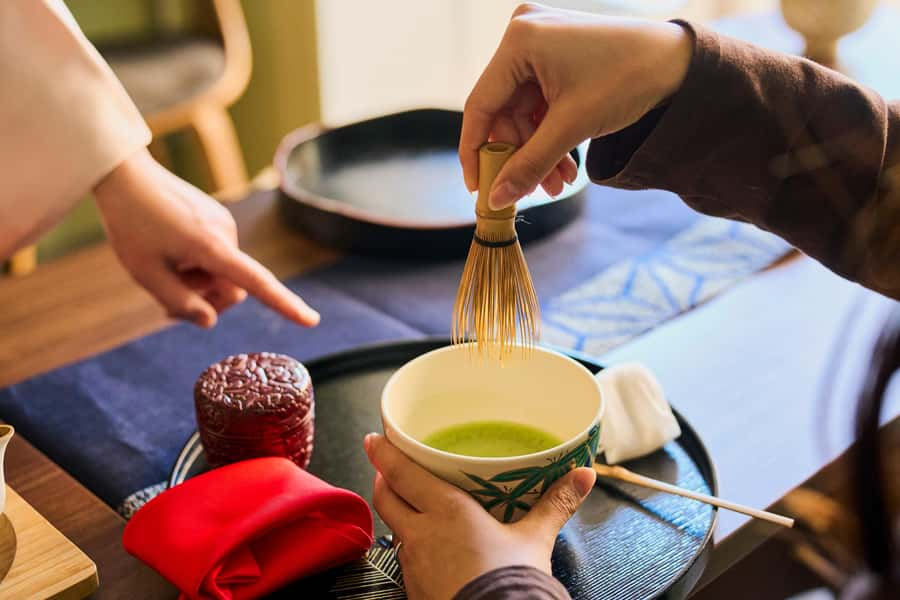
Matcha is one of those foods that seems simple until you actually try it. The difference between an average whisk and a proper one is in how the tea looks and feels.
In this workshop, you learn matcha preparation from a tea master who is licensed, then you get to whisk your own bowl. The matcha part is the core of the experience, and it is also the reason the $27 price feels more justified than many shorter “look and taste” activities. You are paying for instruction and a meaningful outcome, not just a small sip.
What you should notice as you whisk:
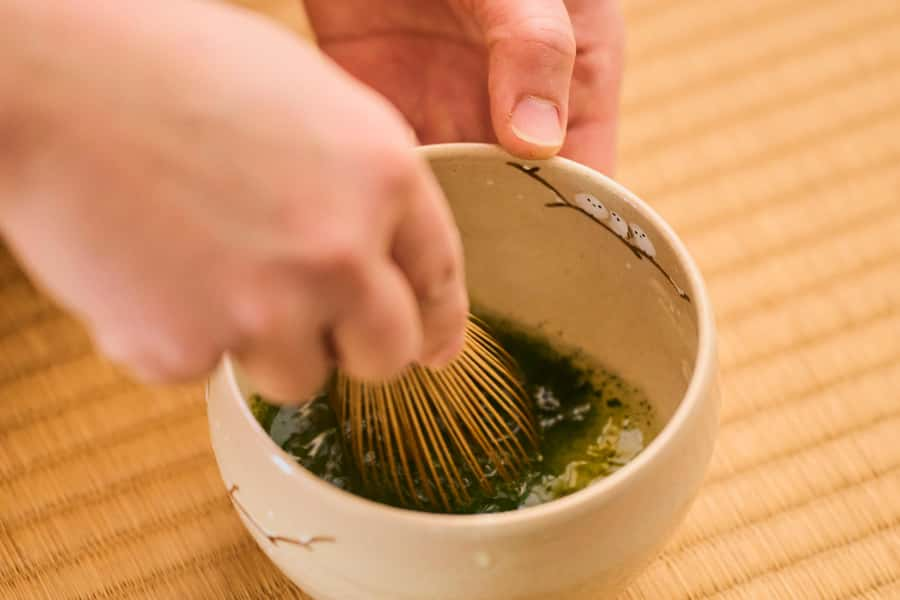
- The texture as the matcha aerates
- The scent as the powder rehydrates
- How the bowl feels in your hands, since tea is meant to be held with care
After you prepare your matcha, you will taste it. That tasting is important. It turns a workshop into a personal reference point, so you can tell later if another matcha you try is “just mixed” or properly whisked.
Seasonal Nerikiri Sweets: Shaping Tradition With Your Own Hands
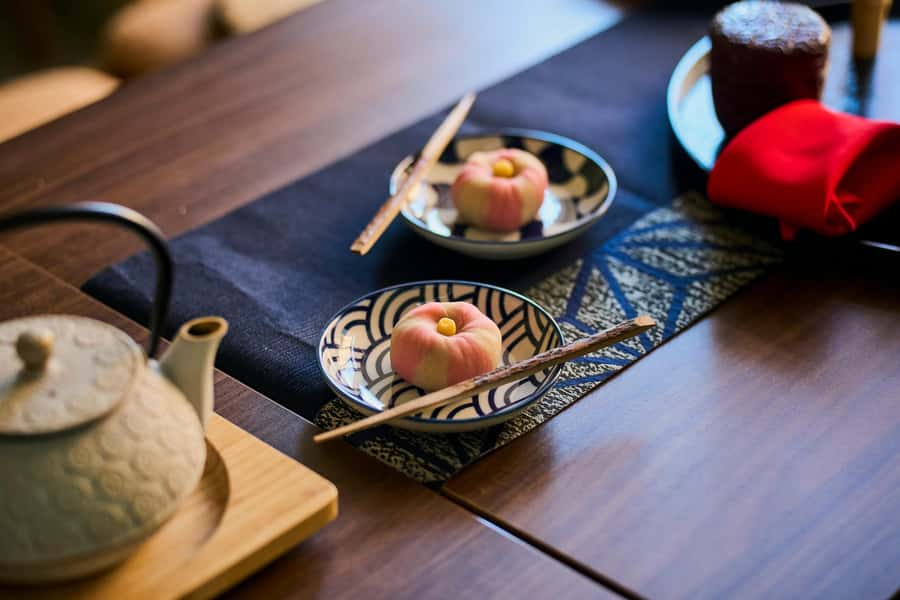
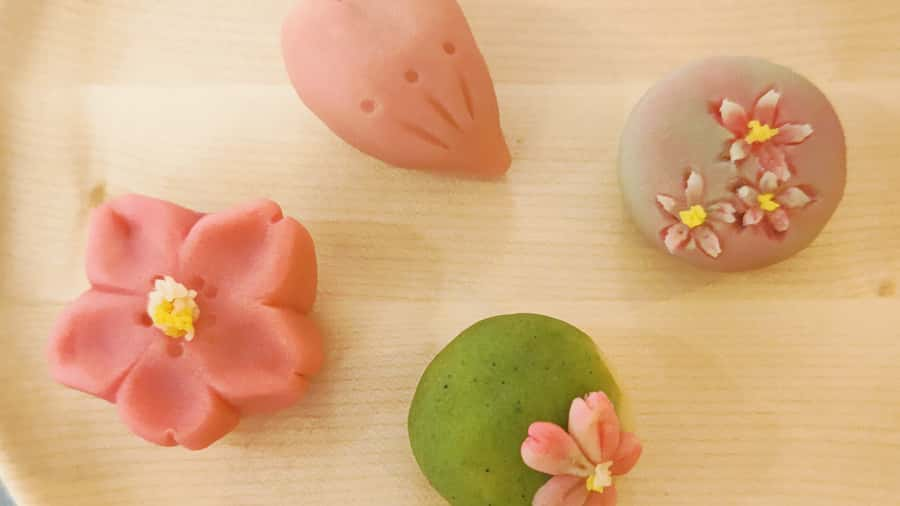
After matcha, you make nerikiri, a Japanese confection known for its sculpted look. In this session, you craft seasonal nerikiri that reflect changing motifs, with bright colors and delicate forms that represent flowers and seasonal themes.
I love that nerikiri gives you a second kind of learning. Matcha is about technique with liquid and whisking. Nerikiri is about technique with molding and shaping. Your hands get a different task, but the mindset is similar: slow down, focus, and make each movement count.
You also get the payoff that makes this more than a craft demo. You pair your handmade nerikiri with freshly prepared matcha. That pairing is practical and satisfying, because sweetness and tea are meant to balance each other. Even if you do not know the theory, you will learn the flavor relationship by tasting what you made.
One small consideration: nerikiri can be fiddly, and you only have 1 hour. Go in expecting to enjoy the process first, and to get better step-by-step rather than to finish with a perfect, museum-style confection.
English Guidance That Still Respects the Ritual
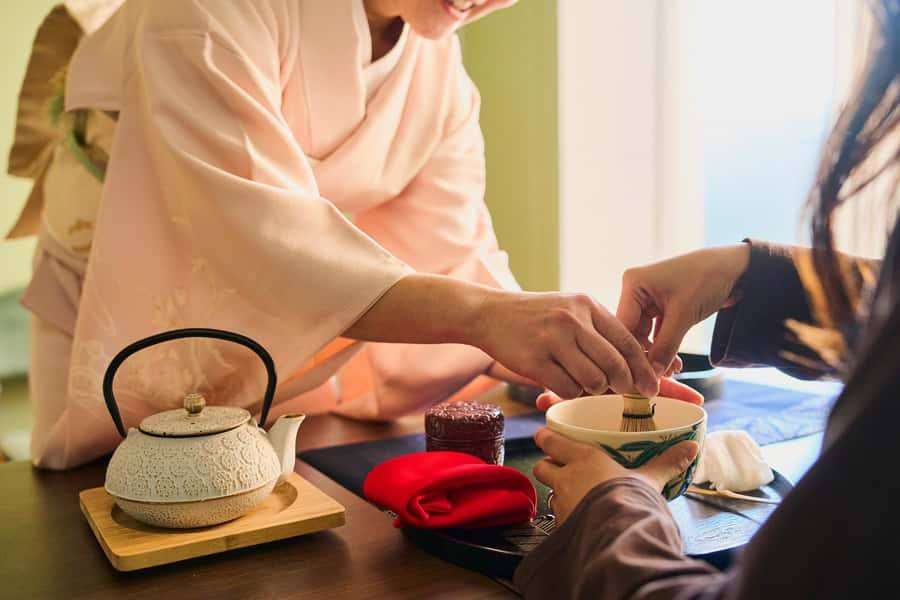
This tea ceremony is conducted in English only. For many visitors, that is a deal-breaker in a good way, because it means you can understand what is happening rather than guessing.
A key value here is that you are not relying on vague gestures. The expert host explains in English, and you can ask questions while the tea master demonstrates the otemae. That combination helps first-time visitors avoid the common problem of feeling like they are watching a performance they cannot decode.
The small group format also makes English guidance work better. With a larger group, you get rushed and you lose chances to clarify. With a maximum of 10 participants, the pace stays calmer.
I especially like the tone described in the best reviews: kind, informative, and ready to help when you need it. That kind of hosting matters in a tea ceremony because a nervous start can ruin your focus. A good guide keeps you confident and moving the right direction.
Price and Value: What You Get for $27
At $27 per person for 1 hour, this workshop looks like a small splurge. But the value is in what is included.
You are getting:
- A tea ceremony experience
- Instruction from a tea master with 10+ years experience
- Your own matcha preparation and tasting
- Making traditional Japanese sweets (nerikiri)
- An English guide plus an expert host
That is a lot of “hands-on” time for one session. If you have ever paid for a cultural experience where you watch more than you do, you will recognize the difference right away. Here, your hands are active, your senses are involved, and you leave with something you made and ate.
Also, because the group is capped at 10, you are not paying for solitude with a single host, but you are still getting better attention than in a large bus-style group. For many travelers, that is where the best value shows up, especially if you want a calmer Tokyo moment.
Where to Meet Near Hakusan Station (and How Not to Waste Time)
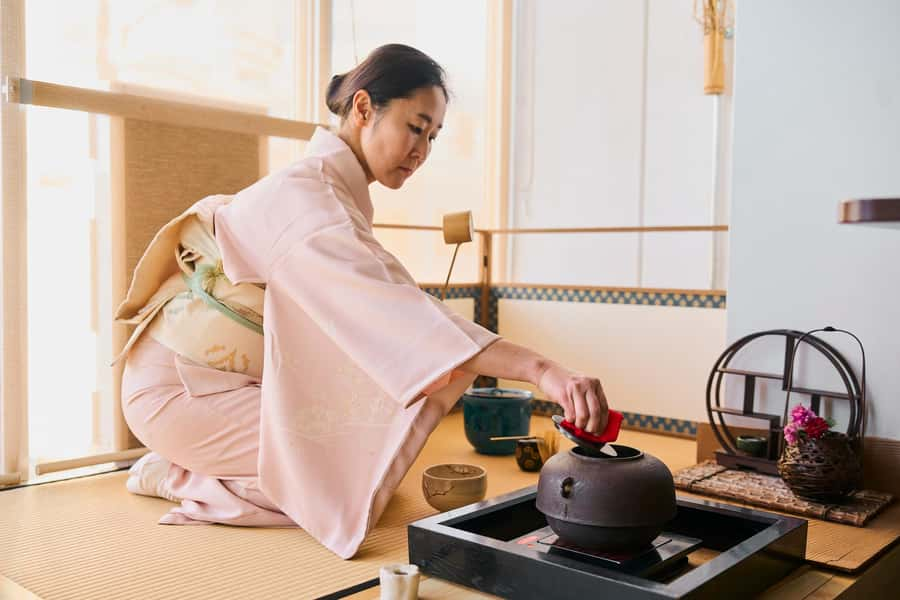
Meeting point is about a 5-minute walk from Toei Mita Line Hakusan Station. You will want to arrive a few minutes early so you are not hunting while the session starts.
Head to the 2nd floor as shown on Google Maps:
Phil Park Hakusan Hills, 1-26-17 Hakusan, Bunkyo-ku, Tokyo
2nd Floor
Coordinates are listed as 35.7201985, 139.7538703, which can help if you are using map apps with coordinate input.
Practical tip: wear comfortable clothes. You do not need a special outfit, but you will sit and move your hands carefully, and being comfortable keeps you focused.
Who This Tea Ceremony Workshop Suits Best
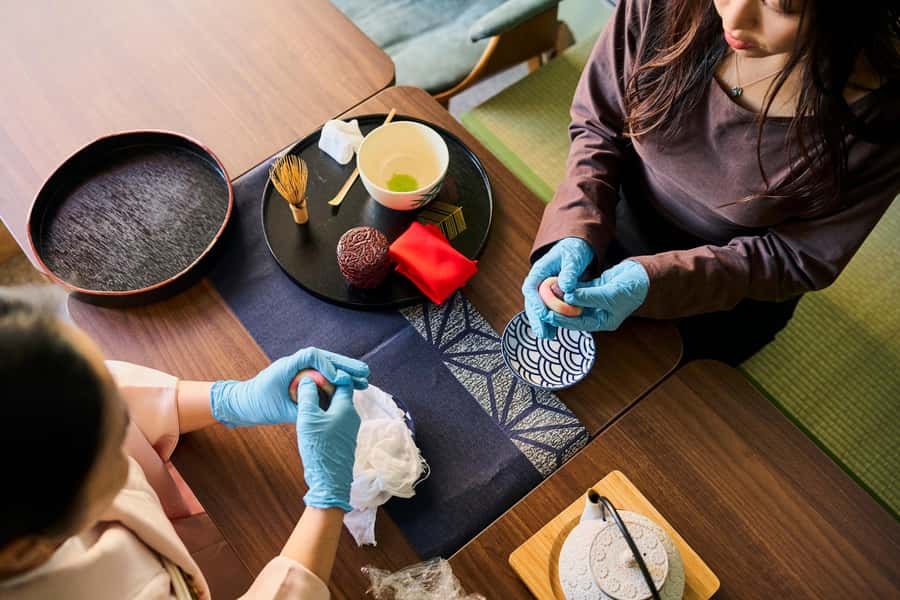
This experience is a strong fit if you:
- Want a short, calm cultural break in Tokyo
- Enjoy hands-on learning more than watching
- Are a first-timer and want English explanations
- Like food experiences where you taste what you make
It also works well as a reset day activity. If your Tokyo schedule includes big temples, crowded shopping streets, or long transit days, this gives you a quieter tempo.
It may not be the best fit if you want a long, deep training course, or if you want instructions in Japanese. The session is English only, and it is designed for a 1-hour format.
What I’d Expect to Feel During the Session
A good tea ceremony feels like a mini pause button. Even if you know nothing beforehand, you start recognizing patterns: the respect in the motions, the careful timing, and the way tasting becomes part of the lesson.
I also think this kind of experience can surprise you if you assume it will be stiff. When the host explains things clearly and the group is small, the room feels welcoming. You are not judged for getting it wrong. You are guided to improve while you practice.
And then there is the simplest part: you eat the nerikiri and drink the matcha you prepared. In travel terms, that is memorable. You can bring the sensory memory home, not just photos.
Should You Book This Tokyo Matcha and Nerikiri Experience?
I think you should book it if you want a true hands-on Tokyo food and culture moment that is short, calm, and guided in English. For the price, you get instruction, practice, and a served outcome, matcha plus nerikiri. The small group size also makes it feel like a workshop, not a crowd event.
If you are sensitive to time constraints, plan your day so you arrive unrushed. Also, if you need Japanese language support, this is not the option for you since it runs in English only.
FAQ
How long is the Tokyo tea ceremony and sweets experience?
It lasts 1 hour.
What is the price per person?
The price is $27 per person.
What will I make during the experience?
You will learn how to prepare and whisk your own matcha, and you will also make nerikiri (seasonal Japanese sweets).
Where is the meeting point?
It is about a 5-minute walk from Toei Mita Line Hakusan Station. Meet on the 2nd floor at Phil Park Hakusan Hills, 1-26-17 Hakusan, Bunkyo-ku, Tokyo.
Is the tour guided in English?
Yes. The experience is conducted in English only.
What group size should I expect?
It is a small group limited to 10 participants.
What should I wear or bring?
Wear comfortable clothes.
If you want, tell me your travel dates and neighborhood, and I can suggest a realistic timing plan to fit this into a day around Bunkyo and central Tokyo.
Kyoto Tea Ceremonies and Matcha, side by side.
 ★ 4.9Tea Ceremony in a Traditional Tea House in KiyomizuFrom $493,519 reviews
 ★ 4.9Tea Ceremony Ju-An at Jotokuji TempleFrom $293,207 reviews
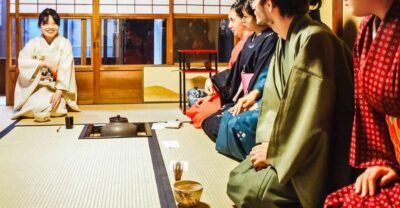 ★ 4.345-Minute Tea Ceremony Lesson ExperienceFrom $222,378 reviews
 ★ 5.0World Heritage Kyoto & Nara Uji Authentic Matcha ExperienceFrom $1291,573 reviews
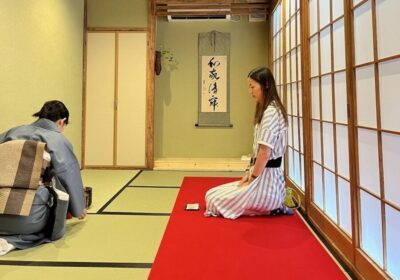 ★ 4.9Tea Ceremony ExperienceFrom $251,426 reviews
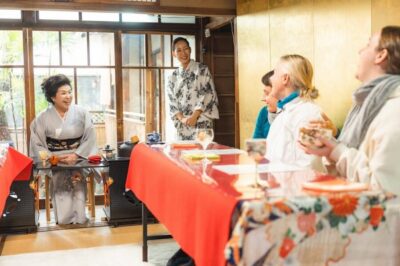 ★ 4.9Table-Style Tea Ceremony at a Kyo-MachiyaFrom $451,211 reviews
 ★ 4.8Kenrokuen Tea Ceremony ExperienceFrom $351,139 reviews
 ★ 5.0Kimono Tea Ceremony at Kyoto Maikoya, NISHIKIFrom $65911 reviews
Filed on these lists too