
REVIEW · ARASHIYAMA AND THE BAMBOO GROVE
Arashiyama Hidden Gems: Walking Tour escaping crowds
Arashiyama without the stampede. This small-group walking tour in Kyoto slows the pace with calmer routes and a guide who knows how to steer you away from the loudest pockets.
I like how it mixes major sights with smaller, peaceful stops like Nonomiya Shrine’s black torii and the old-temple treasures around Saga. I also like that you get photo help plus an original booklet that keeps you oriented.
One thing to consider: you’ll walk about 3 km over roughly 4 hours, and two temple interiors require removing your shoes.
In This Review
- Key things to know before you go
- Why this Arashiyama route feels calmer
- Meeting at Randen-yaJapan, then settling into a smooth pace
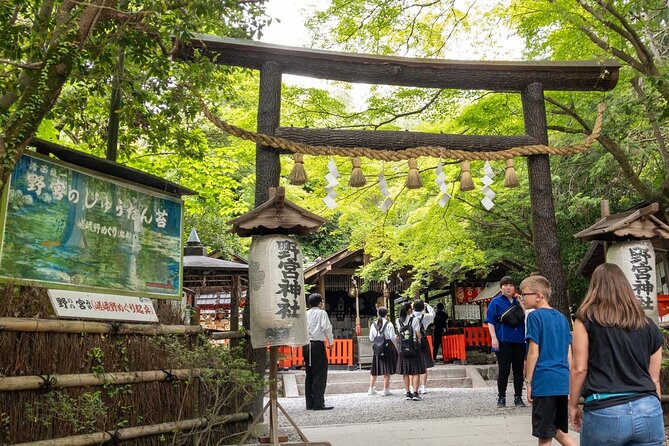
- Stop 1: Nonomiya Shrine and the black torii gate
- Stop 2: Arashiyama Bamboo Forest with better photo timing
- Stop 3: Seiryoji Temple and a 1,200-year-old atmosphere
- Stop 4: Daikaku-ji and the quieter feel of imperial Saga Gosho
- Stop 5: Osawaike, Japan’s oldest artificial pond
- The Tale of Genji option, what you actually gain
- Price and value: what $89 buys you
- Logistics that matter on the day
- Who should book this, and who might skip it
- Should you book Arashiyama Hidden Gems: Walking Tour escaping crowds?
- FAQ
- How long is the Arashiyama walking tour?
- Where do I meet and where does the tour end?
- What’s included in the price?
- What entrance fees should I expect to pay?
- Do I need to remove my shoes?
- What is the cancellation policy?
Key things to know before you go
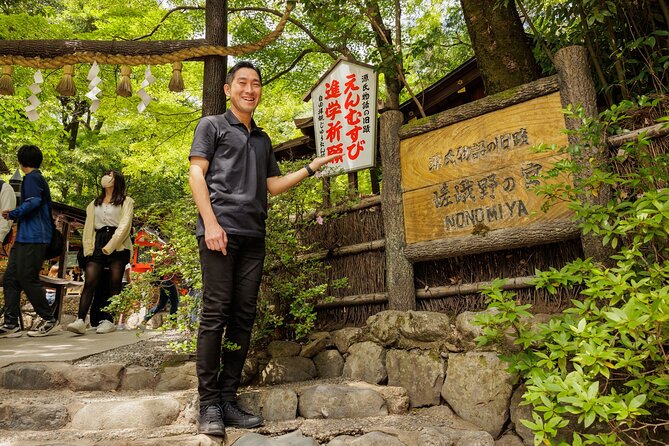
- Black torii at Nonomiya Shrine is a rare Kyoto sight, not the usual red gate photo.
- Small group size (max 6) keeps the pace relaxed and the guide’s attention personal.
- Optional The Tale of Genji adds story context at the stops that connect to the novel.
- Temple etiquette matters because you’ll remove shoes at Seiryoji and Daikaku-ji.
- You’ll get photo assistance in the bamboo area, so you’re not just guessing angles.
- You’ll pay a few entrance fees at temples and the pond area, while guidance and booklet are included.
Still in Arashiyama? Keep going west
- Kyoto: Fushimi Inari, Kinkakuji, Bamboo Grove 1 Day Bus Tour
★ 4.8 · 4,316 reviews - Osaka/Kyoto:Kinkakuji,Arashiyama,FushimiInariShrine,NaraPark
★ 4.1 · 1,596 reviews - Kyoto/Osaka: Nara, Fushimi Inari Taisha, Arashiyama Bus Tour
★ 4.7 · 1,275 reviews - Kyoto Arashiyama Walking Tour: Bamboo, Monkeys, Gardens & Secrets
★ 5.0 · 1,216 reviews
Why this Arashiyama route feels calmer
Arashiyama can be a bit of a target for day-trippers. This tour is built for the opposite mood. You start with a shrine stop that sets a quieter tone, then you move through temples and scenic areas at a steady walking pace. The guide’s approach is practical: he helps you understand what you’re looking at, where to stand, and how to behave so you feel comfortable inside sacred spaces.
Two choices make a big difference for value. First, the group is capped at six, which means you can actually hear the explanations and ask questions. Second, you can add The Tale of Genji storyline. Many of the visited sites connect to the world of the novel, so the experience becomes more than a checklist.
The pacing is also realistic for a half-day. You’re walking about 3 km total, but the experience is not rushed. You get time for moss, photos, and temple details, instead of sprinting from one doorway to the next.
Meeting at Randen-yaJapan, then settling into a smooth pace
You’ll meet at Randen-yaJapan, inside the hannari-hokko Square area at Arashiyama Station. The location is convenient if you’re using public transit, and the tour gives you a mobile ticket, so you’re not hunting for paper tickets in a busy station.
From there, you spend the next 3 to 4 hours moving through Arashiyama’s calmer corners. Even though there is walking time built in, it stays manageable. You’ll also want to remember that some indoor temple areas have a strict etiquette rule: you’ll remove your shoes at Seiryoji Temple and Daikaku-ji Temple. That means you’ll want footwear that’s easy to slip on and off, especially if your day is warm.
A small but smart perk: you get an original tour booklet (around 15 pages). I like this because it acts like a field guide. You can glance at it while listening, and it helps you remember what you saw after the tour.
Stop 1: Nonomiya Shrine and the black torii gate
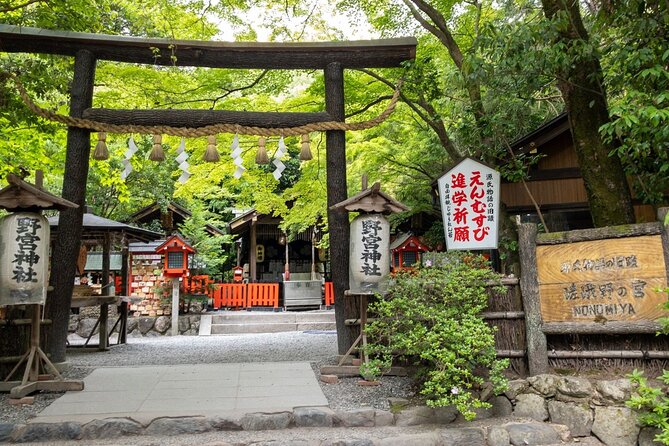
Your first major moment is Nonomiya Shrine. The headline here is the black wooden torii gate. In Japan, only a small number of shrines have black torii, so this is the kind of detail that makes you feel like you got the real local version of the place, not just the obvious “Kyoto shrine” postcard.
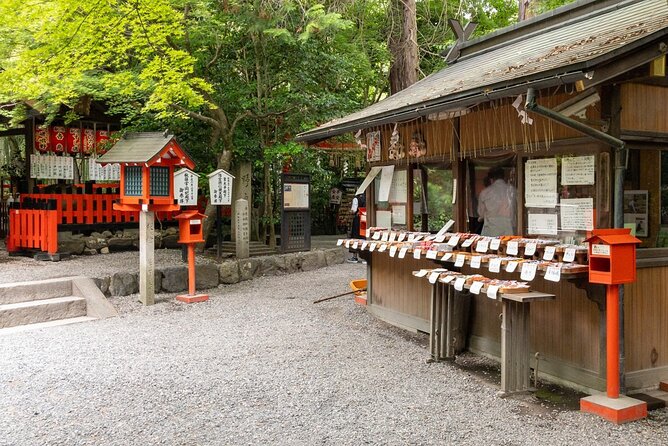
Nonomiya also offers a calm sensory experience right away. You’ll take in the moss garden, and you’ll learn the basic way of visiting and praying. That might sound small, but it changes everything. When you understand the steps and the etiquette, you’re not awkwardly hovering or guessing. You can just participate respectfully and enjoy the atmosphere.
A practical tip: bring patience for the first stop. Even in a quieter setting, shrines have a rhythm. You’ll get the time to look closely without feeling pushed along.
- PERFECT KYOTO 1-Day Bus Tour★ 5.0 · 13,518 reviews
- Kyoto: Fushimi Inari, Kinkakuji, Bamboo Grove 1 Day Bus Tour★ 4.8 · 4,316 reviews
- Kyoto: Tea Ceremony in a Traditional Tea House in Kiyomizu★ 4.9 · 3,519 reviews
- Kyoto: Tea Ceremony Ju-An at Jotokuji Temple★ 4.9 · 3,207 reviews
- Kyoto: 45-Minute Tea Ceremony Lesson Experience★ 4.3 · 2,378 reviews
Stop 2: Arashiyama Bamboo Forest with better photo timing
Next comes the Bamboo Forest. Even with the best intentions, bamboo is still popular, because it’s famous for a reason. The tour’s angle is what helps: you get a set photo time and you’re not wandering in confusion.
This is where the guide’s photo help becomes really useful. He can help you with framing and timing while you’re in the forest area, so you don’t end up with the same wide shot everyone else takes. You’ll also pay attention to the soundscape of bamboo, not just the visuals. It’s a small shift, but it makes the forest feel more alive.
One consideration: the bamboo segment is intentionally short, about 15 minutes. That’s not a criticism. It’s a smart trade. You’re using the time window to get photos and impressions, then you’re moving on to the calmer temple and scenic stops.
Stop 3: Seiryoji Temple and a 1,200-year-old atmosphere
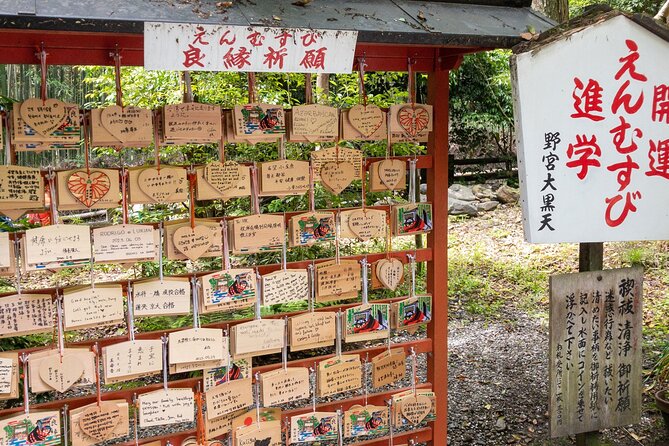
After bamboo, the tour pivots into history you can actually feel. Seiryoji Temple is described as an old temple with an original foundation around 1,200 years ago, while the current main building dates to about 300 years ago. That mix of long continuity and later rebuilding is exactly what makes Kyoto temple history so compelling.
Inside, you’ll see a Buddhist statue connected with Shaka Nyorai. It’s a national treasure sight in this context, so it’s the kind of artwork or figure you’ll want time for. You’re not just peeking at signage. The tour gives you around 55 minutes at this stop, which is enough to look around thoughtfully.
Etiquette matters again here. You’ll need to remove your shoes to enter the interior areas. If you’re sensitive to stepping on floors or you’re traveling with socks-only anxiety, prepare for that. Easy slip-on footwear is your friend.
Entrance fee is not included for Seiryoji. You should expect to pay ¥500 per person.
Stop 4: Daikaku-ji and the quieter feel of imperial Saga Gosho
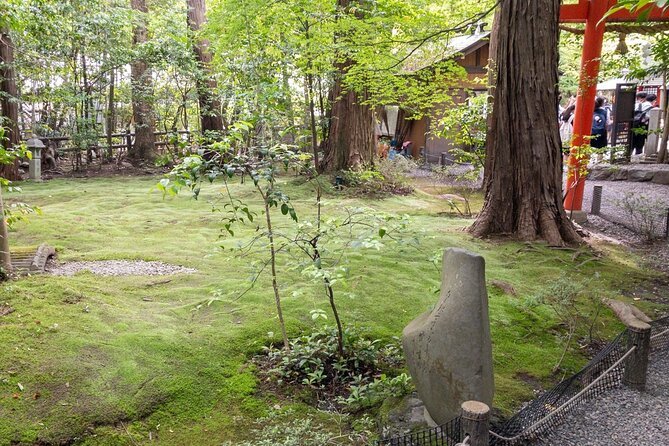
Then you move to Daikaku-ji Temple, tied to the former imperial palace known as Saga Gosho. This is a standout stop because the tone shifts from “sightseeing area” into something closer to a preserved historic space.
The temple is associated with a palace built around 1,200 years ago, and it’s one of those places where the setting helps you imagine old life without needing heavy explanation. You get about 50 minutes at this stop, and the tour’s focus is on helping you notice the temple design and the imperial connection rather than treating it as a quick photo stop.
Like Seiryoji, Daikaku-ji has a shoe rule: you’ll remove your shoes to enter inside. Plan for that again.
Also, this is one of the stops where the Tale of Genji option can add a second layer. Many locations on this tour connect to the novel’s world, and the guide can explain historical and literary context during the walk. If you’re a reader, it can turn a temple courtyard into a story scene.
Entrance fees are not included for this stop area. The price you’ll pay depends on the included temple and pond ticket structure, but the tour data sets it as ¥800 per person for Daikaku-ji and the Osawa-no-ike Pond area.
Stop 5: Osawaike, Japan’s oldest artificial pond
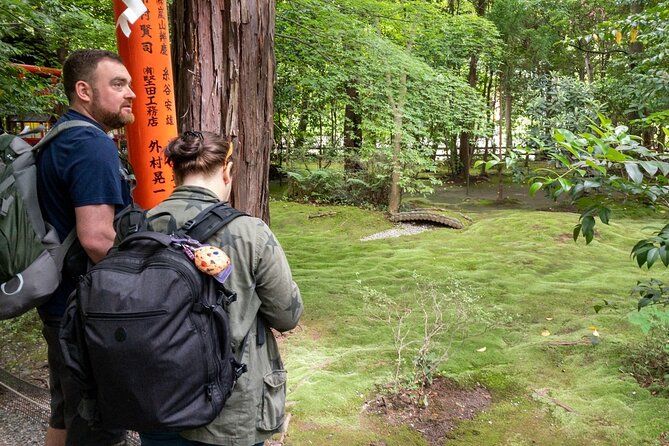
The tour finishes with the calm geometry of water at Osawaike. This pond is described as the oldest artificial pond in Japan, which immediately gives you a different kind of appreciation. It’s not just scenery. It’s design meant to endure.
You’ll spend around 20 minutes here, enough time to take in the views and feel how the atmosphere changes with the season. The tour framing also emphasizes quiet, including the idea of a serene bamboo forest nearby. If you’ve had crowded bamboo earlier, this ending is a relief.
Entrance fee is not included. Osawaike’s ticket is listed as ¥300.
If you’re traveling with a growling stomach, plan ahead. The tour notes that there aren’t many restaurants around the ending point. Bringing a snack helps, especially if you arrive hungry or it’s warm.
The Tale of Genji option, what you actually gain
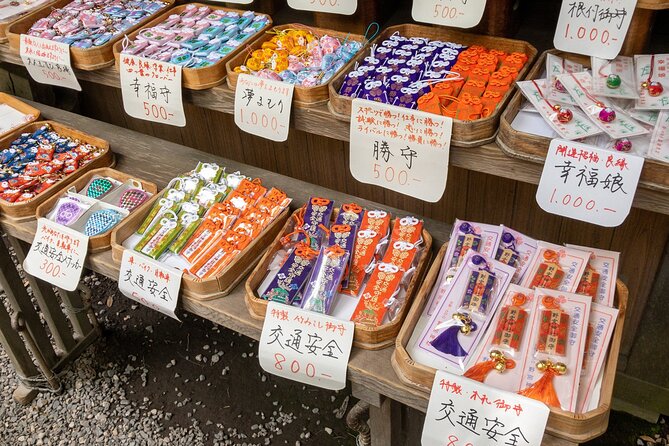
There’s an optional choice for guests who want The Tale of Genji storytelling. The key detail is that the tour route is the same either way, including every stop except the bamboo forest. The Genji option simply adds deeper literary context during the walk.
If you’ve read the book, this can be a fun way to connect scenes to real Kyoto spaces. If you haven’t read it yet, you can still benefit because the guide explains the context in a way that stays grounded in what you’re seeing. Either way, it makes the temples and shrines feel less like “architecture you saw” and more like “places you understand.”
Price and value: what $89 buys you
At $89 per person, this tour competes well because you’re not only paying for walking. You’re paying for a local guide, a structured route, and time saved by not having to figure out etiquette and context yourself.
What’s included:
- Guiding
- An original tour booklet (about 15 pages)
- Photo help, since the guide is learning photography as a hobby
What’s not included:
- Temple and pond tickets (Seiryoji, Daikaku-ji, and Osawa-no-ike area fees)
- Optional snacks
- Insurance, plus any gratuity
Here’s the value math in real life. Entrance fees are separate, but you still get the “how to see it” part for your money. With only a max of six people, the guide can slow down where it matters. You also get a booklet to keep the experience from fading the moment you leave Arashiyama Station.
Logistics that matter on the day
A few practical points make or break a walking tour like this.
Walking time and comfort
The tour includes travel and ends up around 3 to 4 hours total. During the actual tour walk, you’ll cover about 3 km with a chunk of time spent at stops. If you’re sensitive to heat or long standing, plan for water and take breaks when the group pauses.
Shoes off, twice
You’ll remove shoes at Seiryoji and Daikaku-ji. Bring socks you’re comfortable with. If your shoes are hard to remove quickly, you’ll feel it by stop four.
Snacks
The tour suggests bringing snacks if you need, because there are not many restaurants near the end. I’d treat this as real advice, not a throwaway line.
Weather
The experience depends on good weather. If it’s canceled due to poor weather, you’ll be offered another date or a full refund.
Returning to the start
If you prefer to go back to where you began, the guide offers a free returning walking tour.
Who should book this, and who might skip it
This tour is ideal if you want Arashiyama with a slower pulse. You’ll especially like it if:
- You care about etiquette and want to do shrine and temple visiting the right way.
- You want fewer crowds and more quiet time for photos and details.
- You’re interested in story context, especially with The Tale of Genji option.
- You like small-group tours where questions feel welcome.
You might choose a different plan if:
- You dislike shoe-off attractions and don’t want to manage it twice.
- You need a very short, minimal-walking outing.
- You’re the type who wants only the most famous quick-hit photo stops, since bamboo is just one part of the route.
Should you book Arashiyama Hidden Gems: Walking Tour escaping crowds?
If your goal is to see Arashiyama thoughtfully, I’d book this. The structure is smart: start with an unusual shrine detail, do bamboo with guidance, then spend your time where the atmosphere stays calmer at Seiryoji and Daikaku-ji. The Osawaike finish is a peaceful reset after any crowd energy.
The extra value is the guide’s ability to explain what you’re looking at, plus the option to tie parts of the route to The Tale of Genji. For $89, that’s a good trade if you want a half-day experience that feels local, not just visited.
If you’re deciding last-minute, aim for good weather, wear easy shoe-toe footwear for the shoe removal points, and bring a snack. Do that, and you’ll get a smoother Arashiyama day than the fast-tour crowd model.
FAQ
How long is the Arashiyama walking tour?
The tour is about 3 to 4 hours, including walking time and travel within the route.
Where do I meet and where does the tour end?
You start at Randen-yaJapan in the hannari-hokko Square area at Arashiyama Station, and the tour ends at Daikaku-ji Temple in Sagaosawacho.
What’s included in the price?
The price includes guiding, an original tour booklet (about 15 pages), and help taking good photos. Tickets for some temples and the pond are not included.
What entrance fees should I expect to pay?
Seiryoji Temple is listed as ¥500 per person. Daikaku-ji Temple and the Osawa-no-ike Pond area are listed as ¥800 per person. Osawaike’s ticket is listed as ¥300 in the stop details.
Do I need to remove my shoes?
Yes. You have to take off your shoes to enter inside at Seiryoji Temple and Daikaku-ji Temple.
What is the cancellation policy?
You can cancel for a full refund if you cancel up to 24 hours in advance. If you cancel less than 24 hours before the start time, the amount paid is not refunded. If canceled due to poor weather, you’ll be offered a different date or a full refund.
Further Into Arashiyama


Newest Kyoto write-ups from the Loving Japan desk
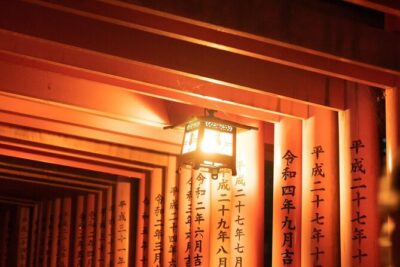
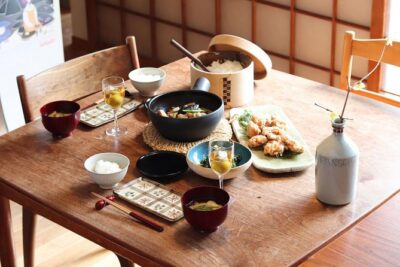
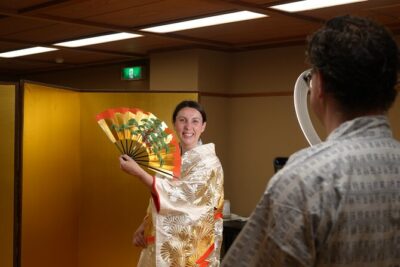
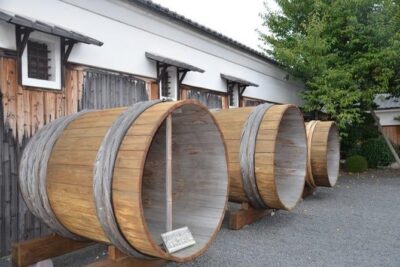
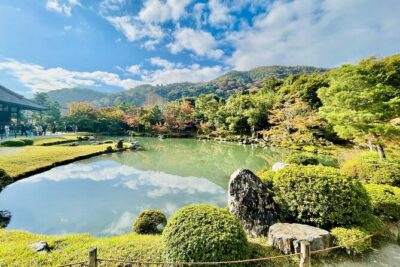
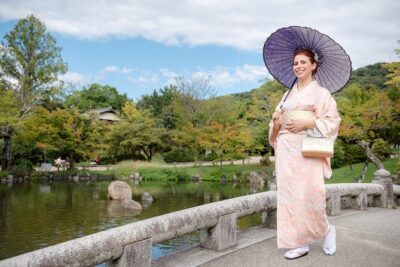
Arashiyama and the Bamboo Grove, side by side.
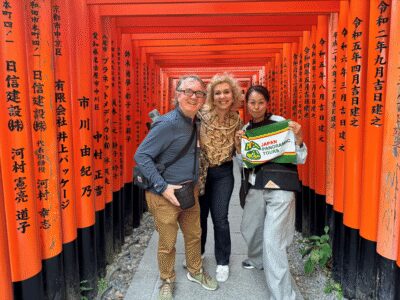 ★ 4.8Fushimi Inari, Kinkakuji, Bamboo Grove 1 Day Bus TourFrom $1224,316 reviews
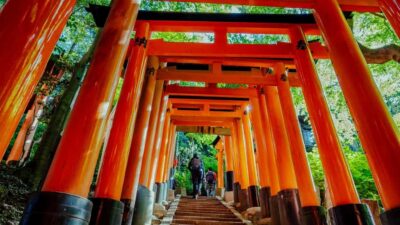 ★ 4.1Osaka/Kyoto:Kinkakuji,Arashiyama,FushimiInariShrine,NaraParkFrom $661,596 reviews
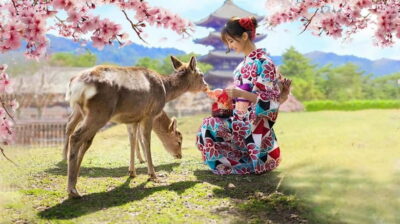 ★ 4.7Kyoto/Osaka: Nara, Fushimi Inari Taisha, Arashiyama Bus TourFrom $521,275 reviews
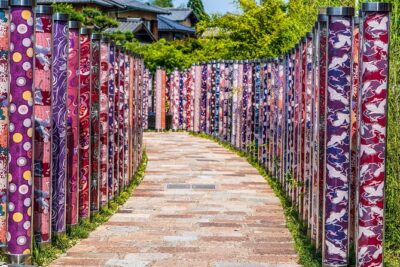 ★ 5.0Kyoto Arashiyama Walking Tour: Bamboo, Monkeys, Gardens & SecretsFrom $651,216 reviews
 ★ 4.8Arashiyama Bamboo, Temple, Monkeys, or Secret Sake BreweryFrom $87886 reviews
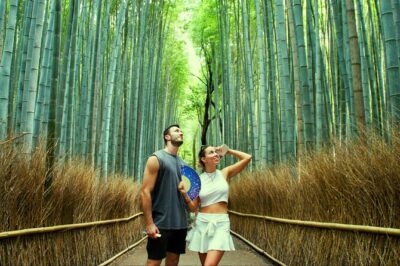 ★ 5.0Arashiyama Bamboo Forest, Monkeys, Matcha & Temple TourFrom $53759 reviews
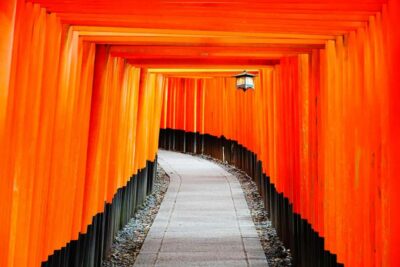 ★ 4.4Osaka/Kyoto: Arashiyama, Nara & Fushimi Inari Shrine w/LunchFrom $61754 reviews
 ★ 5.0Nijo, Kinkaku-ji, Arashiyama, Kiyomizu & Fushimi InariFrom $51699 reviews
Filed on these lists too