

REVIEW · FUSHIMI INARI AND THE TEMPLES OF KYOTO
Best of Kyoto: Red Gates of Fushimi Inari & Kiyomizu Temple
Red torii gates at dawn change the whole day. This best-of-Kyoto loop pairs Fushimi Inari with Kiyomizu-dera, plus a guided walk through classic Higashiyama streets for a fast, high-impact morning in Japan’s old capital.
I especially like the early bird timing that helps you see the sights without the worst crowd crush. And I really value the guide-led pacing, with guides who slow down when you want photos and explain what you’re looking at, not just where to stand. In the guide feedback I saw names like Shanda and Diana, and both came up for being upbeat, organized, and full of useful context.
One thing to plan for: this tour involves real walking and stairs. Expect 10,000 steps or more, and it is not suitable for people with mobility impairments.
In This Review
- Key things to know before you go
- Meeting at JR Inari Station, then a tight 3-hour morning
- Fushimi Inari Taisha: torii gates, calm timing, and photo strategy
- Kiyomizu-dera: why the views hit, plus Buddhism context
- Higashiyama, Sannenzaka, and Ninenzaka: classic lanes in a limited time window
- Included transport and fees: where the “stress-free” part actually helps
- Guide quality is the real differentiator, and names came up for a reason
- Price and value: is $58 a fair deal for 2 temples plus streets?
- Who should book this early bird tour, and who should skip it
- Should you book: my take
- FAQ
- How long is the tour?
- Where do I meet the guide?
- Are train and taxi fares included?
- Are entrance fees included?
- Is food or drinks included?
- What should I wear or bring?
- Is the tour suitable for people with mobility impairments?
Key things to know before you go
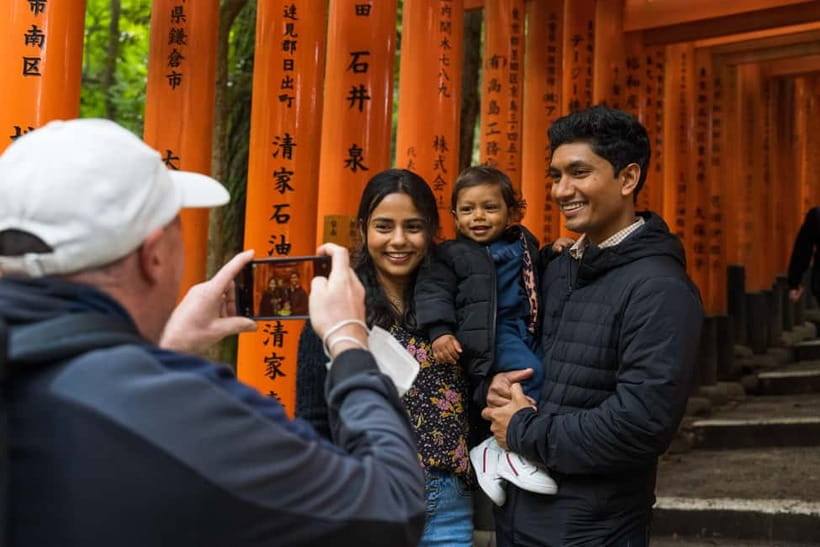
- Early start for better photos: fewer people, softer morning light, calmer paths at Inari.
- A guide who talks and times it well: you get explanations and enough breathing room for pictures.
- Entry fees and transport are included: fewer pay-at-the-door surprises.
- Buddhism context, not just sightseeing: the guide connects temples to the ideas and traditions behind them.
- Classic Higashiyama streets on foot: Sannenzaka and Ninenzaka are part of the experience.
- Expect stairs: comfortable shoes are nonnegotiable.
Which temple to give the morning to, reviewed
- Kyoto: Fushimi Inari, Kinkakuji, Bamboo Grove 1 Day Bus Tour
★ 4.8 · 4,316 reviews - Kyoto/Osaka: Nara, Fushimi Inari Taisha, Arashiyama Bus Tour
★ 4.7 · 1,275 reviews - Kyoto: Nijo-jo Castle and Ninomaru Palace Guided Tour
★ 4.7 · 1,020 reviews - Osaka/Kyoto: Arashiyama, Nara & Fushimi Inari Shrine w/Lunch
★ 4.4 · 754 reviews
Meeting at JR Inari Station, then a tight 3-hour morning
The tour begins at JR Inari Station, meeting your guide at the station entrance (there are two starting options shown on the voucher). You will look for a small mailbox and a public phone nearby. The whole point is to start early enough that you can enjoy Fushimi Inari at a human pace.
Duration is about 3 hours total, and the schedule is compact by design. You do not linger all day, but you also do not feel like you are sprinting between random stops. Think of it as a curated morning that hits the two biggest icons first, then uses the remaining time for nearby historic streets and a photo window.
Group size can be private or small, which matters here. With stairs, narrow lanes, and photo moments, smaller groups tend to feel smoother. Still, treat it like active sightseeing: comfortable clothes and shoes, and a willingness to climb.
If you hate standing in lines, this format helps. You have a guide steering you and keeping the flow moving, so your morning stays focused on what you came for.
Fushimi Inari Taisha: torii gates, calm timing, and photo strategy
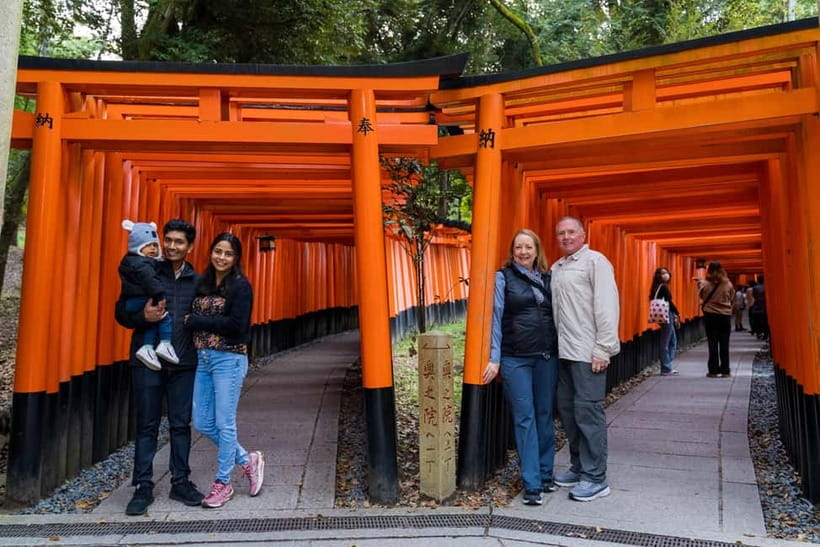
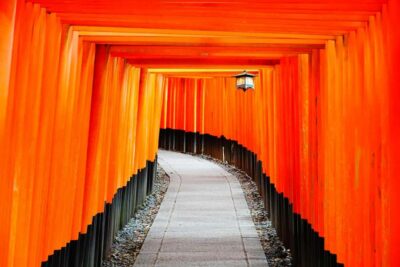
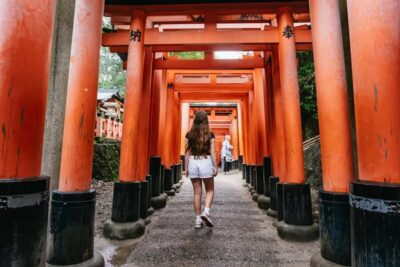
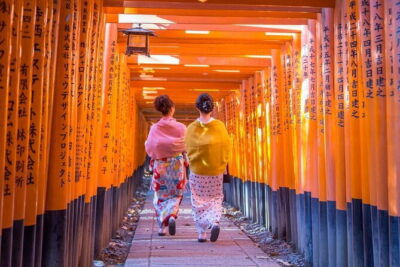
Your first real encounter is Fushimi Inari Taisha, the shrine famous for its thousands of red torii gates. Even if you have seen photos before, the scale hits different when you walk under them. Early morning also changes the mood. The path feels quieter, and the shadows from the gates give you that dramatic, almost cinematic look without trying too hard.
The guided time here is about 50 minutes. That is long enough to see key viewpoints, learn what the shrine represents, and still move at a relaxed pace. A good thing about this style of tour is that it usually avoids the “just keep walking” problem. In the feedback I saw, guides like Shanda gave people time to make calm photos, not rushed ones.
Here’s how to get the most from your time at Inari:
- Wear shoes with grip. The route includes stairs and uneven stone.
- Plan to pause. If you sprint straight to the biggest viewpoint, you miss the smaller moments where the gates line up in layers.
- Bring your patience for crowds at the edges. Even early, some areas will be busier than others.
One small tradeoff with early timing: shops and side stalls may not be open yet. If you came hoping for souvenirs on the spot, you might find some storefronts still closed. For many people, the calmer walking is worth it.
Also, remember that this is not a quick photo stop. It is a guided shrine experience, and the guide’s explanations help you understand what you are seeing beyond the red gates.
Kiyomizu-dera: why the views hit, plus Buddhism context
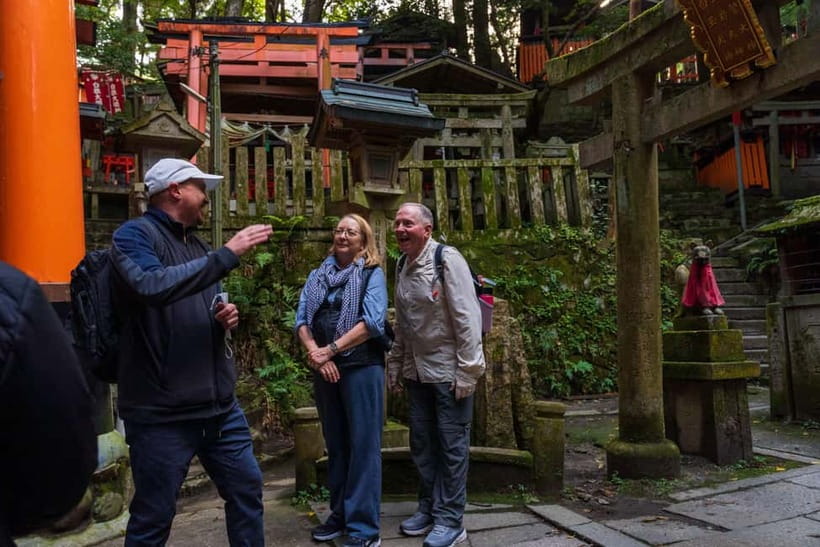
Next up is Kiyomizu-dera, with about 1 hour of guided time. This temple is iconic for a reason: it sits above the city and pulls your attention outward as much as inward. When you are up there, you feel why Kyoto became the kind of place people return to again and again.
What makes this stop more than just a lookout is the way the guide frames it. The tour focuses on the historical and cultural significance of Buddhism, so you are not just listening to facts about architecture. You learn why these places matter, how religious ideas shaped daily life, and how that shows up in the temple experience.
You also get a practical photo rhythm. After the guided segments, there is a photo stop (about 30 minutes). That matters because you want at least one window where you are not trying to follow someone while your camera batteries drain.
A key consideration: Kiyomizu-dera involves stairs and walking too. Even if you handled Inari well, this area is steeper and denser. Go slow, take breaks when needed, and keep water in mind even though food and drinks are not included.
If you like to understand what you are looking at, this is where the guide earns their fee. You get stories and context that make the temple feel connected to the culture around it, not like a detached postcard.
- PERFECT KYOTO 1-Day Bus Tour★ 5.0 · 13,518 reviews
- Kyoto: Fushimi Inari, Kinkakuji, Bamboo Grove 1 Day Bus Tour★ 4.8 · 4,316 reviews
- Kyoto: Tea Ceremony in a Traditional Tea House in Kiyomizu★ 4.9 · 3,519 reviews
- Kyoto Geisha Walking Tour: Gion District & Hidden Gems★ 4.7 · 3,273 reviews
- Kyoto: Tea Ceremony Ju-An at Jotokuji Temple★ 4.9 · 3,207 reviews
Higashiyama, Sannenzaka, and Ninenzaka: classic lanes in a limited time window
The tour also includes time in the preserved districts around Higashiyama, including Sannenzaka and Ninenzaka. These streets are where Kyoto’s old-town vibe becomes real. You walk past traditional-style buildings, atmosphere-heavy lanes, and the kind of street texture that makes you slow down even when you are on a schedule.
This portion is not meant to replace a full neighborhood exploration day. Instead, it gives you a quick, meaningful taste of the lanes and the feel of the area while you are already close to the major sights.
One thing I like about using this stop as part of a short morning tour is that it balances “big iconic monuments” with “daily life details.” Big temples are a must, but Kyoto is also about the side streets, the corners, and the way old and new live together.
Also, the tour description suggests you might smell freshly brewed coffee wafting from local cafes. That detail fits the vibe here. Even if you do not plan on buying anything, the sensory side helps the streets feel alive, not staged.
At the end, the tour finishes at % ARABICA Kyoto Higashiyama. That is a convenient, built-in reason to exhale, sit down, and decompress before your next move.
Included transport and fees: where the “stress-free” part actually helps
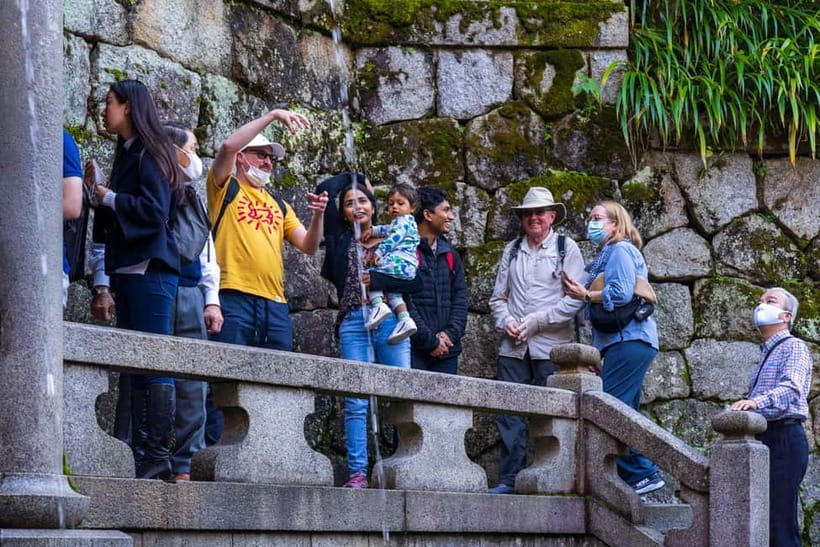
A short tour can either be painless or annoying, depending on what you have to pay and figure out on your own. Here, the tour aims to remove the headaches.
Included in the price are:
- Train fares
- Taxi fares
- Entry fees
- A live guide
The schedule also implies practical movement between Inari and Kiyomizu-dera, and the taxi fare from Fushimi Inari to Kiyomizu-dera is covered. That matters because Kyoto distances and route complexity can turn a simple morning into a “which ticket do I need” problem.
What is not included is everything personal like food and drinks. That is normal for a half-day style tour. But you are not stuck wondering how to handle museum passes, temple tickets, or transport between stops.
Another plus is that you do not need hotel pickup or drop-off. That can be a benefit if you are already in the area and want to keep your schedule simple.
Guide quality is the real differentiator, and names came up for a reason
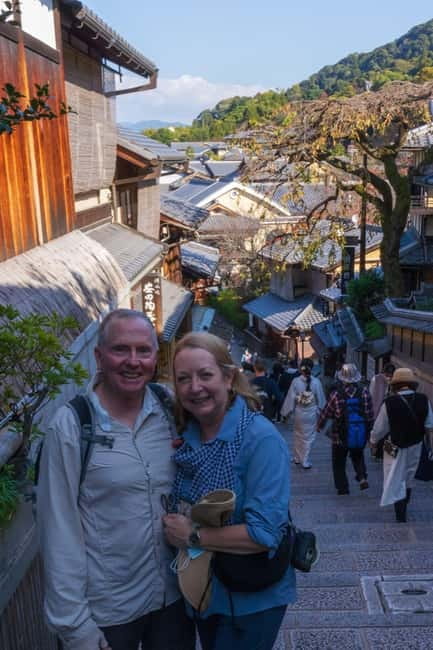
In many sightseeing tours, the guide is either inspiring or forgettable. This one clearly gets attention for the human side.
In the comments I saw, people praised guides like Shanda for having a strong grasp of the details and for giving time to take photos calmly. Others highlighted Diana for being enthusiastic, friendly, and full of interesting information about Fushimi Inari and Kiyomizu-dera.
That matters because both shrines and temples can feel like a blur if you do not have context. A good guide helps you notice patterns:
- how shrine elements relate to belief and tradition
- why certain areas get attention
- what to focus on so your photos look intentional
You also get “local guide tips” at the end for restaurants, cafes, and bars. Even if you have a Kyoto plan already, having a guide’s quick shortlist can save time later, especially for places that might not be obvious from Google.
Price and value: is $58 a fair deal for 2 temples plus streets?
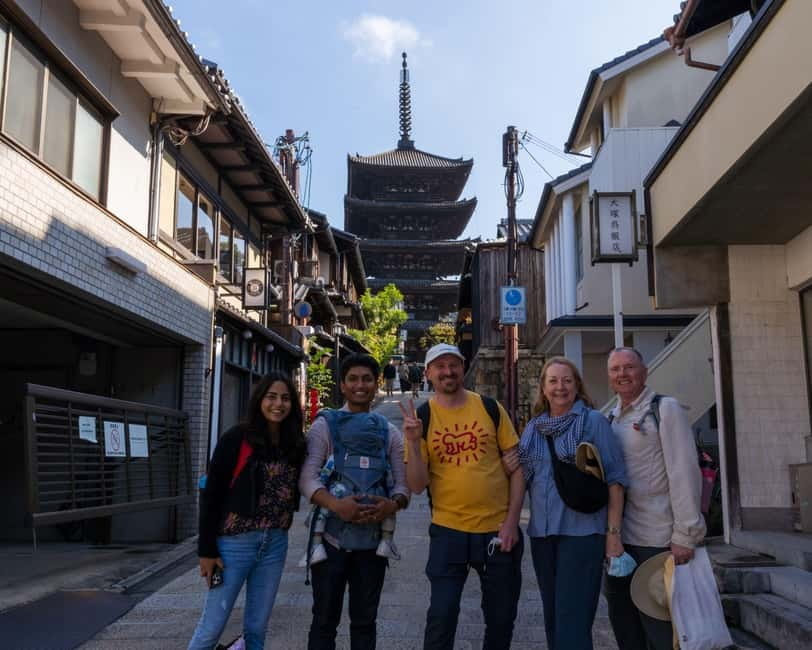
At $58 per person, the value depends on what you would otherwise pay and how much time you would lose organizing everything.
Here, your money covers:
- a live guide for the key guided segments
- entry fees for the attractions on the route
- train fare and taxi fare between stops
- a tight morning plan that includes both temples and nearby preserved streets
If you were doing this on your own, you would still need to figure out transit between sites, buy entry tickets, and spend time figuring out routes and best timing. The early start can also be hard to manage if you are coordinating schedules on your own, especially when you want peaceful photos.
For the price, I think the biggest value is the time compression. Two headline sights plus historic lanes in 3 hours is exactly the kind of morning that helps if you have limited days in Kyoto.
That said, if you are the type who loves unstructured exploration and long wandering, you might prefer a longer day. This is structured, and it moves.
So the decision comes down to your style: do you want a guided, high-yield morning, or do you want full freedom to wander without time boxes?
Who should book this early bird tour, and who should skip it
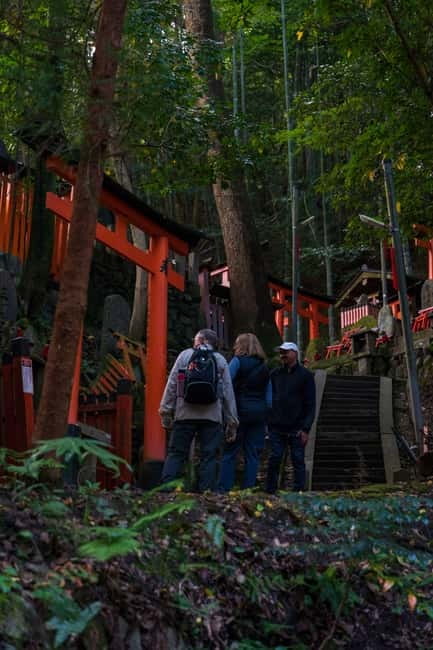
This tour fits best if you:
- want the biggest Kyoto icons in a short, efficient morning
- care about avoiding peak crowds and improving your photo chances
- like having historical and cultural context while you walk
- prefer small or private group pacing
- want an easy ending at a coffee stop, with local tips for what to do next
You might want to skip it if you:
- have mobility limitations or trouble with stairs (this tour is not suitable)
- hate walking and climbing, because you can expect 10,000 steps or more
- are hoping for long, slow shopping time, since early hours can mean some shops are not open
If you are doing Kyoto for the first time, this is a strong “set your bearings” morning. If you already know Kyoto well and want deeper neighborhoods, you might choose a longer, slower day trip instead.
Should you book: my take
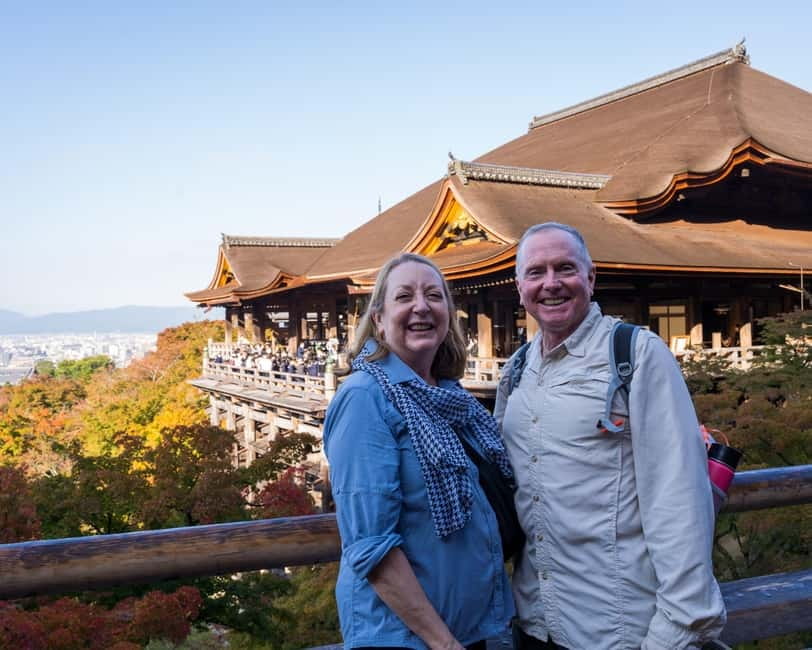
I would book this tour if your priority is early access, strong guide-led context, and an organized morning that covers Fushimi Inari, Kiyomizu-dera, and classic Higashiyama lanes. The included transport and entry fees make the morning simpler, and the guide reputation for pacing and photos is a big deal.
I would think twice if you are sensitive to stairs or do not handle walking well. This one is active, and that is part of what makes it work.
If you can handle the step count, you will likely come away with two memorable temple experiences and a smoother start to your Kyoto day than trying to do it all solo.
FAQ
How long is the tour?
The duration is 3 hours.
Where do I meet the guide?
Meet your guide in front of the entrance to JR Inari Station at the time indicated on your voucher. You will see a small mailbox and a public phone next to each other.
Are train and taxi fares included?
Yes. Train fares and taxi fares are included.
Are entrance fees included?
Yes. Entry fees are included.
Is food or drinks included?
No. Food and drinks are not included.
What should I wear or bring?
Wear comfortable shoes and comfortable clothes, since there are quite a few stairs and you will end up doing 10,000 or more steps.
Is the tour suitable for people with mobility impairments?
No. It is not suitable for people with mobility impairments.
Which Kyoto Temple Gets Your Morning


Newest Kyoto write-ups from the Loving Japan desk
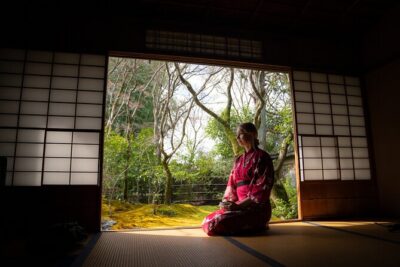
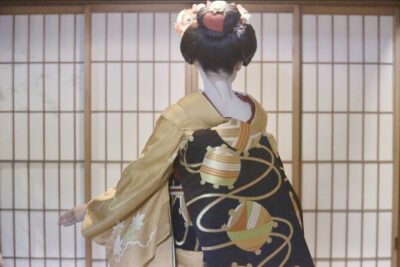
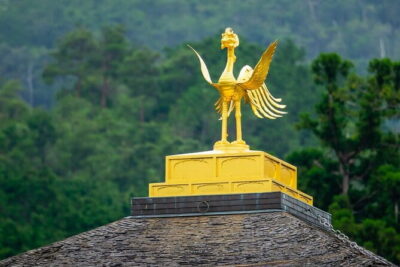

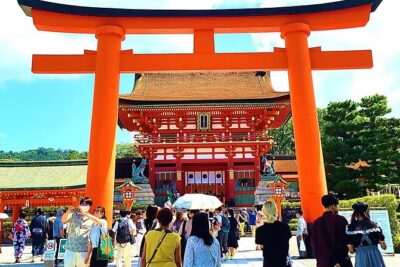
Fushimi Inari and the Temples of Kyoto, side by side.
 ★ 4.8Fushimi Inari, Kinkakuji, Bamboo Grove 1 Day Bus TourFrom $1224,316 reviews
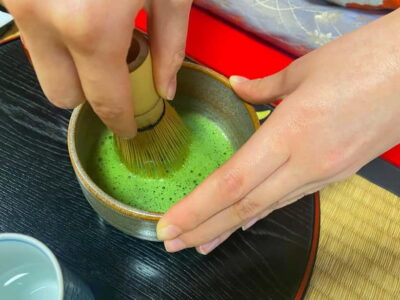 ★ 4.9Tea Ceremony in a Traditional Tea House in KiyomizuFrom $493,519 reviews
 ★ 4.7Kyoto/Osaka: Nara, Fushimi Inari Taisha, Arashiyama Bus TourFrom $521,275 reviews
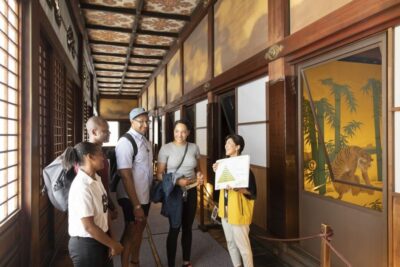 ★ 4.7Nijo-jo Castle and Ninomaru Palace Guided TourFrom $161,020 reviews
 ★ 4.4Osaka/Kyoto: Arashiyama, Nara & Fushimi Inari Shrine w/LunchFrom $61754 reviews
 ★ 4.7Nijo Castle, Kiyomizu & Fushimi Inari Guided TourFrom $54700 reviews
 ★ 5.0Nijo, Kinkaku-ji, Arashiyama, Kiyomizu & Fushimi InariFrom $51699 reviews
 ★ 4.7Imperial Palace & Nijo Castle Guided Walking TourFrom $49453 reviews
Filed on these lists too