
REVIEW · SHIBUYA, SHINJUKU AND HARAJUKU WALKS
Casual Japanese sake tasting and snack experience, Kabukicho
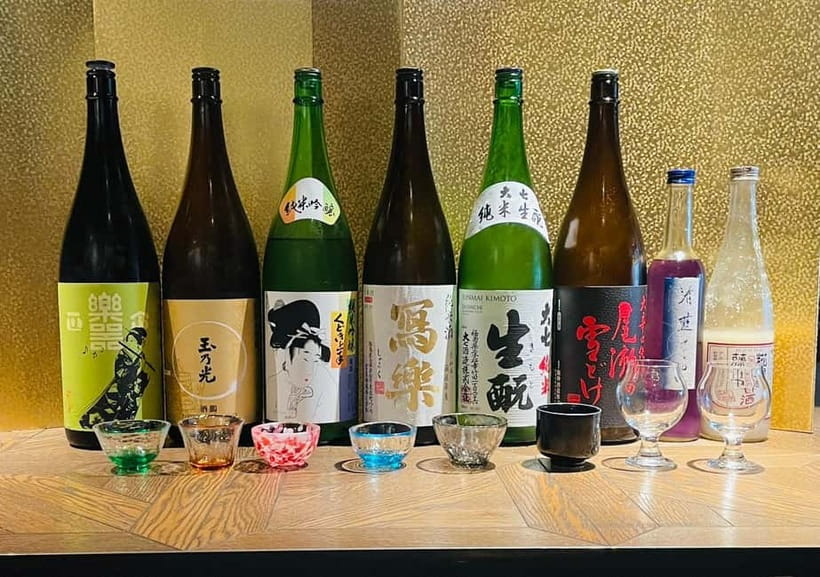
Eight pours, one easy lesson. In Kabukicho, this casual sake tasting lets you compare 8 carefully selected sake varieties in a relaxed setting, with explanations that don’t require a sommelier mindset. What I like is how the whole thing is designed to help you taste differences, not just drink.
I especially like the way the evening walks you through tasting from lower alcohol sake first and builds from there. You get traditional Japanese snack pairings along the way, then you finish with amazake as a sweet dessert. One possible drawback to plan for: the experience is not wheelchair accessible because there’s no elevator, and the tasting happens upstairs at the venue.
In This Review
- Key highlights to look forward to
- Finding Shinjuku Ale in Kabukicho: where you might hesitate
- Your sake flight in real life: how the tasting is taught
- Lower ABV first: why that order makes you a better taster
- Snacks that actually change the tasting: pairing in plain terms
- Cold, hot, and cocktail-like serving styles you may notice
- Amazake as dessert: the sweet finish that feels like a reward
- Price and value in Shinjuku: what you get for $38
- The guide experience: friendly explanations, plus real language support
- Where this shines, and where it doesn’t
- Quick tips so your night stays smooth
- Should you book this Kabukicho sake tasting?
- FAQ
- How many sake varieties are included?
- Is this a good experience for first-time sake drinkers?
- What happens during the tasting?
- Where is the meeting point?
- How large is the group?
- What languages are offered?
- Is this wheelchair accessible?
- Who is this not suitable for?
- What is included in the price?
Key highlights to look forward to
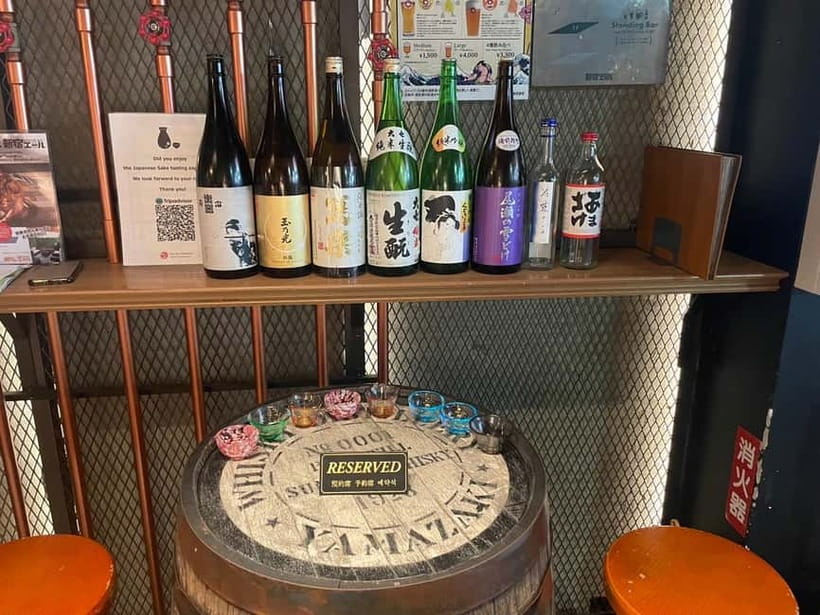
- A simple comparison of 8 sake types, so you can actually notice what changes
- Start around 15-16% alcohol, then move through higher and different styles
- Snack pairings that make the flavors easier to understand
- Beginner-friendly pace, even if you have never ordered sake before
- Small group of up to 6, which keeps questions from getting lost
- A staff that’s warm and responsive, including English support (and translator help if needed)
Other routes through the west side of Tokyo, compared
- Tokyo: Shinjuku Food Tour (13 Dishes at 4 Local Eateries)
★ 5.0 · 6,603 reviews - Tokyo Bar Hopping Tour in Shinjuku (All-You-Can-Drink + Dinner)
★ 5.0 · 3,587 reviews - Official Street Go-Kart in Shibuya
★ 5.0 · 3,435 reviews - Tokyo: Shinjuku Food Tour (15 Dishes and 4 Eateries)
★ 4.9 · 2,033 reviews
Finding Shinjuku Ale in Kabukicho: where you might hesitate
Kabukicho can feel like sensory overload. Neon, crowds, and a lot of people moving fast. That said, this tasting has a clear target, and you’ll be fine if you arrive a few minutes early.
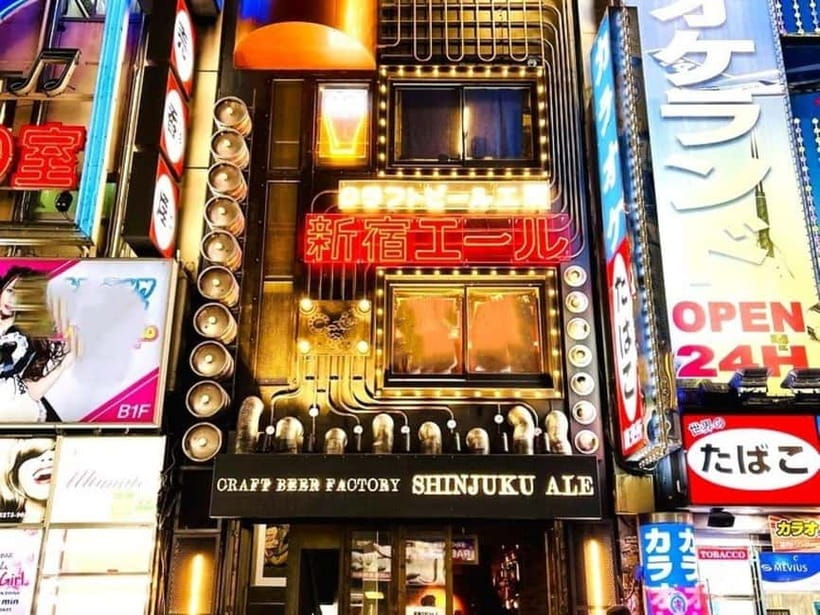
Your meeting spot is about a 5-minute walk from Shinjuku Station on the JR Yamanote Line. Walk along Kabukicho Central Road toward TOHO Cinemas, and look for Shinjuku Ale next to Karaoke 747 on your right. If you use navigation, the plus code is MPV2+VR Shinjuku City, Tokyo.
Why I think this matters: when you’re meeting inside an active nightlife area, the biggest problem is not the sake, it’s finding the door before you start guessing. Give yourself a buffer, and don’t be surprised if the signage is not the biggest thing on the street.
Your sake flight in real life: how the tasting is taught
This isn’t a lecture. It’s a guided tasting built around comparison. You start by learning some basics of Japanese sake, then the tasting format helps you notice differences step by step.
The core structure is simple:
- You taste 8 different types of drinks (all selected for the experience)
- You compare flavors using a progressive order
- You pair each pour with traditional Japanese snack bites
- You finish with amazake as a sweet dessert
For first-time sake drinkers, the benefit is psychological. You are not expected to immediately know what to look for. The tasting order and the pairing make it easier to connect cause and effect, like how certain snacks make the sake feel drier, sweeter, lighter, or more rounded.
Lower ABV first: why that order makes you a better taster
One of the best design choices here is the order. You begin with sake that has lower alcohol content, while the average alcohol content for many sakes sits around 15-16%. Some pours are lower, some higher, but the point is you are guided into stronger styles only after you’ve got your bearings.
Here’s why this helps you:
- Lower alcohol pours tend to feel less sharp, so your palate can focus on aroma and texture first.
- As you move to stronger sake, you’re more likely to notice how the flavor profile changes, not just the punch.
- You get a cleaner comparison across the lineup because your senses are not starting at full intensity.
If you like beer, wine, or whisky tastings, you’ll recognize the same idea: order matters. This one just does it in a way that feels casual, not intimidating.
Pour another. Breweries and tasting rooms nearby
- Ramen and Sushi Cooking Class with Sake Pairing Set in Tokyo★ 5.0 · 291 reviews
- Sake Tasting Masterclass in Shinjuku (8+ Varieties with a Pro)★ 5.0 · 271 reviews
- Sake Omakase in Tokyo: Guided Tasting by Certified Sommeliers★ 5.0 · 239 reviews
- Tasting All Types of Sake with Sommelier★ 5.0 · 151 reviews
- Wagyu & Sake Pairing in Shinjuku – Steak, Shabu-Shabu & More★ 5.0 · 112 reviews
Snacks that actually change the tasting: pairing in plain terms
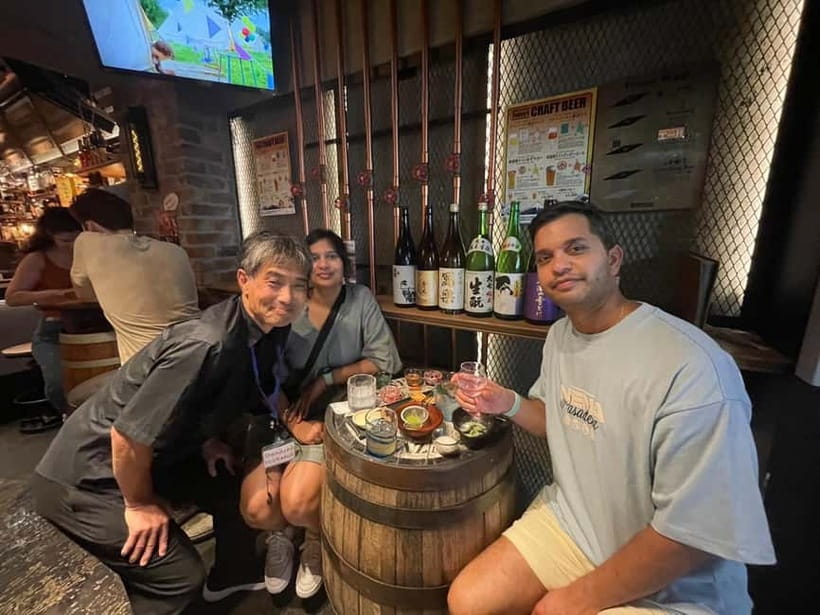
The tasting is paired with traditional Japanese snacks, and that’s not an afterthought. Snacks are part of how you learn what the sake is doing.
Sake can shift quickly on your tongue depending on what you just ate. A salty snack can make the sake taste crisper. Something savory can bring out rice-like sweetness. Even when you can’t name a flavor perfectly, you can tell when the pairing helps.
You’ll also appreciate this format if you’re worried about learning too much too fast. Snack bites let you reset between pours, so you keep your attention. Plus, it makes the whole evening feel like food and drink, not just alcohol consumption in a row.
Cold, hot, and cocktail-like serving styles you may notice
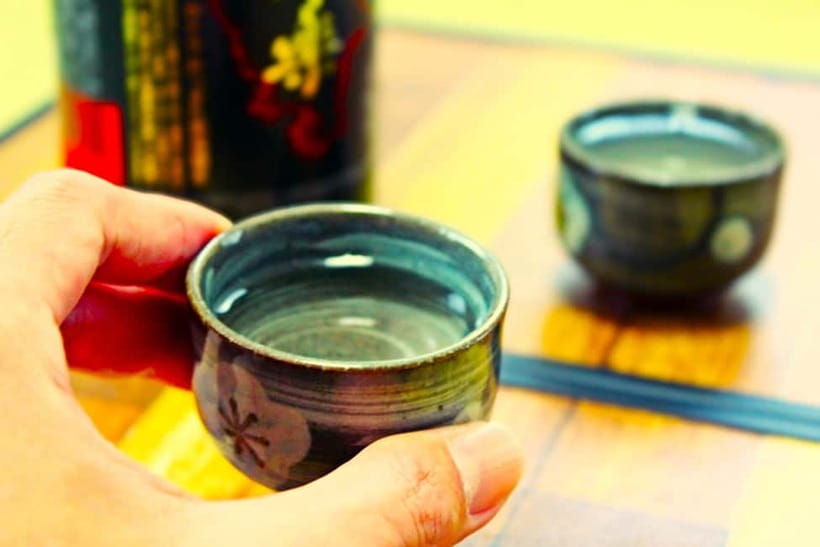
Some tasting sessions keep everything at one temperature. This one keeps it varied. In the feedback, people describe tasting cold, hot, and even something in a cocktail-like style.
Why that matters for you: temperature is flavor. Cold sake can feel cleaner and more crisp, while warm pours often taste softer and rounder. If you’ve never had sake served warm, this is a friendly way to learn that the same drink can feel totally different depending on serving style.
Also, variety helps beginners. If one style doesn’t match your taste, another might click, and you’re still part of the same guided comparison.
Amazake as dessert: the sweet finish that feels like a reward
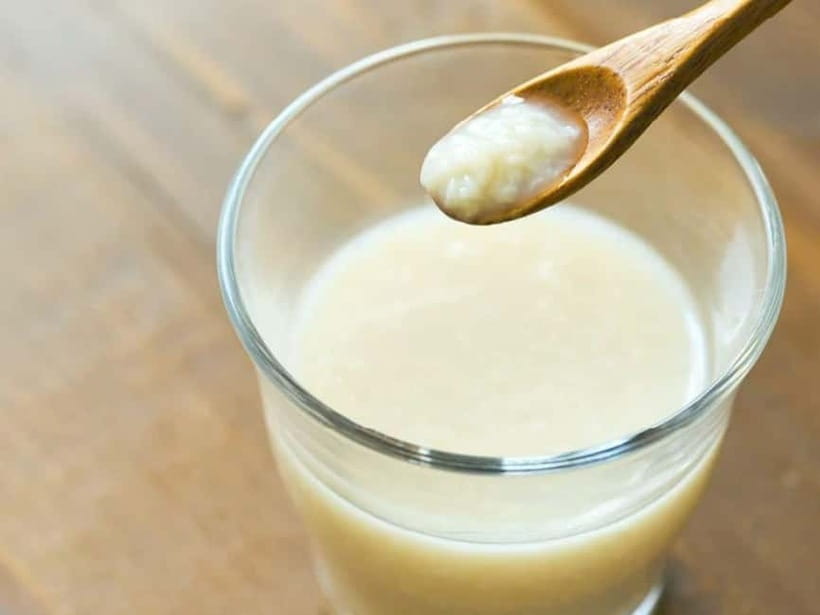
The last step is amazake, described as a sweet fermented rice malt drink that you enjoy as dessert. Amazake is a smart ending because it contrasts the tasting you’ve done before.
After a flight of sake, amazake does two useful things:
- It cools down the palate emotionally and physically, so you don’t leave feeling only alcohol.
- It gives you a clear sweet baseline, so you can notice sweetness levels when you think back on the pours.
It’s also just a nice reminder that sake culture includes more than just standard sipping alcohol.
Price and value in Shinjuku: what you get for $38
At $38 per person, the price is doing most of its work by including all fees and taxes. What’s not included is also clearly stated: additional meals and drinks, transportation to the meeting place, and no hotel pickup or drop-off.
So is it worth it? For me, the value comes from three things you can’t easily replicate on your own in one evening:
- Eight selected varieties you compare side by side
- Snack pairings that shape what you taste, not just what you drink
- A small-group format, limited to 6 participants, which makes questions actually manageable
If you try to build this yourself in Shinjuku, you’d spend time moving around, guessing labels, and paying multiple small charges. Here, the session is packaged for learning, with a pace that keeps things simple.
One more practical note: if you plan to eat a big dinner before you go, you might want to keep it light. The snacks are part of the design.
The guide experience: friendly explanations, plus real language support
The instructor team supports English and Japanese. That matters because sake tasting includes nuance, and nuance matters.
In the information provided, there’s also a helpful reality check: some staff may not be strong in English, so a translator machine might be used. From the feedback, the vibe is welcoming and communicative. One named guide mentioned in reviews is Mai, described as friendly and welcoming.
What you should expect from that kind of setup:
- You can ask basic questions without feeling lost
- You’ll get simple, progressive explanations
- If a wording issue comes up, support is built in rather than leaving you hanging
Where this shines, and where it doesn’t
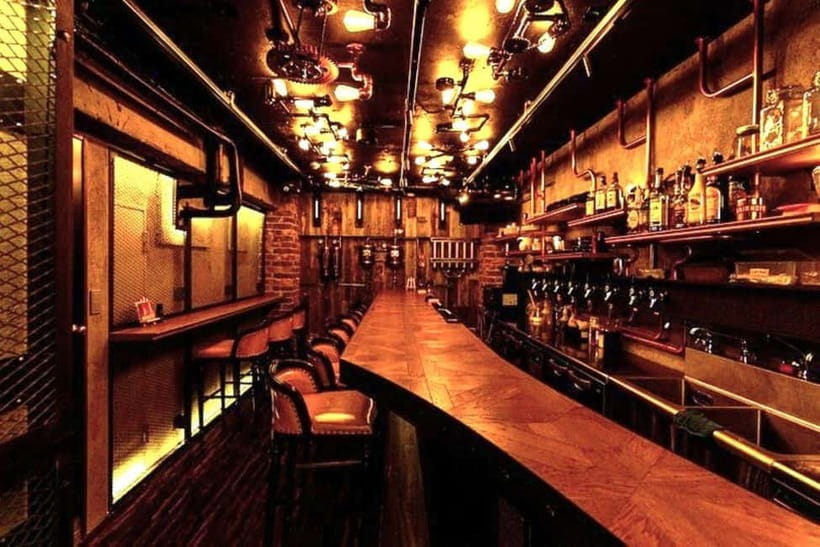
This tasting is a great fit if you:
- Want a casual introduction to Japanese sake
- Like guided comparisons and pairings
- Are staying near Shinjuku or spending time in Kabukicho anyway
- Prefer small groups with room to talk
It’s not suitable if you:
- Are pregnant (listed)
- Are under 20 (listed)
- Need wheelchair access, since there is no elevator
Also, it’s a tasting experience, so if your goal is a full meal or lots of extra drinks beyond what’s included, you’ll likely want to budget for that separately.
Quick tips so your night stays smooth
Kabukicho is easy to reach, but it can be tricky to navigate when you’re hungry, tired, or arriving at peak time. A few practical moves will make this feel effortless:
- Arrive with enough time to spot Shinjuku Ale next to Karaoke 747.
- Wear comfortable shoes. You’ll likely be on the move, and the experience is not designed for elevator access.
- Go in with an open mind about serving styles. Cold versus warm can surprise you.
- If you know you have a low tolerance for alcohol, tell yourself the plan first: you’ll start with lower alcohol sake, so pace matters.
And if you are worried about being a first-timer, don’t overthink it. The whole structure is designed so you can learn without faking expertise.
Should you book this Kabukicho sake tasting?
If you want an easy, guided way to learn Japanese sake in Shinjuku/Kabukicho, I’d book it. The strongest reason is the comparison format: 8 types, guided order starting around lower ABV, paired snacks, and a sweet ending with amazake. For $38, that combination is hard to recreate on your own without spending more time and money.
I’d skip it only if stairs or mobility access is a concern, if you’re under 20, or if you’re looking for a long sit-down meal rather than a structured tasting.
If you’re in Japan and you want a real culture experience that’s not stuffy, this one hits a sweet spot. It’s small-group, food-assisted, and made for learning fast.
FAQ
How many sake varieties are included?
You’ll taste 8 carefully selected varieties of sake and related drinks as part of the experience.
Is this a good experience for first-time sake drinkers?
Yes. The experience is designed to be enjoyable even if it’s your first time drinking sake, with a simple, progressive tasting flow.
What happens during the tasting?
You start with lower alcohol sake, then continue through the set of drinks paired with traditional Japanese snacks. The experience ends with amazake as a dessert.
Where is the meeting point?
Meet about 5 minutes on foot from Shinjuku Station on the JR Yamanote Line. Walk along Kabukicho Central Road toward TOHO Cinemas. Look for Shinjuku Ale next to Karaoke 747 on your right. Plus code: MPV2+VR Shinjuku City, Tokyo.
How large is the group?
It’s a small group limited to 6 participants.
What languages are offered?
The instructor supports English and Japanese. If needed, a translator machine may be used because some staff may not be fluent in English.
Is this wheelchair accessible?
No. It is not wheelchair accessible because there is no elevator.
Who is this not suitable for?
It is not suitable for pregnant women and people under 20.
What is included in the price?
The price includes all fees and taxes. Not included are additional meals and drinks, transportation to the meeting place, and hotel pickup and drop-off.
Cups, Cellars and Tasting Rooms

West Tokyo on Foot: Seven More


Newest Tokyo write-ups from the Loving Japan desk


Shibuya, Shinjuku and Harajuku Walks, side by side.
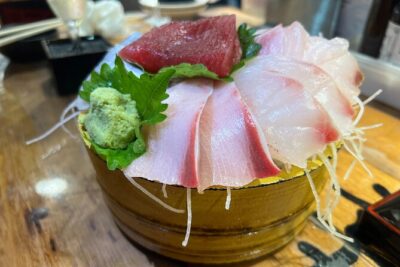 ★ 5.0Shinjuku Food Tour (13 Dishes at 4 Local Eateries)From $866,603 reviews
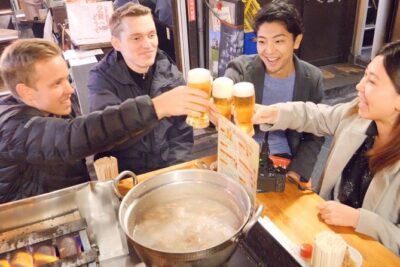 ★ 5.0Tokyo Bar Hopping Tour in Shinjuku (All-You-Can-Drink + Dinner)From $1063,587 reviews
 ★ 5.0Official Street Go-Kart in ShibuyaFrom $763,435 reviews
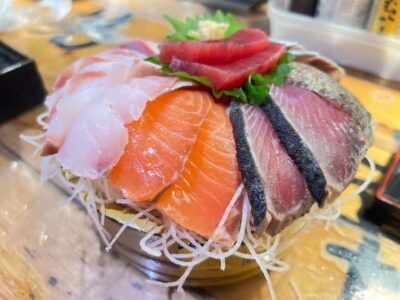 ★ 4.9Shinjuku Food Tour (15 Dishes and 4 Eateries)From $852,033 reviews
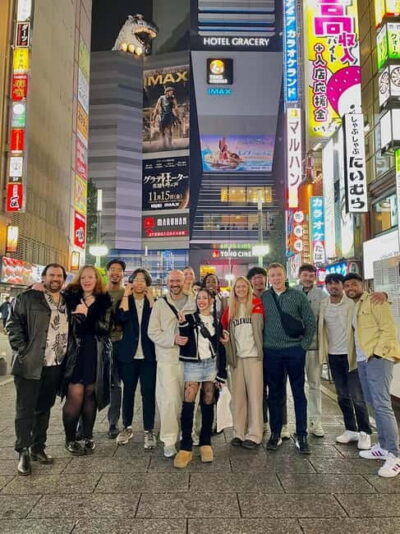 ★ 4.9Shinjuku Local Bar and Izakaya Guided Walking TourFrom $341,794 reviews
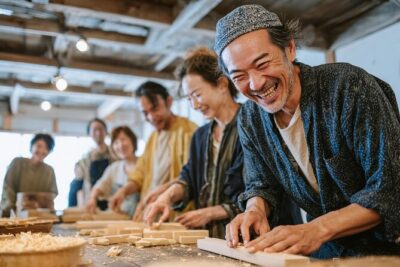 ★ 5.0Tokyo Shinjuku Chopsticks Making ClassFrom $201,763 reviews
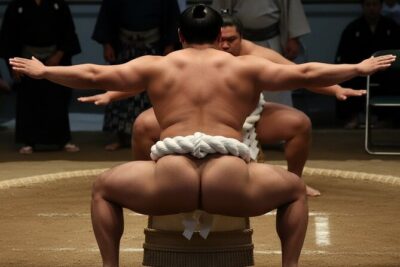 ★ 5.0Tokyo Shinjuku Sumo Show & Experience with PhotoFrom $791,750 reviews
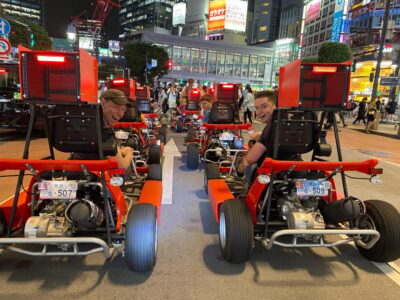 ★ 4.9Street Kart Experience in ShibuyaFrom $741,484 reviews