
REVIEW · GION, GEISHA AND MAIKO EXPERIENCES
Cycle Kyoto’s Hidden Gems & Gion Stroll
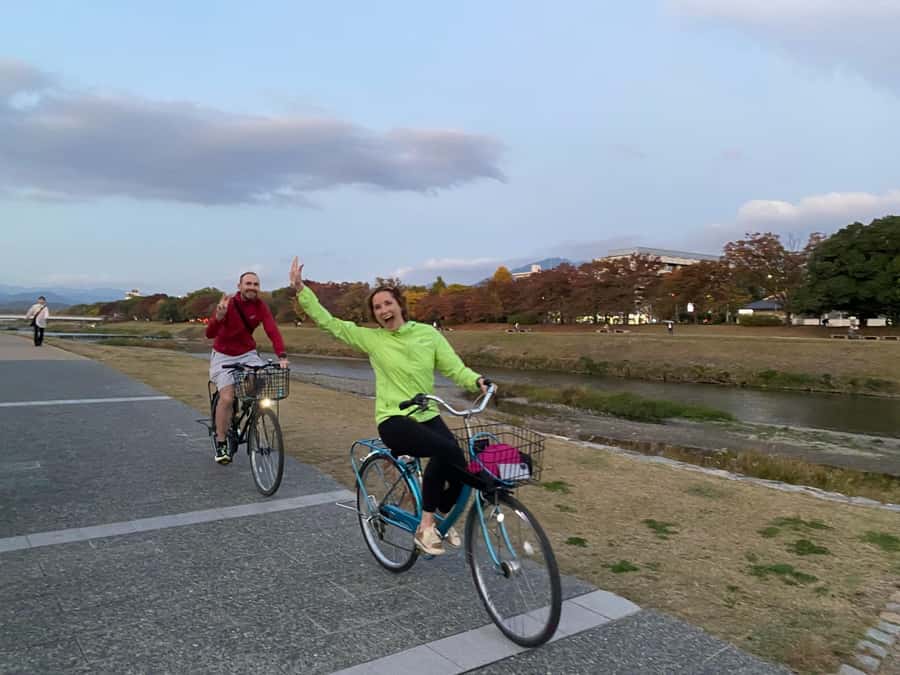
Kyoto feels faster on two wheels. This half-day style bike tour blends a riverside ride with stops that most people rush through on foot, including Shimo-gamo Shrine and the big-name sights. You get fresh air, easy pacing, and a guide who helps you notice what matters.
I also love that the second half turns into a calm street stroll in Gion, where you learn how the Geisha culture works while you walk the most photogenic lanes. One drawback: this is not for kids under 9, and you need to feel comfortable riding a bike in city settings.
In This Review
- Key points at a glance
- Why this Kyoto bike and Gion combo makes sense
- Where you start: Sanjo Ohashi and finding your bearings fast
- The bike portion: riverside calm, spring water, then major sights
- First stretch by the river
- A hidden shrine stop with spring water
- Imperial Palace and a Zen temple stop
- Quiet lanes between famous places: campuses and residential streets
- Shimo-gamo Shrine UNESCO forest: the stop that slows everything down
- The river junction and the lighted-up return ride
- After the bikes: Gion or Pontocho with Geisha culture explained
- Flower Town streets and Geisha context
- Street views that reward slow walking
- Restaurant and bar recommendations based on your requests
- Pace, weather, and families: who this tour is truly for
- Price and value: what $73 includes and why it feels fair
- Rain or shine plan: how you keep the day going
- What to bring and what to leave behind
- Should you book this Kyoto bike tour and Gion stroll?
- FAQ
- FAQ
- How long is the tour?
- Where do we meet, and where does the tour end?
- Is the tour in English?
- Is the tour really rain or shine?
- What’s included in the $73 price?
- Is an electric bike available?
- Who should not book this tour?
Key points at a glance
- Riverside-first route that cools you down and keeps the experience feeling light
- Imperial Palace and a Zen temple stop with context so it makes sense, not just photos
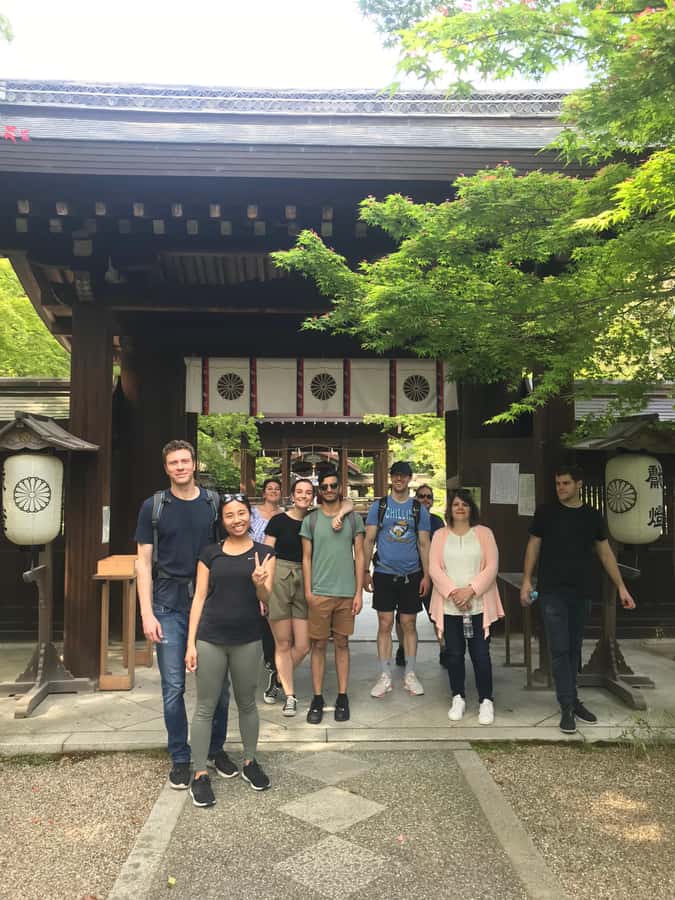
- Shimo-gamo Shrine UNESCO visit in a primitive forest setting with beautiful buildings
- A Gion or Pontocho stroll focused on Geisha culture, Flower Town areas, and street views
- Rain or shine planning, with alternate shrine and temple options included in your tour time
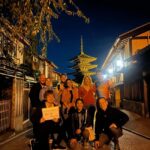
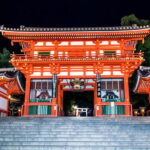
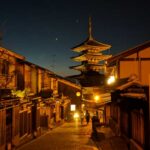
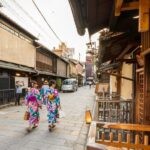
Evening walks through the old quarters, compared
- Kyoto Geisha Walking Tour: Gion District & Hidden Gems
★ 4.7 · 3,273 reviews - Kyoto: Gion Magical Night Walking Tour with Geisha Trivia
★ 4.9 · 2,393 reviews - Kyoto: Gion Geisha District Walking Tour – Stories of Geisha
★ 4.7 · 2,187 reviews - Best of Kyoto: Gion, Geisha, Pagodas & Cobblestones
★ 4.9 · 2,058 reviews
Why this Kyoto bike and Gion combo makes sense
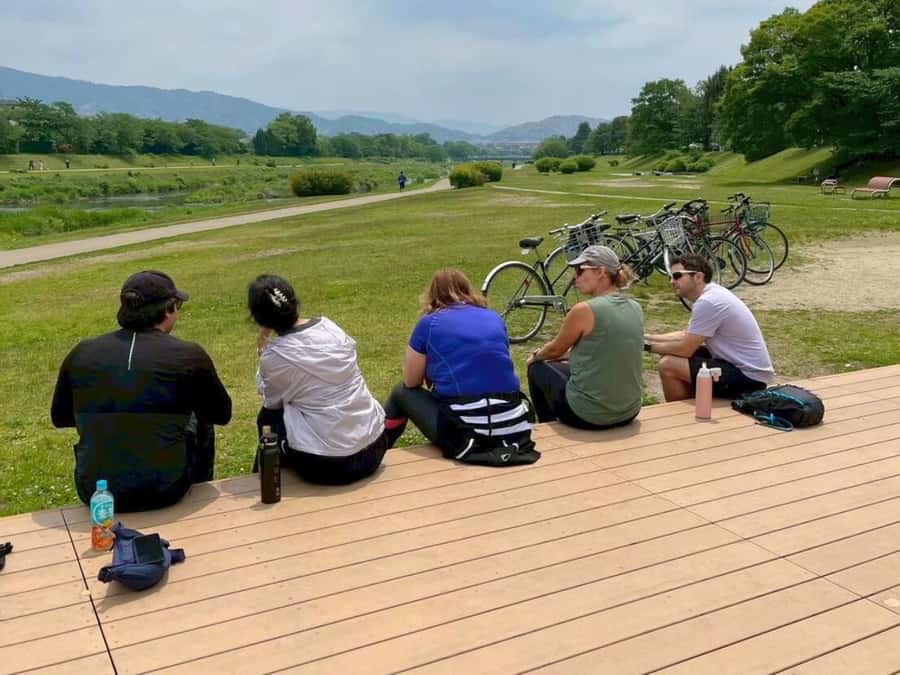
Kyoto can be a lot on your feet. With this tour, I like that you do the main work by bike first, then finish with an unhurried walk when your legs finally ask for a break. The format is simple: about 3.5 hours cycling, plus around 30 minutes strolling through the entertainment district.
That split matters. The bike section lets you cover distance without burning time on crowded sidewalks. Then the walk section slows down enough for the details, like the lanes in Gion or Pontocho and the cultural notes your guide shares as you pass the Flower Town areas.
You’ll also feel supported. Guides mentioned in English for this tour include Mr. Go, Benjamin, Ko, and Claire, and the common thread is patience, especially with families. If you’re traveling with kids around 9 or 10, this kind of pacing and clear guidance can make a big difference.
Where you start: Sanjo Ohashi and finding your bearings fast
You meet at the Kneeling man statue at the southeast corner of the Sanjo Ohashi intersection. It’s right by Sanjo Ohashi Bridge, so you’re not trying to guess your way through Kyoto’s back streets before the tour even starts.
Practical tip from the meeting-point directions: if you’re coming by subway, it’s often quicker to exit to the surface first, then look for the statue by the intersection. Once you’re there, you’ll be ready to roll with your rental bike.
This start location is useful because it sets you up for the next step, a peaceful riverside road. You get that calming “let’s go” feeling instead of immediate traffic stress.
The bike portion: riverside calm, spring water, then major sights
Cover Kyoto on two wheels instead
- Hidden Kyoto E-Biking tour★ 5.0 · 1,843 reviews
- Arashiyama Bamboo Forest & Hidden Gems Bike Tour (Early Bird)★ 5.0 · 613 reviews
- 5 Top Highlights of Kyoto Full Day Bike Tour (E-bike option)★ 5.0 · 511 reviews
- Full Day Biking Tour Exploring the Best of Kyoto★ 5.0 · 498 reviews
- E-Bike Tours of the highlights of Kyoto!!!★ 5.0 · 291 reviews
First stretch by the river
The tour begins with a peaceful riverside road. That early calm sets expectations. You’re not bouncing between busy intersections all morning. You’re learning the route rhythm while you get the best part of cycling in Kyoto, open sky and river air.
A hidden shrine stop with spring water
Soon after, you stop at a small, tucked-away shrine and try pure natural spring water. This is one of those moments that doesn’t sound dramatic until you experience it. It’s quiet, local, and refreshingly non-touristy.
Also, it’s a smart rhythm builder. You settle in, take a breath, and you’re ready when the big sites show up later.
Imperial Palace and a Zen temple stop
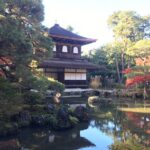
Next comes two headline stops: the Imperial Palace and a famous Zen temple. Even if you’ve seen photos online, seeing them in person matters because you can take in the scale and the layout.
What I think makes these stops work on a bike tour is timing. You’re not arriving with a drained, sunburned body after hours of walking. Your bike time helps you show up with energy, then you get the calm time on foot to take in the details.
The guide will point out what to look for, so you’re not just standing there pressing the camera shutter. You’ll get cultural context that helps the places feel meaningful, not like checkboxes.
Quiet lanes between famous places: campuses and residential streets
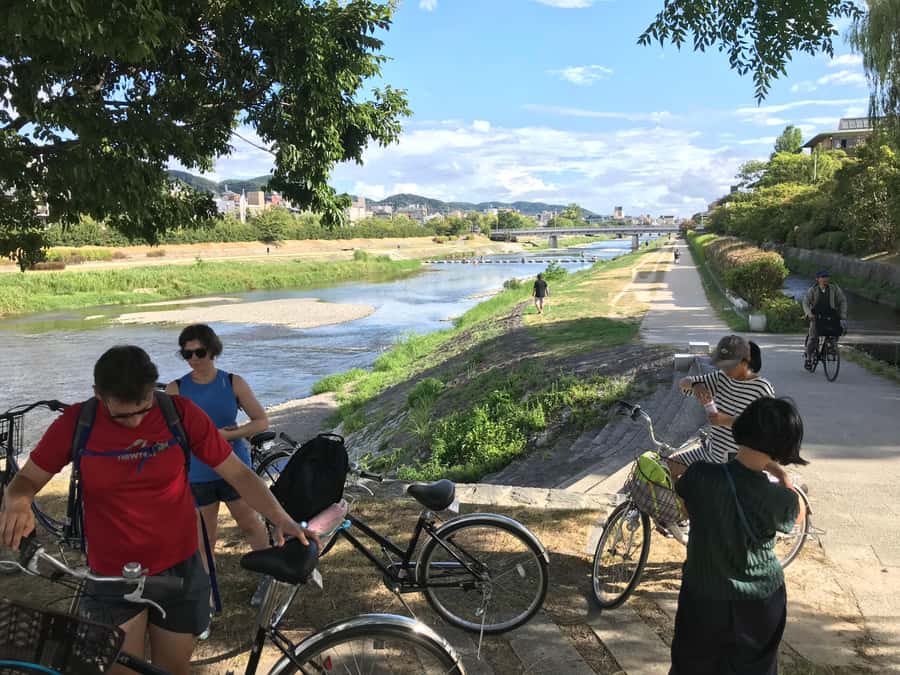
After the big sights, the route shifts into something you rarely plan on your own. You cycle through university campuses and then peaceful residential areas.
That part is quietly valuable. Kyoto has well-known corridors where everyone goes. But it also has daily life right beside the famous stuff. Riding through neighborhoods changes your perspective because you see how the city actually functions between temples and tourist streets.
This is also where cycling earns its keep. It’s easier to move at a steady pace along these lanes than to stop and start on foot.
If you’re worried about crowding, this section is often where the tour feels most comfortable. The route has room to breathe.
Shimo-gamo Shrine UNESCO forest: the stop that slows everything down
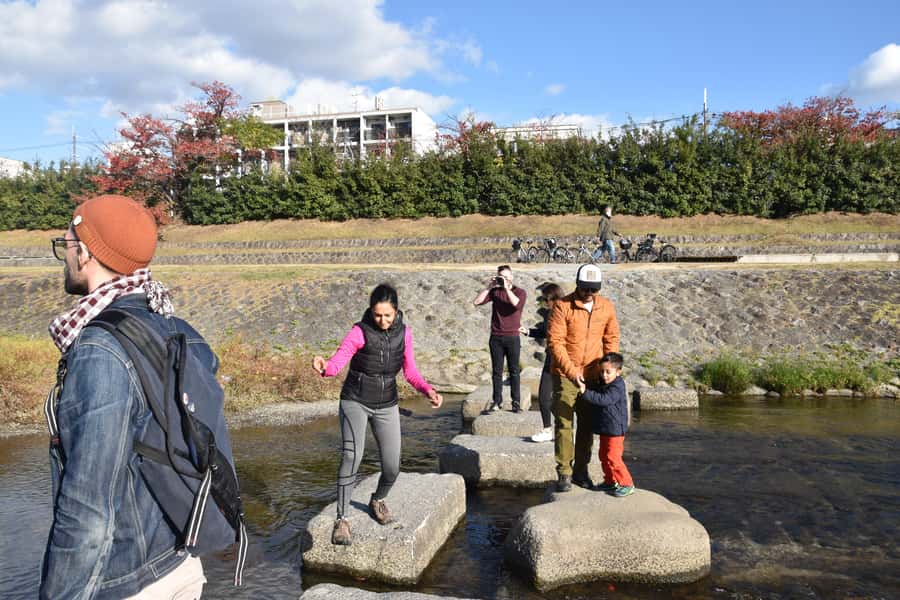
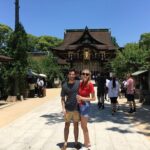
Then you reach Shimo-gamo Shrine, a UNESCO World Heritage site. What stands out from the way the stop is described is the primitive forest feel and the beautiful buildings.
This is not just a photo stop. It’s the kind of place that rewards quiet attention. When you’re on a bike tour, you arrive with momentum, but the moment you dismount, the atmosphere shifts. The trees, paths, and temple buildings start pulling your attention inward.
If you’re the type who enjoys slower temple moments, this is the part you’ll probably remember most. It’s peaceful in a way that bigger, more central sites can be harder to replicate.
The river junction and the lighted-up return ride
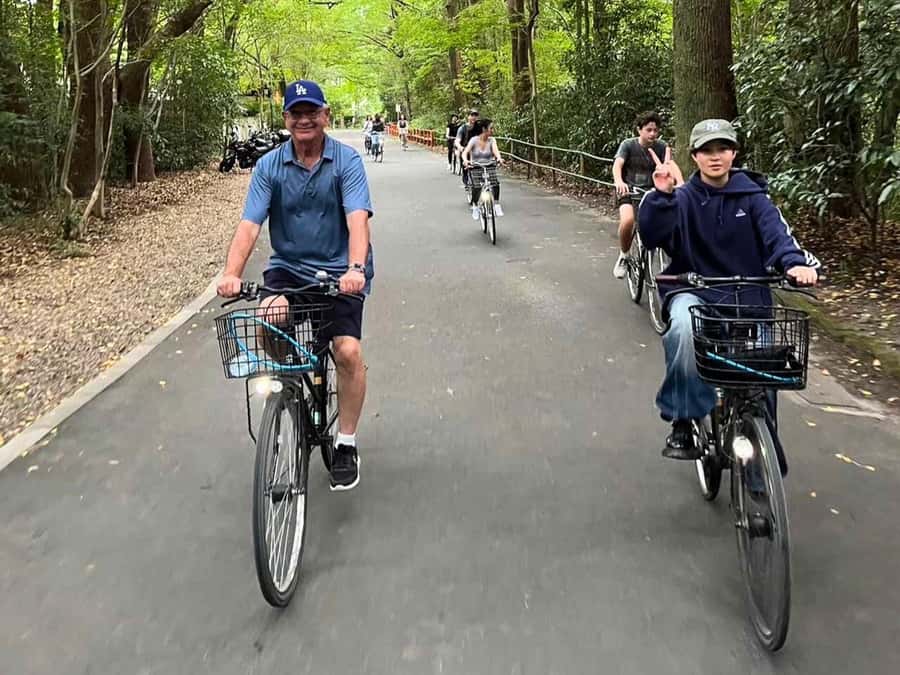
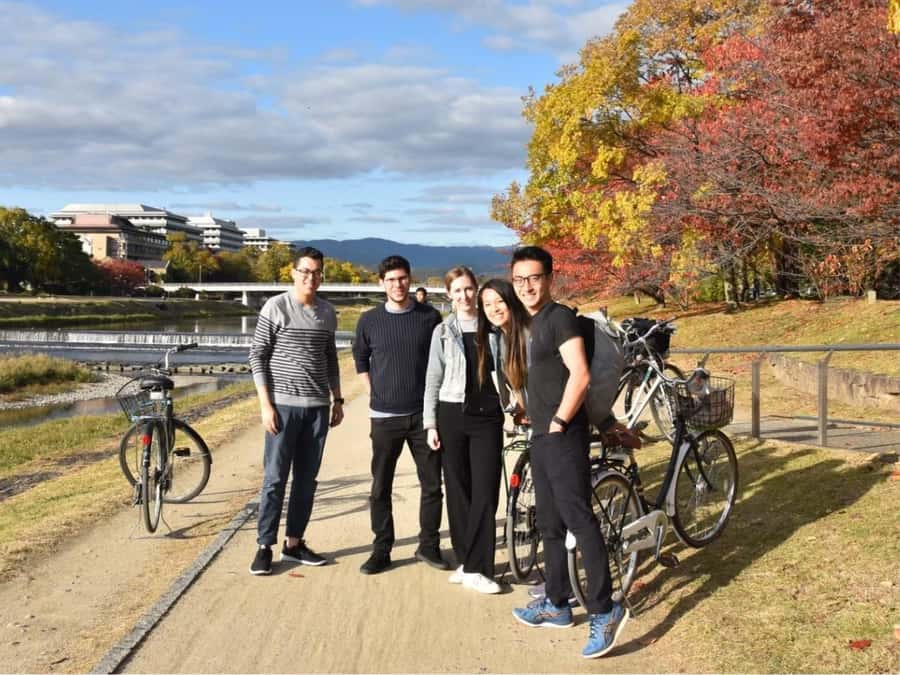
After Shimo-gamo, you head toward a unique river junction point. Then you follow a scenic, refreshing riverside back that includes lighted-up riverside views during the return.
Even if you don’t care about nightlife, there’s something special about cycling along a river when the light changes. It feels cooler, calmer, and it gives the tour a natural finish that doesn’t end with you sweaty and exhausted.
Practically, the return ride also helps you recharge. You’ve had stops, walking bits, and guided time, and then the bike gets you moving again without demanding you constantly look for your next turn.
After the bikes: Gion or Pontocho with Geisha culture explained
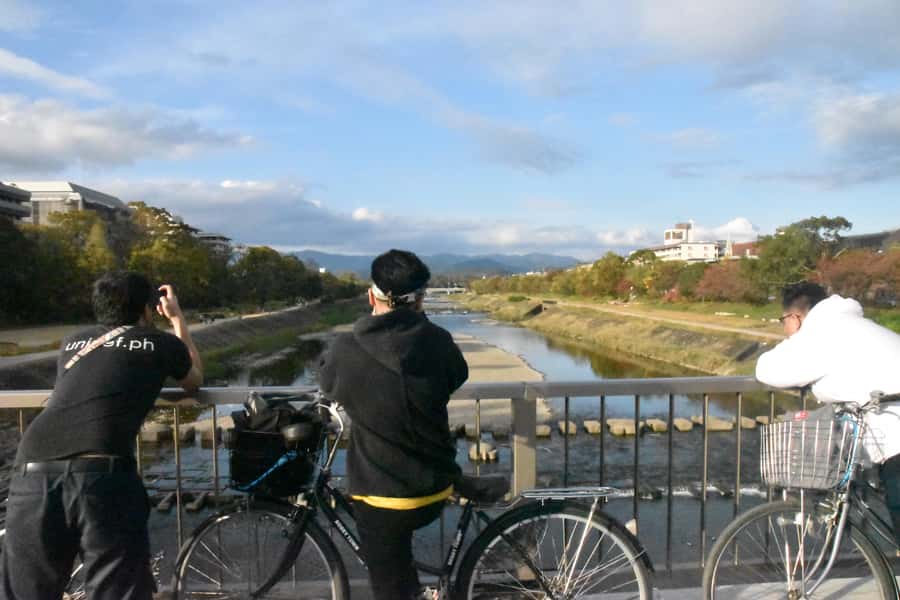
Once you return the bikes, you switch to a leisurely stroll through Gion or Pontocho. This is where the tour turns from moving to noticing.
Flower Town streets and Geisha context
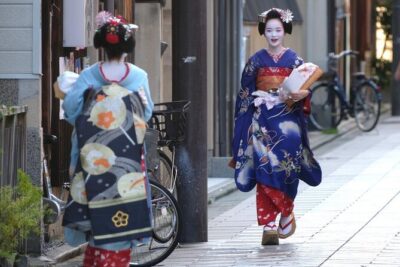
You’ll visit main areas called Flower Towns, places associated with Geisha. Your guide explains the unique culture and system of Geisha, which helps you understand what you’re seeing on the street.
The tour keeps expectations realistic. If you’re lucky, you may spot a Geisha. If you don’t, you still get useful context. Either way, you’ll understand why the streets look the way they do and what to watch for.
Street views that reward slow walking
The streets are described as amazingly photogenic, and that matches how these districts feel when you slow down. You can look up at details. You can pause for a photo without worrying you’ll fall behind on a bike.
This walk portion also tends to feel sociable. Your guide can tailor restaurant ideas based on what you want.
Restaurant and bar recommendations based on your requests
During the walking part, the guide introduces good restaurants and bars that match your preferences. In the names and feedback around the tour, this kind of personalized food guidance keeps showing up. It’s one of the best ways to turn a half-day tour into real, practical benefit for the rest of your trip.
Pace, weather, and families: who this tour is truly for
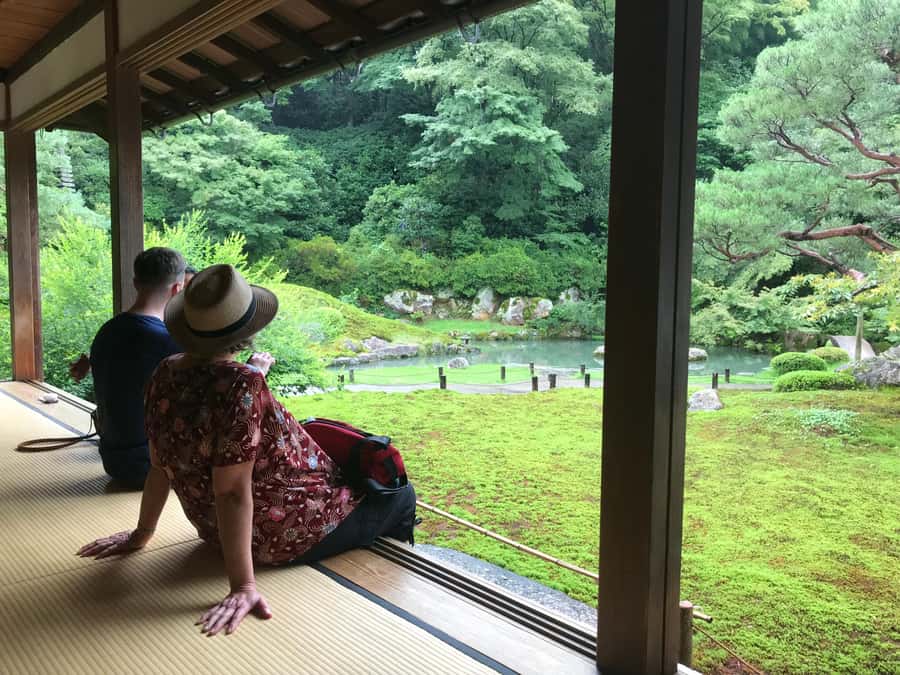
This is designed as a family-friendly experience, but with clear boundaries. It is not suitable for children under 9, and you must be able to ride a bike.
I like that the tour is honest about this. Cycling is part of the core experience, so it’s not a tour that you can fake with sightseeing only.
Rain or shine is built into the plan. That matters in Kyoto because weather can shift fast. You can still go, and you’ll get temple or shrine options as an alternate plan in rainy conditions. Entrance fees for those temple or shrine alternatives are included.
Also, the pace is often described as well judged, including for families. One of the most repeated points in the tour’s feedback is how guides are kind and patient, especially with kids who are still learning how to handle longer outings.
Price and value: what $73 includes and why it feels fair
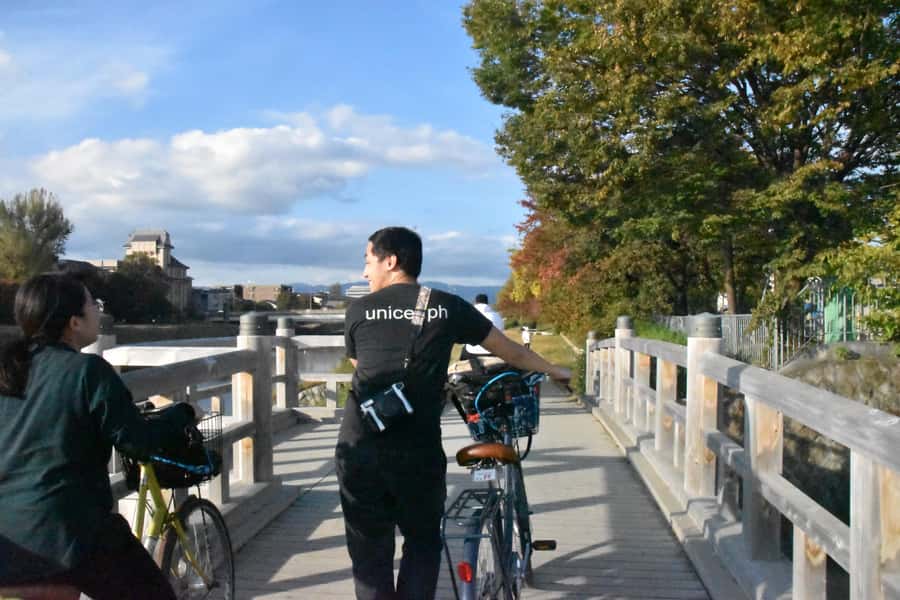
At $73 per person, this tour sits in the mid-range for a Kyoto guided experience. What makes it feel like value is that you’re not paying just for someone to point at famous buildings.
You get:
- Rental bike
- Japanese sweet snacks at a traditional snack shop
- Japanese tea at that snack shop
- Entrance fees of temples or shrines you visit as an alternate plan if it rains
So even if you treat the bike time as the main event, the snack shop stops add a real local touch. Tea and sweets here aren’t random freebies. They’re part of the tour’s rhythm, and they give you an easy break before the next segment.
There is an optional extra: if you request an electric bike, there’s an extra 1,000 yen you pay on the spot. That’s helpful if someone in your group wants less effort but still wants the same route style.
Rain or shine plan: how you keep the day going
Because the tour runs in rain or shine, you won’t be stuck staring at a canceled plan. If weather moves in, the tour can swap to an alternative temple or shrine. Entrance fees for the alternative stops are included.
This is the kind of detail that saves your trip. Kyoto trips often hinge on weather, and it’s frustrating when only part of the day goes on. Here, the structure stays intact, and you still get the cultural and scenic mix.
What to bring and what to leave behind
Bring items that make bike riding and walking easier:
- Comfortable shoes
- Camera
- Water
- Weather-appropriate clothing
And for restrictions, plan light:
- No pets
- No smoking
- No luggage or large bags
These rules are reasonable for a cycling tour. If you’re used to packing a small suitcase, keep that energy for your hotel. On tour day, travel light makes your ride smoother and your stops easier.
Should you book this Kyoto bike tour and Gion stroll?
If you want Kyoto without spending the whole day standing in lines or stuck in a slow shuffle, I think this is a strong pick. The combination of riverside cycling, meaningful stops like Imperial Palace and Shimo-gamo Shrine, plus a guided walk through Gion or Pontocho is a smart way to get a full-feeling morning or afternoon.
Book it if:
- you can ride a bike and you want a practical route through Kyoto
- you want the culture context, not just landmarks
- you’re traveling as a family with kids 9 and up
- you like the idea of tea and a snack break at a traditional stop
Skip it if:
- your group includes anyone who cannot bike comfortably
- you’re expecting a purely walking-based tour
- you have little time for a bike and stroll mix, since the bike portion is the engine of the experience
FAQ
FAQ
How long is the tour?
It includes about a 3.5-hour bike ride and a 30-minute town walk.
Where do we meet, and where does the tour end?
You meet at the Kneeling man statue at the southeast corner of Sanjo Ohashi intersection. The tour ends back at the meeting point.
Is the tour in English?
Yes, the tour is listed in English.
Is the tour really rain or shine?
Yes, it runs rain or shine, and there is an alternate plan using temple or shrine visits if it rains.
What’s included in the $73 price?
Included are the rental bike, Japanese sweet snacks and Japanese tea at a traditional snack shop, plus any entrance fee for temples or shrines used as an alternate plan in the rain.
Is an electric bike available?
Yes. If you request an electric bike, there is an extra 1,000 yen you pay on the spot.
Who should not book this tour?
It’s not suitable for children under 9, and it’s not suitable for people who can’t ride a bike. Pets, smoking, and luggage or large bags are not allowed.
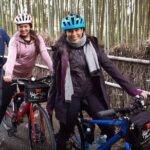
Bicycles and E-Bikes We Have Ridden
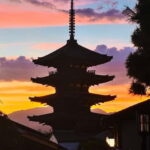
Evenings in the Old Quarters
Newest Kyoto write-ups from the Loving Japan desk

Gion, Geisha and Maiko Experiences, side by side.
 ★ 4.7Kyoto Geisha Walking Tour: Gion District & Hidden GemsFrom $253,273 reviews
 ★ 4.9Gion Magical Night Walking Tour with Geisha TriviaFrom $242,393 reviews
 ★ 4.7Gion Geisha District Walking Tour – Stories of GeishaFrom $202,187 reviews
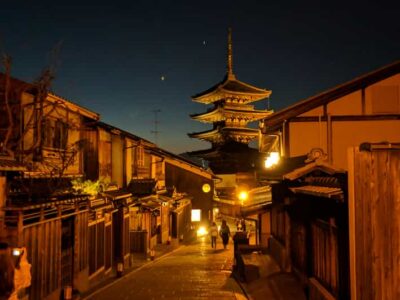 ★ 4.9Best of Kyoto: Gion, Geisha, Pagodas & CobblestonesFrom $242,058 reviews
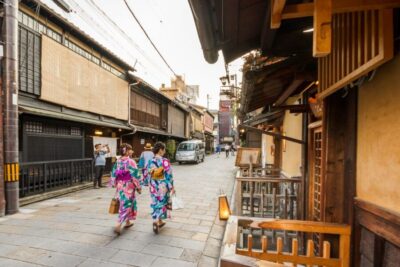 ★ 4.5Night Walk in Gion: Kyoto’s Geisha DistrictFrom $212,003 reviews
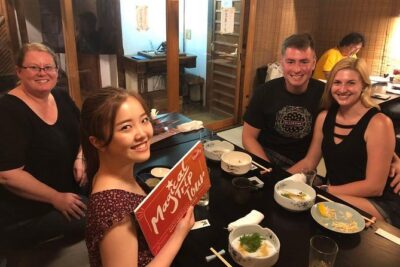 ★ 5.0Kyoto Night Foodie Tour in Gion (9+ dishes + 6 Sake tastings)From $1631,762 reviews
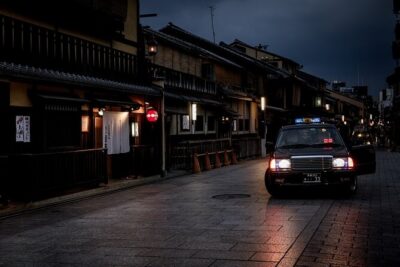 ★ 5.0Kyoto Gion Geisha District Walking Tour – The Stories of GeishaFrom $251,441 reviews
 ★ 5.0Kyoto Gion: 2-Hour Geisha Culture & History Walking TourFrom $231,186 reviews
Filed on these lists too