
REVIEW · ASAKUSA, SENSO-JI AND TOKYO SKYTREE
Experience Old local Tokyo & traditional food in Yanaka Ginza
Yanaka feels like Tokyo’s secret hallway. This private tour trades big-bus stops for small alley time, with a guide steering you toward cat stamps and everyday neighborhood bites. I really liked the cat-themed stamp making at Shinimonogurui, and the feeling that you get to snack and shop without rushing.
You also get the kind of Tokyo moments that usually slip by between attractions, from the Yuyake Dandan viewpoint stairs to Nezu Shrine’s long tunnel of red torii gates. My other big like is how the day mixes quick street tastes with an izakaya stop for Japanese beer and sake. One thing to plan for: some places do not take credit cards, so bring cash.
In This Review
- Key Highlights You Will Actually Care About
- Why Yanaka Ginza Feels Like Real Tokyo on Foot
- Private Tour Setup, Walking Pace, and the 12:30 Start
- Yuyake Dandan Stairs, Gotenzaka Connections, and a Sunset Look
- Cat Stamps at Shinimonogurui, and What to Do on Thu and Fri
- Yanaka Shippoya, Donut Stick Cat-Tail Snacks, and Tea-Ceremony Shopping
- Menchi-Katsu at Niku no Suzuki, Chestnut Sweets at Waguriya
- Echigoya Honten Izakaya Stop: Beer, Sake, and Kadouchi
- Hand Puppets Shokichi, Snake Road Alleys, and Slow Turns
- Nezu Shrine Torii Tunnel: Red Gates and a “Power Spot” Feel
- Shitamachi Museum Annex and Kayaba Coffee in a 1910 Liquor Shop Building
- Yanaka Cemetery: Famous Graves, Ordinary Lives, and Respectful Silence
- Price and Budget Reality: The $86.71 Fee Plus On-The-Ground Costs
- Who This Tour Suits Best (And Who Might Want Something Else)
- Should You Book This Yanaka Ginza Food and Culture Tour?
Key Highlights You Will Actually Care About
- Private pace and a guide who walks with you through Yanaka, not just at you from a bus window
- Cat stamps plus cat-tail snacks at Shinimonogurui and Yanaka Shippoya
- Food stops built around fried comfort and sweets like menchi-katsu and chestnut favorites
- Izakaya drinking with kadouchi rules at Echigoya Saketen, including an alcohol age limit
- Snake Road wandering and Nezu Shrine torii tunnel for that side-street Tokyo atmosphere
- Hand Puppets Shokichi is optional extra-cost (admission not included)
Still on the Sumida side? A few more Asakusa options
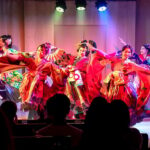
- Tokyo: Japanese Dance Cabaret Theater Asakusa-Kaguwa Ticket
★ 4.8 · 2,270 reviews - Tokyo: Meiji Shrine, Asakusa, Skytree Bus Tour and Cruise
★ 4.7 · 1,986 reviews - Tokyo: Roll and Authentic Sushi Making Class in Asakusa
★ 4.9 · 1,957 reviews - Tokyo: Asakusa Walking Tour with Sensoji Temple Visit
★ 4.8 · 1,583 reviews
Why Yanaka Ginza Feels Like Real Tokyo on Foot
Yanaka Ginza is the kind of neighborhood where your day can feel slower, in a good way. You are not trying to cram in “must see” sights. Instead, you are walking streets that still feel like they belong to the people who live there, with shops you would pass casually on your own.
What makes this experience work is the mix of small, specific stops. It is not just “look and move on.” You get hands-on choices like making name stamps with cute cat illustrations, and food moments you can actually taste. You will also get a shrine visit that is visually dramatic, plus quiet time in a cemetery area that includes graves of generals, literary figures, and ordinary residents.
If you like travel days that feel like a well-fed conversation, this fits. The guide adds context to what you see and helps you decide what to order, so you spend less time scanning menus and more time tasting the area.
Private Tour Setup, Walking Pace, and the 12:30 Start
This is a private tour exclusively for your party, run by OTOMO Travel Guide. That matters because a private format changes how you experience places. You do not have to match a group tempo, and you can linger near shops when something catches your eye.
The tour runs about 4 hours 30 minutes, starting at 12:30 pm. It ends at Sendagi Station, so you will start in Arakawa City (near Nippori Station) and finish in Bunkyo City (near Sendagi Station). You should expect a lot of walking, and the operator recommends comfortable clothing.
Two practical points that affect your day:
- You might find some spots without credit card payment, including places serving alcohol.
- The route can shift if a stop is temporarily closed, with an alternative selected when needed.
If you are traveling with friends or family and want the day to feel tailored, this format is a strong value.
Yuyake Dandan Stairs, Gotenzaka Connections, and a Sunset Look
You start with a quick stop at Yuyake Dandan, the stairs between Gotenzaka and Yanaka Ginza. The big draw is the sunset direction. In the evening, you can see a beautiful sunset toward Yanaka Ginza from the stairs.
Since your tour starts at 12:30 pm, treat this as an orientation moment more than a guaranteed sunset show. Still, you get a useful sense of how the area sits in relation to the neighborhood and the direction of views.
It is also a good warm-up. Five minutes here helps you ease into the walking rhythm and get your bearings fast before the shopping and food stops begin.
The central Tokyo landmarks, reviewed one by one
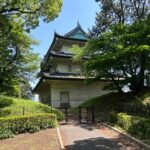
- Tokyo: Imperial Palace and Shogun Historical Walking Tour★ 5.0 · 2,251 reviews
- Tokyo: Meiji Shrine, Asakusa, Skytree Bus Tour and Cruise★ 4.7 · 1,986 reviews
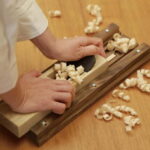
- Chopstick Making Workshop in Ginza★ 4.8 · 1,366 reviews
- Tokyo Panoramic 1 Day: Meiji Shrine, Asakusa, Odaiba and SKYTREE®★ 4.5 · 1,222 reviews
- Tokyo: Imperial Palace Japanese History Walking Tour★ 4.9 · 987 reviews
Cat Stamps at Shinimonogurui, and What to Do on Thu and Fri
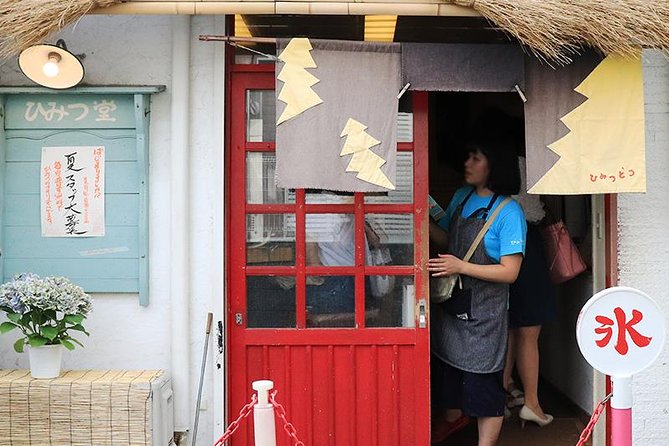
Next up is Shinimonogurui, an Evil Stamp Shop where you can make name stamps with cute illustrations. The shop features a large cat sign, so the vibe is playful even if the theme is a little cheeky. If you like souvenirs you actually use, a stamp is perfect. You also get a story for where it came from, not just a generic trinket.
Timing note that can affect your plan: on Thursdays and Fridays, Shinimonogurui is closed. On those days, the guide will show an alternative spot instead.
You will spend about 15 minutes here, which is enough time to pick a design and make the stamp without the process dragging. If you want a stamp, do it with confidence. The shop is part of the core neighborhood feel of Yanaka.
Yanaka Shippoya, Donut Stick Cat-Tail Snacks, and Tea-Ceremony Shopping
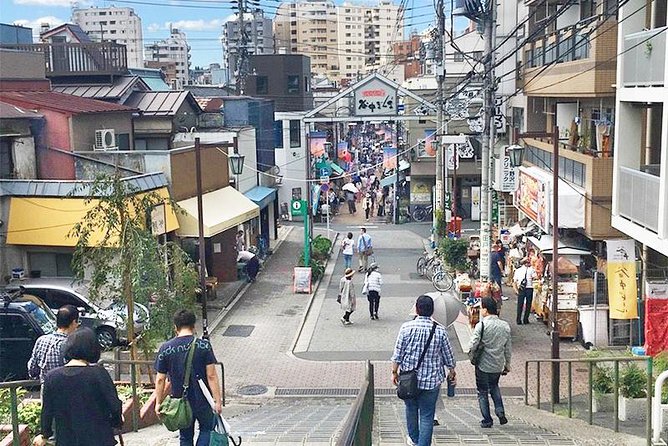
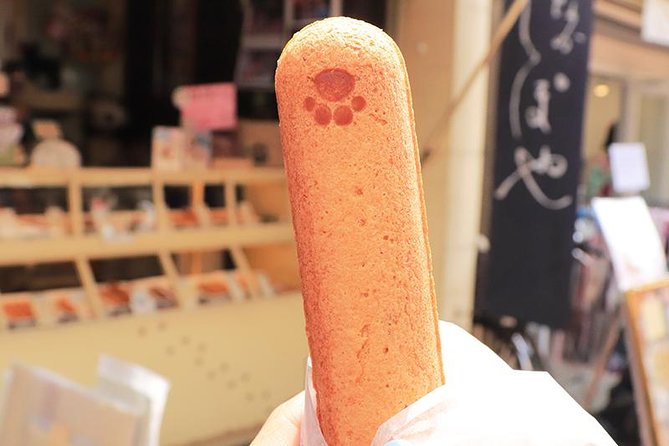
Then you hit Yanaka Shippoya for a super snackable stop. The signature treat is a donut stick shaped like a cat’s tail, with a cat-tail pattern. The guide favorites mentioned here are creamy versions, so if you see them available, they are a solid bet.
This stop is brief, about five minutes, which is exactly how you want your first real taste to feel. Quick, fun, and then you move on while the day is still fresh.
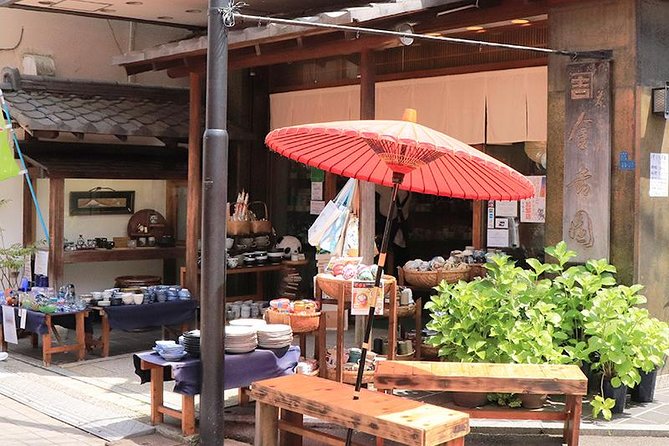
After that, you continue to Kanekichien, a shop focused on equipment used in Japanese tea ceremonies. You can browse tools and gear used for tea, which is a nice change from the food-heavy rhythm. Even if you do not plan to buy anything, it helps you understand a layer of local culture through objects people use at home.
These shopping stops are not just errands. They explain how daily life in Tokyo shows up in small storefronts.
Menchi-Katsu at Niku no Suzuki, Chestnut Sweets at Waguriya
Now the tour leans hard into comfort food.
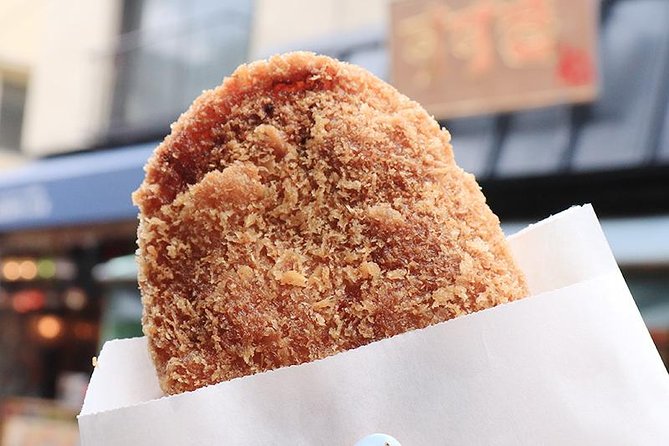
At Niku no Suzuki, you try freshly fried menchi-katsu. This is the kind of snack that works in any weather: crispy outside, savory inside, and easy to eat while walking. The description is clear that the menchi-katsu here is especially good, and this stop is about quality fried food, not just showing you a famous name.
Then you shift to Waguriya, a chestnut-focused shop. It is described as the only store in Japan specializing in Japanese chestnuts, and it also owns its own farm. That farm connection matters because it supports the idea that you are not just buying mass-produced sweets.
The shop is popular for sweets that highlight the natural chestnut flavor. The stop itself is short, about five minutes, but it sets you up for a better tasting day by mixing savory and sweet.
If you are someone who likes to sample, not overeat, these stops let you keep moving while still getting variety.
Echigoya Honten Izakaya Stop: Beer, Sake, and Kadouchi
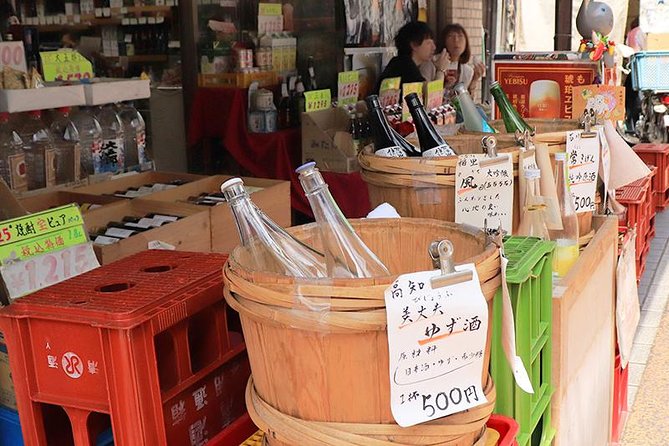
One of the most satisfying moments is Echigoya Honten, also known as Echigoya Saketen. This is where you taste Japanese beer and sake and enjoy drinking in the Japanese way, described here as kadouchi.
You will spend about 25 minutes here, which is a good length. It is long enough to order, taste, and settle in, but not so long that the rest of Yanaka Ginza slips away.
Two rules to know in advance:
- Some stops serving alcohol may not take credit cards, so plan cash.
- Children can enter, but must be at least 20 years old to drink alcohol.
Even if you do not drink, the atmosphere is part of the experience. Izakaya culture is a way of understanding how people gather and talk, not only a place to buy drinks.
Hand Puppets Shokichi, Snake Road Alleys, and Slow Turns
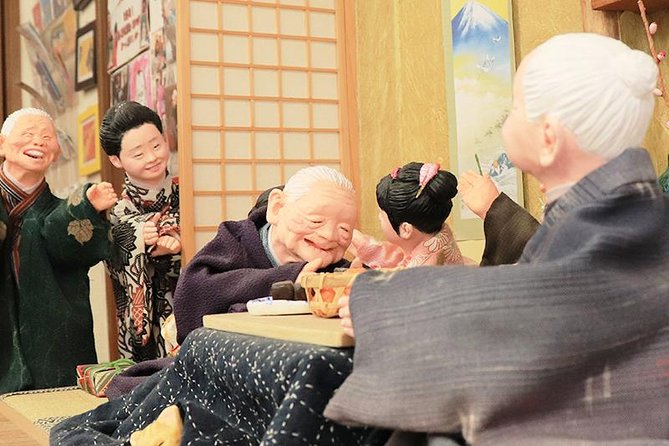
After the food and izakaya stop, you get a small dose of performance at Hand Puppets Shokichi. The show is described as being performed by professional puppeteers, and it runs about 40 minutes.
Important budget detail: admission for Hand Puppets Shokichi is not included, with an admission fee listed as 700 JPY per person. If you are on a tight schedule or prefer only walking and food, you can treat this as optional.
Then you move to the Snake Road alley area, labeled as ヘイゴ・ニケ. This is behind Yanaka Ginza, and the alley curves like a snake. The description says the alleys used to be small rivers, which adds a sense that this space has changed roles over time.
This stop is short at about 10 minutes. The point is the mood. You get a bendy, off-main-road Tokyo lane that feels different from the main shopping street.
Nezu Shrine Torii Tunnel: Red Gates and a “Power Spot” Feel
Next comes Nezu Shrine, described as a power spot located right in the center of Nezu. You will visit the shrine and walk through a magnificent tower gate and a tunnel of red torii gates.
The time here is about 30 minutes, which is a good match for this kind of place. You can take your time moving through the torii path, pause for photos if you want them, and still stay on the tour pace.
Why this matters on a food and shops day: it resets you. Your senses have been busy with smells, fried snacks, and storefront browsing. The shrine segment gives your brain a quieter rhythm without taking you far off-route.
If you are traveling in warmer seasons, plan for sun exposure in outdoor shrine paths.
Shitamachi Museum Annex and Kayaba Coffee in a 1910 Liquor Shop Building
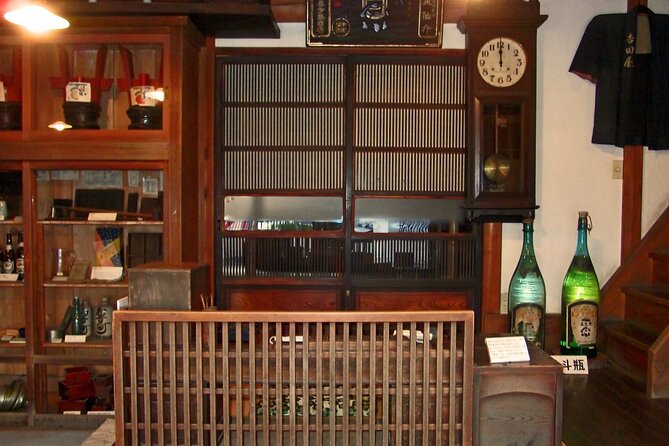
You then stop at Kayaba Coffee at the Shitamachi Museum Annex, listed as Old Yoshidaya Sakayaten. The building is described as having been built in 1910 (Meiji 43), and it operated as an actual liquor shop.
Even if coffee sounds like a simple break, the setting changes how you feel it. Drinking something in a space that used to be a liquor shop adds a sense of continuity. It is not just caffeine, it is a little piece of the neighborhood timeline you can stand inside.
This segment is around 15 minutes. Use it to cool down, refill your energy, and look around. When you are walking a lot, short pauses keep you from turning your day into a blur.
Yanaka Cemetery: Famous Graves, Ordinary Lives, and Respectful Silence
The tour includes Yanaka Cemetery at the end. It is described as the resting place for numerous famous people, including generals who once ruled Japan and literary giants, plus graves of ordinary people.
Even without more specific details, the inclusion is meaningful. It broadens your Yanaka experience beyond shops, snacks, and street corners. You get a more reflective stop that shows how this neighborhood fits into Japan’s wider story.
This is a place to slow down. You will want to keep your voice low and be careful with photos, since cemeteries are for respect, not sightseeing selfies.
Price and Budget Reality: The $86.71 Fee Plus On-The-Ground Costs
The tour price is $86.71 per person for about 4 hours 30 minutes. That rate covers your tour guide, the private tour, and the necessary expenses for the guide during the tour.
But the day also includes choices you pay for as you go. The experience lists estimated costs of 5050 JPY per person, with:
- Transportation: 0 JPY
- Admission fees: 700 JPY
- Meal costs: 0 JPY per person
- Optional experience costs: 4350 JPY per person
The key practical point is that the operator also states that transportation, entrance fees, and food and drink costs are borne by the customer. Some items are clearly costed, like the Hand Puppets Shokichi admission fee, but the rest depends on what you choose to eat and drink.
My advice: budget the listed estimate, then add a little buffer for snacks and drinks you want on the spot. Also bring cash, because you already know credit cards are not reliable at some places.
For value, the sweet spot here is how much guidance you get for the time. Yanaka is full of small storefronts and side streets. Having a local guide to point you to the right places saves you the guesswork.
Who This Tour Suits Best (And Who Might Want Something Else)
This is ideal for you if:
- You want a neighborhood experience instead of standard sightseeing loops
- You like small, specific tastes, like fried snacks and sweets, rather than one big meal
- You enjoy shops where you can browse, then buy something small and meaningful
- You want time at a shrine that is visually memorable without being rushed
It may be less ideal if:
- You hate walking. The day is structured around multiple stops and side alleys.
- You do not want to pay extra for optional experiences. The puppet show has a 700 JPY admission fee.
- You prefer everything to be fully prepaid. Food and drink costs are on you.
On the language front, the provider has been able to arrange a Cantonese speaking guide for at least one group, so if language matters, ask when booking.
Should You Book This Yanaka Ginza Food and Culture Tour?
If you want a Tokyo day that feels lived-in, this is a strong yes. The best part is the private format. It turns Yanaka Ginza into your day, not someone else’s itinerary, and the food mix keeps it fun rather than stiff.
I would book it if you like:
- cat-themed crafts and practical souvenirs
- snack-hopping that includes both savory and sweet
- a shrine visit with a standout torii gate tunnel
- a calm ending in Yanaka Cemetery
One final checklist item: bring cash. With some places not taking credit cards, especially for drink stops, that simple step saves stress and keeps you from missing what you came for.
Central Tokyo Landmarks


Asakusa and the Skytree, Keep Going
Newest Tokyo write-ups from the Loving Japan desk






Asakusa, Senso-ji and Tokyo Skytree, side by side.
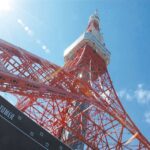
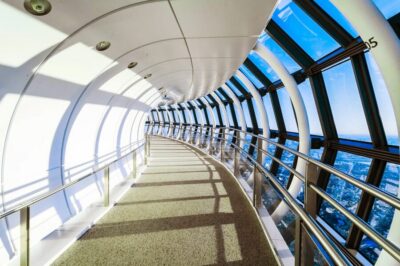 ★ 4.5TOKYO SKYTREE® Admission ticketFrom $1311,192 reviews
 ★ 4.8Japanese Dance Cabaret Theater Asakusa-Kaguwa TicketFrom $492,270 reviews
 ★ 4.7Meiji Shrine, Asakusa, Skytree Bus Tour and CruiseFrom $1221,986 reviews
 ★ 4.9Roll and Authentic Sushi Making Class in AsakusaFrom $581,957 reviews
 ★ 4.8Asakusa Walking Tour with Sensoji Temple VisitFrom $221,583 reviews
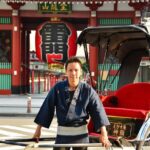
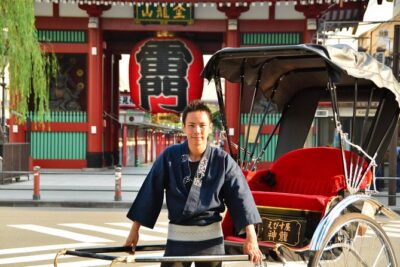 ★ 5.0Tokyo Asakusa Rickshaw TourFrom $421,375 reviews
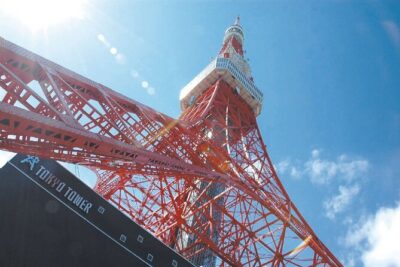 ★ 4.5Tokyo Panoramic 1 Day: Meiji Shrine, Asakusa, Odaiba and SKYTREE®From $851,222 reviews
 ★ 5.0Tokyo Go Kart: Asakusa, Skytree, and Akihabara **IDP MUST**From $99988 reviews