
REVIEW · WALKING TOURS
Explore Kiso Valley : Magome – Tsumago Mountain Trail Walk
There’s something magnetic about old Japan on foot. This Magome to Tsumago trek gives you the Nakasendo Trail vibe between two well-preserved post towns, with a guide so you are not doing map math all day.
I love how much is handled for you, including the bus ride and admission fees, so your day stays smooth. I also like the people factor, since guides such as Ryo (who grew up along the Nakasendo Trail) bring the route to life.
One thing to consider: the walk is about 5.5 miles (9 km), so comfortable shoes and a solid walking pace matter.
Private format means it is just your group, and the route can be tailored to your needs. You get planned stops in the towns and around the trail, including viewpoints and waterfalls. Transportation and entries are included, which is a big part of the value for a first-timer. You end at Nagiso Station with help buying the train ticket back. And yes, the day is active, about 7 hours total, so it is not a sit-and-stroll tour.
In This Review
- Why Magome to Tsumago on the Nakasendo Feels Worth It
- Price and Logistics: What You’re Really Paying For
- Starting at Nakatsugawa Station at 9:00 am
- Magome-juku: First Post Town Impressions That Make You Want to Look Closer
- Magome Observatory at 801 m: Views Without the Hard Climb
- Odaki-Medaki Waterfalls: A Quick Pause That Breaks Up the Day
- Otsumago and Tsumago-juku: Historic Streets With Real Structure
- Nagisomachi Museum and Wakihonjin Okuya: Edo-Era Buildings You Can Understand
- Walking Distance and Timing: How to Pace It Comfortably
- What “Private, Customizable, Guided” Means in Real Life
- Food, Breaks, and What to Do About It
- Who Should Book This Magome to Tsumago Walk
- Final Call: Should You Book This Nakasendo Trail Day?
- FAQ
- How long is the Magome to Tsumago mountain trail walk?
- How far do we walk?
- Where do we meet, and when does the tour start?
- Where does the tour end?
- What’s included in the price?
- Is food included?
- What if the weather is bad?
Why Magome to Tsumago on the Nakasendo Feels Worth It
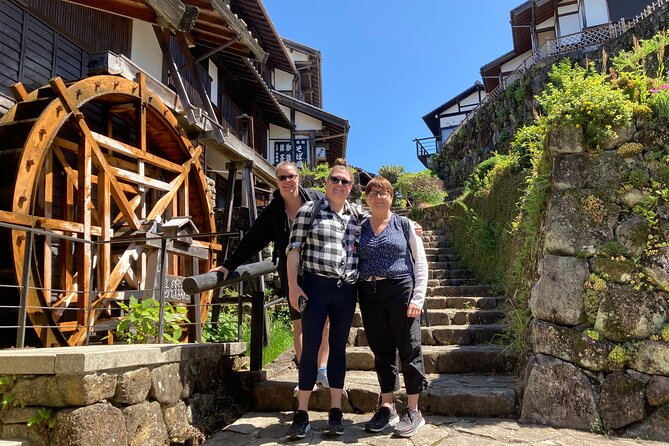
Kiso Valley is one of the best places in Japan to understand what a long-distance highway used to feel like. Instead of rushing past photos, you walk through two historic post towns and the in-between path that travelers used to follow between Kyoto and Tokyo.
The best part is the balance. You get structure, with guided timing, bus transfers, and entry fees taken care of. You also get movement, with the route designed for active travelers who enjoy steady walking and small discoveries along the way.
And if you worry about being lost, you should not. The whole idea here is that your guide keeps you on the right path, so you can focus on the scenery, the old streets, and the small details you might miss on your own.
Still weighing up options in Gifu Prefecture? These are the ones our reviewers rated highest.
- Private-group Morning Cycling Tour in Hida-Furukawa
★ 5.0 · 105 reviews - Magome & Tsumago Nakasendo Trail Day Hike with Government-Licensed Guide
★ 5.0 · 38 reviews - Explore Kiso Valley : Magome – Tsumago Mountain Trail Walk
★ 5.0 · 33 reviews - Knife Making Experience in Samurai Sword Town
★ 5.0 · 29 reviews
Price and Logistics: What You’re Really Paying For
At $171.31 per person, this tour is not trying to be the cheapest way to hike Kiso Valley. You are paying for the combo of an English-speaking guide, included bus ticket(s), and entrance fees at key stops.
For many people, that math makes sense. When you are in Japan for a short trip, time and decision fatigue are real costs. Having transportation and admissions handled means you spend the day hiking and learning, not hunting for the next ticket counter.
You should also note the practical shape of the day. Meet is at 9:00 am at Nakatsugawa Station (ticket gate), and you finish around 15:45 at Nagiso Station, where your guide helps you get the train ticket for your next move.
Starting at Nakatsugawa Station at 9:00 am
Your day begins at Nakatsugawa Station, at the ticket gate, 2 Chome-1 Otamachi in Nakatsugawa. The timing is early on purpose, because it gives you enough daylight to do both towns and the trail segment without feeling rushed.
This matters because Magome-juku and Tsumago-juku are popular for good reason. If you arrive later in the day, you often end up fighting crowds and timing issues. Starting at 9:00 am is a simple way to avoid that.
You will also get to shift from train mode to walking mode quickly. After meeting your guide, you head toward Magome-juku by bus, then start the day’s history walk with a clear plan and clear pacing.
Magome-juku: First Post Town Impressions That Make You Want to Look Closer
Magome-juku is the kind of place where the street layout tells a story before you even read a sign. It is a post town on the old highway, and your guide sets the context so it feels more than just a set of buildings.
A highlight early on is the “period highway” feeling. You see how the town supported travelers moving between major cities, and you notice how the route naturally funnels you along the right lines.
You also get a bit of time to take it in. This stop is about 40 minutes, which is long enough to orient yourself, browse a little if you want, and get your bearings before the walk section.
Magome Observatory at 801 m: Views Without the Hard Climb
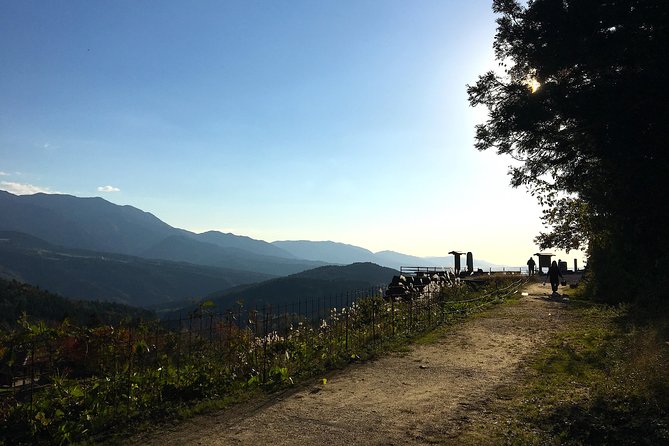
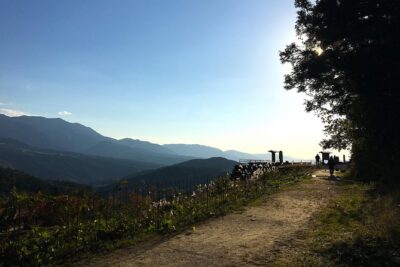
Just up the slope from Magome-juku, you reach the Magome Observatory, around 801 m altitude. The payoff here is a viewpoint without turning the day into a steep workout.
This is useful if you like scenery but do not want to burn too much energy before the longer walking section. Even though the time is about 15 minutes, you get a strong “now I get it” moment, because you can see how the valley opens up beyond the town streets.
If you like taking photos, this is one of the more forgiving photo moments. The time is short, but the view is the point, so you can capture the wide-angle valley look without staying out in the elements too long.
Odaki-Medaki Waterfalls: A Quick Pause That Breaks Up the Day
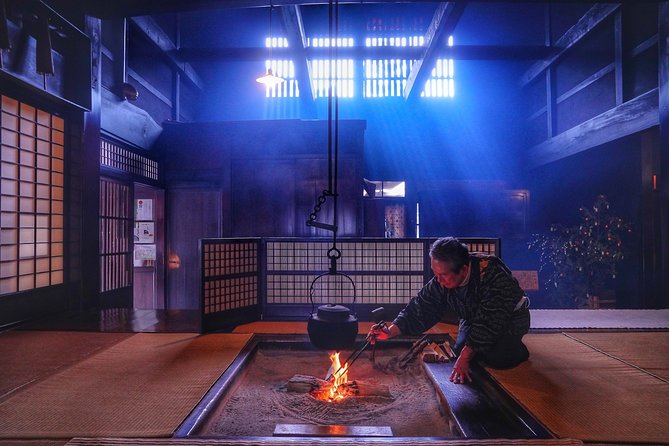
Next comes a small but memorable reset at Odaki-Medaki Waterfalls. The details are fun and easy to remember: on the left is Odaki (man waterfall), and on the right is Medaki (woman waterfall).
This is a short stop, about 10 minutes, and that is exactly why it works. It gives you a cool break, a stretch of the legs, and a mental reset before you keep moving through the historic districts.
Also, this is the kind of place that explains why travelers liked the old highway. Refresh points mattered. When you are walking all day, a waterfall stop is not a tourist detour, it is practical.
Otsumago and Tsumago-juku: Historic Streets With Real Structure
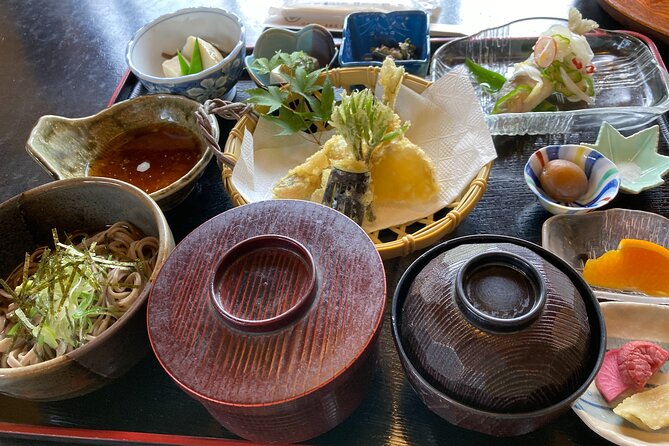
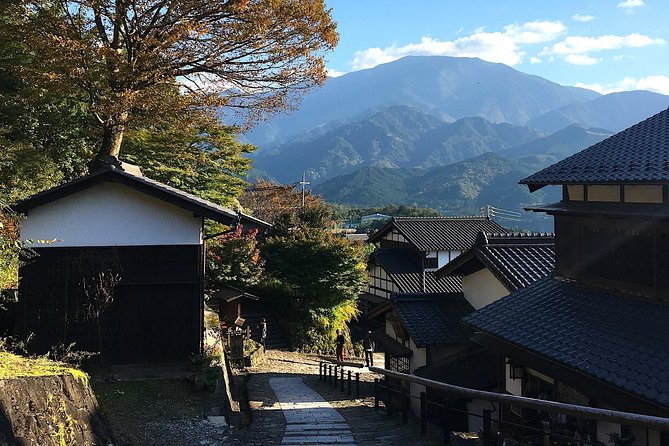
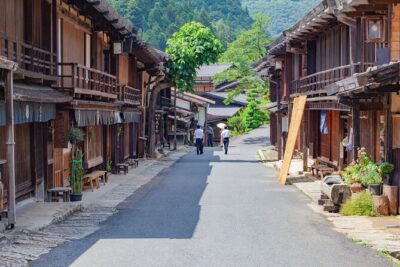
After Magome, you shift into the Tsumago side of the old route. Otsumago is part of the Tsumago-juku Preservation Area, where house styles like Hon-Udatsu and Dashibari Zukuri line the streets. Those names may be new to you, but they represent real architectural choices meant for the street and the travelers moving through.
This stop is about 20 minutes. You will likely spend it noticing textures, street patterns, and building fronts. It is not the kind of stop where you rush, because the appeal is visual and slow.
Then you reach Tsumago-juku, which is the bigger anchor town of the day, with about 1 hour 10 minutes here. Tsumago used to have one Honjin inn, one Waki-Honjin inn, and 31 Hatago inns. That breakdown helps you understand who stayed here, where the officials went, and how common travelers found lodging.
If you care about cultural interpretation, this is one of the best sections. Your guide’s job here is to connect buildings to the people who used them. That is how the town stops feel like history instead of scenery.
Nagisomachi Museum and Wakihonjin Okuya: Edo-Era Buildings You Can Understand
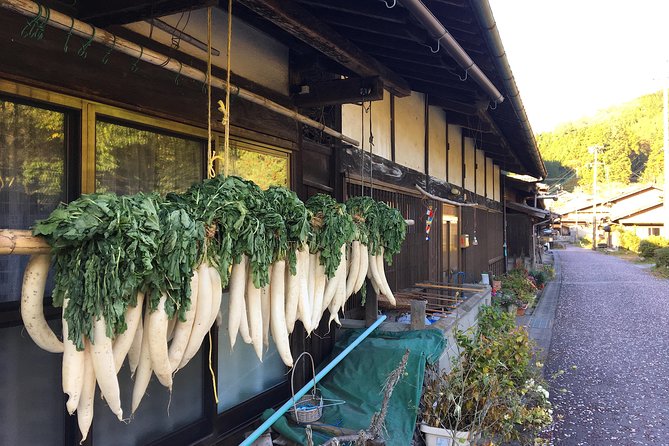
Toward the end of the tour, the experience becomes more about architecture and daily life. Two key stops here are the Nagisomachi Museum and Wakihonjin Okuya.
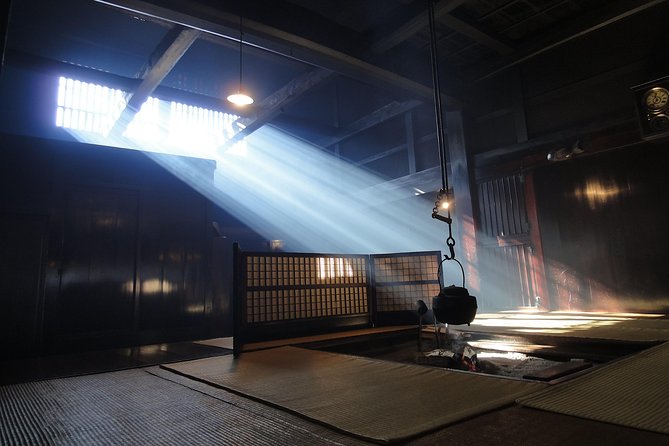
The Nagisomachi Museum sits inside a residence called Hayashiya House, described as a designated Important Cultural Property. It is restored using late Edo period floor plans. In other words, you are not just looking at objects, you are seeing an old home layout, which makes the space feel readable.
This museum time is about 25 minutes, so you will not end up lost in a long exhibit. It is timed to support the day’s pace while still giving enough time to grasp the story.
Right after that, you visit Wakihonjin Okuya. It served as a waki-honjin and provision store for generations, and it is built from fragrant Japanese cypress. Your guide can explain that Japanese cypress as a building material was only legalized around the time when the structure was built, which adds a neat “why this material mattered” layer to what you see.
That stop is also about 25 minutes, which is just enough to connect the dots between official lodging, supplies for travelers, and the physical structure that kept everything running.
Walking Distance and Timing: How to Pace It Comfortably
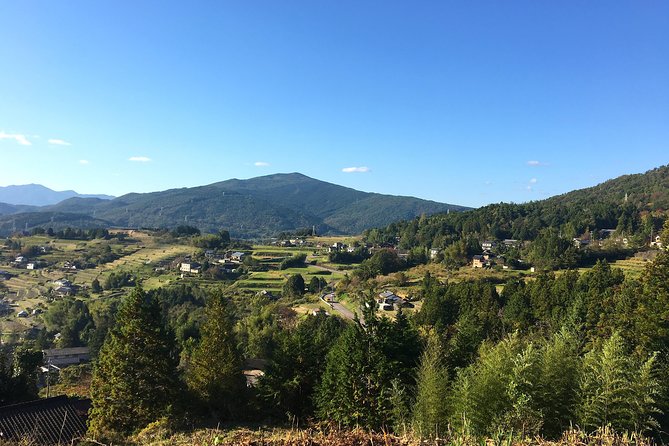
This is an active half-day to full-day hike experience. The walking portion is about 5.5 miles (9 km), and the total duration is roughly 7 hours including bus transfers and town stops.
The good news is that the day is broken into short chapters. You get town time, viewpoint time, a waterfall pause, and museum time. Those stops prevent the “constant walking grind” that can wear people down.
The caution is simple: bring shoes you trust for uneven paths and old-street surfaces. The experience is designed for people with a strong physical fitness level, so do not count on slow pacing to save you. If you can comfortably walk 9 km at a reasonable pace, you will enjoy this much more.
Also plan for the weather. The tour requires good weather, and if poor weather cancels the plan, you will be offered a different date or a full refund. That is not just fine print. It changes the comfort of a long walking day.
What “Private, Customizable, Guided” Means in Real Life
“Private tour” here means it is just your group, not a mixed crowd wandering into your space. In practice, that often means your guide can adjust pace and attention without trying to satisfy a dozen different energy levels.
Customizable is useful if your group includes people with different strengths. You can keep the core route, while your guide can help you slow down at stops or move a little faster when everyone is ready.
And the guide quality seems to be a consistent theme. I saw names like Moto, Harumoto, Ryo, and Kazuo connected with the tour, and the common thread was enthusiasm plus real familiarity with the Nakasendo route. In other words, you are not just getting facts, you are getting a guide who knows how to make the highway feel human.
Food, Breaks, and What to Do About It
Food and drink are not included, so you will want to plan your own lunch and snacks. The good part is that the itinerary has built-in pauses, and towns are where you naturally find meal options.
The practical approach is to bring something light for energy and then eat properly in the towns if that fits your schedule. If your group has specific dietary needs, plan ahead since nothing is bundled.
Also, this is a day that will use your water. Even with waterfall stops, you should carry water and a small snack. You do not want to feel “fine” until 3 pm and then realize you are running on fumes.
Who Should Book This Magome to Tsumago Walk
This fits best if you want the Nakasendo experience without the stress of routing, transfers, and timing. If you like active travel, historic towns, and guided context that turns streets into a story, you will likely love it.
It is also a strong first Japan hike because the structure helps you succeed. Meet at a clear station, take the bus, follow the guide, stop at the key sites, and end at another station where you can continue your itinerary.
If your group prefers a very relaxed stroll, you might find the 9 km total walking distance a bit much. This is not a sit-by-a-viewpoint-only kind of day, so be honest about your group’s walking comfort.
Final Call: Should You Book This Nakasendo Trail Day?
If you want a guided Magome to Tsumago walk with transport and entry fees handled, this is a smart way to spend your time in Kiso Valley. The combination of town immersion, planned viewpoint and waterfall breaks, and Edo-era stops like Hayashiya House and Wakihonjin Okuya makes the day feel full without turning into chaos.
I would book it if:
- you want to walk the Nakasendo route but avoid getting lost
- your group is comfortable with about 5.5 miles (9 km) of walking
- you value guides who bring local context, including names like Ryo, Moto, Harumoto, and Kazuo showing up in past groups
I would think twice if:
- your group is not comfortable with a physically active day
- you strongly prefer food and drink included in the price, because meals are on your own
If that sounds like you, this is a great match for a memorable, well-paced day in Japan’s old highway heartland.
FAQ
How long is the Magome to Tsumago mountain trail walk?
The tour lasts about 7 hours.
How far do we walk?
You’ll walk about 5.5 miles (9 kilometers).
Where do we meet, and when does the tour start?
Meet your guide at Nakatsugawa Station at the ticket gate at 9:00 am.
Where does the tour end?
The tour ends at Nagiso Station around 15:45. Your guide will assist you in buying the train ticket back to your accommodation.
What’s included in the price?
Included are an English guide, bus ticket, and entrance fee.
Is food included?
No. Food & drink are not included.
What if the weather is bad?
The experience requires good weather. If it is canceled due to poor weather, you will be offered a different date or a full refund. Free cancellation is available up to 24 hours before the start time for a full refund.
Newest Gifu Prefecture write-ups from the Loving Japan desk

Walking Tours, side by side.
 ★ 4.7Kyoto Geisha Walking Tour: Gion District & Hidden GemsFrom $253,273 reviews
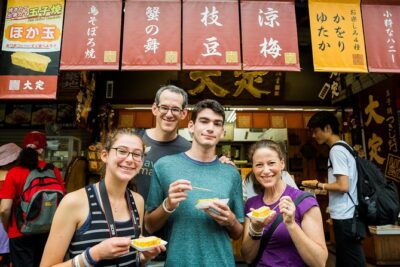 ★ 5.0Tokyo Tsukiji Fish Market Food and Culture Walking TourFrom $993,184 reviews
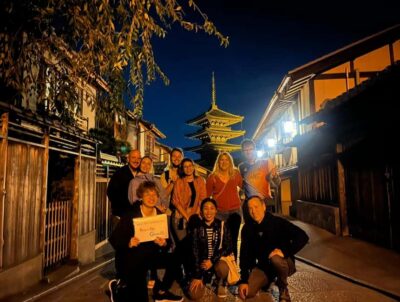 ★ 4.9Gion Magical Night Walking Tour with Geisha TriviaFrom $242,393 reviews
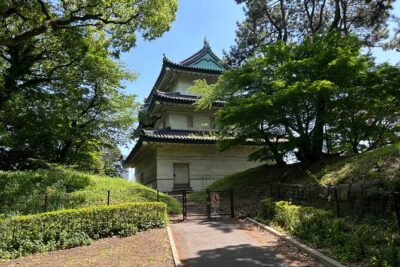 ★ 5.0Imperial Palace and Shogun Historical Walking TourFrom $222,251 reviews
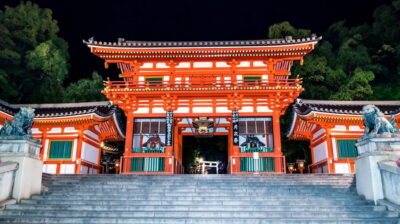 ★ 4.7Gion Geisha District Walking Tour – Stories of GeishaFrom $202,187 reviews
 ★ 4.5Night Walk in Gion: Kyoto’s Geisha DistrictFrom $212,003 reviews
 ★ 4.9Shinjuku Local Bar and Izakaya Guided Walking TourFrom $341,794 reviews
 ★ 5.0Tsukiji Fish Market Food and Walking tourFrom $301,724 reviews
Filed on these lists too