
REVIEW · SAMURAI, NINJA AND SWORD EXPERIENCES
Knife Making Experience in Samurai Sword Town
Make a knife in Japan’s sword town.
This half-day experience in Seki, Gifu pairs hands-on Damascus-style kitchen knife making with museum time and a practical sharpness test. Guided by the workshop team, you learn the steps behind traditional bladesmith work, then see how it performs on real food.
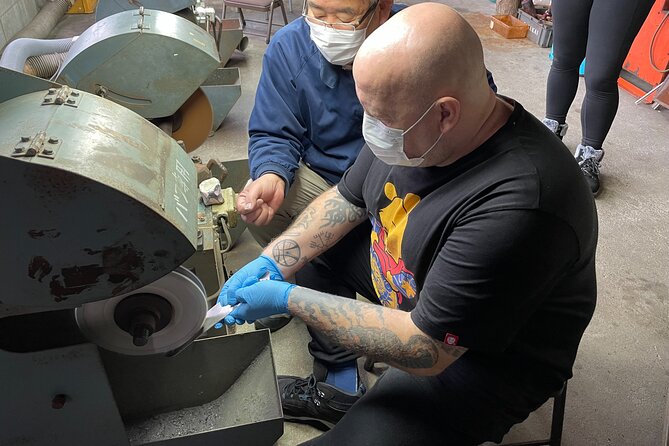
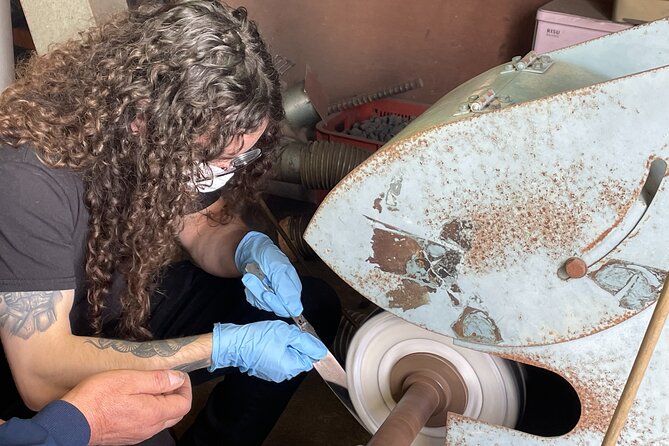
What I like most is that you get real craft skills, not just a souvenir photo. You’ll do hands-on polishing, sharpening, and engraving, and you’ll finish by testing the edge on fresh vegetables. I also like the small-group, high-attention feel, with instructors such as Sumio, Yoshi, and Hiro helping you through each step.
One thing to consider is the price. At $316.27 per person for about 5 hours, it only feels like great value if you genuinely want the guided practice and the knife you take home, not just a quick cultural stop.
In This Review
- Key highlights before you go
- Seki, Gifu: why this sword town is the real deal
- The 5-hour flow: from museums to your finished kitchen knife
- Stop 1: Knife Museum in Seki (about 2 hours)
- Stop 2: Seki Swordsmith Museum (about 1 hour)
- Stop 3: Gifu Cutlery Hall (about 30 minutes, free)
- Stop 4: Seki Zenko-ji Temple (about 1 hour 30 minutes, free)
- Knife making class: what you actually do, and why it feels worth it
- The people behind the knife: Sumio, Yoshi, and Hiro
- Lunch, certificate, and the mini knife souvenir bonus
- Price and value: is $316.27 a fair deal?
- Getting there from Kyoto and using the pickup option
- What to wear and how to make the day easier
- Who should book this knife-making day in Seki?
- Should you book it?
- FAQ
- How long is the knife-making experience?
- What is the price per person?
- Where does the tour start and end?
- Is pickup available?
- Is the tour private?
- What’s included with the tour?
- Will I test the knife’s sharpness?
- What’s the cancellation policy?
Key highlights before you go
- Hands-on knife making: polish, sharpen, engrave, and assemble your own blade
- Performance test: you check sharpness on fresh vegetables, so you can feel the result
- Workshop team support: instruction comes from bladesmiths including Sumio, Yoshi, and Hiro
- Sword-town context: you also visit the Knife Museum, Seki Swordsmith Museum, and more
- Included lunch and take-home extras: a signed certificate plus a mini knife souvenir when available
Blade work and stagecraft, other sessions
- Gifu Samurai Sword Town;Japanese Damascus Knife Making Experience
★ 5.0 · 27 reviews
Seki, Gifu: why this sword town is the real deal
Seki is one of the places in Japan where you can connect a modern kitchen tool to old-school craftsmanship. The town’s knife-making identity shows up everywhere, from museums and demonstration spaces to cutlery production you can’t miss once you start paying attention.
This matters because a knife-making class can easily become theater. Here, it’s built around process. You’re not just watching. You’re working with materials and techniques step-by-step, and you end up with an item you can actually use at home. The “Damascus” angle also helps you understand why people care about finish and edge quality, not just the story behind the craft.
You’ll also get historical context without turning it into a textbook day. The itinerary includes sword-focused museums and a temple stop, which makes the experience feel like a full day in the region, not a short workshop trapped inside one room.
The 5-hour flow: from museums to your finished kitchen knife
The day runs about 5 hours and starts at 10:30 am at Sekitomioka Station (Hidase, Seki, Gifu). It ends back at the same meeting point. Pickup may be offered, and you’ll use a mobile ticket.
This timing is a sweet spot. You get enough time for real work on the knife, plus museum stops that explain why Seki has the reputation it does. And if you’re coming from Kyoto, the trip is straightforward as a day visit, roughly 1.5 to 2 hours by train.
Stop 1: Knife Museum in Seki (about 2 hours)
This is where the day’s craft work begins. The Knife Museum is also where you’ll get a sense of what different knives look like across places and styles, including rare pieces from around the world. That visual grounding helps you understand what you are building, since you can compare your finished knife to what you saw earlier.
The main value of this stop is the first real hands-on phase. You start your personalized knife-making process with guidance from the workshop team. Expect focused instruction on how the blade should be handled and how the steps fit together. Even if you’re not a “tool person,” the museum intro makes it easier to follow why each stage matters.
A small caution: if you arrive late, you may feel rushed. One review highlighted the experience team being patient even when the schedule slipped, but you’ll still enjoy it more if you’re on time and ready to work.
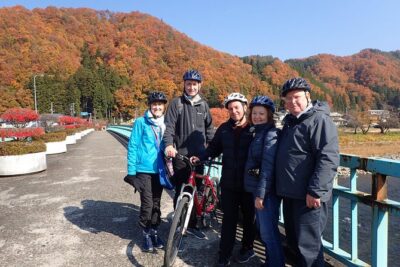
- Private-group Morning Cycling Tour in Hida-Furukawa★ 5.0 · 105 reviews
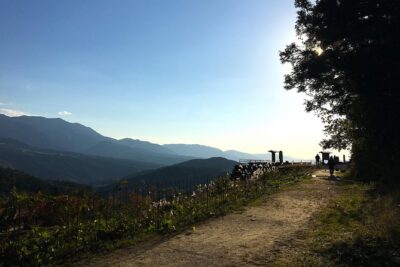
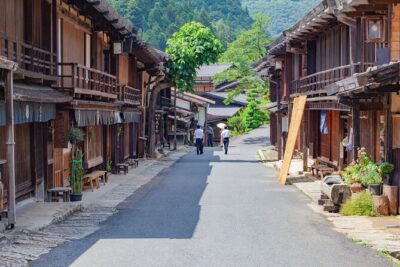
- Magome & Tsumago Nakasendo Trail Day Hike with Government-Licensed Guide★ 5.0 · 38 reviews
- Explore Kiso Valley : Magome – Tsumago Mountain Trail Walk★ 5.0 · 33 reviews
Stop 2: Seki Swordsmith Museum (about 1 hour)
After the workshop begins, the sword museum adds the context layer. This stop focuses on Samurai and Japanese sword history, and it also connects Seki’s production role to how sword-making traditions developed over time.
Why this helps: it keeps the knife class from feeling like a generic craft workshop. Even if you’re mainly there for the kitchen knife, you’ll come away with a better sense of how techniques and aesthetics traveled from sword culture into the cutlery world.
Stop 3: Gifu Cutlery Hall (about 30 minutes, free)
This is a shorter, lighter stop, and that’s a good thing. You can think of it as a “production reality check” right between the deeper museum content and your temple break. The hall highlights Seki’s role as one of Japan’s top cutlery production areas and mentions that the region has a major output and inherited skills.
In practical terms, this stop gives you an idea of why a small-town workshop still matters today. It’s not only tradition for display. It’s part of a living industry.
Stop 4: Seki Zenko-ji Temple (about 1 hour 30 minutes, free)
This temple break adds contrast. The foundation dates back to the mid-eighteenth century, and you’ll have a chance to see features such as the Great Bell and the Kaidan tour (the stone stair path). The itinerary also mentions you can try ringing the bell.
That bell moment is the kind of detail that makes the day feel uniquely “Seki,” not just “knife making plus museums.” It’s also a nice reset after focused work with metal, since you shift from fine-detail craftsmanship to a calmer, cultural walk.
Knife making class: what you actually do, and why it feels worth it
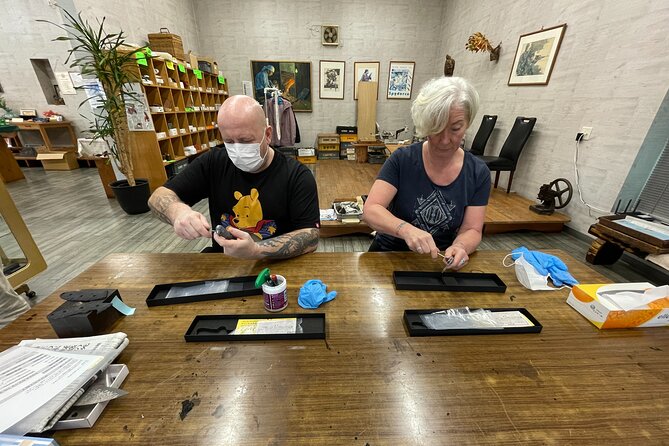
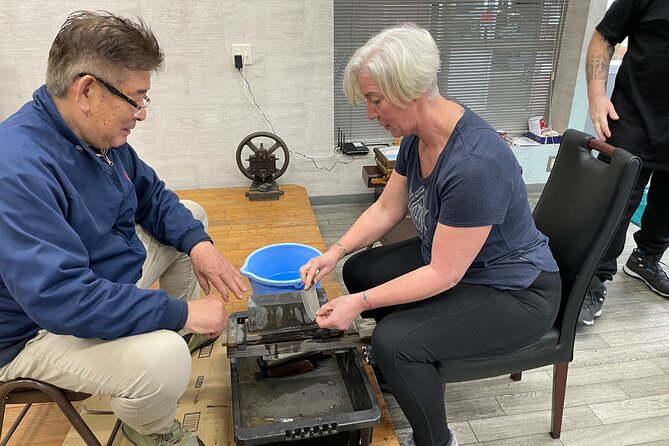
The workshop is the star, and it’s built around a full set of hands-on steps. The goal is a personalized Damascus-style kitchen knife that feels professional, not like a decorative novelty.
Here’s the sequence you should expect to focus on:
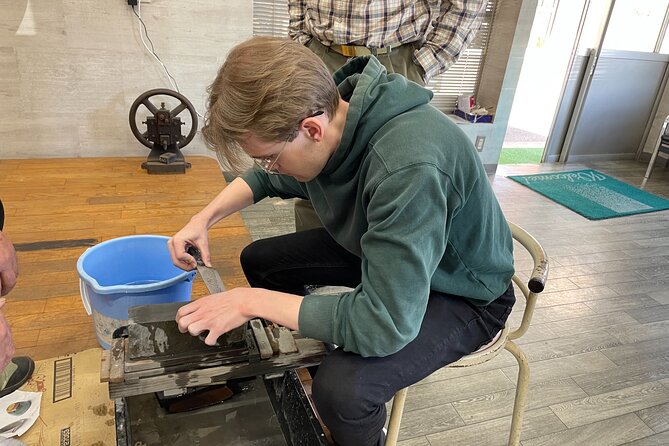
- Sharpening so the edge is functional, not just pretty
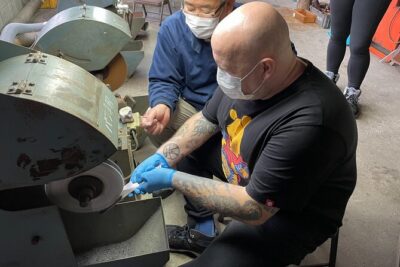
- Polishing to refine the surface and finish
- Engraving so your knife looks like yours
- Assembly so you take home something complete
- Sharpness testing on fresh vegetables so you can see results right away
The sharpness test on vegetables is a big deal. A lot of classes end with a handshake and a certificate. This one helps you understand performance in the simplest way possible: does the edge actually cut cleanly? That makes the experience feel tangible, not theoretical.
Also, the way the workshop team teaches seems designed to prevent overwhelm. Reviews consistently point to clear instruction, plus humor and warmth. The small-group nature matters here. You get attention, so if your hands need a second try, you can reset instead of falling behind.
The people behind the knife: Sumio, Yoshi, and Hiro
In a craft class, the instructor personality shapes the whole day. Here, the teaching team includes Sumio, Yoshi, and Hiro. Reviews mention them as friendly, knowledgeable in their process, and good at explaining the steps without making it feel intimidating.
What I’d watch for as a practical traveler is how the class balances technique and comfort. When the instruction is clear and the group stays small, you’re more likely to enjoy the “slow and careful” parts of metalwork. That’s where the best knife finishes typically come from.
You might also hear references to family or workshop teamwork, including passionate bladesmiths such as the Sakai brothers. That kind of connection matters because it usually means the work is taken seriously, not rushed.
Lunch, certificate, and the mini knife souvenir bonus
Included with the experience is a Japanese lunch, which is genuinely helpful on a day like this. Knife making takes concentration, and having food handled for you keeps the schedule smooth.
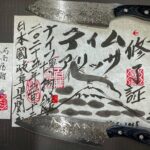
You’ll also receive a signed certificate of completion. That’s a small thing, but it’s a meaningful one for a craft workshop, because it marks what you learned and what you built.
There’s also a limited-time bonus: a handcrafted mini knife souvenir. The wording says availability is limited, so if you specifically want that extra item, treat it as a bonus, not something you’re guaranteed to leave with.
Price and value: is $316.27 a fair deal?
At $316.27 per person, this isn’t a budget activity. The value comes from three areas that add up quickly:
First, you get a personalized outcome. You’re building a knife you take home, and the class includes multiple craft steps, not just one “decorate and go” session.
Second, you get time and guidance. About 5 hours in a private small group means you’re paying for expert attention and a schedule that includes both workshop work and cultural stops.
Third, there are real extras included, including lunch and a signed certificate, plus the potential mini knife souvenir.
If you like cooking tools, sharpening, kitchen prep, or anything hands-on, this price starts to make sense fast. If you only want light sightseeing, you may find better value elsewhere. But if you want the actual craft outcome, this is the kind of class where the cost supports the full process.
Getting there from Kyoto and using the pickup option
If you’re planning this from Kyoto, the train ride is about 1.5 to 2 hours, which makes it doable for a day trip without spending the whole day traveling.
The meeting point is Sekitomioka Station in Seki, and the activity ends back there. That makes the day easier than tours that drop you somewhere new without an obvious return plan.
Pickup is listed as offered. If you’re deciding between trains and a pickup, your best move is to compare your hotel location with how the pickup area is likely to work. Since the details aren’t expanded here, you’ll want to confirm whether pickup is available for your specific day and where it starts.
What to wear and how to make the day easier
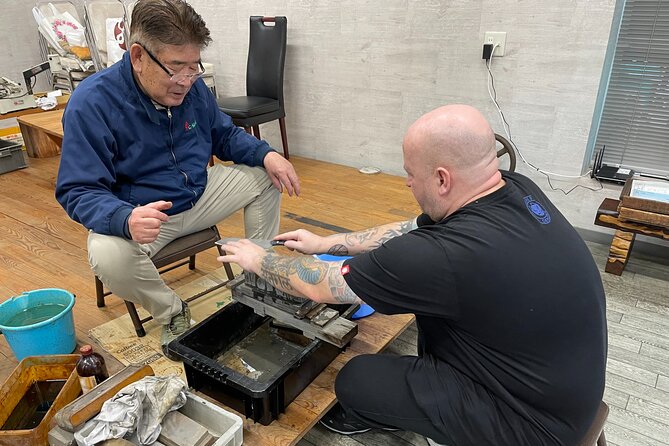
The experience involves hands-on work with tools and focused craft steps. Wear clothing you’re comfortable moving in and that can handle getting a little dust or workshop residue. Practical footwear helps too, because you’ll also walk around museum and temple stops.
Bring a small bag for your personal items. You likely won’t want to carry extra clutter while working, so keep essentials simple: phone, wallet, and anything you need for photos.
And if you’re the kind of person who loves to ask questions, this is a great setting. The workshop team’s instruction style, including humor, suggests you can get clarity without feeling like you’re slowing the class down.
Who should book this knife-making day in Seki?
This experience is a great fit if you:
- Want a hands-on craft outcome you can actually use in your kitchen
- Like Japanese tools and want more than a photo stop
- Enjoy small-group instruction and clear guidance
- Are traveling as a couple or small group and want a private feel
It may be less ideal if you:
- Only want quick sightseeing with minimal effort
- Prefer a purely museum-focused schedule
- Are looking for the cheapest way to experience Seki
A helpful approach is to decide what matters most to you: the finished knife, or the surrounding cultural stops. This tour is built to deliver the knife, and the museums support that goal.
Should you book it?
I think you should book it if you want an authentic, structured day where you learn real technique and take home a knife that reflects your work. The strongest selling points are the hands-on polishing, sharpening, engraving, and assembly, then the sharpness test on fresh vegetables. Add in lunch and a certificate, plus the optional mini knife souvenir, and the experience becomes more than a one-time event.
If you’re unsure, ask yourself one question: will you actually enjoy spending time making something with your hands? If the answer is yes, Seki is a smart place to do it, and this workshop format is set up to give you the attention that makes the result feel worth it.
FAQ
How long is the knife-making experience?
The experience lasts about 5 hours (approx.).
What is the price per person?
The price is listed as $316.27 per person.
Where does the tour start and end?
It starts at Sekitomioka Station (Hidase, Seki, Gifu 501-3911, Japan) and ends back at the meeting point.
Is pickup available?
Pickup is offered, and the details are part of the experience listing.
Is the tour private?
Yes, it is a private tour/activity, with only your group participating.
What’s included with the tour?
The tour includes admissions at key stops, a Japanese lunch, a signed certificate, and a hands-on Damascus kitchen knife-making experience. A mini knife souvenir may be included when available.
Will I test the knife’s sharpness?
Yes, the finished blade is tested for sharpness on fresh vegetables.
What’s the cancellation policy?
Free cancellation is available. You can cancel up to 24 hours in advance for a full refund. If you cancel less than 24 hours before the start time, the amount paid will not be refunded.
Made by Hand, and Yours to Keep
Blade Work and Stagecraft
Newest Gifu Prefecture write-ups from the Loving Japan desk
Samurai, Ninja and Sword Experiences, side by side.
 ★ 4.5Samurai Restaurant Show Ticket with 2 DrinksFrom $551,307 reviews
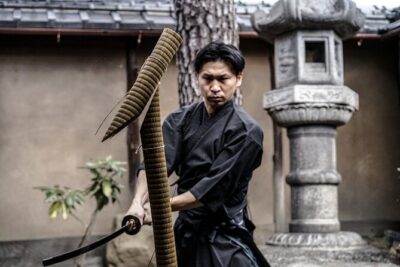 ★ 5.0Kyoto Samurai ExperienceFrom $1191,294 reviews
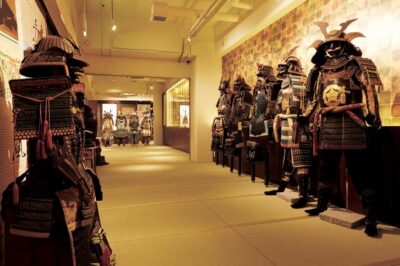 ★ 4.6Samurai Ninja Museum Guided tour and ExperienceFrom $271,010 reviews
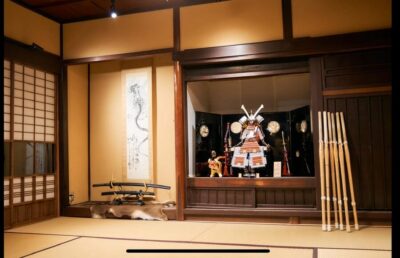 ★ 4.9Kendo and Samurai Experience with Uniform and GearFrom $103815 reviews
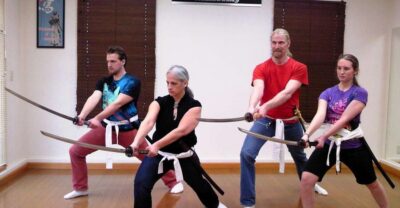 ★ 4.9Samurai Sword Class by Experts in Traditional ArtsFrom $64657 reviews
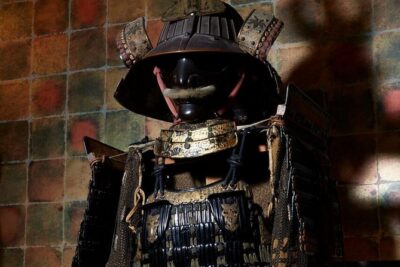 ★ 4.5Skip the lines Basic Ticket at SAMURAI NINJA MUSEUM KYOTOFrom $28632 reviews
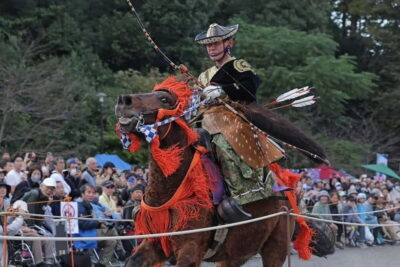 ★ 5.0Samurai Sword & Archery Class from Samurai DescendantFrom $193603 reviews
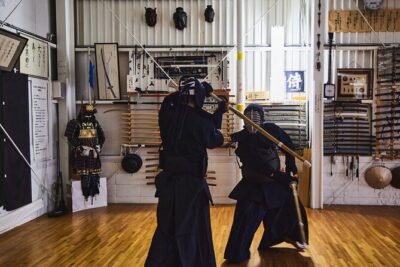 ★ 5.0Samurai Training Experience KENDO in OsakaFrom $131515 reviews
Filed on these lists too