
REVIEW · HIKING & TREKKING
Magome & Tsumago Nakasendo Trail Day Hike with Government-Licensed Guide
Stone streets, two preserved villages, one easy day. This Magome and Tsumago Nakasendo Trail hike gives you a clear route through Japan’s former post-town system without the usual stress of sorting signage and timing on your own. I like that you get a government-licensed English speaking guide to explain what you’re seeing, and I like that the walk is short enough to feel like exercise, not a full travel ordeal. A key consideration is that some costs sit outside the tour price, like public transport, which means you’ll want cash.
This is set up for travelers who want culture and movement in the same half-day style plan. You’ll also get a private experience, so the pace can match your group, and you’re not squeezed into a crowd’s rhythm. The guide format also helps when the route is simple on paper but full of small decisions in real life.
One more practical note: the hike is not available from December through the end of February due to icy conditions. If your trip lands in winter, plan on a different option that uses bus travel instead of hiking.
In This Review
- Key things I’d bet you’ll notice right away
- Why Magome and Tsumago feels like Japan with training wheels
- Price and what you’re really paying for
- Meeting your guide on foot and keeping your day un-fussy
- Stop 1: Magome-juku and its sloped views, stone paths, and small museums
- Stop 2: Tsumago-juku with unpaved lanes, Honjin inns, and Shogun-era clues
- The walk itself: 5 miles, easy hiking energy, and constant photo chances
- How the guide turns architecture into meaning
- Timing, weather, and why winter changes the plan
- Who should book this Nakasendo day hike
- Should you book this guided Magome and Tsumago hike?
Key things I’d bet you’ll notice right away
- 8 km, easy pace walking between Magome-juku and Tsumago-juku, good for limited time
- Licensed local English speaking guide who sets context before you start walking
- Private tour for only your group, so you can move at a comfortable speed
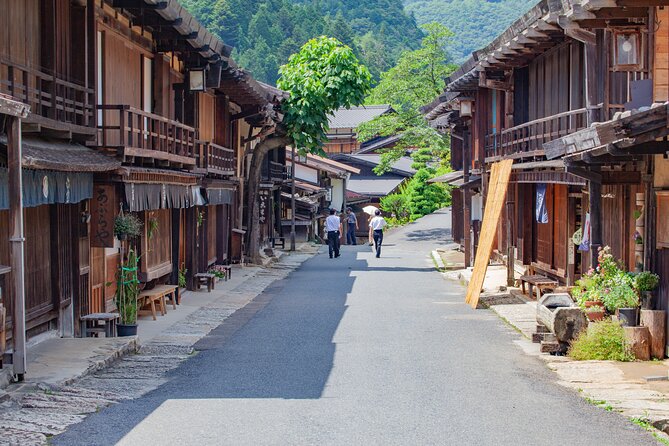
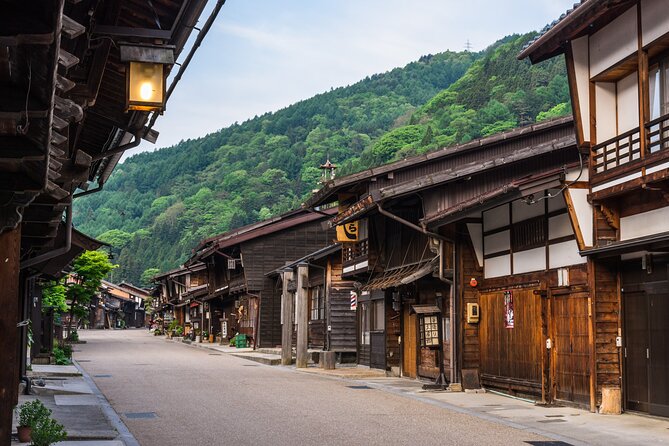
- Village contrasts matter: Magome slopes with broad stone paths, Tsumago is flatter with unpaved lanes and hidden cables
- Free to enter the key village stops, while transport and meals remain extra
- Winter closure (Dec to end Feb) keeps the hike safe and realistic
Still weighing up options in Gifu Prefecture? These are the ones our reviewers rated highest.
- Private-group Morning Cycling Tour in Hida-Furukawa
★ 5.0 · 105 reviews - Magome & Tsumago Nakasendo Trail Day Hike with Government-Licensed Guide
★ 5.0 · 38 reviews - Explore Kiso Valley : Magome – Tsumago Mountain Trail Walk
★ 5.0 · 33 reviews - Knife Making Experience in Samurai Sword Town
★ 5.0 · 29 reviews
Why Magome and Tsumago feels like Japan with training wheels
The Nakasendo Trail is famous because it links old post towns across the mountains, but the real appeal is quieter than the headline. Between Magome-juku and Tsumago-juku, you get a stretch that is long enough to matter, but not so long you feel cooked by the time you reach your second village.
I like that this day is built around an easy rhythm: walk, pause, look closer, then walk again. Magome is the steeper village, with that broad stone walkway and trees lining parts of the approach. Tsumago is the flatter sibling, where the streets turn unpaved and the village feels staged in the most respectful way. Together, they give you contrast in layout and atmosphere without requiring hiking skills you might not have planned for.
If you’re the type who loves details, this format is ideal. You’ll hear why these towns existed in the first place, and you’ll also get a lens for what changed in restoration projects over time. That turns a nice walk into something you can actually explain to friends later.
Price and what you’re really paying for
The price is $155.22 per person, and it’s often booked around 75 days in advance. That timing matters if you want a specific day, since this is not a huge, drop-in type of experience.
Here’s the value breakdown that helps you decide if it’s worth it for your trip style:
- You pay for a licensed guide’s time plus private guidance. That’s the heart of the experience.
- You also pay for the simplicity: you meet the guide and follow a planned route, so you’re not spending your day figuring out what bus to take when, or where to stand to start the walk.
- Some costs are not included, and you should plan for them: transportation fees, entrance fees (if any come up beyond the free village stops), lunch, and personal expenses.
Public transport is the big one. The tour specifically warns you to bring cash because transport costs extra. That’s not a small detail. In rural areas, it can be the difference between a smooth start and a stressful scramble.
Also, the tour notes group discounts and a mobile ticket, which can help if you’re traveling with others. And because it’s private, you’re not paying the same logistics tax you’d pay with larger join-in group tours where the pace can be mismatched.
Meeting your guide on foot and keeping your day un-fussy
This is a walking tour where pickup is on foot, with the guide meeting you at a designated meeting point. That setup is simple, but it does mean you should show up ready to walk right away.
The guide is a licensed local, English speaking guide. Based on past guide names that have led this walk, you might meet people such as Hiroshi-San, Elvis, Enomoto “Matt” Masatake, or Yumi-San. Since each guide brings their own style, I’d expect the strongest benefit to be how quickly they connect what you see to why it matters.
You also get a private tour in the strict sense: only your group participates, and you cannot combine multiple tour groups. That matters for comfort. A private pace is especially helpful here because the route passes through small places where it’s tempting to stop constantly for photos, snack breaks, and looking at old-style architecture.
One review detail that’s worth taking seriously: guides often help you fit in a meal or extra cultural stop when time allows, such as a soba lunch or a waki-honjin visit. Since lunch and additional stops are not automatically included, the guide’s role is usually to help coordinate what you want rather than force a rigid program.
Stop 1: Magome-juku and its sloped views, stone paths, and small museums
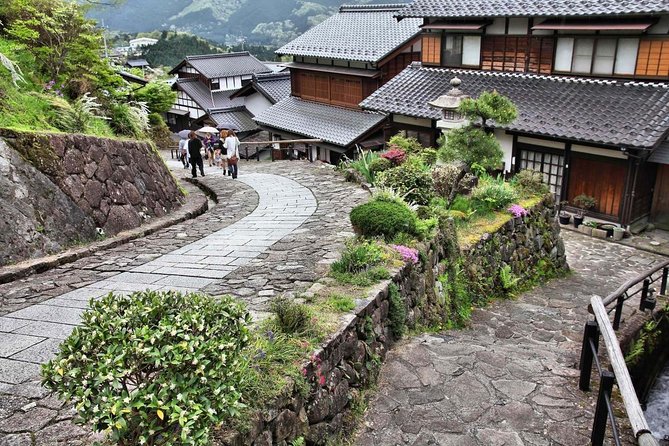
Magome-juku starts your day with a sense of motion. Even before you get far, Magome shows you that this was built for travelers moving between towns, not for modern strolling only.
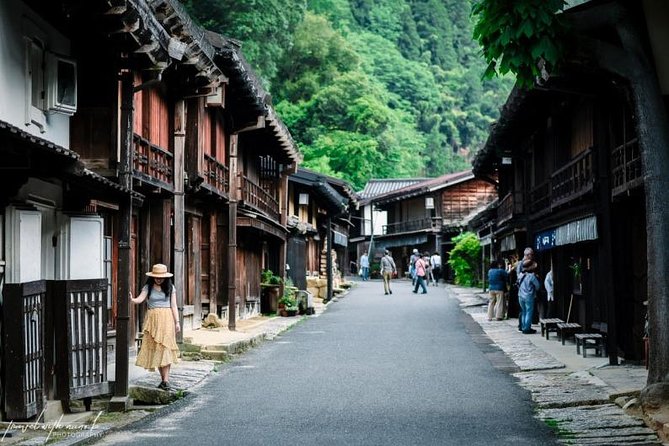
What makes Magome special is the way it’s restored differently than Tsumago. You’ll see a broad stone walkway lined with trees, plus plenty of traditional houses and craft shops. Magome is also on a slope, and that gives you natural viewpoints over the valley. When your legs want a break, those views give you a reason to pause without feeling like you’re just waiting.
Magome also includes several small museums. The type of museum depends on what’s operating, but the point is consistent: you get context on the town’s history, the artists who lived there, and day-to-day life in the past.
Practical tip: plan where you’ll stop to eat or drink. There are options at the top of the village with valley views, and there are also places lower down where you can mix more with locals. If you want the most scenic break, aim for the upper area. If you want the more social vibe, the lower part tends to feel closer to daily life.
One drawback to keep in mind: because Magome involves a slope, your pace might slow a bit compared with a flatter walk. That’s normal here, and a good guide will adjust how long you spend at viewpoints so nobody feels rushed.
Stop 2: Tsumago-juku with unpaved lanes, Honjin inns, and Shogun-era clues
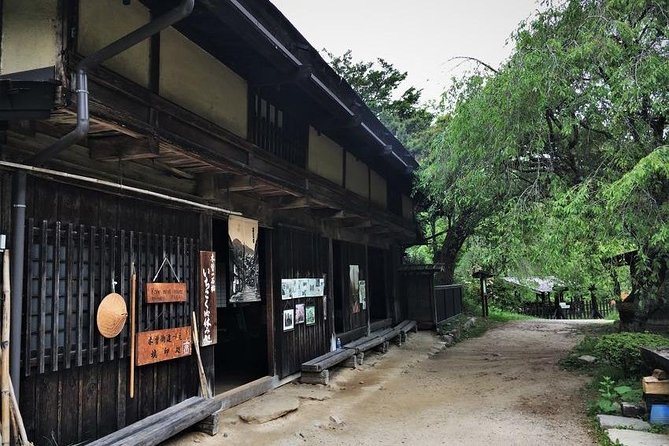
Tsumago-juku is the calmer match to Magome’s slope. It’s described as almost flat, and the village reads like a step back in time in a way that feels intentional rather than theme-park-ish.
The big reasons Tsumago works are restoration choices you can feel as you walk:
- The streets are unpaved, so the ground texture changes the experience.
- Some modern utilities are hidden, so you don’t trip over overhead wires and modern clutter, thanks to concealed cables.
- You still get the traditional structure of the post-town system, not just the facades.
Look for the traditional buildings connected to travelers:
- The Honjin, the original inn that welcomed merchants on the Nakasendo.
- The Wakihonjin, the secondary inn used when needed.
- The old notice board area where decrees from the Shogun were posted.
- A Buddhist temple built in the 16th century, adding another layer beyond travel commerce.
Tsumago can feel especially magical later in the day. The village is described as best enjoyed at night, when lanterns light up and it turns quiet. Even if your hike schedule lands you in the daytime, the takeaway is the same: Tsumago rewards slower looking. It’s a place where details matter more than speed.
A small caution: if you’re expecting a long, continuous scenic panorama, Tsumago’s charm is more about the village texture and architecture. It may not look dramatic every minute, but it feels quietly alive in the way old streets do.
The walk itself: 5 miles, easy hiking energy, and constant photo chances
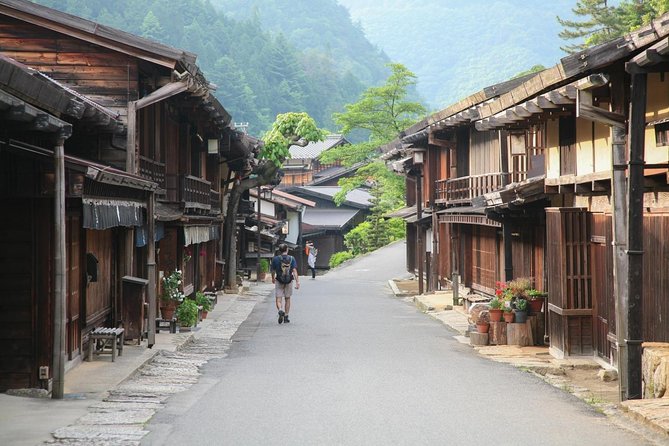
The hike totals about 5 miles (8 kilometers). That’s a sweet spot for many people: enough walking to feel accomplished, short enough to keep your day from turning into a logistics marathon.
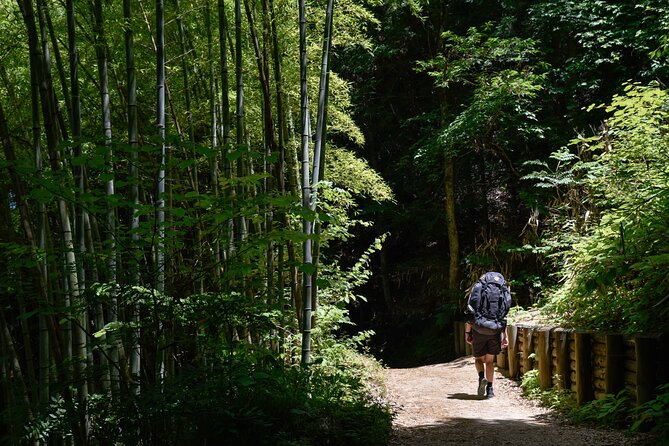
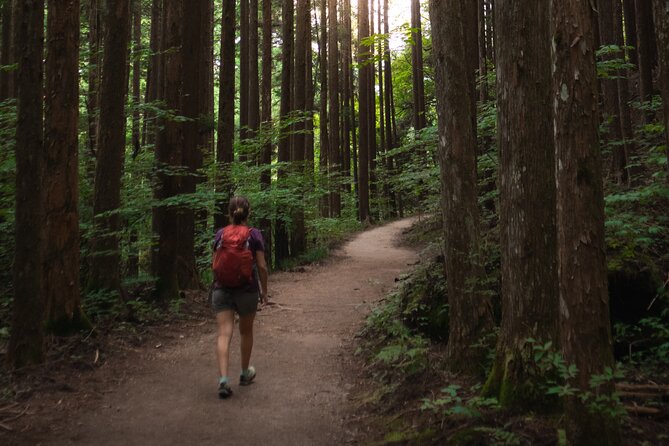
It’s also described as an easy hike. In plain terms, you should expect steady walking, some uneven stone, and stretches where your pace becomes about chatting and noticing rather than grinding.
Photo ops are a big part of the experience. The route passes through old streets, preserved structures, and viewpoints around Magome. With a guide, you’re more likely to slow down at the right spots, because you’ll know what you’re looking at instead of just hoping the photo angle is good.
Also, this is one of those tours where the guide’s role is more than storytelling. A good guide helps you keep momentum without sprinting. That shows up in how people describe their experience: they finish feeling active, not wrecked.
If you’re coming from the idea that Japan is all about trains and packed schedules, this route offers a rare reset. You get exercise without the risk of losing your way, and you get enough structure to enjoy the walking instead of managing it.
How the guide turns architecture into meaning
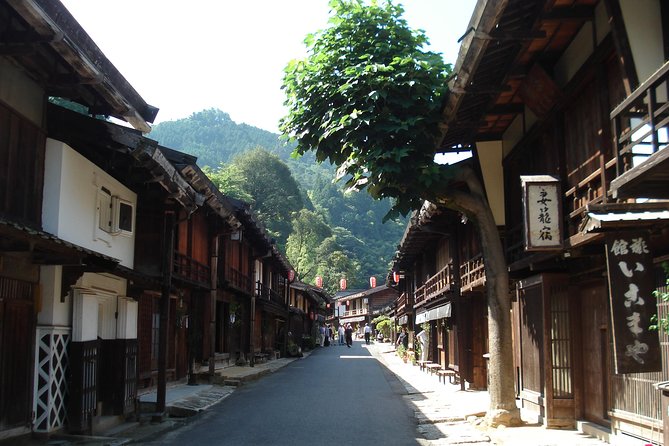
If you care about Japanese history, this part is where the money tends to make sense.
Magome and Tsumago are preserved post towns, which means their buildings and street layouts were practical tools for travel. A guide helps you see that practicality. Instead of treating the town like a backdrop, you understand why certain buildings mattered and how people moved through the system.
One example from past guides: Hiroshi-San is noted for giving history of Japan and the Nakasendo walk before the hike. That kind of intro matters because once you know what a post town was meant to do, every stop reads differently.
Other guides, like Enomoto “Matt” Masatake, are described as adjusting the experience. In one case, a guide offered to extend the hike rather than take a bus connection. That’s a good example of the private format working: if your group has the energy and interest, you can often tailor the pacing.
And Yumi-San is described as explaining significant details patiently. That’s key for solo travelers and couples alike. If you’re one person in a group, you don’t want the tour to move past you while explanations end. A private guide can keep the flow fair.
Just keep expectations realistic: this hike is short, so you’ll mostly get highlights and meaning, not an academic seminar. If you want the deep-course version, you’d need a longer itinerary, but for a day with walking and village time, the guide role is spot on.
Timing, weather, and why winter changes the plan
The tour runs about 6 hours (approx.), and the day is essentially two village blocks. That means weather can affect how much you enjoy the walk, but it usually won’t derail the entire plan.
One practical detail you can use: this hike is not available from December through the end of February due to icy conditions. That’s safety driven, and it also tells you how seriously the provider takes footing on this route.
If you’re visiting in chilly or rainy conditions, guides have still managed the experience, based on feedback from past participants. Your best move is to dress in layers and be prepared for cool air if you’re walking in the morning. Since Magome involves stone paths and a slope, comfortable shoes with good grip matter.
If you’re traveling during the off-season months, the tour notes an alternative: book the Magome and Tsumago Nakasendo Full-Day Private Trip with Government-Licensed Guide if you wish to visit those areas in winter. That option uses a bus approach and you will not hike there.
Who should book this Nakasendo day hike
This experience fits best if:
- You want a doable hike of around 8 km, not a big multi-hour mountain trek
- You like history and want it connected to real places, not just facts in a guidebook
- You prefer a private pace instead of being swept along by a larger group
- You’re short on time but still want the full Magome plus Tsumago contrast
It may not fit you as well if:
- You’re visiting between December and late February, since this walking version is closed then
- You’re hoping for a long wilderness-style hike. This is a trail through preserved towns, with village life as the main focus.
For couples and small families who can handle a steady walk, it’s a strong choice. For solo travelers who worry about navigating and missing key context, the guide reduces friction without turning the day into a classroom.
Should you book this guided Magome and Tsumago hike?
Yes, if your goal is a stress-free, easy day that combines walking with real context. The price is not cheap, but you’re paying for something practical: a licensed guide, a private group setup, and a route that keeps you on track between two of the Nakasendo’s most famous preserved post towns.
Book it if you want:
- a quick win on the Nakasendo Trail
- architecture and history explained while you’re still standing in front of it
- an experience that feels personal, with room to pause and look
Skip or switch plans if your travel dates fall in the winter closure window, because you’ll need the bus-based alternative rather than the hike.
If you’re choosing between self-guided wandering and a guided walk, I’d lean guided here. With Magome’s slopes, Tsumago’s specific traditional sites, and the value of a clear explanation, a guide turns a pleasant stroll into a day you understand as you go.
Newest Gifu Prefecture write-ups from the Loving Japan desk

Hiking & Trekking, side by side.
 ★ 4.93-Hour Fushimi Inari Shrine Hidden Hiking TourFrom $72270 reviews
 ★ 5.0Hiroshima Local guided Hiking Tour&Open-air Tea CeremonyFrom $109213 reviews
 ★ 5.0Hiking the Historic Nakasendo Trail [1 Day Tour from Nagoya]From $210104 reviews
 ★ 5.0Kyoto Hiking Tour: The Nature and Legends of Kurama and KibuneFrom $19175 reviews
 ★ 4.8Morning Hiking Tour with Open-air Tea CeremonyFrom $10658 reviews
 ★ 5.0Full Day Hiking Tour at Mt.Takao including Hot SpringFrom $11852 reviews
 ★ 5.0Hike and Hot Springs in KuramaFrom $8049 reviews
 ★ 5.0Hike Hakone HachiriFrom $23148 reviews
Filed on these lists too