
REVIEW · ASAKUSA, SENSO-JI AND TOKYO SKYTREE
From Asakusa: Old Tokyo, Temples, Gardens and Pop Culture
Old Tokyo meets anime Tokyo in one walk. This private 4-hour tour links Senso-ji and Asakusa backstreets to Ueno markets and Akihabara pop culture, then slows down at Koishikawa Korakuen. I love how the guide connects the past to what you see today, and I love spending real time at Senso-ji so you notice details instead of sprinting through. The only drawback is that it is mostly walking, so comfortable shoes matter and some stops can feel crowded.
The difference here is the guide. I’ve seen names like Taka in Asakusa, Michelle with strong language skills, Toru staying attentive, and Takee adding extra fun like a pub stop and origami for the group. With a small group limited to 8, you get better questions answered and fewer awkward gaps in the story.
In This Review
- Key things I’d mark on your mental map
- Asakusa to Ueno, the subway link that reshapes the day
- Senso-ji and Nakamise-dori, temple details you will actually notice
- Ueno and Okachimachi, market energy without the corporate gloss
- Akihabara Electric Town, pop culture with real tech roots
- Koishikawa Korakuen, an Edo-era pause from city noise
- Price and pace, what $68 gets you in real value
- Your guide matters, and this one shows it
- Who should book this walk through old Tokyo and pop culture
- Should you book this tour?
- FAQ
- Where is the meeting point?
- How long is the tour?
- Is this a private tour, and what is the group size?
- What language is the guide?
- Is the tour wheelchair accessible?
- What is included in the price?
- Is food and drinks included?
- Do you need to pay up front, and can you cancel?
Key things I’d mark on your mental map
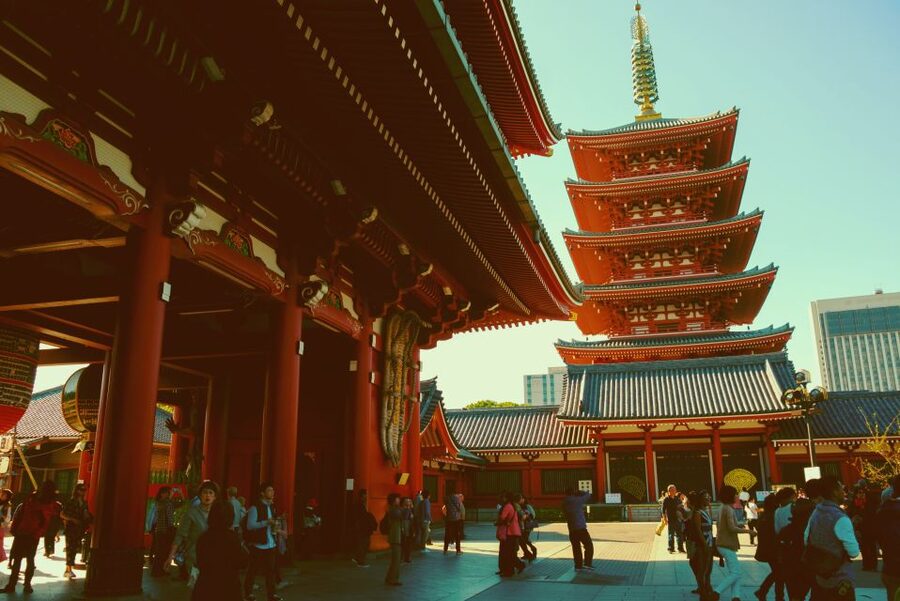
- Senso-ji time that lets you look, not just point
- Asakusa to Ueno context, including the subway connection between the two
- Ueno and Okachimachi market grit, with the feeling of everyday Tokyo shopping
- Akihabara with both sides, electronics roots plus otaku culture
- Koishikawa Korakuen as a reset, Edo-era calm when the city gets loud
- Small group pacing, easier to keep up and ask questions in English
Still on the Sumida side? A few more Asakusa options
- Tokyo: Japanese Dance Cabaret Theater Asakusa-Kaguwa Ticket
★ 4.8 · 2,270 reviews - Tokyo: Meiji Shrine, Asakusa, Skytree Bus Tour and Cruise
★ 4.7 · 1,986 reviews - Tokyo: Roll and Authentic Sushi Making Class in Asakusa
★ 4.9 · 1,957 reviews - Tokyo: Asakusa Walking Tour with Sensoji Temple Visit
★ 4.8 · 1,583 reviews
Asakusa to Ueno, the subway link that reshapes the day
What I like most about this tour is that it starts with the idea that Tokyo is layered. You begin in Asakusa, then move toward Ueno and Okachimachi, and along the way you learn why these areas grew, shifted, and kept reinventing themselves. It’s not just sightseeing, it is a guided way to read the city.
A neat anchor point is the story about Tokyo’s early transit. Your route mirrors a major historical link, because Asia’s first subway started operating between Asakusa and Ueno. So even when you are just walking and taking local trains, the tour gives you a reason to pay attention to direction, distance, and how neighborhoods connect.
This is also where the tour’s timing works for first-timers. You are not spending hours commuting across town. Instead, you are moving through East Tokyo with enough stops to build understanding, but still light enough to keep it enjoyable if you are jet-lagged.
If you hate crowds, plan your mindset. Asakusa, Ueno, Okachimachi, and Akihabara can all be busy. The trade-off is that you get to see Tokyo the way it actually functions day to day, not a quiet postcard version.
Senso-ji and Nakamise-dori, temple details you will actually notice
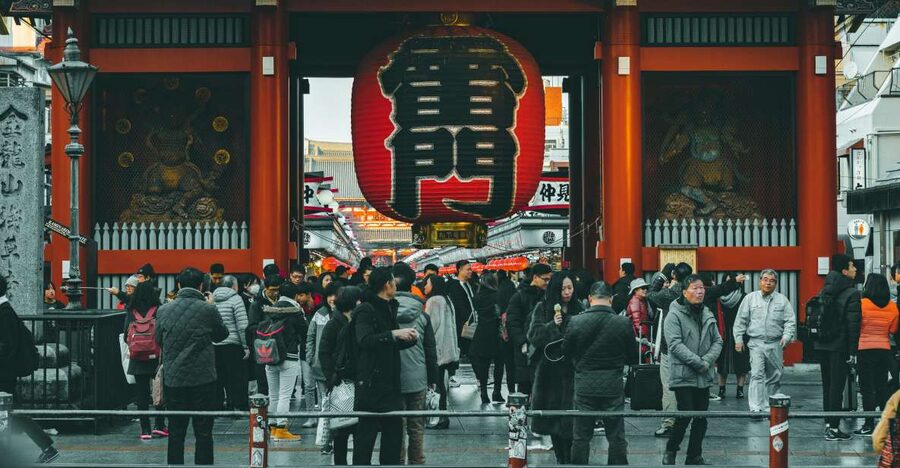
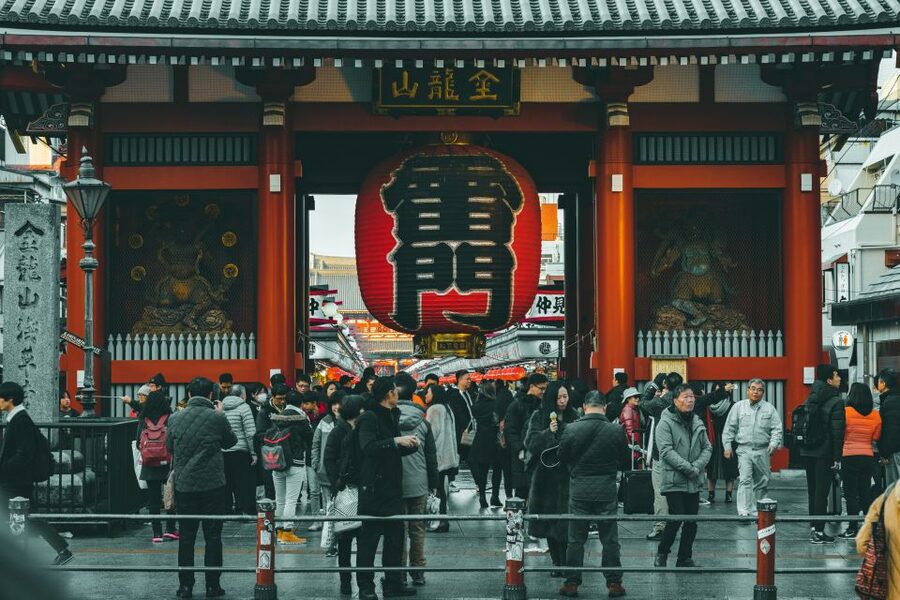
Asakusa works like a front door to old Tokyo. You start there at the meeting point near Kamiya bar in Asakusa, then your guide leads you through the area with context before you even reach the main landmark. That matters because when you finally arrive at Senso-ji, you are not just seeing a famous building, you are understanding why people treat it like a living center.
At Senso-ji, the focus is on an early Buddhist temple and the history around it, explained in a way you can follow while you stand in the real space. You get about 15 minutes at the temple itself, which is a good chunk for reading and looking, especially if you’re the type who likes to pause for photos, incense details, or the smaller carvings most people skip.
From there, Nakamise-dori is the sensory bridge. It is a shopping street tied to the temple experience, and it gives you that classic Asakusa feel of snack stalls, souvenirs, and the kind of street commerce that has survived for generations. Even if you do not buy anything, the street shows you how culture gets translated into everyday life.
Possible drawback: if you are extremely focused on one type of attraction, like only temples or only museums, the Asakusa segment may feel like it has both sacred and commercial energy in the same zone. I think that mix is the point, but it is worth mentioning.
Ueno and Okachimachi, market energy without the corporate gloss
After Asakusa, the tour shifts into the Ueno and Okachimachi area, where you get a stronger sense of marketplace Tokyo. This part is less about polished shopping and more about the real grind of street vendors and shops that have operated there for generations. It feels like a place where locals run errands, not just a place designed for tourists.
Ueno is known for museums and seasonal cherry blossom scenery, but what stands out on this walk is the market vibe. You are guided through the neighborhood so you can spot why people keep coming back. Okachimachi adds even more of that everyday feel, and it is a good counterbalance to the temple and souvenir atmosphere you just left.
One of the practical wins here is that your guide helps you understand what you are seeing. Without that, you might just think, Lots of shops, lots of noise. With the guide, it turns into a story about how these areas functioned as commercial hubs and why they still do.
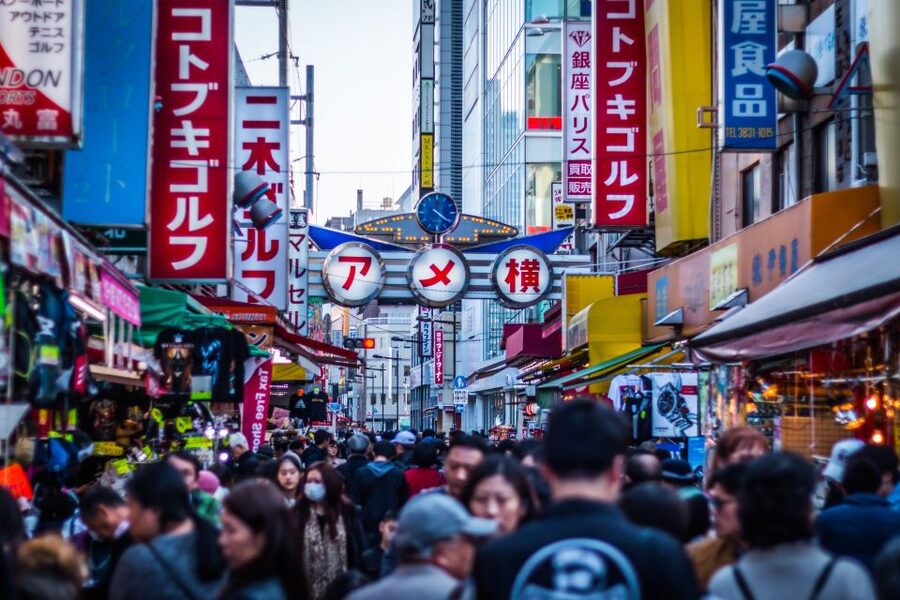
About Ameya-Yokocho: you spend time in the market zone where all kinds of stalls and foods line the streets. It is exactly the sort of place where you learn faster by watching. Look at how people move, where they stop, what they seem to be buying. If you like markets, you will leave with that satisfied feeling of having seen something ordinary and specific.
Slower gardens, if the schedule allows
- Tokyo: Zen Meditation at a Private Temple with a Monk★ 5.0 · 510 reviews
- Imperial Palace East Garden and Edo Castle Walking Tour in Tokyo★ 5.0 · 510 reviews
- Tokyo: Imperial Palace East Gardens Walking Tour★ 4.8 · 353 reviews
- Tokyo Castle, Imperial Palace, Shogun & Garden Walking Tour★ 5.0 · 211 reviews
- Tokyo Zen Meditation at Private Temple with Monk★ 5.0 · 178 reviews
Akihabara Electric Town, pop culture with real tech roots
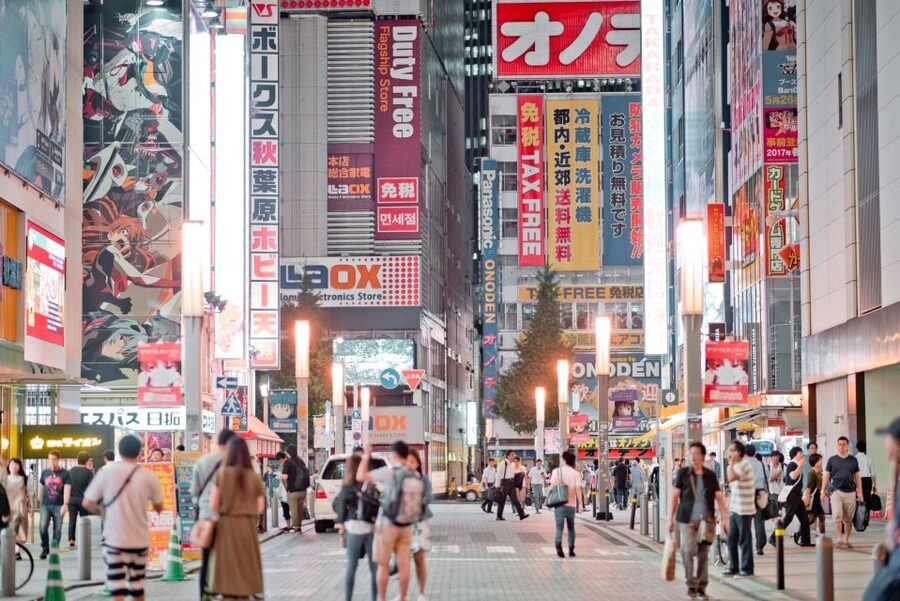
Then the tour jumps to Akihabara, often called Electric Town. This is the part many people arrive expecting anime and gadgets, and those are here. But what I appreciate is that the tour does not treat Akihabara as only a fantasy world. It frames it as a place with cutting-edge electronics roots that go back much further than most visitors realize.
Over time, Akihabara became a magnet for otaku culture, with anime and manga fandom at the center. On the streets, you can see how that identity plays out, including cosplay and character-based enthusiasm. I like that your guide gives you the background so you understand what you are looking at, instead of only recognizing it as something loud and unusual.
The Akihabara segment is about 45 minutes, enough to walk the main streets and catch the mood without turning it into a shopping marathon. If you are a gamer or a collector, you will probably want more time than you get here. If you are not, that is still fine. The value is in learning what makes this district tick and how pop culture became a local industry.
Possible drawback: Akihabara is visual and intense. If your travel style is quiet temples and gardens, you may find this segment more sensory than you want. But that contrast is also what makes the whole tour work, you move from historical East Tokyo into modern entertainment culture, then you return to calm at the garden.
Koishikawa Korakuen, an Edo-era pause from city noise
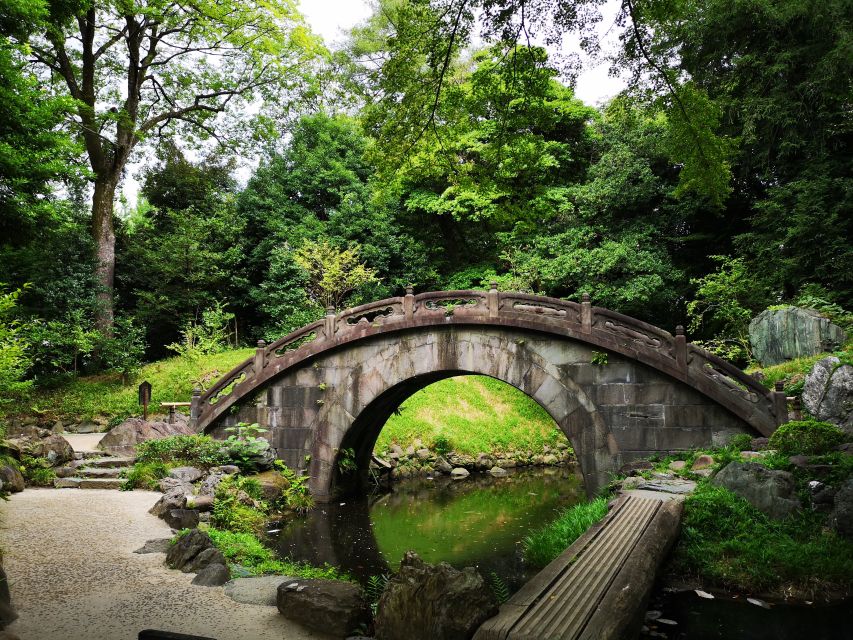
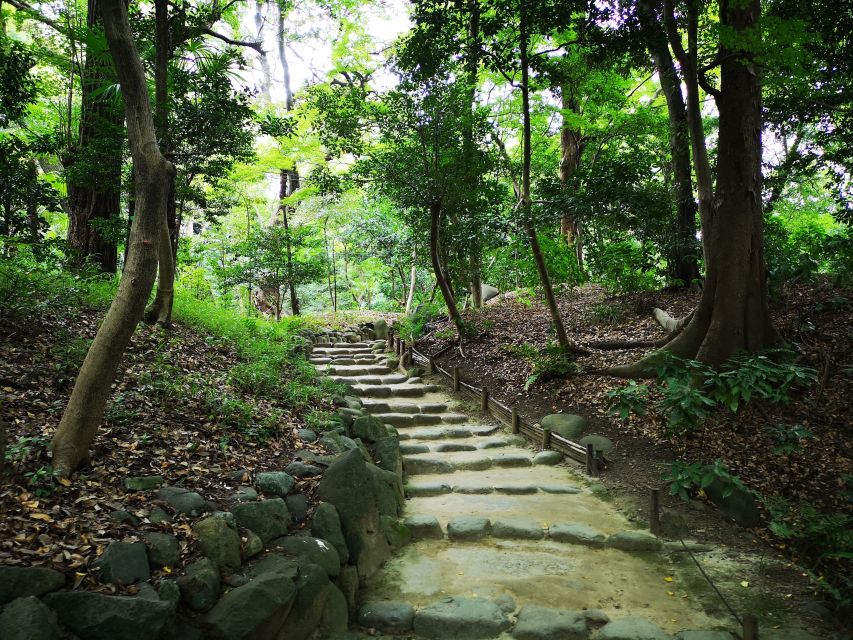
The last stop is Koishikawa Korakuen, a traditional Japanese garden. This is where the tour changes pace on purpose. After temple streets and neon-coded shopping, you get a quieter place designed for walking and observing nature in an urban setting.
What I like about ending here is the reset effect. The tour gives you permission to slow down. You get scenic views on the way, then time in the garden where the layout and paths guide your attention. It is a completely different feeling from Akihabara’s energy.
Seasonality matters, and your guide helps you connect the garden to what the season usually looks like. Spring can bring cherry blossoms, and autumn shifts the mood with warmer colors. Even if you are visiting in a less peak month, you still get the idea of how Japanese gardens are meant to be read like scenes.
This stop is about 45 minutes, which is enough to appreciate the space without feeling like you missed everything by arriving late in the day. It is also a helpful way to end a walking tour, because you will likely feel calmer and less rushed.
Price and pace, what $68 gets you in real value
Let’s talk value. The price is $68 per person for about four hours, and that is a big part of why this works. You are paying for an English live guide, plus standard costs while on tour, including admissions and local train rides. Food and drinks are not included, and Tokyo National Museum admission is not included if you choose to add it.
For many visitors, the biggest hidden cost in Tokyo is time lost to figuring out logistics. This tour reduces that friction by covering the basic route and paying for transit and standard entries. You still pay for meals yourself, but you are not paying extra for the core experience.
The small group size, limited to 8, also affects value. In a large group, you can spend half your time waiting at each stop. Here, you can keep a closer rhythm and get more personal answers, which matters for a city as layered as Tokyo.
Pace-wise, you should assume you will walk most of the route. If you are okay with that, you get a lot of variety: Asakusa temples and shopping, Ueno and Okachimachi markets, Akihabara pop culture, and a traditional garden finish.
If you are expecting everything to be fully seated or strictly museum-style, this is not that kind of tour. The experience is built around movement and street-level context.
Your guide matters, and this one shows it
Because it is a private tour, the guide shapes your day more than on a big bus-style tour. And the quality signal is in the details. Guides like Taka in Asakusa, Michelle who has shown strong multilingual ability, Toru described as especially attentive, and Takee who added a pub stop and origami, all point to the same thing: this is not only a script. It is a live conversation.
That matters at stops where you could easily miss meaning. At Senso-ji, you might just see the architecture and crowds. With the guide, you understand the temple’s early Buddhist background and how Asakusa translated that tradition into what you see today.
In market areas, you might otherwise feel overwhelmed by choices. With a guide, you know where to look and how to interpret what you are seeing, which also helps you decide what is worth trying.
If you are traveling with kids, this kind of storytelling can be especially helpful. When Takee added origami and a casual pub touch, that type of flexible, human energy is often what keeps younger travelers engaged.
One note: this tour is in English, so if you speak English confidently and want to ask questions on the fly, you will get a lot out of it.
Who should book this walk through old Tokyo and pop culture
I’d recommend this tour if you want a Tokyo sampler that still feels coherent. You do not just hop between random landmarks. You move through East Tokyo in a way that shows how old neighborhoods, commerce, transit, and modern fandom all connect.
You should also like this tour if:
- you want temples plus markets, not just one or the other
- you are curious about how Tokyo’s entertainment culture formed in specific places like Akihabara
- you enjoy guides who add context you can carry into the rest of your trip
- you prefer a small group that stays flexible
If you only want one theme, like gardens only, or you hate crowds and prefer empty spaces, you might find the market and Akihabara portions tiring.
Should you book this tour?
Book it if you want a four-hour plan that teaches you how Tokyo works at street level, with enough variety to keep it fun. The big wins are the Senso-ji time, the market grit in Ueno and Okachimachi, and the Akihabara contrast that makes Koishikawa Korakuen feel like a real exhale.
Skip it only if walking in busy areas is a deal-breaker for you, or if you already have a very focused itinerary that matches your interests better with fewer neighborhood shifts.
If you are in Asakusa anyway and you want to make sense of Tokyo beyond famous photos, this is a smart way to get your bearings fast.
FAQ
Where is the meeting point?
You meet at Kamiya bar in Asakusa.
How long is the tour?
It runs for 4 hours.
Is this a private tour, and what is the group size?
It is a private Tokyo tour with a small group limited to 8 participants.
What language is the guide?
The live tour guide speaks English.
Is the tour wheelchair accessible?
Yes, it is wheelchair accessible.
What is included in the price?
The price includes all guide costs and standard costs while on tour, such as admissions and local train rides.
Is food and drinks included?
No. Food and drinks are not included.
Do you need to pay up front, and can you cancel?
You can reserve and pay later. There is free cancellation up to 24 hours in advance for a full refund.
Gardens Worth Slowing For

Asakusa and the Skytree, Keep Going


Newest Tokyo write-ups from the Loving Japan desk






Asakusa, Senso-ji and Tokyo Skytree, side by side.
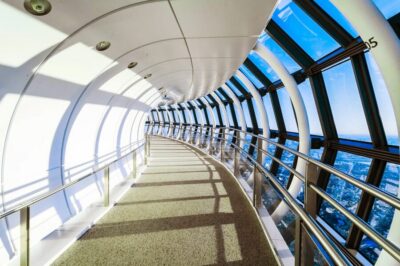 ★ 4.5TOKYO SKYTREE® Admission ticketFrom $1311,192 reviews
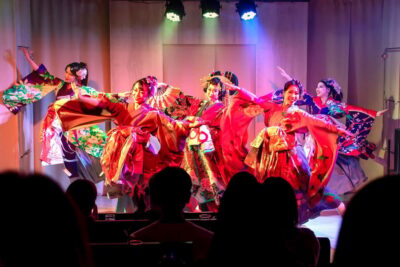 ★ 4.8Japanese Dance Cabaret Theater Asakusa-Kaguwa TicketFrom $492,270 reviews
 ★ 4.7Meiji Shrine, Asakusa, Skytree Bus Tour and CruiseFrom $1221,986 reviews
 ★ 4.9Roll and Authentic Sushi Making Class in AsakusaFrom $581,957 reviews
 ★ 4.8Asakusa Walking Tour with Sensoji Temple VisitFrom $221,583 reviews
 ★ 5.0Tokyo Asakusa Rickshaw TourFrom $421,375 reviews
 ★ 4.5Tokyo Panoramic 1 Day: Meiji Shrine, Asakusa, Odaiba and SKYTREE®From $851,222 reviews
 ★ 5.0Tokyo Go Kart: Asakusa, Skytree, and Akihabara **IDP MUST**From $99988 reviews
Filed on these lists too