
REVIEW · JAPANESE GARDENS AND ZEN MEDITATION
Tokyo: Zen Meditation at a Private Temple with a Monk
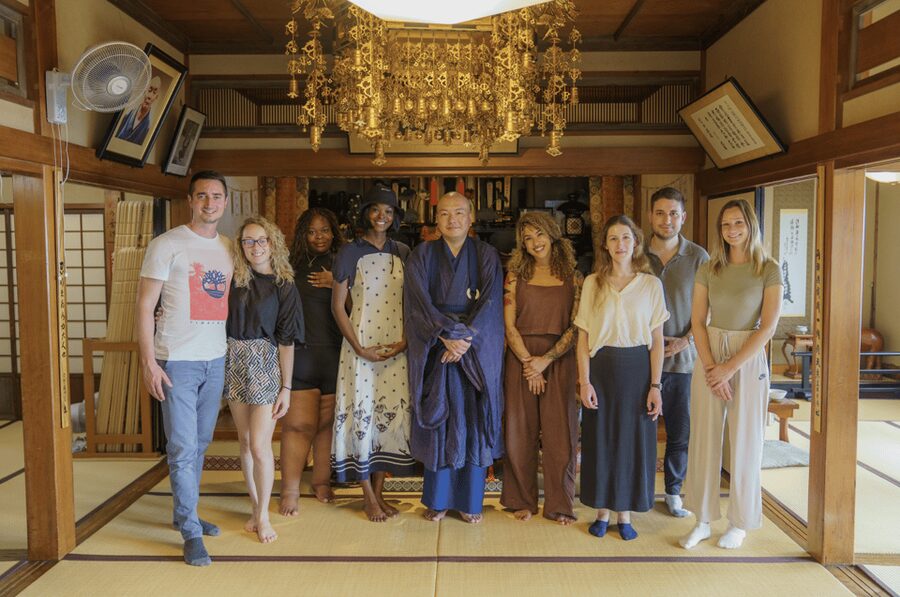
A calm morning in Asakusa starts with breath. You get private temple access and a real zazen session led by the resident monk, with clear English support from Tamami-san. You end with a matcha tea ceremony and a relaxed Q&A that makes the whole practice feel practical, not mysterious.
The main thing to consider is timing. This is a 90-minute experience, so if you’re hoping for a long, retreat-style sit, this will feel more like a focused introduction with a few guided practice rounds.
In This Review
- Key highlights
- A 400+ Year Asakusa Temple You Step Into Quietly
- Meet Tamami-san, Then Namiki-san Guides Your Zen Session
- Zazen Practice: Breathing Rhythm, Tatami Seating, and Stillness
- Calligraphy and Chant: When Focus Becomes a Physical Skill
- Matcha Tea Ceremony and Sweets: The Best Kind of Pause
- Q&A With the Monk: Stress Advice You Can Use Immediately
- Photography and Temple Etiquette: What You Can Do Inside
- Asakusa Meeting Point: Family Mart by Tawaramachi
- Price and Value: What $55 Actually Buys You
- Who This Zen Meditation Experience Is Best For
- Should You Book This Private Temple Zen Session in Tokyo?
- FAQ
- How long is the Zen meditation experience?
- Where do I meet for the tour?
- Is transportation included?
- What is included in the experience?
- Is the tour offered in English?
- How do I connect with the guide before the start?
- Can I skip the line?
- What is the cancellation policy?
Key highlights
- Private temple entrance in Asakusa so you’re not stuck in tourist lines
- Monk-led zazen explained in plain language with English translation
- Short, guided meditation rounds that help you find a steady rhythm fast
- Calligraphy practice with chanting, plus matcha and sweets afterward
- Q&A with the monk, where stress and daily-life mindsets get real-world answers
- Temple photos allowed, so you can remember what you learned and where you sat
Slower gardens, if the schedule allows
- Imperial Palace East Garden and Edo Castle Walking Tour in Tokyo
★ 5.0 · 510 reviews - Tokyo: Imperial Palace East Gardens Walking Tour
★ 4.8 · 353 reviews - Tokyo Castle, Imperial Palace, Shogun & Garden Walking Tour
★ 5.0 · 211 reviews - Tokyo Zen Meditation at Private Temple with Monk
★ 5.0 · 178 reviews
A 400+ Year Asakusa Temple You Step Into Quietly
Asakusa is one of those Tokyo neighborhoods where the streets can feel busy fast. This experience gives you a different switch entirely. You meet near Tawaramachi Station and then head to a temple that is not open to the general public in the usual way. The payoff is that you can feel the space before you even start sitting.
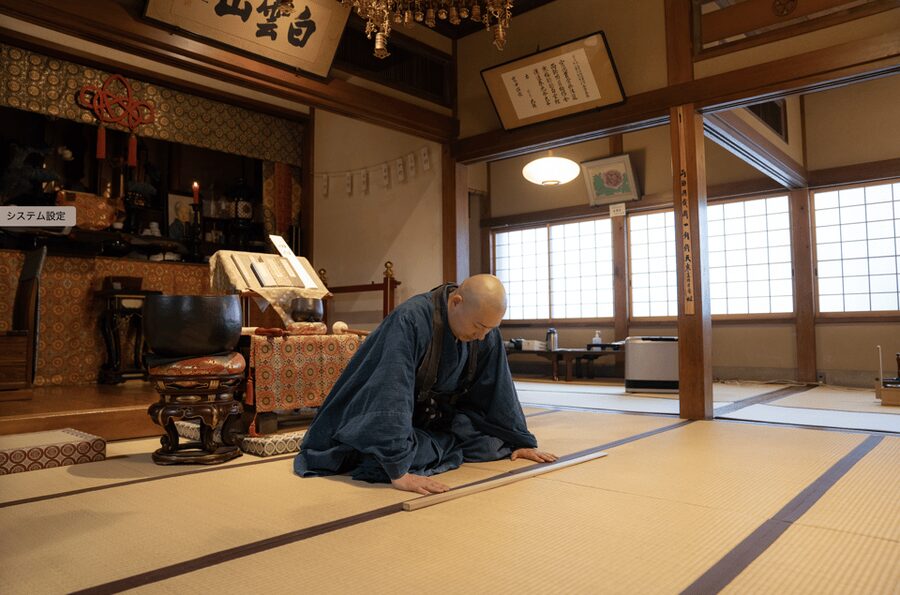
The temple setting matters. You’re working inside a place that has been home to monks for generations, and it shows in the atmosphere: quieter corners, careful pacing, and rituals that feel like they belong to the building. In a city where you can see a lot in a day, this is the kind of activity that makes you slow down and pay attention to your body and mind.
You also get the advantage of a separate entrance, so the experience feels intentional from the start. Instead of spending your energy navigating crowds, you spend it preparing to sit. That small difference makes the Zen practice land better.
Meet Tamami-san, Then Namiki-san Guides Your Zen Session
The experience runs with two key people: your English-speaking guide and the resident monk. In the sessions described, Tamami-san often handles translation and context smoothly, helping you follow along without getting lost. The monk, often named Namiki-san, leads the core teachings and answers questions directly.
That setup is what makes this work for first-timers. Zen meditation can sound technical, even intimidating, until someone explains what to do with your breath, your posture, and your attention. Your guide helps connect the dots, while the monk keeps it grounded in the practice itself.
A nice touch is how much room you get for questions. By the end, it’s not just a lecture. You can ask about temple life, Zen ideas, or what meditation is supposed to change in your day-to-day thinking. That Q&A component is repeatedly praised because it takes the spirituality out of the clouds and makes it practical.
Zazen Practice: Breathing Rhythm, Tatami Seating, and Stillness
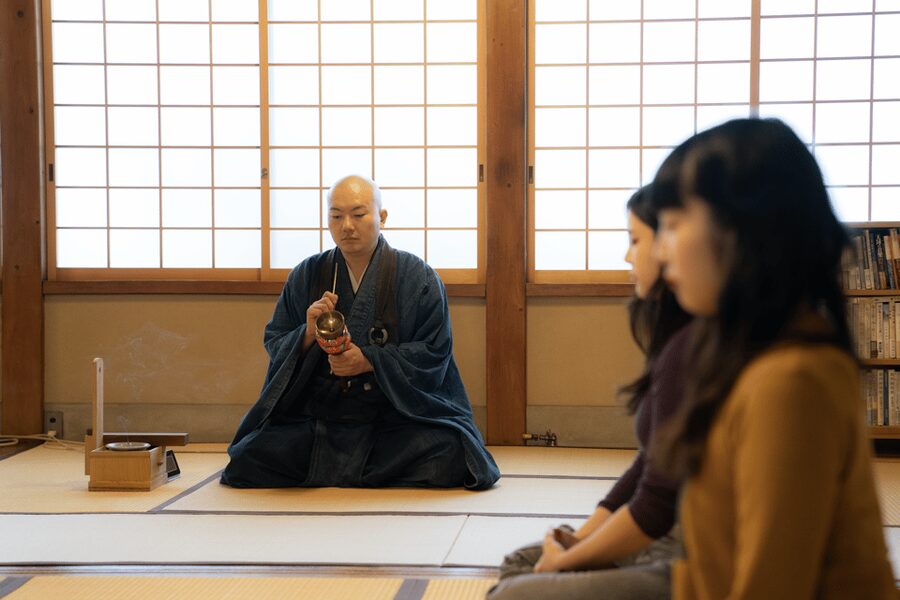
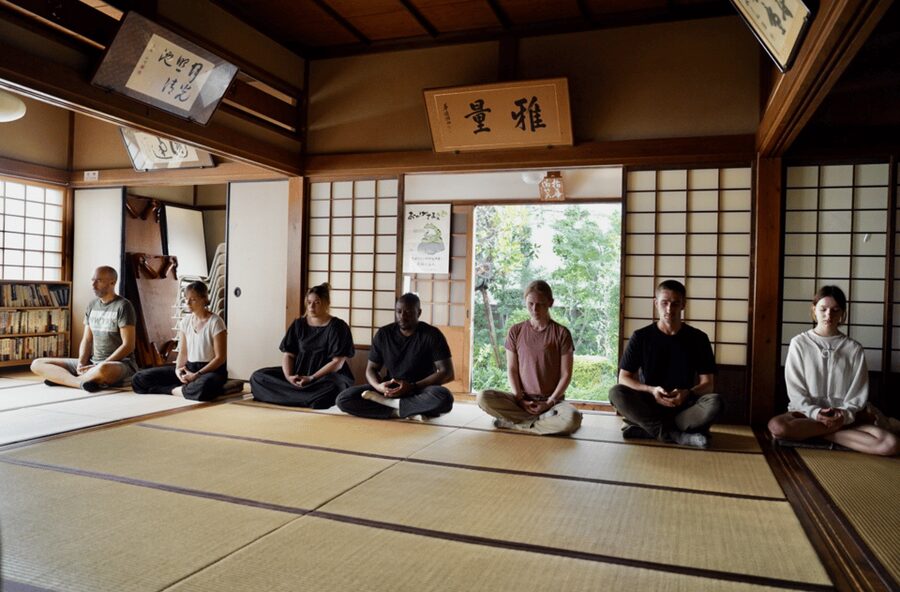
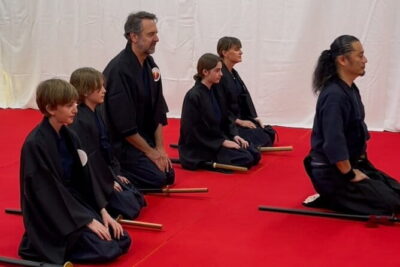
This is zazen, seated meditation, and it’s taught with structure. You’ll start with instruction and then practice inside the temple space, often sitting on tatami mats. The goal is simple, and that simplicity is the point: unify your mind and find a calmer relationship with your thoughts.
What you’re doing is not about forcing your brain to go blank. You’re learning how to observe yourself while staying steady. Many participants describe it as different from meditation they’ve tried elsewhere because the focus feels more disciplined and ritual-based than purely relaxing.
Expect short seated rounds rather than one long marathon. Several accounts mention two meditation sessions, with some happening around 10 minutes each. That format is actually helpful. When the sittings are shorter, you get more coaching and fewer chances to get mentally tangled. You return to your attention again and again, like practicing balance.
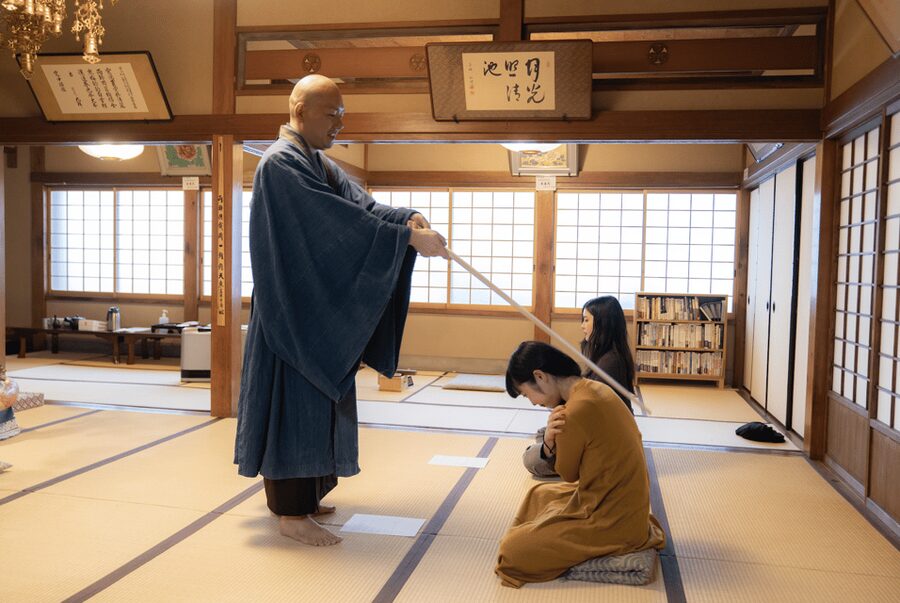
One small tip that came up: ask the monk about the use of a stick during meditation if you’re curious. In some sessions it’s a light, fun part of guidance. Even if it’s optional where you go, the underlying idea is the same: you’re being taught how to keep your practice on track.
- Mt Fuji and Hakone 1-Day Bus Tour Return by Bullet Train★ 5.0 · 26,383 reviews
- 1-Day Tokyo Bus Tour★ 5.0 · 14,250 reviews
- Tokyo: teamLab Planets TOKYO Digital Art Museum Entry Ticket★ 4.6 · 9,779 reviews
- Mt Fuji & Hakone Cruise, Drum Show Bullet Train 1 Day from Tokyo★ 4.0 · 7,413 reviews
- Tokyo: Shinjuku Food Tour (13 Dishes at 4 Local Eateries)★ 5.0 · 6,603 reviews
Calligraphy and Chant: When Focus Becomes a Physical Skill
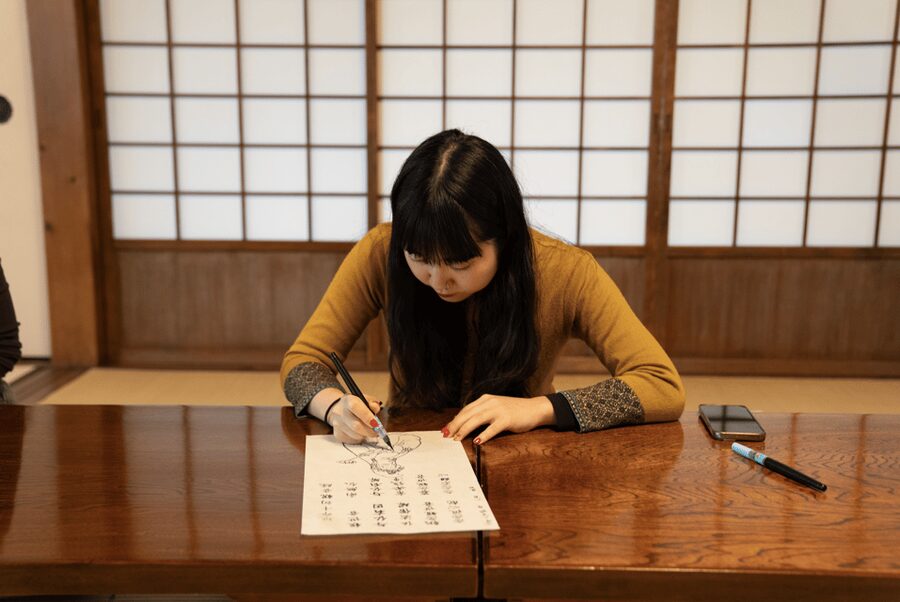
In addition to meditation, you do calligraphy. This isn’t just a souvenir activity. It’s taught as a way to train attention. With Zen, focus isn’t only mental. It’s also physical and procedural, like how you hold yourself, how you move slowly, and how you repeat a motion until it becomes calm.
You may also experience chanting tied to the calligraphy, which is a unique way to connect breath and action. That combination helps explain something important about Zen practice: it’s not only about sitting still. It’s about how attention behaves when you’re doing a simple task with care.
Why this matters for you: after meditation, your mind may feel restless or self-conscious. Calligraphy offers a different kind of focus, one where you can channel energy into something precise. It also gives you a tangible artifact at the end of a very intangible practice session. If you like having a memory you can actually hang on a wall, this part helps.
Matcha Tea Ceremony and Sweets: The Best Kind of Pause
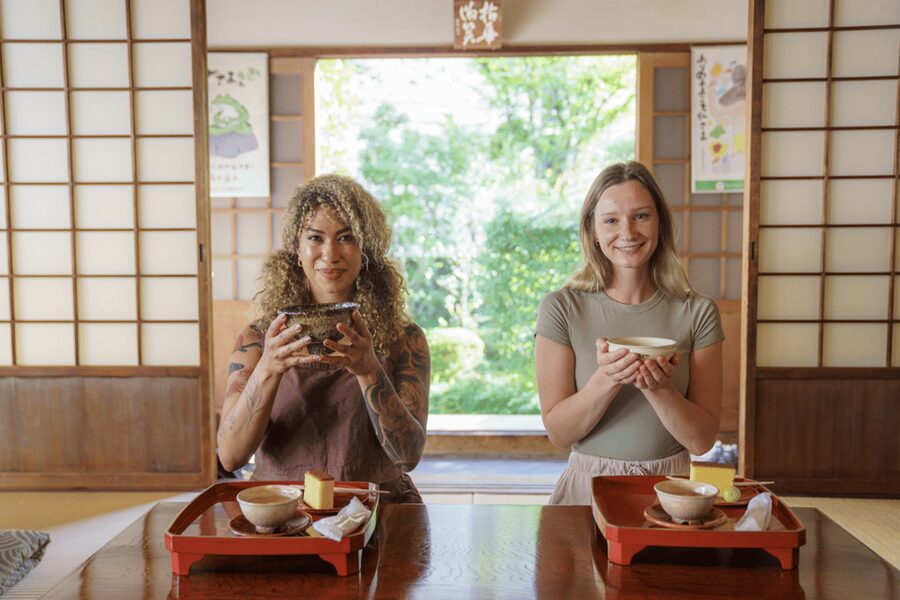
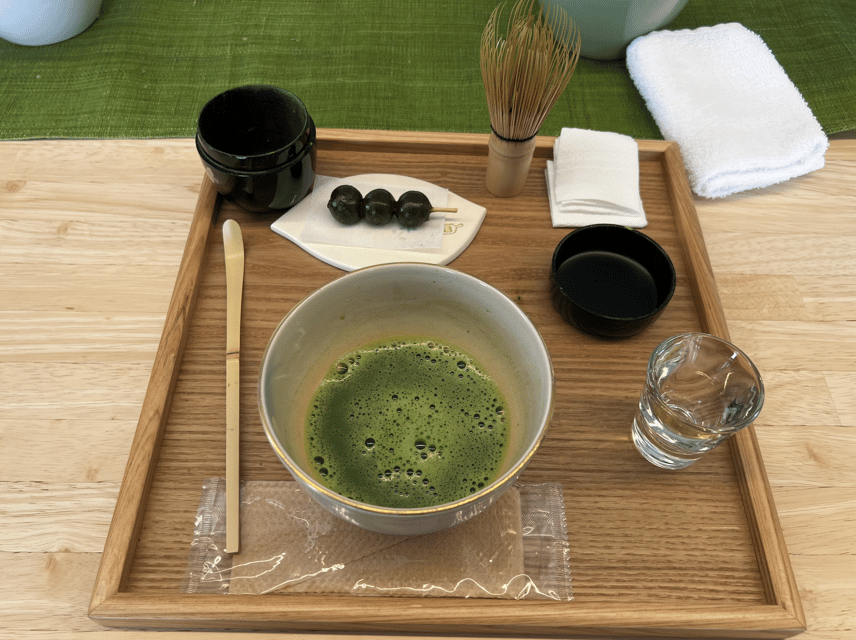
The session ends with matcha tea and traditional sweets. That sounds like a nice extra, but in Zen practice it’s more than hospitality. Tea ceremonies are often a form of mindful pause. You slow down again, and your attention has a clean, sensory anchor: warmth, taste, aroma, and the moment-to-moment rhythm of serving and drinking.
Participants consistently mention that matcha and sweets feel like a gentle landing. After sitting and listening, your nervous system gets a chance to settle. It’s also a break that makes the whole experience feel complete, because you’re not leaving straight into the chaos of Asakusa streets.
This is also when the Q&A continues or wraps up, depending on the session flow. So you’re not just tasting tea, you’re still in conversation with the monk, which keeps the ideas from staying abstract.
Q&A With the Monk: Stress Advice You Can Use Immediately
This part is the real differentiator. Zen can sound like philosophy until you hear it explained in the language of real life.
The kinds of advice that came up include staying fully present with small activities, not comparing yourself to others, and keeping your environment tidy. People also mentioned guidance for dealing with anger, including exploring what’s underneath it and seeing how quickly it can become unreasonable.
That may sound simple, but it’s useful because it’s not a self-help pep talk. It’s framed like attention training. When your mind is busy, you don’t need dramatic solutions. You need better awareness of what’s happening, and then you need a practice for returning attention to the current moment.
If you’re the type who loves asking questions, go in with two or three topics. For example, ask how to handle restlessness during meditation, or what the monk wants people to remember after they leave the temple. Your guide can help translate, and the monk’s patience is part of why this activity gets such strong feedback.
Photography and Temple Etiquette: What You Can Do Inside
You can take photos during the experience, including photographs within the temple and sometimes with the monk. That matters because temple interiors can be hard to capture elsewhere, and you’ll likely want a reminder of the space where you practiced.
That said, treat it like part of the ritual. Keep your phone use minimal and respectful, and follow the guide’s cues. In a place like this, the tone is calm, and your goal is not to make the moment about your camera.
If you’re coming from a busy day of sightseeing, this rule of thumb helps: take your photos quickly, then put the phone away and return to the breath. It’s the easiest way to keep the experience from turning into another Tokyo photo stop.
Asakusa Meeting Point: Family Mart by Tawaramachi
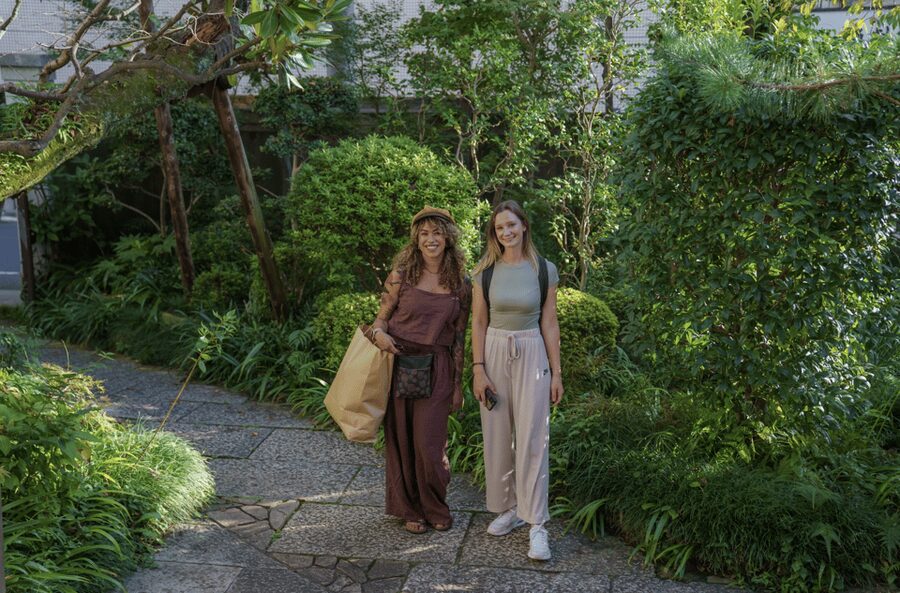
Your start is straightforward, but you need to find the exact spot. Meet in front of a Family Mart in the Asakusa area, about two minutes from Tawaramachi Station on the Ginza Line. There are two Family Mart branches nearby, so double-check you’re at the correct one.
Also, download WhatsApp before you go. Your guide contacts you through WhatsApp, which is how you’ll confirm the meeting and keep everything smooth. This matters because it reduces waiting time and helps you arrive already settled.
Transportation is not included, so plan your route to Tawaramachi Station and then walk to the correct store. Once you’re with your guide, the rest of the experience runs like a coordinated flow, including using a separate entrance to avoid waiting.
Price and Value: What $55 Actually Buys You
At $55 per person for 90 minutes, this sits in the mid-range for private, culture-based activities in Tokyo. The good news is that the price is doing real work.
You’re paying for:
- monk-led zazen instruction and explanation
- a live English-speaking guide
- entry to the temple via a special entrance
- matcha tea
- plus extra structured cultural practices like calligraphy and a guided Q&A
For me, value here is not just the tea or the photo moment. It’s the combination: you get direct teaching from a monk, translation support that helps you understand what you’re doing, and a calm setting where you can actually practice. If you try to piece this together on your own, you’d spend time hunting for the right access, figuring out etiquette, and translating Zen concepts without support.
Also, the duration helps. Ninety minutes is long enough to change how you feel, short enough to fit into a Tokyo itinerary without pushing everything else off schedule.
Who This Zen Meditation Experience Is Best For
This is a strong match if you want a traditional Tokyo activity that’s not only sightseeing. You’ll like it if you’re curious about Zen Buddhism, even if you don’t consider yourself spiritual. Several people describe it as grounding and calming, including for those who don’t have meditation experience.
You’ll also enjoy it if you like structure. The practice is guided, and the short seated rounds keep you from drifting into random attempts at concentration. And if you enjoy asking questions, the monk Q&A is worth your attention.
On the other hand, if your travel style is “give me the biggest, longest experience possible,” this might feel like a sampler. It’s not presented as a multi-hour retreat. It’s a focused session that introduces you to the core practices and leaves you with ideas you can carry home.
Should You Book This Private Temple Zen Session in Tokyo?
I’d book it if you want a real sense of quiet in the middle of Tokyo and you value guided practice over vague inspiration. The temple access, monk-led zazen, translation support from Tamami-san, and the end-of-session tea and Q&A make it feel complete. It’s also a good use of time if you’re deciding what to cut from your day. This is one of those activities that can reset your mood and your attention, not just add another stop.
I’d skip it if you’re specifically chasing a long meditation retreat or you’re not interested in sitting attentively for short structured rounds. If that’s your goal, you’ll likely want something longer and less guided by schedule.
If your goal is a calm, respectful, learn-and-practice moment at a private Asakusa temple, this is the kind of booking that makes the rest of your trip feel easier.
FAQ
How long is the Zen meditation experience?
It lasts 90 minutes.
Where do I meet for the tour?
Meet in front of a Family Mart in the Asakusa area, about 2 minutes from Tawaramachi Station (Ginza Line). There are two nearby Family Mart branches, so make sure you go to the correct one.
Is transportation included?
No. Transportation to the meeting point is not included.
What is included in the experience?
The package includes the Zen experience, a guide, entry to the temple, the monk explanation, and matcha tea.
Is the tour offered in English?
Yes, the tour guide provides English.
How do I connect with the guide before the start?
Your guide will contact you through WhatsApp, so you should download WhatsApp prior to the tour.
Can I skip the line?
Yes, the experience includes skipping the line through a separate entrance.
What is the cancellation policy?
Free cancellation is available up to 24 hours in advance for a full refund.
Gardens Worth Slowing For

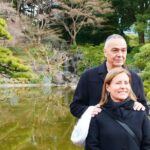
Newest Tokyo write-ups from the Loving Japan desk

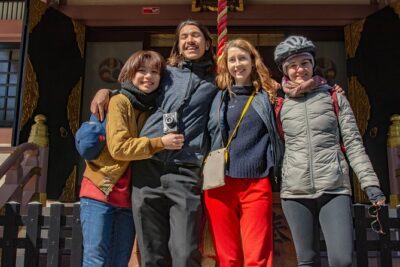
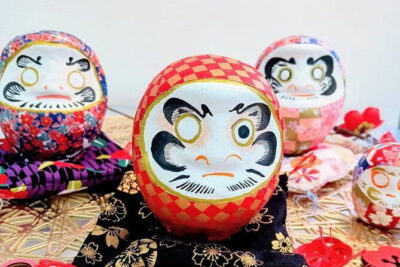

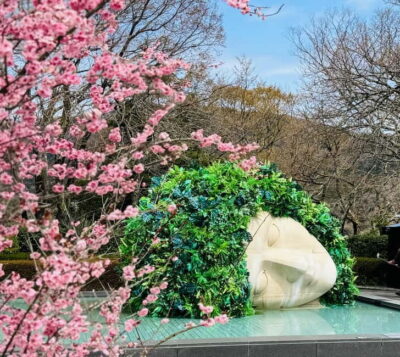
Japanese Gardens and Zen Meditation, side by side.
 ★ 4.5teamLab Botanical Garden Entry TicketFrom $111,710 reviews
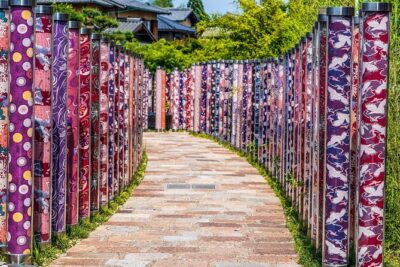 ★ 5.0Kyoto Arashiyama Walking Tour: Bamboo, Monkeys, Gardens & SecretsFrom $651,216 reviews
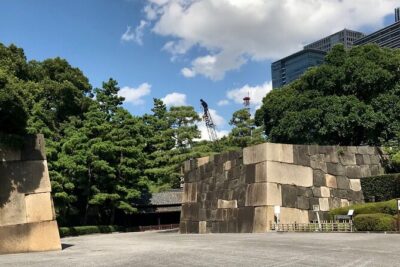 ★ 5.0Imperial Palace East Garden and Edo Castle Walking Tour in TokyoFrom $25510 reviews
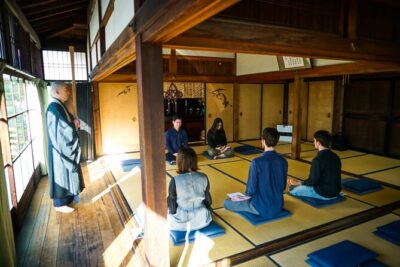 ★ 5.0Kyoto Zen Meditation & Garden Tour at a Zen Temple with LunchFrom $110441 reviews
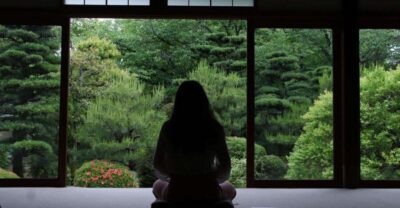 ★ 5.0Zen Experience in a Hidden TempleFrom $109437 reviews
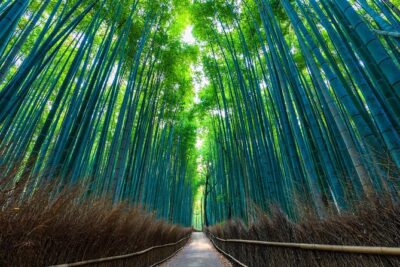 ★ 5.0Kyoto Arashiyama Bamboo forest & Garden Half-Day Walking TourFrom $129413 reviews
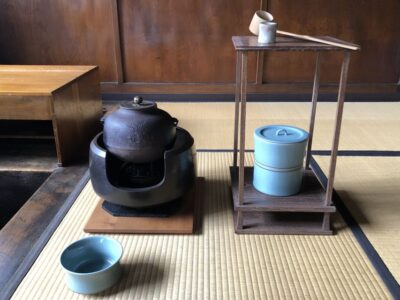 ★ 4.8Tea Ceremony Meditation – Make Matcha with Tea MasterFrom $45406 reviews
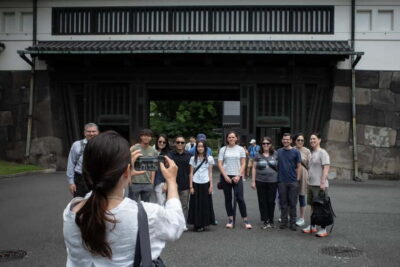 ★ 4.8Imperial Palace East Gardens Walking TourFrom $19353 reviews
Filed on these lists too