
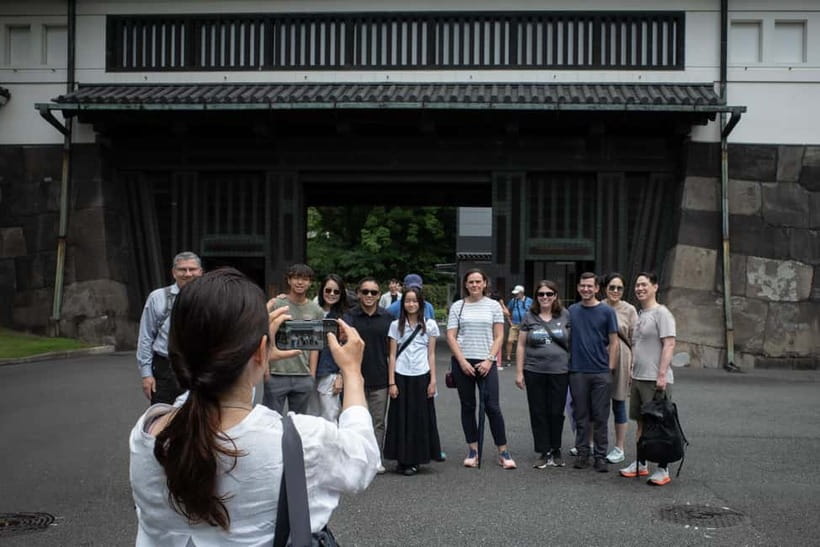
REVIEW · TOKYO TOWER, GINZA AND THE IMPERIAL PALACE
Tokyo: Imperial Palace East Gardens Walking Tour
Tokyo’s best walking secret is history with room to breathe. This Imperial Palace East Gardens tour is a calm, well-paced walk through the former Edo Castle grounds, with stories that connect the shogun era to modern Tokyo. I especially like how the tour uses the gardens themselves as a guidebook, and how you get both design details and practical context, not just names on a sign.
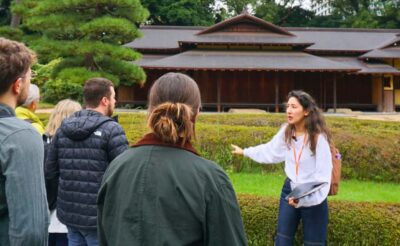
Another thing I like: you’ll see small, specific features that most people miss on their own, like stone walls, guard houses, and watch-tower remnants. Guides such as Kei, Mei, Laura, and Midori also stand out for making the facts easy to follow, with clear explanations and lots of room for questions.
One possible drawback: this tour does not go inside the Imperial Palace, so if you’re expecting royal interior halls or palace buildings, you’ll need to adjust your expectations. Also, because it is a garden-focused walk, you should come ready to enjoy foundations and layout clues more than full, towering castle structures.
In This Review
- Key things I’d focus on
- Finding the Meeting Point and Starting with the Right Mindset
- East Gardens: Ponds, Bridges, Bonsai, and Seasonal Color
- Honmaru Area Remnants: How Defenses Shaped the Grounds
- Ninomaru Garden: Traditional Design Made for Quiet Attention
- Old and New Tokyo Stories Through Shogun-Era Context
- What Artifacts and Architecture Add (Even When Ruins Feel Limited)
- Price and Value: Why $19 Works Here
- Who This Tour Fits Best
- Quick FAQ
- FAQ
- Does this tour enter the Imperial Palace?
- How long is the Imperial Palace East Gardens walking tour?
- What is included in the price?
- Where do I meet the guide?
- Is the guide English-speaking?
- Is the tour wheelchair accessible?
- Is free cancellation available?
- Should You Book This Imperial Palace East Gardens Tour?
Key things I’d focus on
- Edo Castle layout clues across the Honmaru area, where you can picture how the defenses worked
- Ninomaru Garden’s traditional design, with carefully arranged trees, shrubs, stone lanterns, and quiet views
- Seasonal beauty on the same route, from cherry blossoms in spring to fall color later in the year
- Garden architecture you can spot up close, including ponds, bridges, graceful pathways, and pruned bonsai
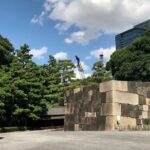
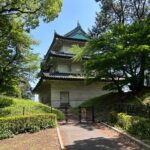
- Small historical artifacts throughout, like stone walls, guard houses, and watch-tower remnants
The central Tokyo landmarks, reviewed one by one
- Flagship 2-Hours Official Street Go-Kart Tour – Tokyo Bay Shop
★ 5.0 · 4,974 reviews - Tokyo: Imperial Palace and Shogun Historical Walking Tour
★ 5.0 · 2,251 reviews - Tokyo: Meiji Shrine, Asakusa, Skytree Bus Tour and Cruise
★ 4.7 · 1,986 reviews - Tokyo Panoramic 1 Day: Meiji Shrine, Asakusa, Odaiba and SKYTREE®
★ 4.5 · 1,222 reviews
Finding the Meeting Point and Starting with the Right Mindset

The tour meets at Starbucks Coffee near Kokyo Gaien Wadakura Fountain Park. That is a big deal in Tokyo, where one wrong turn can steal time, and time is exactly what you do not want to waste on a 2.5-hour plan.
Plan to arrive a few minutes early, not because the tour needs it, but because you’ll want a moment to settle before you start hearing the story behind the grounds. This is not a sprint. It’s a guided walk where the pace feels like it’s designed for stopping, looking, and asking questions.
Also, keep one mental note: you’re walking through East Gardens, not entering the palace itself. So your best payoff comes from noticing what is outside the gates: how people would have moved through Edo Castle, what the defenses suggested, and how garden design helped create order and calm.
East Gardens: Ponds, Bridges, Bonsai, and Seasonal Color
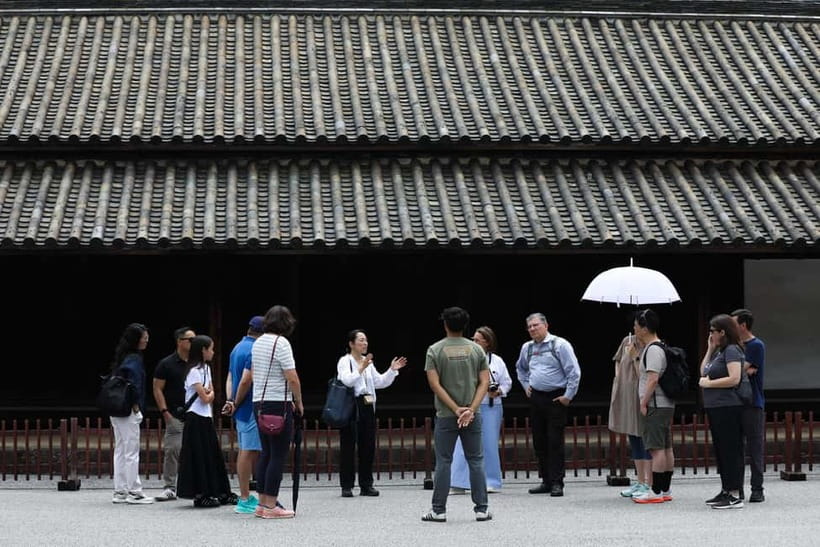
Once the tour begins, the East Gardens do what Tokyo gardens do best. They slow you down without feeling touristy about it. You’ll see meticulously manicured paths, lush greenery, tranquil ponds, and bridges that help structure the views.
If you’re visiting in spring, look for cherry blossoms, because the tour route is set up to make seasonal color part of the storytelling. In fall, the same general walk becomes all about autumn tones and shaded corners, which makes it feel like a different place without changing anything major.
The tour also puts attention on small botanical details. You may notice pruned bonsai trees and the careful way shrubs and trees are arranged so sightlines stay clean. That is more than decoration. It reflects a mindset where beauty and control go together.
One practical consideration: since it’s a walking tour in an open garden environment, weather affects your comfort. In rain, you can still follow the story, but expect slick paths and a need to keep your footing. Bring what you normally need for Tokyo weather, especially if you’re traveling shoulder season when conditions shift quickly.
Honmaru Area Remnants: How Defenses Shaped the Grounds
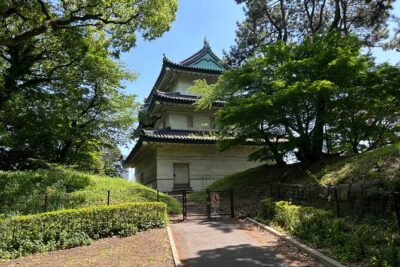
The Honmaru area is where the tour turns from scenery into spatial thinking. You’re looking at remnants of what used to be the main compound of Edo Castle, once the center point of the power system.
What’s useful here is not just seeing leftover stone, but understanding how the layout would have worked. The tour points out ruins connected to the foundation and defensive structures, along with gates and other layout clues that help you imagine movement and security.
Even if you’re not a castle-nerd, the explanation helps you read the grounds like a map. You start asking better questions, like why a wall line sits where it sits, or why certain areas would matter in a defense plan. That shift alone is worth it.
Also, don’t expect full buildings. This is a park today, so you’re mostly working with foundations and layout hints. That is still valuable, because it teaches you how to interpret what you see, not just where to take a photo.
Slower gardens, if the schedule allows
- Tokyo: Zen Meditation at a Private Temple with a Monk★ 5.0 · 510 reviews
- Imperial Palace East Garden and Edo Castle Walking Tour in Tokyo★ 5.0 · 510 reviews
- Tokyo: Imperial Palace East Gardens Walking Tour★ 4.8 · 353 reviews
- Tokyo Castle, Imperial Palace, Shogun & Garden Walking Tour★ 5.0 · 211 reviews
- Tokyo Zen Meditation at Private Temple with Monk★ 5.0 · 178 reviews
Ninomaru Garden: Traditional Design Made for Quiet Attention
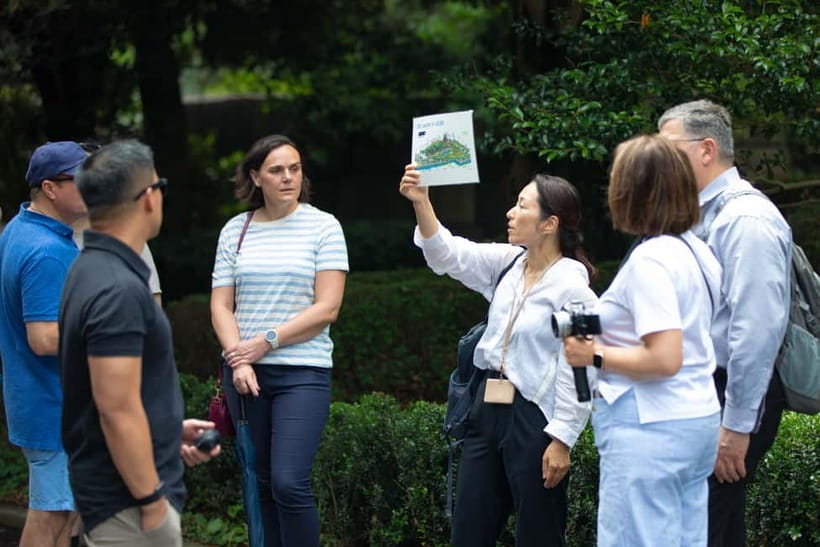
After Honmaru, you get a slower, more contemplative change of pace in the Ninomaru Garden. This is known for traditional Japanese garden design, and it’s the part where you can let your eyes rest.
Here, the tour focuses on the arrangement: trees and shrubs placed with intention, stone lanterns that mark mood and direction, and a composition that makes you feel like you’re inside a framed scene. Even if you rush through Tokyo like most of us do, this section gives you an excuse to stop.
If you like garden design, this is where your attention will feel rewarded. You’ll probably find yourself comparing what you see with what you’ve seen in other Japanese gardens, then realizing what’s different about the Imperial-style approach to balance and sightlines.
If you’re visiting with someone who prefers calm over history, this garden section is also a strong compromise. The guide will still explain context, but the environment gives you permission to simply watch light move across water or settle into shaded areas.
Old and New Tokyo Stories Through Shogun-Era Context
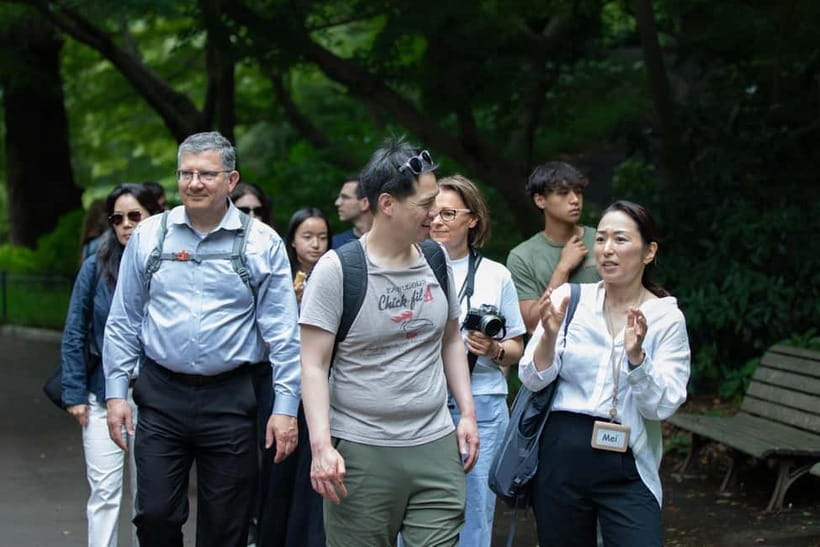
One of the best parts of this tour is how the guide stitches together Old Tokyo and New Tokyo. The Imperial Palace grounds connect to the shogun period, but the stories don’t stay trapped in the past.
The tour’s historical framing helps you understand why these grounds matter in the bigger Tokyo picture. When you hear the shogun-related stories alongside what you’re seeing in the garden, it stops being abstract. You start to understand the why behind the walls, the gates, the garden order, and the ceremonial feel of the compound area.
Guides matter here. From the experience style reported by many groups, guides like Kei and Mei have a knack for explaining connections clearly. Laura and Midori are also mentioned for friendly delivery and making the history feel understandable, not like a lecture.
Also, if you like cultural context, you’re likely to appreciate the way the modern Royal Family can come into the conversation as a contrast point. That sort of comparison helps you place Japan’s systems of power and tradition into a timeline your brain can hold.
What Artifacts and Architecture Add (Even When Ruins Feel Limited)
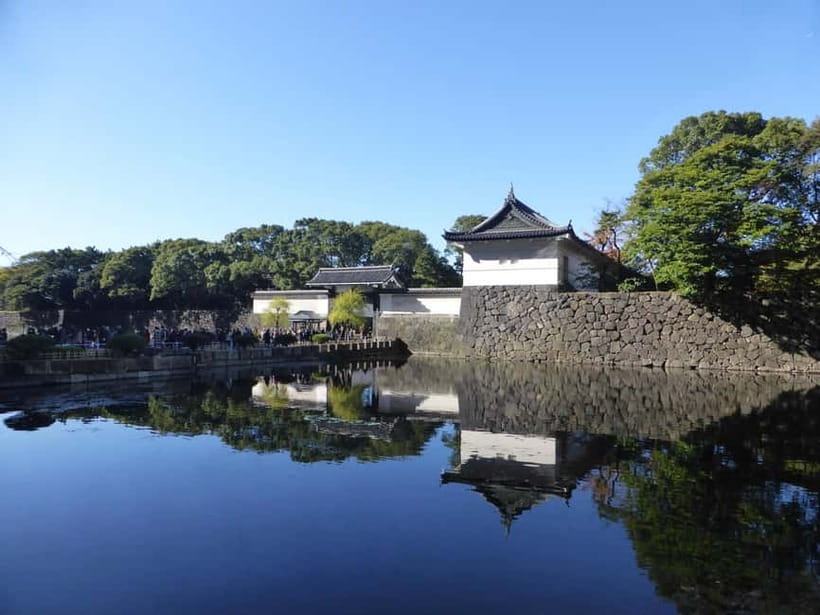
If you’ve visited Japan’s big-ticket sites, you may expect dramatic, perfectly intact structures. This tour is different. The East Gardens hold artifacts and remnants that are smaller, scattered, and sometimes subtle.
That is exactly why the guide’s pointing matters. You’ll see features like stone walls, guard houses, and watch-tower remnants. Those elements can be brief on their own, but when someone explains what they signaled in a castle environment, they become legible.
Think of it like this: without guidance, you might register these as pretty old rocks. With guidance, you start reading them as a system. Where people watched. Where safety was reinforced. Where you would expect movement constraints. It’s history that you can almost feel as you walk.
This is also where the seasonal timing can add value. Cherry blossoms in spring or fall foliage later makes the sites feel more alive, even when the architecture is in fragments. You get both emotion and explanation.
Price and Value: Why $19 Works Here

At $19 per person for a 150-minute guided walk, this tour is priced for value, not luxury. The biggest reason it works is simple: you’re not paying to sit. You’re paying for the guide to help you interpret a place that can otherwise feel confusing, even if it looks beautiful.
Also, since entry to the Imperial Palace is not included, the price makes sense for what you actually do get. You focus on the East Gardens experience, including the Honmaru remnants and Ninomaru Garden design, with a guide who turns it into a coherent story.
If you’re traveling with limited time in Tokyo, this is a smart use of a short afternoon. It’s long enough for real pacing, but short enough that you can still plan other nearby sights without feeling rushed.
If you’re the type who likes to wander alone, you might still enjoy the gardens on your own. But for most people, the guide makes the difference between sightseeing and understanding. In a city where details are everywhere, paying for someone to interpret those details is often worth it.
Who This Tour Fits Best
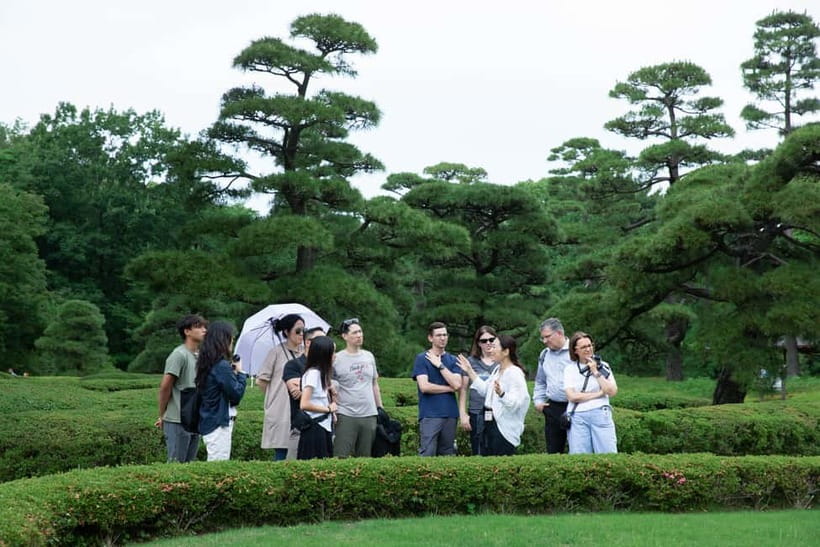
This tour fits best if you want Japan history without a heavy museum vibe. You’re walking through a functioning garden environment, so you’re getting calm, nature, and culture in one package.
It’s also ideal for:
- History-minded people who like practical explanations and clear connections
- Garden lovers who notice design choices like tree placement and stone lantern arrangement
- First-time Tokyo visitors who want Old Tokyo context without committing to a full day trip
If you strongly prefer inside-the-palace experiences, you may find the lack of palace entry limiting. If you’re also hoping for big, dramatic castle structures, you’ll likely prefer a different historical stop where buildings survive more fully.
Quick FAQ
FAQ
Does this tour enter the Imperial Palace?
No. The tour does not go inside the Imperial Palace. You stay focused on the East Gardens and related areas.
How long is the Imperial Palace East Gardens walking tour?
It lasts about 150 minutes, or roughly 2.5 hours.
What is included in the price?
The price includes the walking tour and a live English guide.
Where do I meet the guide?
Meet at Starbucks Coffee – Kokyo Gaien Wadakura Fountain Park, near the coordinates listed by the activity.
Is the guide English-speaking?
Yes, the live guide language is English.
Is the tour wheelchair accessible?
Yes, it is listed as wheelchair accessible.
Is free cancellation available?
Yes. You can cancel up to 24 hours in advance for a full refund.
Should You Book This Imperial Palace East Gardens Tour?
If you want a garden walk that also teaches you how to read the Edo-era layout, this is an easy yes. The $19 price feels fair for a 2.5-hour, guided, story-led experience that focuses on Honmaru remnants and the Ninomaru Garden.
Book it especially if you’re going in spring for cherry blossoms or in fall for colorful foliage, because the seasonal beauty gives the history a stronger emotional hook. And if you want someone to help you turn stones, walls, and foundations into meaning, this tour is built for that exact payoff.
Gardens Worth Slowing For



Central Tokyo Landmarks




Newest Tokyo write-ups from the Loving Japan desk




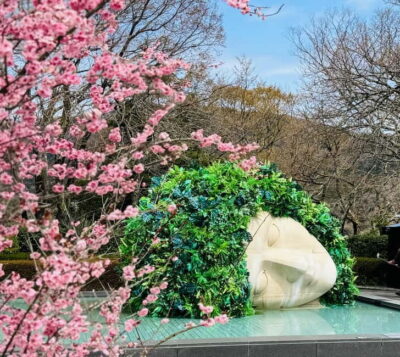
Tokyo Tower, Ginza and the Imperial Palace, side by side.
 ★ 5.0Flagship 2-Hours Official Street Go-Kart Tour – Tokyo Bay ShopFrom $644,974 reviews
 ★ 4.6Tokyo Tower: Admission TicketFrom $93,661 reviews
 ★ 5.0Imperial Palace and Shogun Historical Walking TourFrom $222,251 reviews
 ★ 4.7Meiji Shrine, Asakusa, Skytree Bus Tour and CruiseFrom $1221,986 reviews
 ★ 4.8Chopstick Making Workshop in GinzaFrom $251,366 reviews
 ★ 4.5Tokyo Panoramic 1 Day: Meiji Shrine, Asakusa, Odaiba and SKYTREE®From $851,222 reviews
 ★ 4.9Imperial Palace Japanese History Walking TourFrom $32987 reviews
 ★ 4.9Imperial Palace and Shogun Walking TourFrom $16935 reviews