
REVIEW · TOKYO TOWER, GINZA AND THE IMPERIAL PALACE
Tokyo Castle, Imperial Palace, Shogun & Garden Walking Tour
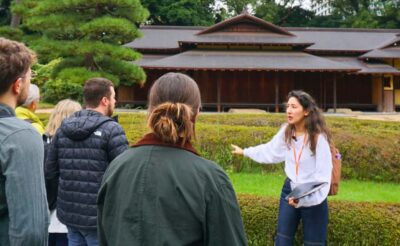
Imperial Palace feels bigger when someone explains it. This 2-hour walking tour takes you through the East Gardens and toward the Ōtemon Gate, with a guide who turns the grounds into an easy map of how Edo Castle shaped Tokyo. I love the small-group feel, because it keeps the pace calm and the questions coming.
Two things I like a lot are the practical photo guidance and the way the guide connects structures to the era they come from. You’ll hear stories that link the Shogun-era and samurai period roles of this site to modern Tokyo, and guides like Mika and Natsumi are repeatedly noted for making it understandable. One drawback to plan for: the main Inner Palace buildings are not accessible, so you are here for gardens, gates, stone bases, and interpretation, not palace interiors.
In This Review
- Key highlights before you go
- Where this tour really shines in Tokyo
- Getting started: Wadakuramon Park to Ōtemon Gate
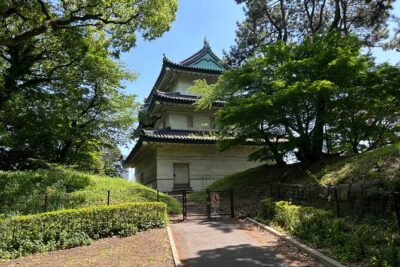
- Ōtemon Gate and guardhouse ruins, what you should watch for
- Ninomaru Garden and the East Gardens: where the walk becomes relaxing
- How the tour handles the biggest expectation problem
- Tour pace and guide style: what you will feel in real time
- Value and price: is $31.84 a smart spend?
- Weather reality check: what to do if the day turns
- Should you book this Imperial Palace East Gardens tour?
- FAQ
- How long is the Tokyo Castle, Imperial Palace, Shogun & Garden Walking Tour?
- Where do I meet the guide?
- Can I enter the Inner Palace?
- What places do we visit during the walk?
- How big is the group?
- What happens if weather is bad?
Key highlights before you go
- Meet at Starbucks in Wadakuramon Park so you can start fast, no guessing streets for ages
- Ōtemon Gate plus guardhouse ruins for a solid sense of how the old fortress worked
- Ninomaru Garden stops where the photos get easier and the history sticks
- Small group size (max 10), which makes the walking flow smoother and questions more welcome
- Guide-led photo spots you can actually find again on your own afterward
The central Tokyo landmarks, reviewed one by one
- Flagship 2-Hours Official Street Go-Kart Tour – Tokyo Bay Shop
★ 5.0 · 4,974 reviews - Tokyo: Imperial Palace and Shogun Historical Walking Tour
★ 5.0 · 2,251 reviews - Tokyo: Meiji Shrine, Asakusa, Skytree Bus Tour and Cruise
★ 4.7 · 1,986 reviews - Tokyo Panoramic 1 Day: Meiji Shrine, Asakusa, Odaiba and SKYTREE®
★ 4.5 · 1,222 reviews
Where this tour really shines in Tokyo

The Imperial Palace area is one of those places that can feel like a blur if you show up cold. The grounds are huge, and parts of what you might picture as a palace are either restricted or only remain as stone and layout. A guided walk solves that problem by giving you orientation, then filling in the meaning as you go.
I also like that this tour is built for real sight turns, not museum-style talking. You move from point to point, and the guide helps you notice what matters, like viewpoints, garden design, and the defensive logic behind what you see around the perimeter. The result is that the East Gardens stop being scenery and start feeling like a story you can follow.
And yes, the price is modest for Tokyo. Since you are not paying for inner-palace admission, your money mostly goes toward having a guide lead the route, point out the right areas, and keep the pace comfortable for a 2-hour loop.
Getting started: Wadakuramon Park to Ōtemon Gate
You meet at Starbucks Coffee in Kokyo Gaien Wadakura Fountain Park, address 3-1 Kōkyogaien, Chiyoda City, Tokyo 100-0002. It is a clear landmark meeting point, and you end back at the same spot, so the start and finish are tidy.
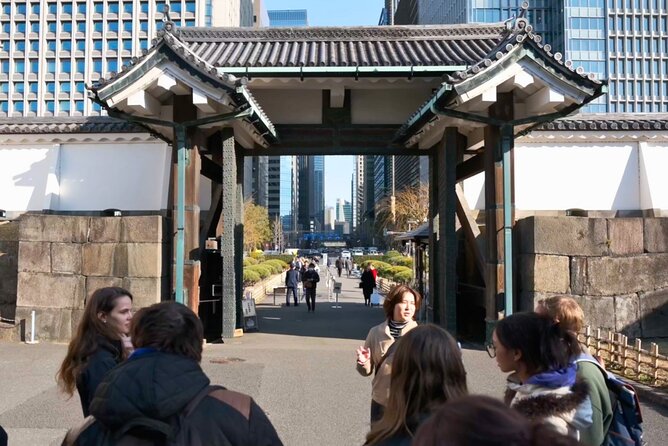
From there, the walk heads toward the grand main gate area, known as Ōtemon Gate. This is the first moment where the tour earns its keep. Without a guide, it is easy to pass gates and stone without understanding why they matter. With the guide, you start seeing the layout like it was designed, not like random walls in a park.
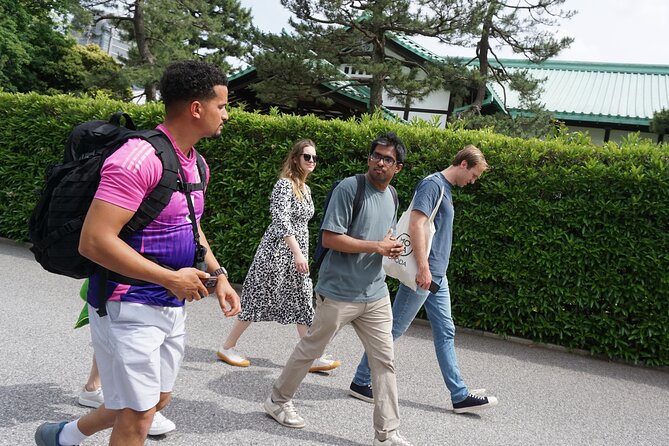
Expect a steady stroll rather than a sprint. The group stays together, and the guide’s job is to keep you from drifting or turning the wrong way. Several guides who run this route, including Natsumi and Nico, are praised for English that stays clear even when the topic gets detailed.
Practical tip: the Imperial Palace grounds can be intense in hot or cold weather. Plan for outdoor walking and dress for the conditions. Comfortable shoes matter here, even if the pace is relaxed.
Ōtemon Gate and guardhouse ruins, what you should watch for
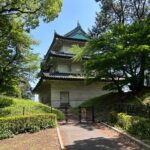
The tour specifically includes stops around Ōtemon Gate and guardhouse ruins. This matters because it gives you context for the whole property. Gates are not just decoration. They hint at how movement was controlled and how an inner space was protected.
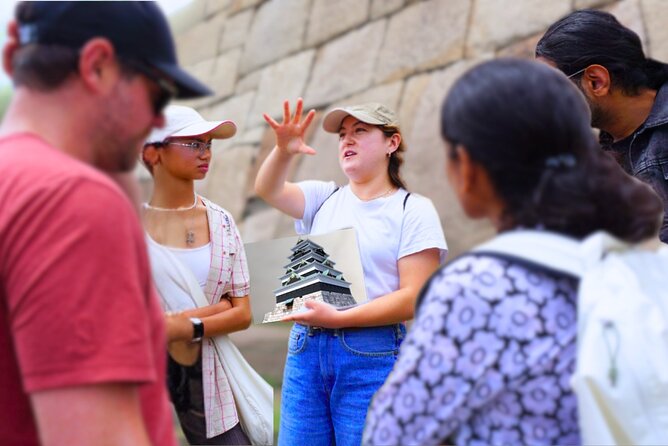
As you move through this area, the guide ties the physical layout to the Edo period setting, and to the Shogun-era and samurai-era power structure that shaped the site. You also get a sense of what remains after destruction over time. More than one guide is noted for explaining that many of the palace buildings were not rebuilt, so the “wow factor” comes from seeing what is still there and understanding the shape of what used to be.
Here is what I think you’ll enjoy most at this stage:
- learning to read the grounds as a system (not just separate photo spots)
- understanding why certain viewpoints feel more deliberate than others
- noticing stone and layout details that you would normally overlook
It is also where kids often get engaged. One family shared that Mika kept three boys interested by connecting Japanese historical references to what they were walking past. If you are traveling with teens who get bored fast, a guide who can translate history into something you can point at is a big advantage.
Slower gardens, if the schedule allows
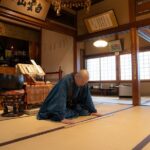
- Tokyo: Zen Meditation at a Private Temple with a Monk★ 5.0 · 510 reviews
- Imperial Palace East Garden and Edo Castle Walking Tour in Tokyo★ 5.0 · 510 reviews
- Tokyo: Imperial Palace East Gardens Walking Tour★ 4.8 · 353 reviews
- Tokyo Castle, Imperial Palace, Shogun & Garden Walking Tour★ 5.0 · 211 reviews
- Tokyo Zen Meditation at Private Temple with Monk★ 5.0 · 178 reviews
Ninomaru Garden and the East Gardens: where the walk becomes relaxing
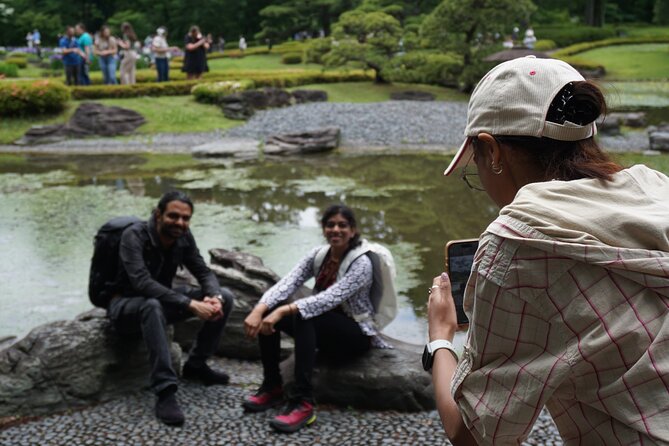
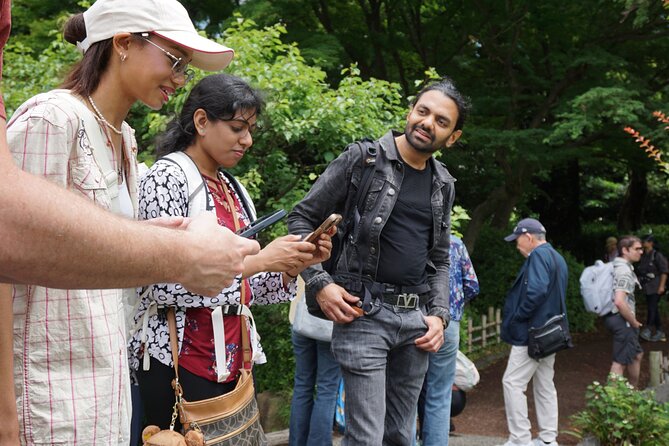
Once you reach the garden sections, the tone shifts from “history orientation” to “slow, pretty, and meaningful.” The tour includes time in the Ninomaru Garden area and the East Gardens of the Imperial Palace grounds. This is where you can breathe and actually enjoy Tokyo’s calmer pace for a while.
The East Gardens are repeatedly described as lush and green, with koi seen at the right spots. If you like garden design, you’ll notice how the paths and views create natural stopping points. And if you are there during cherry blossom season, expect the gardens to look extra special. One guide-led session during blossom time is noted as a memorable way to experience the grounds.
The best part is that you do not just get pretty scenery. You get meaning attached to it. Guides such as Natsumi and Nicolas are praised for linking what you see to the way leadership and authority shaped the property, and how those influences echo in modern Tokyo. That connection is the difference between taking pictures and actually understanding why those pictures are worth taking.
Photo tip you can use even after the tour: ask your guide where they like to stand for photos. The tour explicitly includes “best photo spots” guidance. If you take even one good angle away from the walk, your independent return later becomes easier.
How the tour handles the biggest expectation problem

The biggest “wait, what?” moment for many first-timers is this: you cannot access the Inner Palace. That restriction is real, and it shapes what you will see on the ground. In multiple accounts, the palace buildings you might imagine are gone, and what remains is more about bases, layout, and garden space than restored halls and rooms.
So what should you expect instead?
- you will visit parts of the outer grounds and historical gate areas
- you will see garden sections like the East Gardens and Ninomaru Garden
- you will hear stories that help you visualize the site’s old fortress role and how it relates to Shogun and Emperor influence
- you will get context for why so much looks “unfinished” compared to a typical palace visit
If your dream is a walk through restored palace rooms, this is probably not the right pick. If your dream is to understand Tokyo’s most important power center through what you can actually access, this works well.
This is also why pace and guide storytelling matter so much. Without context, the Imperial Palace grounds can feel like “nice park.” With context, it becomes “a living map of how power, protection, and garden aesthetics were planned.”
Tour pace and guide style: what you will feel in real time
This is a walking tour, not a long bus loop. The duration is about 2 hours, which is a sweet spot. You get enough time to cover meaningful ground, but not so much that you’re exhausted or cranky before lunch.
Guides are repeatedly praised for keeping the experience easy to follow and for making questions feel normal, not rushed. Some sessions are described as having a pace that supports questions and photos. Others note that guides share extra practical tips, like local restaurant or shrine suggestions, which can make the rest of your day smoother.
A small-group size helps here. This tour is listed with a maximum of 10 travelers in the additional info, and the overview also mentions a cap around 15. Either way, it stays small enough that you are not stuck behind a crowd.
Comfort note: there is no dress code, and tattoos are welcome. That is handy if you are traveling without time to change plans. Just remember it is still outdoors. Bring weather-appropriate layers and water if it is warm.
Value and price: is $31.84 a smart spend?
At $31.84 per person, this tour is priced like a “guided orientation plus photo guidance” experience. Since the tour includes free admission (the admission ticket is listed as free), you are not paying for entry fees into restricted areas. Your value comes from the guide and the structure of the walk.
In Tokyo, guided tours can vary wildly in quality. What you want here is precisely what the best feedback emphasizes: clear English, good explanations, and real help with what to notice. Guides like Natsumi, Mika, and Lakki are singled out for being friendly, engaging, and able to answer questions without losing the group.
Ask yourself this before booking:
- Do I want to spend time figuring out where to go in a huge complex, on my own?
- Do I care about the Edo period and how leadership shaped modern Tokyo?
- Am I okay with the reality that I will not enter the Inner Palace buildings?
If you answered yes to the first two and accept the third, the price feels fair. If you want purely visual, palace-building access, you may feel underwhelmed for the cost.
Weather reality check: what to do if the day turns
This experience requires good weather. If it is canceled due to poor weather, you should expect a different date offer or a full refund. That is about as practical as it gets in Tokyo outdoor sightseeing.
Even when weather is not perfect, the grounds can still be worth it. Some accounts describe rainy-day tours as still beautiful, which hints that the garden setting holds up. Just be ready for slick paths and take care with footing.
Should you book this Imperial Palace East Gardens tour?
Book it if you want:
- a calm 2-hour walk through the Imperial Palace grounds with a guide
- help understanding gate areas and garden spaces without doing heavy research first
- better photos, based on specific photo spots from your guide
- history context focused on Edo period and Shogun-era influence on modern Tokyo
Skip it if you want:
- access to the Inner Palace buildings, since that part is not open to the public on this tour
- a tour that feels like a grand, restored palace interior visit
If you are a first-time Tokyo visitor, this is a smart “make the site make sense” stop. If you already feel confident about Tokyo history, you may still enjoy the gardens and photo guidance, especially with a small group pace.
In short: this is for people who like learning while walking, and who are happy to enjoy the Imperial Palace as gardens, gates, stone remnants, and context, not as a set of rooms you can freely tour.
FAQ
How long is the Tokyo Castle, Imperial Palace, Shogun & Garden Walking Tour?
It lasts about 2 hours.
Where do I meet the guide?
The meeting point is Starbucks Coffee in Kokyo Gaien Wadakura Fountain Park, 3-1 Kōkyogaien, Chiyoda City, Tokyo 100-0002, Japan.
Can I enter the Inner Palace?
No. Access to the Inner Palace is not included, and it is not open to the public.
What places do we visit during the walk?
You visit Ōtemon Gate, guardhouse ruins, and Ninomaru Garden, plus the Imperial Palace East Gardens.
How big is the group?
This tour has a small group size with a maximum of 10 travelers.
What happens if weather is bad?
The tour requires good weather. If it is canceled due to poor weather, you’ll be offered a different date or a full refund.
Gardens Worth Slowing For


Central Tokyo Landmarks




Newest Tokyo write-ups from the Loving Japan desk



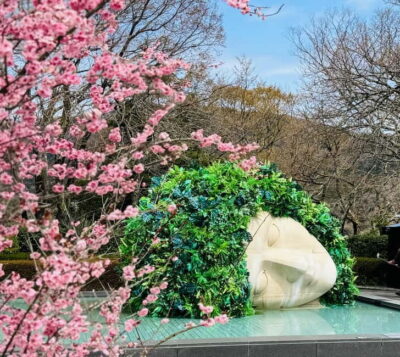
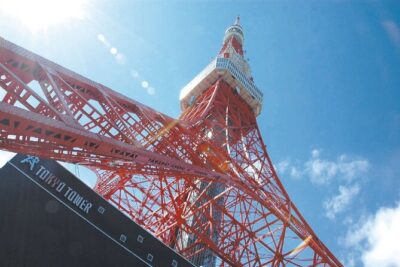
Tokyo Tower, Ginza and the Imperial Palace, side by side.
 ★ 5.0Flagship 2-Hours Official Street Go-Kart Tour – Tokyo Bay ShopFrom $644,974 reviews
 ★ 4.6Tokyo Tower: Admission TicketFrom $93,661 reviews
 ★ 5.0Imperial Palace and Shogun Historical Walking TourFrom $222,251 reviews
 ★ 4.7Meiji Shrine, Asakusa, Skytree Bus Tour and CruiseFrom $1221,986 reviews
 ★ 4.8Chopstick Making Workshop in GinzaFrom $251,366 reviews
 ★ 4.5Tokyo Panoramic 1 Day: Meiji Shrine, Asakusa, Odaiba and SKYTREE®From $851,222 reviews
 ★ 4.9Imperial Palace Japanese History Walking TourFrom $32987 reviews
 ★ 4.9Imperial Palace and Shogun Walking TourFrom $16935 reviews