
REVIEW · HIROSHIMA AND MIYAJIMA DAY TRIPS
Full Day Hiroshima and Miyajima Bus Tour from Hiroshima
Two UNESCO stops, one unforgettable day. This full-day bus tour strings together Miyajima and Hiroshima Peace Memorial Park with ferry time, guided history, and real moments for reflection. I like how it turns two big destinations into a single, managed day, so you are not stuck juggling trains, ferries, and tickets.
I especially like two things: first, you get skip-the-planning ease with hotel pickup by air-conditioned vehicle, a licensed English guide, and bundled transportation and admissions. Second, the pacing hits the key sights with enough time to look closely, from the shrine architecture on Miyajima to the museum exhibits and monuments in Hiroshima.
One possible drawback to plan around: it is a long day (about 8 hours 20 minutes) and the group can be large enough that hearing the guide during walking segments may take effort.
In This Review
- Key highlights worth knowing
- How this tour strings together two very different worlds
- Morning start: hotel pickup to Miyajima ferry time
- Itsukushima Shrine: how the setting changes the photo and the meaning
- Miyajima island time: lunch on your own and quick wandering
- Atomic Bomb Dome: why you should slow down here
- Peace Memorial Park and Museum: the part that stays with you
- Timing, group size, and hearing the guide on a full coach
- Price and value: what you are actually paying for
- Who should book this Hiroshima and Miyajima bus tour
- Should you book it?
- FAQ
- How long is the Hiroshima and Miyajima bus tour?
- What is included in the tour price?
- Is lunch included?
- Where do I meet the tour, and where does it end?
- What time does the tour start?
- Do I get a mobile ticket?
- Can I cancel and get a refund?
Key highlights worth knowing
- Itsukushima Shrine for an included, timed visit with a guide explaining the famous shrine design and setting
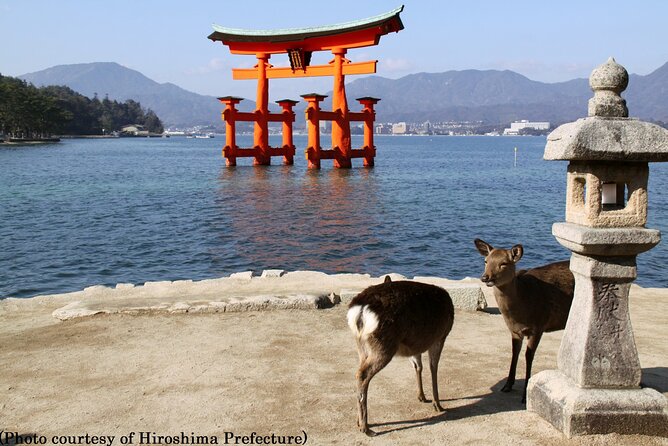
- Ferry ride plus wildlife views on Miyajima, with monkeys and deer often around near the shrine area
- Photo-ready Itsukushima moments, especially around the sea-facing torii look during the day’s conditions
- Atomic Bomb Dome + Peace Memorial Museum, with time for exhibits and a quiet stop at memorials
- Structured free time on Miyajima for lunch on your own, with local food like oysters and Hiroshima-style okonomiyaki
Pairing the city with Miyajima. Other itineraries
- Hiroshima: Hiroshima and Miyajima UNESCO Sites 1-Day Tour
★ 4.9 · 2,330 reviews - Hiroshima / Miyajima Full-day Private Tour with Government Licensed Guide
★ 5.0 · 1,298 reviews - Hiroshima Historical Walking Tour – Why A-Bomb was Dropped
★ 4.8 · 893 reviews - Hiroshima Peace (Heiwa) Walking Tour at World Heritage Sites
★ 5.0 · 872 reviews
How this tour strings together two very different worlds
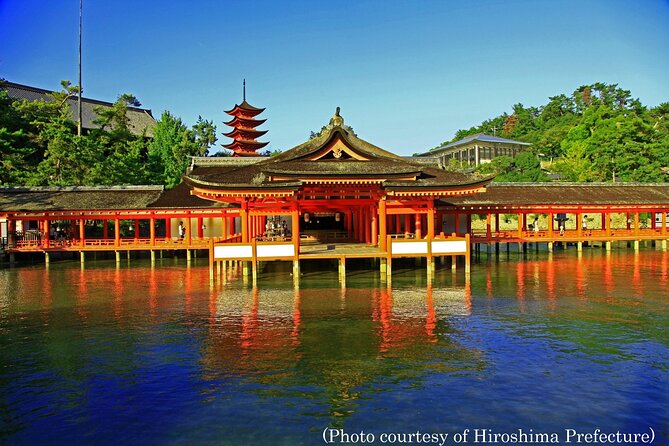
Hiroshima and Miyajima feel like two different chapters of Japan in one day. Miyajima leans spiritual and scenic, where the shrine looks like it belongs to the shoreline. Hiroshima is the heavier half of the story, where the Peace Memorial Park asks you to slow down and pay attention to what happened in 1945.
What makes this tour practical is that it does not treat the day as “just transport.” You start with guided context at the shrine, you have real time on Miyajima for food and wandering, then you switch gears to Hiroshima where the guide helps connect monuments to the people affected. The result is a route that is easier to follow than piecing it together yourself, especially if you are short on days.
Morning start: hotel pickup to Miyajima ferry time
You meet at Hotel Granvia Hiroshima, and the day begins at 10:10 am in a comfortable, air-conditioned vehicle. This matters because the total time commitment is long, and Miyajima can be hot and humid depending on the season.
From there, you head toward the ferry and the route into Miyajima. Expect stops that break up the travel time, including chances to see monkeys and wild deer around the areas near the shrine approach. Even if you have seen wildlife in other parts of Japan, this one is a classic Miyajima feel, because it is right on the path where you are going anyway.
One small practical note from how the day is structured: seating is not always designated, so come ready to settle in and listen. Many guides in this style of tour handle the bus well, but the group size can still make it hard to hear during louder walking moments.
Itsukushima Shrine: how the setting changes the photo and the meaning
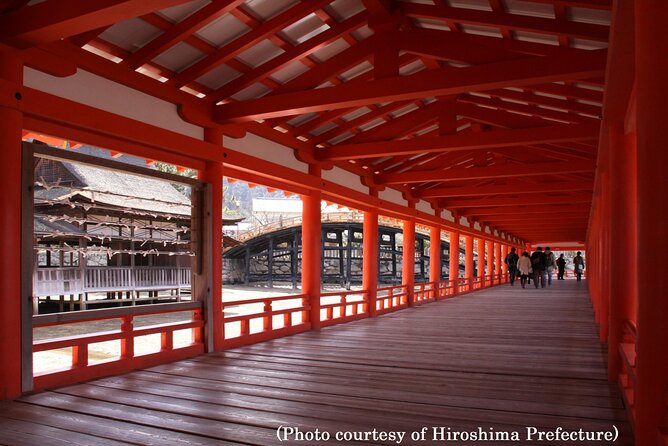
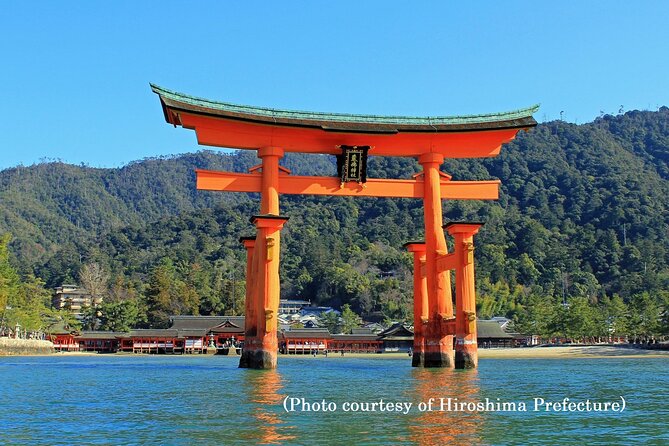
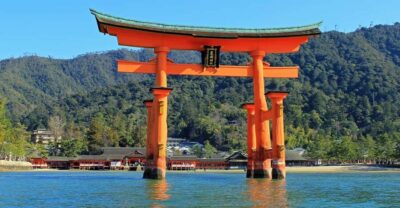
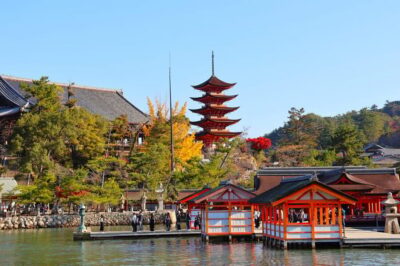
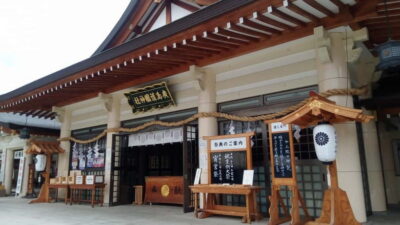
Your first major stop is Itsukushima Shrine, a UNESCO World Heritage site founded in the 6th century. You will have about an hour here, with an included admission and guided explanation of the shrine’s famous Shinden-zukuri style architecture.
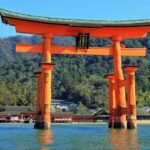
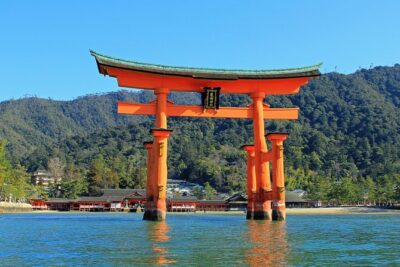
Why this stop feels special is not only the buildings. It is the relationship to the water. The shrine is known for its iconic torii gate that appears to sit in the sea during high tide. Even if the exact water level changes the look on the day you visit, the guide will help you understand why people travel here specifically for that effect.
Inside the walk, you are not just snapping pictures. The guide’s role is to point out details you might otherwise miss, like how the architecture supports the shrine’s connection to the shoreline. Guides such as Tomoko and Masako are often praised for being clear and patient, which matters when you want to follow along without missing key explanations.
Let something else do the walking
- Full Day Hiroshima and Miyajima Bus Tour from Hiroshima★ 4.5 · 371 reviews
- Hiroshima and Miyajima 1 Day Bus Tour★ 4.5 · 145 reviews
- Miyajima: Private Rickshaw Tour to Itsukushima Shrine★ 4.9 · 45 reviews
Miyajima island time: lunch on your own and quick wandering
Next comes the part of the day that gives you breathing room. You get about 1 hour on Miyajima, and lunch is on your own. This is a smart setup because Miyajima food is part of the experience, and you get to choose what fits your appetite and budget.
Common options in the area include:
- oysters
- Hiroshima-style okonomiyaki
- conger eel rice bowl
You do not need to be a foodie to enjoy this hour. It is also time to stroll, look at souvenir areas, and find a calm corner for a drink or a quick rest.
A practical tip: if you want a ropeway or a mountain hike, this one-hour block might not feel like enough time. The tour gives you shrine-focused time, plus a little freedom. So if your dream Miyajima includes the cable car experience, go in knowing you may need to do it on a separate trip day.
Atomic Bomb Dome: why you should slow down here
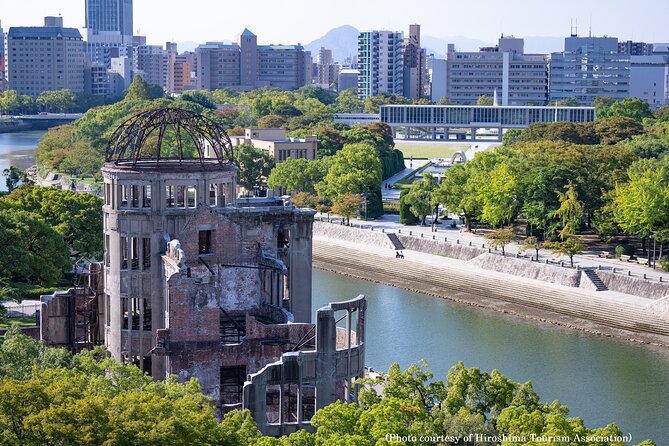
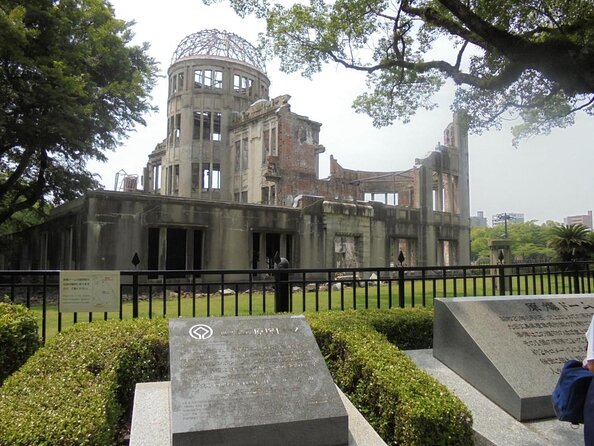
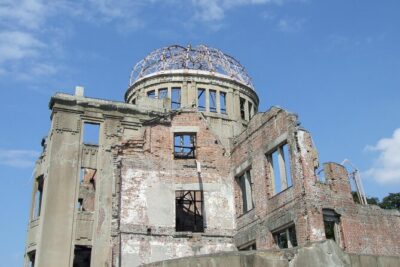
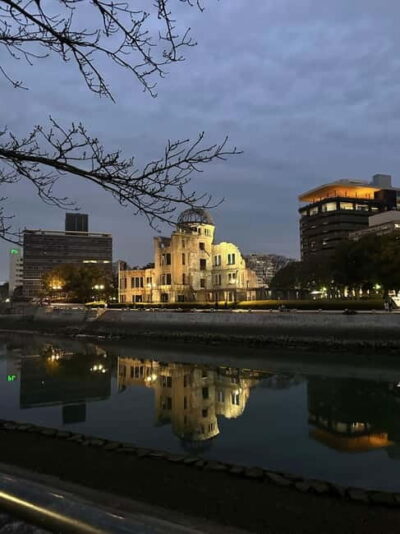
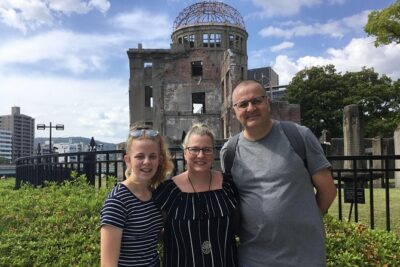
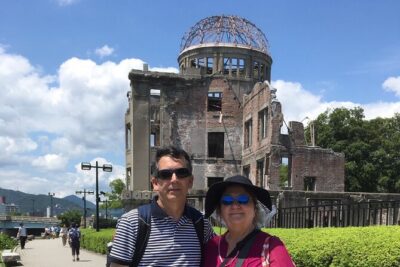
After Miyajima, you head back toward Hiroshima and the tour’s most emotionally intense stop: the Atomic Bomb Dome. You get about 40 minutes here, and admission is free.
This building is preserved in its partially damaged state as a symbol of the bombing and a reminder of why peace matters. Because the time is shorter than the museum visit, it helps to arrive mentally ready to look, not just pass by.
Here is how I recommend you use your time:
- Walk slowly around the dome and check sightlines from different angles
- Read any on-site interpretive signs the guide points out
- Take a moment before moving on to the museum, because your head and heart can otherwise feel rushed
Guides like Azusa and Nob get credit in many accounts for keeping the tone respectful while still making the historical context understandable. That balance is important here. You want clarity without turning suffering into a checklist.
Peace Memorial Park and Museum: the part that stays with you
The final major stop is Hiroshima Peace Memorial Museum inside Peace Memorial Park. You have about 1 hour, and admission is included.
Peace Memorial Park was established in 1949 and it is designed as a place of remembrance and education. The museum is widely known as a key stop here, and this time block gives you enough room to see major exhibits rather than feeling like you only skimmed the surface.
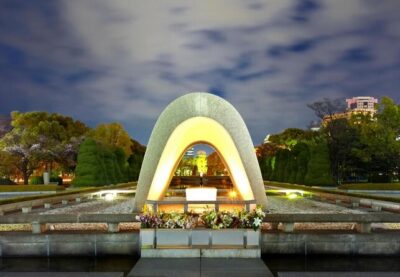
Also built into the route are time and space for major monuments, including the Memorial Cenotaph for Atomic Bomb Victims and the Cenotaph for Korean Victims. These names and details matter. They make it harder to reduce the bombing to a single date, and they expand who is included in the story.
A lot of people feel overwhelmed by this section, and that is normal. The best way to handle it is to accept that your visit might not be “fun.” Your job is to pay attention, take in what you can, and then let the emotion settle while you keep moving with your group.
If your guide is strong at pacing, you will feel it here. Guides such as Nikki are often praised for explaining monuments in a way that feels grounded, not abstract.
Timing, group size, and hearing the guide on a full coach
The tour runs about 8 hours 20 minutes, and it returns to Hiroshima around 6:00 pm to 6:30 pm at Hiroshima Station. That schedule works well if you plan dinner near the station or you are staying somewhere convenient to JR lines.
The group size is capped at 40 travelers and the vehicle is a full coach. In practice, that can mean:
- you might not get the best audio from every seat
- during walking segments, the guide may stop talking until the group is gathered
- if it is hot or crowded, it can take extra effort to stay focused
I have found that tours like this work best when you do two things:
1) Keep your headset attention ready, especially when the guide starts a new historical point.
2) When the group spreads out, regroup quickly. The guide usually gives the clearest information during those “everyone is together” moments.
It is also worth noting that some guides are very proactive about group management and photo stops. In many accounts, guides like Kyoko and Hikari are praised for helping people get photos and for being friendly and supportive.
Price and value: what you are actually paying for
At $152.54 per person, this is not a bargain-basement outing. But the value comes from what is bundled, not just the sightseeing.
In the included package, you get:
- a licensed English guide interpreter
- included admission fees for Itsukushima Shrine and the Peace Memorial Museum
- Miyajima visitor tax
- other transportation costs needed to connect sites
- a mobile ticket
And the big “soft value” is time. You get one organized day that covers both UNESCO areas without figuring out ferry times, ticket purchasing windows, and how to move from one area to the other without stress.
The only clearly stated extra is lunch, which you handle on Miyajima. You should budget for that separately, and plan to eat during your free time block.
If you already enjoy independent travel and you know you will eat and wander at your own pace, you might be able to replicate parts of this day for less. But for a one-day trip where you also want a human guide to connect the dots, the price starts to make sense.
Who should book this Hiroshima and Miyajima bus tour
This tour is a good fit if you want:
- a high-structure day with guided context at the most important sites
- an efficient way to cover Miyajima and Hiroshima without multiple ticket purchases and transfers
- a respectful, education-focused visit to Peace Memorial Park
It may be less ideal if:
- you want a lot of unstructured time on Miyajima for the ropeway or hikes
- you are very sensitive to group logistics and audio during walking portions
Overall, I think it works best for couples, families with older kids, and first-time visitors who want the “greatest hits,” but with real explanation rather than just standing in front of famous buildings.
Should you book it?
I would book this tour if Hiroshima and Miyajima are top priorities and you want the day to feel guided, not improvised. The strongest reason is the combination of Itsukushima Shrine plus Hiroshima’s memorial sites in one managed schedule, with included admissions and a licensed English guide interpreter.
If you are only in Hiroshima for a day or two, and you want to avoid the hassle of sorting ferries and tickets, this is a solid choice. Just go in with realistic expectations about lunch being on your own and about the day being long enough that you will want to pace your energy for the museum and monuments.
FAQ
How long is the Hiroshima and Miyajima bus tour?
It runs for about 8 hours 20 minutes.
What is included in the tour price?
The tour includes a licensed English guide interpreter, Miyajima visitor tax, and other admission fees and transportation costs. Admission ticket fees for Itsukushima Shrine and the Hiroshima Peace Memorial Museum are included.
Is lunch included?
No. Lunch is not included, and you are free to eat on your own during the Miyajima time block.
Where do I meet the tour, and where does it end?
You start at Hotel Granvia Hiroshima. The tour ends around 6:00 pm to 6:30 pm at Hiroshima Station, and you head to your next destination on your own from there.
What time does the tour start?
It starts at 10:10 am.
Do I get a mobile ticket?
Yes, the tour uses a mobile ticket.
Can I cancel and get a refund?
Yes. You can cancel for a full refund if you cancel up to 24 hours in advance of the experience start time.
Let Something Else Do the Walking
Hiroshima and Miyajima Together
Newest Hiroshima write-ups from the Loving Japan desk
Hiroshima and Miyajima Day Trips, side by side.
 ★ 5.0Peaceful Hiroshima & Miyajima UNESCO 1 Day Bus TourFrom $1295,309 reviews
 ★ 4.9Hiroshima and Miyajima UNESCO Sites 1-Day TourFrom $1222,330 reviews
 ★ 5.0Hiroshima / Miyajima Full-day Private Tour with Government Licensed GuideFrom $2021,298 reviews
 ★ 4.7Osaka/Kyoto: Hiroshima Miyajima Bus Tour & Shinkansen TicketFrom $277919 reviews
 ★ 4.8Hiroshima Historical Walking Tour – Why A-Bomb was DroppedFrom $35893 reviews
 ★ 5.0Hiroshima Peace (Heiwa) Walking Tour at World Heritage SitesFrom $94872 reviews
 ★ 5.0Hiroshima in a Nutshell: Morning Bike AdventureFrom $72524 reviews
 ★ 5.0Hiroshima City 4hr Private Walking Tour with Licensed GuideFrom $122437 reviews
Filed on these lists too