
REVIEW · HIROSHIMA AND MIYAJIMA DAY TRIPS
Miyajima: Private Rickshaw Tour to Itsukushima Shrine
Miyajima feels like a film set when you roll through it. A private rickshaw tour turns the island’s main sights into an easy, guided loop, with time for the floating red torii moment at the right tide. I love that the guide keeps things fun while also explaining what you are seeing in plain language.
My other big plus is how well this tour handles pacing. You start at the ferry terminal, glide through town and the waterfront, then hit either Daishoin or Senjokaku depending on your time slot, with plenty of chances to get photos. The one thing to think about is physical comfort: rickshaws are best for people who do not need easy recline or lots of back support, and the tour is not recommended for pregnant women in their first 16 weeks.
In This Review
- Key highlights you should care about
- Why a private rickshaw makes Miyajima easier than walking
- Starting at the ferry terminal: where the tour really begins
- Rolling through Miyajima town, the shopping arcade, and deer moments
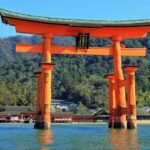
- Itsukushima Shrine and the floating torii gate at high tide
- Choosing the 70-minute route: Daishoin Temple and the power-spot view
- Picking 130 minutes: Senjokaku Shrine and sea views
- The 190-minute option: scenic routes through parks and the seaside
- Customization and choosing your endpoint
- Price and value: what $51 per person buys you
- Comfort, space, and who the rickshaw fits best
- Practical rules: selfie sticks, tickets, and what you should bring
- How the guide experience tends to feel in real life
- Who should book this Miyajima private rickshaw tour
- FAQ
- FAQ
- How long is the Miyajima private rickshaw tour?
- Where do I meet the guide?
- Is this tour private?
- What stops are included with the 70-minute option?
- What is added in the 130-minute option?
- What does the 190-minute option include?
- Are temple and shrine admission fees included?
- How many adults can ride in one rickshaw?
- Is the tour suitable for pregnant women and people with back problems?
Key highlights you should care about
- Floating torii at high tide: Aim for the iconic view where the gate appears to float on the water
- Private, rickshaw-only access: You go at your own pace, not with a crowd funnel
- Old town streets plus waterfront views: Not just shrines, you also get Miyajima’s everyday look
- Temple and shrine upgrades by duration: Daishoin, Senjokaku, then longer scenic routes
- Guide energy and photo help: Names like Kim, Jose, and Shinemasa are known for making stops enjoyable and picture-friendly
Pairing the city with Miyajima. Other itineraries
- Hiroshima: Hiroshima and Miyajima UNESCO Sites 1-Day Tour
★ 4.9 · 2,330 reviews - Hiroshima / Miyajima Full-day Private Tour with Government Licensed Guide
★ 5.0 · 1,298 reviews - Hiroshima Historical Walking Tour – Why A-Bomb was Dropped
★ 4.8 · 893 reviews - Hiroshima Peace (Heiwa) Walking Tour at World Heritage Sites
★ 5.0 · 872 reviews
Why a private rickshaw makes Miyajima easier than walking
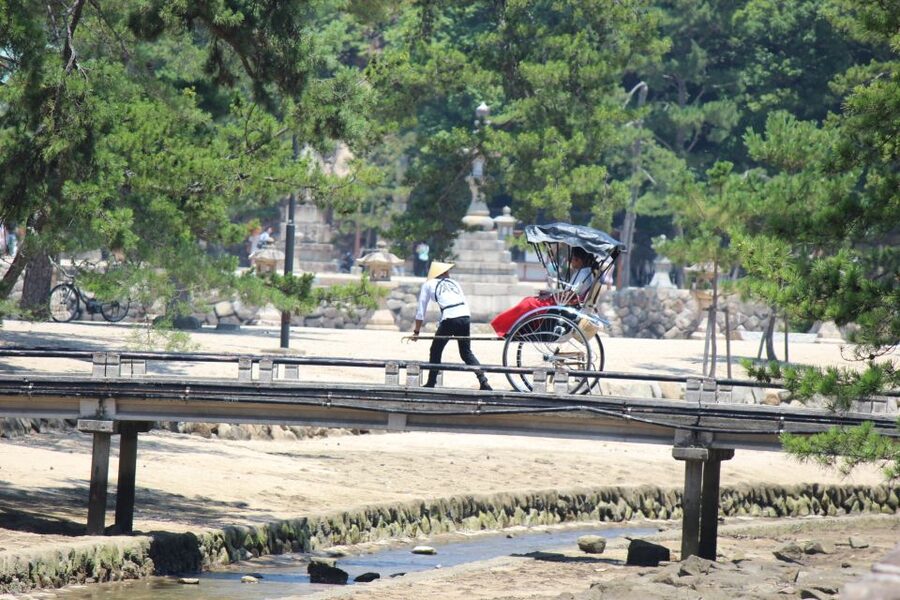
Miyajima is very walkable, but it can also feel like you are doing a lot of steps to see a handful of landmarks. A rickshaw is a smart shortcut that still lets you enjoy the island, because the ride slows down at the best photo points.
You also get something walking alone often misses, context. When your guide points out what to notice, you go from seeing famous buildings to understanding why people take them seriously.
Starting at the ferry terminal: where the tour really begins
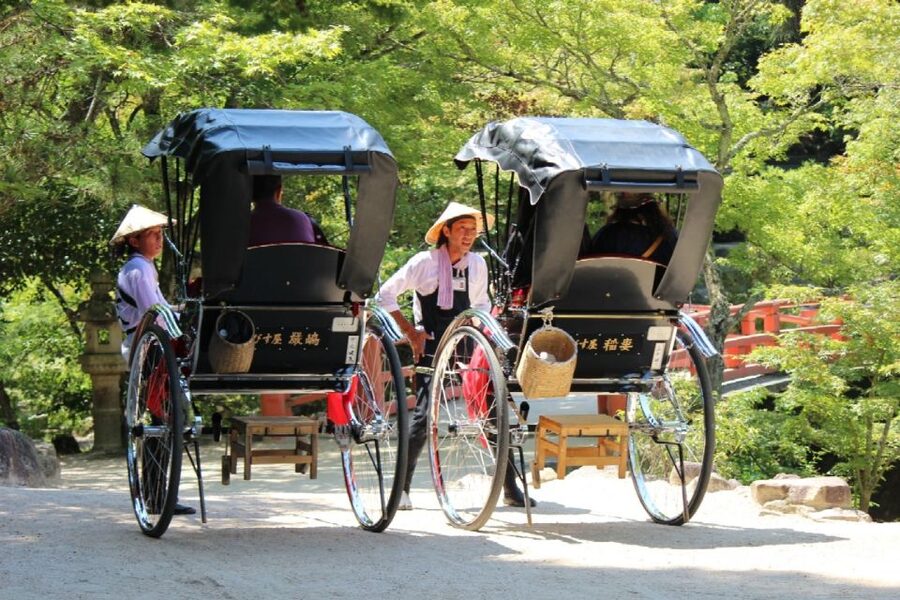
Your guide meets you just outside the Miyajima Ferry Terminal at the scheduled time. After booking, you get an email with a map and a photo of the exact meeting spot, which helps you avoid that awkward first ten minutes of wandering.
From there, the tour flows immediately into Miyajima’s town area. That timing matters because it helps you see sights while the streets are still calm, and it sets up the waterfront walk for later.
Rolling through Miyajima town, the shopping arcade, and deer moments
One of the underrated wins here is the “in-between” part of Miyajima. Instead of rushing straight to Itsukushima Shrine, you glide down charming streets toward the center of town, passing traditional-looking townhouses and an old-fashioned shopping arcade.
This is also your cue to watch for the island’s famous deer. They show up around town and near key paths, and your guide can help you handle them calmly so you can enjoy the moment without turning it into a distraction.
If you care about photos, this is a good time to think about your angles. Your rickshaw ride gives you a moving vantage point, and you can ask the guide to pause at spots that fit how you like to shoot.
Let something else do the walking
- Full Day Hiroshima and Miyajima Bus Tour from Hiroshima★ 4.5 · 371 reviews
- Hiroshima and Miyajima 1 Day Bus Tour★ 4.5 · 145 reviews
- Miyajima: Private Rickshaw Tour to Itsukushima Shrine★ 4.9 · 45 reviews
Itsukushima Shrine and the floating torii gate at high tide
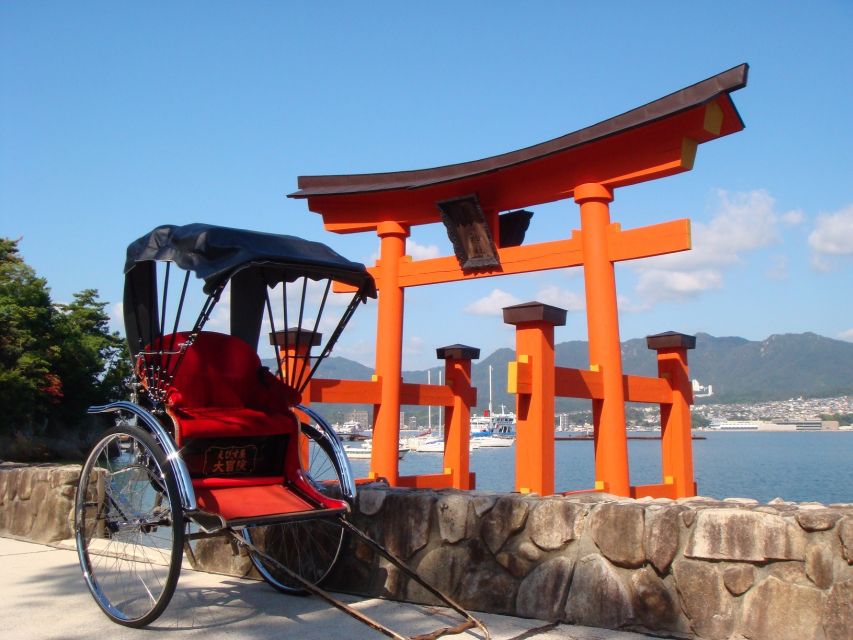
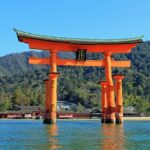
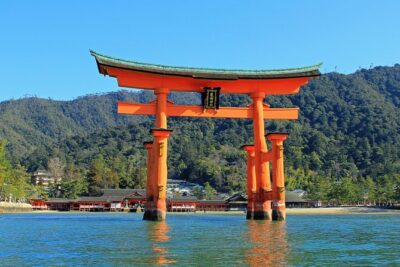
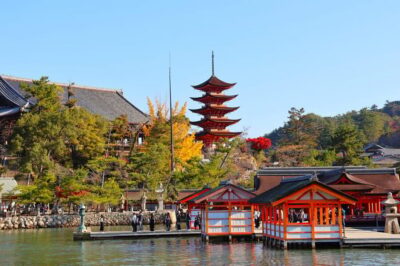
The big headline is the view of the large orange torii gate standing in the water in front of Itsukushima Shrine. This is the moment you have seen in photos, but seeing it in person is different, mostly because of how the waterline changes your whole perception of the structure.
That is why high tide is the key word. If your timing lines up, you get the classic floating look. If it does not, you still see the torii and shrine setting, but the “floating” effect may be less dramatic.
Either way, you are in the right place for atmosphere. The waterfront approach, the orange color against the sea, and the way the shrine sits in that tidal space make this one of Japan’s most recognizable shrine environments.
Choosing the 70-minute route: Daishoin Temple and the power-spot view
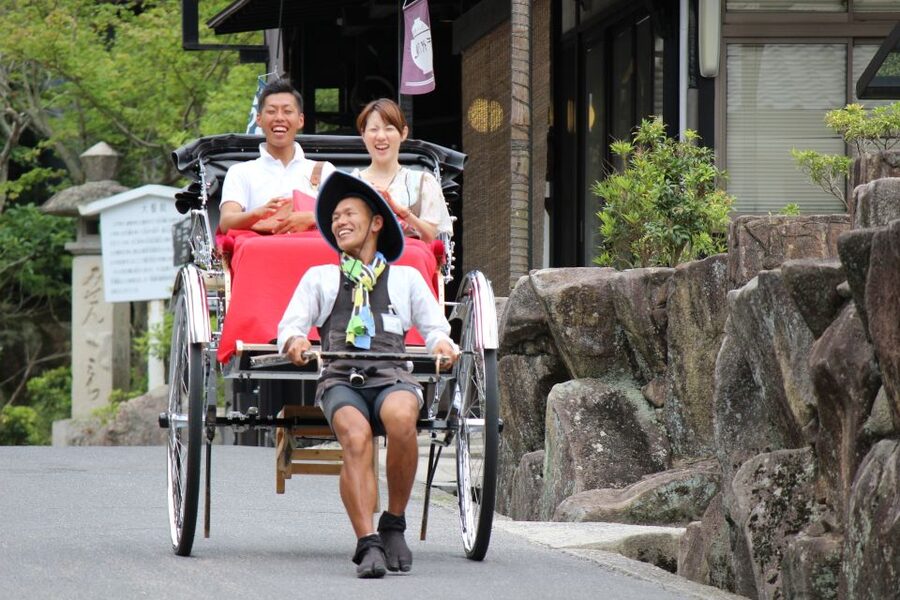
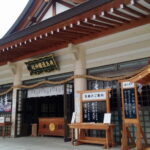
If you pick the 70-minute option, you go beyond the waterfront and shrine area and add Daishoin Temple. Daishoin is described as a 1200-year-old temple, and it is known as a “power spot,” a special place people believe helps visitors feel energized.
The best practical part of this stop is the view over Miyajima. Even if you are not chasing panoramic shots for the sake of it, you get a new way to understand the island, where the water sits, how the town spreads out, and how the shrine area fits into the coastline.
Consider this option if you want a shorter tour but still want one meaningful extra stop with a clear payoff in scenery.
Picking 130 minutes: Senjokaku Shrine and sea views
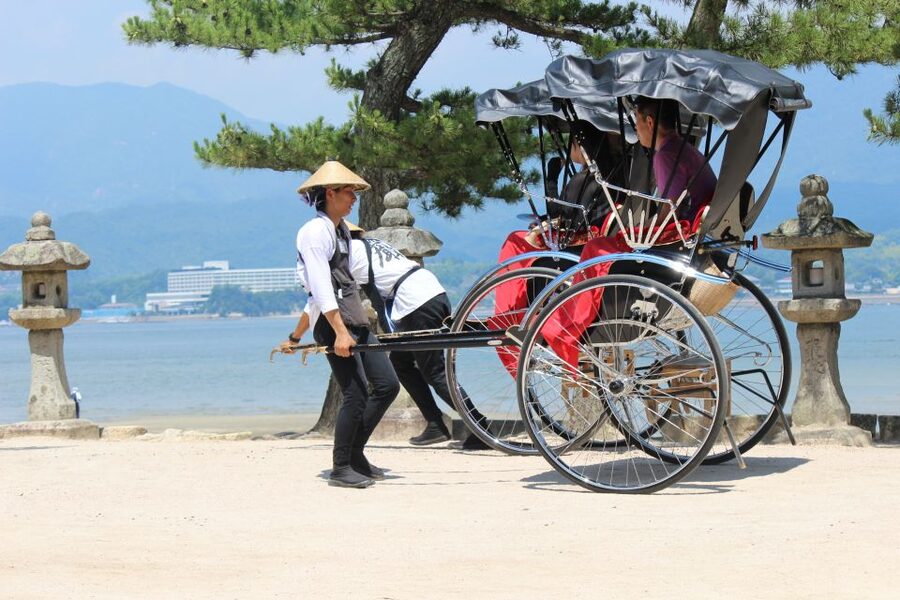
The 130-minute option adds Senjokaku Shrine. This shrine was built under the order of former Shogun Toyotomi Hideyoshi, which gives you a concrete historical anchor for what you are seeing.
You also get sea views. That means this duration is often the sweet spot if you care about both landmark intensity (a major shrine stop) and atmosphere (water views that make the island feel bigger than the postcard).
If you are trying to cover the top sights without running out of time, Senjokaku is a great match because it complements the Itsukushima torii setting rather than repeating the same scenery.
The 190-minute option: scenic routes through parks and the seaside
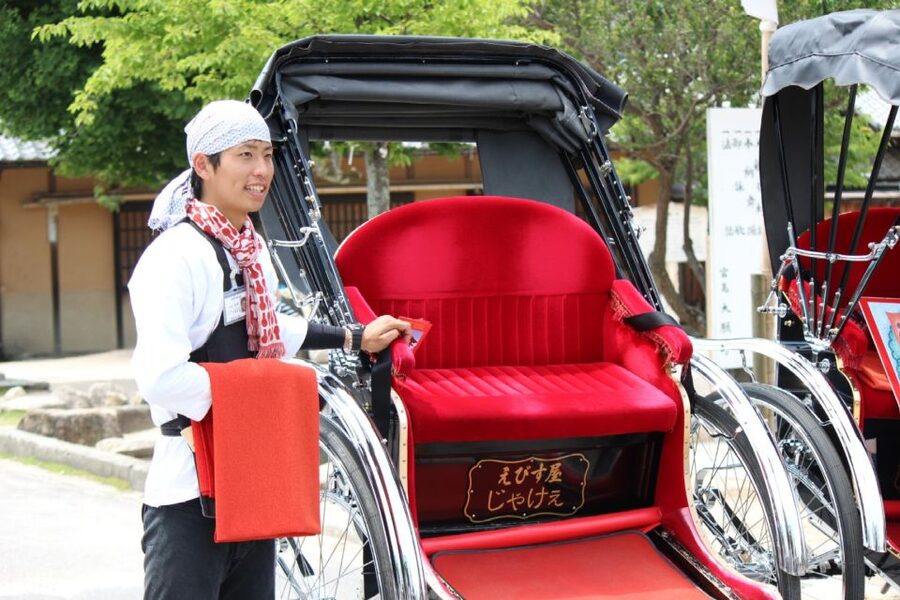
If you choose the 190-minute option, you get everything from the shorter temple and shrine choices, plus extra travel down scenic routes. These routes go through parks and along the seaside, which is where the island can feel less like a checklist and more like a place you could actually linger.
This is the right call when you want a slower, more varied route. You are not just hopping between icons, you are seeing how Miyajima looks when it is not framed by the most famous structures.
It is also a good duration if you are traveling with someone who enjoys the ride itself, not only the destination.
Customization and choosing your endpoint
A big advantage is that your tour is customizable. That means you can adjust based on what you care about most, whether that is more time near the waterfront, more temple focus, or a route that works better with your energy level.
You can also choose your own endpoint. For practical planning, that helps if you want to match your tour ending with a ferry time, dinner reservation, or just a comfortable place to stretch your legs before heading back.
Price and value: what $51 per person buys you
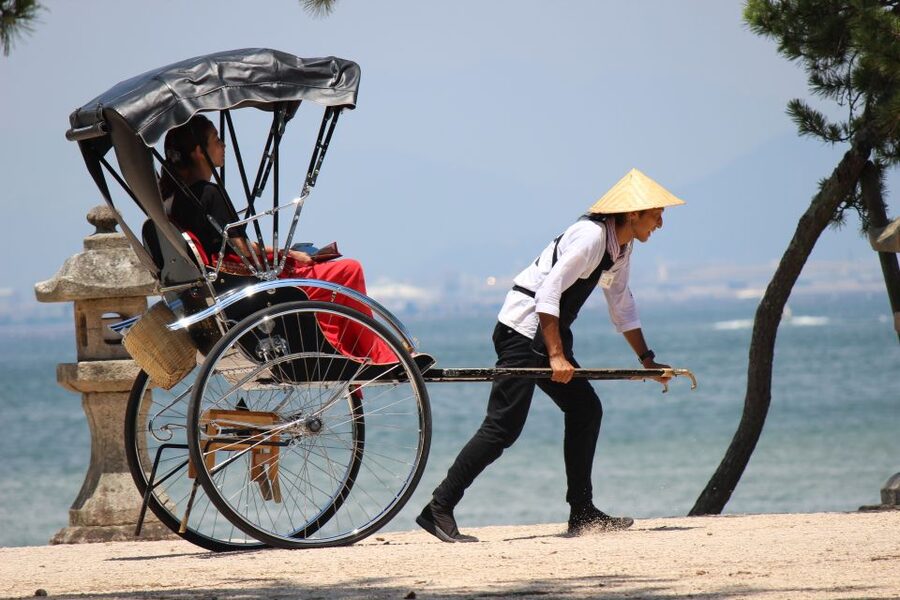
The price is listed as $51 per person. In value terms, you are paying for three things that are hard to replicate on your own: a private rickshaw ride, a local guide, and the time saved by not having to coordinate your own stops and pacing.
The private format matters on an island like Miyajima, where it is easy to spend energy walking between hotspots. With this tour, the main sights are stitched together with less friction, and you still get plenty of breaks for photos.
One more value note: rickshaws have a maximum of two adults per rickshaw. If your group has more people, you might end up with separate rickshaws, and that can change how the total cost feels. Still, the comfort and control often justify it, especially if you want an easy day.
Comfort, space, and who the rickshaw fits best
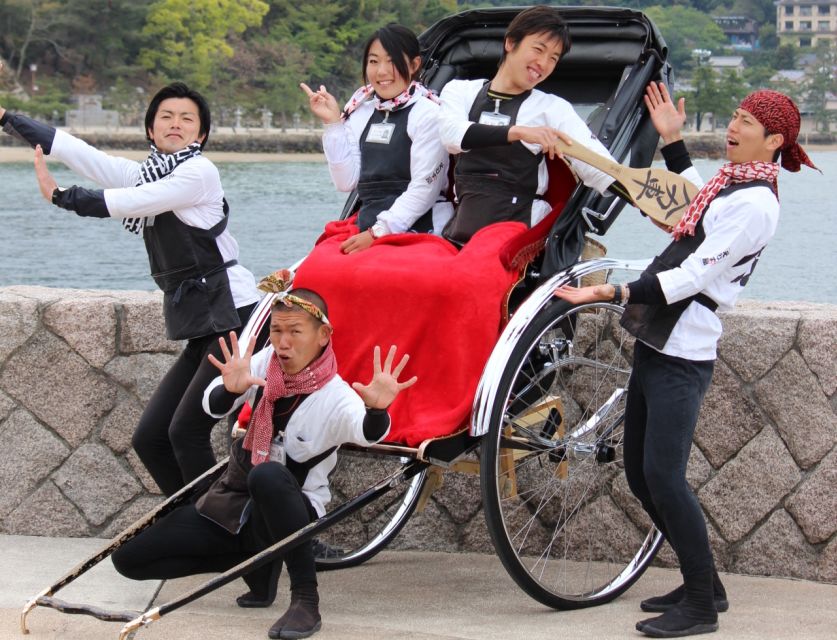
This tour is not recommended for expecting mothers in their first 16 weeks, and it is also not suitable for people with back problems. That is not a minor footnote. A rickshaw ride is its own movement rhythm, and if your body needs more support than this offers, you will likely be happier choosing a different plan.
There is also a size reality check. Seats measure 74 cm wide, and the setup is designed for one or two adults side by side. In some cases, it might be more comfortable to book individual rickshaws for each passenger, especially if you expect you will need more personal space.
On the bright side, many visitors find the ride comfortable because you are moving slowly and stopping often.
Practical rules: selfie sticks, tickets, and what you should bring
Two things to remember before you go:
- Selfie sticks are not allowed.
- Admission fees to temples and shrines are not included, with Senjokaku Shrine entry listed as 100 yen.
That means you should plan to handle small cash costs on-site. Food and drinks are not included either, so bring water, and if you snack, consider packing something light.
You also get a small souvenir touch: a souvenir postcard and sticker included with the tour. It is simple, but it is a nice reminder at the end of the day.
How the guide experience tends to feel in real life
The guide experience is a major driver of the rating. The tour language is Japanese, but the vibe is friendly and geared toward making the ride smooth and understandable.
Some guides known by name in this context, including Kim, Jose, and Shinemasa, are described as upbeat, funny, and good at storytelling. The practical part is that they also help with photo stops and spotting spots you might miss if you were just following signs.
So if you like your guides talk with confidence instead of reciting facts, this format often works well.
Who should book this Miyajima private rickshaw tour
Book it if you want:
- A private way to see Miyajima without wrestling a self-guided route
- The Itsukushima Shrine torii setting, ideally with the floating look at high tide
- A guide who helps you notice details, not just deliver directions
- A duration that matches your day, from about 70 minutes to a full 190-minute loop
Skip or reconsider if you:
- Have mobility limitations that make sitting in the rickshaw difficult
- Need something fully stroller- or wheelchair-friendly, since the tour information here focuses on rickshaw seating capacity, not accessibility adaptations
- Are traveling with someone who cannot handle uneven comfort for an extended ride
FAQ
FAQ
How long is the Miyajima private rickshaw tour?
The duration ranges from 45 to 190 minutes, depending on the option you select and availability.
Where do I meet the guide?
You meet your guide just outside the Miyajima Ferry Terminal on Miyajima Island.
Is this tour private?
Yes. It is a private group tour.
What stops are included with the 70-minute option?
The 70-minute option includes time with the Daishoin Temple, which is described as a 1200-year-old power spot with a view over Miyajima.
What is added in the 130-minute option?
The 130-minute option adds Senjokaku Shrine, including history connected to Toyotomi Hideyoshi and sea views.
What does the 190-minute option include?
The 190-minute option includes the shrine and temple stops above, plus additional scenic routes through parks and along the seaside.
Are temple and shrine admission fees included?
No. Admission fees are not included. Senjokaku Shrine entry is listed as 100 yen.
How many adults can ride in one rickshaw?
There is a maximum of 2 adults per rickshaw. Seats are 74 cm wide, and comfort can vary.
Is the tour suitable for pregnant women and people with back problems?
It is not recommended for expecting mothers in their first 16 weeks and it is not suitable for people with back problems.
Should you book this tour?
If you want a low-stress day that still feels special, I would book it. The rickshaw ride is the value engine here, because it strings together the most important Miyajima sights with pacing you can actually enjoy, not just endure. Add in the chance to time the torii for high tide and the guide’s role in making it all click, and this is one of the easiest ways to get the Miyajima experience right.
Let Something Else Do the Walking
Hiroshima and Miyajima Together

Newest Hiroshima write-ups from the Loving Japan desk
Hiroshima and Miyajima Day Trips, side by side.
 ★ 5.0Peaceful Hiroshima & Miyajima UNESCO 1 Day Bus TourFrom $1295,309 reviews
 ★ 4.9Hiroshima and Miyajima UNESCO Sites 1-Day TourFrom $1222,330 reviews
 ★ 5.0Hiroshima / Miyajima Full-day Private Tour with Government Licensed GuideFrom $2021,298 reviews
 ★ 4.7Osaka/Kyoto: Hiroshima Miyajima Bus Tour & Shinkansen TicketFrom $277919 reviews
 ★ 4.8Hiroshima Historical Walking Tour – Why A-Bomb was DroppedFrom $35893 reviews
 ★ 5.0Hiroshima Peace (Heiwa) Walking Tour at World Heritage SitesFrom $94872 reviews
 ★ 5.0Hiroshima in a Nutshell: Morning Bike AdventureFrom $72524 reviews
 ★ 5.0Hiroshima City 4hr Private Walking Tour with Licensed GuideFrom $122437 reviews
Filed on these lists too