
REVIEW · ASAKUSA, SENSO-JI AND TOKYO SKYTREE
Full Tokyo: Meiji Shrine, Imperial Palace, Asakusa & Skytree
Shibuya starts your day like a movie. I love the contrast between the Meiji Shrine calm and the rush of Shibuya Crossing, and I also like getting classic photos from the Imperial Palace exterior. The one thing to watch is time: this is a fast 7-hour circuit, and you need the right Skytree entry setup to actually go up.
You meet your guide by the Hachiko statue at Hachiko Square, then hop between sights by train with tickets handled for you. Guides such as Oliver and Burt have been praised for keeping the day organized, and Jorg and Melody have been noted for friendly, clear explanations that help the stops click. If you like slow wandering and lots of museum-style reading time, you may feel slightly rushed at the most popular spots.
In This Review
- Key Things I’d Focus On
- From Hachiko to Shibuya Crossing, Tokyo’s Speed Test
- Meiji Shrine: A Quiet Walk That Resets Your Head
- Imperial Palace Exterior Photos and Garden Views, Without the Long Detour
- Akihabara Scenic Pass: Tech and Pop Culture Energy
- Asakusa and Senso-ji: The Big Temple Moment Plus Lunch Option
- Tokyo Skytree Observation Deck: The Clean, High Finish
- Price and Value for a 7-Hour Landmark Circuit
- The Guides and the Tone of the Day
- What to Bring, and How to Pace Yourself
- Who This Tour Suits Best
- Should You Book It? My Practical Verdict
- FAQ
- Where do I meet the guide?
- How long is the tour?
- What’s included in the price?
- Is lunch included?
- Do I need tickets to enter Tokyo Skytree?
- What languages are available for the guide?
- What should I bring?
- Is the tour wheelchair accessible?
- Can I cancel and get a refund?
Key Things I’d Focus On
- Shibuya Crossing viewing: You see the intersection’s energy from the outside, then move on before the day gets too crowded.
- Meiji Shrine on foot: Expect a real change of pace, with a guided walk through a quieter, wooded-feeling area.
- Imperial Palace photo moments: You get time for the exterior and surrounding grounds without needing a full formal visit.
- Asakusa and Senso-ji timing: You’ll get the big temple moments plus optional lunch, but the window can feel short.
- Skytree payoff: Panoramic city views are the clean closer, as long as you have entry tickets sorted.
Still on the Sumida side? A few more Asakusa options
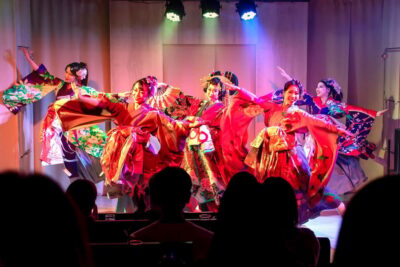
- Tokyo: Japanese Dance Cabaret Theater Asakusa-Kaguwa Ticket
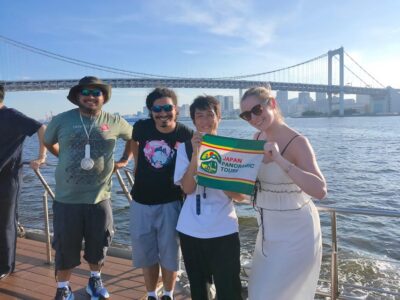
★ 4.8 · 2,270 reviews - Tokyo: Meiji Shrine, Asakusa, Skytree Bus Tour and Cruise
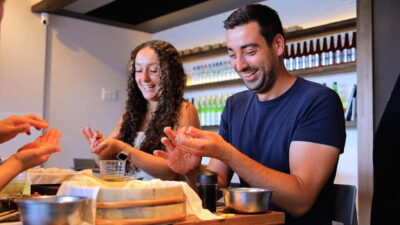
★ 4.7 · 1,986 reviews - Tokyo: Roll and Authentic Sushi Making Class in Asakusa
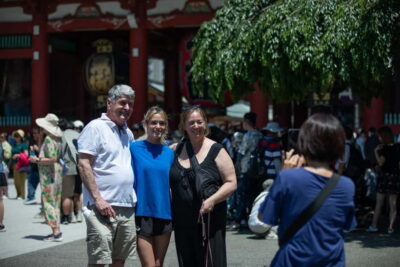
★ 4.9 · 1,957 reviews - Tokyo: Asakusa Walking Tour with Sensoji Temple Visit
★ 4.8 · 1,583 reviews
From Hachiko to Shibuya Crossing, Tokyo’s Speed Test
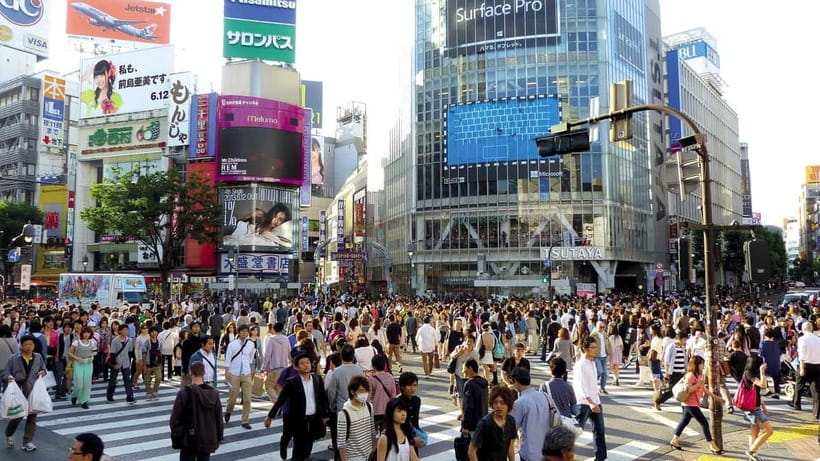
The morning begins at Hachiko Square by the Hachiko statue, which is a smart choice. It is easy to find, it gives you a quick sense of the neighborhood, and it lets your guide gather the group before things scatter. From there, you head into Shibuya, where Tokyo’s modern energy shows up immediately.
Shibuya Crossing is one of those sights that looks simple on a map and then feels huge in real life. Even if you have seen it in videos, you will still notice the coordination and the sheer volume of people crossing at once. Your group gets a scenic drive moment here, which is practical, especially if you want photos without spending your whole morning fighting for position on a sidewalk.
One small benefit of doing Shibuya early is light and energy. Later in the day, you can end up walking long distances just to get the same angle. Doing Shibuya first also helps you build context for the rest of the day. By the time you are in quieter religious spaces like Meiji Shrine, you feel the contrast instead of just moving through stops.
Meiji Shrine: A Quiet Walk That Resets Your Head
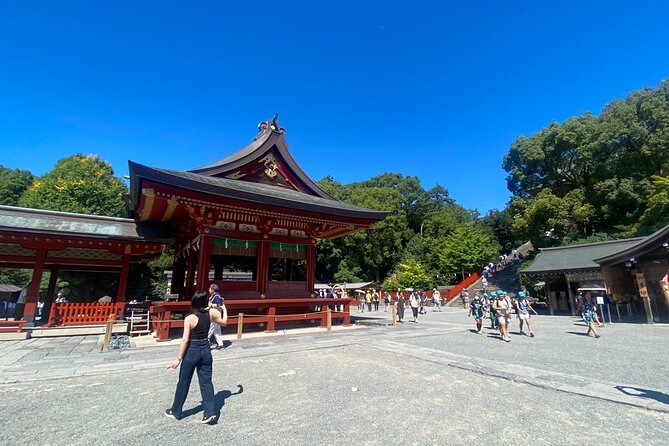
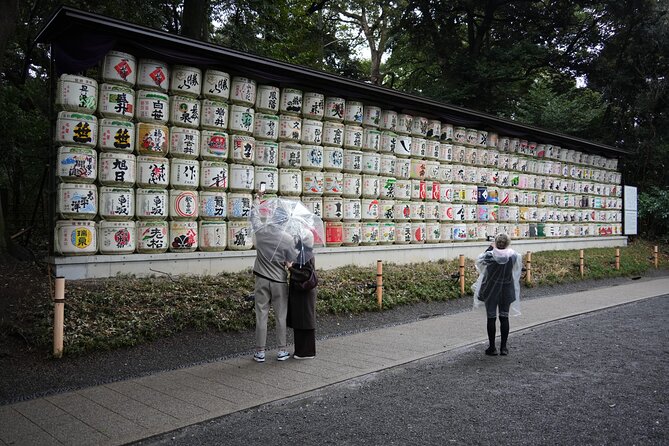
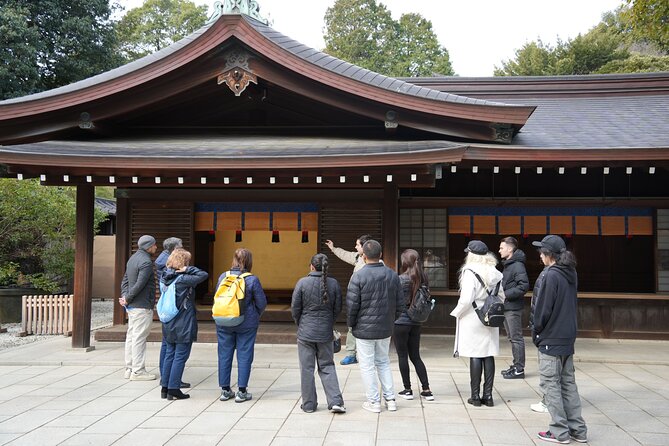
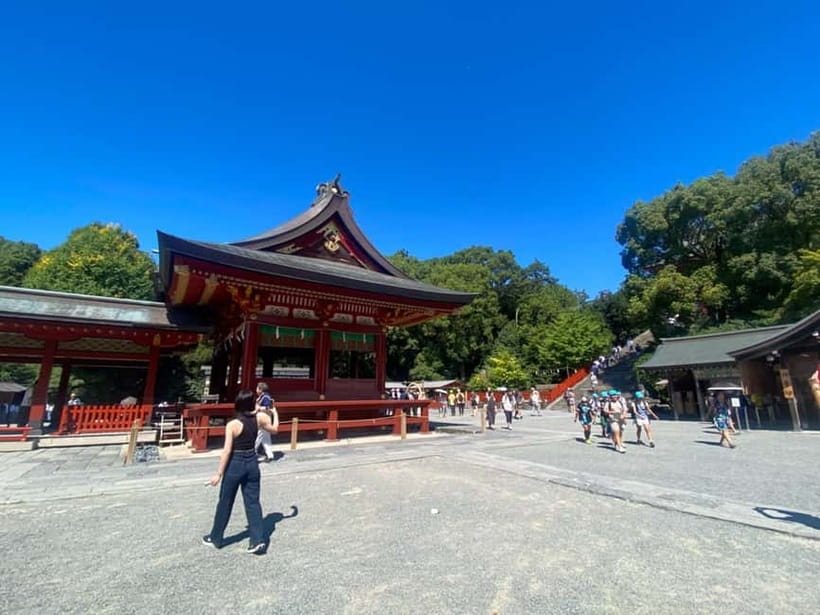
Meiji Shrine is the day’s calm gear shift. It is famous for a reason: you walk in and the city noise fades fast, replaced by a slower rhythm and that wooded, shaded feeling. Your visit includes a guided tour time that is long enough to actually notice details like the approach and the general layout, not just rush through a gate.
This is a Shinto space, so you will want to treat it differently than a typical photo stop. Follow the cues around you, keep your voice down, and pause when the area feels ceremonial. If you are the type who loves small sensory things, you will probably enjoy the shift in air, sounds, and pace more than you expected.
One interesting note from real-world timing: on New Year’s Eve, a guide named Oliver brought the group in and they got to see how locals celebrate at shrines and temples. That matters because some days feel more festive and alive than the usual flow. Even if you do not travel on a holiday, the shrine visit still feels like a breather inside a city that rarely slows down.
Bring your camera, but also bring patience. This stop rewards people who slow their pace for a few minutes and let the place land.
Imperial Palace Exterior Photos and Garden Views, Without the Long Detour
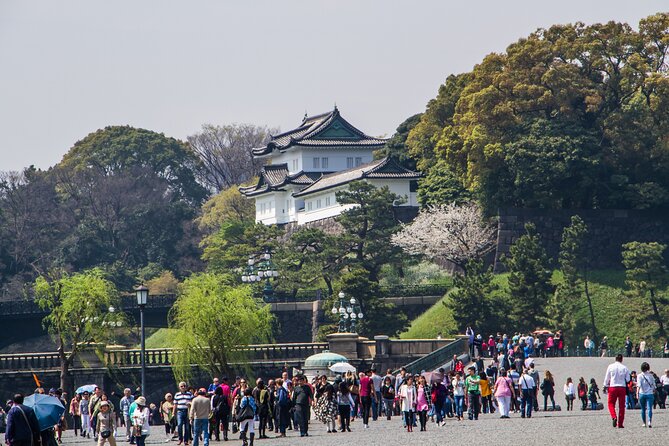
The Imperial Palace area is one of Tokyo’s best “big moment” photo stops. You do not need a full day commitment to appreciate it, and you will get a guided visit focused on the exterior and the surrounding grounds. That is a smart format if your time is limited and you want iconic views without losing an entire half-day to planning and timed access.
When you arrive, think of this as a visual overview. The palace buildings are not just impressive architecture, they also signal how carefully the city organizes space around history and ceremony. Your guide can help you understand what you are seeing, which makes the photos more meaningful than just a quick snap.
The practical upside here is pacing. After Shibuya and before the cultural pulse of Asakusa, this is a good middle stop: it is visually strong, it offers photo opportunities, and it does not require you to study for hours. The downside is also practical: the guided time is relatively short, so if you want to linger on every garden detail or explore at deep depth, you might want to add independent time later.
If you love photographing symmetry, gates, and carefully planned grounds, you are likely to enjoy this stop a lot. If you want a full interior experience, you might feel this part is more about the outside view than a complete palace visit.
The central Tokyo landmarks, reviewed one by one
- Tokyo: Imperial Palace and Shogun Historical Walking Tour★ 5.0 · 2,251 reviews
- Tokyo: Meiji Shrine, Asakusa, Skytree Bus Tour and Cruise★ 4.7 · 1,986 reviews
- Chopstick Making Workshop in Ginza★ 4.8 · 1,366 reviews
- Tokyo Panoramic 1 Day: Meiji Shrine, Asakusa, Odaiba and SKYTREE®★ 4.5 · 1,222 reviews
- Tokyo: Imperial Palace Japanese History Walking Tour★ 4.9 · 987 reviews
Akihabara Scenic Pass: Tech and Pop Culture Energy
Next comes Akihabara, often called Tokyo’s tech and pop culture district. In a day that also includes major religious sites, this stop adds a different kind of meaning. It is not just “shopping streets,” it is where you can see how modern Tokyo markets itself, and how pop culture and gadgets mix in public.
Your time here is structured as a scenic drive, not a long walking tour. That can actually be helpful. Akihabara can eat time fast if you decide to go inside every store and arcade. A scenic pass keeps the day on track and still gives you the visual wow factor: bright signage, dense crowds, and that unmistakable electric neighborhood feel.
If you are a fan of anime, gaming, electronics, or just street-level Tokyo theater, you might want to save extra hours for a follow-up day. But even as a brief stop, Akihabara helps the whole route feel less like a checklist and more like a timeline of Tokyo moods.
Asakusa and Senso-ji: The Big Temple Moment Plus Lunch Option
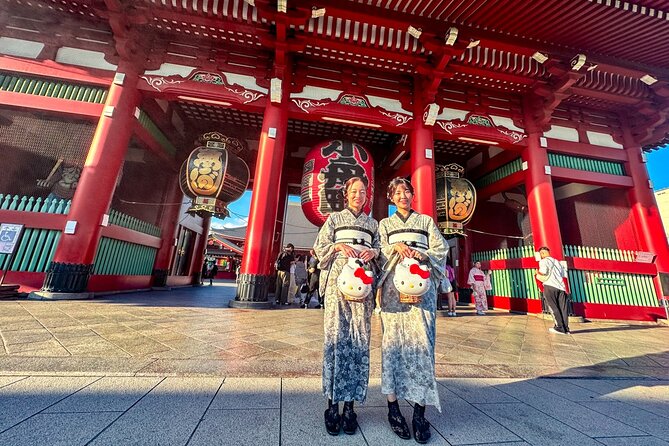
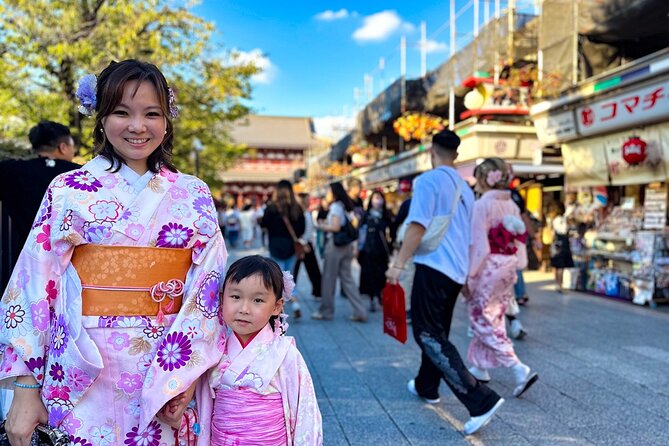
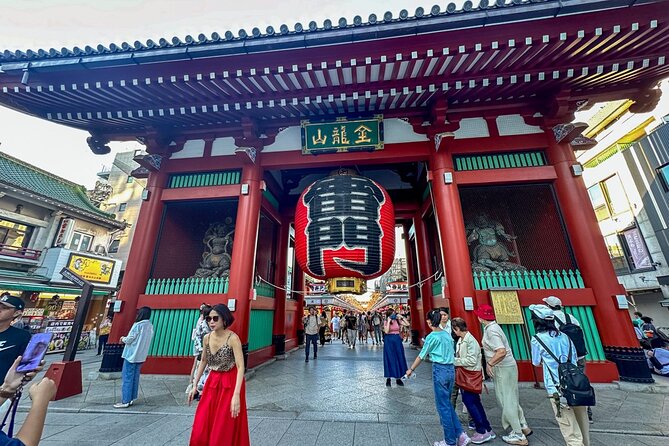
Asakusa is where old Tokyo starts to show up in a more human scale. The centerpiece is Senso-ji, Tokyo’s oldest and most famous Buddhist temple. This part of the day is a classic: lanterns, approach streets, crowds, and the sense that you are walking into a story people have told for generations.
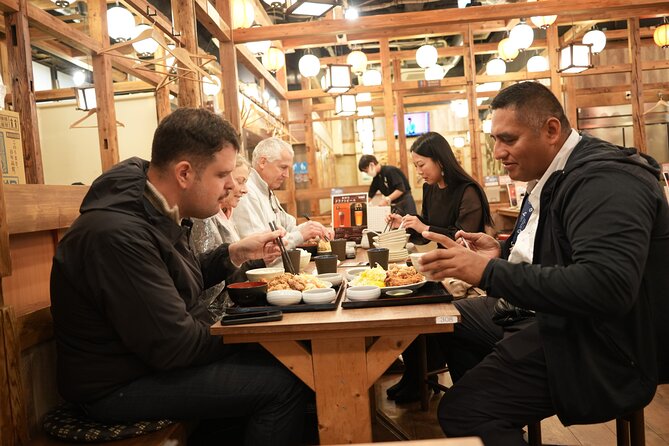
Your visit includes lunch options or free time in the area, depending on what you choose. If you select the lunch option, you eat a traditional Japanese meal at a local restaurant included with the tour. One guide-led note that stood out in people’s feedback: the lunch option has been described as delicious and well served, which is exactly what you want when your schedule is tight.
The trade-off is time. Even though you get free time, Senso-ji is popular and the approach streets can slow you down. In one case, there was a feeling that the time at Senso-ji was not enough to really get oriented, and that meeting back up with the group made the stop feel a bit rushed. So keep your expectations realistic: this tour is built to see major highlights, not to master every corner of Asakusa.
If you like to browse along the temple approach, plan a few minutes for snacks and small purchases. Just remember the day is moving toward Tokyo Skytree, so you do not want to burn your entire buffer on one street.
Tokyo Skytree Observation Deck: The Clean, High Finish
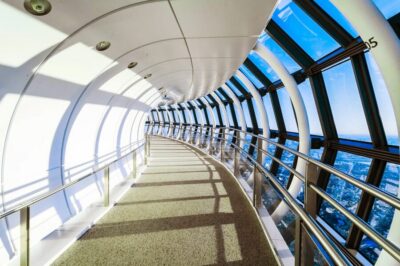
Tokyo Skytree is the closer, and it is the kind of final stop that turns a busy day into a clear memory. If you choose the option, entrance to Tokyo Skytree is included. From there, you go to the observation deck for panoramic views across the sprawling city.
This stop is high payoff because it gives you orientation. After being at sea-level street corners and temple approaches, you get a sense of how Tokyo fits together, including how neighborhoods stack and how far the city spreads. Even if you have been in Tokyo before, views like this can help you connect dots you never noticed from ground level.
One practical caution matters a lot: the tour ends at Tokyo Skytree, and you can only enter if you previously purchased tickets. That sounds like a small detail, but it can make or break the day. Before you go, double-check that your specific option matches what you expect at the entrance. Do not assume the day will automatically solve ticket issues.
Also, pack for the weather. Observation decks depend on visibility. Bring sunscreen and water, and keep an eye on wind and cloud cover so you get the best views you can.
If your goal is to finish with a big “wow,” Skytree is doing the job.
Price and Value for a 7-Hour Landmark Circuit
The price is $69 per person for a 7-hour tour, which is not an impulse bargain but it is not a luxury day either. The value comes from the structure: you get a bilingual guide in English and Spanish, train tickets for the transfers between sights, and optional additions like lunch and Skytree entrance depending on what you select.
So what are you really paying for? You are paying for time saved. In a city like Tokyo, figuring out transit between major nodes can eat energy. Here, you just follow the plan and the train logistics are handled. You are also paying for “translation help.” The big sites like Meiji Shrine and Senso-ji become more rewarding when you know what you are looking at and what details matter.
That said, the pacing is the main risk with this kind of tour. When each stop is limited, you might not get as much time for Senso-ji or for photos at the Imperial Palace as you would like. There was also a complaint that some time allocations felt shorter than expected, and that the guide provided less Tokyo context than people wanted. Those concerns do not mean the experience is bad. They just mean you should match the product to your style.
If you want a sampler day with guided highlights and smooth transit, $69 can feel reasonable. If you want a slow, interpretive tour where each site gets deep attention, you may end up wishing you had budgeted more independent time.
The Guides and the Tone of the Day
A big part of whether a landmark tour feels satisfying is the tone of the guide. In the case of this tour, guide names that have shown up include Oliver, Jorg, Melody, George, Erik, and Burt. The praise is consistent on a few points: the guides have been described as friendly, organized, and attentive to the group’s pace.
That pace detail matters more than it sounds. One example: a guide was noted for staying accommodating for slower walkers while still moving efficiently with the group. That is not about being nice. It is about making sure you actually see each stop instead of sprinting through it.
Language is also part of the value. This tour includes bilingual guidance in English and Spanish. In one account, a guide named Jorg was said to switch between multiple languages, which can be a lifesaver when your group includes different comfort levels.
If you prefer asking questions, bring a few ready prompts like:
- What should I watch for in Meiji Shrine?
- What is the most worthwhile angle for the Imperial Palace exterior?
- Is there a best time-saving path in Asakusa?
Guides who handle both transit and explanations well can turn a checklist day into a day that feels coherent.
What to Bring, and How to Pace Yourself
You do not need special gear, but you do need comfort. Wear comfortable shoes because you will be walking and moving between transit stops. Add a hat, sunscreen, and water since Tokyo can surprise you with heat and sun even when the day starts cool.
For photos, bring your camera and keep your phone charged. Between Shibuya, Meiji Shrine, and the temple area in Asakusa, you will want a lot of shots. The good news is that the route builds visual variety. The bad news is you will not have time to stop and rest repeatedly.
One more pacing tip: choose when you want to browse. In the Asakusa area with free time, decide early if you want street treats and souvenir browsing, or if you want more temple photos. Doing both is possible, but you need to move with intention so you do not lose your Skytree plan later.
Who This Tour Suits Best
This tour fits you if you want an efficient “Tokyo highlights” day and you enjoy having a guide connect the dots. You will likely like it if you care about Shinto and Buddhist sites, you want big city photos from the Imperial Palace exterior, and you also want a high-view finale from Tokyo Skytree.
It is also a good match if you dislike transit planning. You get train tickets for transfers, and the day is built around moving between key locations without you doing route math.
If you are traveling with limited time, this helps you stack major stops into a single day. It is also a decent first trip plan because it covers different Tokyo “faces” in one run: modern crossing energy, shrine calm, palace formality, pop culture streets, and old-school temple atmosphere.
The main mismatch is for people who want slow, unhurried exploration or for anyone who needs full wheelchair access. This tour is not suitable for wheelchair users.
Should You Book It? My Practical Verdict
If your priority is seeing a lot of Tokyo’s headline sights in one guided day, this tour is a solid option. The combination of Meiji Shrine, Senso-ji in Asakusa, Imperial Palace photo moments, and an optional Skytree observation deck creates an easy story for your trip, with transit handled for you.
I would book it if:
- You want a structured day with guided help in English or Spanish.
- You like the idea of moving from shrine calm to city energy without planning transit.
- You are okay with limited time at each major stop.
I would think twice if:
- You want lots of time to explore Senso-ji or the Imperial Palace grounds at a leisurely pace.
- You need guaranteed deep explanations at every stop, and not just brief context.
- You might forget ticket details for Skytree entry, since the day ends there and entry depends on tickets.
Do one quick check before you go: confirm your Skytree entry situation for your chosen option. If that is handled, the rest of the day is built to deliver a strong “Tokyo greatest hits” arc.
FAQ
Where do I meet the guide?
Meet your guide next to the Hachiko Statue at Hachiko Square.
How long is the tour?
The tour duration is 7 hours.
What’s included in the price?
You get a bilingual guide in Spanish and English, train tickets for the transfers between itinerary points, and lunch if you choose the lunch option. SkyTree entrance is included only if you select that option.
Is lunch included?
Lunch is included only if you choose the lunch option. Otherwise, you have free time in the Asakusa area.
Do I need tickets to enter Tokyo Skytree?
Yes. The tour ends at Tokyo Skytree, and you will only be able to enter if you have previously purchased tickets.
What languages are available for the guide?
The guide is available in English and Spanish.
What should I bring?
Bring comfortable shoes, a hat, a camera, sunscreen, and water.
Is the tour wheelchair accessible?
No, it is not suitable for wheelchair users.
Can I cancel and get a refund?
Yes. You can cancel up to 24 hours in advance for a full refund.
Central Tokyo Landmarks



Asakusa and the Skytree, Keep Going

Newest Tokyo write-ups from the Loving Japan desk






Asakusa, Senso-ji and Tokyo Skytree, side by side.
 ★ 4.5TOKYO SKYTREE® Admission ticketFrom $1311,192 reviews
 ★ 4.8Japanese Dance Cabaret Theater Asakusa-Kaguwa TicketFrom $492,270 reviews
 ★ 4.7Meiji Shrine, Asakusa, Skytree Bus Tour and CruiseFrom $1221,986 reviews
 ★ 4.9Roll and Authentic Sushi Making Class in AsakusaFrom $581,957 reviews
 ★ 4.8Asakusa Walking Tour with Sensoji Temple VisitFrom $221,583 reviews
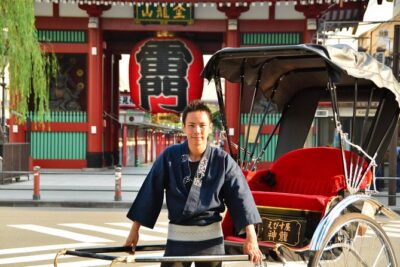 ★ 5.0Tokyo Asakusa Rickshaw TourFrom $421,375 reviews
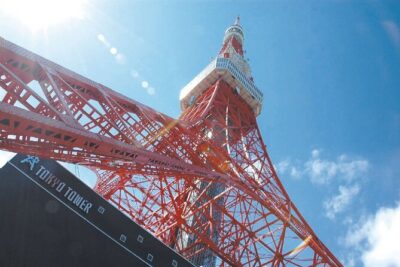 ★ 4.5Tokyo Panoramic 1 Day: Meiji Shrine, Asakusa, Odaiba and SKYTREE®From $851,222 reviews
 ★ 5.0Tokyo Go Kart: Asakusa, Skytree, and Akihabara **IDP MUST**From $99988 reviews
Filed on these lists too